
Hovedstæder i Mellemamerika
Mellemamerika er en vulkan- og jordskælvsaktiv bro mellem kontinenterne. Flere hovedstæder blev flyttet eller genopbygget efter naturkatastrofer, hvilket gør regionen særligt lærerig.
Studér hovedstæderne
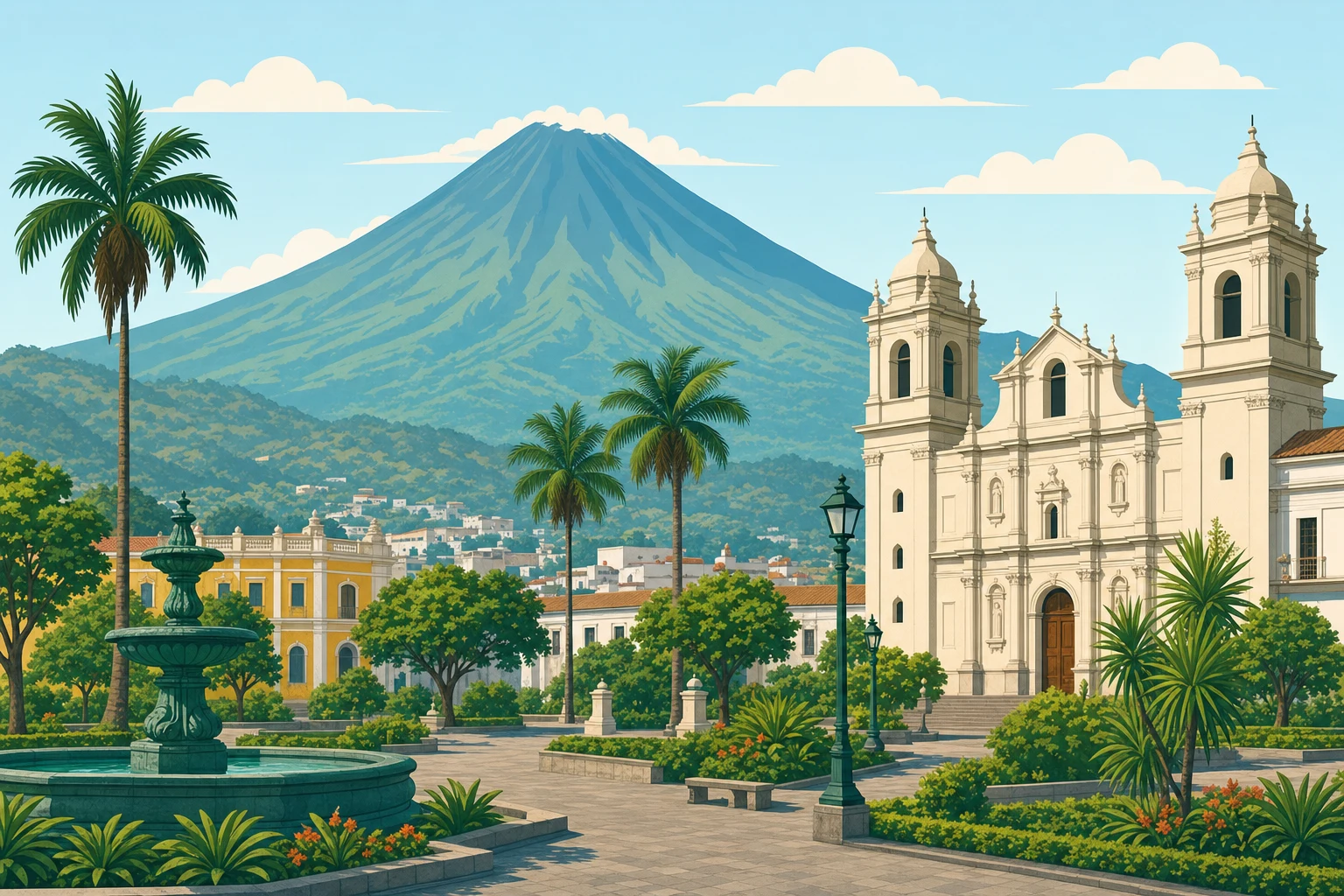
Guatemala City
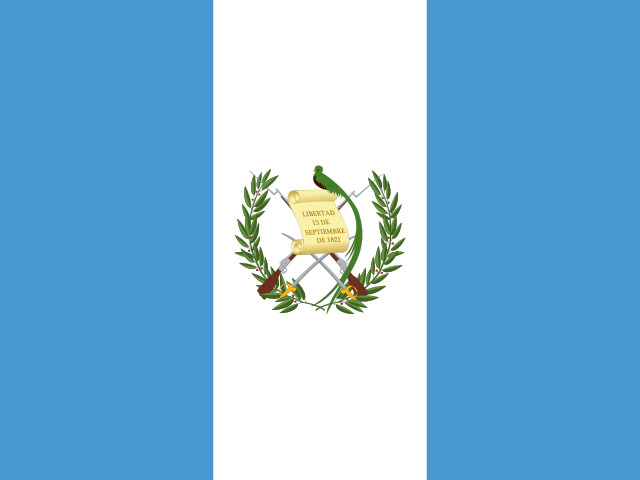
Guatemala
Befolkning: 2.9 million
Guatemala City, officially Nueva Guatemala de la Asunción, is the largest city in Central America. Situated in a mountain valley at 1,500 meters elevation, it has served as the capital since 1776 after earthquakes destroyed the former capital, Antigua Guatemala.
Vartegn: National Palace of Culture, Kaminaljuyú archaeological site
Sjove fakta
- Guatemala City sits in a valley surrounded by volcanoes and has experienced dramatic sinkholes due to its volcanic subsoil.
- It became the capital in 1776 after the Spanish colonial capital Antigua was devastated by earthquakes.
- The city is home to the largest urban area in Central America with a metro population of nearly 5 million.
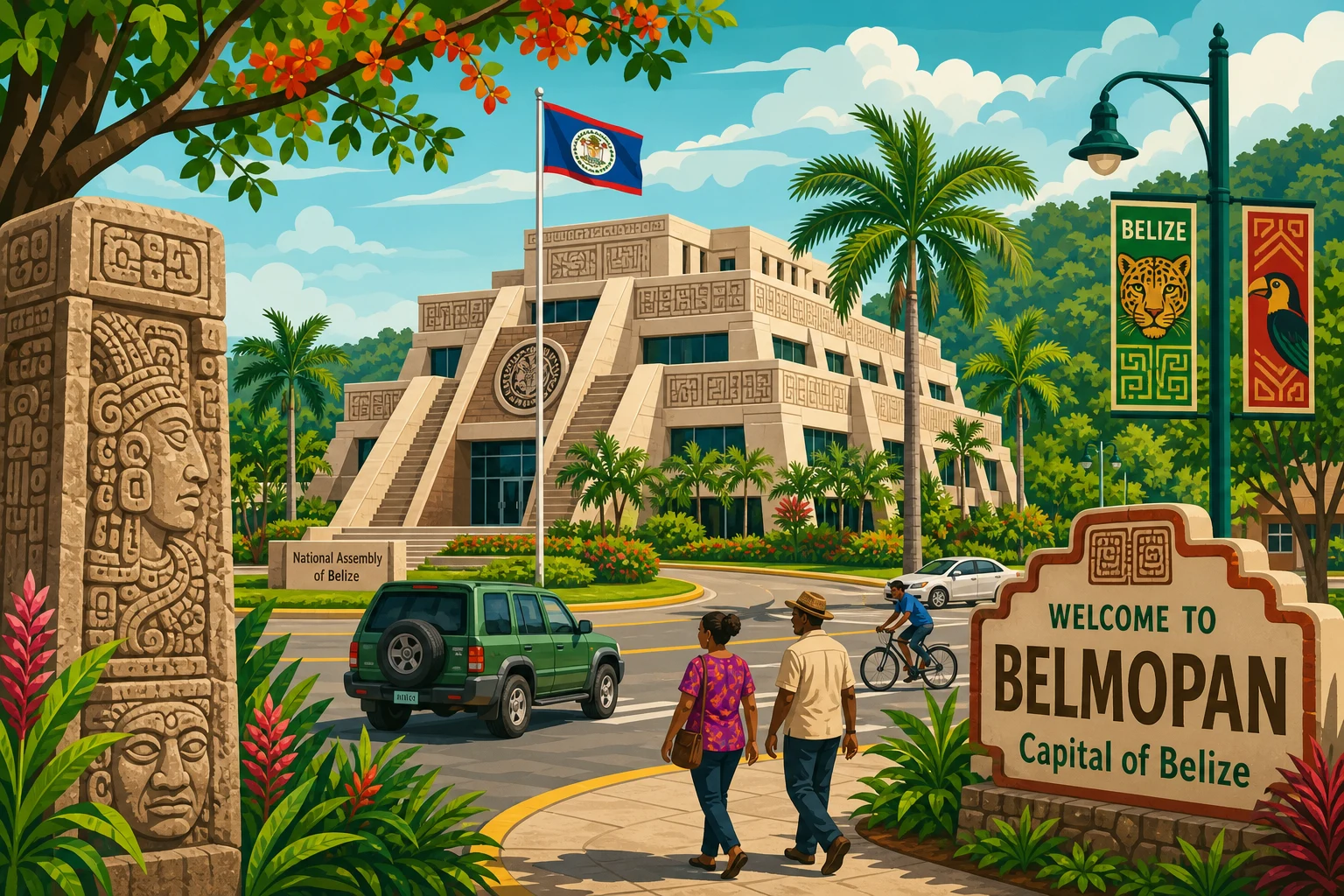
Belmopan
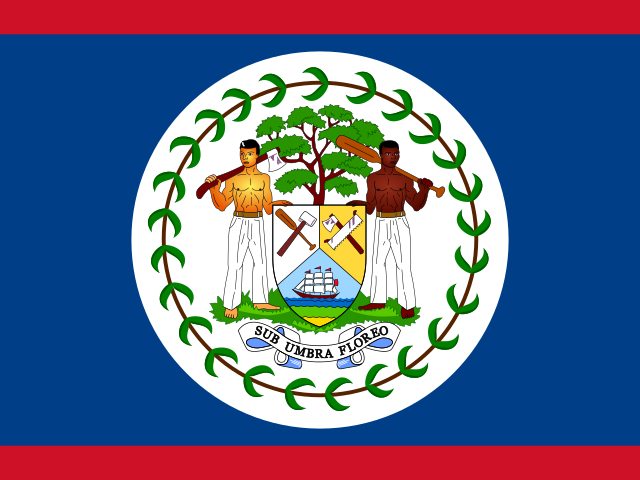
Belize
Befolkning: 27,000
Belmopan is one of the smallest capital cities in the world. It was purpose-built as a planned capital in 1970 after Hurricane Hattie devastated the former coastal capital, Belize City. Located inland in the Cayo District, it was designed to be safe from hurricanes.
Vartegn: National Assembly Building, George Price Centre for Peace and Development
Sjove fakta
- Belmopan was built from scratch as a planned capital city after Hurricane Hattie destroyed much of Belize City in 1961.
- Its National Assembly building is designed to resemble a Maya temple.
- Despite being the capital, Belmopan is only the third-largest city in Belize - Belize City remains the cultural and economic hub.
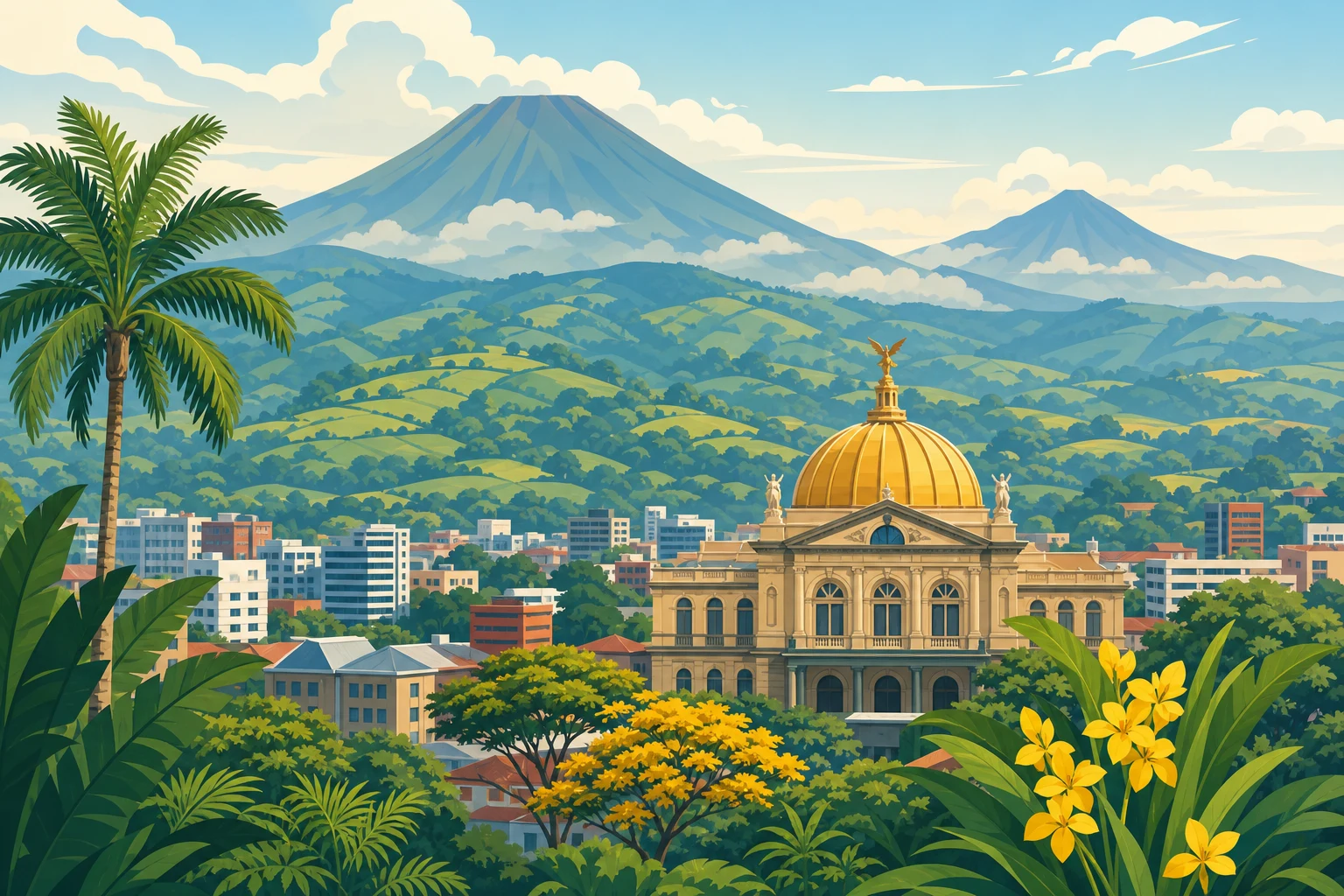
San José
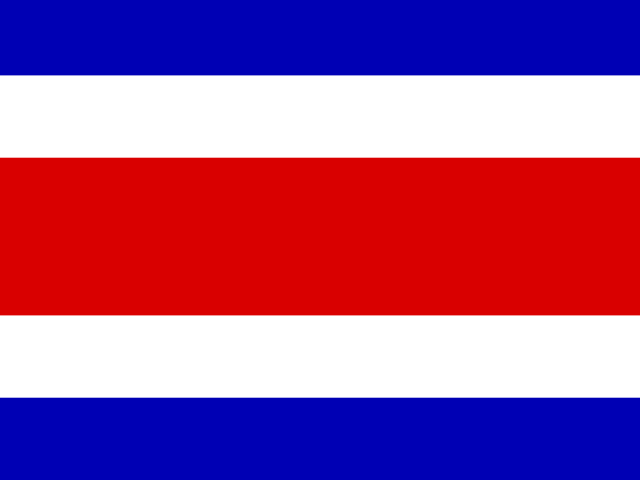
Costa Rica
Befolkning: 1.4 million
San José lies in the fertile Central Valley at an elevation of 1,170 meters, giving it a pleasant spring-like climate year-round. Founded in 1738, it became the capital in 1823 after Costa Rica gained independence from Spain and chose to move the seat of government from Cartago.
Vartegn: National Theatre of Costa Rica, National Museum (former Bellavista Fortress)
Sjove fakta
- San José was one of the first cities in Latin America to receive electric lighting, in 1884.
- The city sits in the Central Valley between two volcanic mountain ranges, enjoying average temperatures of 24°C all year.
- Costa Rica dissolved its military in 1948, and the former army headquarters in San José was converted into the National Museum.
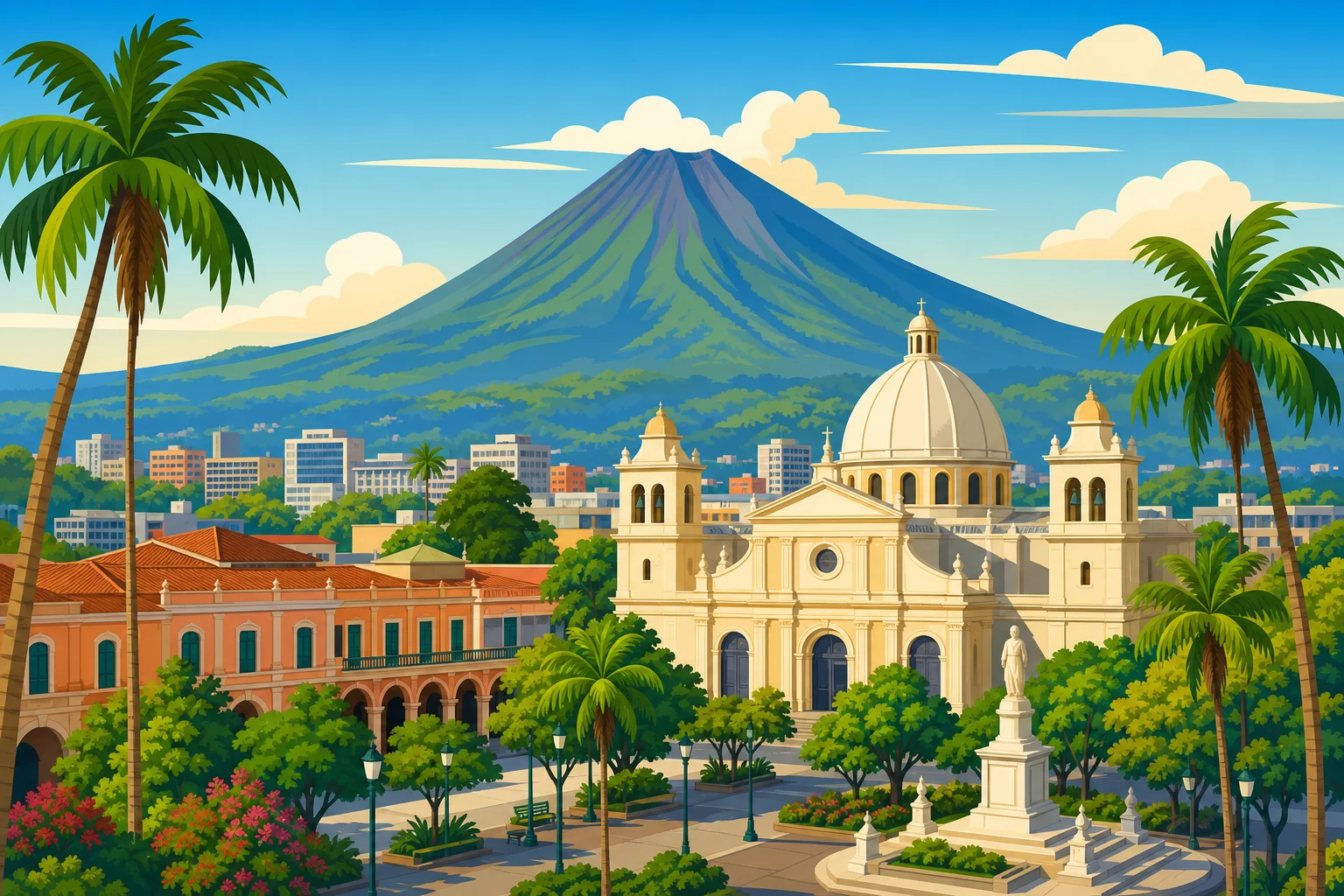
San Salvador
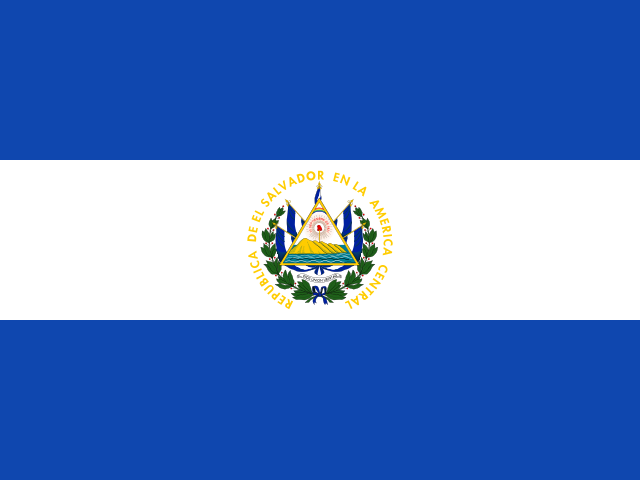
El Salvador
Befolkning: 1.8 million
San Salvador is the most densely populated capital in Central America. Located in the Valle de las Hamacas (Valley of the Hammocks) due to frequent seismic activity, the city has been destroyed and rebuilt multiple times throughout its history since its founding in 1545.
Vartegn: Metropolitan Cathedral of the Holy Savior, El Boquerón National Park
Sjove fakta
- San Salvador has been destroyed by earthquakes more than a dozen times, earning its valley the nickname "Valley of the Hammocks" due to constant tremors.
- The San Salvador volcano (Boquerón) overlooks the city and last erupted in 1917.
- El Salvador is the smallest and most densely populated country in Central America, and San Salvador is its political and economic heart.
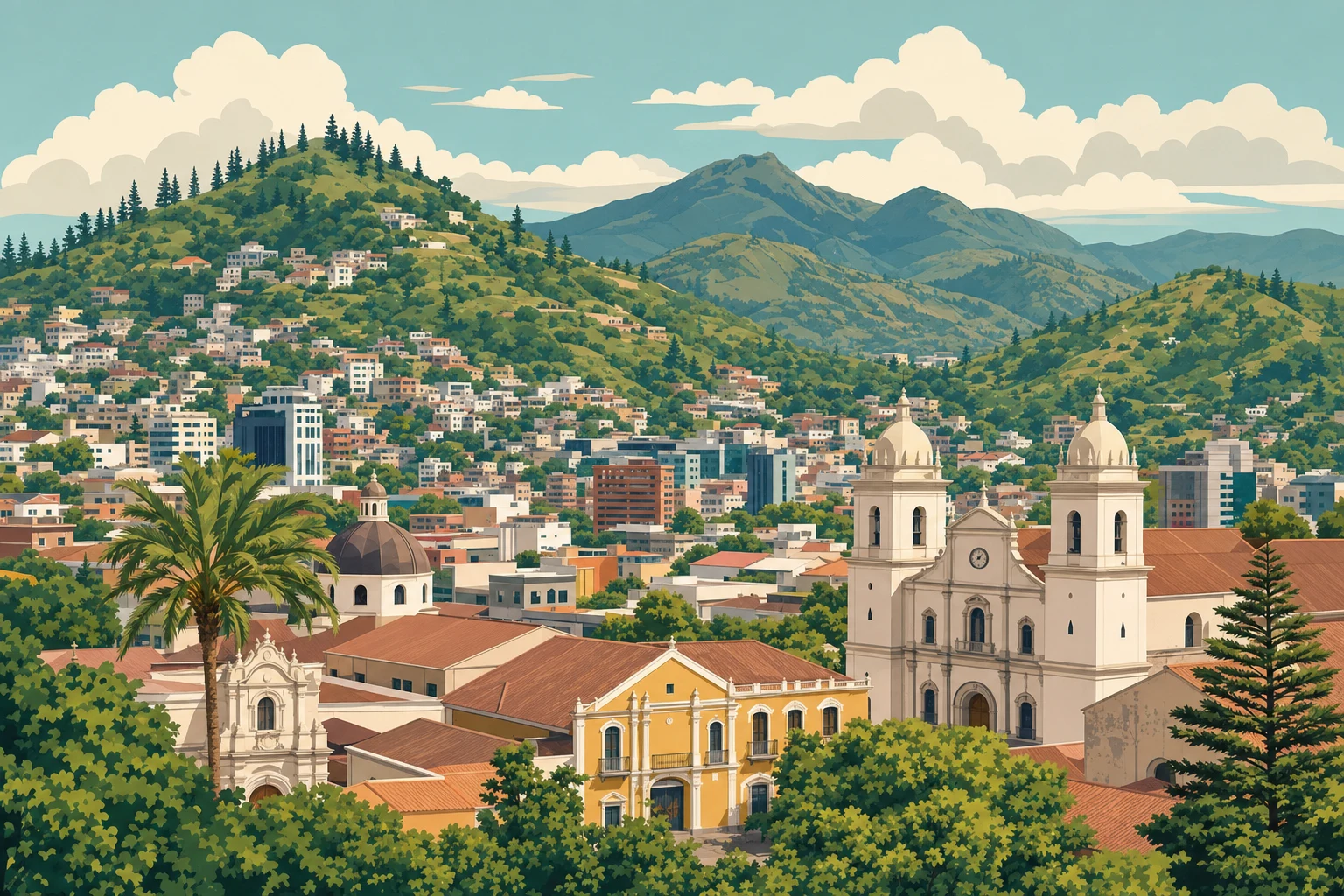
Tegucigalpa
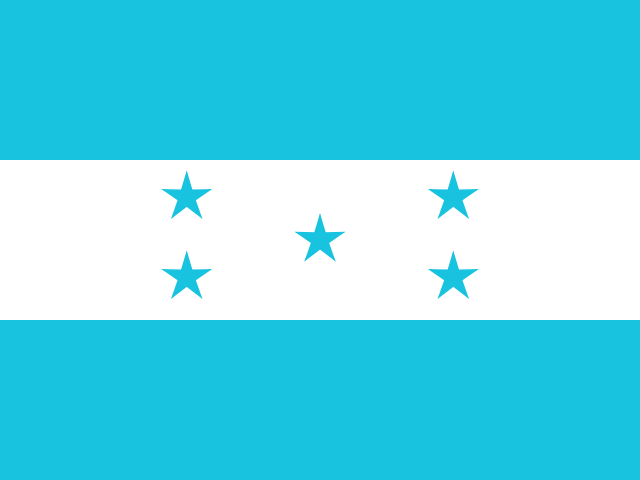
Honduras
Befolkning: 1.2 million
Tegucigalpa sits in a hilly valley at about 990 meters elevation. Originally founded as a mining town in 1578 by the Spanish seeking silver, it became the permanent capital of Honduras in 1880. The city merged with its twin city Comayagüela across the Choluteca River.
Vartegn: Basílica de Suyapa, La Tigra National Park
Sjove fakta
- Tegucigalpa was founded as a silver and gold mining center in the 16th century, and its name likely derives from the Nahuatl word for "silver hills."
- The city shares its metropolitan area with Comayagüela - together they form the Central District.
- Tegucigalpa is one of the few capital cities in the Americas without a railway connection.
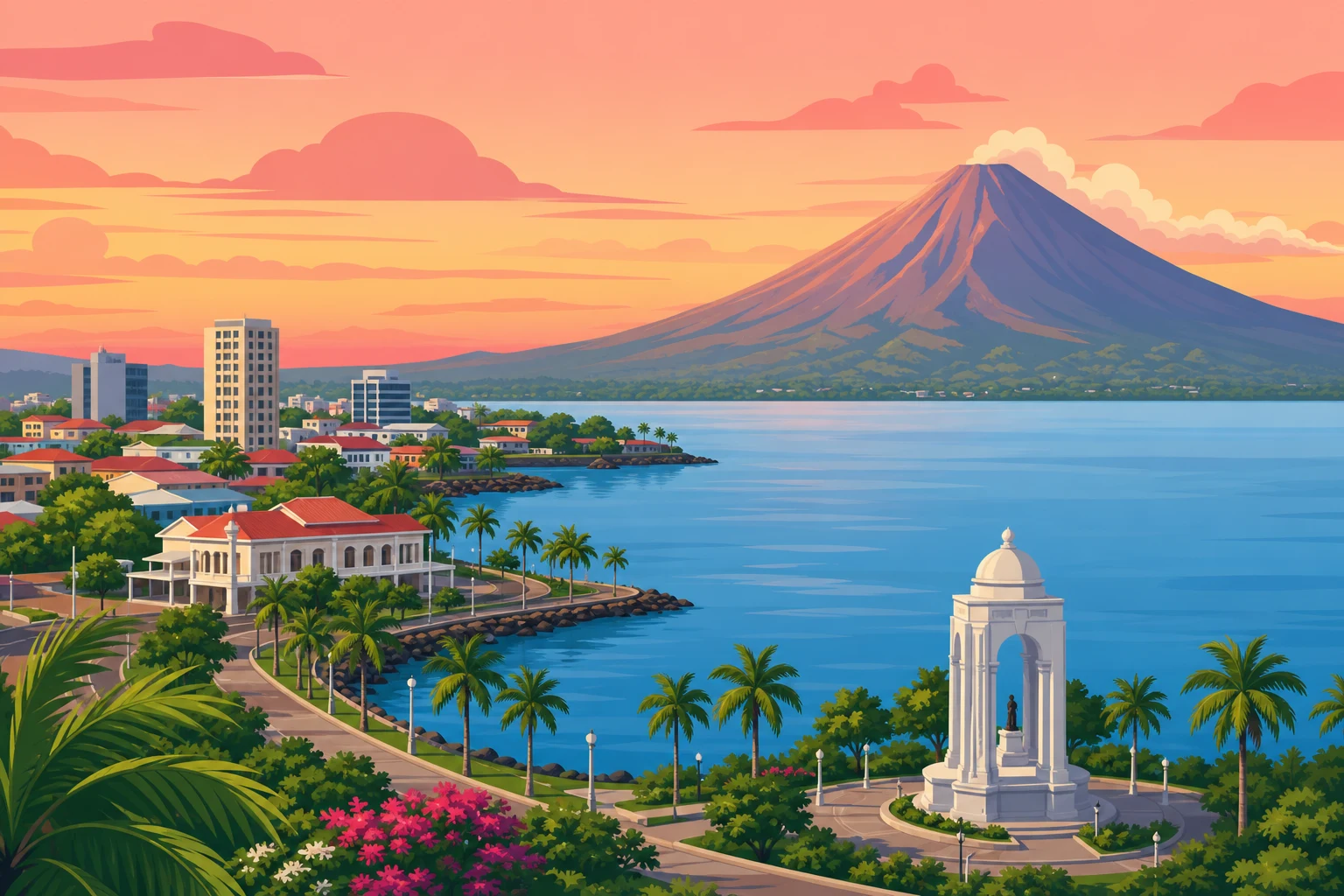
Managua
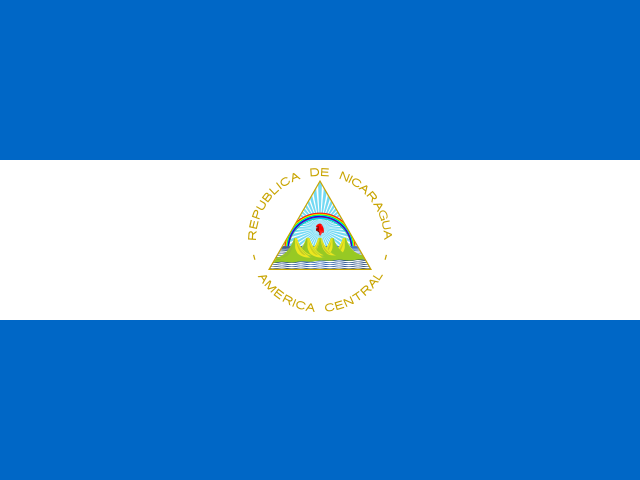
Nicaragua
Befolkning: 1.1 million
Managua is located on the southern shore of Lake Managua (Lake Xolotlán). It became the capital in 1852 as a compromise between the rival cities of León and Granada. The devastating 1972 earthquake destroyed the city center, and much of downtown was never fully rebuilt, giving the city its unusual spread-out layout.
Vartegn: Old Cathedral of Managua (earthquake ruins), Tiscapa Lagoon Natural Reserve
Sjove fakta
- Managua became the capital as a political compromise between the liberal city of León and the conservative city of Granada, which had fought for dominance.
- The 1972 earthquake destroyed 90% of the city center, and the old downtown remains largely undeveloped to this day.
- Managua sits on the shore of Lake Xolotlán and enjoys views of several nearby volcanoes including Momotombo.
Panama City
Panama
Befolkning: 1.5 million
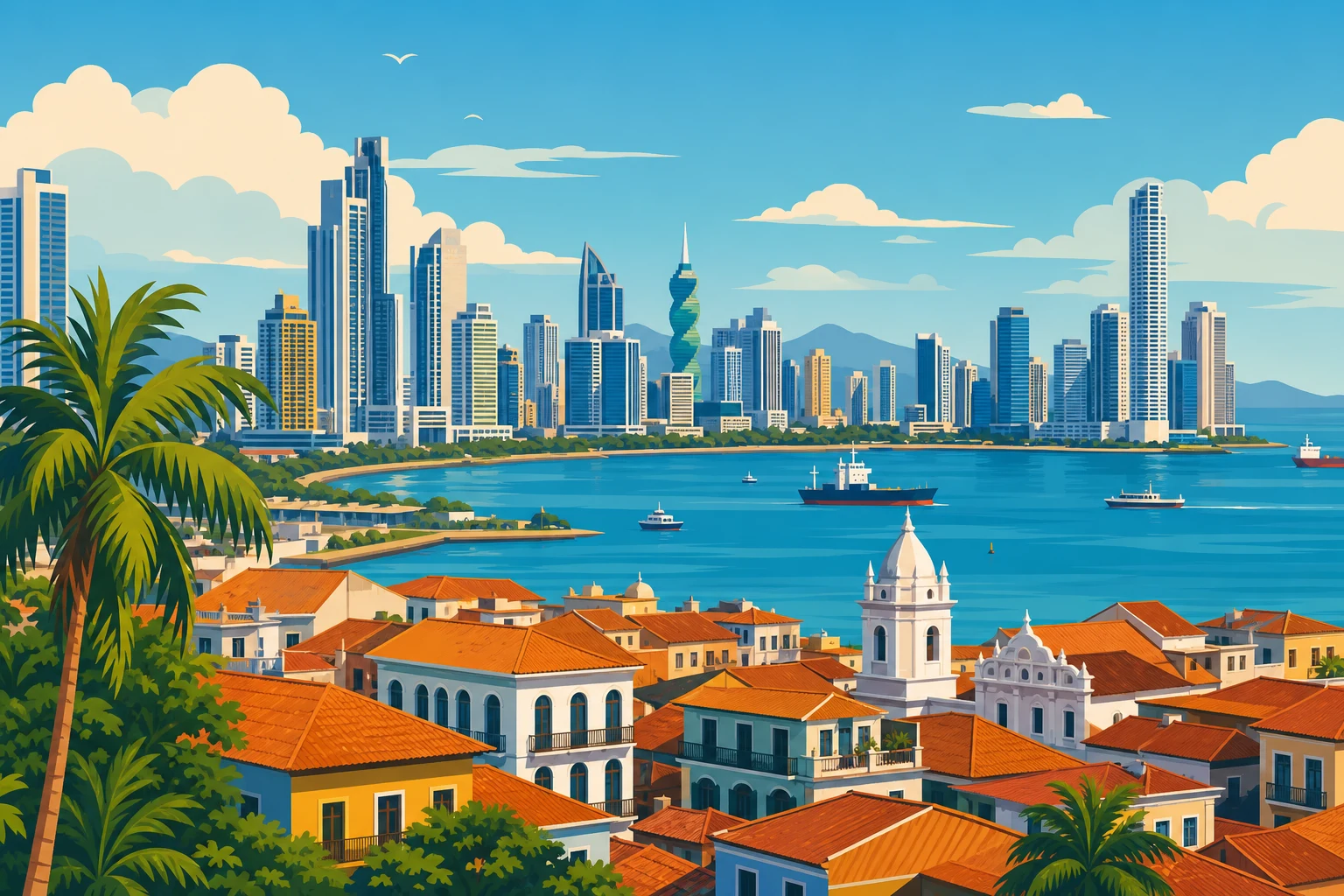
Panama City is the most cosmopolitan capital in Central America, with a dramatic modern skyline that has earned it the nickname "Dubai of Latin America." Founded in 1519, it is the oldest continuously occupied European settlement on the Pacific coast of the Americas and serves as the gateway to the Panama Canal.
Vartegn: Panama Canal (Miraflores Locks), Casco Viejo (UNESCO World Heritage Site)
Sjove fakta
- Panama City is the only capital in Latin America with a major rainforest (Metropolitan Natural Park) within its city limits.
- The original Panama City (Panamá Viejo) was sacked by the pirate Henry Morgan in 1671, and the city was rebuilt at a new location now called Casco Viejo.
- The Panama Canal, one of the greatest engineering feats in history, has its Pacific entrance just minutes from downtown.
Hurtigt overblik
Test din viden
Hvor godt kender du disse hovedstæder? Find ud af det her.
Øv med spil
Klar til at teste det, du har lært? Hop ind i et spil og prøv det af.
Om mellemamerikanske hovedstæder
Fra Guatemala City til Panama City fortæller mellemamerikanske hovedstæder om jordskælv, orkaner og politiske kompromisser. Nogle byer som Belmopan er bevidst anlagt inde i landet af hensyn til sikkerhed.
Ofte stillede spørgsmål
Hvad er den største hovedstad i Mellemamerika?
Guatemala City er den største med et storbyområde tæt på fem millioner indbyggere.
Hvorfor er Belmopan Belizes hovedstad og ikke Belize City?
Efter orkanen Hattie i 1961 valgte man at bygge en ny indlands-hovedstad mindre udsat for stormflod.
Hvilken hovedstad ligger ved Panamakanalen?
Panama City ved Stillehavssiden er knudepunktet tæt på kanalen med sluser og infrastruktur.