Hovedstæder i Sydamerika
Sydamerika har 12 selvstændige nationer med hovedstæder fra Brasílias modernistplan til Limas koloniale kerne. Bjerg og kyst skaber stærk geografisk kontrast.
Studér hovedstæderne
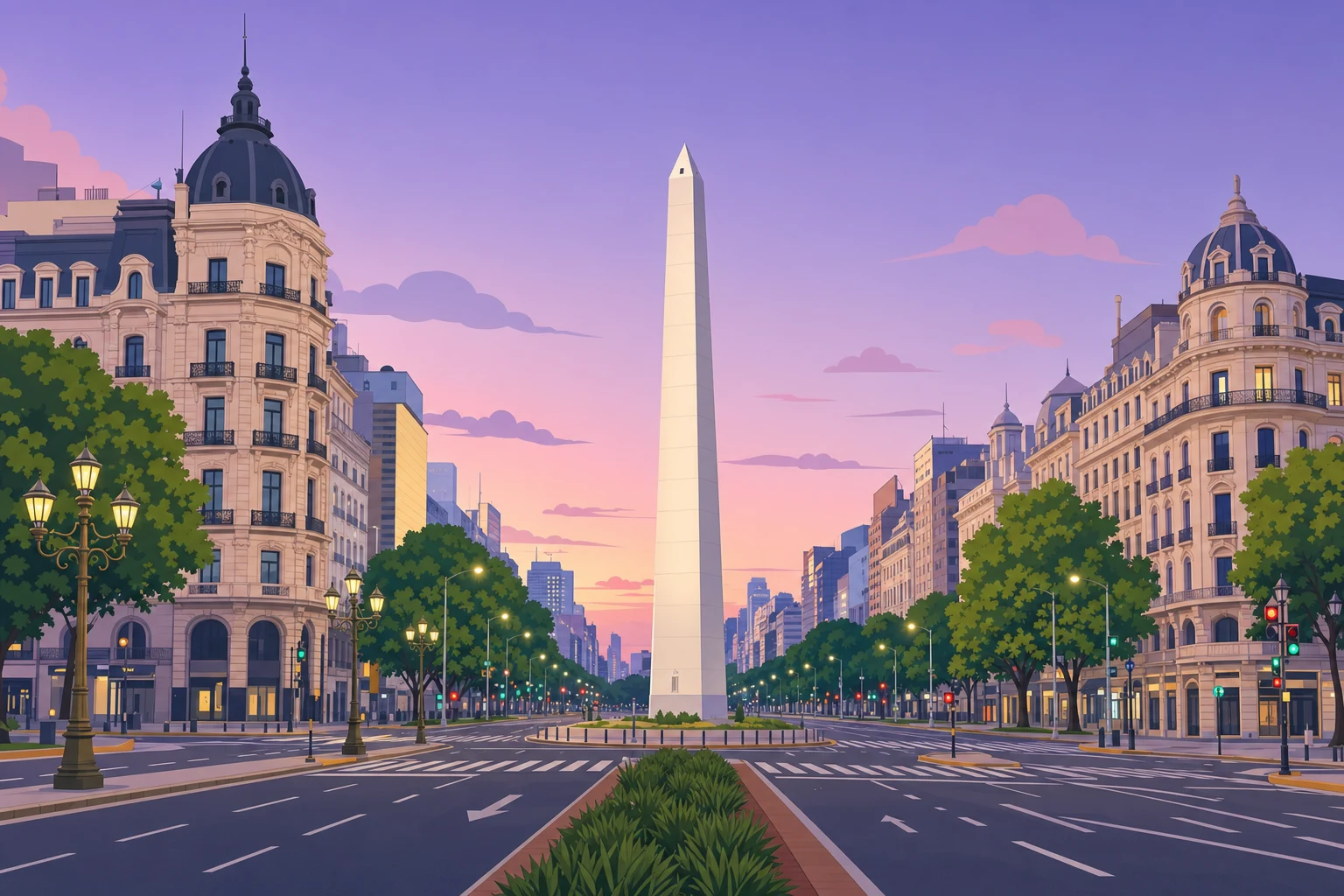
Buenos Aires
Argentina
Befolkning: 3.1 million
Buenos Aires is the cosmopolitan capital of Argentina, known for its European-influenced architecture, passionate tango culture, and world-class cuisine.
Vartegn: Casa Rosada, Teatro Colón, Obelisco de Buenos Aires
Sjove fakta
- Buenos Aires has the widest avenue in the world, Avenida 9 de Julio, spanning 140 meters across.
- The city has more bookstores per capita than any other city in the world.
- Buenos Aires is often called the "Paris of South America" due to its French-inspired architecture.
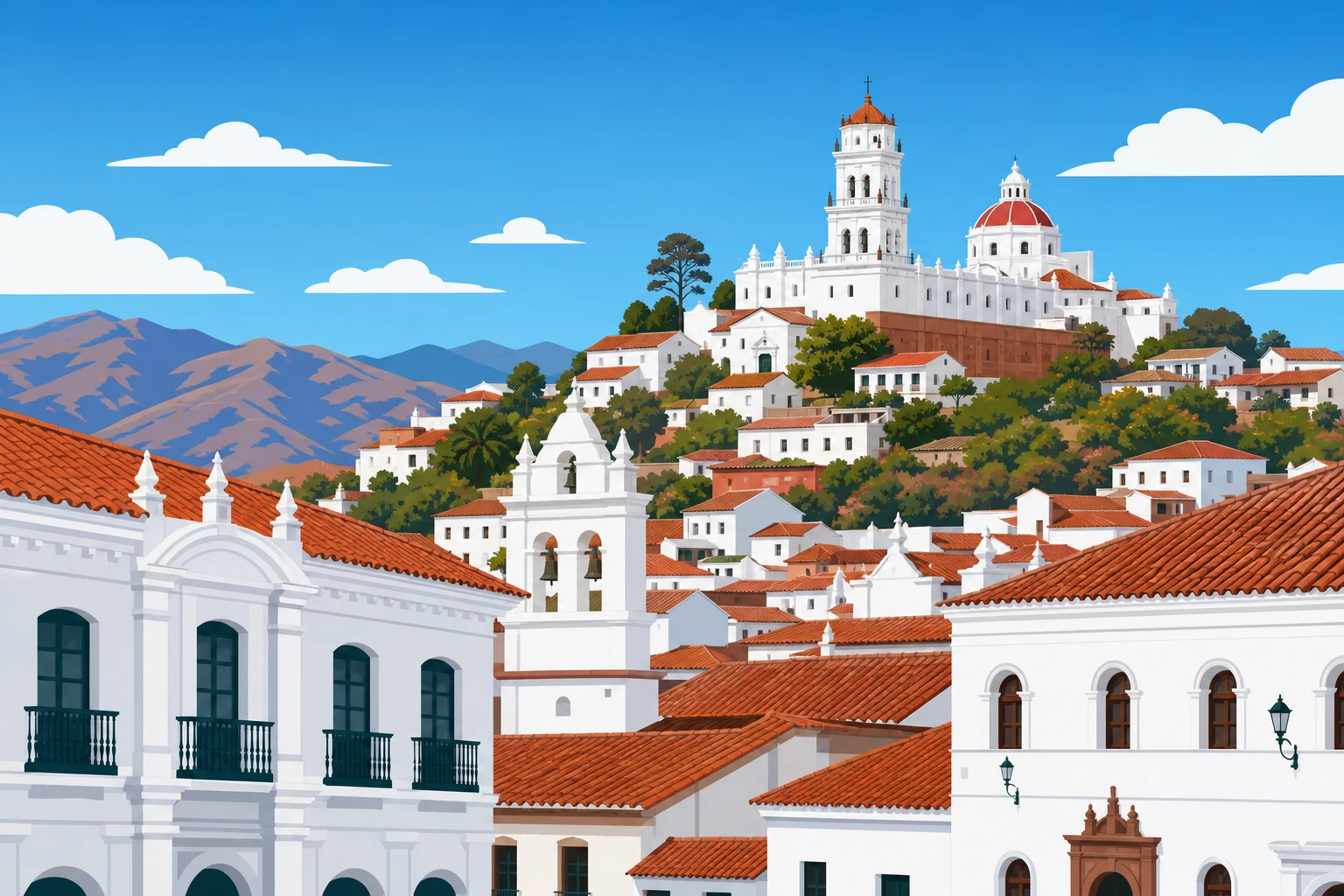
Sucre
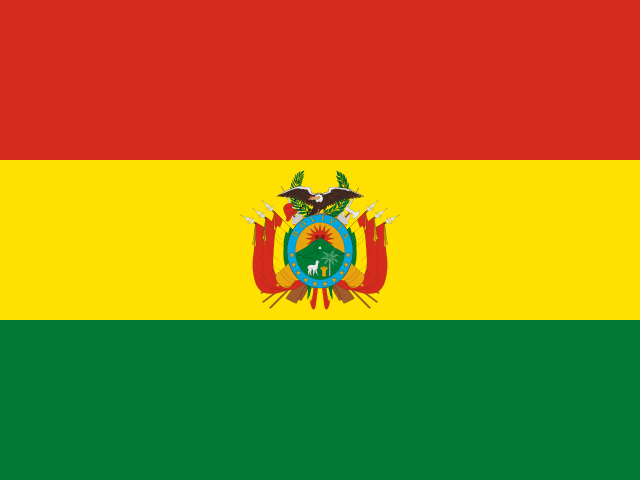
Bolivia
Befolkning: 300,000
Sucre is the constitutional capital of Bolivia, a UNESCO World Heritage Site known for its well-preserved colonial whitewashed buildings and pleasant climate.
Vartegn: Casa de la Libertad, Metropolitan Cathedral of Sucre, Cretaceous Park (Cal Orck'o)
Sjove fakta
- Bolivia has two capitals: Sucre is the constitutional capital, while La Paz serves as the administrative capital where the government sits.
- Sucre is nicknamed "The White City" because of its colonial whitewashed buildings.
- La Paz, the administrative capital, is the highest capital city in the world at 3,640 meters above sea level.
Brasília
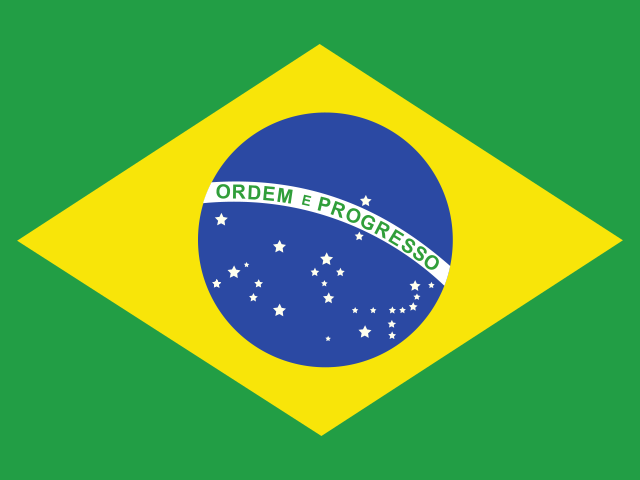
Brasilien
Befolkning: 3.0 million
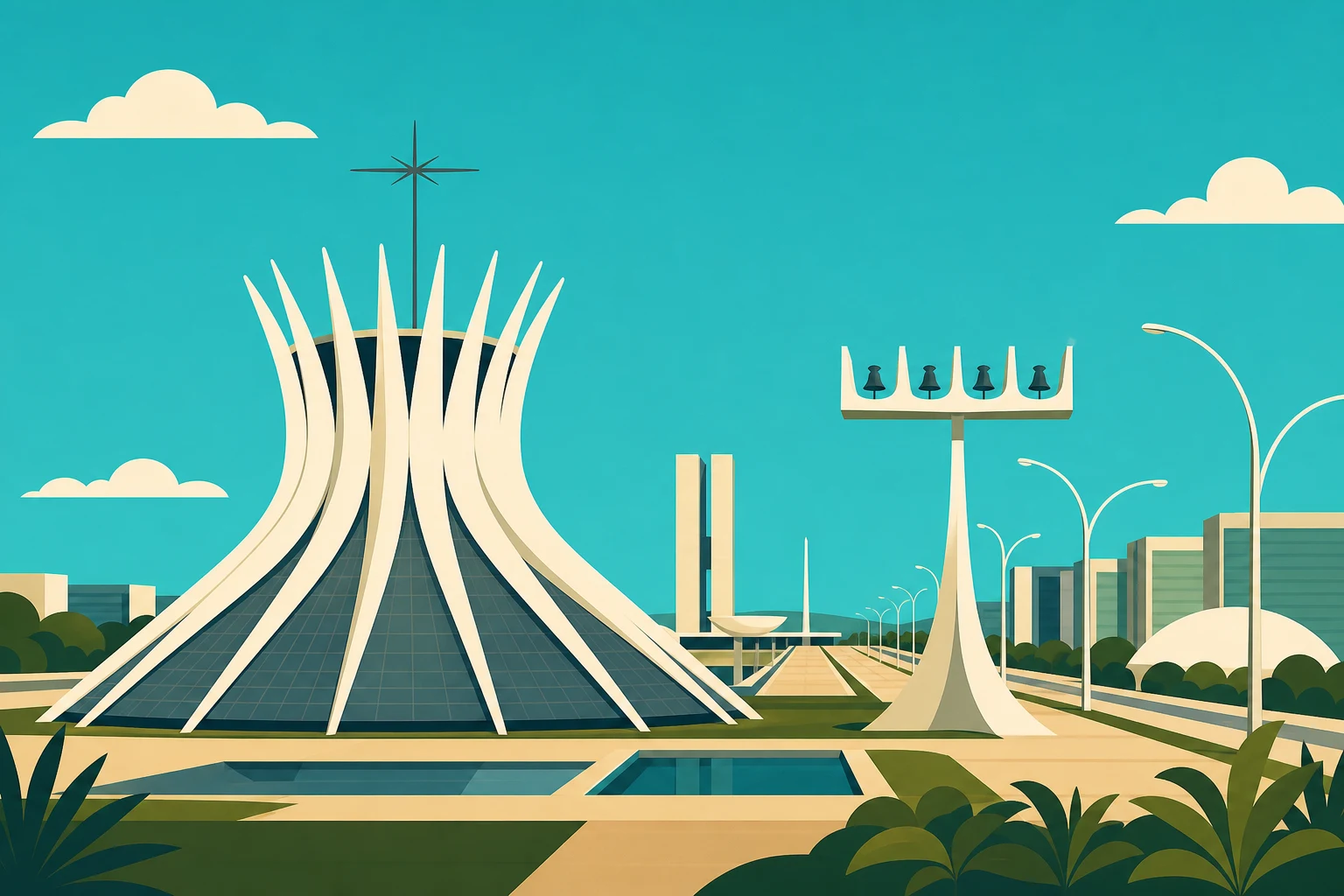
Brasília is a planned city inaugurated in 1960 as Brazil's new capital, famous for its modernist architecture designed by Oscar Niemeyer and urban plan by Lúcio Costa.
Vartegn: Cathedral of Brasília, National Congress Building, Palácio da Alvorada
Sjove fakta
- Brasília was built in just 41 months and inaugurated on April 21, 1960.
- Viewed from above, the city's layout resembles an airplane or a bird in flight.
- The city was designated a UNESCO World Heritage Site in 1987 for its modernist architecture.
Santiago
Chile
Befolkning: 5.6 million
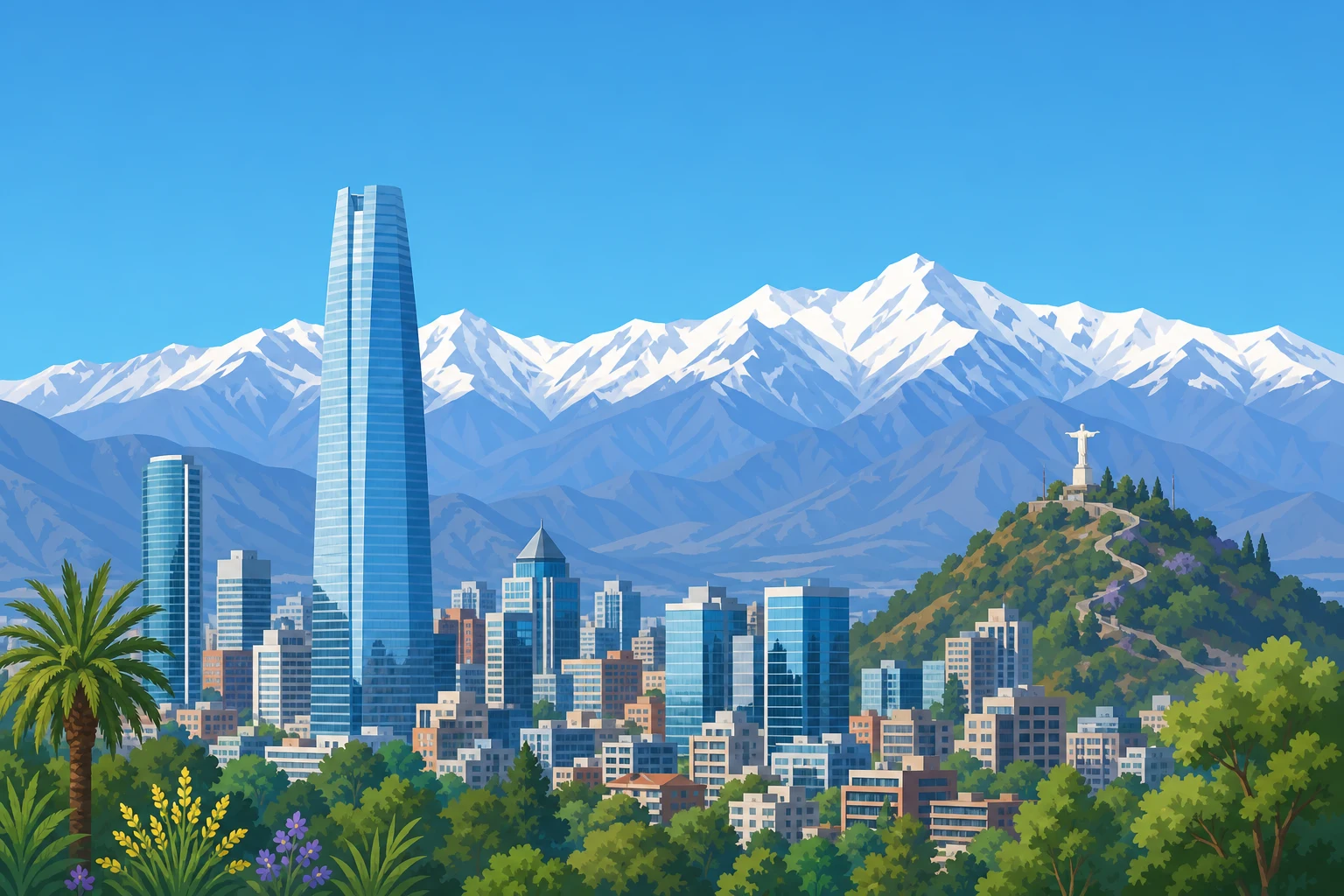
Santiago is the capital and largest city of Chile, nestled in a valley surrounded by the snow-capped Andes mountains and the Chilean Coastal Range.
Vartegn: La Moneda Palace, San Cristóbal Hill, Plaza de Armas
Sjove fakta
- Santiago produces over 45% of Chile's GDP and is home to about a third of the country's population.
- The city was founded by Spanish conquistador Pedro de Valdivia in 1541.
- Santiago has South America's tallest building, the Gran Torre Santiago, at 300 meters.
Bogotá
Colombia
Befolkning: 7.9 million
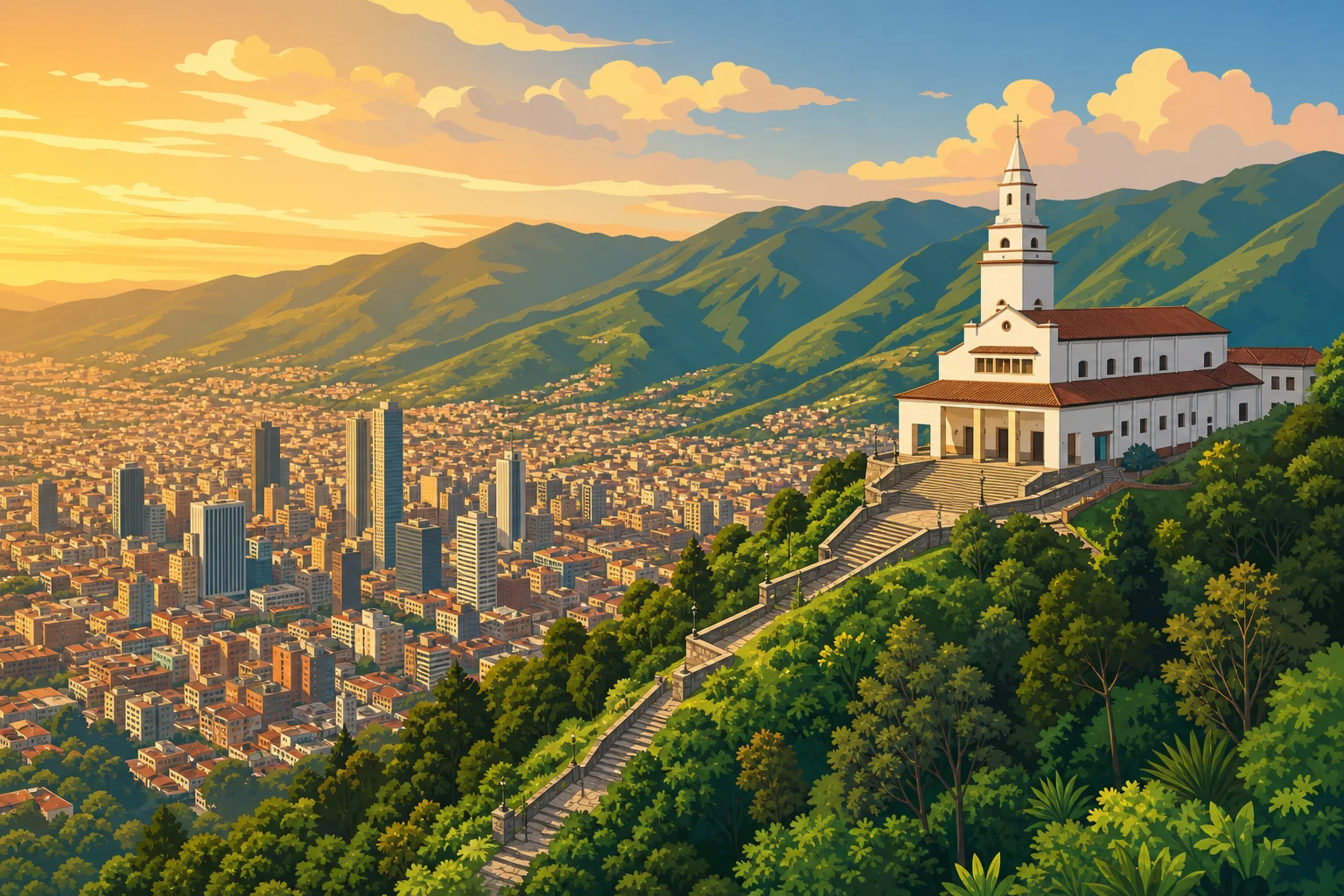
Bogotá is the sprawling capital of Colombia, located high on a plateau in the Andes at 2,640 meters elevation, known for its rich cultural scene and colonial La Candelaria district.
Vartegn: Monserrate, Gold Museum, Bolívar Square
Sjove fakta
- Bogotá hosts Ciclovía every Sunday, closing 120 km of roads to cars so residents can bike, walk, and skate.
- The Gold Museum (Museo del Oro) holds over 55,000 pieces of pre-Columbian gold artifacts.
- Bogotá is one of the highest capital cities in the world at 2,640 meters above sea level.
Quito
Ecuador
Befolkning: 1.9 million
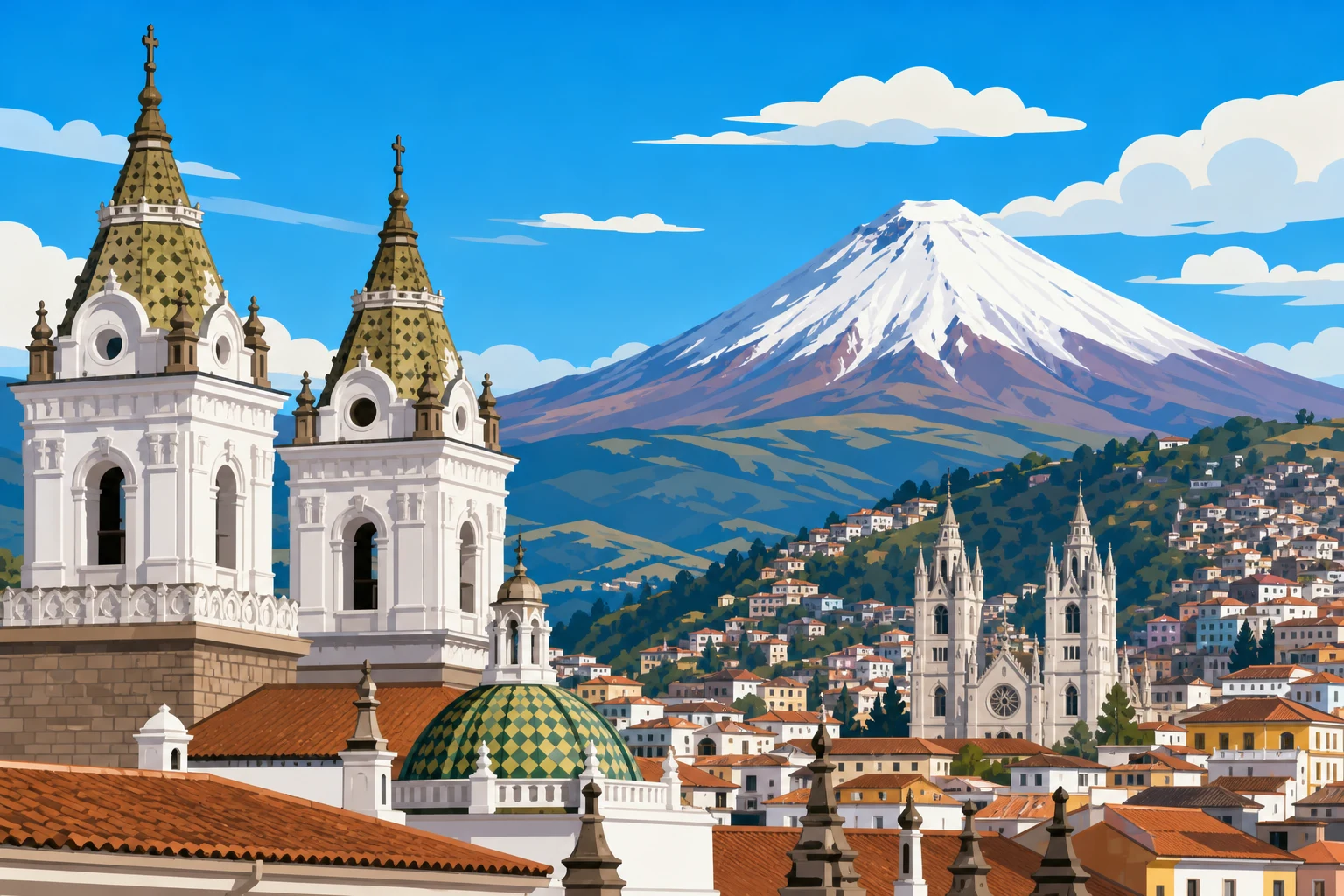
Quito is the capital of Ecuador, perched at 2,850 meters in the Andes. It was one of the first UNESCO World Heritage Sites, recognized for its beautifully preserved colonial center.
Vartegn: Basilica del Voto Nacional, La Compañía de Jesús Church, Mitad del Mundo Monument
Sjove fakta
- Quito's historic center is one of the largest and best-preserved in the Americas.
- The city sits almost exactly on the equator, from which Ecuador takes its name.
- Quito was the first city to be declared a UNESCO World Heritage Site in 1978, along with Kraków.
Georgetown
Guyana
Befolkning: 235,000
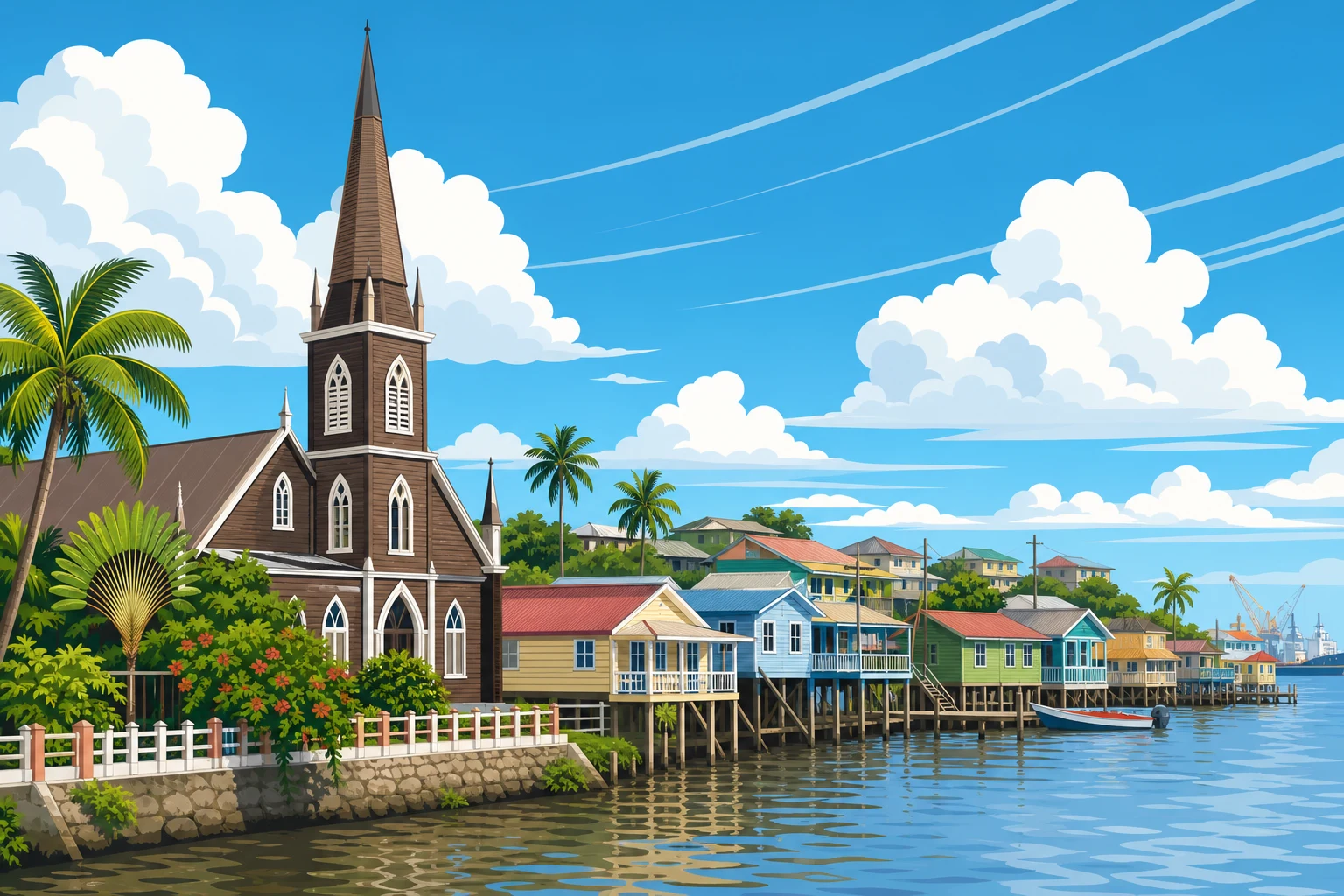
Georgetown is the capital and largest city of Guyana, located on the Atlantic coast at the mouth of the Demerara River, known for its colonial wooden architecture.
Vartegn: St. George's Cathedral, Stabroek Market, Demerara Harbour Bridge
Sjove fakta
- Georgetown is nicknamed "Garden City of the Caribbean" for its tree-lined streets and botanical gardens.
- The city sits below sea level and is protected by a seawall built by the Dutch in the 18th century.
- St. George's Cathedral in Georgetown is one of the tallest wooden buildings in the world at 43 meters.
Asunción
Paraguay
Befolkning: 525,000
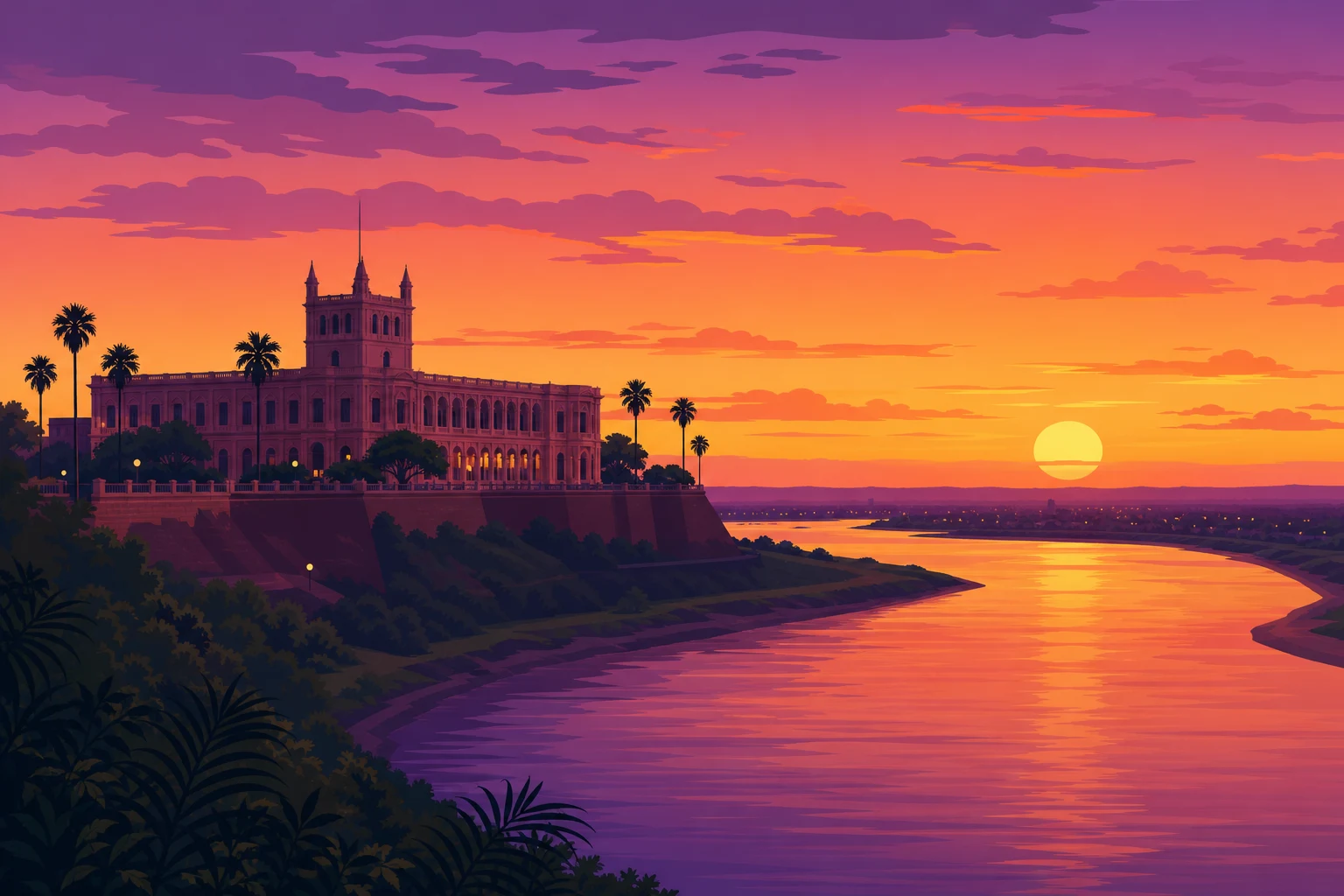
Asunción is the capital of Paraguay, located on the eastern bank of the Paraguay River. Founded in 1537, it is one of the oldest cities in South America.
Vartegn: Palacio de los López, National Pantheon of the Heroes, Catedral Metropolitana
Sjove fakta
- Asunción is known as the "Mother of Cities" because many South American cities were founded by expeditions departing from it.
- The city was founded on August 15, 1537, the Feast of the Assumption, which gave it its name.
- Paraguay is one of the most bilingual countries in the world, with most residents speaking both Spanish and Guaraní.
Lima
Peru
Befolkning: 10.0 million
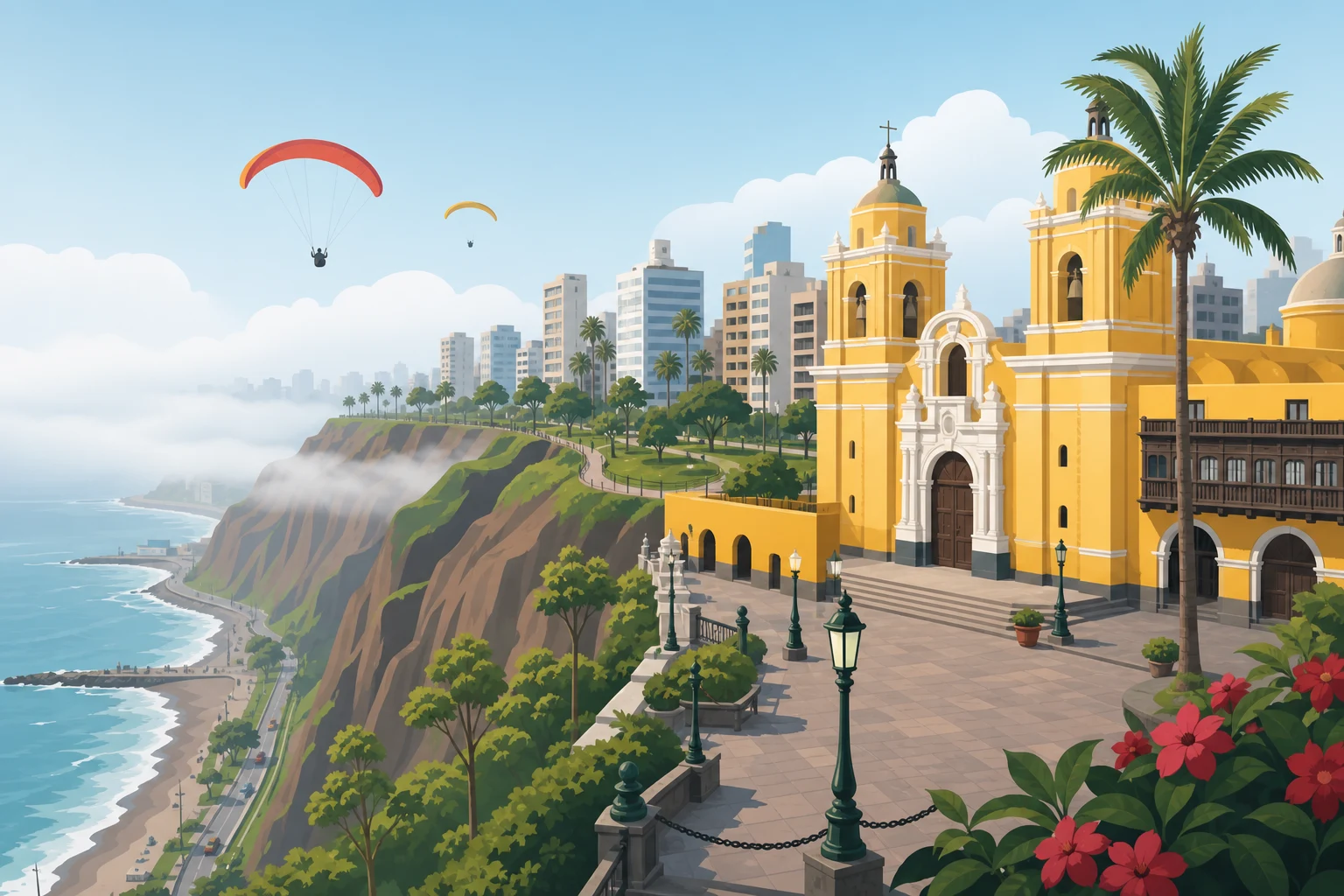
Lima is the capital of Peru, a sprawling metropolis on the Pacific coast founded by Francisco Pizarro in 1535. It is considered the gastronomic capital of South America.
Vartegn: Plaza Mayor, Huaca Pucllana, Larco Museum
Sjove fakta
- Lima is the second-largest desert capital in the world after Cairo.
- The city's historic center is a UNESCO World Heritage Site featuring Spanish colonial architecture.
- Lima has been named the top culinary destination in South America multiple years in a row by the World Travel Awards.
Paramaribo
Surinam
Befolkning: 240,000
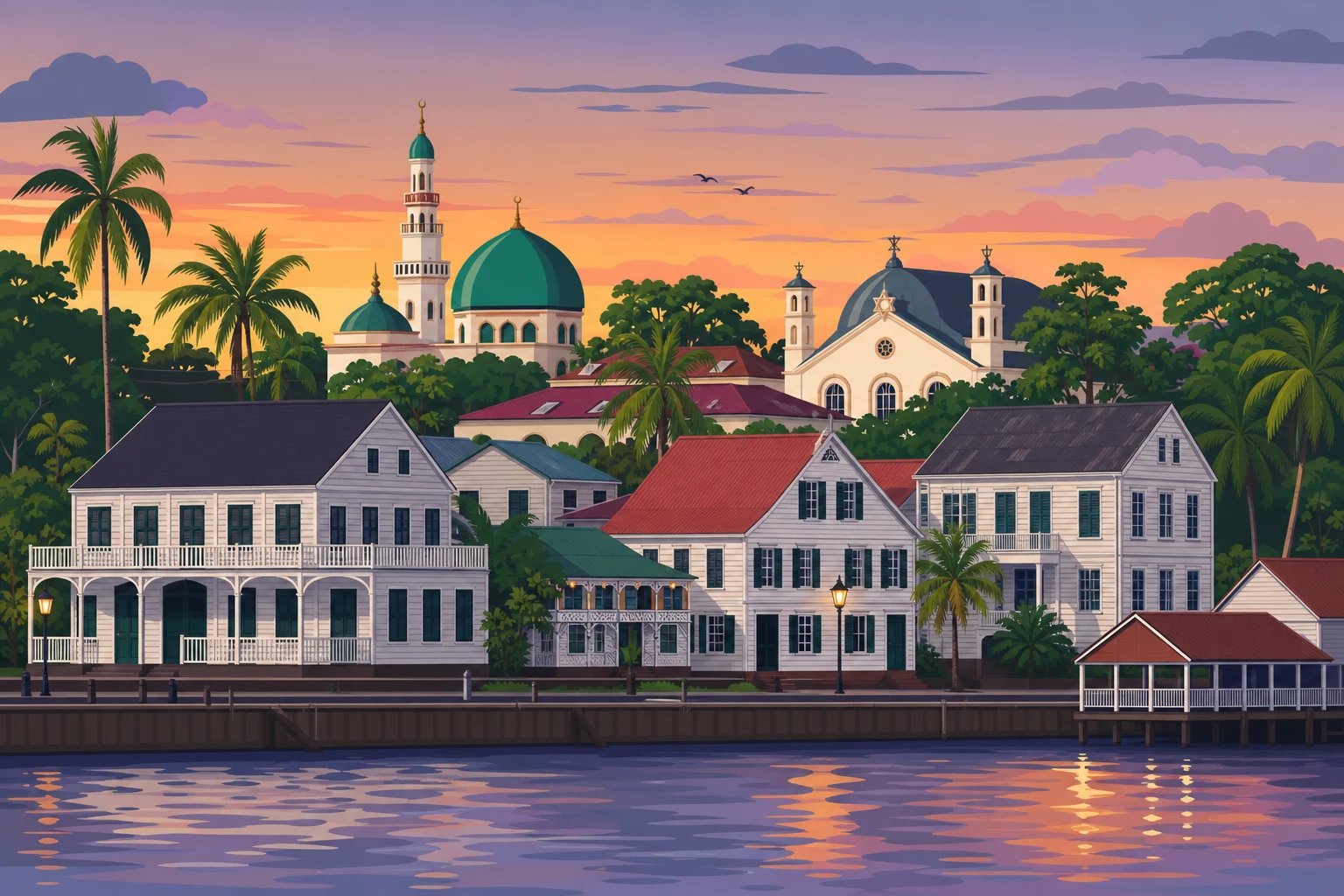
Paramaribo is the capital of Suriname, located on the banks of the Suriname River. Its inner city is a UNESCO World Heritage Site reflecting Dutch colonial architecture.
Vartegn: Presidential Palace of Suriname, Saint Peter and Paul Cathedral, Fort Zeelandia
Sjove fakta
- Paramaribo's historic center blends Dutch colonial architecture with local building techniques using tropical wood.
- A mosque and synagogue stand side by side in Paramaribo, symbolizing the country's religious tolerance.
- Suriname is the smallest country in South America, and Dutch is its official language.
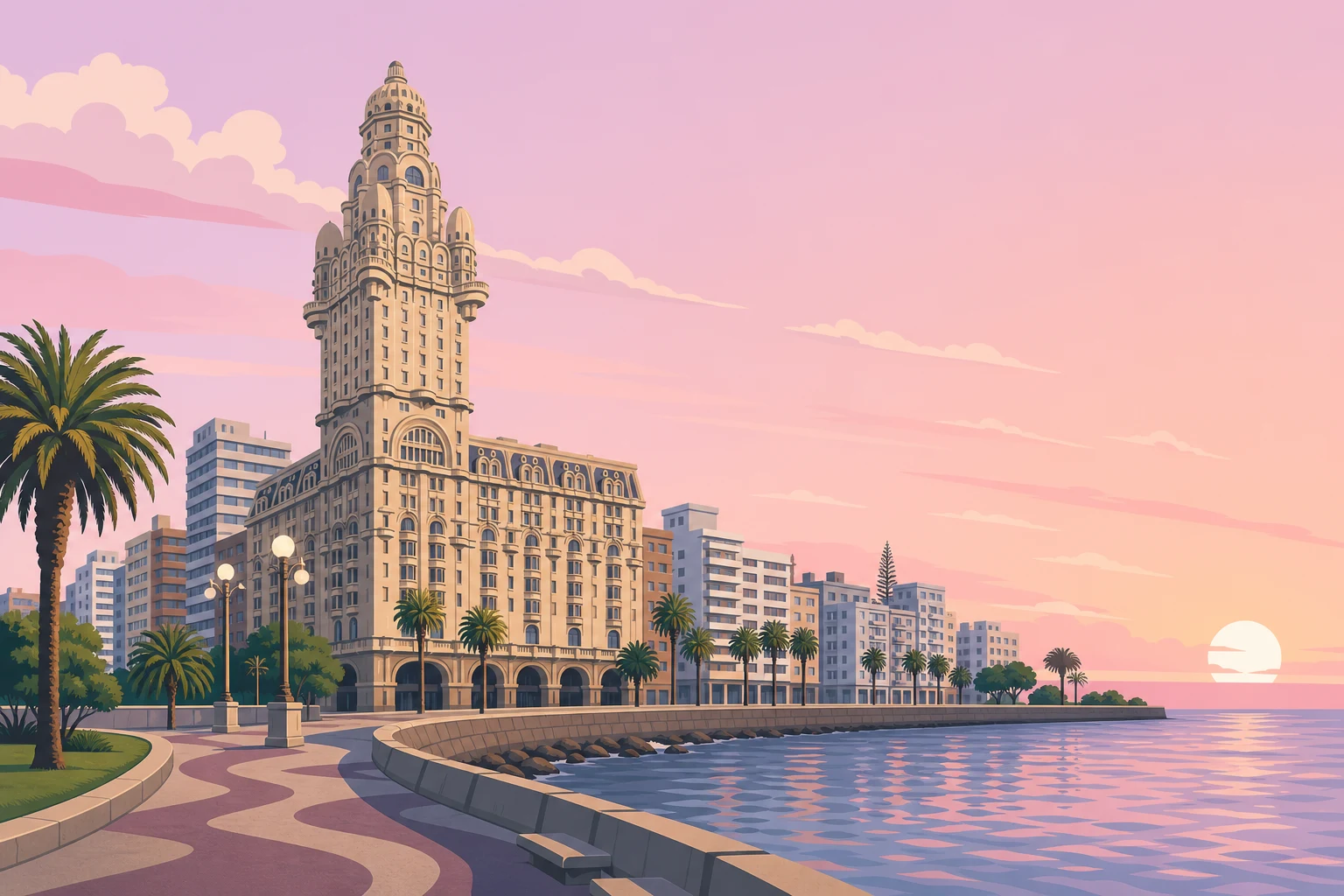
Montevideo
Uruguay
Befolkning: 1.8 million
Montevideo is the capital of Uruguay, a coastal city on the Río de la Plata known for its relaxed lifestyle, beautiful beaches, and historic Ciudad Vieja quarter.
Vartegn: Palacio Salvo, Ciudad Vieja, Estadio Centenario
Sjove fakta
- Montevideo is consistently ranked as the city with the highest quality of life in South America.
- The first FIFA World Cup was held in Montevideo in 1930, with Uruguay winning the final.
- Nearly half of Uruguay's entire population lives in Montevideo.
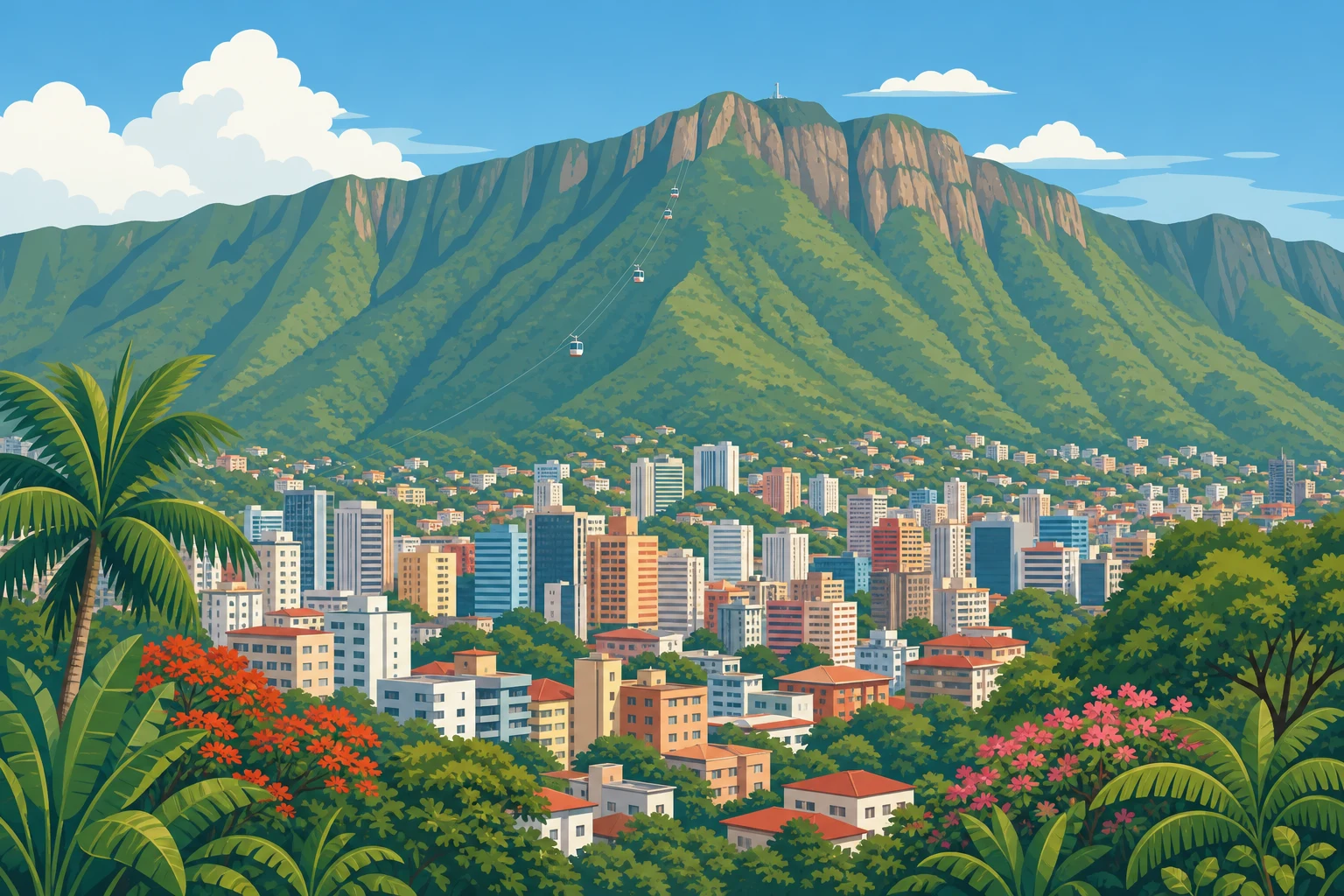
Caracas
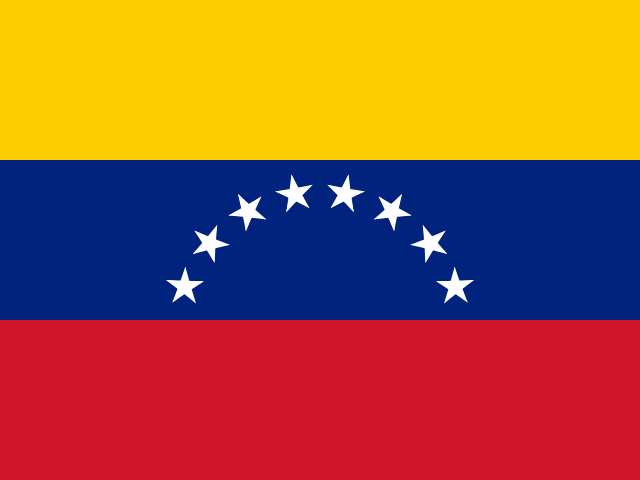
Venezuela
Befolkning: 2.9 million
Caracas is the capital of Venezuela, located in a valley along the Guaire River at an elevation of about 900 meters, surrounded by the dramatic Ávila mountain.
Vartegn: Birthplace of Simón Bolívar, Parque Nacional El Ávila, Panteón Nacional
Sjove fakta
- Caracas is the birthplace of Simón Bolívar, the liberator of much of South America from Spanish rule.
- El Ávila National Park rises directly behind the city to over 2,700 meters, providing a dramatic backdrop.
- The Caracas Metro was the first modern metro system in South America when it opened in 1983.
Hurtigt overblik
Test din viden
Hvor godt kender du disse hovedstæder? Find ud af det her.
Øv med spil
Klar til at teste det, du har lært? Hop ind i et spil og prøv det af.
Om sydamerikanske hovedstæder
Højdedrag som Andesbet og Amazonas-dalen påvirker, hvor hovedstæder kunne vokse. At kende hovedstæderne hjælper med at forstå kolonihistorie, økonomi og kultur.
Ofte stillede spørgsmål
Hvad er den største sydamerikanske hovedstad?
Lima i Peru er den største hovedstad målt på metropolbefolkning.
Hvorfor har Bolivia to hovedstæder?
Sucre er forfatningshovedstad med domstole; La Paz er administrativ hovedstad med regering og parlament efter historiske magtkampe.
Hvilken sydamerikansk hovedstad ligger højest?
La Paz i Bolivia er verdens højest beliggende administrative hovedstad; Quito i Ecuador ligger også meget højt.