Hovedstæder i Østafrika
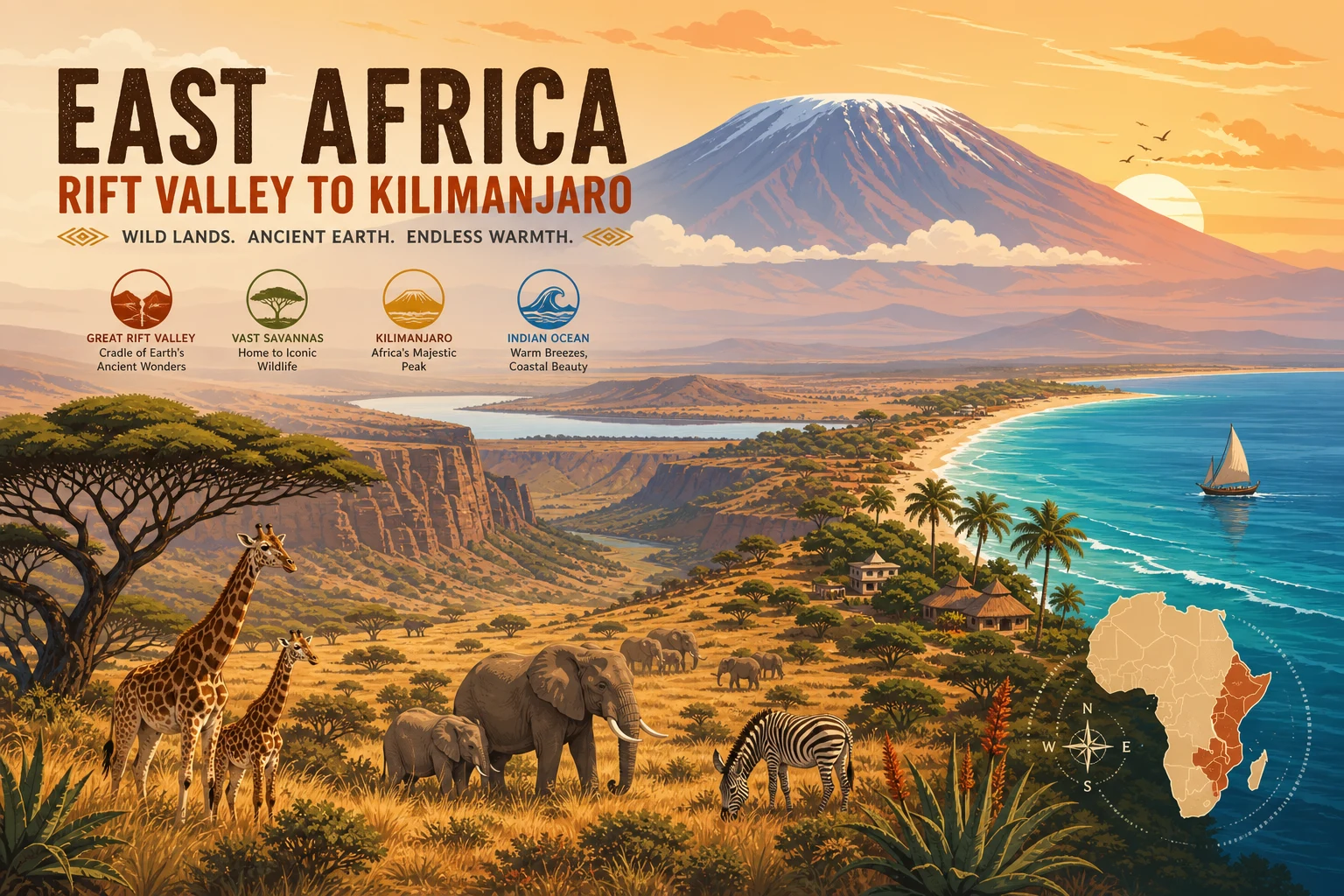
Østafrika omfatter Hornet, de store søer og højdedrag, hvor nogle af verdens højest beliggende hovedstæder findes. Nationale grænser følger ofte kolonirækker, men kulturer og sprog er enormt varierede.
Studér hovedstæderne
Gitega
Burundi
Befolkning: 135,000
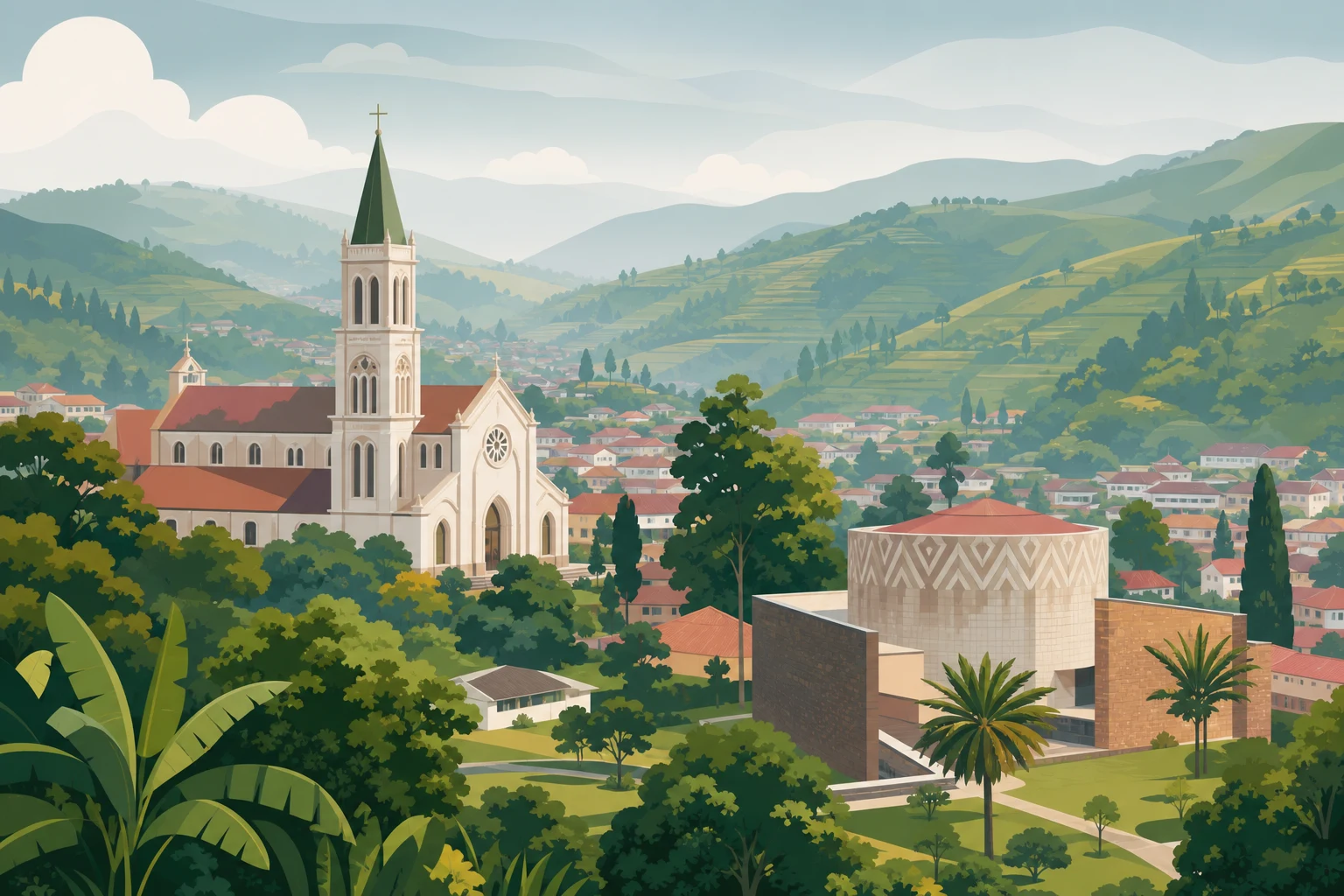
Gitega became the political capital of Burundi in 2019, replacing Bujumbura. Located in the central highlands, it is the country's second-largest city and serves as the seat of government.
Vartegn: National Museum of Gitega, Gitega Cathedral
Sjove fakta
- Burundi moved its capital from Bujumbura to Gitega in 2019 to decentralise power away from the coast of Lake Tanganyika.
- Gitega is home to the National Museum of Gitega, which houses one of the country's most important drum collections.
- The city sits at an elevation of about 1,645 metres in the central plateau.
Moroni
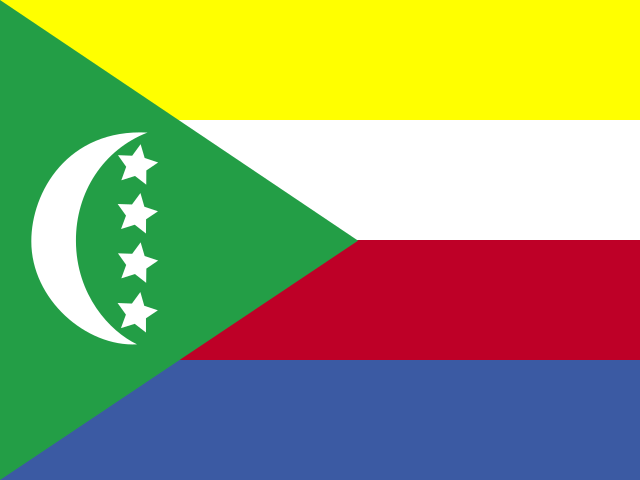
Comorerne
Befolkning: 55,000
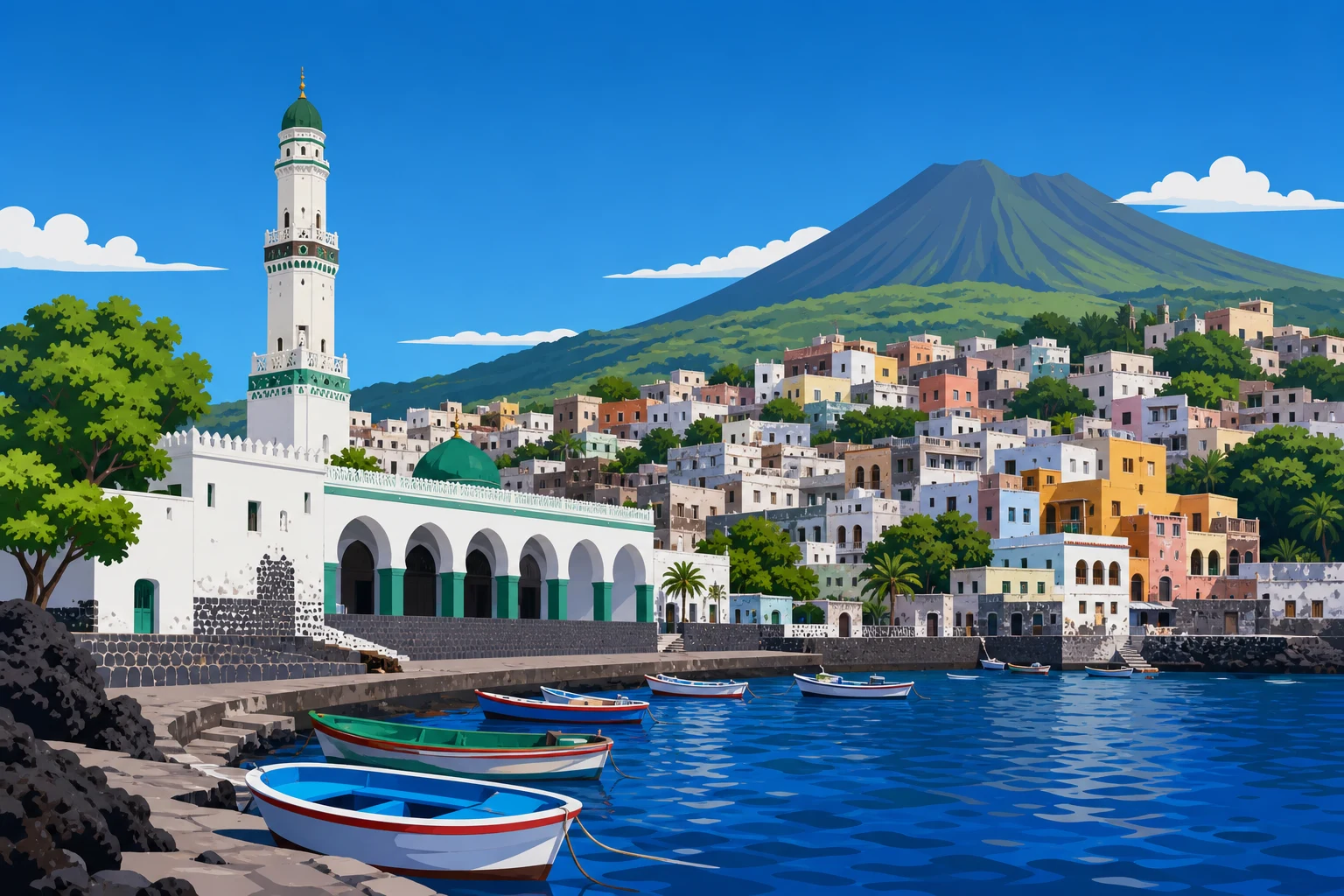
Moroni is the capital and largest city of the Comoros, located on the western coast of Grande Comore island. The city sits in the shadow of Mount Karthala, one of the world's most active volcanoes.
Vartegn: Ancienne Mosquée du Vendredi, Medina of Moroni
Sjove fakta
- Moroni means "in the heart of the fire" in Comorian, referring to nearby Mount Karthala volcano.
- Mount Karthala, just 15 km from the capital, has erupted more than 20 times since the 19th century.
- The Comoros islands are known as the "Perfume Islands" due to their production of ylang-ylang, vanilla, and cloves.
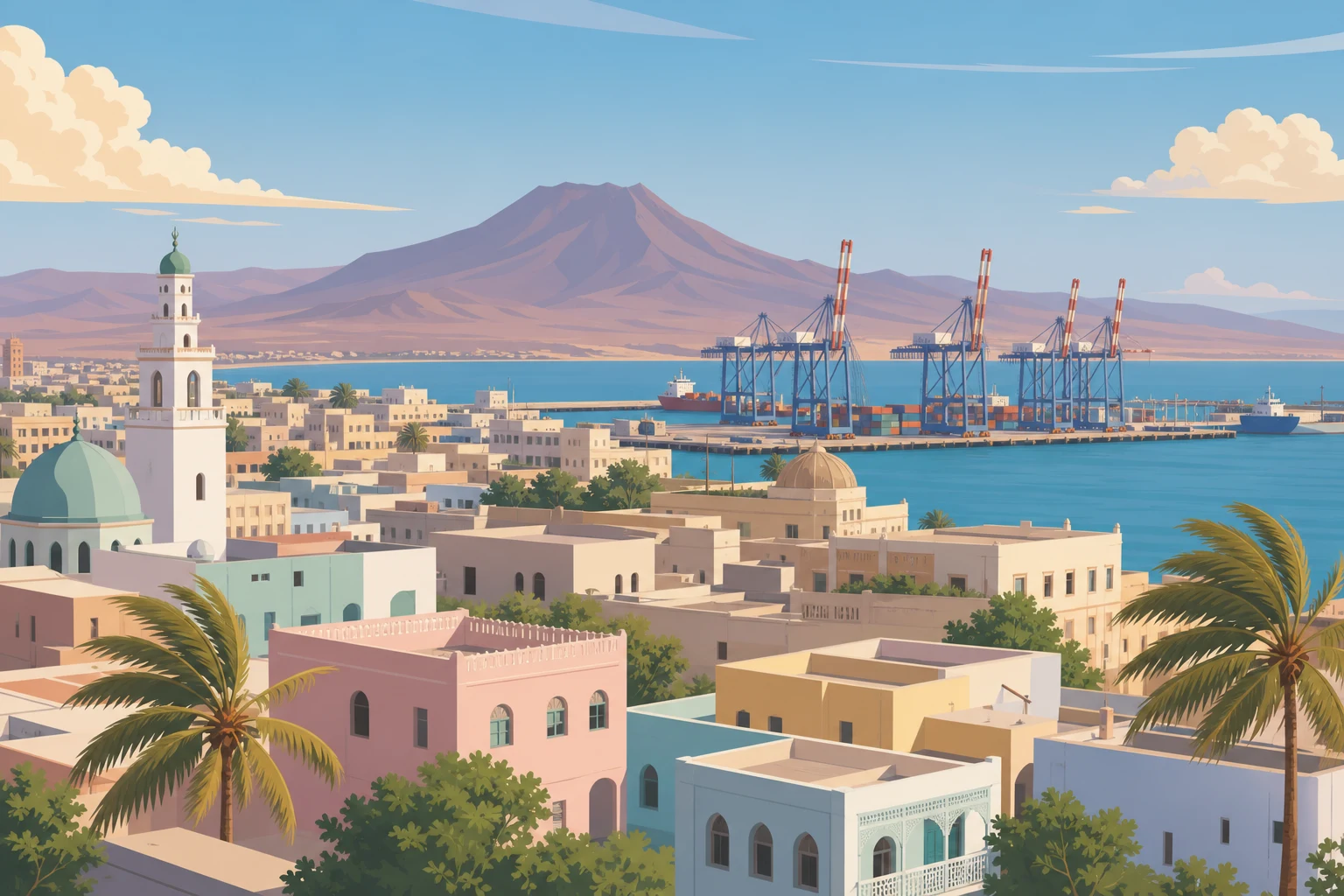
Djibouti
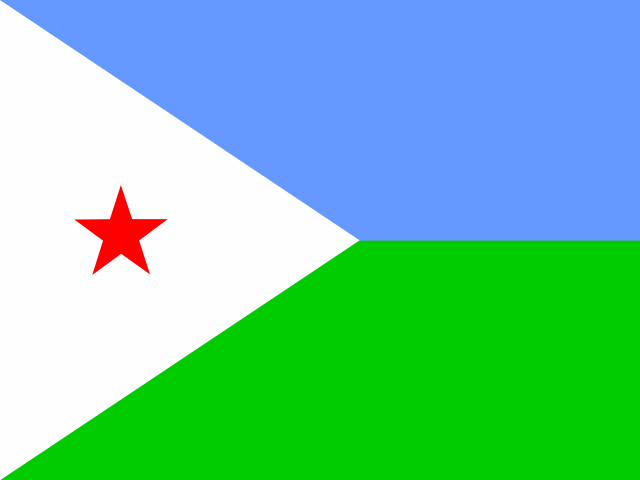
Djibouti
Befolkning: 620,000
Djibouti city is both the capital and the overwhelmingly dominant city of the Republic of Djibouti, housing nearly two-thirds of the country's population. Its strategic location at the entrance to the Red Sea makes it a vital shipping and military hub.
Vartegn: Presidential Palace, Hamoudi Mosque
Sjove fakta
- Djibouti hosts military bases from the United States, France, China, Japan, and Italy - more foreign bases than almost any other country.
- The city's port handles about 70% of neighbouring Ethiopia's trade.
- Lake Assal, just 100 km from the capital, is the lowest point in Africa and the saltiest body of water outside Antarctica.
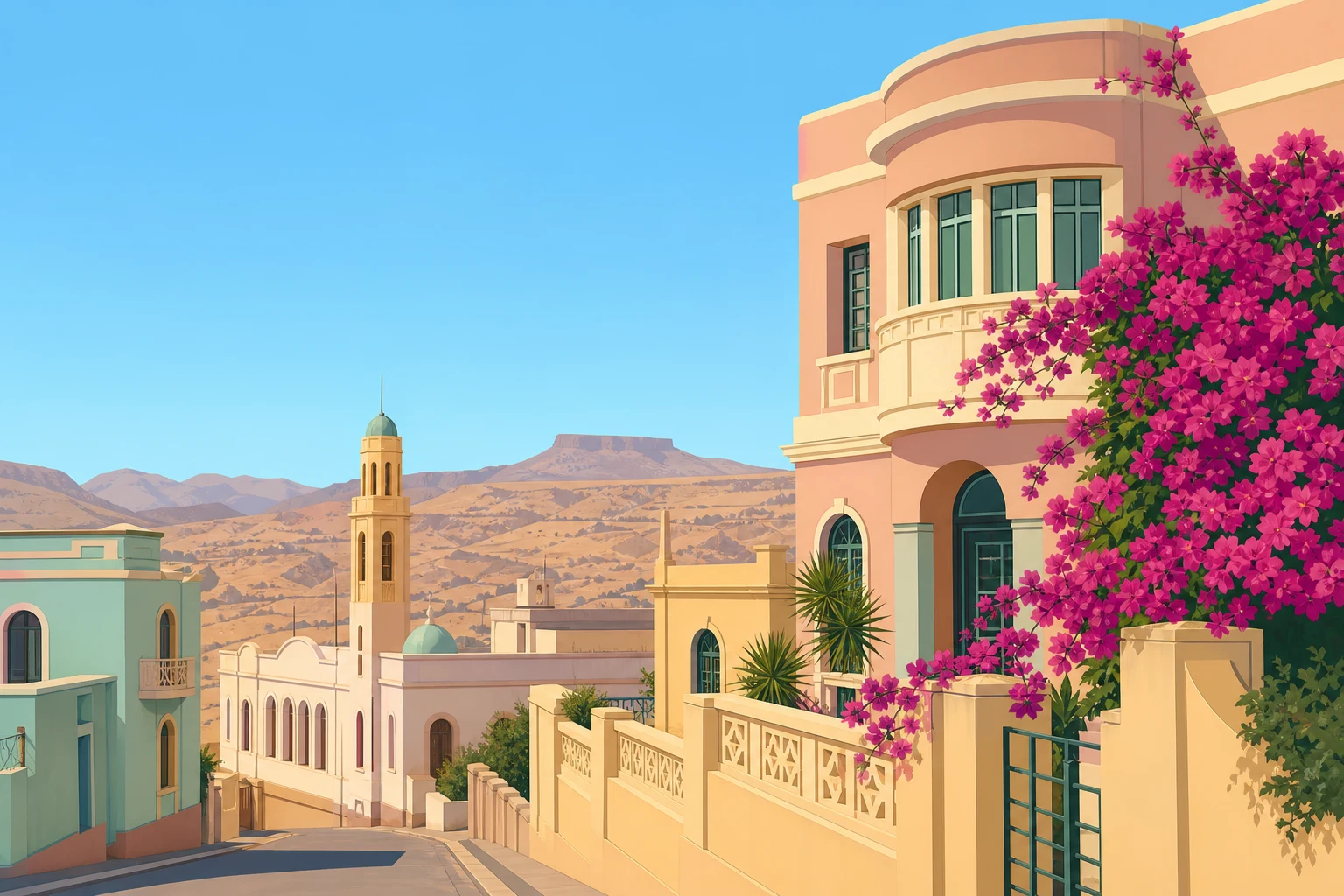
Asmara
Eritrea
Befolkning: 960,000
Asmara is the capital of Eritrea, perched on a plateau at 2,325 metres above sea level. The city is renowned for its remarkably preserved Italian Modernist architecture from the 1930s colonial era, earning it UNESCO World Heritage status in 2017.
Vartegn: Fiat Tagliero Building, Cathedral of Our Lady of the Rosary
Sjove fakta
- Asmara was designated a UNESCO World Heritage Site in 2017 for its exceptional collection of Modernist architecture.
- The city has an Art Deco cinema, a Futurist-style Fiat Tagliero building shaped like an airplane, and Cubist apartment blocks.
- Asmara's elevation gives it a mild climate year-round, with temperatures rarely exceeding 25°C.
Addis Ababa
Etiopien
Befolkning: 5.5 million
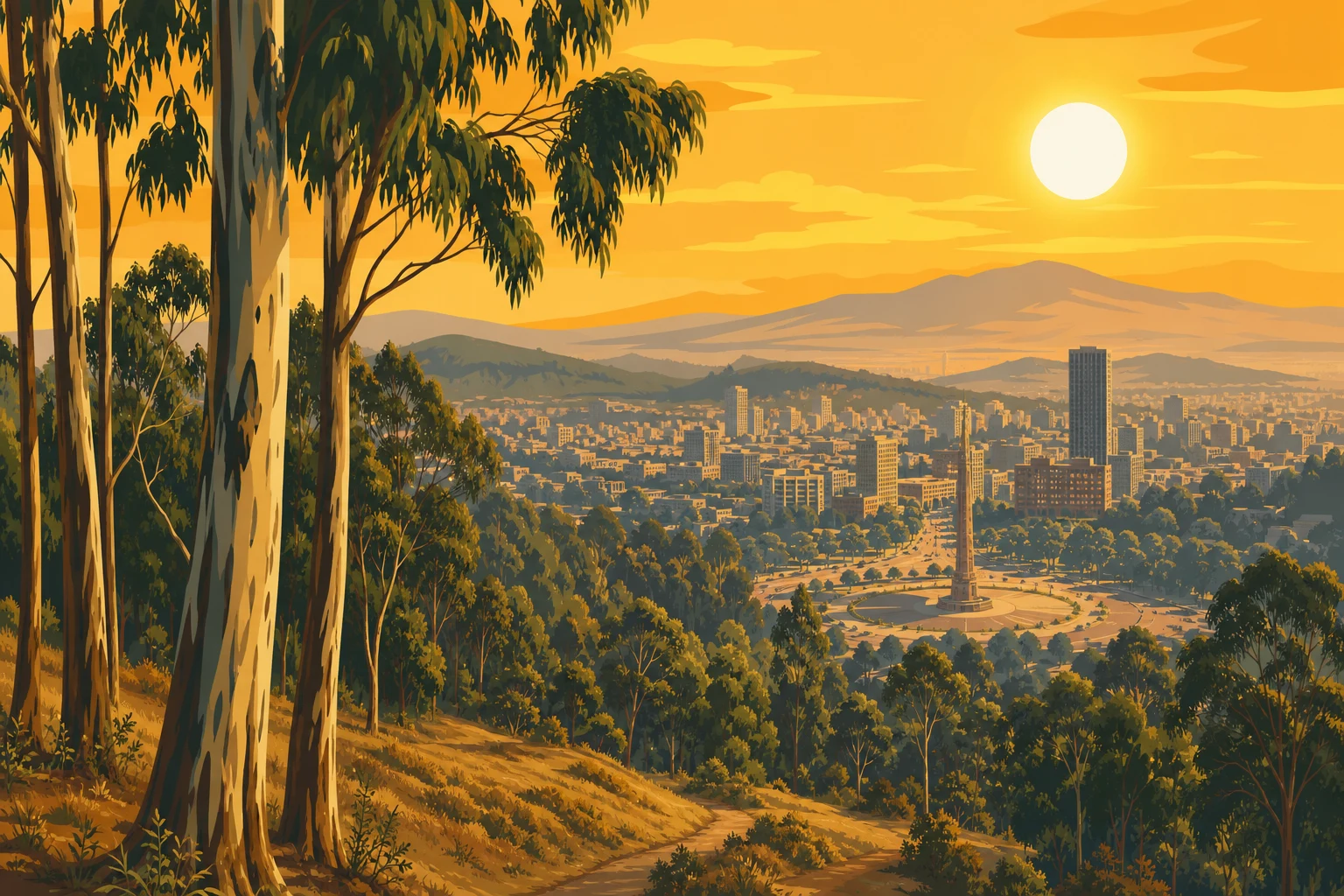
Addis Ababa is the capital of Ethiopia and the diplomatic capital of Africa, hosting the African Union headquarters. Founded in 1886, it sits at an elevation of 2,355 metres, making it the third-highest capital city in the world.
Vartegn: African Union Headquarters, Holy Trinity Cathedral
Sjove fakta
- Addis Ababa hosts the headquarters of the African Union, making it the diplomatic capital of the entire continent.
- The name Addis Ababa means "New Flower" in Amharic.
- At 2,355 metres elevation, it is the third-highest capital in the world after La Paz and Quito.
Nairobi
Kenya
Befolkning: 5.3 million
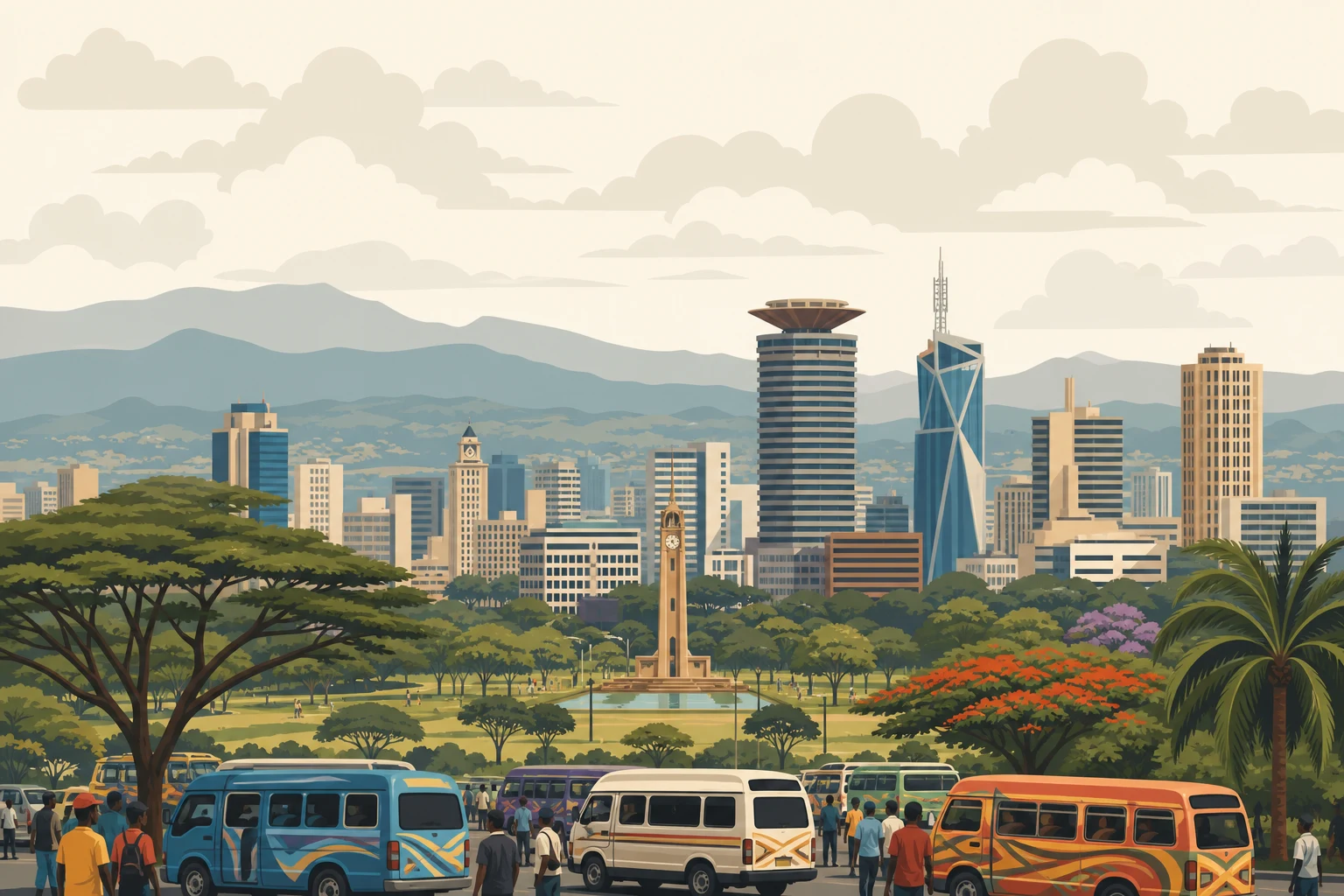
Nairobi is the capital and largest city of Kenya, serving as East Africa's commercial and financial hub. Uniquely, it has a national park within its city limits where lions, giraffes, and rhinos roam against a backdrop of skyscrapers.
Vartegn: Kenyatta International Convention Centre, Nairobi National Park
Sjove fakta
- Nairobi National Park is the only national park in the world located within a capital city, home to lions, rhinos, and over 400 bird species.
- The name Nairobi comes from the Maasai phrase "Enkare Nairobi" meaning "cool water."
- Nairobi is nicknamed the "Green City in the Sun" due to its pleasant climate and abundant vegetation.
Antananarivo
Madagaskar
Befolkning: 3.2 million
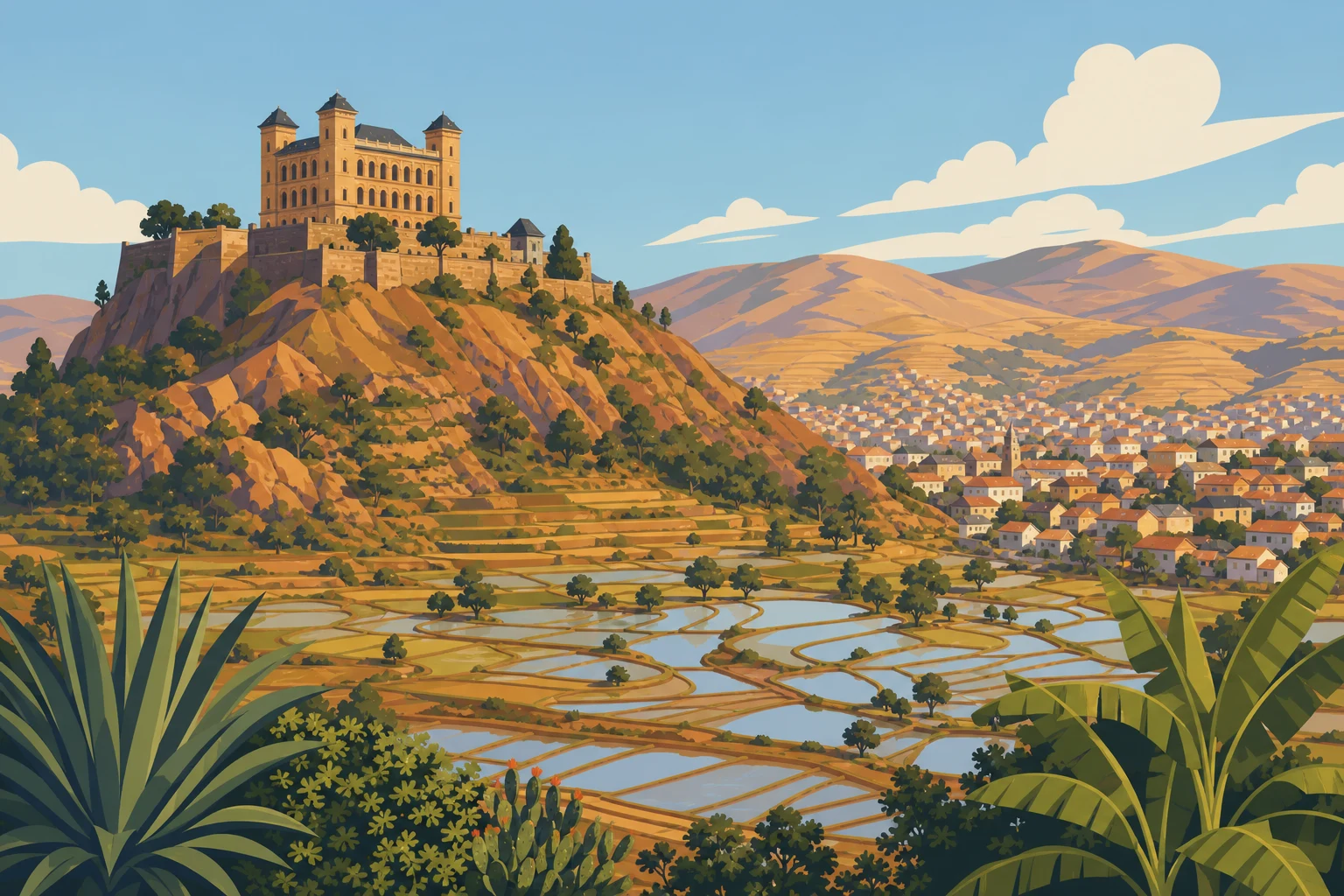
Antananarivo is the capital and largest city of Madagascar, built across a series of ridges and valleys in the central highlands at about 1,280 metres elevation. The city is the island's economic and cultural centre.
Vartegn: Rova of Antananarivo, Tsimbazaza Zoo and Botanical Garden
Sjove fakta
- The name Antananarivo means "City of the Thousand" referring to the thousand warriors who guarded the city for King Andrianjaka.
- The city is often simply called "Tana" by locals and visitors.
- Madagascar is the world's fourth-largest island and has extraordinary biodiversity - about 90% of its wildlife is found nowhere else on Earth.
Lilongwe
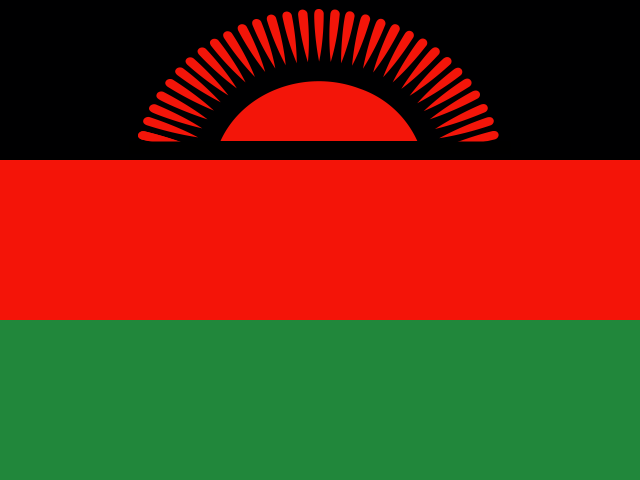
Malawi
Befolkning: 1.2 million
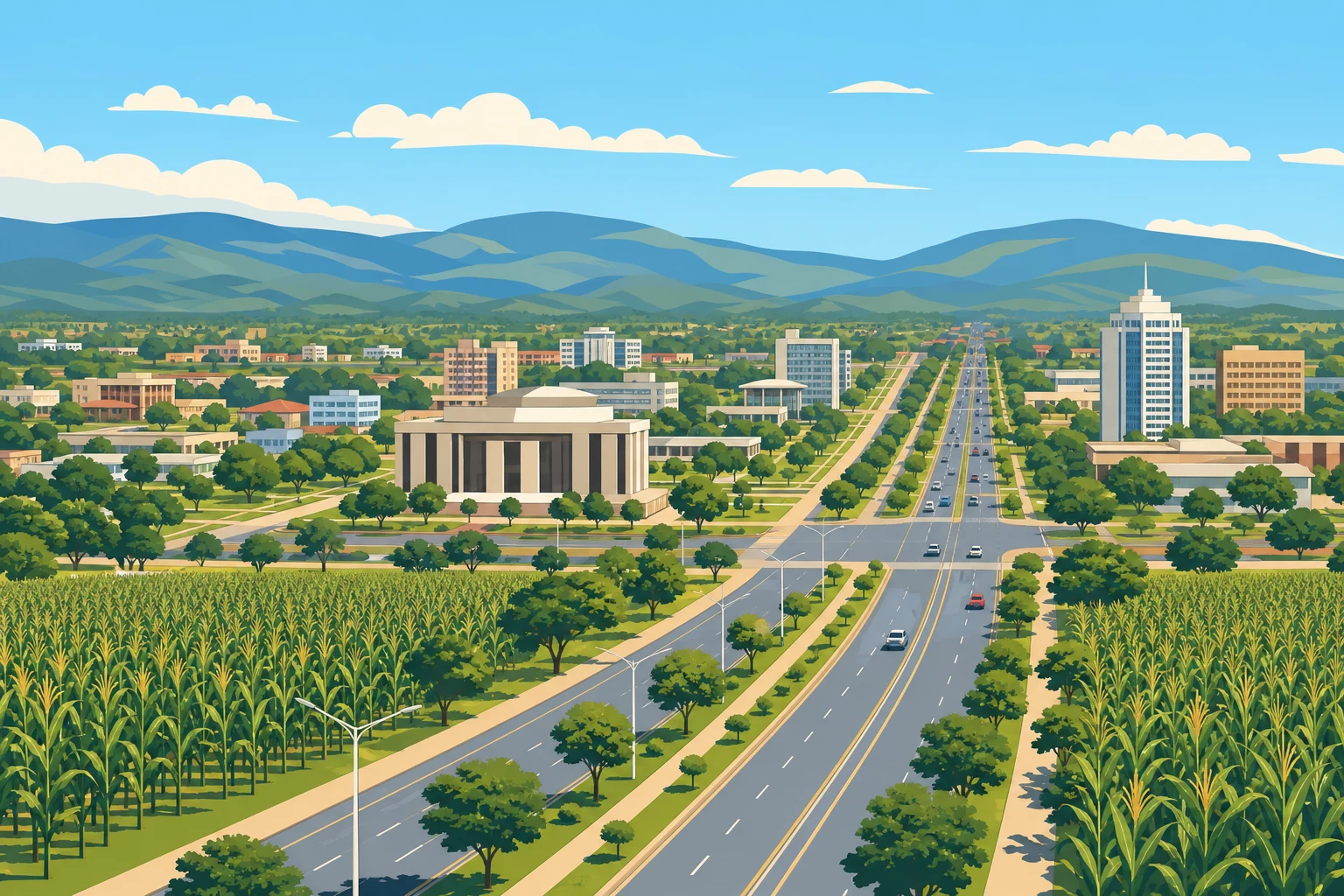
Lilongwe is the capital of Malawi, located in the country's central region. It replaced Zomba as capital in 1975 and is divided into a modern "Capital City" administrative district and the older commercial Old Town.
Vartegn: Lilongwe Wildlife Centre, Kamuzu Mausoleum
Sjove fakta
- Lilongwe replaced Zomba as Malawi's capital in 1975, partly because of its more central location.
- The Lilongwe Wildlife Centre is the country's only sanctuary for orphaned and injured wildlife.
- Malawi is known as "The Warm Heart of Africa" for the friendliness of its people.
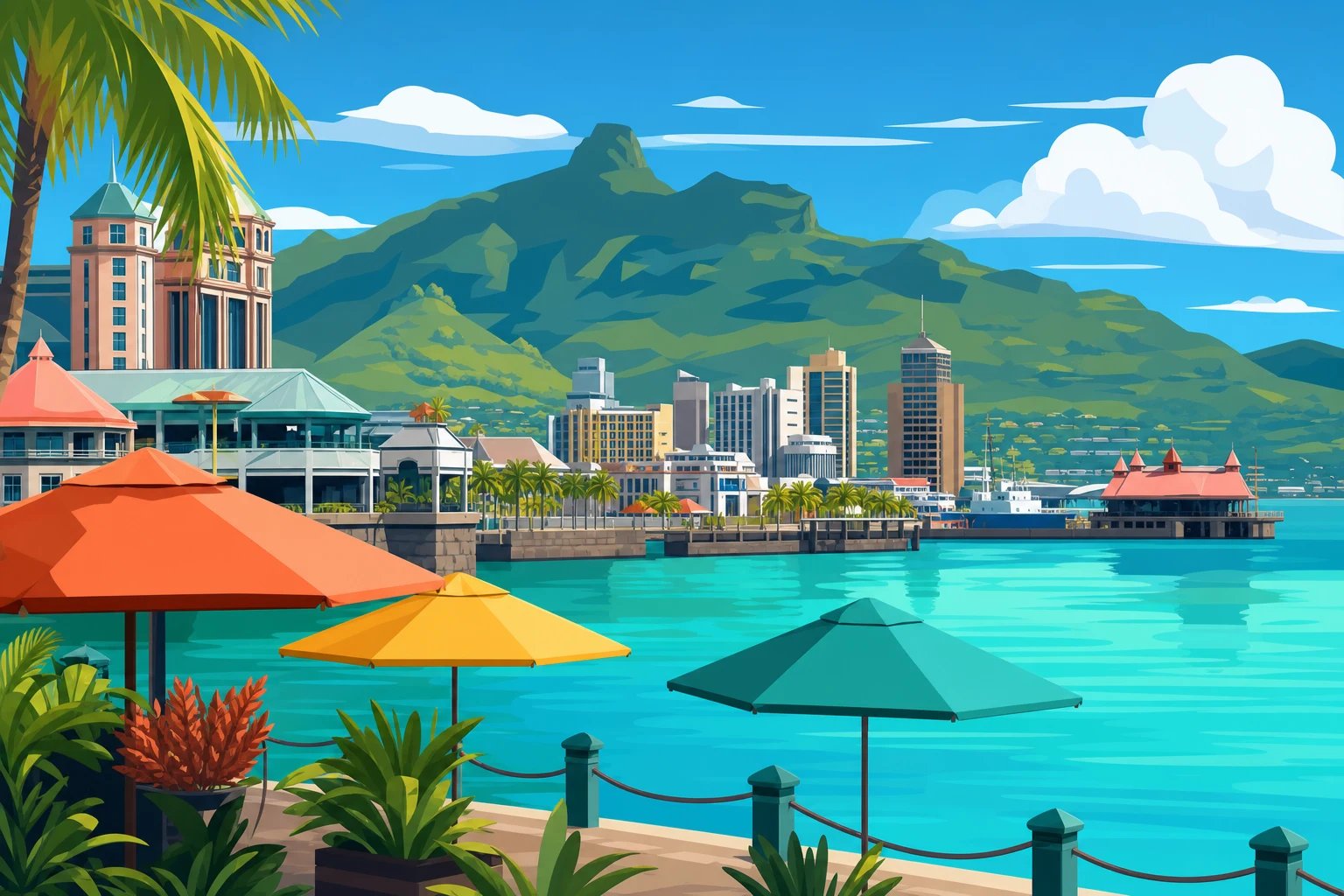
Port Louis
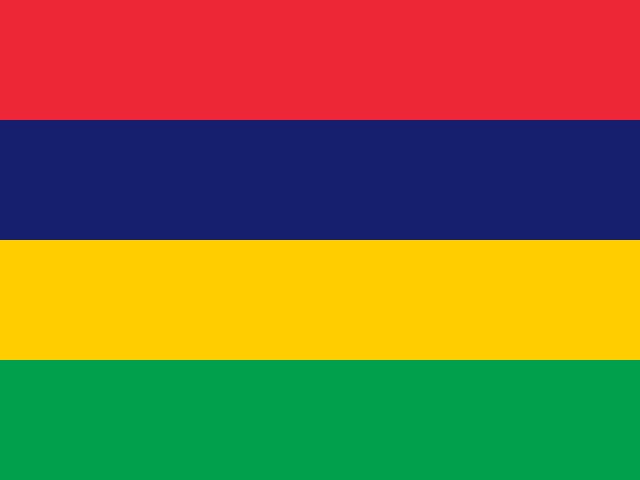
Mauritius
Befolkning: 150,000
Port Louis is the capital and largest city of Mauritius, nestled between the Moka mountain range and the Indian Ocean. It is the country's economic centre and main port, with a vibrant blend of Creole, Indian, Chinese, and French cultures.
Vartegn: Aapravasi Ghat, Champ de Mars Racecourse
Sjove fakta
- Port Louis was founded by the French in 1735 and named after King Louis XV.
- The Aapravasi Ghat in Port Louis is a UNESCO World Heritage Site where indentured labourers first arrived from India.
- Mauritius is the only African country where Hinduism is the most practised religion.
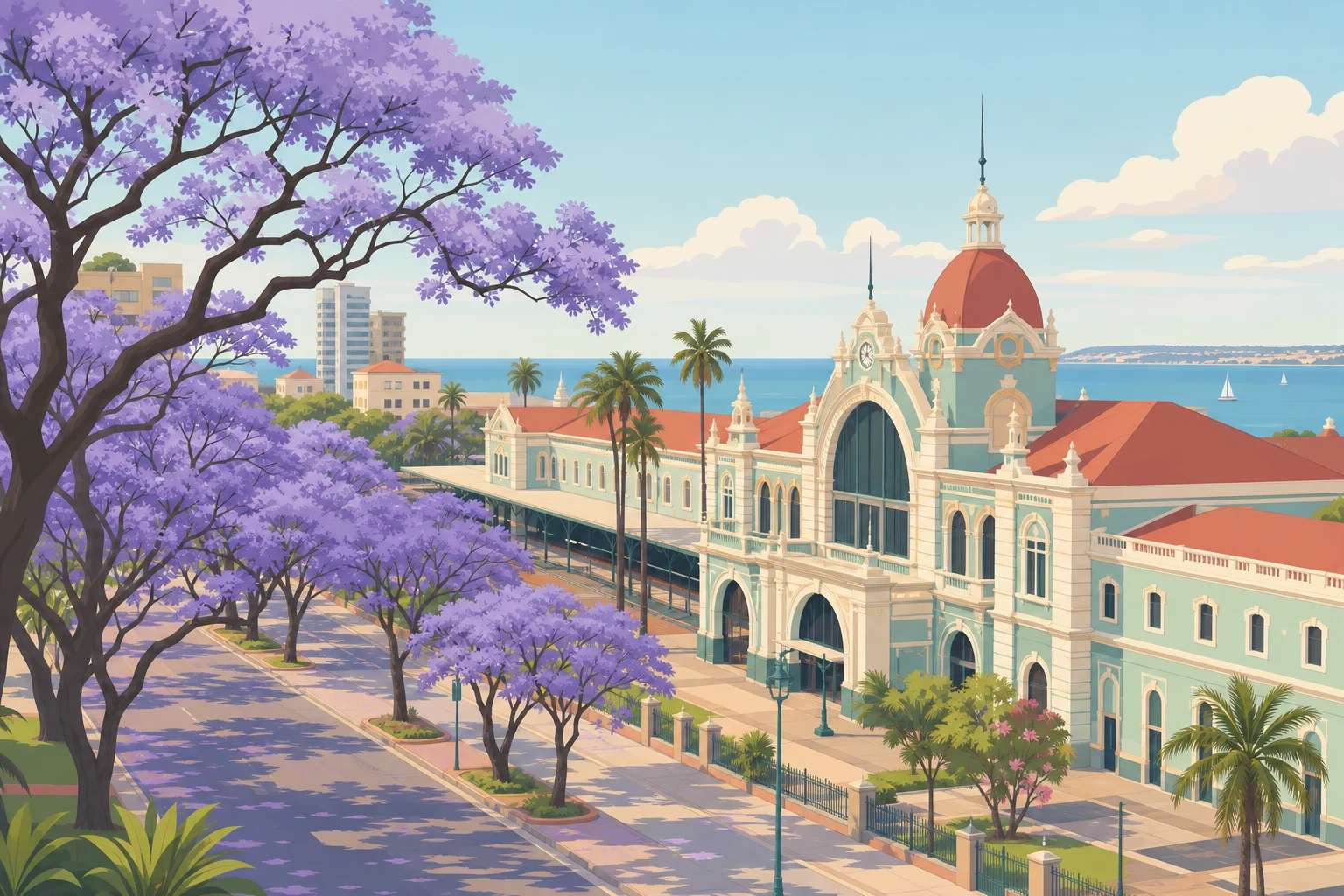
Maputo
Mozambique
Befolkning: 1.1 million
Maputo is the capital and largest city of Mozambique, located on the western shore of Maputo Bay in the Indian Ocean. The city features wide avenues, Portuguese colonial architecture, and a thriving arts scene.
Vartegn: Maputo Railway Station, Fortaleza de Maputo
Sjove fakta
- Maputo was known as Lourenço Marques during Portuguese colonial rule until 1976.
- The city's Central Market (Mercado Central) is famous for its seafood and Art Nouveau ironwork.
- Maputo's railway station, designed with help from Gustave Eiffel's firm, is considered one of the most beautiful in Africa.
Kigali
Rwanda
Befolkning: 1.7 million
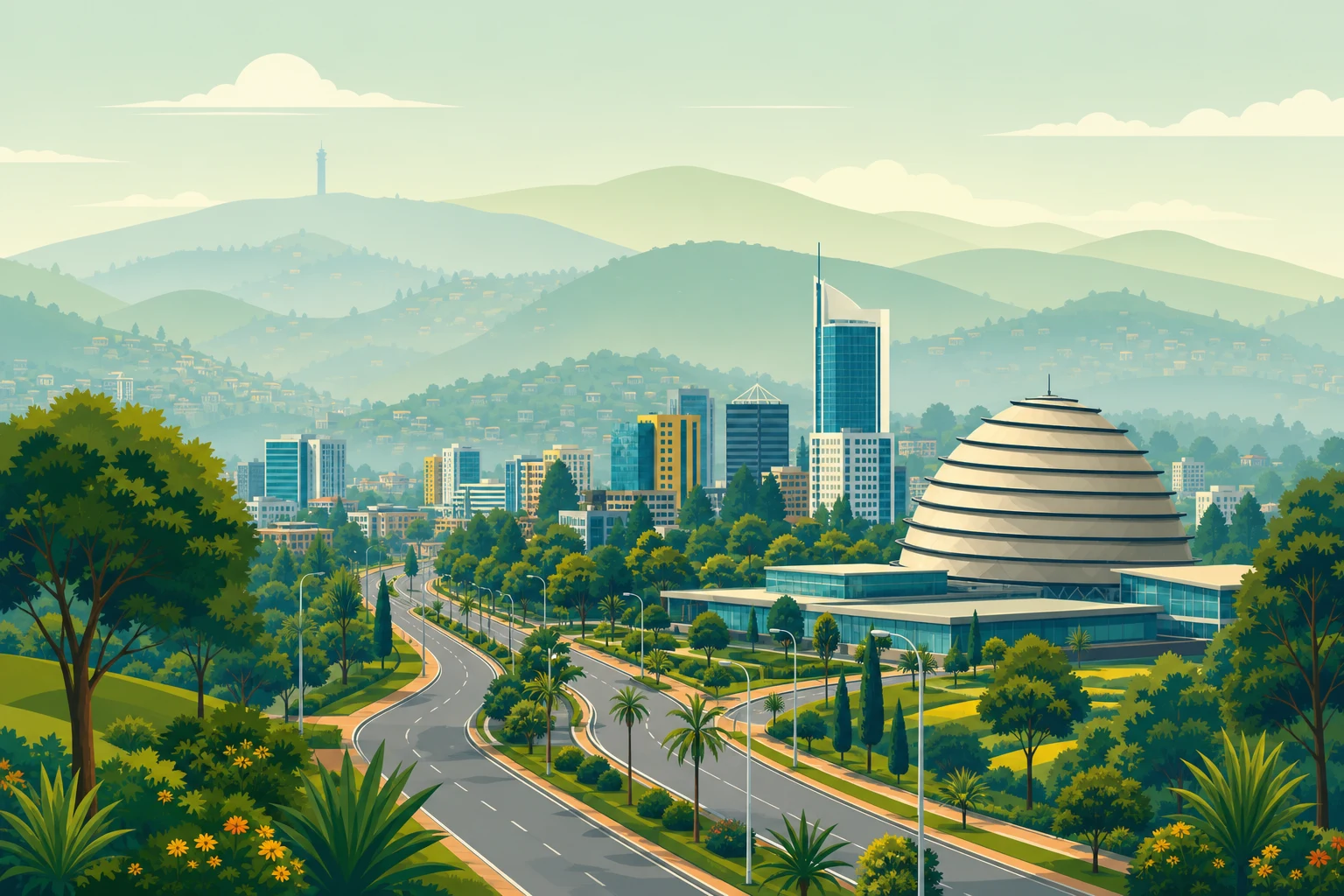
Kigali is the capital and largest city of Rwanda, spread across several ridges and valleys at an elevation of about 1,567 metres. It is renowned as one of the cleanest and safest cities in Africa, with a monthly community clean-up day called Umuganda.
Vartegn: Kigali Genocide Memorial, Kimironko Market
Sjove fakta
- Kigali is considered one of the cleanest cities in Africa - plastic bags have been banned in Rwanda since 2008.
- Rwanda holds a mandatory community clean-up day called Umuganda on the last Saturday of every month.
- The city has become a major tech hub in East Africa, earning Rwanda the nickname "the Singapore of Africa."
Victoria
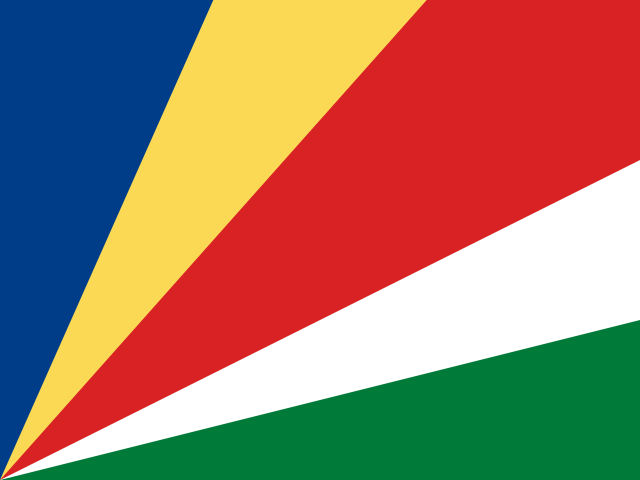
Seychellerne
Befolkning: 29,000
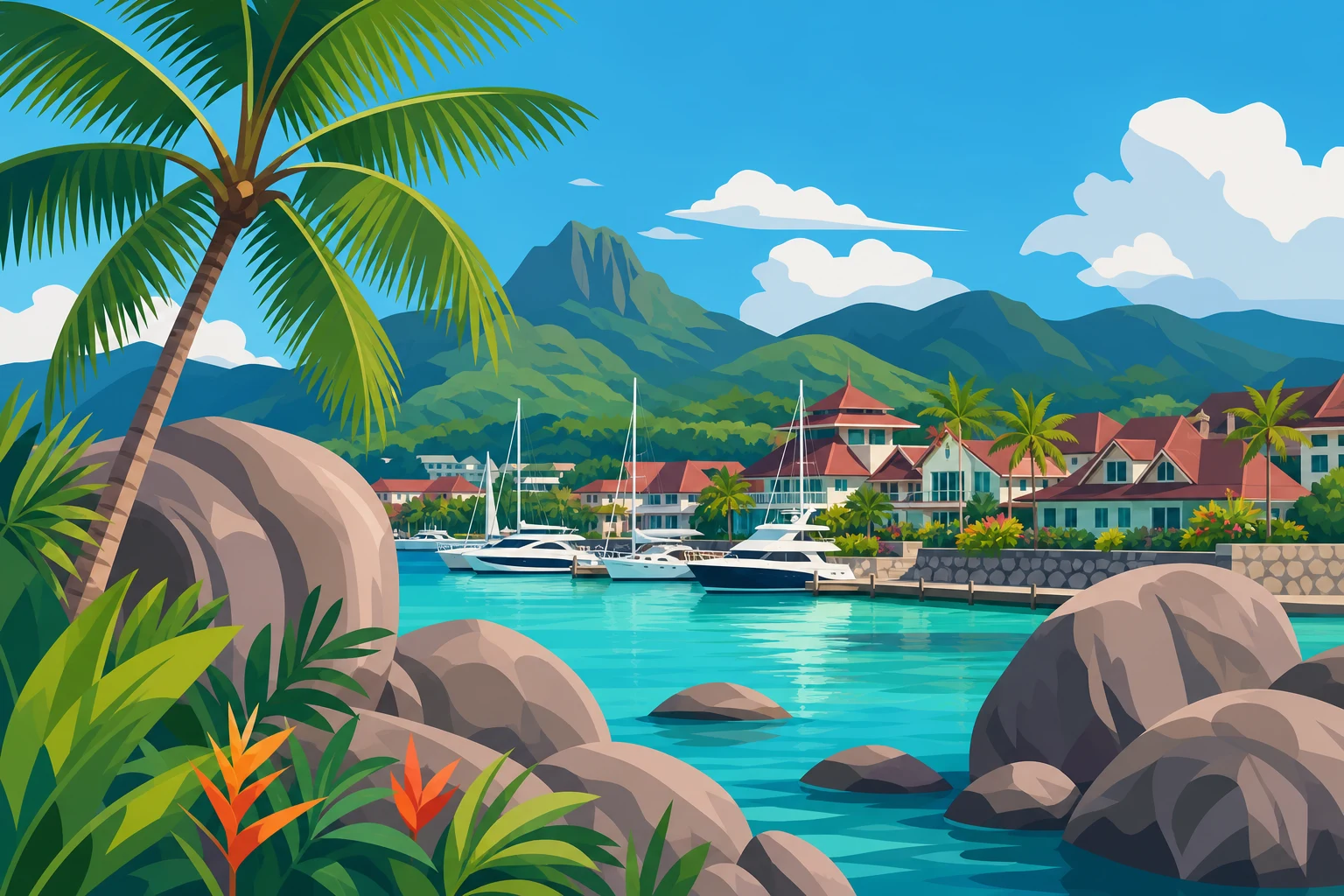
Victoria is the capital of the Seychelles, located on the northeastern coast of Mahé island. It is one of the smallest capital cities in the world, with a charming downtown that can be explored on foot in under an hour.
Vartegn: Victoria Clock Tower, Sir Selwyn Selwyn-Clarke Market
Sjove fakta
- Victoria is one of the world's smallest capital cities - its entire downtown covers just a few city blocks.
- The city has a miniature replica of London's Big Ben clock tower, called the Clock Tower, built in 1903.
- The Seychelles is the least populated sovereign African country with about 100,000 people.
Mogadishu
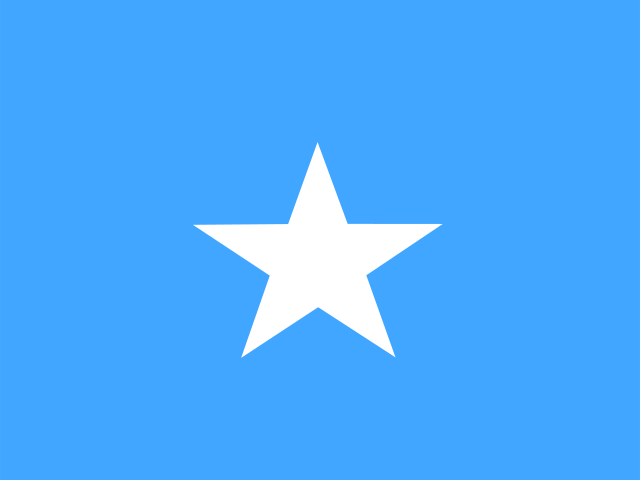
Somalia
Befolkning: 2.6 million
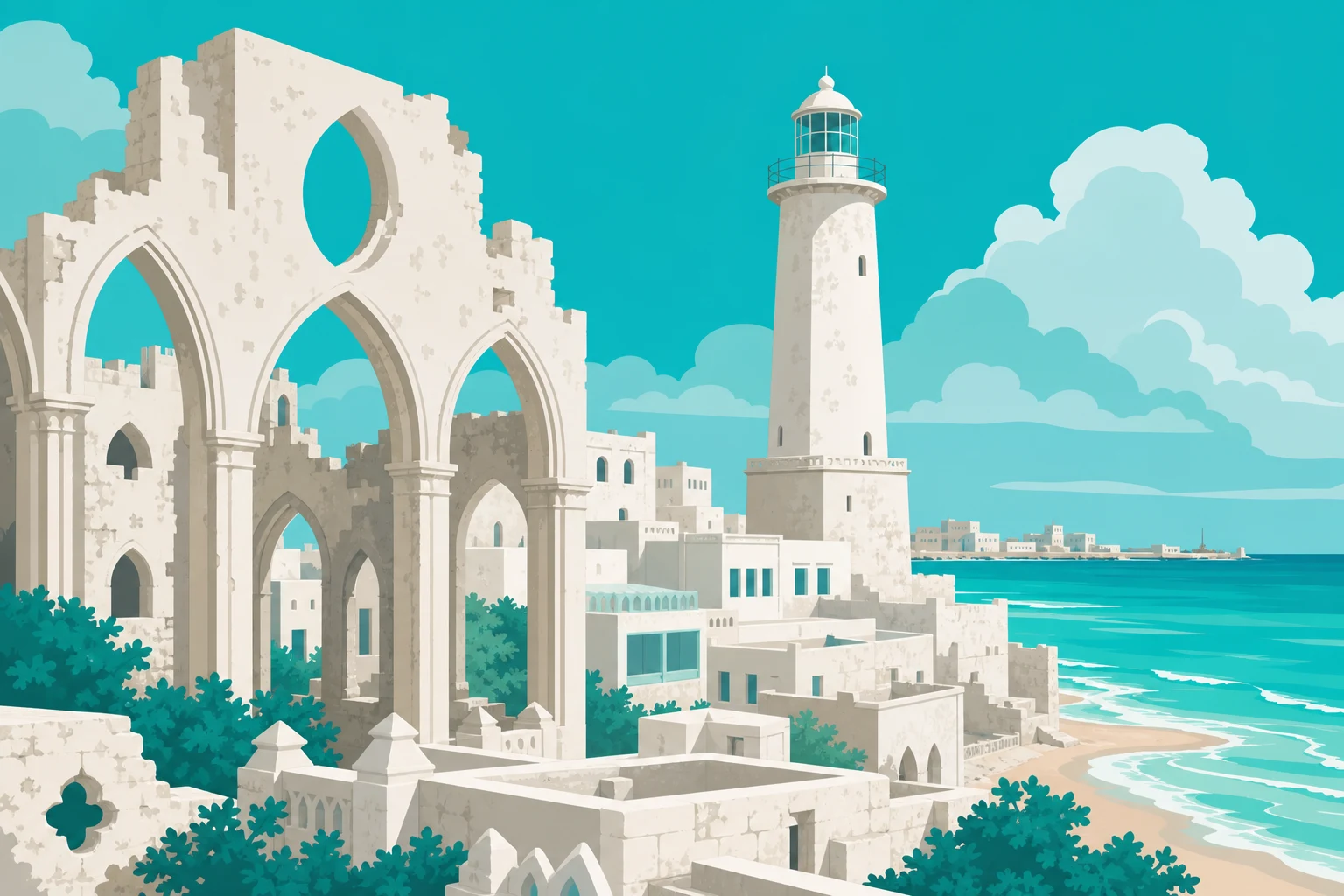
Mogadishu is the capital and largest city of Somalia, located on the Indian Ocean coast. One of the oldest cities in East Africa, it was a major trade hub connecting Africa with Arabia, Persia, and India for over a thousand years.
Vartegn: Mogadishu Cathedral (ruins), Liido Beach
Sjove fakta
- Mogadishu was founded by Arab traders around the 9th–10th century and became one of the wealthiest cities on the Swahili Coast.
- The city is nicknamed "Xamar" (pronounced "Hamar") by locals.
- Despite decades of conflict, Mogadishu has seen significant reconstruction and is experiencing an economic resurgence.
Juba
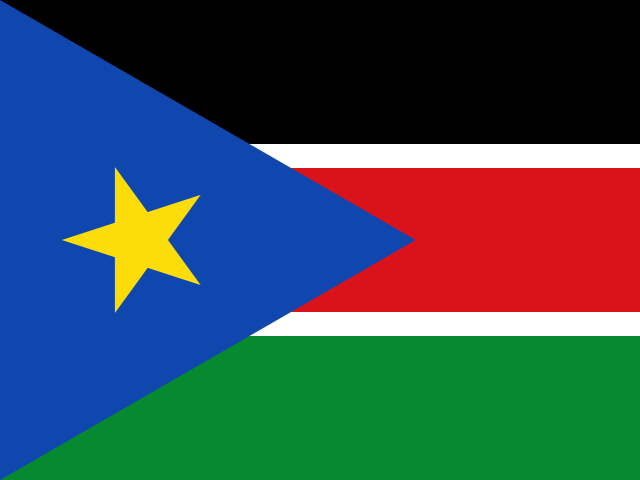
Sydsudan
Befolkning: 525,000
Juba is the capital of South Sudan, the world's youngest country (independent since 2011). Located on the White Nile, it serves as the administrative, commercial, and transportation centre of the new nation.
Vartegn: John Garang Mausoleum, Juba Bridge
Sjove fakta
- South Sudan became independent in 2011, making it the world's youngest internationally recognised country.
- Juba sits on the banks of the White Nile, one of the two main tributaries of the Nile River.
- The city's population has grown rapidly since independence as people returned from displacement.
Dodoma
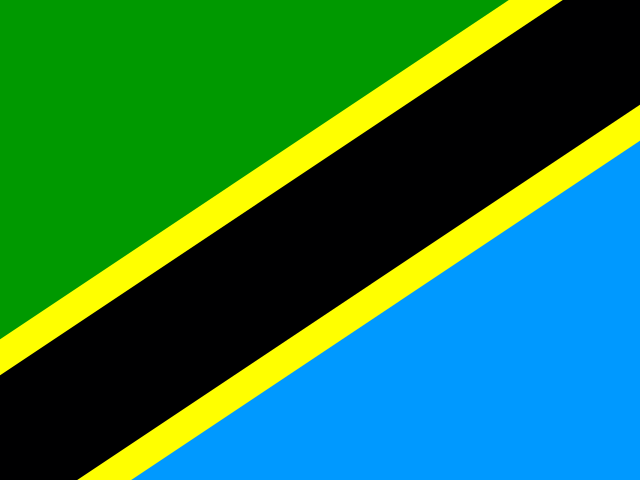
Tanzania
Befolkning: 760,000
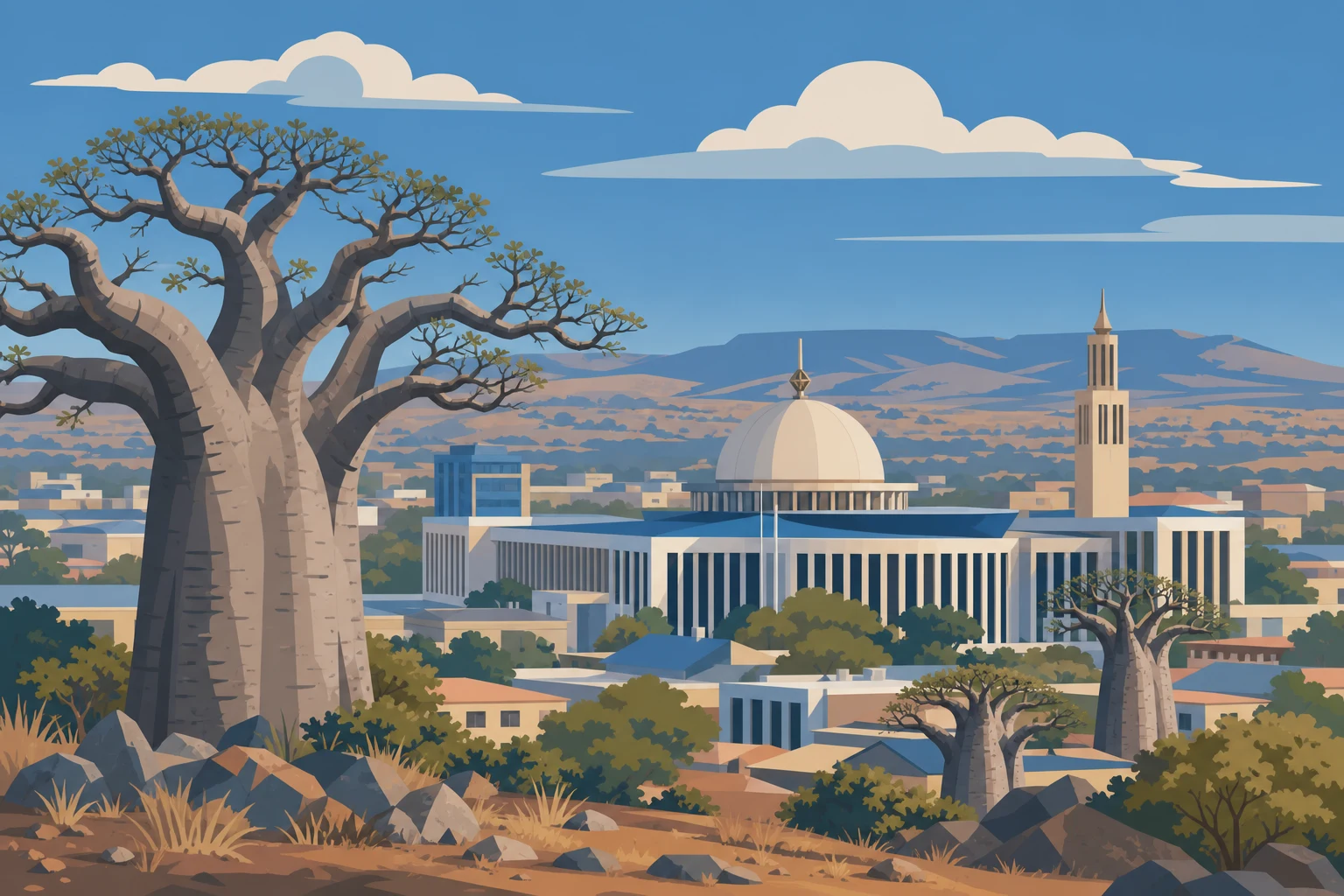
Dodoma is the official capital of Tanzania, located in the centre of the country. While the government designated it as capital in 1973 for its central location, Dar es Salaam remains the largest city and main commercial hub.
Vartegn: Bunge (National Assembly), Gaddafi Mosque
Sjove fakta
- Tanzania's official capital is Dodoma, but Dar es Salaam (population 7+ million) remains the largest city, main port, and commercial capital.
- The government began its move from Dar es Salaam to Dodoma in 1973, but the transfer is still not fully complete.
- Dodoma sits in a semi-arid area in the geographic centre of the country, chosen for its strategic location.
Kampala
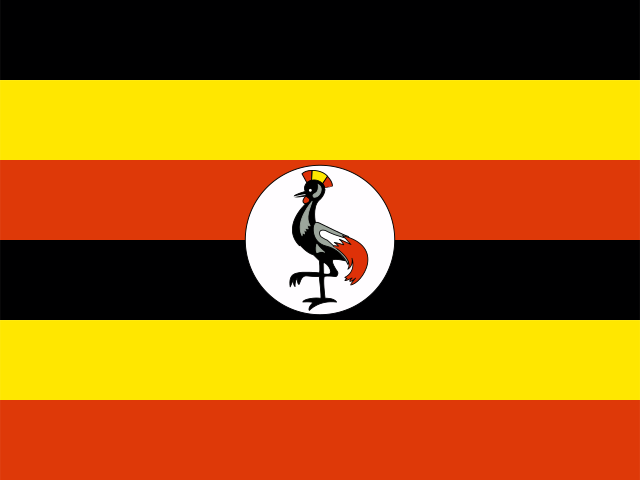
Uganda
Befolkning: 1.7 million
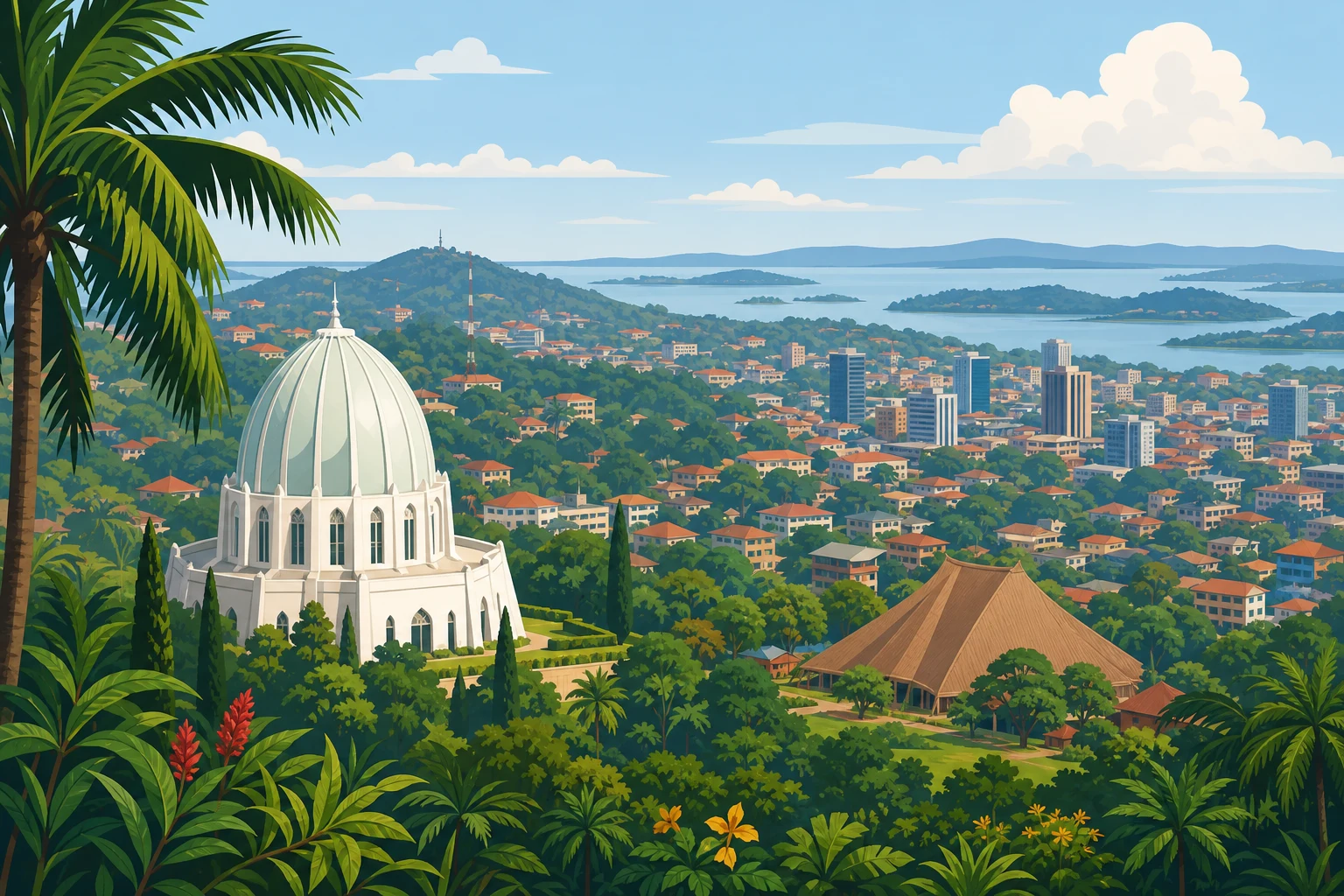
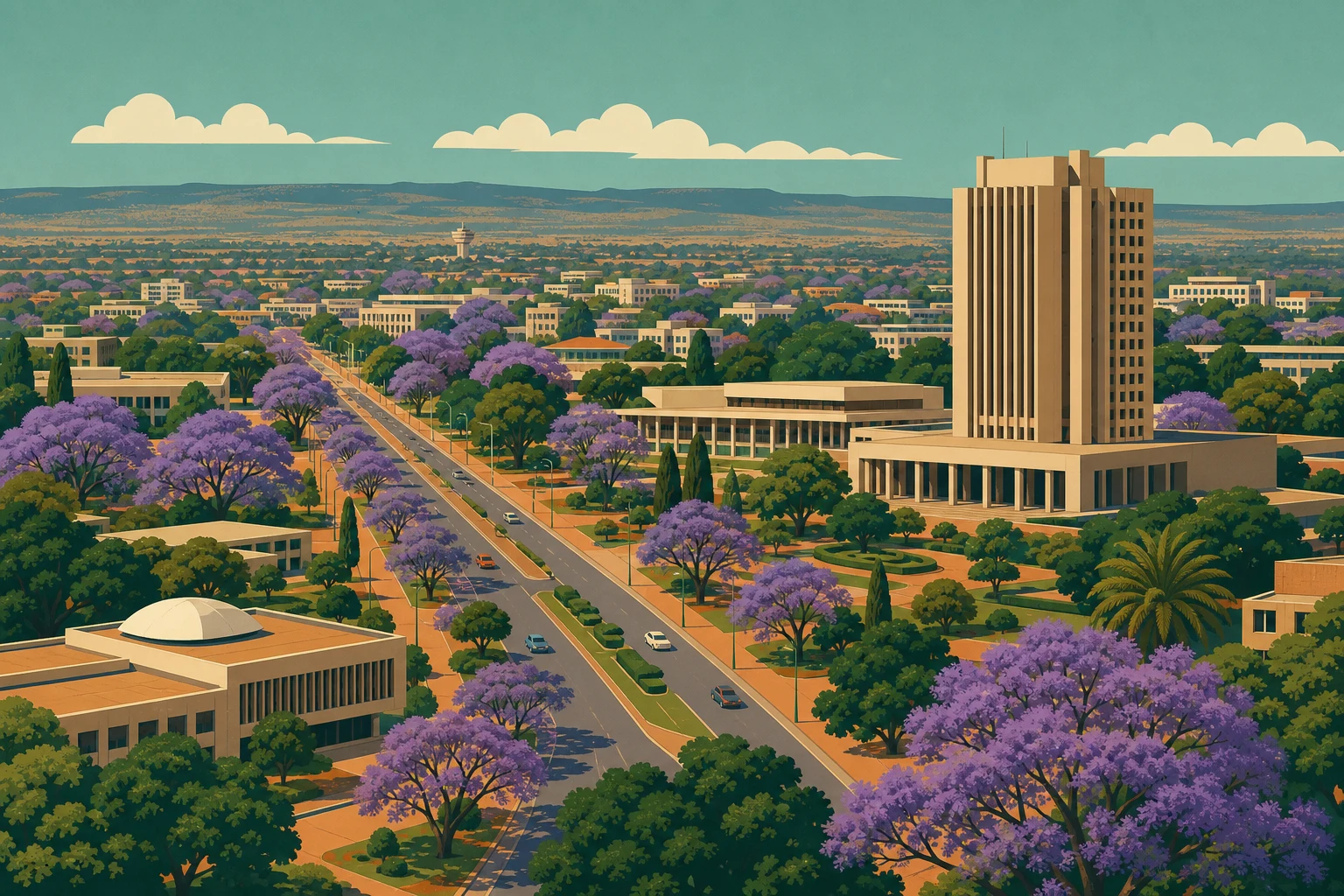
Kampala is the capital and largest city of Uganda, built on and around a series of hills near the northern shore of Lake Victoria. It serves as the commercial, political, and cultural heart of the country.
Vartegn: Kasubi Tombs (UNESCO), Uganda National Mosque
Sjove fakta
- Kampala's name derives from the phrase "Kasozi K'Empala" (Hill of the Antelopes) - the area once had many impala.
- The city was originally built on seven hills, like Rome, though it has now expanded to cover over twenty.
- Kampala sits at about 1,190 metres elevation, giving it a pleasant tropical highland climate.
Lusaka
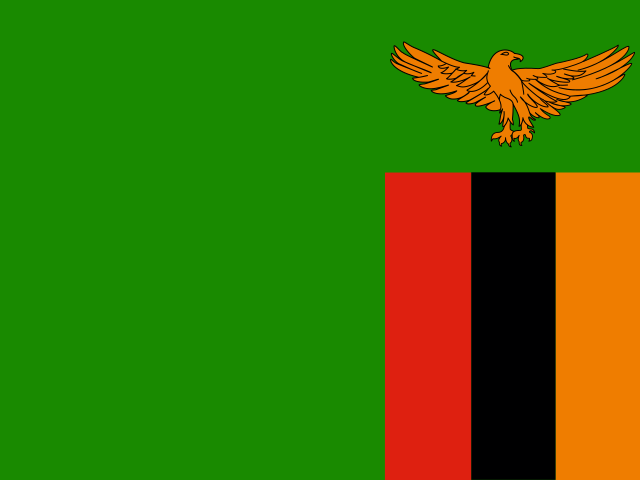
Zambia
Befolkning: 3.3 million
Lusaka is the capital and largest city of Zambia, located in the south-central part of the country on a plateau at about 1,280 metres elevation. It is a major commercial and governmental centre in Southern Africa.
Vartegn: Lusaka National Museum, Cathedral of the Holy Cross
Sjove fakta
- Lusaka was named after a village chief called Lusaaka who lived in the area.
- The city grew rapidly after it replaced Livingstone as the capital of Northern Rhodesia in 1935.
- Zambia is home to a share of Victoria Falls (called Mosi-oa-Tunya, "The Smoke That Thunders").
Harare
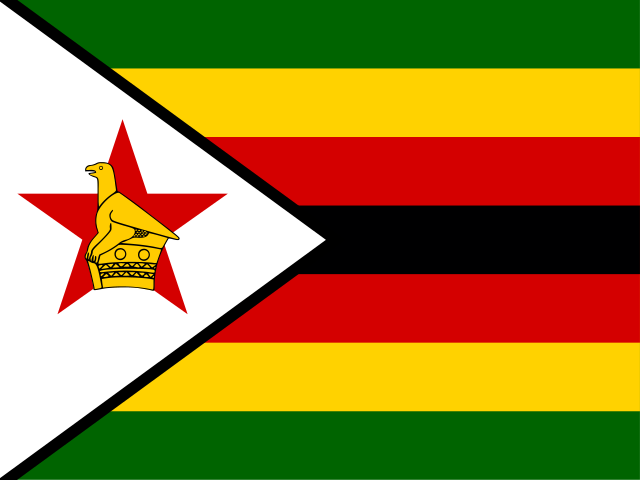
Zimbabwe
Befolkning: 1.5 million
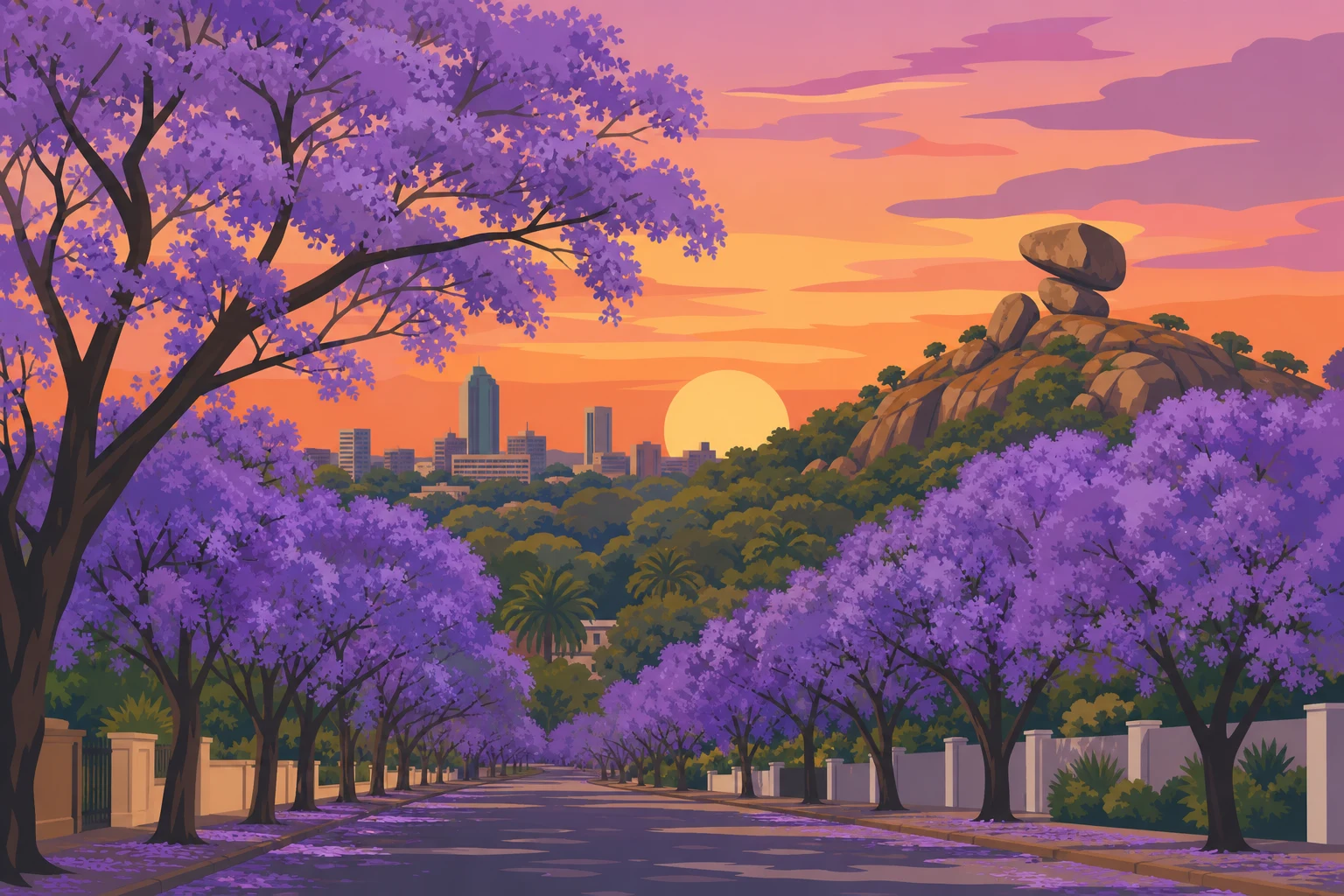
Harare is the capital and most populous city of Zimbabwe, situated on a plateau in the northeast of the country at an elevation of 1,483 metres. Originally called Salisbury during colonial rule, it was renamed Harare at independence in 1982.
Vartegn: National Heroes Acre, Harare Gardens
Sjove fakta
- Harare was known as Salisbury until 1982, when it was renamed after the Shona chief Neharawa.
- The city's elevation gives it a subtropical highland climate with warm, wet summers and mild, dry winters.
- Harare is home to the Chapungu Sculpture Park, showcasing world-renowned Zimbabwean stone sculpture.
Hurtigt overblik
Test din viden
Hvor godt kender du disse hovedstæder? Find ud af det her.
Øv med spil
Klar til at teste det, du har lært? Hop ind i et spil og prøv det af.
Om østafrikanske hovedstæder
Fra Addis Ababa til Harare viser hovedstæderne regionens spændvidde: diplomatibyer ved Afrikanske Union, havne ved Det Indiske Ocean og indlandsplateauer. Flere lande har flyttet eller delt hovedstadsfunktioner.
Ofte stillede spørgsmål
Hvad er Tanzanias hovedstad – Dodoma eller Dar es Salaam?
Dodoma er officielt politisk hovedstad, men Dar es Salaam er langt større og dominerer økonomisk og administrativt i praksis.
Hvorfor skiftede Burundi hovedstad?
Gitega blev gjort til hovedstad for at decentralisere fra Bujumbura ved Tanganyika-søen.
Hvilken østafrikansk hovedstad ligger højest?
Addis Ababa i Etiopien ligger omkring 2.355 meters højde og er blandt verdens højest beliggende hovedstæder.