
Asian Capitals
Discover the capital cities of Asia, the world's largest and most populous continent. From the ultra-modern skyline of Tokyo to the ancient history of Damascus, this comprehensive lesson covers all 47 Asian nations and their fascinating capitals.
Study the Capitals
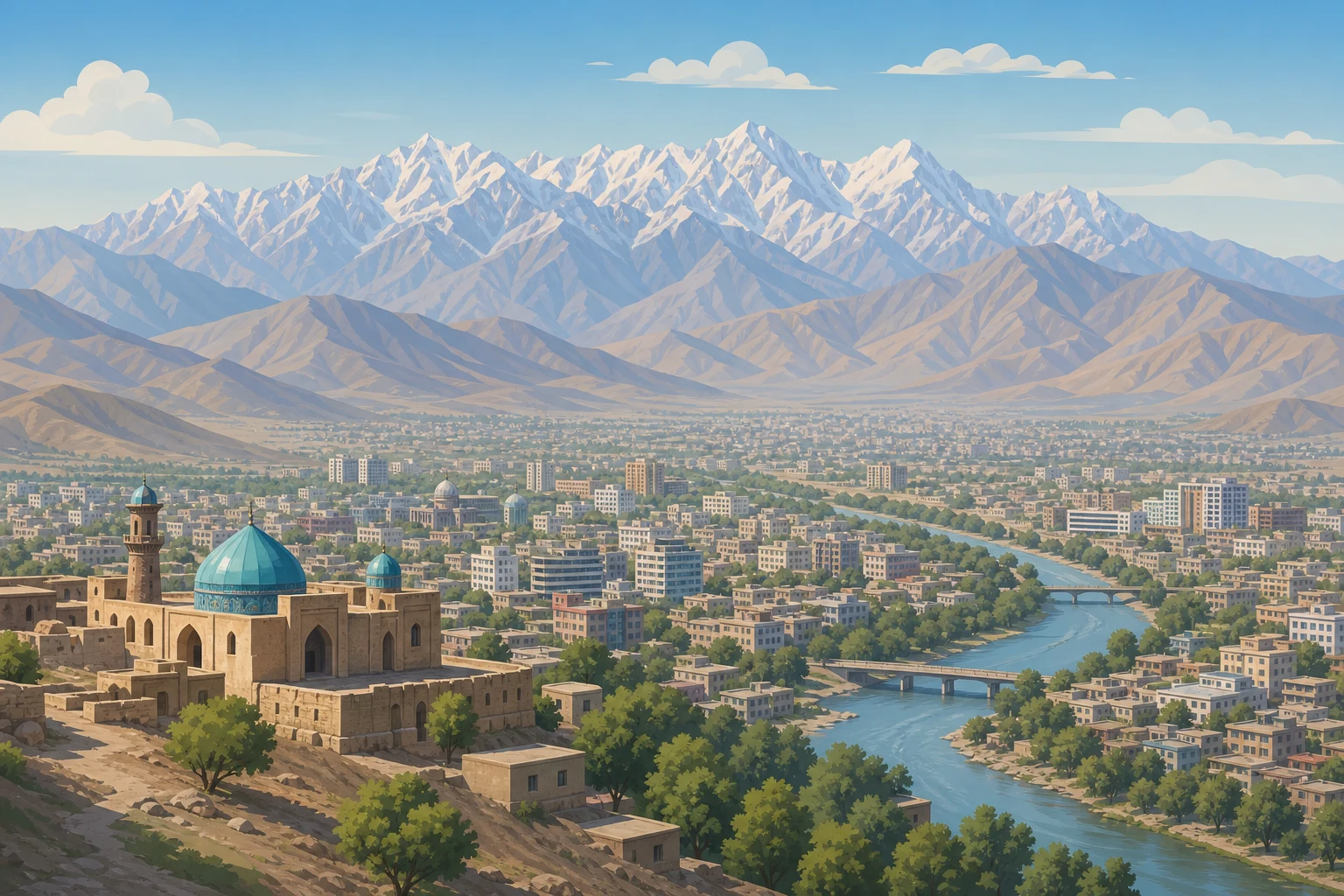
Kabul
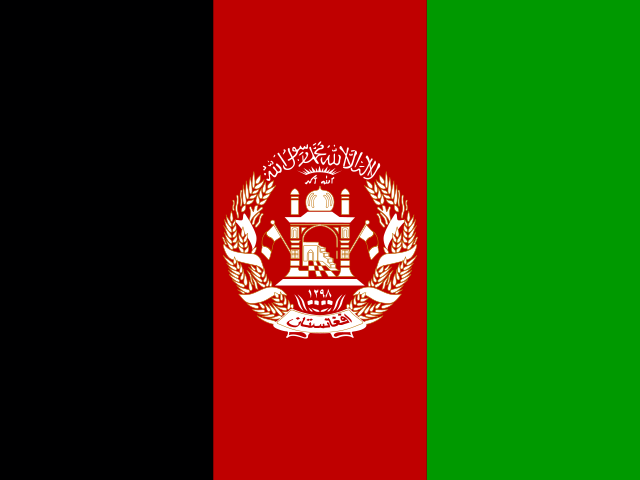
Afghanistan
Population: 4.6 million
Kabul is the capital of Afghanistan, situated at 1,800 meters elevation in a narrow valley between the Hindu Kush mountains.
Landmarks: Babur Gardens, Darul Aman Palace
Fun Facts
- Kabul is one of the highest capital cities in the world, sitting at approximately 1,800 meters above sea level.
- The city has been a crossroads of trade and culture for over 3,500 years along the Silk Road.
- Kabul's Babur Gardens were laid out by the first Mughal emperor Babur in the early 16th century.
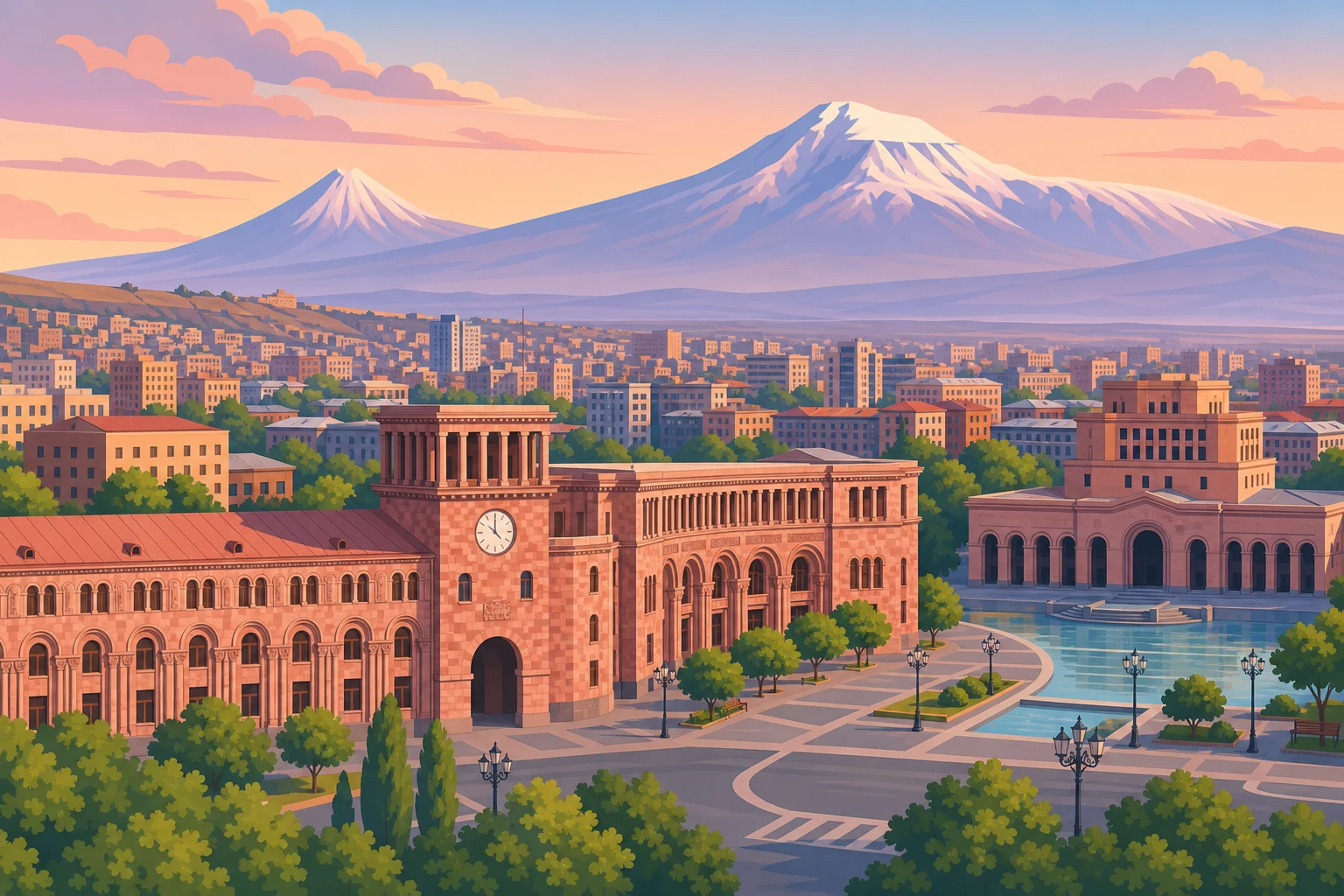
Yerevan
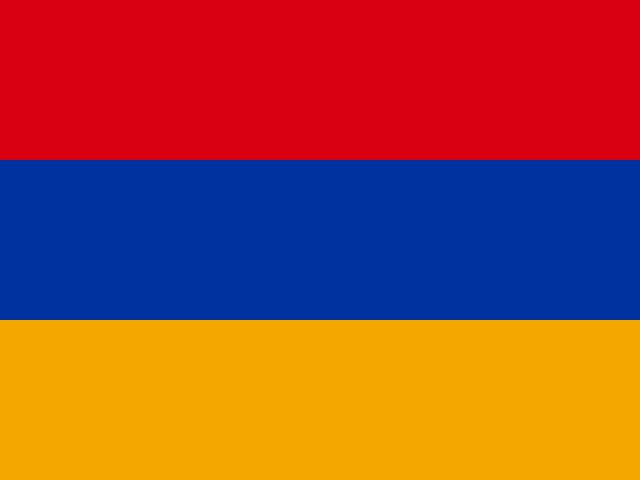
Armenia
Population: 1.1 million
Yerevan is the capital of Armenia, one of the world's oldest continuously inhabited cities with a history dating back to 782 BC.
Landmarks: Republic Square, Cascade Complex
Fun Facts
- Yerevan is nicknamed the "Pink City" because of the distinctive rose-colored volcanic tuff stone used in its buildings.
- The city is 29 years older than Rome, founded as the fortress of Erebuni in 782 BC.
- Mount Ararat, the national symbol of Armenia, is visible from almost everywhere in Yerevan.
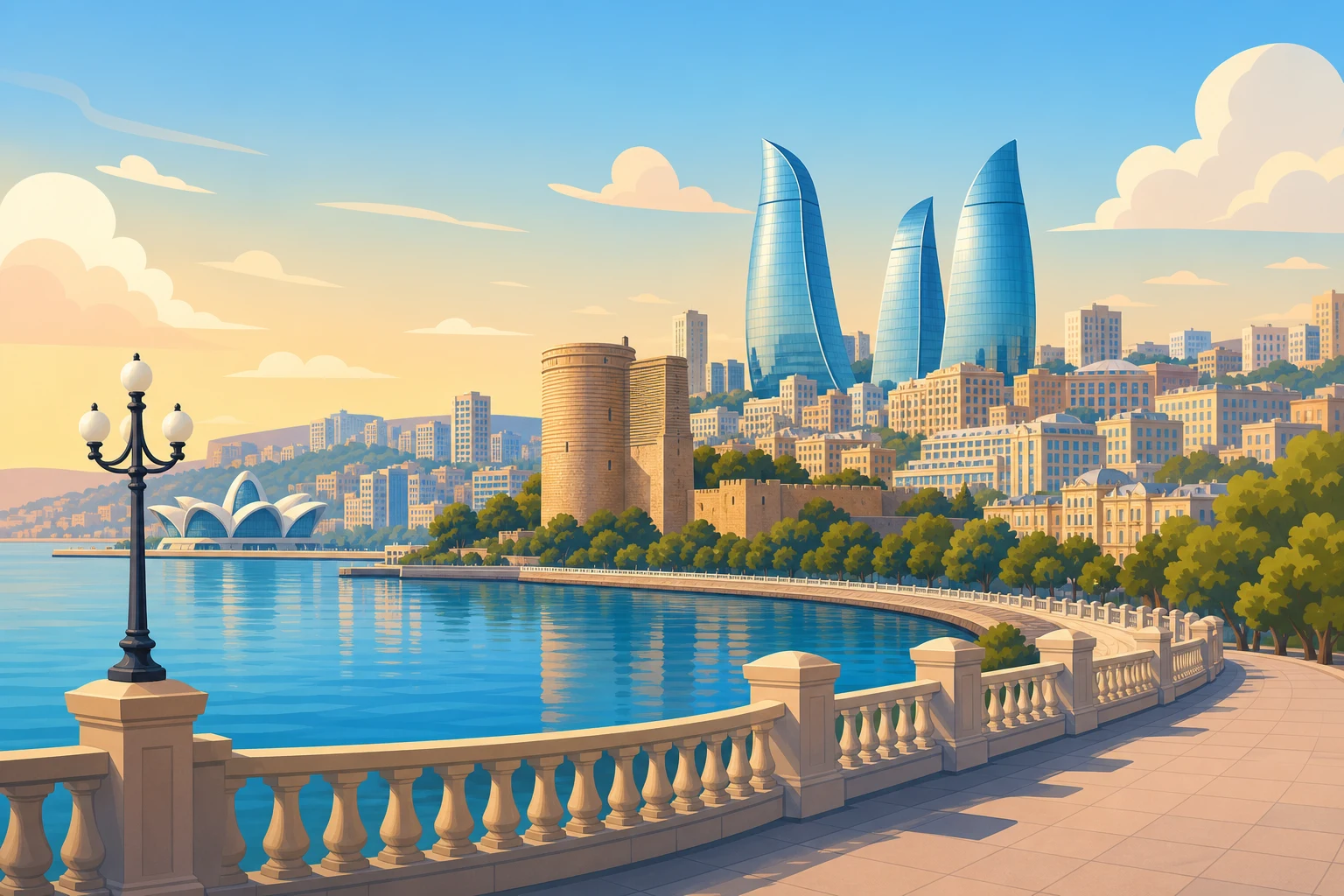
Baku
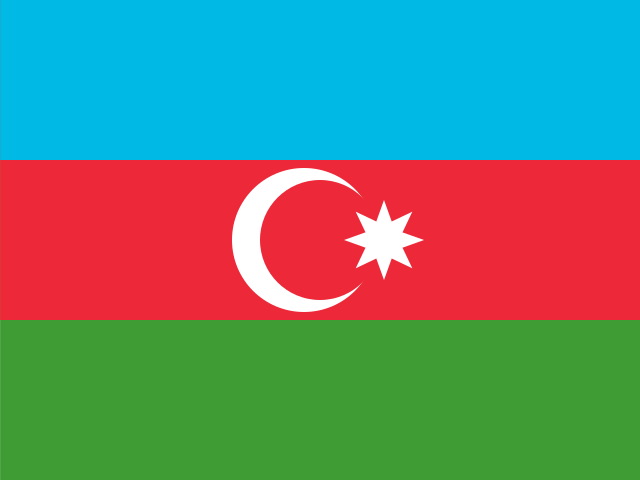
Azerbaijan
Population: 2.3 million
Baku is the capital of Azerbaijan, located on the shores of the Caspian Sea and known for its blend of medieval architecture and futuristic skyscrapers.
Landmarks: Flame Towers, Maiden Tower
Fun Facts
- Baku is the lowest-lying national capital in the world, sitting at 28 meters below sea level.
- The city is called the "City of Winds" due to the fierce Caspian gales that sweep through it.
- Azerbaijan is known as the "Land of Fire" due to natural gas vents that have burned for millennia.
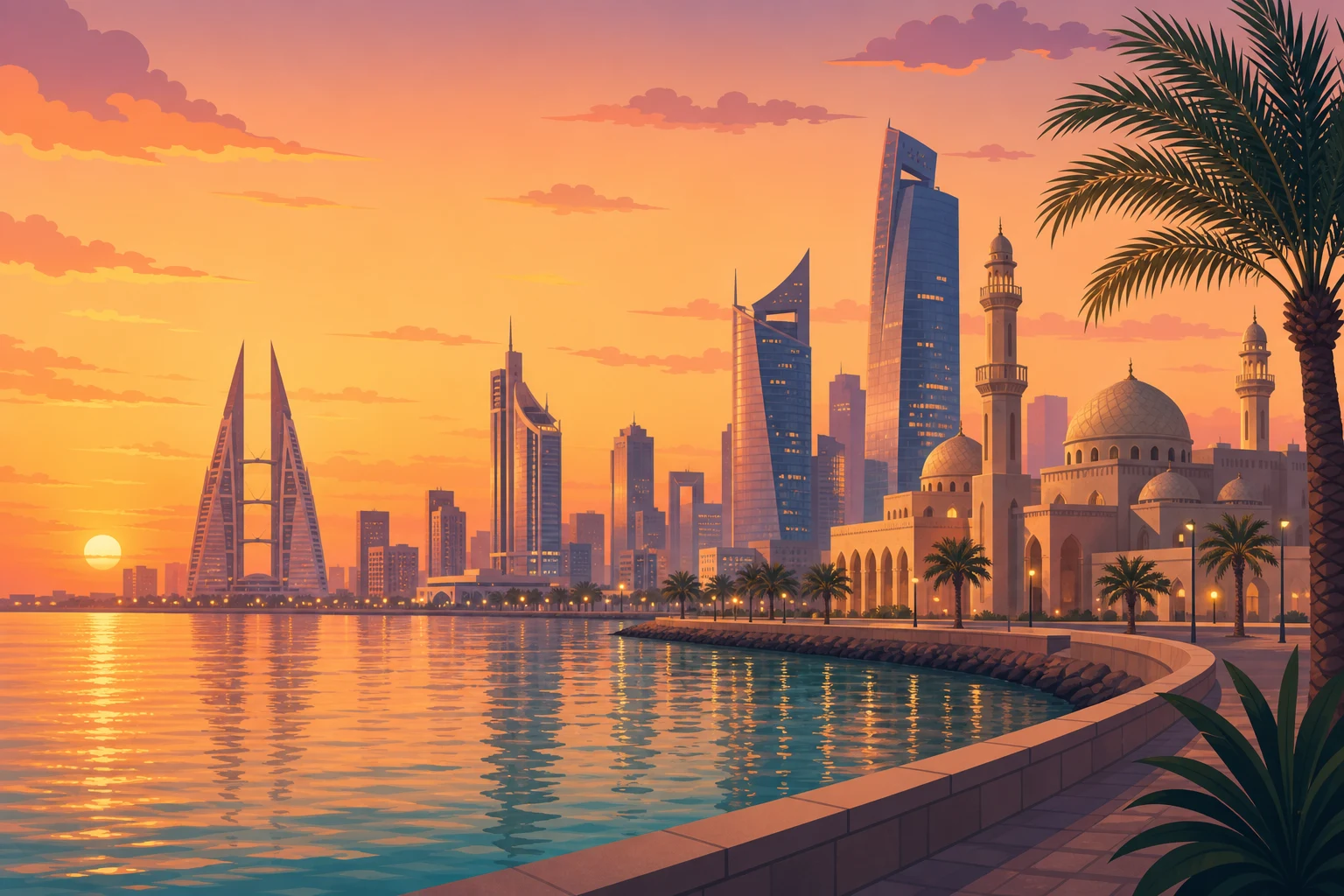
Manama
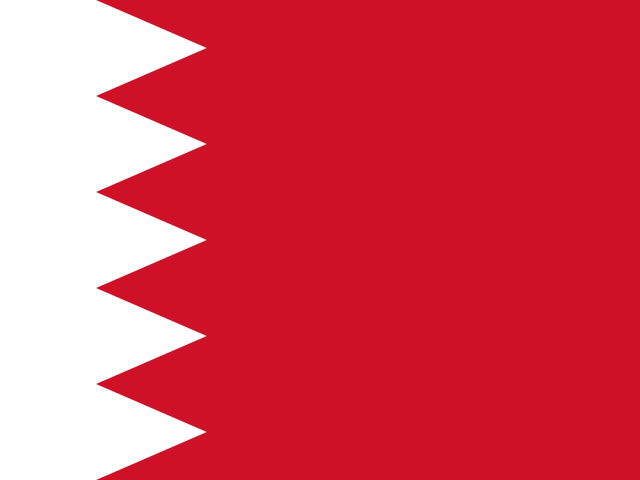
Bahrain
Population: 410,000
Manama is the capital of Bahrain, a modern financial hub on the Persian Gulf that has been a center of trade since ancient Dilmun civilization.
Landmarks: Bahrain World Trade Center, Al-Fateh Grand Mosque
Fun Facts
- Bahrain means "two seas" in Arabic, referring to the fresh water springs beneath the sea surrounding the islands.
- The Bahrain World Trade Center was the first skyscraper in the world to integrate wind turbines into its design.
- Manama has been a pearl diving center for over 4,000 years.
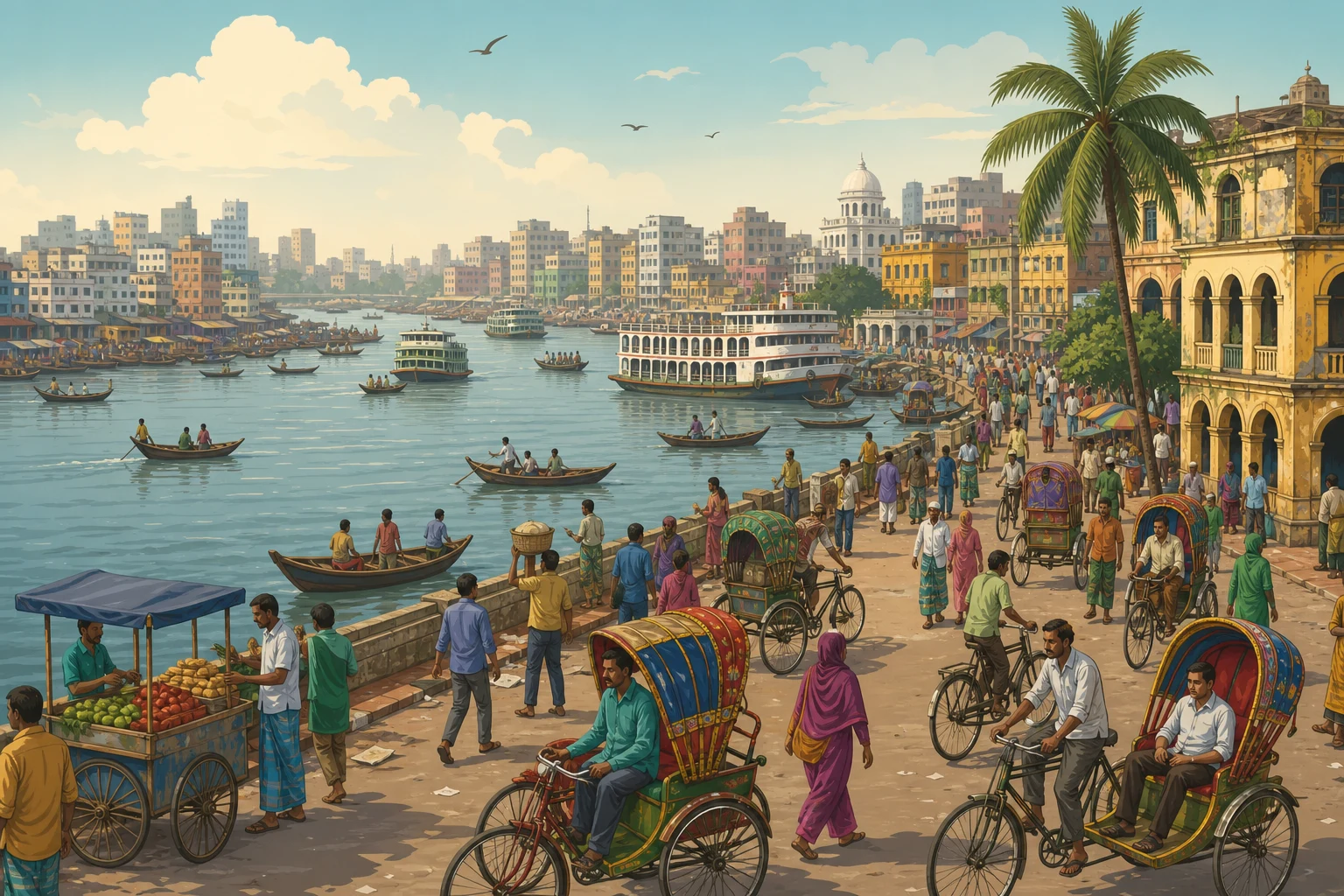
Dhaka
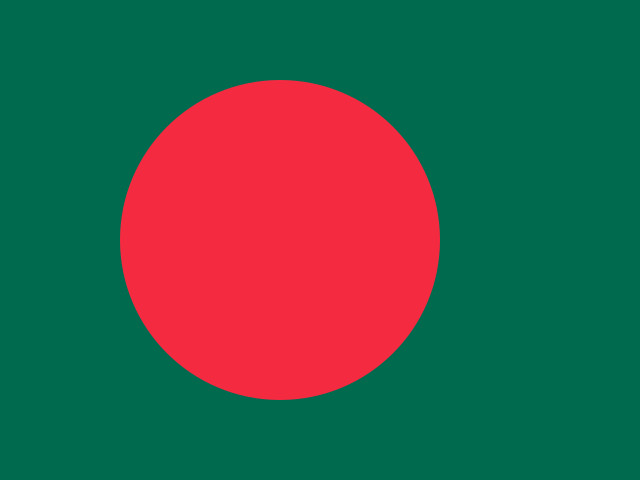
Bangladesh
Population: 10.2 million
Dhaka is the capital of Bangladesh and one of the most densely populated cities in the world, situated on the banks of the Buriganga River.
Landmarks: National Parliament House, Lalbagh Fort
Fun Facts
- Dhaka is one of the most densely populated cities on Earth with over 23,000 people per square kilometer.
- The city was once known as the "City of Mosques" with over 1,000 mosques.
- The National Parliament House, designed by Louis Kahn, is considered one of the 20th century's most significant architectural works.
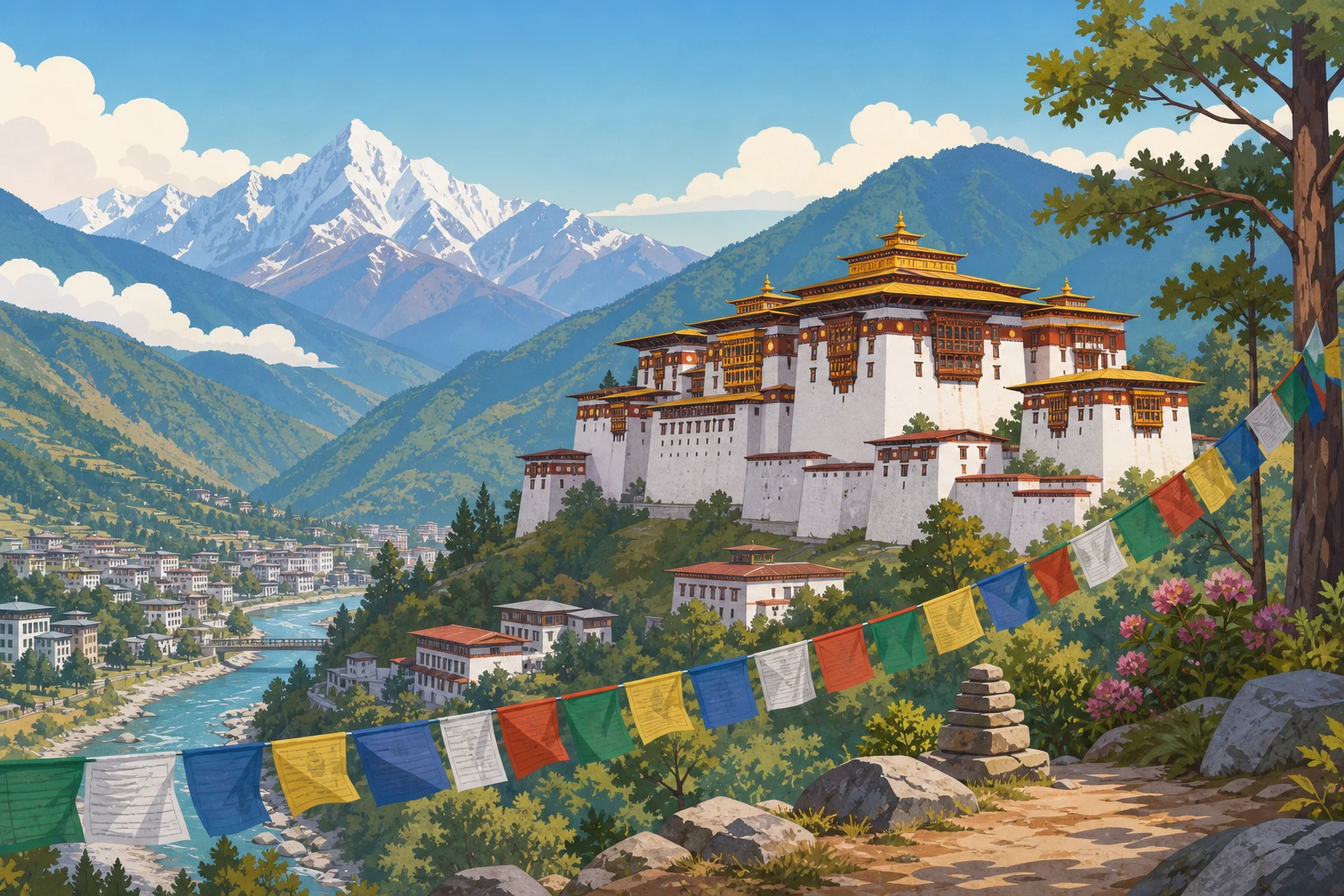
Thimphu
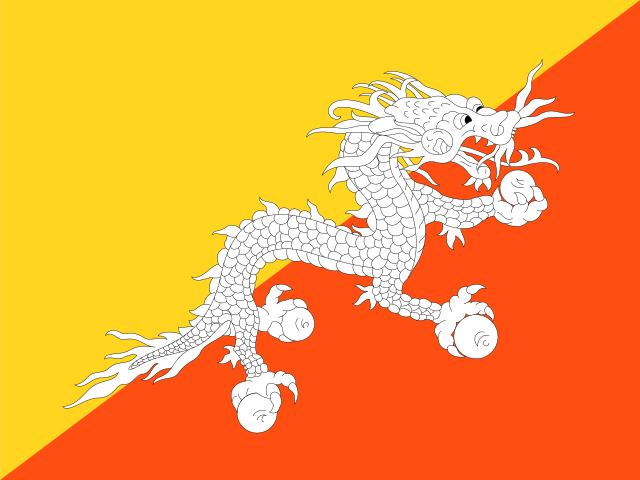
Bhutan
Population: 115,000
Thimphu is the capital of Bhutan, one of the few capital cities in the world without traffic lights, nestled in a valley of the Himalayas.
Landmarks: Tashichho Dzong, Buddha Dordenma Statue
Fun Facts
- Thimphu is one of the few capital cities in the world without a single traffic light.
- Bhutan measures national success by Gross National Happiness rather than GDP.
- The city sits at an elevation of 2,334 meters in the western central part of Bhutan.
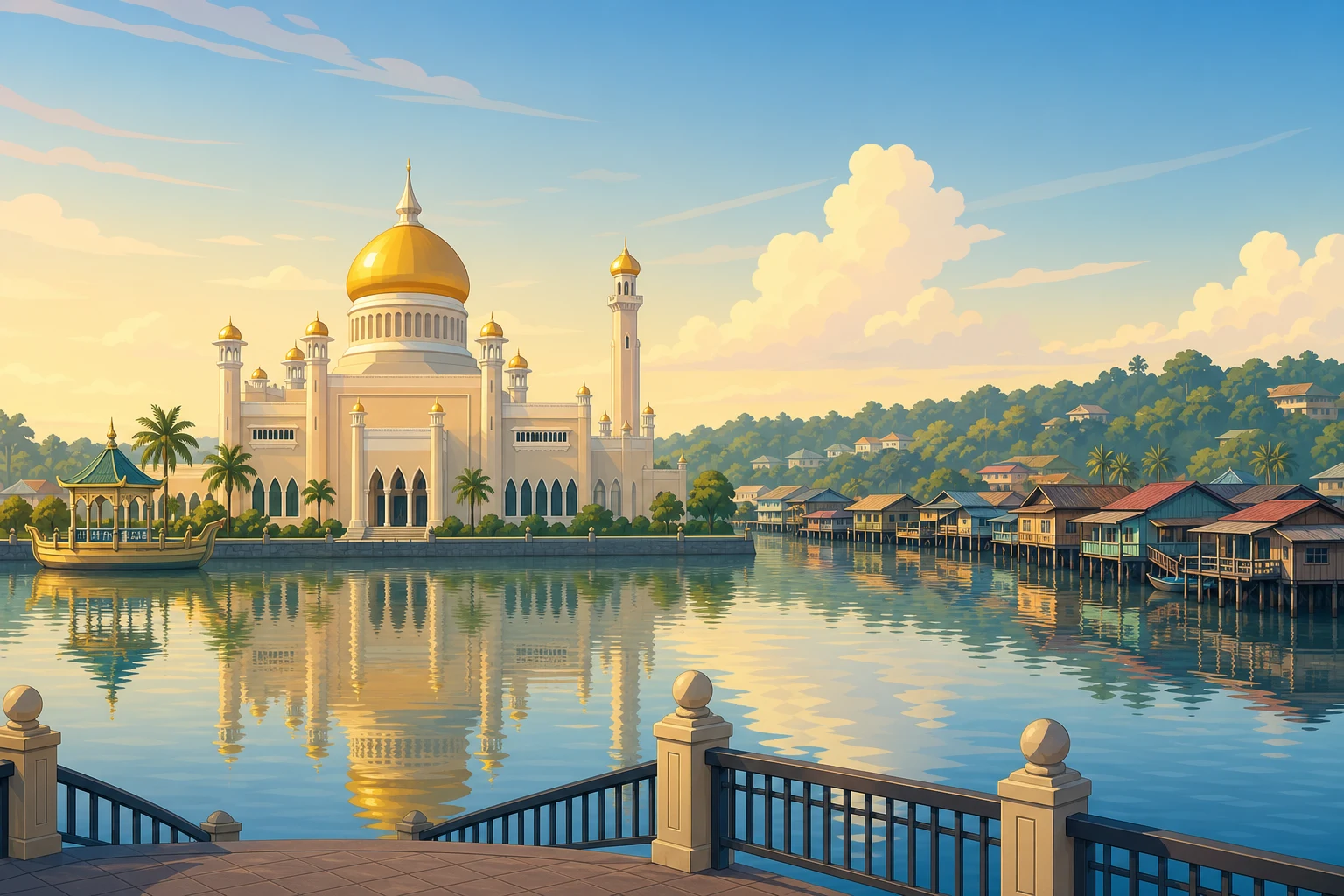
Bandar Seri Begawan
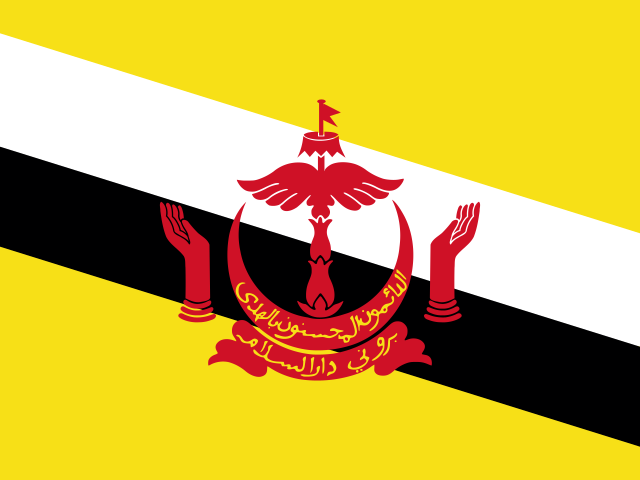
Brunei
Population: 50,000
Bandar Seri Begawan is the capital of Brunei, a small but wealthy oil-rich sultanate on the island of Borneo.
Landmarks: Omar Ali Saifuddien Mosque, Istana Nurul Iman
Fun Facts
- The Sultan of Brunei's Istana Nurul Iman palace is the largest residential palace in the world with 1,788 rooms.
- Kampong Ayer, a water village of 30,000 residents built on stilts, is often called the "Venice of the East."
- Brunei has no income tax and citizens receive free education and healthcare.
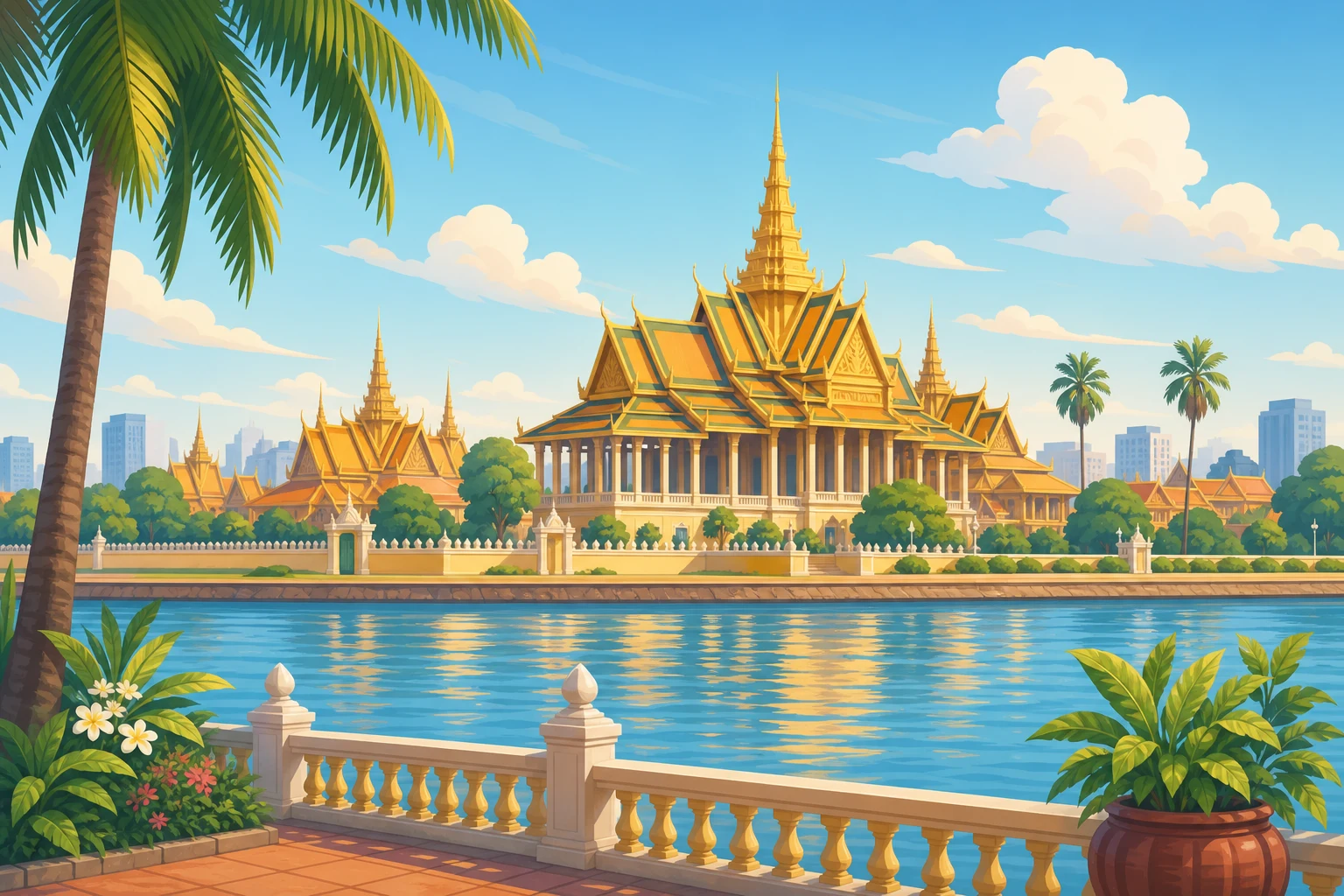
Phnom Penh
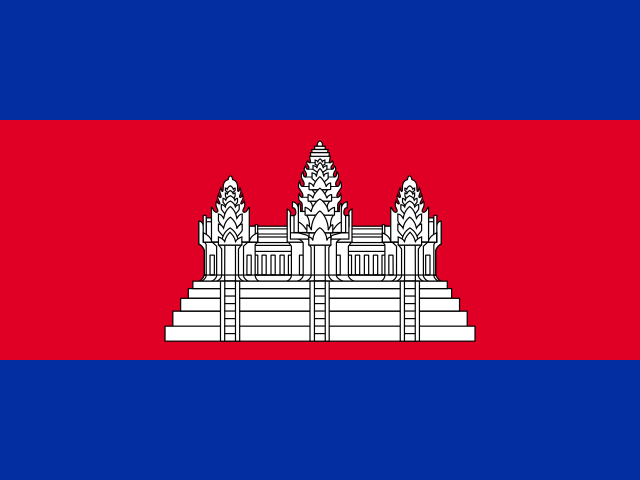
Cambodia
Population: 2.3 million
Phnom Penh is the capital of Cambodia, located at the confluence of the Mekong, Bassac, and Tonlé Sap rivers.
Landmarks: Royal Palace, Silver Pagoda
Fun Facts
- The city is named after Wat Phnom, a temple built in 1372 on the only hill in the area.
- Phnom Penh was once known as the "Pearl of Asia" for its French colonial architecture in the 1920s.
- The Royal Palace complex has been the residence of Cambodian kings since 1866.
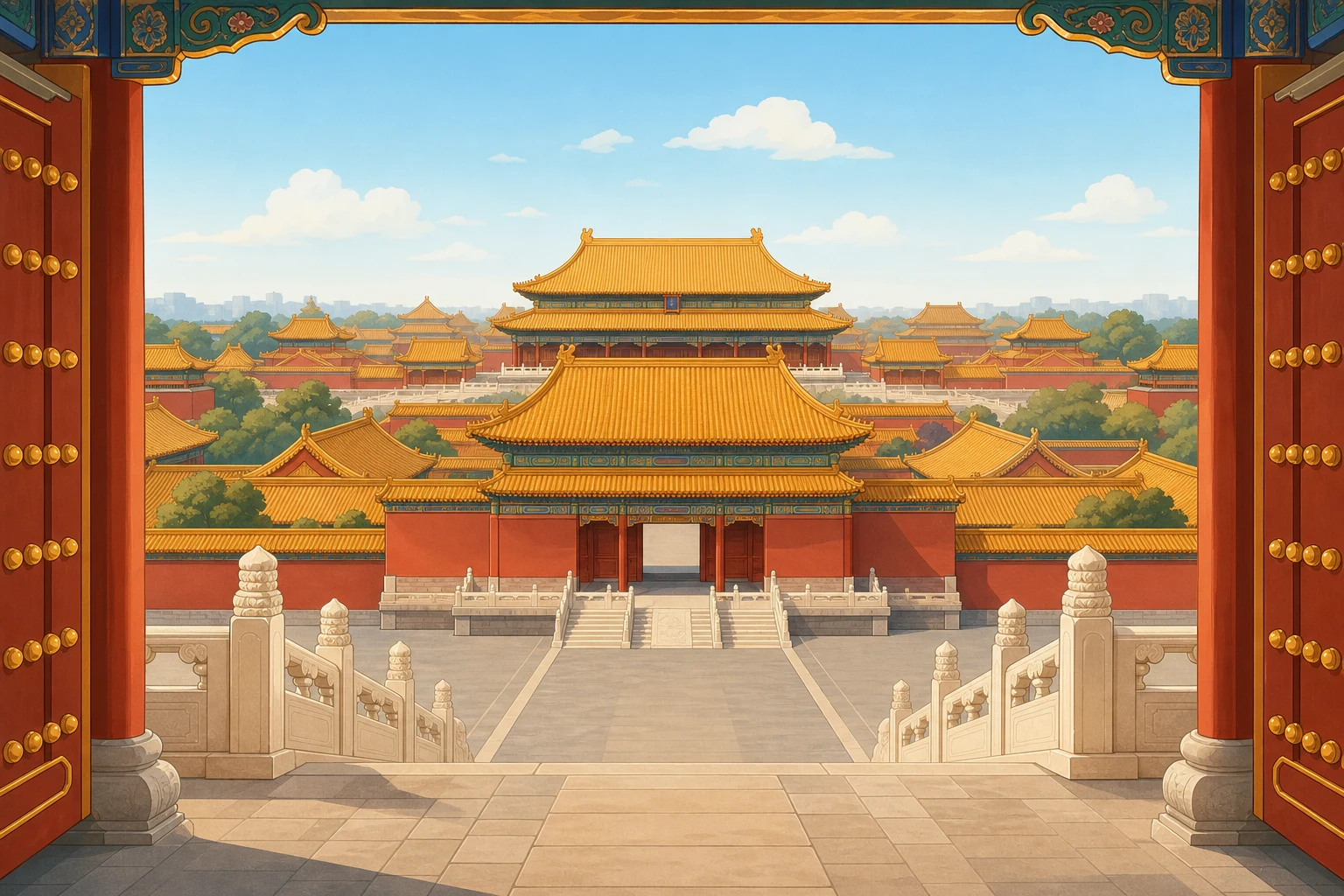
Beijing
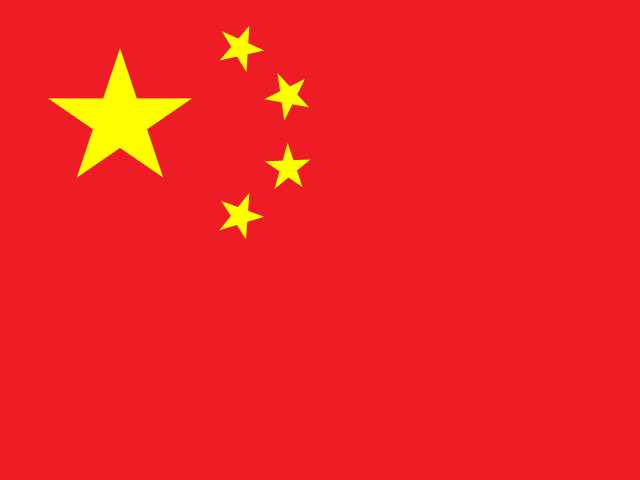
China
Population: 21.5 million
Beijing is the capital of China, a city with over 3,000 years of history that served as the seat of power for multiple imperial dynasties.
Landmarks: Forbidden City, Great Wall of China
Fun Facts
- The Forbidden City in Beijing is the world's largest palace complex, containing 9,999 rooms.
- Beijing hosted both the Summer Olympics (2008) and Winter Olympics (2022), making it the first city to host both.
- The city's name means "Northern Capital" in Chinese.
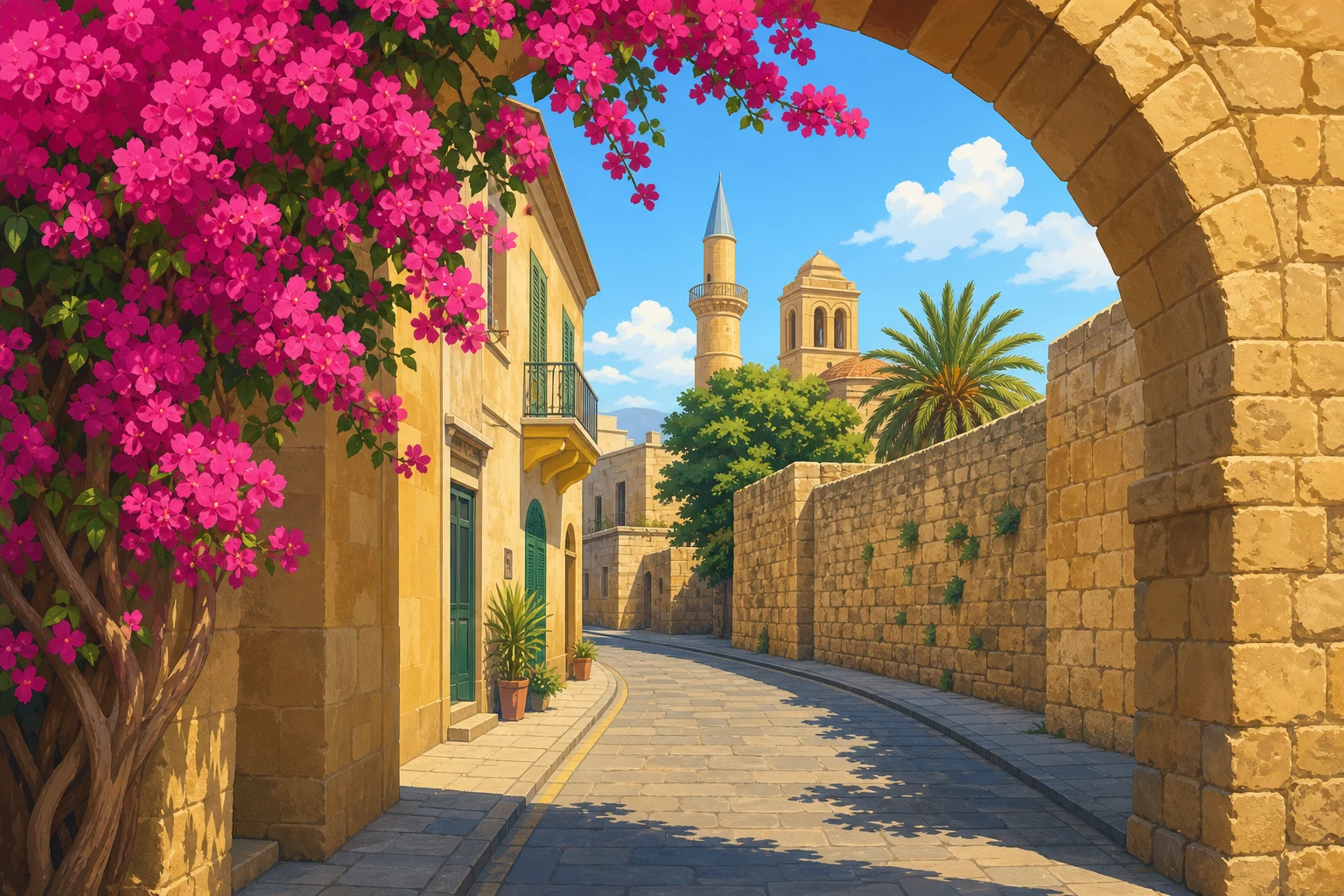
Nicosia
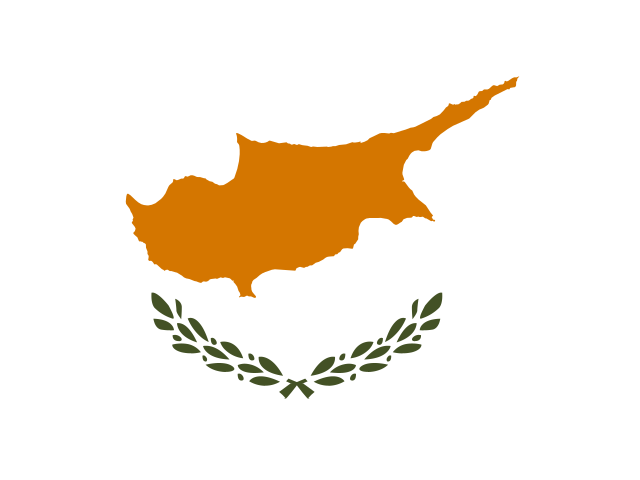
Cyprus
Population: 330,000
Nicosia is the capital of Cyprus and the world's last divided capital city, split between Greek Cypriot and Turkish Cypriot communities.
Landmarks: Venetian Walls, Selimiye Mosque
Fun Facts
- Nicosia is the only divided capital city in the world, split by a UN buffer zone since 1974.
- The city has been continuously inhabited for over 4,500 years.
- The Venetian walls encircling the old city were built in the 16th century and are shaped like a star with 11 bastions.
Tbilisi
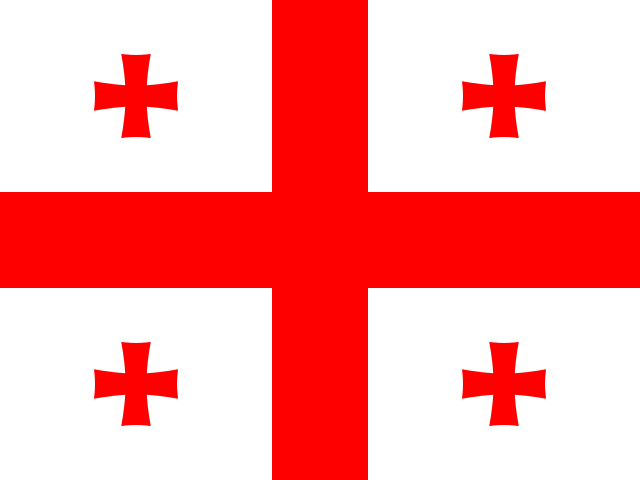
Georgia
Population: 1.2 million
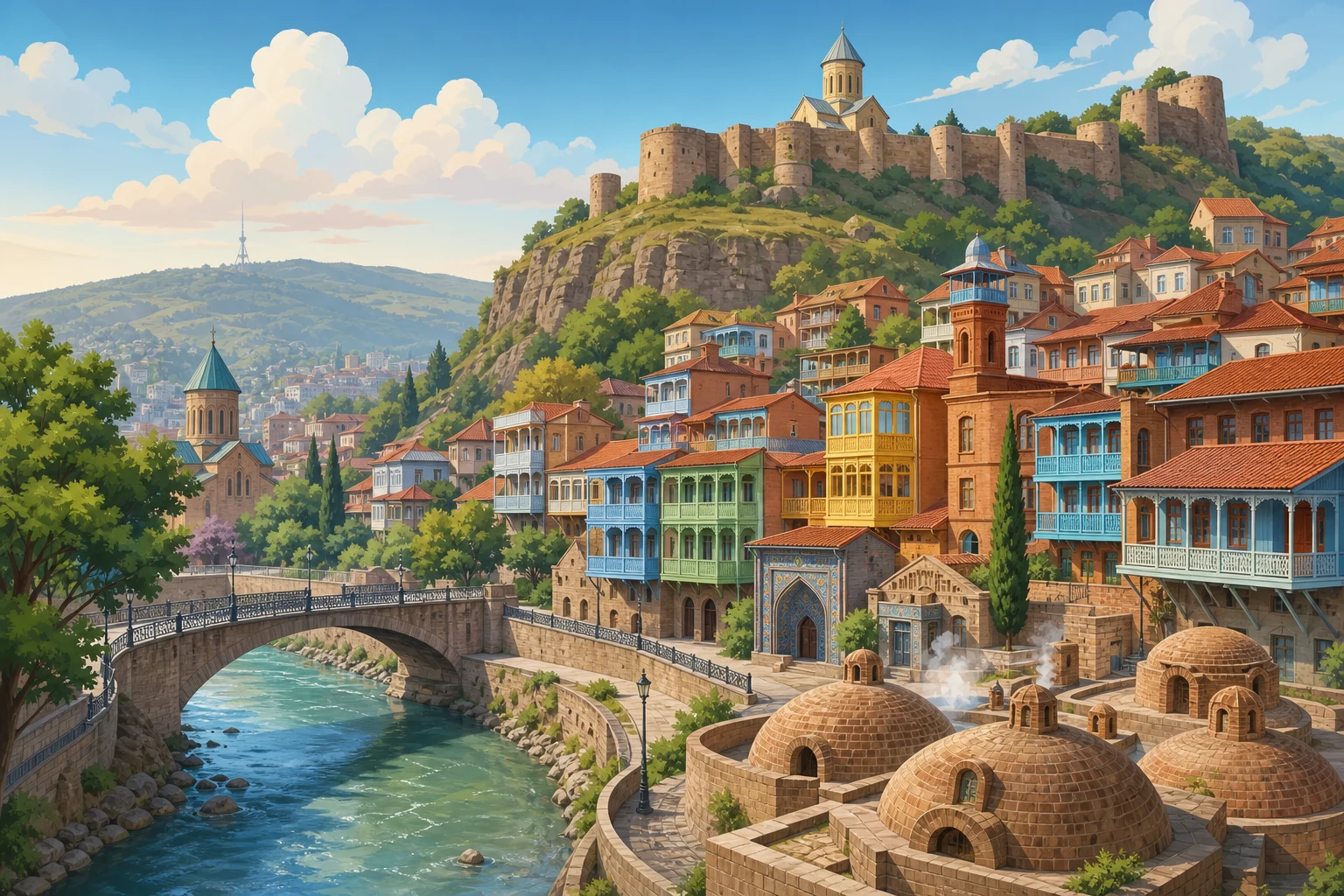
Tbilisi is the capital of Georgia, founded in the 5th century around natural hot sulfur springs along the banks of the Kura River.
Landmarks: Narikala Fortress, Holy Trinity Cathedral
Fun Facts
- Tbilisi gets its name from the Georgian word "tbili" meaning warm, referring to the area's sulfurous hot springs.
- The city features architecture from every era of its 1,500-year history, from medieval to Art Nouveau to Soviet modernist.
- Georgia has its own unique alphabet, one of only 14 existing alphabets in the world.
New Delhi
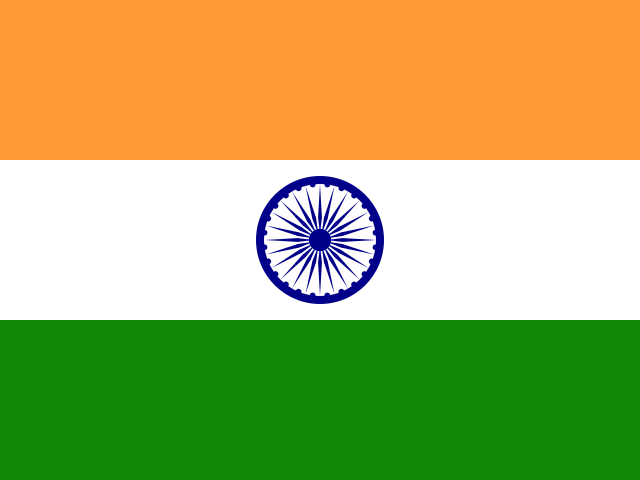
India
Population: 16.3 million
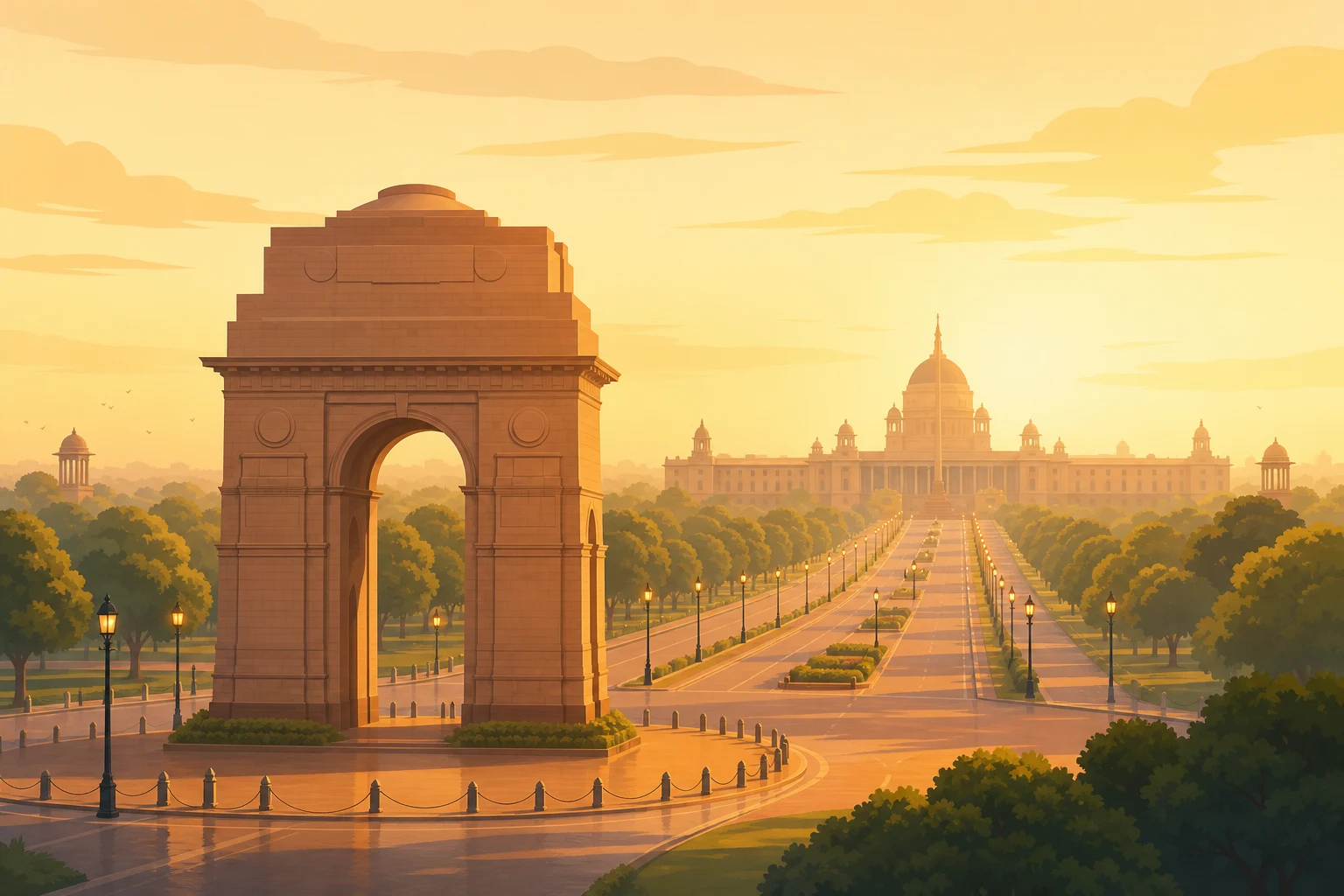
New Delhi is the capital of India, designed by British architects Edwin Lutyens and Herbert Baker and inaugurated in 1931 as the seat of government.
Landmarks: India Gate, Rashtrapati Bhavan
Fun Facts
- New Delhi was designed and built by the British as a planned city to replace Calcutta as the capital in 1911.
- India Gate, a war memorial in the heart of New Delhi, commemorates 70,000 Indian soldiers who died in World War I.
- Delhi has been continuously inhabited since the 6th century BC and has served as the capital of multiple empires.
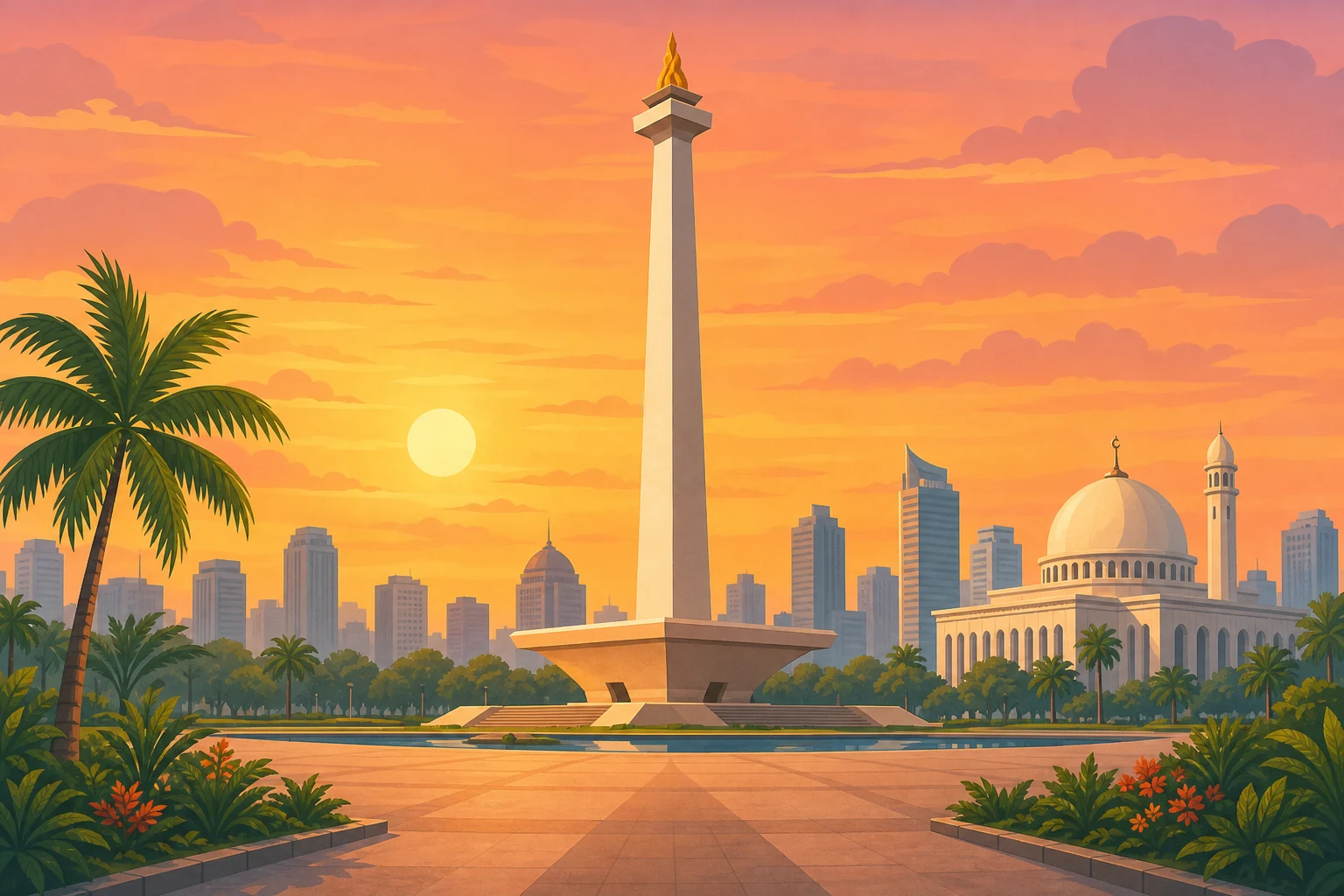
Jakarta
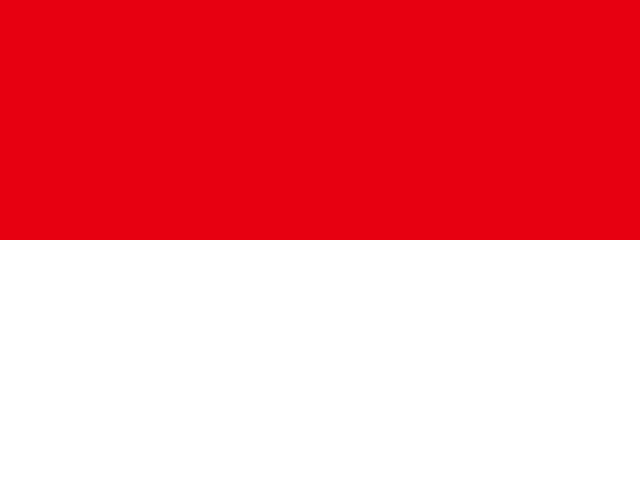
Indonesia
Population: 10.6 million
Jakarta is the capital of Indonesia, the largest city in Southeast Asia, located on the northwest coast of Java.
Landmarks: National Monument (Monas), Istiqlal Mosque
Fun Facts
- Jakarta is sinking at a rate of up to 25 cm per year in some areas due to excessive groundwater extraction.
- Indonesia is planning to move its capital to Nusantara on the island of Borneo to relieve Jakarta's congestion.
- Jakarta is home to the Istiqlal Mosque, the largest mosque in Southeast Asia.
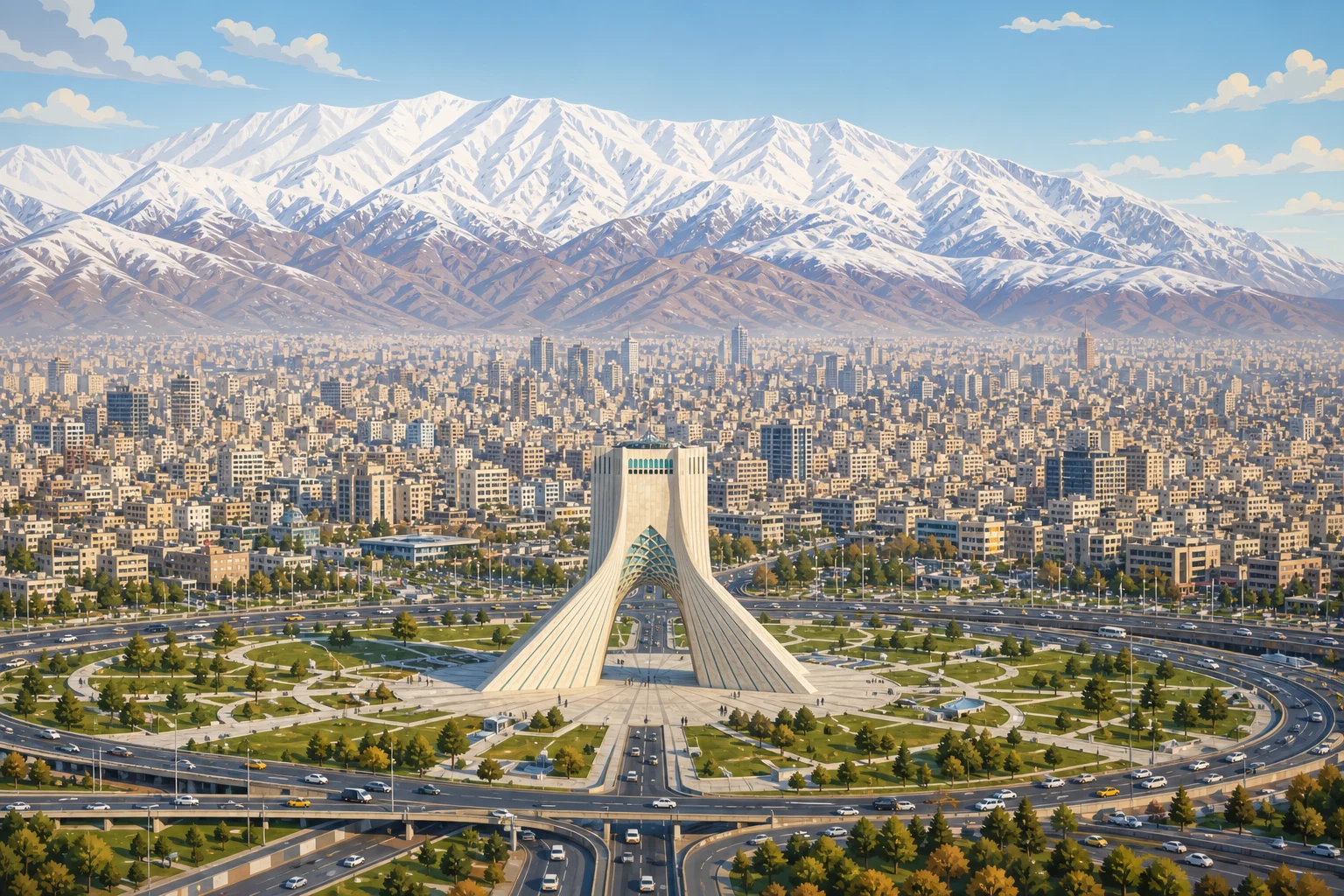
Tehran
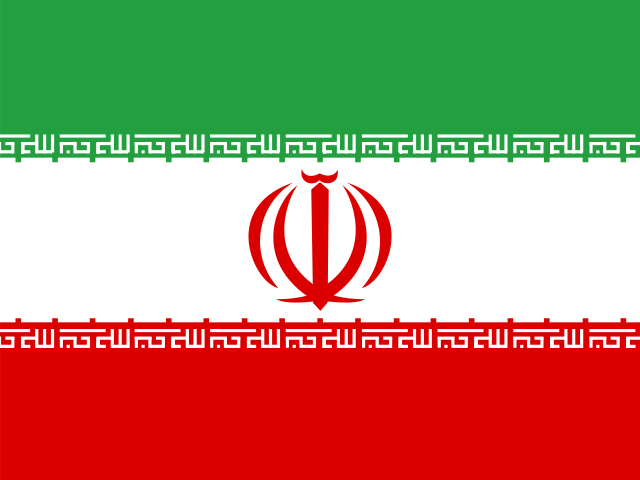
Iran
Population: 9.0 million
Tehran is the capital of Iran, a sprawling metropolis nestled at the foot of the Alborz mountain range in northern Iran.
Landmarks: Azadi Tower, Golestan Palace
Fun Facts
- Tehran is home to the Azadi Tower, built in 1971 to mark the 2,500th anniversary of the Persian Empire.
- The city's elevation ranges from 900 meters in the south to 1,800 meters in the north near the mountains.
- The National Jewels Museum in Tehran holds one of the largest collections of gems in the world, including the Darya-ye Noor diamond.
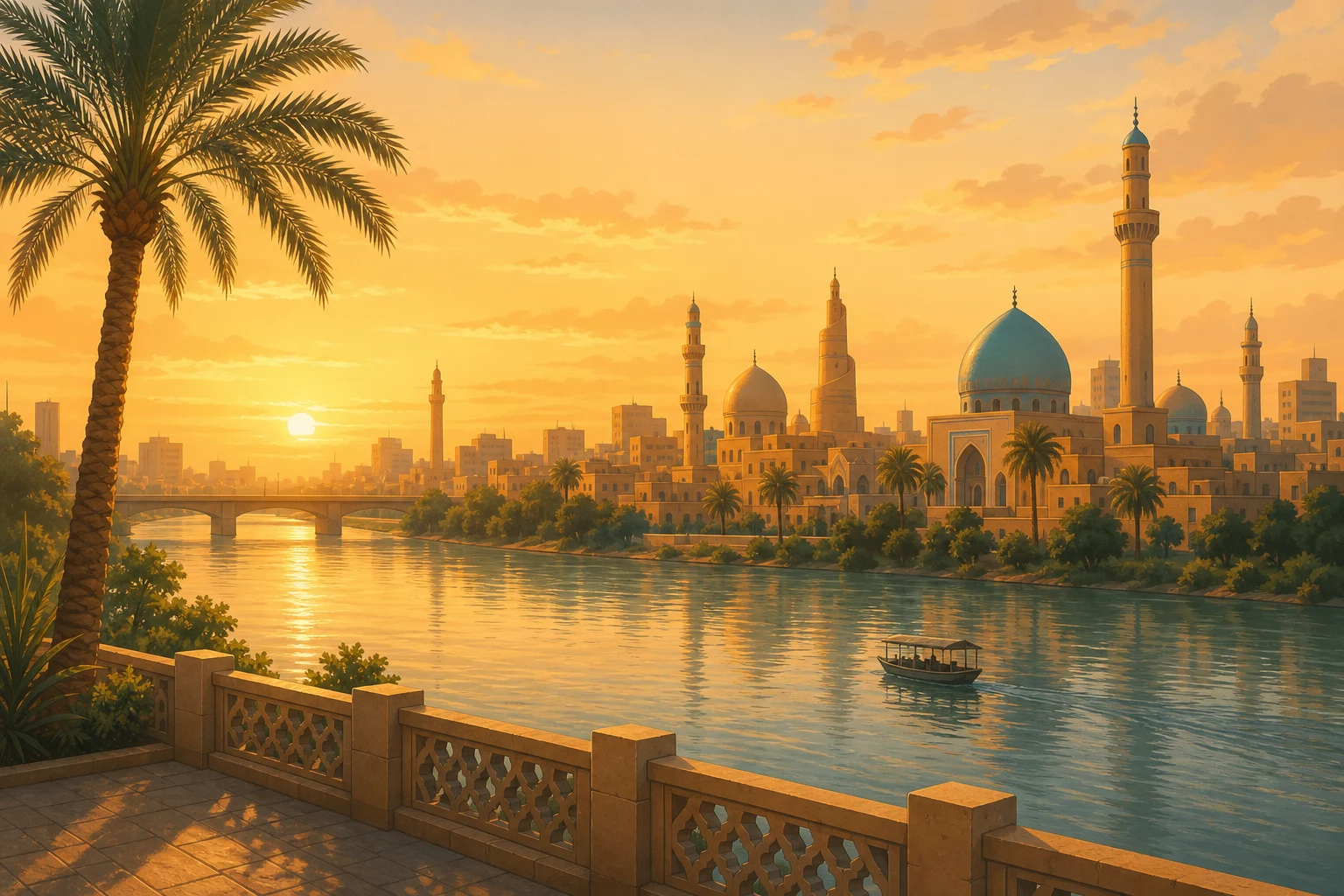
Baghdad
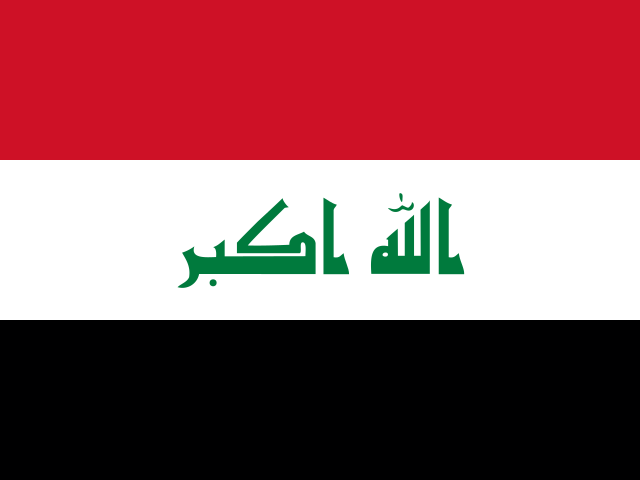
Iraq
Population: 8.1 million
Baghdad is the capital of Iraq, founded in 762 AD as the capital of the Abbasid Caliphate and once the largest city in the world.
Landmarks: Al-Mustansiriya University, Al-Kadhimiya Mosque
Fun Facts
- Baghdad was the center of the Islamic Golden Age, home to the House of Wisdom where scholars preserved and advanced knowledge.
- The city was originally built as a perfect circle known as the "Round City" by Caliph al-Mansur.
- The Tigris River runs through the center of Baghdad, dividing it into eastern (Rusafa) and western (Karkh) halves.
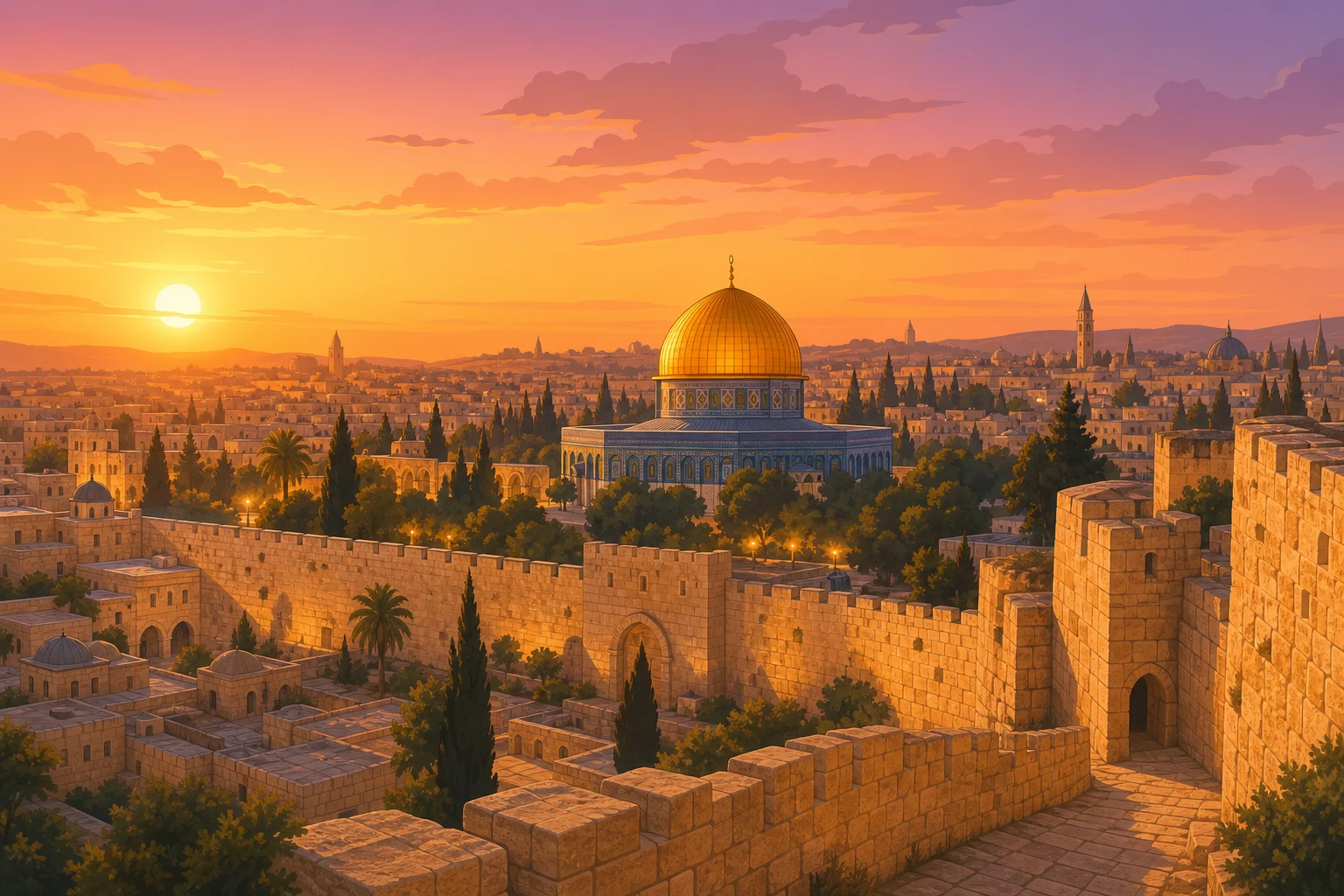
Jerusalem
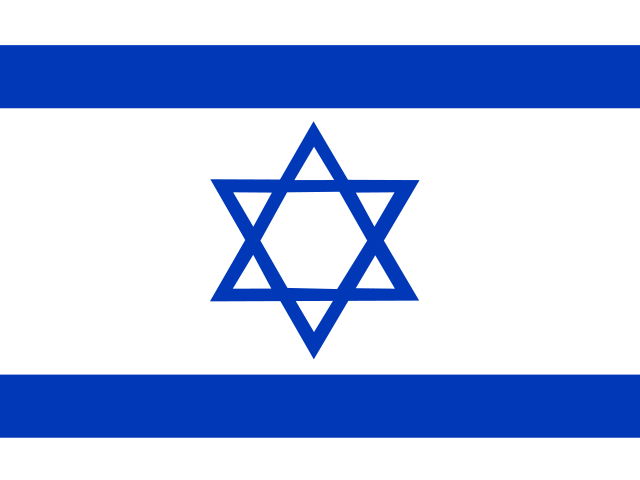
Israel
Population: 970,000
Jerusalem is the capital of Israel, a holy city for Judaism, Christianity, and Islam with over 5,000 years of continuous habitation.
Landmarks: Western Wall, Dome of the Rock
Fun Facts
- Jerusalem is sacred to three major religions: Judaism, Christianity, and Islam.
- The Old City contains four quarters: Jewish, Christian, Muslim, and Armenian, all within ancient walls.
- Jerusalem has been destroyed twice, besieged 23 times, and attacked 52 times throughout its history.

Tokyo
Japan
Population: 13.9 million
Tokyo is the capital of Japan and the most populous metropolitan area in the world, blending cutting-edge technology with ancient temples.
Landmarks: Tokyo Tower, Meiji Shrine
Fun Facts
- Greater Tokyo is the world's most populous metropolitan area with over 37 million people.
- Tokyo was originally a fishing village called Edo before becoming Japan's capital in 1868.
- The city has more Michelin-starred restaurants than any other city in the world.
Amman
Jordan
Population: 4.0 million
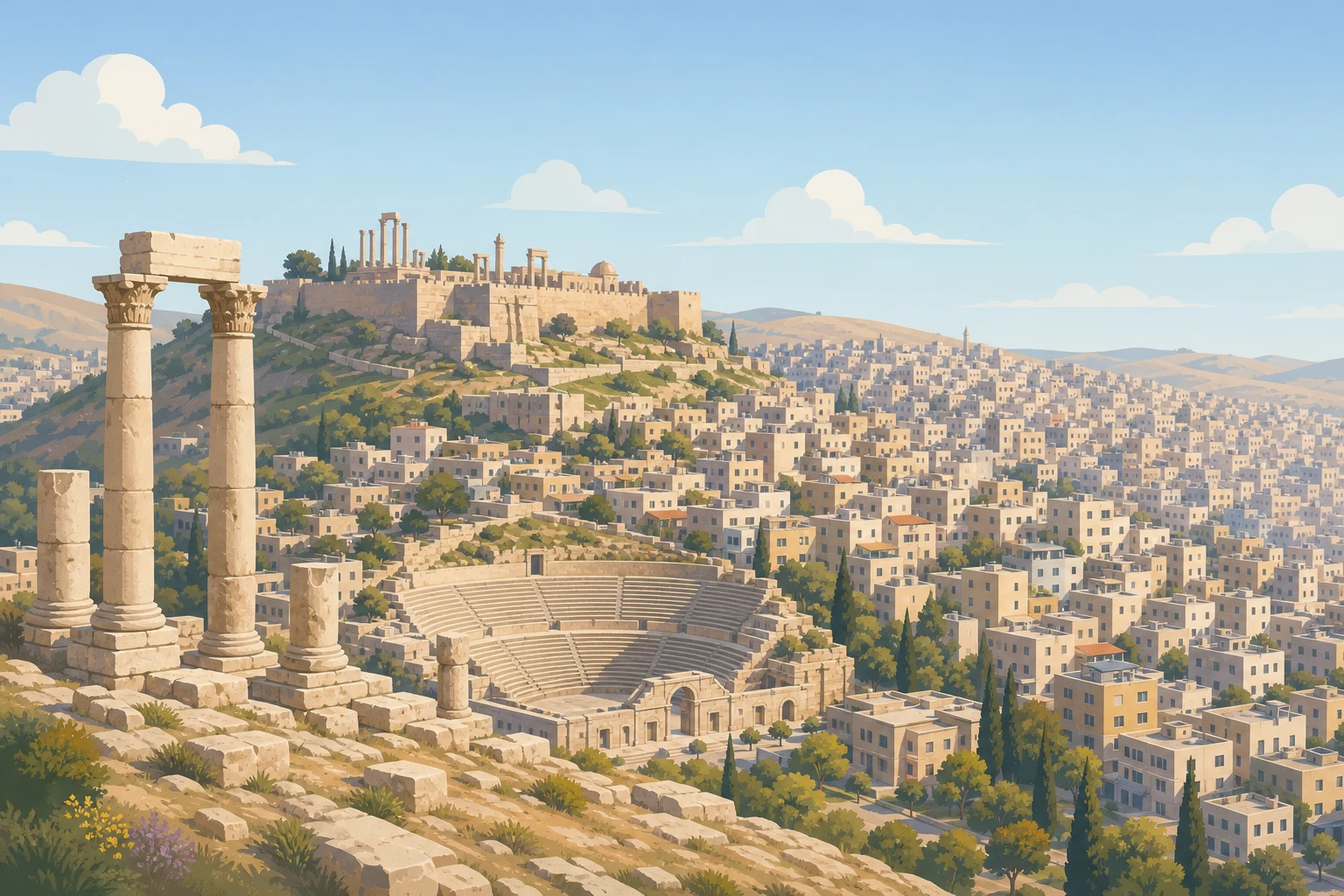
Amman is the capital of Jordan, a modern city built on seven hills (jabals) with ruins dating back to the Neolithic period.
Landmarks: Roman Theatre, Citadel of Amman
Fun Facts
- Amman was originally built on seven hills but has now spread across over 19 hills.
- The city was known as Philadelphia during the Roman period and still has a well-preserved Roman amphitheater.
- Amman is one of the oldest continuously inhabited cities in the world, with settlements dating to 7000 BC.
Astana
Kazakhstan
Population: 1.4 million
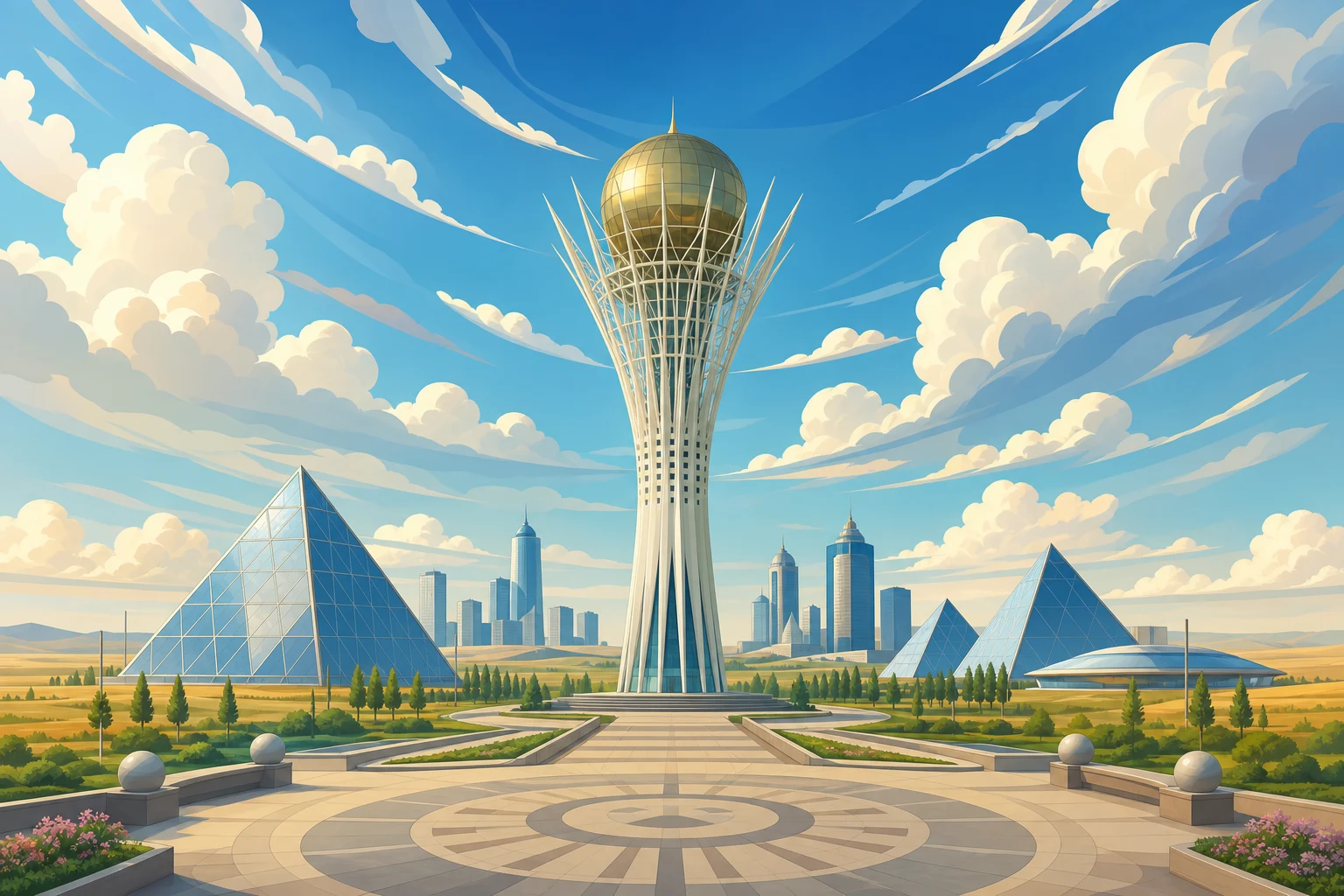
Astana is the capital of Kazakhstan, a futuristic planned city on the Kazakh steppe that became the capital in 1997.
Landmarks: Bayterek Tower, Khan Shatyr Entertainment Center
Fun Facts
- Astana replaced Almaty as capital in 1997 and was rebuilt from a small provincial town into a futuristic metropolis.
- The city experiences extreme temperatures, from -40°C in winter to +40°C in summer.
- The Bayterek Tower symbolizes a Kazakh legend about a mythical tree of life and a magic bird.
Kuwait City
Kuwait
Population: 3.1 million
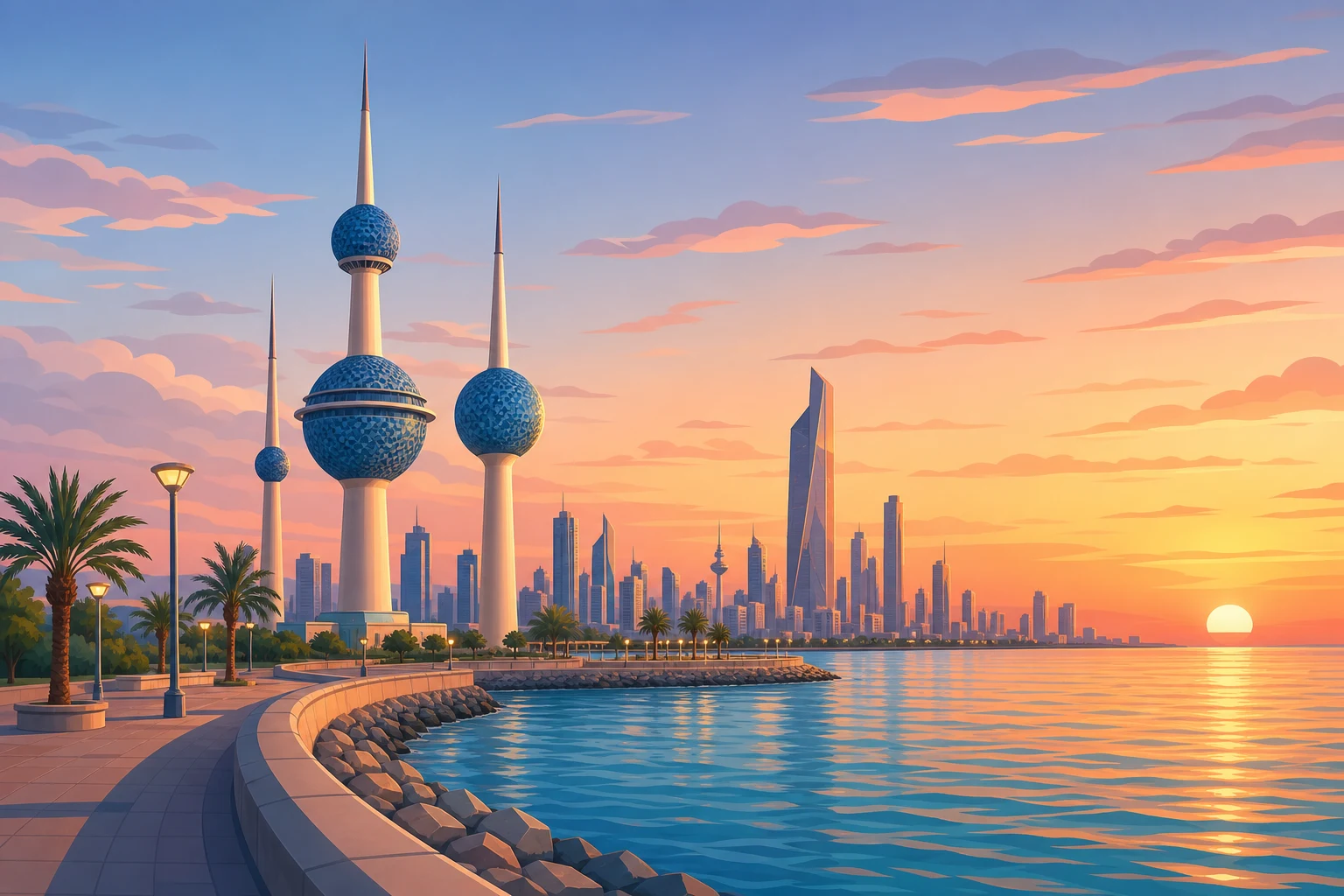
Kuwait City is the capital of Kuwait, a major financial and oil hub on the coast of the Persian Gulf.
Landmarks: Kuwait Towers, Grand Mosque
Fun Facts
- Kuwait has approximately 6% of the world's proven oil reserves.
- The Kuwait Towers, completed in 1979, hold 4,500 cubic meters of water and serve as a landmark.
- Kuwait City was almost entirely rebuilt after the 1990 Iraqi invasion and subsequent liberation in 1991.
Bishkek
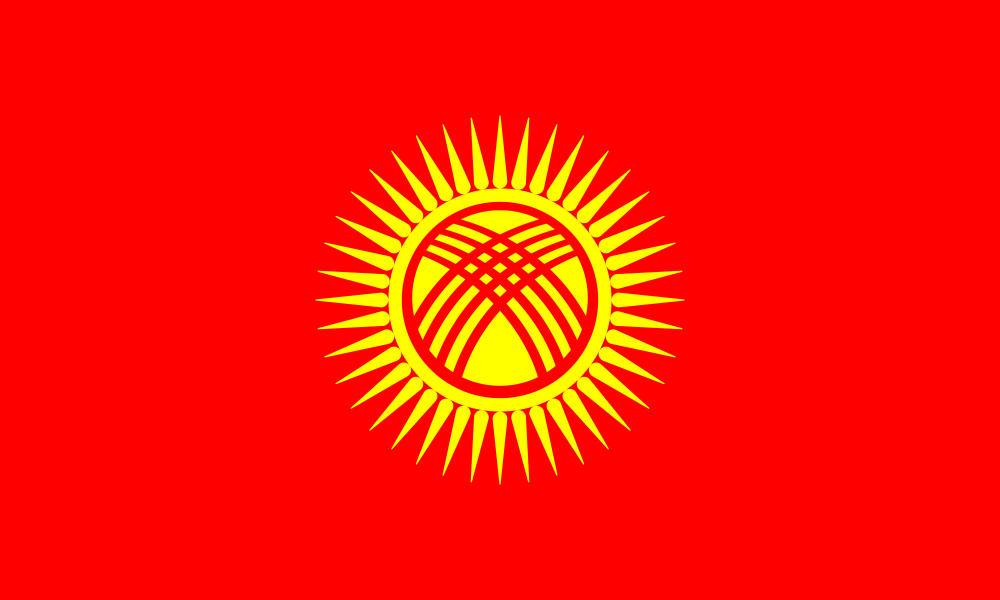
Kyrgyzstan
Population: 1.1 million
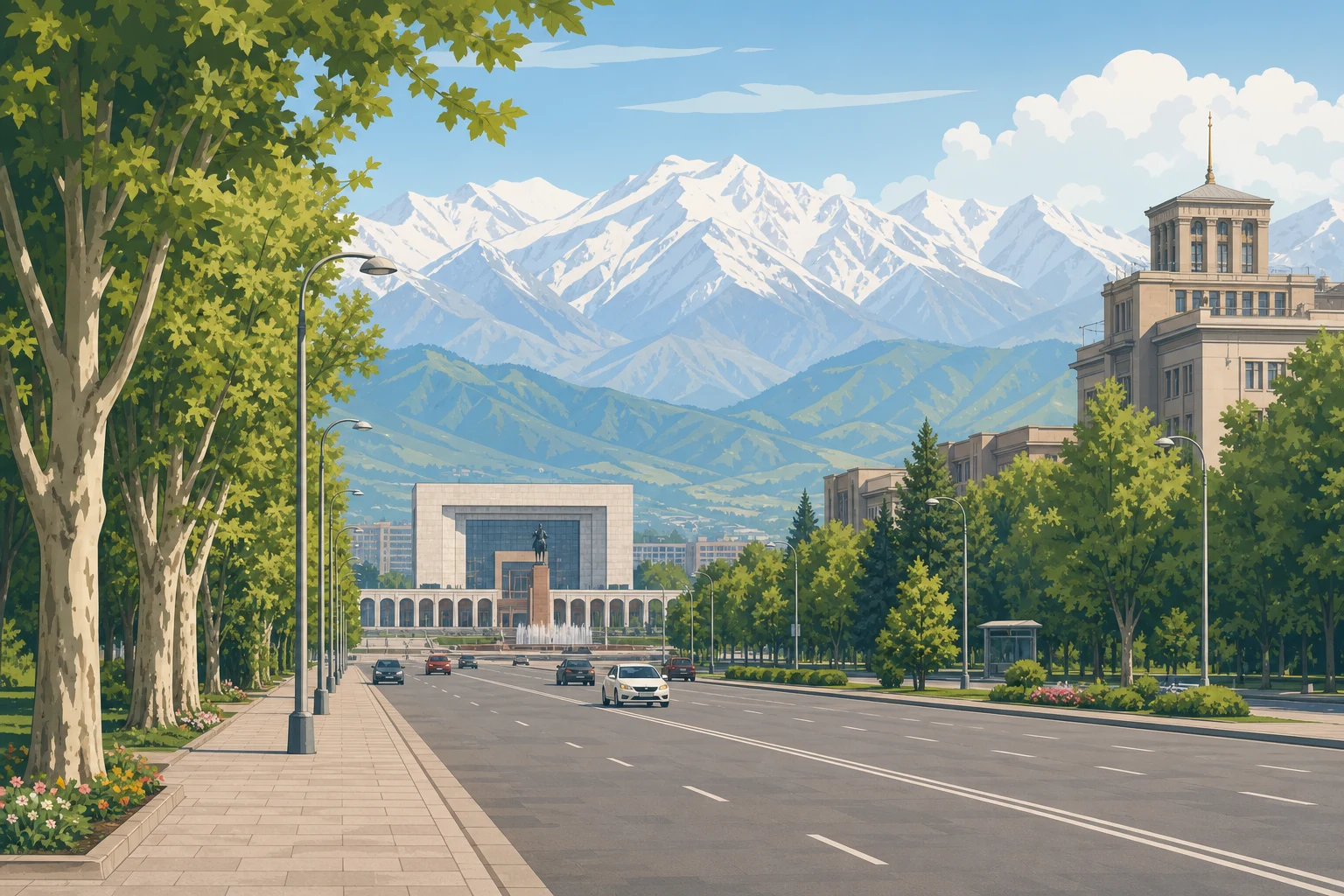
Bishkek is the capital of Kyrgyzstan, a green and leafy city set against the backdrop of the snow-capped Kyrgyz Ala-Too mountains.
Landmarks: Ala-Too Square, Osh Bazaar
Fun Facts
- Bishkek was originally a Silk Road caravan rest stop and Kokand fortress before becoming a Russian garrison in 1862.
- The city is known for its Soviet-era architecture and wide tree-lined boulevards.
- Bishkek sits at an elevation of about 800 meters at the northern foot of the Kyrgyz Ala-Too range.
Vientiane
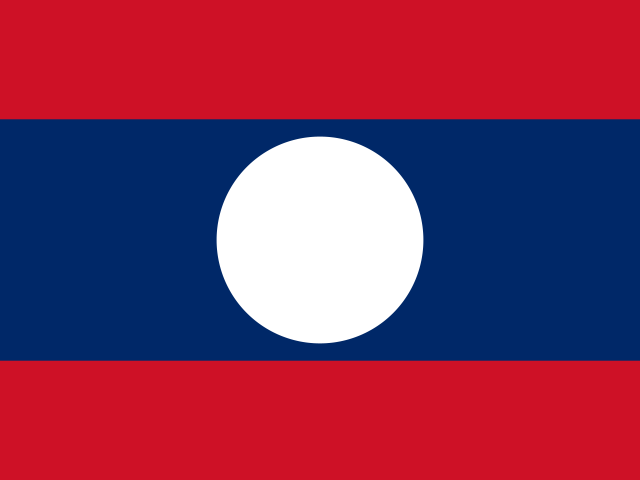
Laos
Population: 950,000
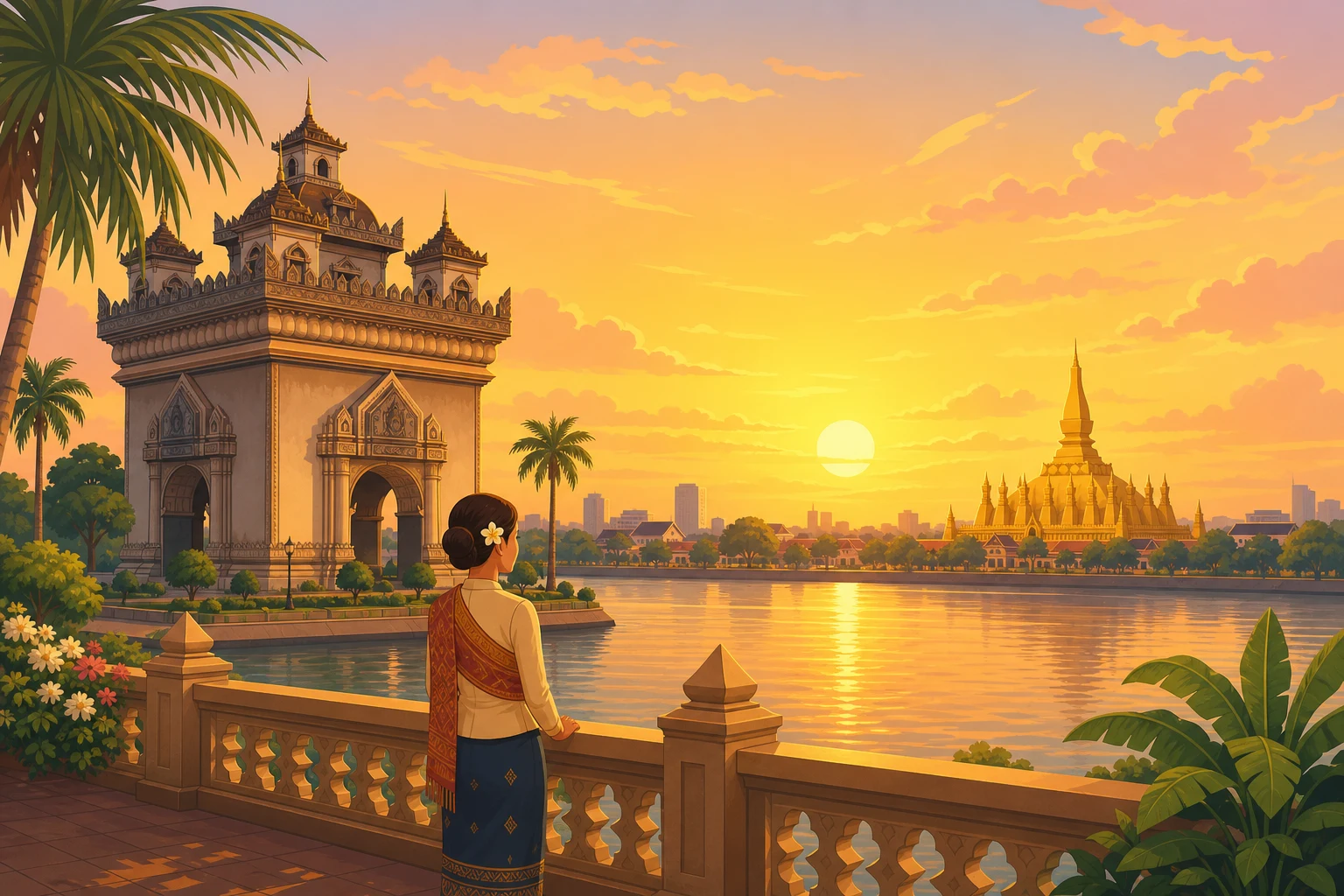
Vientiane is the capital of Laos, a relaxed riverside city on the banks of the Mekong River known for its Buddhist temples and French colonial architecture.
Landmarks: Pha That Luang, Patuxai Victory Monument
Fun Facts
- Vientiane means "City of Sandalwood" in the Lao language.
- The city has a French colonial heritage visible in its architecture, baguettes, and café culture.
- Pha That Luang, the national symbol of Laos, is a gold-covered Buddhist stupa dating to the 3rd century BC.
Beirut
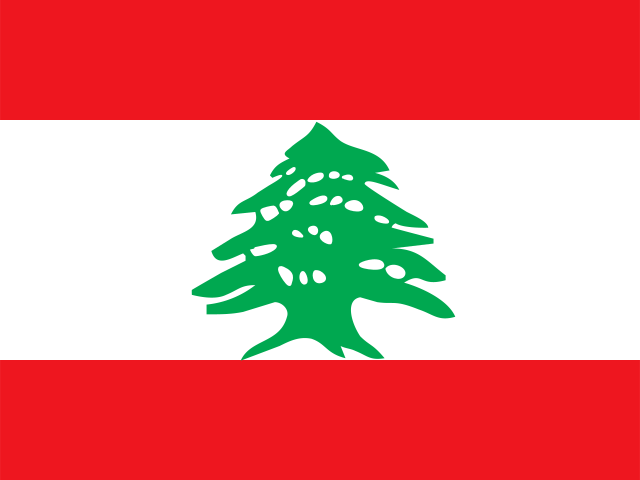
Lebanon
Population: 2.4 million
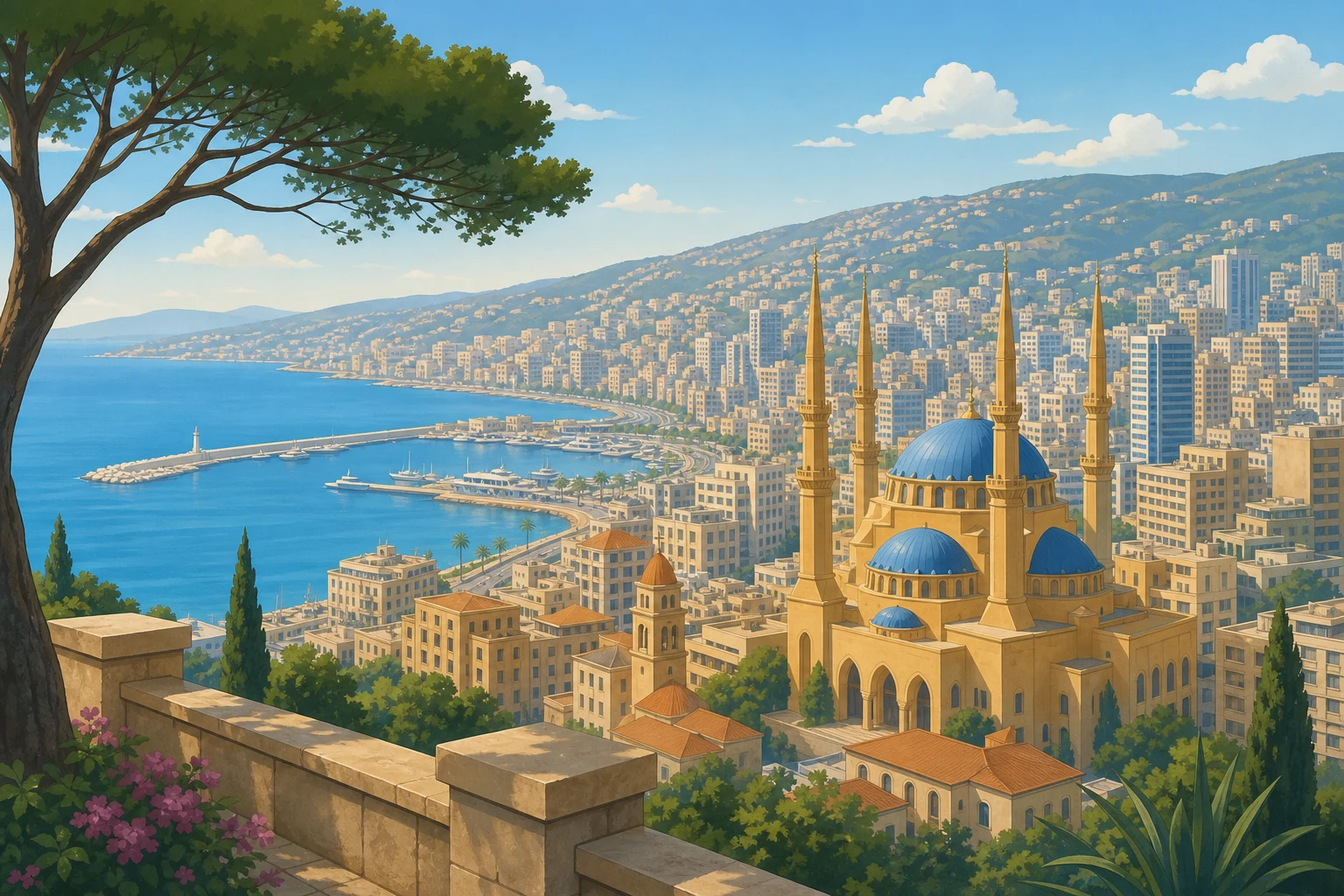
Beirut is the capital of Lebanon, a Mediterranean city with over 5,000 years of history that has rebuilt itself numerous times.
Landmarks: Mohammad Al-Amin Mosque, Pigeon Rocks
Fun Facts
- Beirut has been destroyed and rebuilt seven times throughout its history, earning it the nickname "The City That Would Not Die."
- The city is home to the American University of Beirut, founded in 1866, one of the oldest universities in the Middle East.
- Beirut was known as the "Paris of the Middle East" in the 1960s for its cosmopolitan culture.
Kuala Lumpur
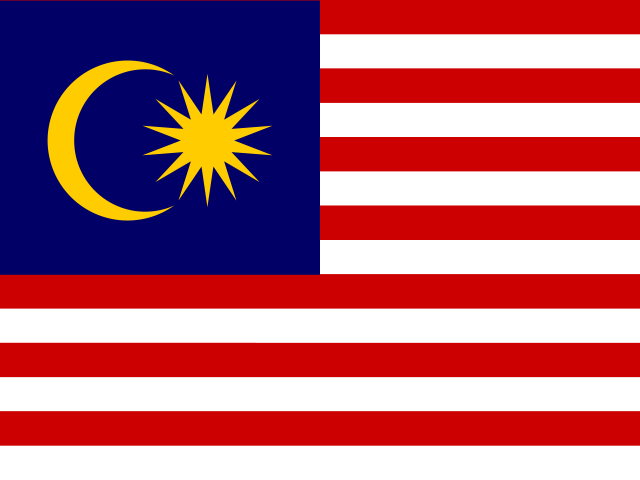
Malaysia
Population: 1.8 million
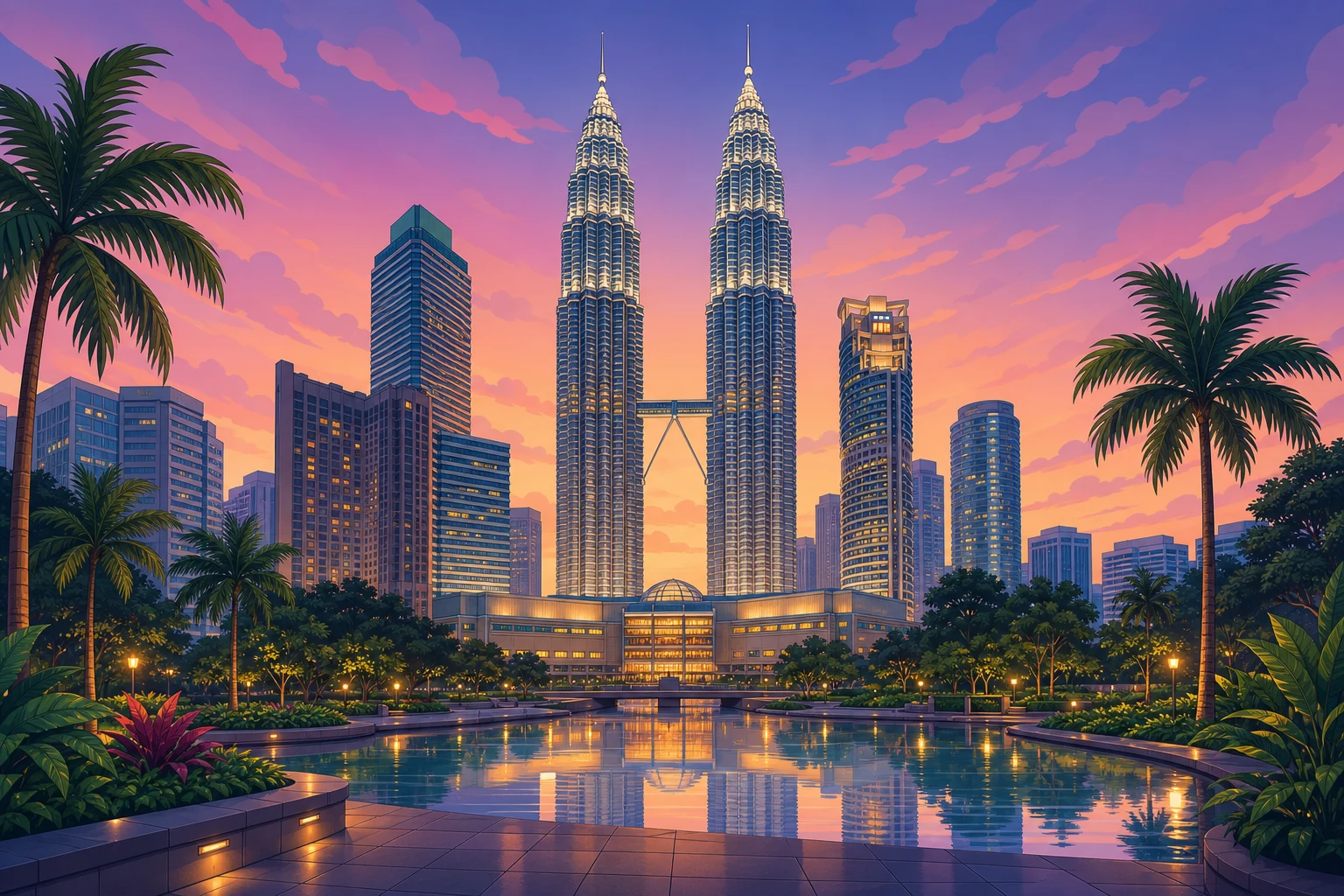
Kuala Lumpur is the capital of Malaysia, a vibrant multicultural city whose name means "muddy confluence" in Malay.
Landmarks: Petronas Twin Towers, Batu Caves
Fun Facts
- The Petronas Twin Towers were the tallest buildings in the world from 1998 to 2004 at 452 meters.
- Kuala Lumpur's name means "muddy estuary" referring to the confluence of the Klang and Gombak rivers.
- The city is one of the most visited in the world, consistently ranking in the top 10 for international visitor arrivals.
Malé
Maldives
Population: 250,000
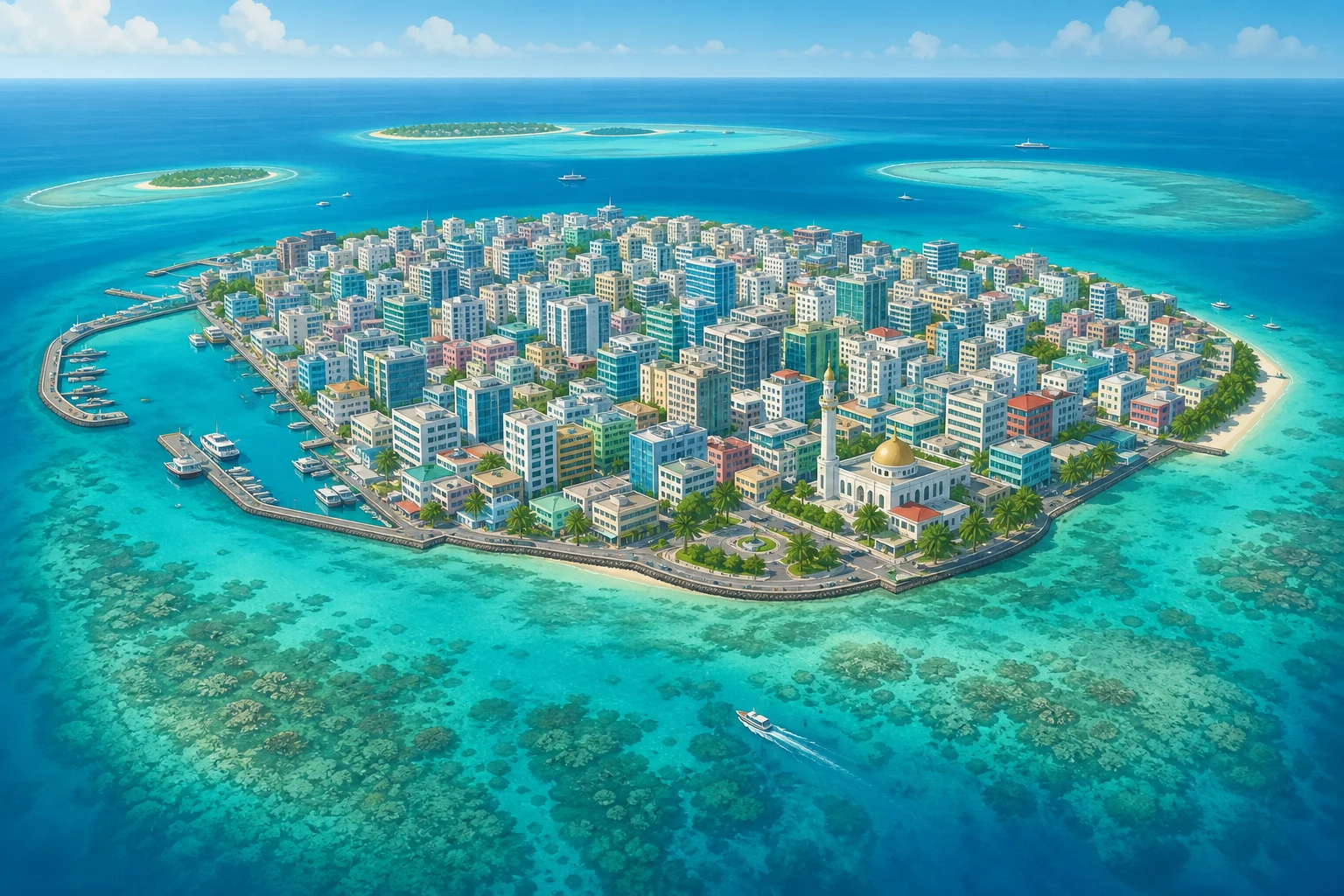
Malé is the capital of the Maldives, one of the most densely populated cities in the world packed onto a small coral island.
Landmarks: Hukuru Miskiy (Old Friday Mosque), Malé Fish Market
Fun Facts
- Malé is one of the most densely populated cities in the world, with over 200,000 people on an island of just 5.8 square kilometers.
- The Maldives is the lowest-lying country in the world with an average elevation of just 1.5 meters above sea level.
- The entire country consists of 1,192 coral islands grouped into 26 atolls.
Ulaanbaatar
Mongolia
Population: 1.5 million
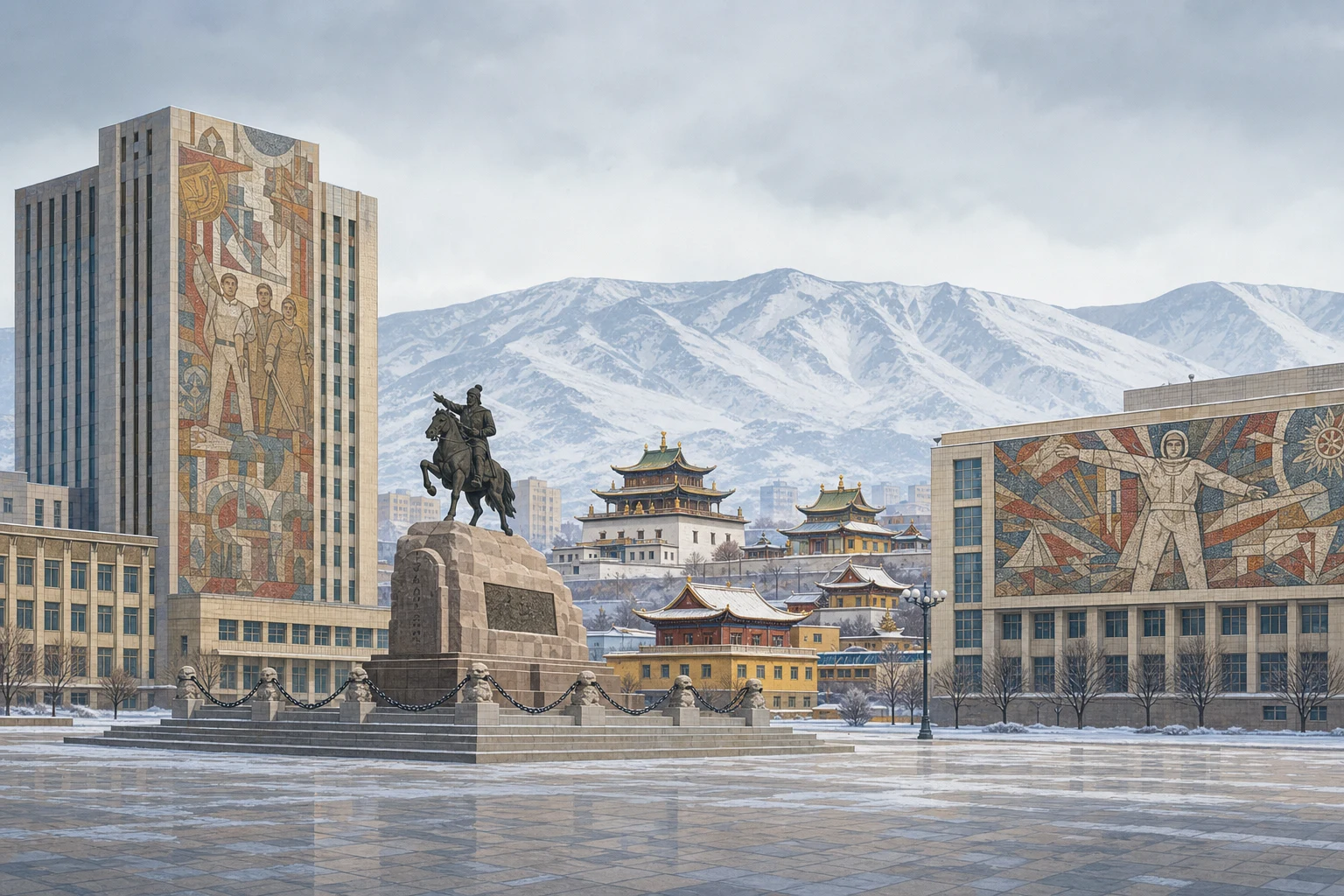
Ulaanbaatar is the capital of Mongolia, home to nearly half the country's population and one of the coldest capitals in the world.
Landmarks: Gandantegchinlen Monastery, Sükhbaatar Square
Fun Facts
- Ulaanbaatar is the coldest capital city in the world, with January temperatures averaging -25°C.
- Nearly half of Mongolia's entire population of 3.3 million lives in Ulaanbaatar.
- The city was originally a nomadic Buddhist monastic center that changed location 28 times before settling permanently in 1778.
Naypyidaw
Myanmar
Population: 1.2 million
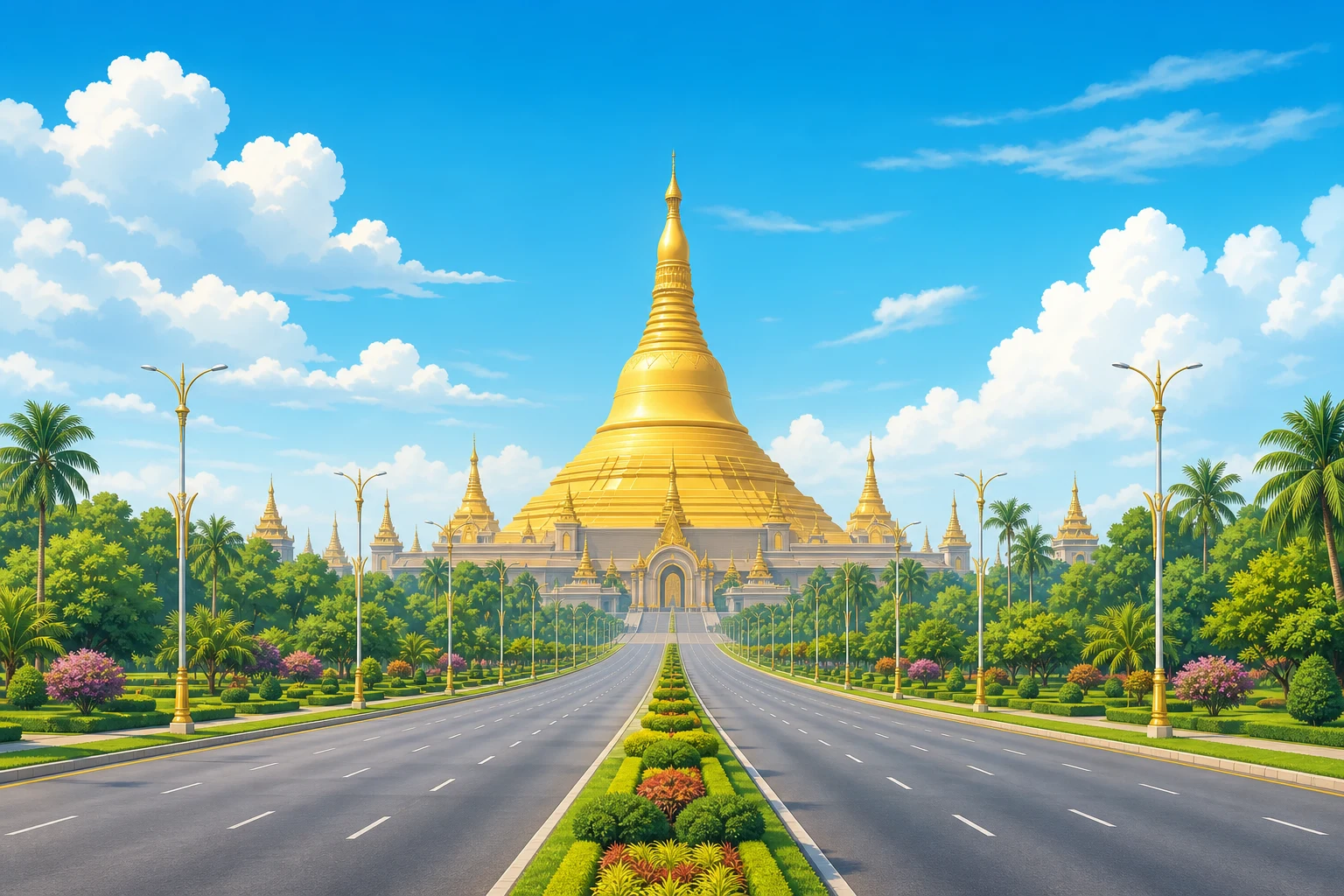
Naypyidaw is the capital of Myanmar, a purpose-built city that replaced Yangon as capital in 2006 and is known for its enormous empty highways.
Landmarks: Uppatasanti Pagoda, Myanmar National Museum
Fun Facts
- Naypyidaw was secretly built and the capital was moved there from Yangon in November 2005 based on advice from astrologers.
- The city has 20-lane highways that are almost always empty, earning it a reputation as a ghost city.
- Naypyidaw means "Royal City of the Sun" or "Seat of Kings" in Burmese.
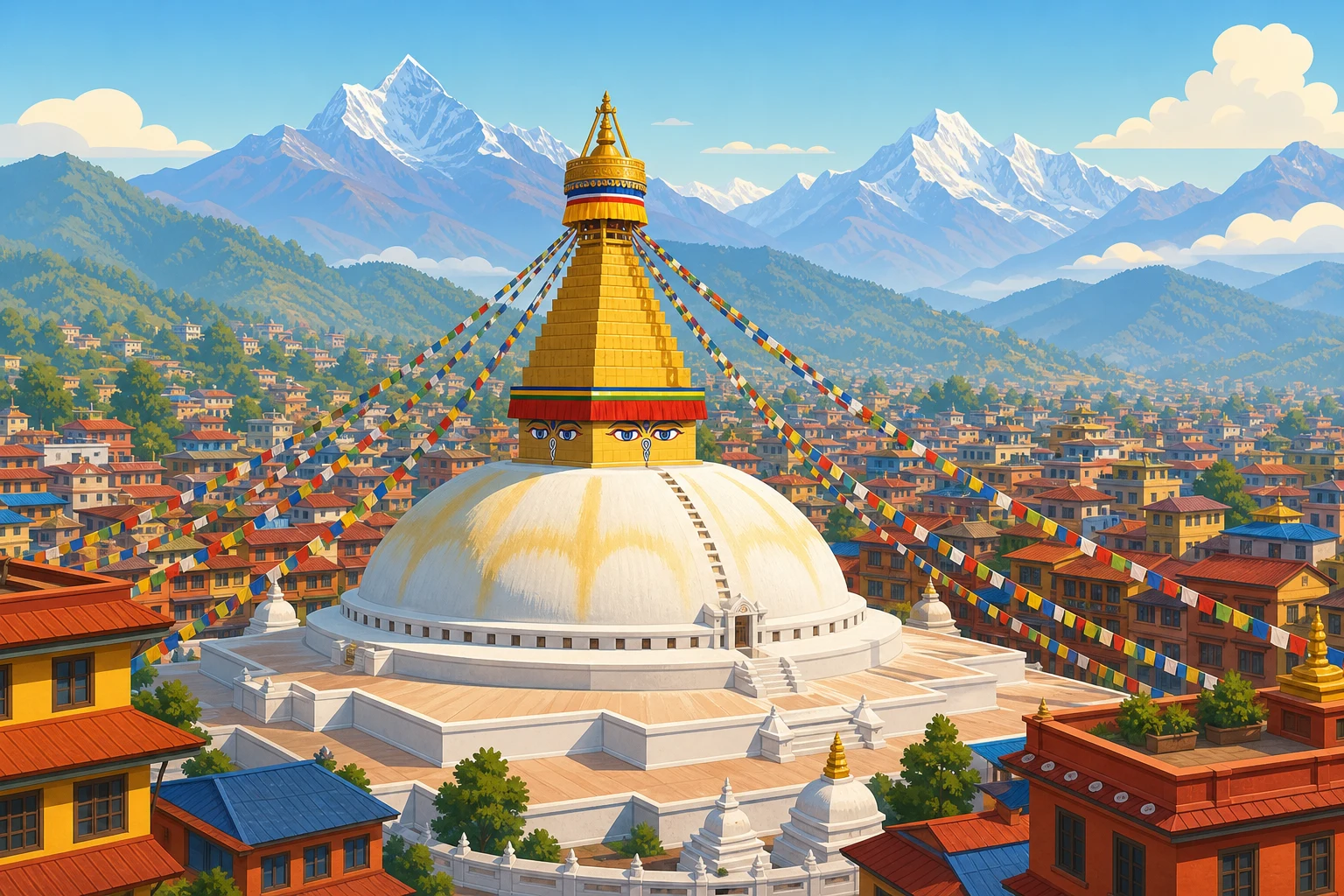
Kathmandu
Nepal
Population: 1.4 million
Kathmandu is the capital of Nepal, a historical city in the Himalayas that serves as the gateway to Mount Everest expeditions.
Landmarks: Boudhanath Stupa, Pashupatinath Temple
Fun Facts
- The Kathmandu Valley contains seven UNESCO World Heritage Sites within a 15-kilometer radius.
- Kathmandu is the starting point for most Mount Everest expeditions.
- The city sits at 1,400 meters elevation in a bowl-shaped valley that was once a prehistoric lake.
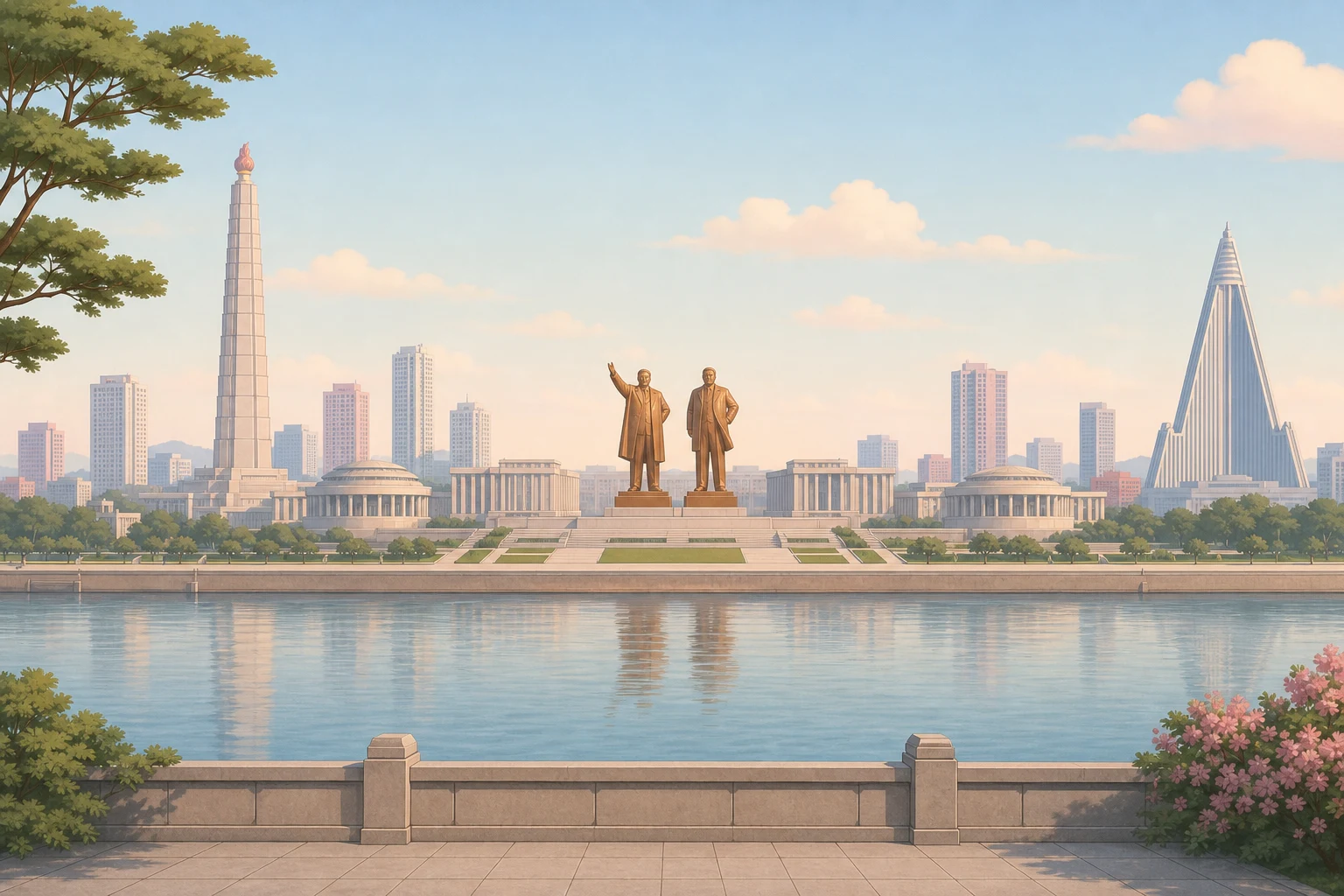
Pyongyang
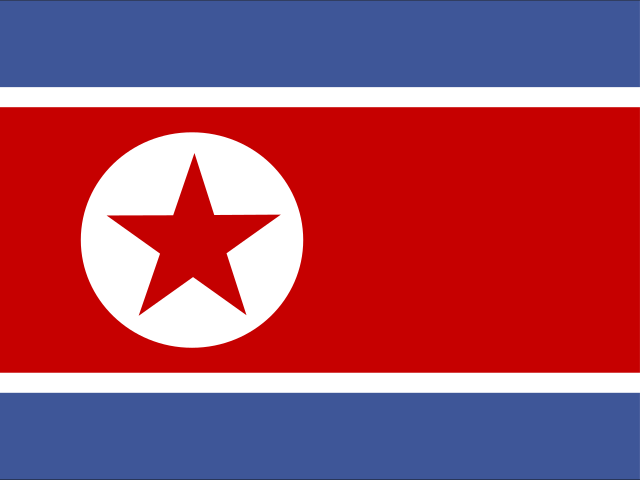
North Korea
Population: 3.3 million
Pyongyang is the capital of North Korea, a highly planned showcase city with wide boulevards and monumental architecture on the Taedong River.
Landmarks: Juche Tower, Ryugyong Hotel
Fun Facts
- Pyongyang is said to be the oldest city on the Korean peninsula, with legends dating its founding to 2333 BC.
- The Ryugyong Hotel stands 330 meters tall but has never officially opened despite construction beginning in 1987.
- The Pyongyang Metro runs up to 110 meters underground, making it one of the deepest metro systems in the world.
Muscat
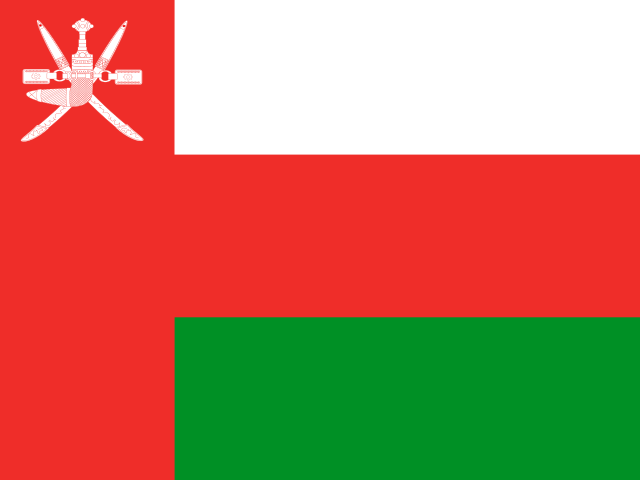
Oman
Population: 1.4 million
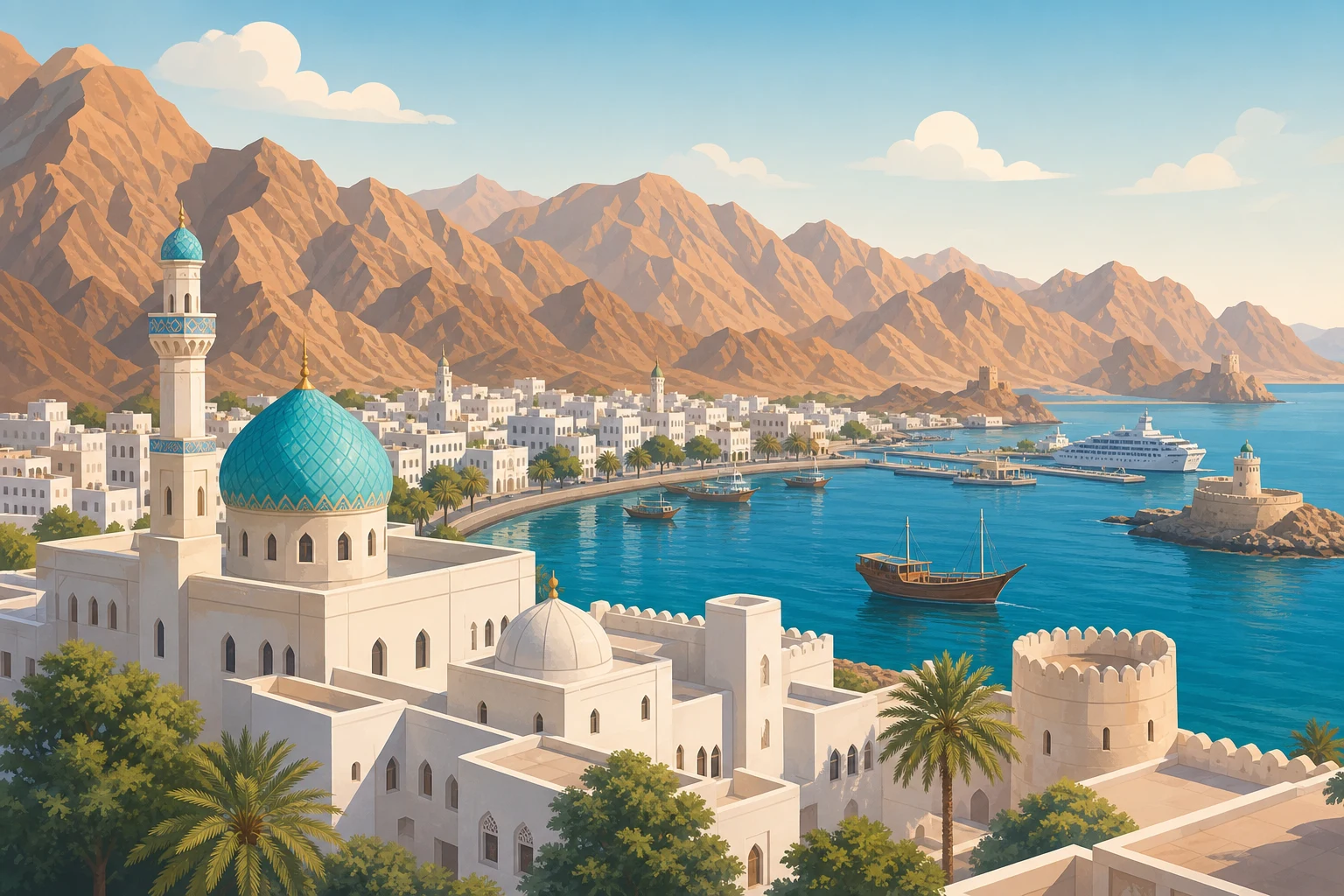
Muscat is the capital of Oman, a port city on the Gulf of Oman framed by rugged mountains and known for its white-washed buildings and strict building codes.
Landmarks: Sultan Qaboos Grand Mosque, Royal Opera House Muscat
Fun Facts
- Muscat has a law requiring all buildings to be white or cream-colored, giving the city a distinctive uniform appearance.
- The Sultan Qaboos Grand Mosque contains a hand-woven carpet that took 600 women four years to complete.
- Oman is one of the oldest independent states in the Arab world, with a maritime trading history spanning over 5,000 years.
Islamabad
Pakistan
Population: 1.2 million
Islamabad is the capital of Pakistan, a planned city built in the 1960s to replace Karachi, located at the foot of the Margalla Hills.
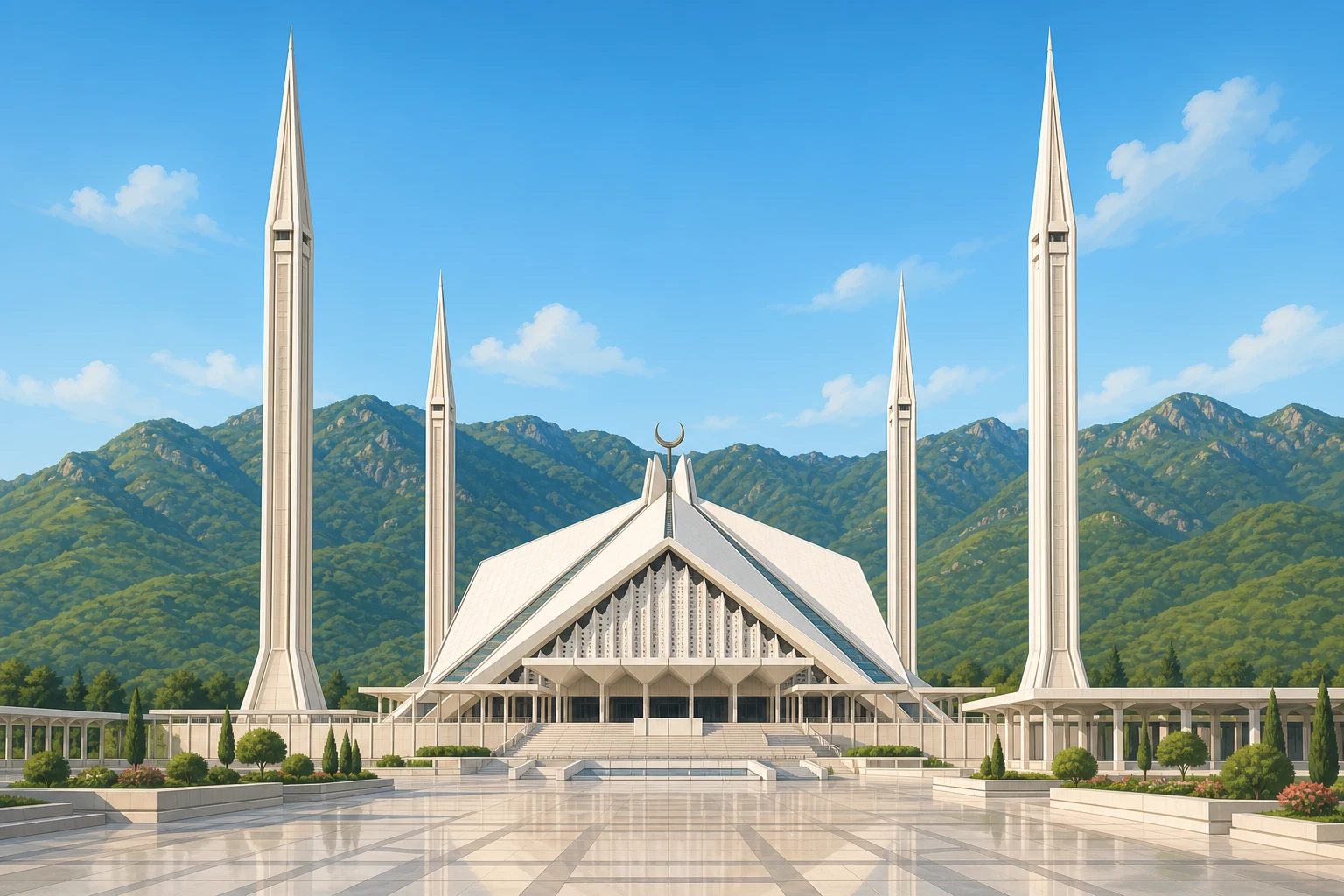
Landmarks: Faisal Mosque, Pakistan Monument
Fun Facts
- Islamabad was purpose-built as Pakistan's new capital in the 1960s, designed by Greek architect Constantinos Doxiadis.
- The Faisal Mosque was the largest mosque in the world when completed in 1986 and can hold 100,000 worshippers.
- The city is one of the greenest capitals in South Asia, situated against the backdrop of the Margalla Hills.
Manila
Philippines
Population: 1.8 million
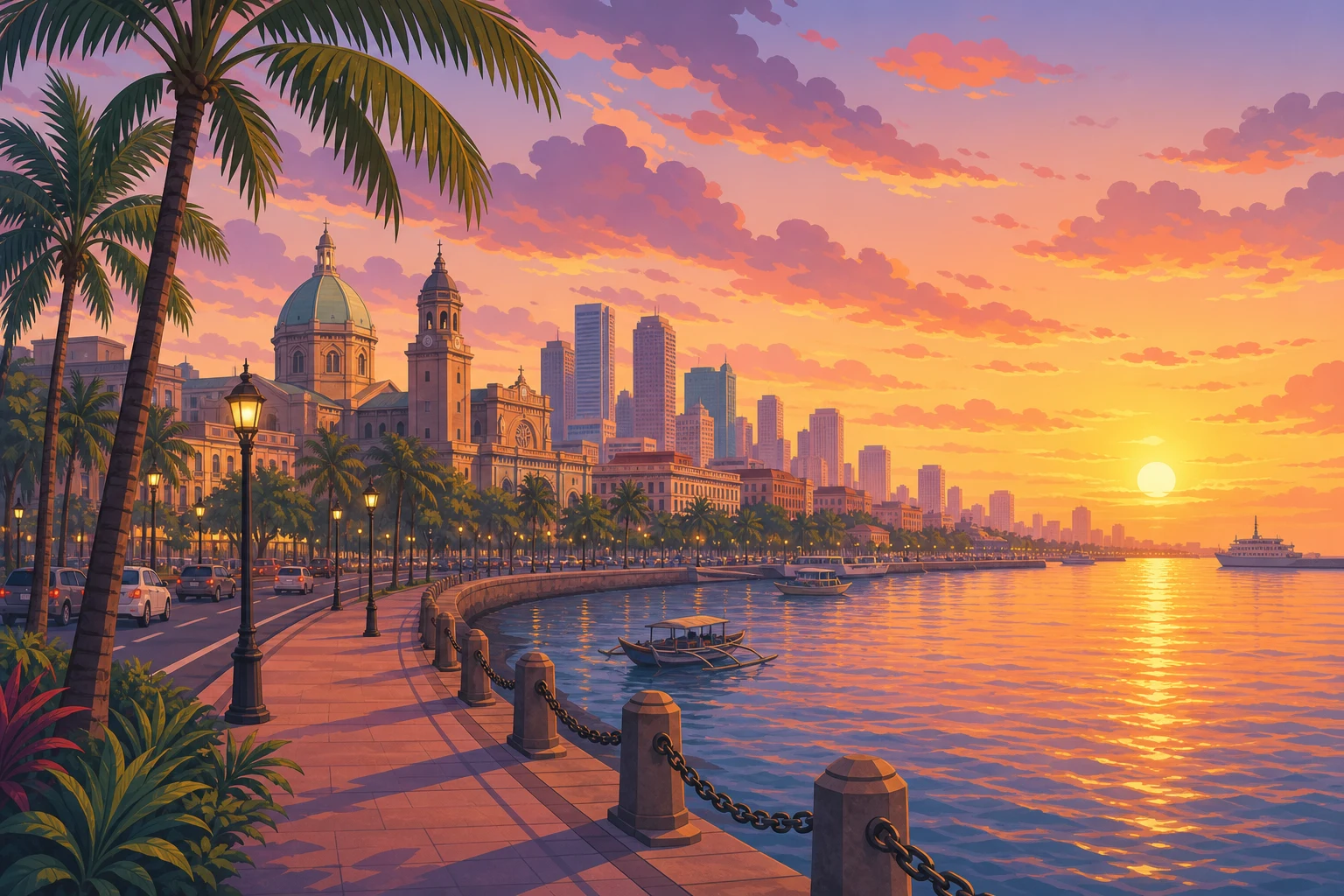
Manila is the capital of the Philippines, one of the most densely populated cities in the world located on the eastern shore of Manila Bay.
Landmarks: Intramuros, Rizal Park
Fun Facts
- Manila is the most densely populated city in the world with over 70,000 people per square kilometer.
- The walled city of Intramuros was built by the Spanish in 1571 and served as their colonial capital for over 300 years.
- Manila is named after the nilad plant, a white-flowering mangrove that once grew along the Pasig River banks.
Doha
Qatar
Population: 2.4 million
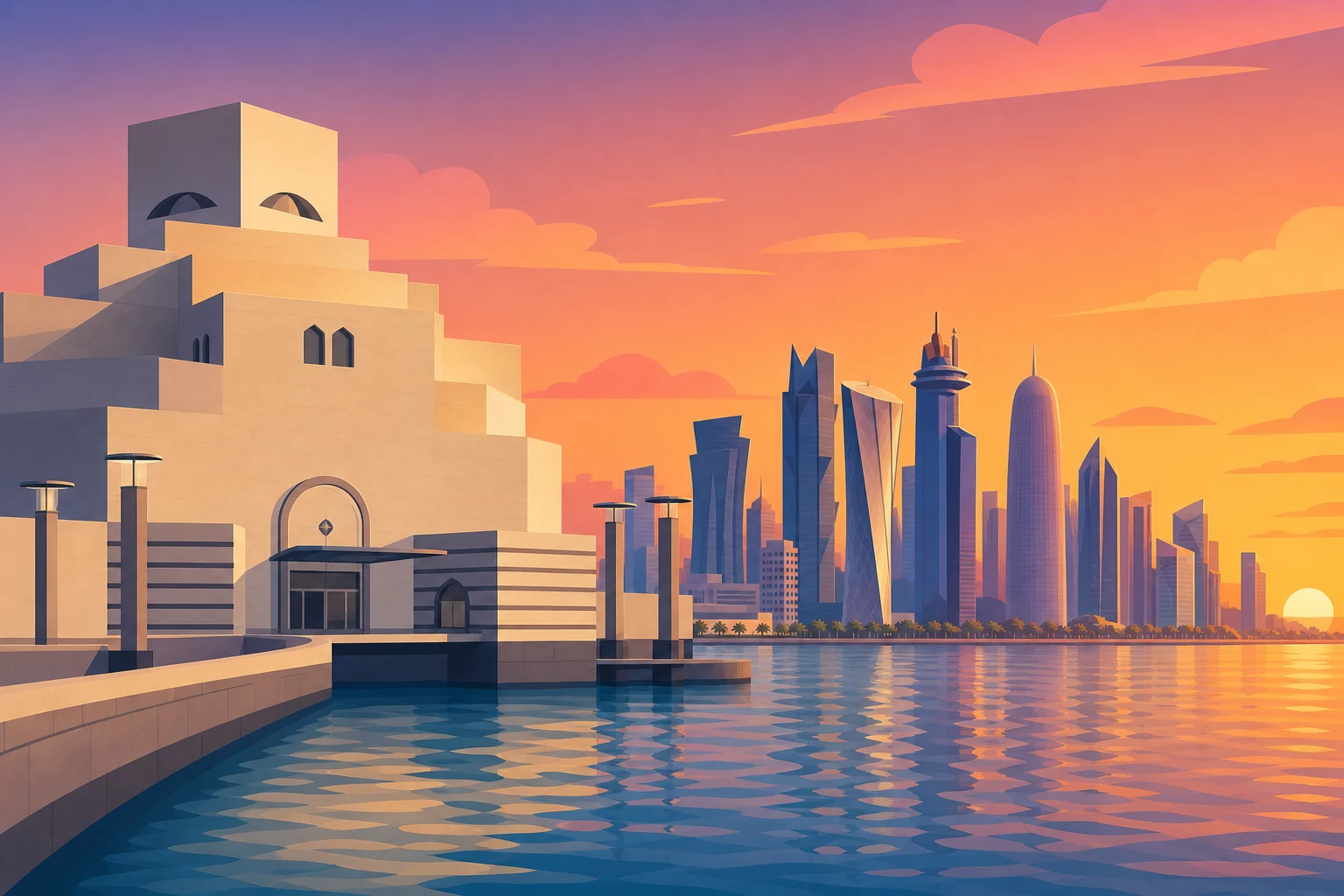
Doha is the capital of Qatar, a rapidly modernized Persian Gulf city that hosted the 2022 FIFA World Cup.
Landmarks: Museum of Islamic Art, The Pearl-Qatar
Fun Facts
- Qatar has the highest GDP per capita in the world, largely due to its natural gas reserves.
- Doha's skyline has been almost entirely built since the 1990s, transforming from a quiet fishing town.
- The city hosted the 2022 FIFA World Cup, the first World Cup held in the Middle East.
Riyadh
Saudi Arabia
Population: 7.7 million
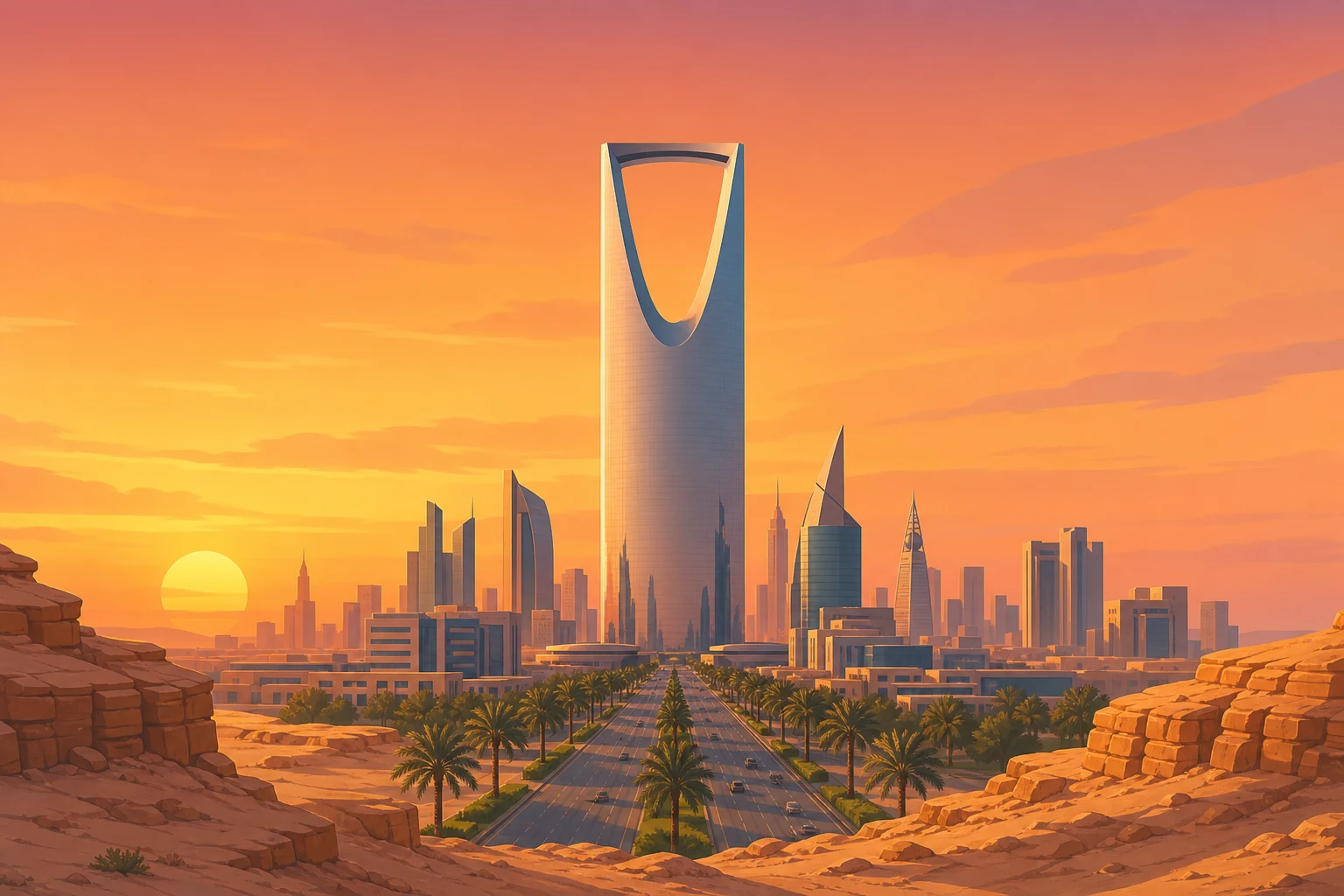
Riyadh is the capital of Saudi Arabia, a modern metropolis in the heart of the Arabian Peninsula that has grown from a walled desert town.
Landmarks: Kingdom Centre Tower, Masmak Fortress
Fun Facts
- Riyadh means "gardens" in Arabic, referring to the historical gardens and natural oasis that the city was built upon.
- The Kingdom Centre Tower features a 65-meter skybridge at the top that looks like a bottle opener.
- Saudi Arabia's NEOM project aims to build a futuristic megacity in the northwest of the country.
Singapore
Singapore
Population: 5.9 million
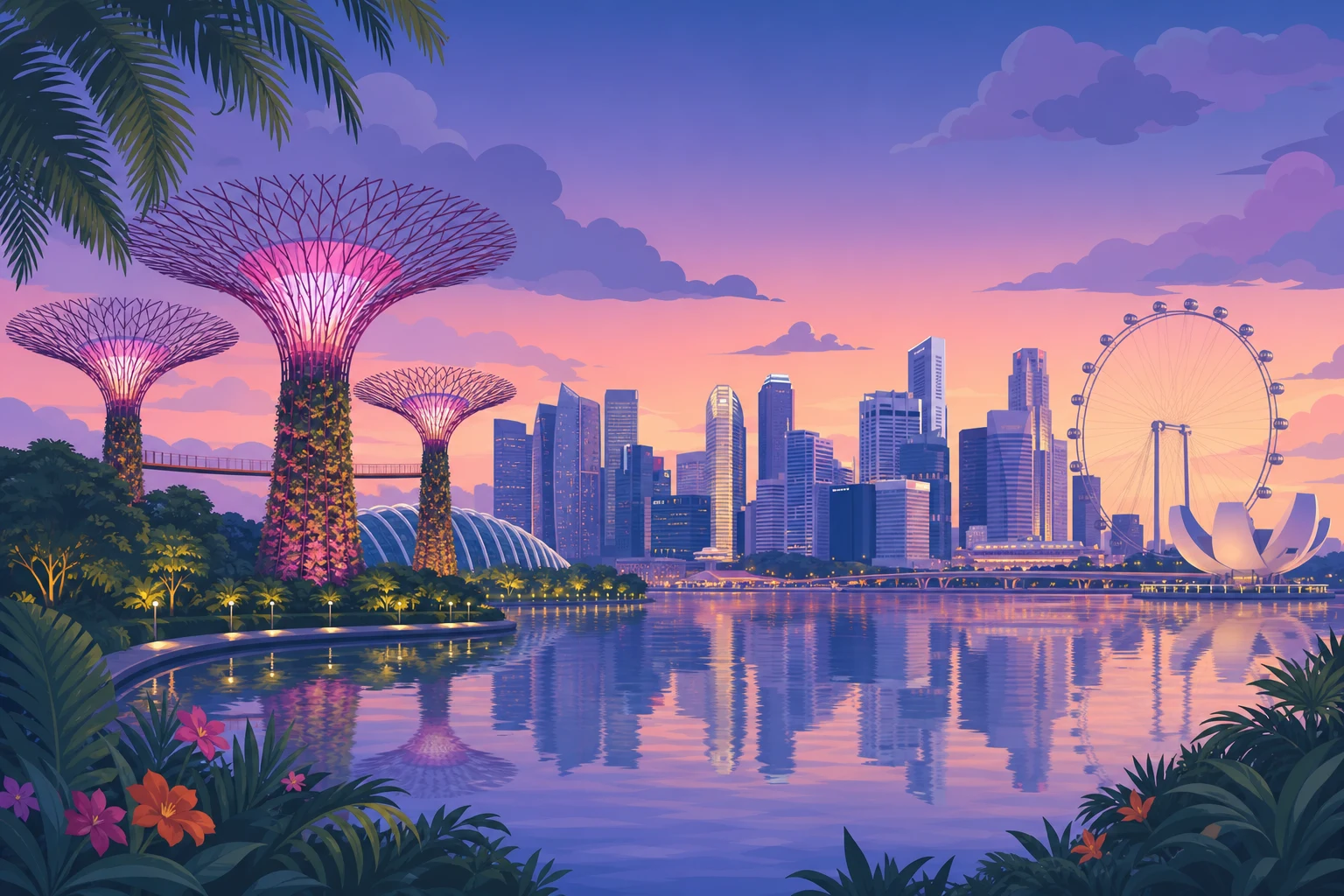
Singapore is both the capital and the country itself, a prosperous city-state at the southern tip of the Malay Peninsula.
Landmarks: Marina Bay Sands, Gardens by the Bay
Fun Facts
- Singapore is one of only three surviving city-states in the world, along with Monaco and Vatican City.
- The country transformed from a developing nation to one of the world's wealthiest in just one generation after independence in 1965.
- Singapore's Changi Airport has been voted the world's best airport for over 10 consecutive years.
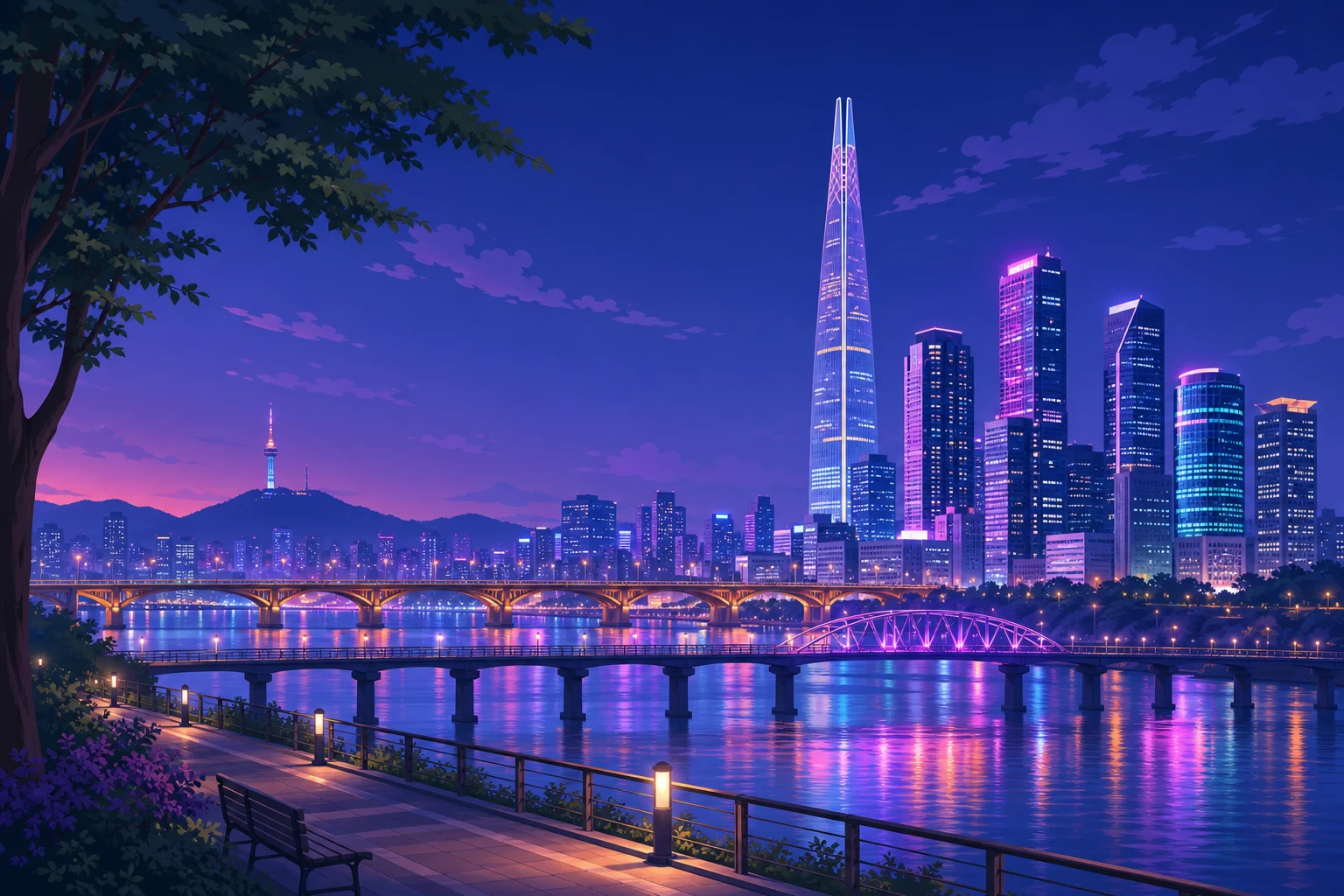
Seoul
South Korea
Population: 9.7 million
Seoul is the capital of South Korea, a mega-city blending ancient palaces with cutting-edge technology and K-pop culture.
Landmarks: Gyeongbokgung Palace, N Seoul Tower
Fun Facts
- Seoul has been the capital of Korea for over 600 years since the Joseon Dynasty established it in 1394.
- The city has the world's fastest average internet speed and highest smartphone penetration rate.
- Seoul's Gangnam district inspired the globally viral 2012 hit song "Gangnam Style" by Psy.
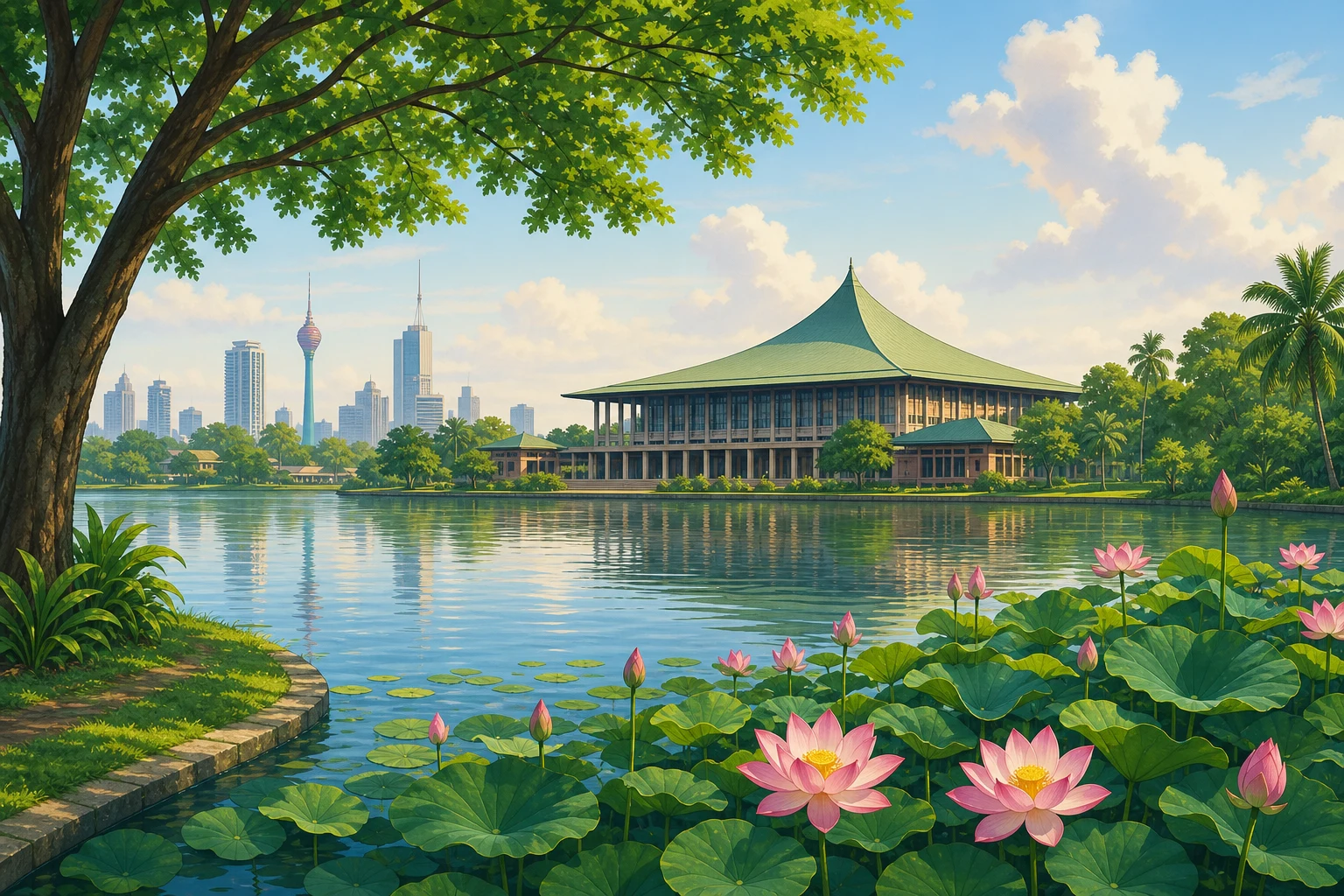
Sri Jayawardenepura Kotte
Sri Lanka
Population: 128,000
Sri Jayawardenepura Kotte is the legislative capital of Sri Lanka, a suburb of the commercial capital Colombo.
Landmarks: Sri Lanka Parliament Building, Diyawanna Lake
Fun Facts
- Sri Jayawardenepura Kotte has one of the longest capital city names in the world.
- The city became the legislative capital in 1982 to ease congestion in Colombo.
- Kotte was the capital of the Kingdom of Kotte from the 14th to 16th centuries before Portuguese colonization.
Damascus
Syria
Population: 2.1 million
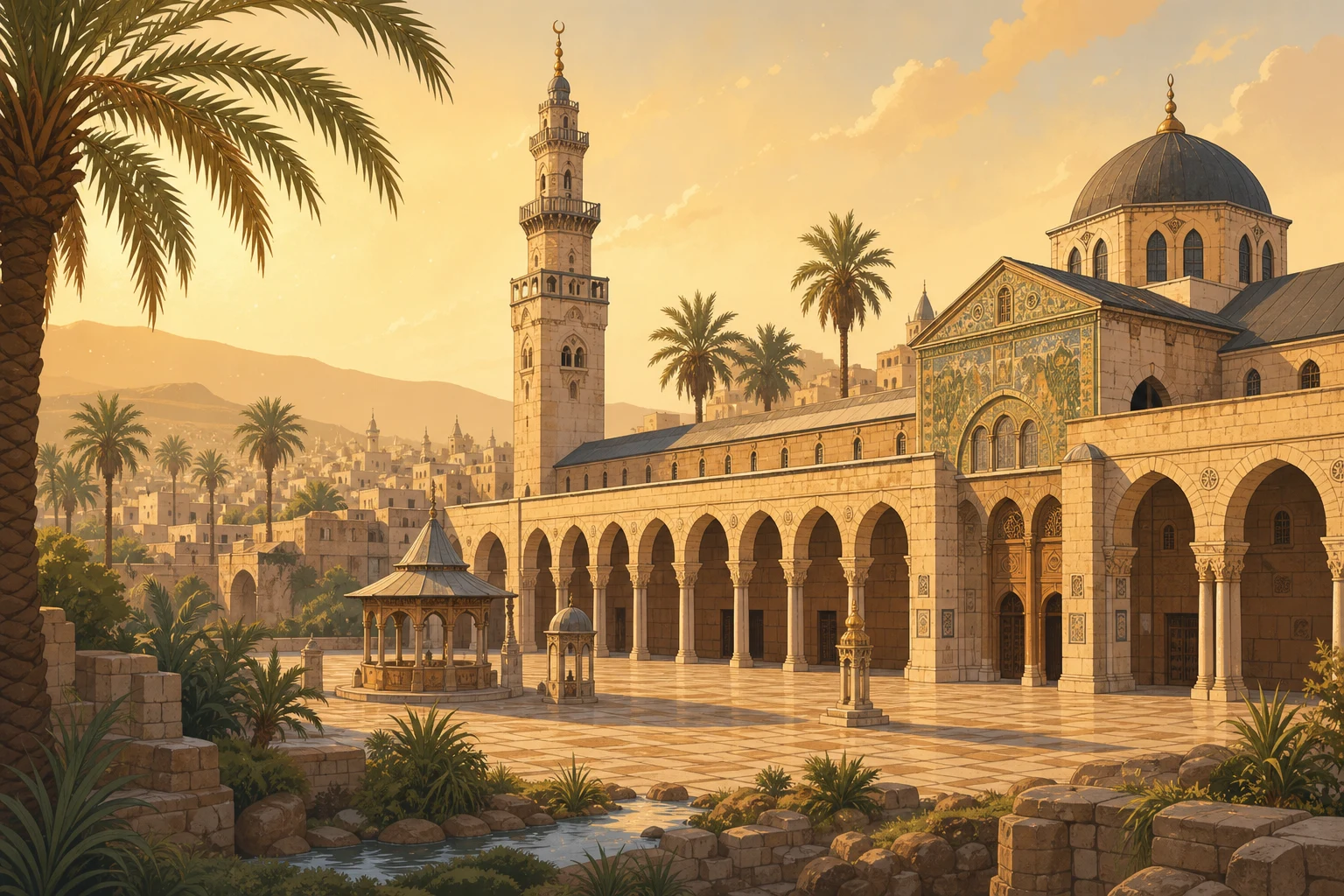
Damascus is the capital of Syria and one of the oldest continuously inhabited cities in the world, with settlement evidence dating back to 10,000 BC.
Landmarks: Umayyad Mosque, Ancient City of Damascus
Fun Facts
- Damascus is widely considered the oldest continuously inhabited city in the world, with evidence of habitation from 10,000-8,000 BC.
- The Umayyad Mosque, built in 715 AD, is one of the largest and oldest mosques in the world.
- Damascus was the capital of the Umayyad Caliphate, the largest empire the world had seen at the time.
Dushanbe
Tajikistan
Population: 1.0 million
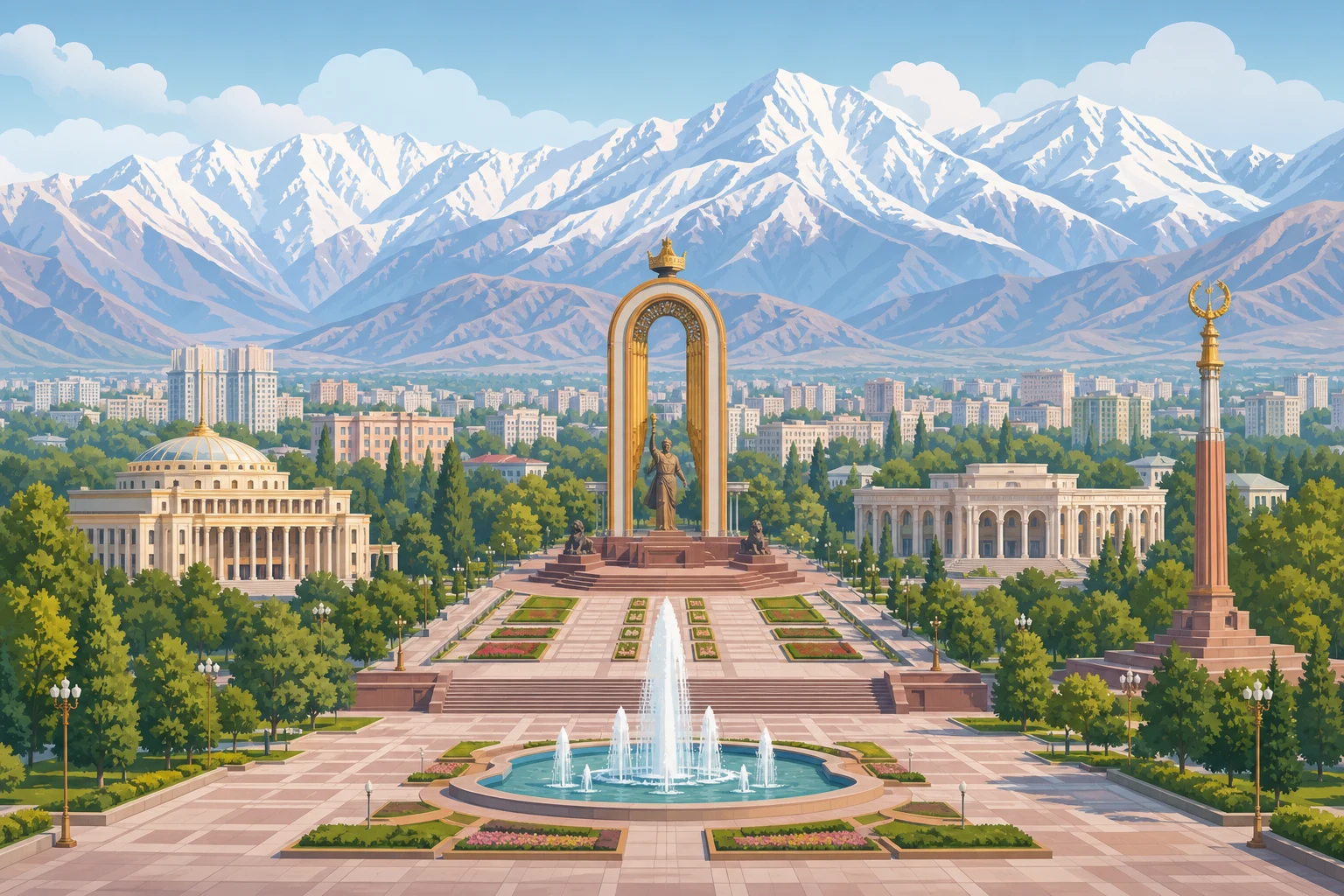
Dushanbe is the capital of Tajikistan, located in a valley between the Varzob and Kofarnihon rivers in western Tajikistan.
Landmarks: Ismoili Somoni Monument, National Museum of Tajikistan
Fun Facts
- Dushanbe means "Monday" in Tajik, as the city grew from a village known for its Monday market.
- The Dushanbe Flagpole held the record as the world's tallest flagpole at 165 meters from 2011 to 2014.
- Over 93% of Tajikistan is mountainous, making it the most mountainous country in Central Asia.
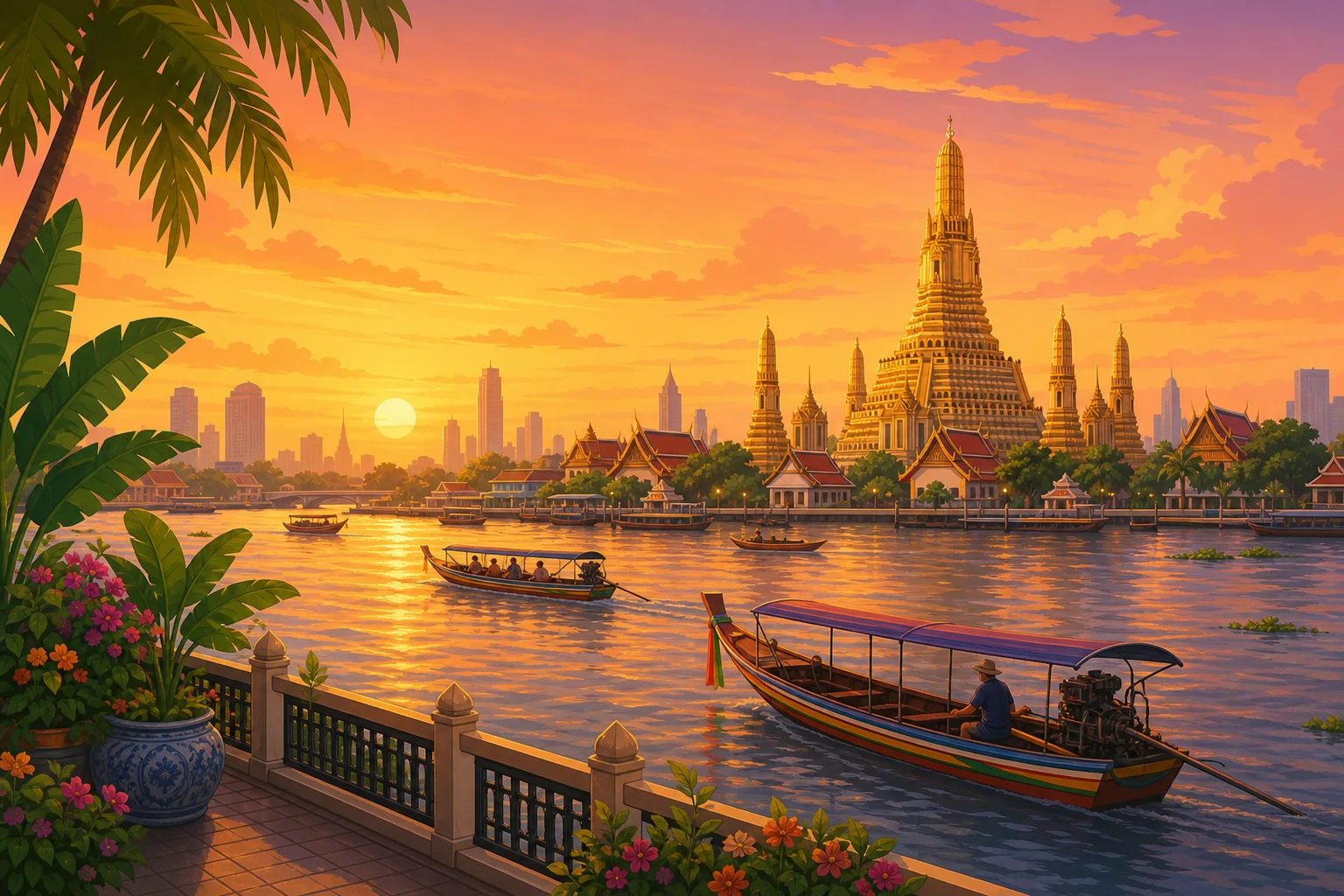
Bangkok
Thailand
Population: 10.5 million
Bangkok is the capital of Thailand, a vibrant city of ornate temples, bustling street markets, and one of the world's most visited tourist destinations.
Landmarks: Grand Palace, Wat Arun
Fun Facts
- Bangkok's ceremonial full name in Thai is 168 characters long, making it the longest city name in the world.
- The city is home to over 400 Buddhist temples (wats) including the famous Wat Arun and Wat Pho.
- Bangkok was the most visited city in the world in 2019 with nearly 23 million international visitors.
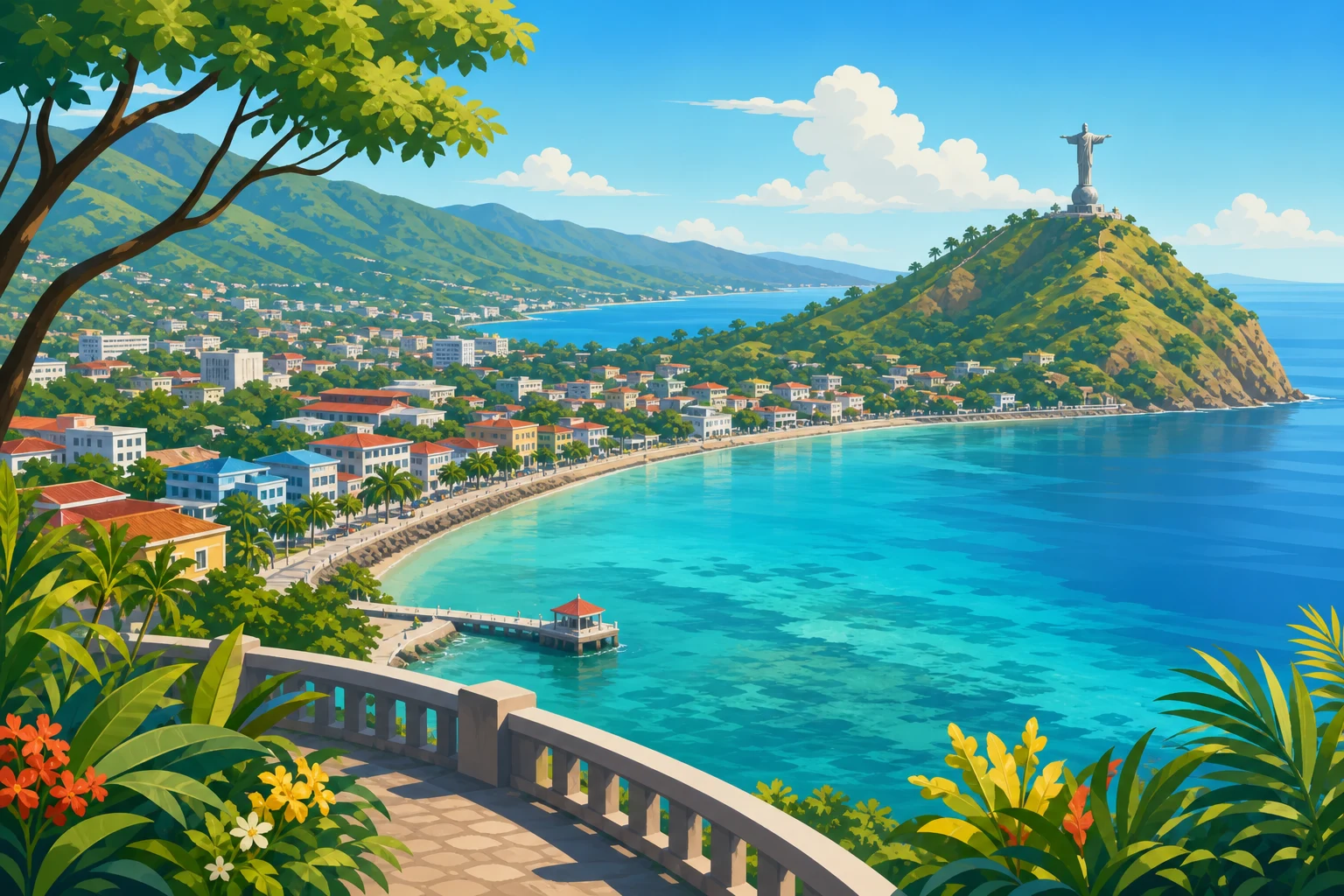
Dili
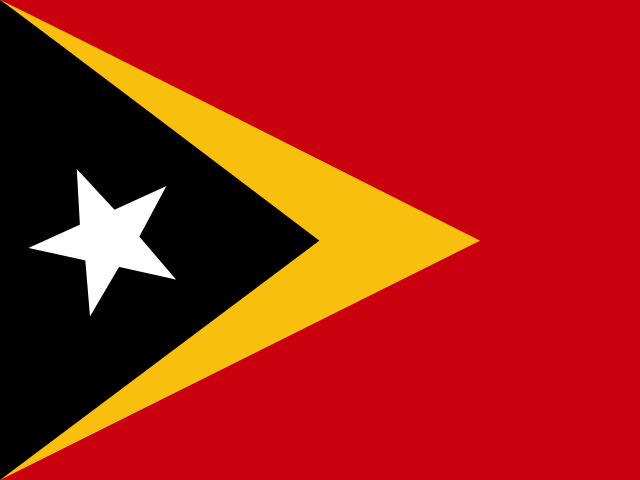
Timor-Leste
Population: 280,000
Dili is the capital of Timor-Leste (East Timor), a coastal city on the northern coast of Timor island that became independent in 2002.
Landmarks: Cristo Rei of Dili, Resistance Museum
Fun Facts
- Timor-Leste is one of the youngest nations in the world, gaining full independence from Indonesia in 2002.
- The Cristo Rei statue in Dili stands 27 meters tall and was a gift from Indonesia in 1996.
- Dili sits on a natural harbor surrounded by mountains and is known for its world-class diving.
Ankara
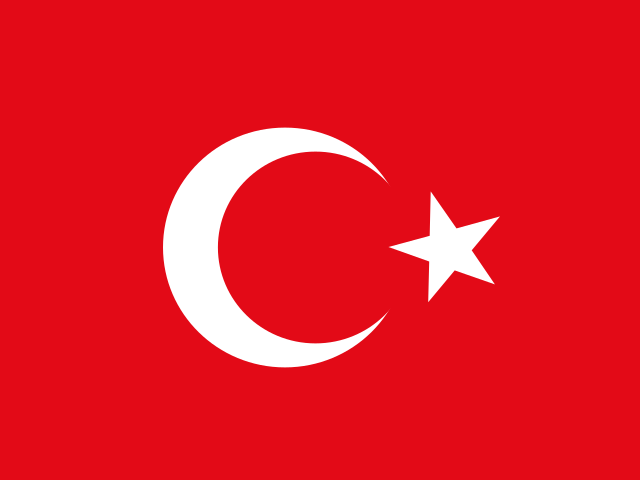
Turkey
Population: 5.7 million
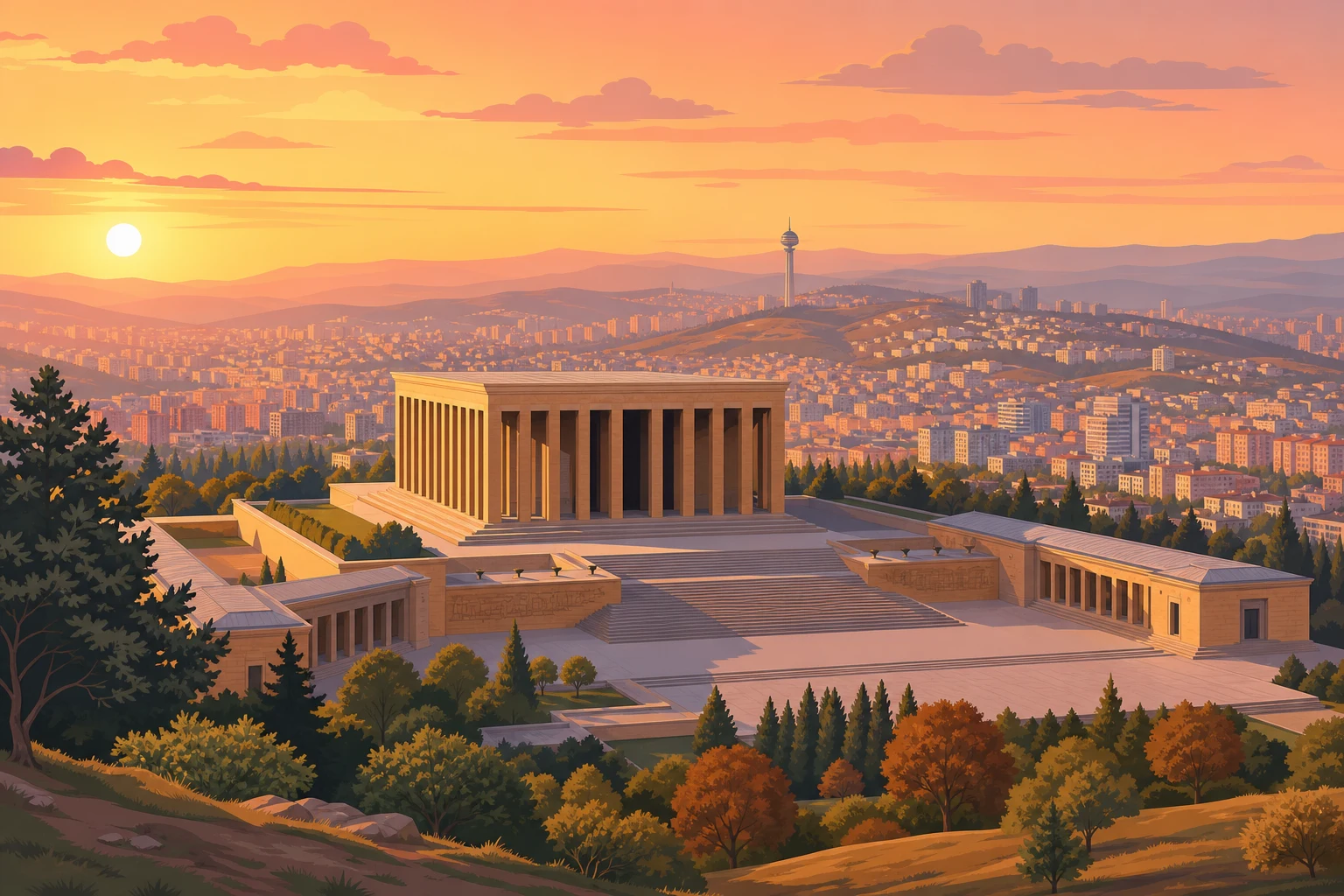
Ankara is the capital of Turkey, chosen by Mustafa Kemal Atatürk in 1923 to replace Istanbul as the capital of the new Turkish Republic.
Landmarks: Anıtkabir, Kocatepe Mosque
Fun Facts
- Ankara replaced Istanbul as Turkey's capital in 1923 because Atatürk wanted a more central and strategically secure location.
- The Museum of Anatolian Civilizations houses artifacts dating back to the Paleolithic era.
- Ankara is home to Anıtkabir, the mausoleum of Atatürk, visited by millions each year.
Ashgabat
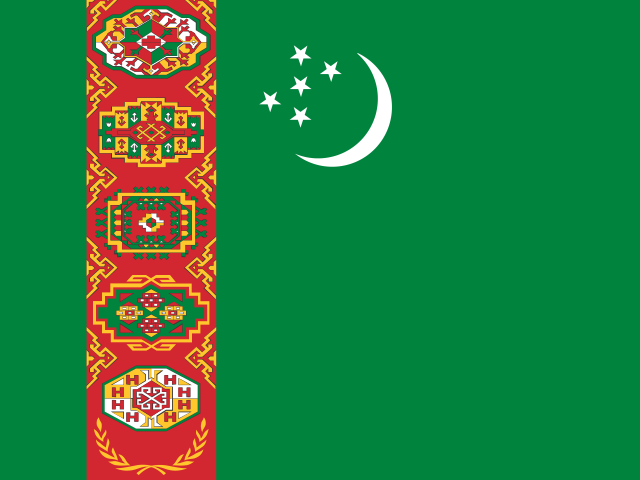
Turkmenistan
Population: 1.0 million
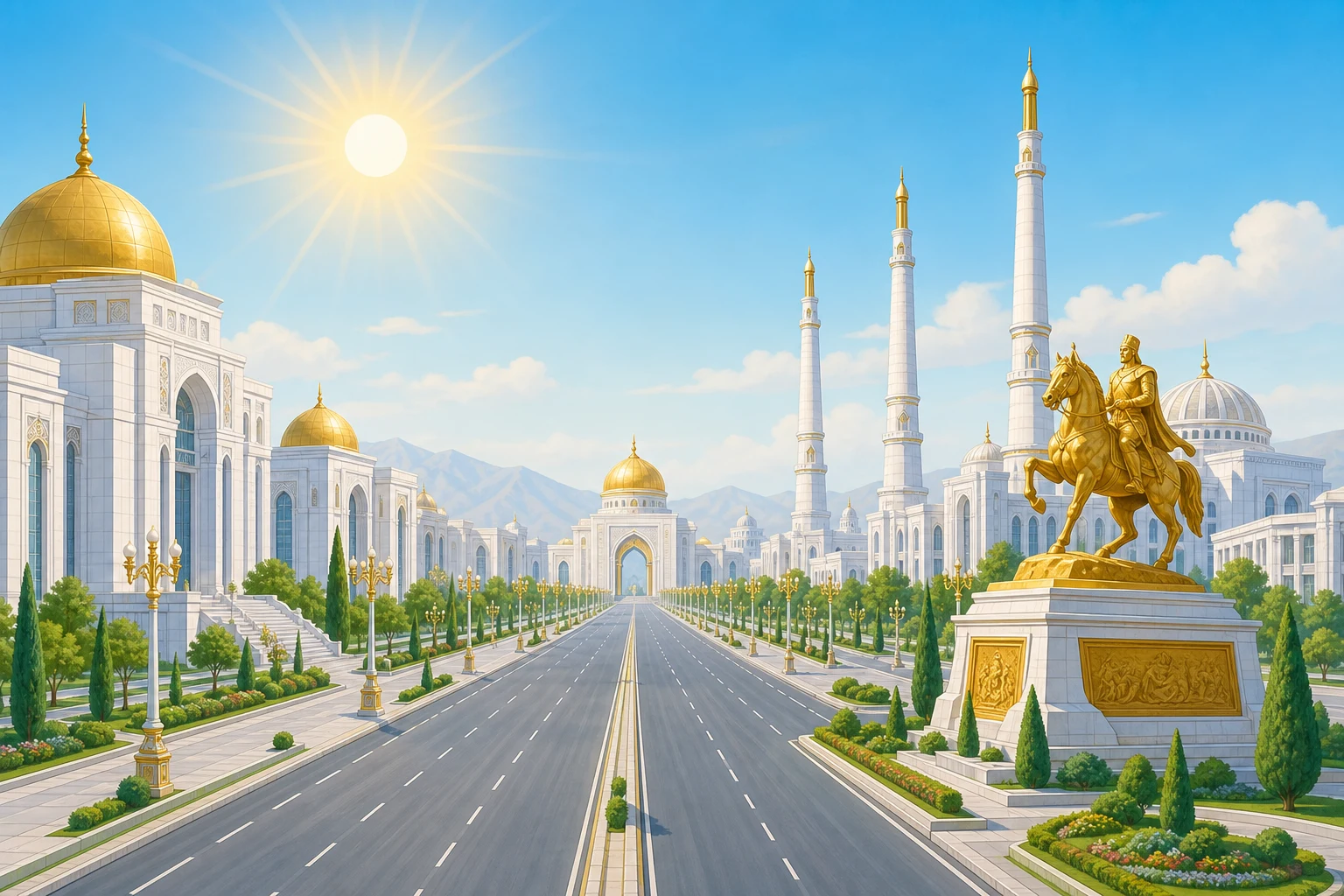
Ashgabat is the capital of Turkmenistan, a city of white marble buildings that holds the Guinness World Record for the highest density of white marble structures.
Landmarks: Turkmenistan Tower of Neutrality, Kipchak Mosque
Fun Facts
- Ashgabat holds the Guinness World Record for the highest concentration of white marble buildings in the world.
- The city was almost completely destroyed by an earthquake in 1948, one of the deadliest in history.
- Turkmenistan's "Door to Hell" is a natural gas crater that has been burning continuously since 1971.
Abu Dhabi
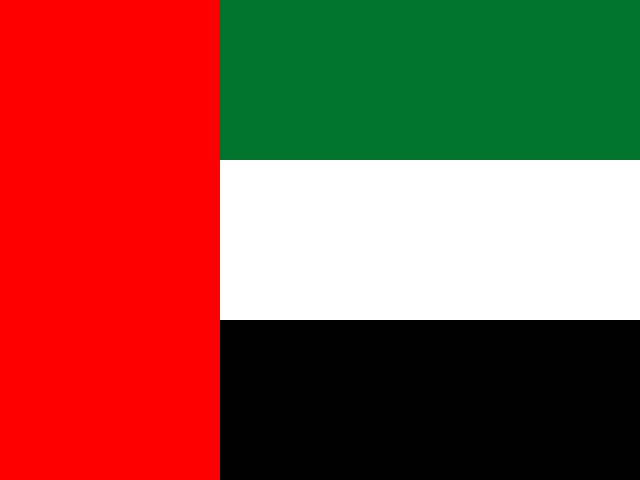
United Arab Emirates
Population: 1.5 million
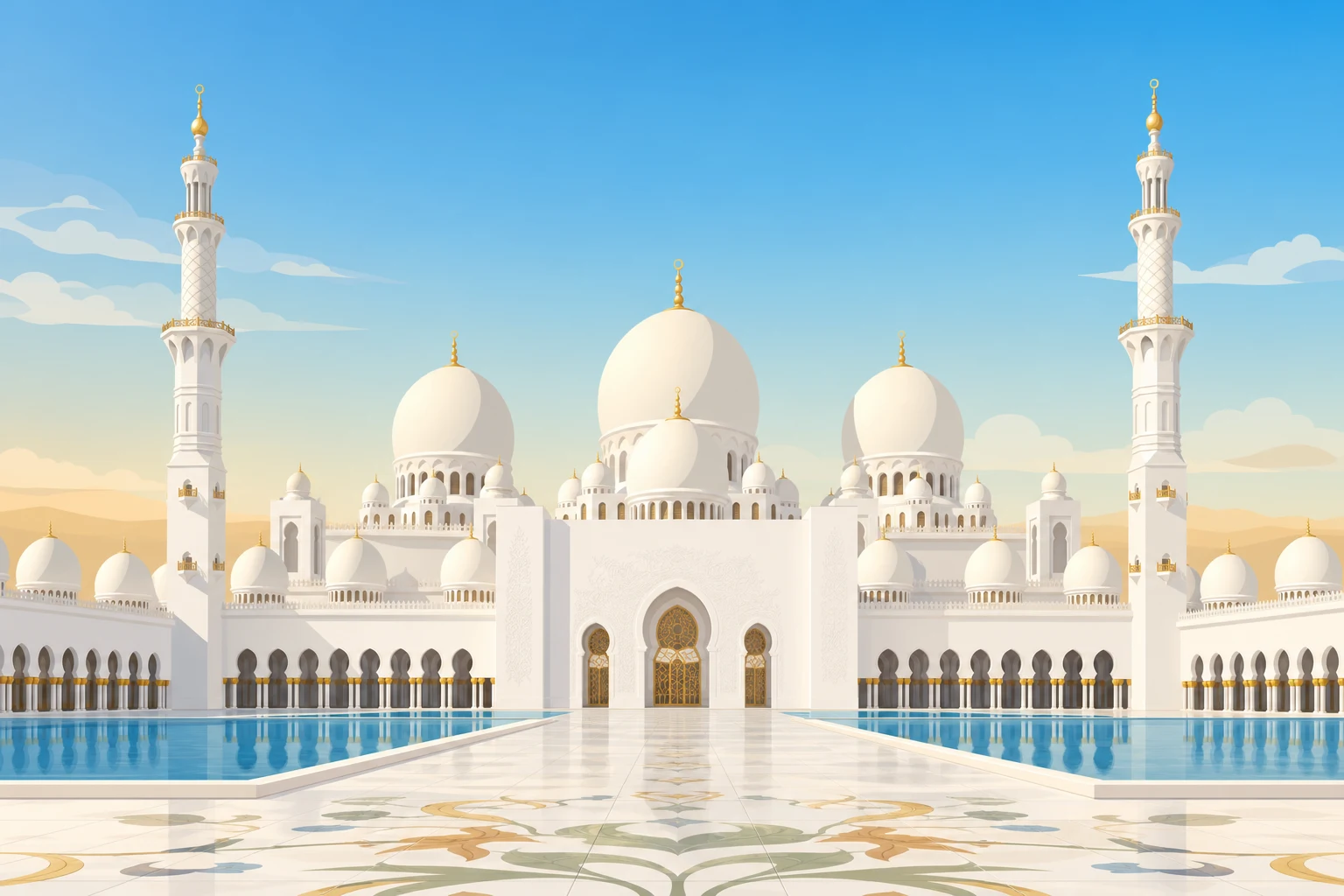
Abu Dhabi is the capital of the United Arab Emirates, a wealthy oil-rich city on an island in the Persian Gulf known for its cultural ambitions.
Landmarks: Sheikh Zayed Grand Mosque, Louvre Abu Dhabi
Fun Facts
- Abu Dhabi means "Father of the Gazelle" in Arabic, named after the gazelles that once roamed the region.
- The Sheikh Zayed Grand Mosque features 82 domes, over 1,000 columns, and the world's largest hand-knotted carpet.
- Abu Dhabi owns about 6% of the world's proven oil reserves, making it one of the wealthiest cities per capita.
Tashkent
Uzbekistan
Population: 2.9 million
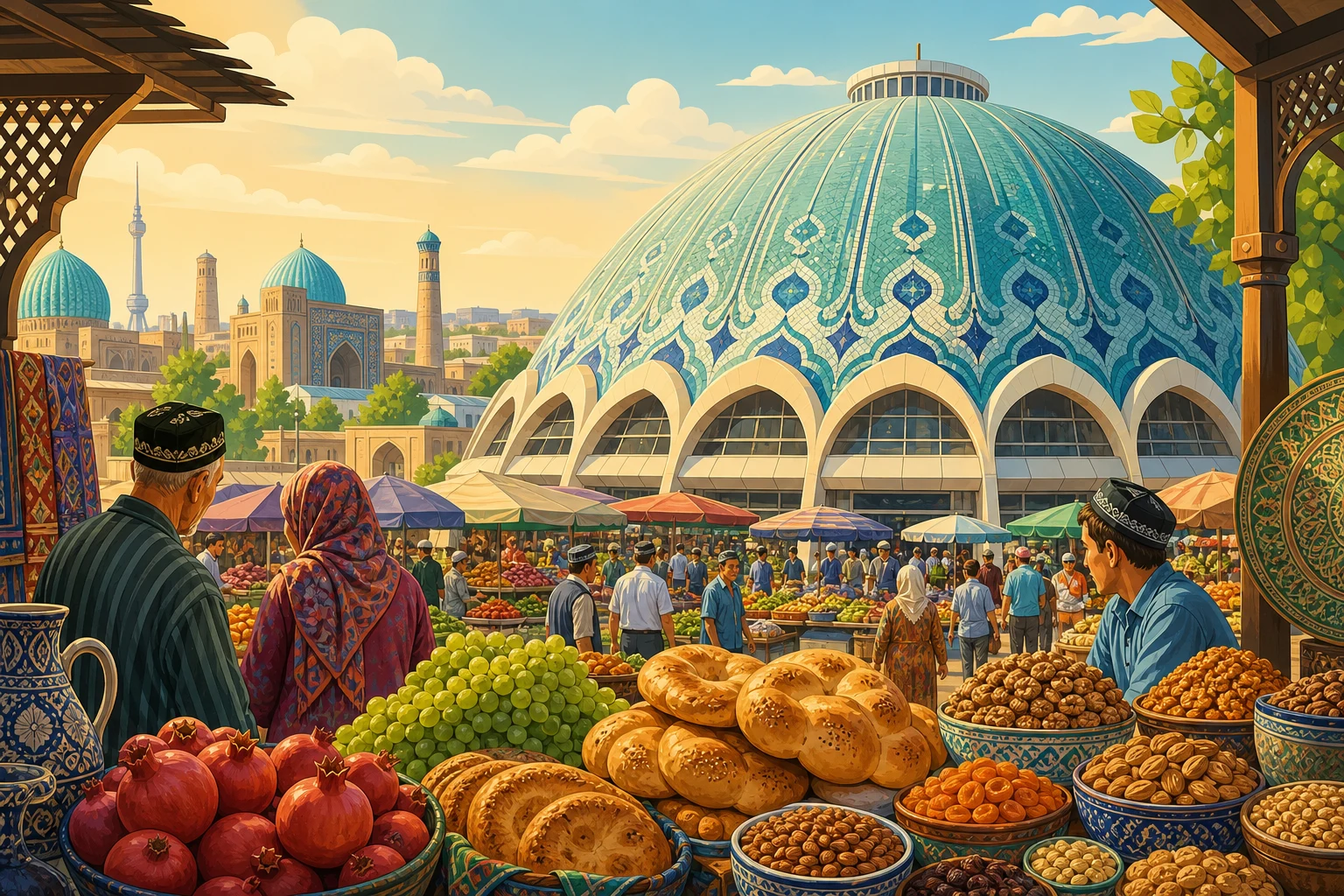
Tashkent is the capital of Uzbekistan, the largest city in Central Asia and a major Silk Road crossroads for over 2,000 years.
Landmarks: Khast Imam Complex, Chorsu Bazaar
Fun Facts
- Tashkent is the largest city in Central Asia and was an important stop on the ancient Silk Road.
- A devastating 7.5 magnitude earthquake in 1966 destroyed most of the city, which was rebuilt in Soviet modernist style.
- The Tashkent Metro features stations decorated like underground palaces with chandeliers and elaborate mosaics.
Hanoi
Vietnam
Population: 8.4 million
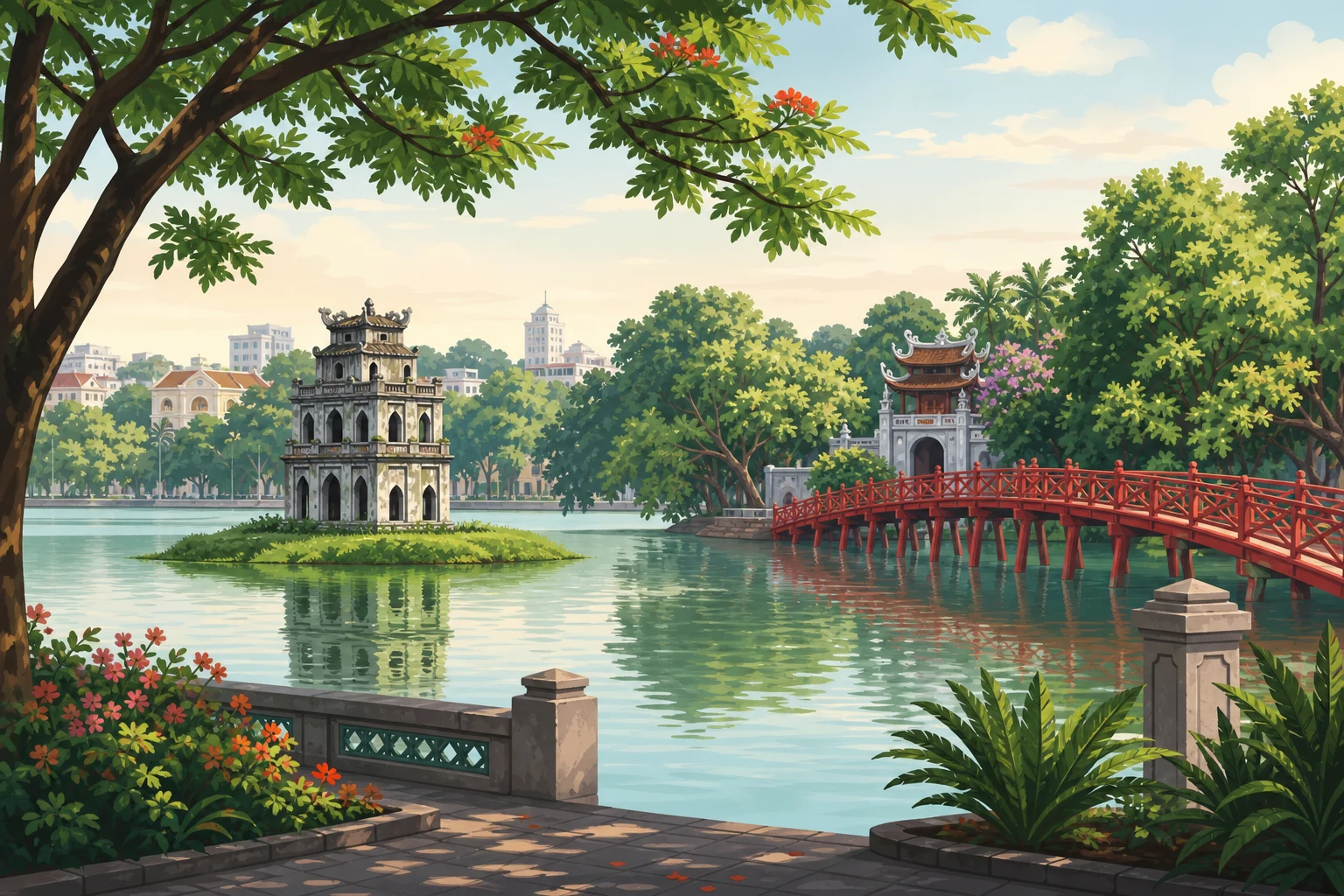
Hanoi is the capital of Vietnam, a city of lakes, parks, and tree-lined boulevards with over 1,000 years of history.
Landmarks: Ho Chi Minh Mausoleum, Temple of Literature
Fun Facts
- Hanoi celebrated its 1,000th anniversary in 2010, having been founded as Thang Long (Ascending Dragon) in 1010.
- The city's Old Quarter has 36 streets, each historically named after the goods sold there.
- Hoan Kiem Lake in the city center is associated with a legend about a magic sword returned to a giant golden turtle.
Sanaa
Yemen
Population: 3.9 million
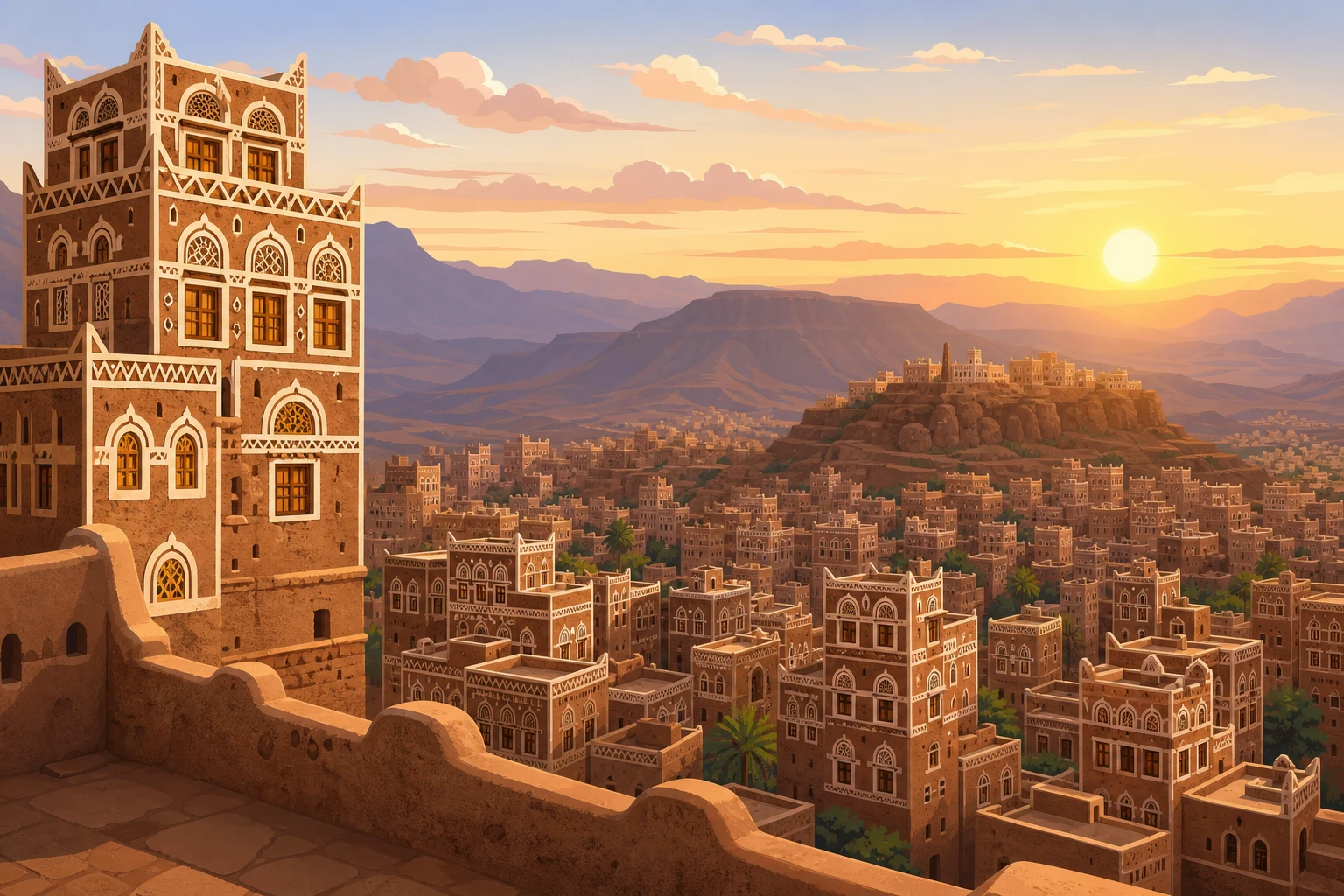
Sanaa is the capital of Yemen, one of the world's oldest continuously inhabited cities with its distinctive multi-story rammed earth tower houses.
Landmarks: Old City of Sanaa, Bab al-Yemen Gate
Fun Facts
- Sanaa's Old City is a UNESCO World Heritage Site with over 6,000 houses built before the 11th century.
- The city sits at an elevation of 2,300 meters, making it one of the highest capitals in the world.
- Legend says Sanaa was founded by Shem, the son of Noah, making it one of the first cities established after the Great Flood.
Quick Reference
Kabul Yerevan Baku Manama Dhaka Thimphu Bandar Seri Begawan Phnom Penh Beijing Nicosia Tbilisi New Delhi Jakarta Tehran Baghdad Jerusalem Tokyo Amman Astana Kuwait City Bishkek Vientiane Beirut Kuala Lumpur Malé Ulaanbaatar Naypyidaw Kathmandu Pyongyang Muscat Islamabad Manila Doha Riyadh Singapore Seoul Sri Jayawardenepura Kotte Damascus Dushanbe Bangkok Dili Ankara Ashgabat Abu Dhabi Tashkent Hanoi Sanaa Test Your Knowledge
How well do you know these capitals? Find out here.
Practice with Games
Ready to test what you learned? Jump into a game and put it into practice.
About Asian Capitals
Asia is the world's largest and most populous continent, home to 47 nations with capitals ranging from ancient cities like Damascus and Jerusalem to futuristic metropolises like Tokyo and Singapore. The continent spans an extraordinary variety of cultures, languages, and landscapes - from the frozen steppes of Mongolia to the tropical islands of the Maldives. Learning Asian capitals provides insight into the world's fastest-growing economies, its oldest civilizations, and its most diverse cultural traditions.
Frequently Asked Questions
What is the largest capital city in Asia by population?
Tokyo, Japan is the largest capital city in Asia with approximately 13.9 million people in the city proper. Its greater metropolitan area of over 37 million makes it the most populous metro area in the world.
Which Asian capital is the oldest continuously inhabited city?
Damascus, Syria is widely considered the oldest continuously inhabited city in the world, with evidence of settlement dating back to 10,000-8,000 BC. Other contenders include Jerusalem and Beirut.
Why did Myanmar move its capital from Yangon to Naypyidaw?
Myanmar moved its capital to Naypyidaw in 2006 for several reasons, including its more central location, strategic military considerations, and reportedly the advice of astrologers. The purpose-built city is known for its vast empty highways and government buildings.