Caucasus Capitals
Explore the capital cities of the South Caucasus - a fascinating crossroads between Europe and Asia where ancient civilizations, diverse cultures, and dramatic mountain landscapes converge.
Study the Capitals
Yerevan
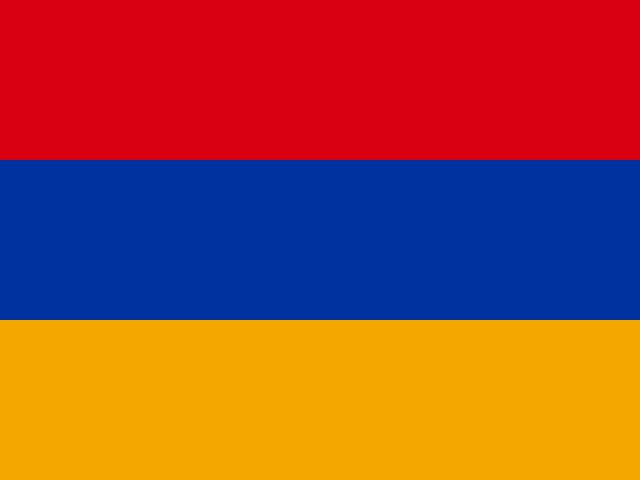
Armenia
Population: 1.1 million
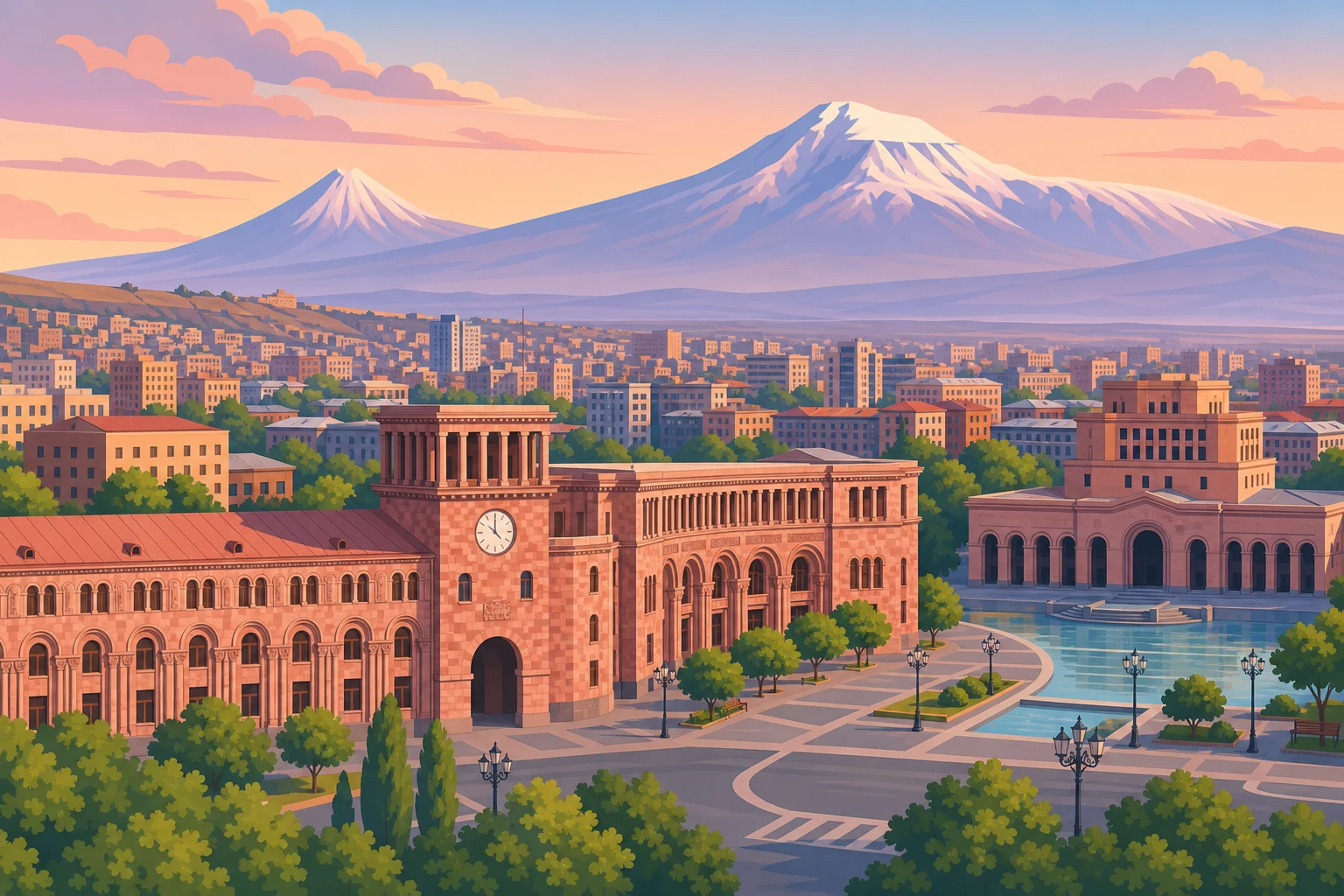
Yerevan is one of the oldest continuously inhabited cities in the world, founded in 782 BC. Built from pink volcanic tuff stone, it is often called the "Pink City" and offers stunning views of Mount Ararat on clear days.
Landmarks: The Cascade, Republic Square, Tsitsernakaberd Genocide Memorial
Fun Facts
- Yerevan is older than Rome - it was founded 29 years before the Eternal City in 782 BC.
- The city is built almost entirely from pink and peach-coloured volcanic tuff, earning it the nickname "The Pink City".
- Yerevan has a cascade complex - a giant limestone stairway with modern art exhibitions embedded into the hillside.
Baku
Azerbaijan
Population: 2.3 million
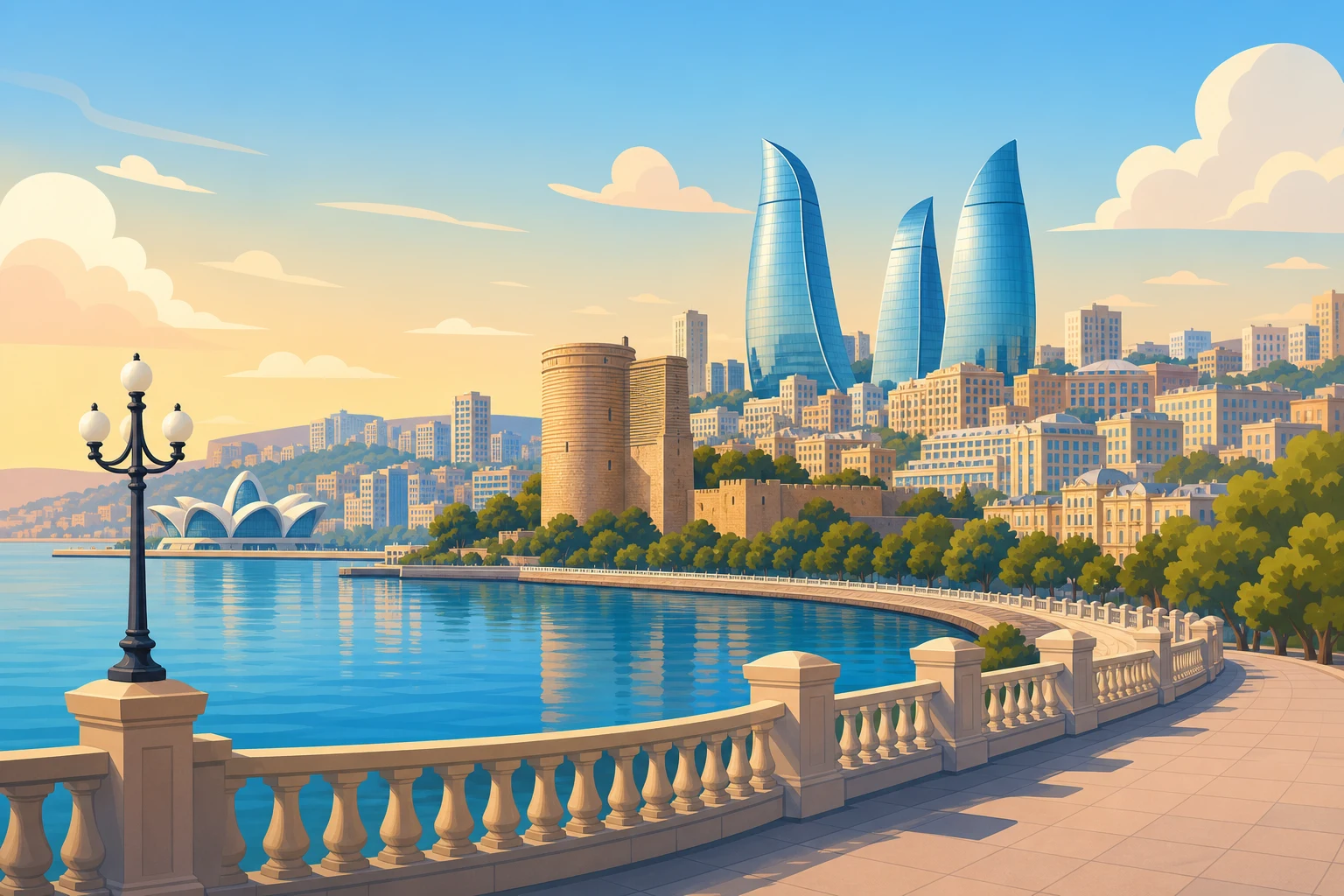
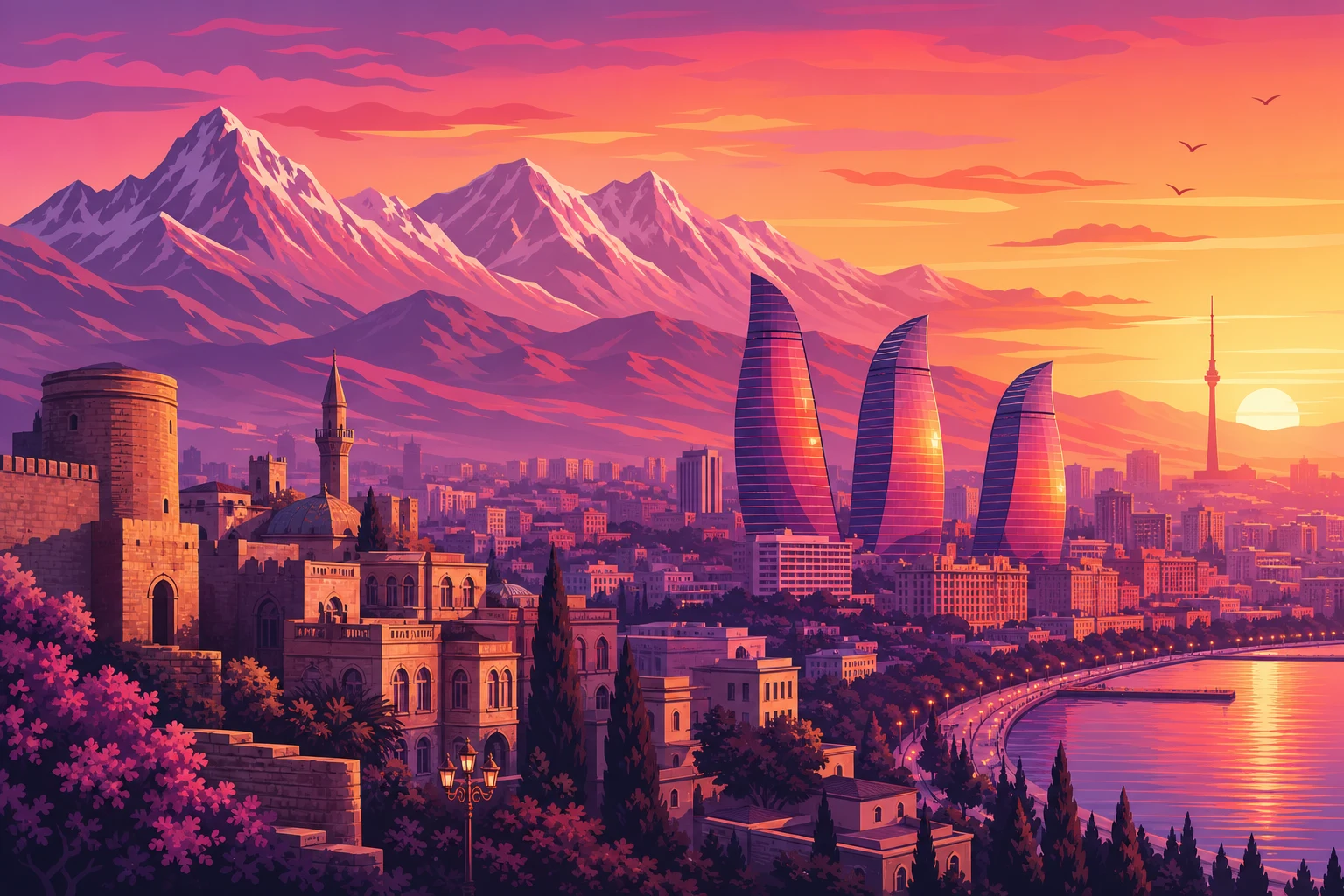
Baku is a striking blend of ancient and ultramodern architecture sitting on the shores of the Caspian Sea. The capital has been transformed by oil wealth into a futuristic city while preserving its medieval Old City walls.
Landmarks: Flame Towers, Maiden Tower, Heydar Aliyev Center
Fun Facts
- Baku's Flame Towers are three skyscrapers shaped like flames, referencing Azerbaijan's nickname "Land of Fire" due to its natural gas seeps.
- The Walled City of Baku (Icherisheher) is a UNESCO World Heritage Site with roots dating back to the 7th century.
- Baku sits 28 metres below sea level, making it the lowest-lying national capital in the world.
Tbilisi
Georgia
Population: 1.2 million
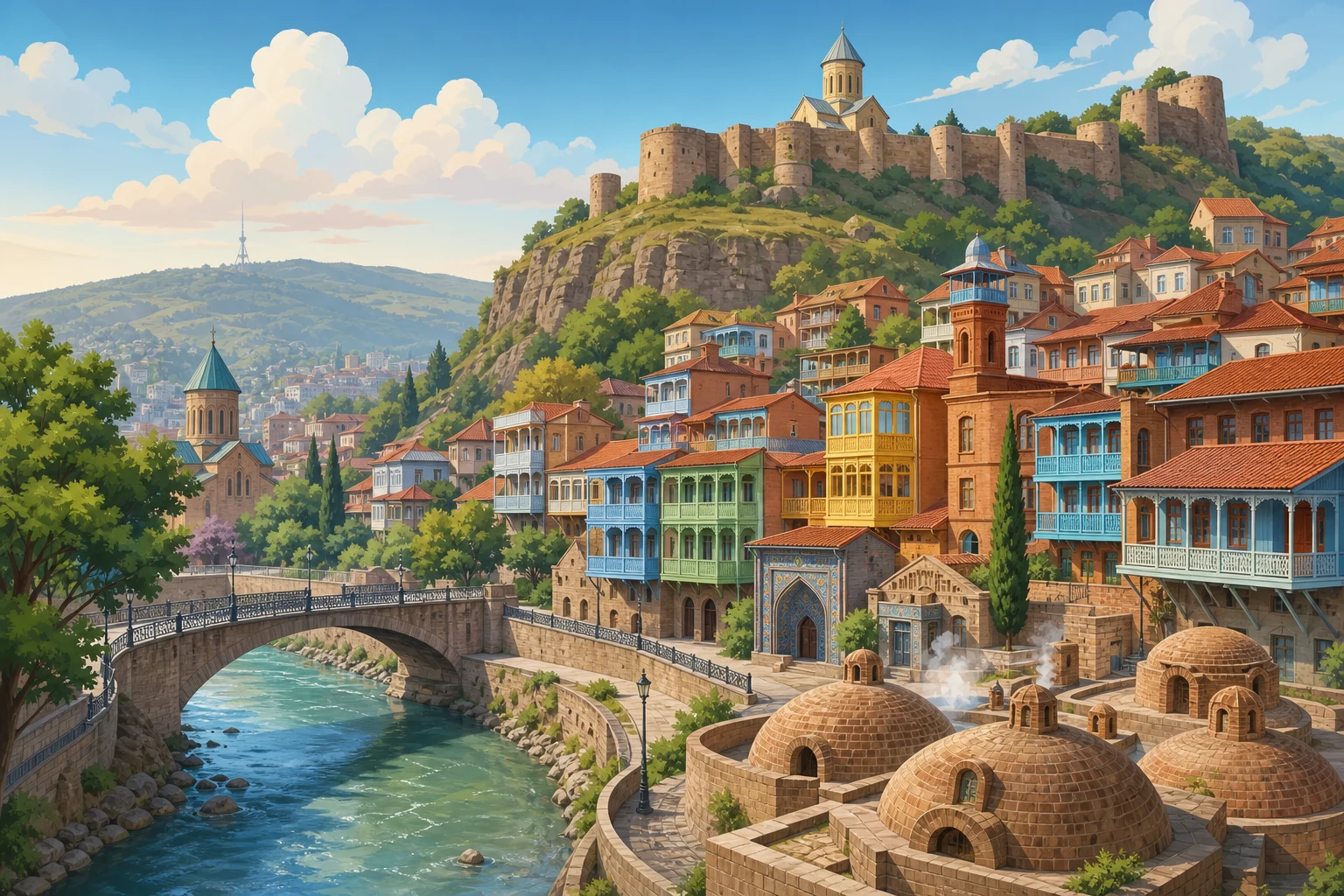
Tbilisi straddles the Mtkvari River in a valley surrounded by hills. Founded in the 5th century around natural hot springs, the city is known for its eclectic architecture blending medieval, Art Nouveau, Soviet, and modern styles.
Landmarks: Narikala Fortress, Holy Trinity Cathedral, Bridge of Peace
Fun Facts
- Tbilisi gets its name from the Georgian word "tbili" meaning warm, referring to the hot sulphur springs the city was built around.
- The city's Narikala Fortress has overlooked Tbilisi since approximately the 4th century AD.
- Georgia is one of the oldest winemaking regions in the world - Tbilisi continues the 8,000-year tradition of fermenting wine in clay vessels called qvevri.
Quick Reference
Test Your Knowledge
How well do you know these capitals? Find out here.
Practice with Games
Ready to test what you learned? Jump into a game and put it into practice.
About Caucasus Capitals
The South Caucasus region sits at the crossroads of Europe and Asia, nestled between the Black Sea and the Caspian Sea. Armenia, Azerbaijan, and Georgia each have distinct languages, alphabets, and cultural traditions shaped by thousands of years of history. Yerevan is among the oldest continuously inhabited cities on Earth, Baku blends ancient Persian and modern oil-era architecture, and Tbilisi has served as a cultural bridge between East and West for centuries. Learning these capitals opens a window into one of the world's most geographically and culturally diverse regions.
Frequently Asked Questions
Are the Caucasus countries in Europe or Asia?
The Caucasus region sits on the border between Europe and Asia. Georgia and Armenia are often considered part of Europe culturally and politically, while Azerbaijan has stronger ties to Central Asia. All three are sometimes classified as transcontinental.
What is the oldest capital in the Caucasus?
Yerevan, the capital of Armenia, is the oldest. It was founded in 782 BC, making it one of the oldest continuously inhabited cities in the world - even older than Rome.
Which Caucasus capital is on the Caspian Sea?
Baku, the capital of Azerbaijan, is located on the western shore of the Caspian Sea. It is also the largest city on the Caspian coast.