West Africa Capitals
Explore the capital cities of West Africa - a diverse region of 16 nations with rich cultural traditions, powerful historic empires, bustling markets, and some of the fastest-growing economies on the African continent.
Study the Capitals
Porto-Novo
Benin
Population: 264,000
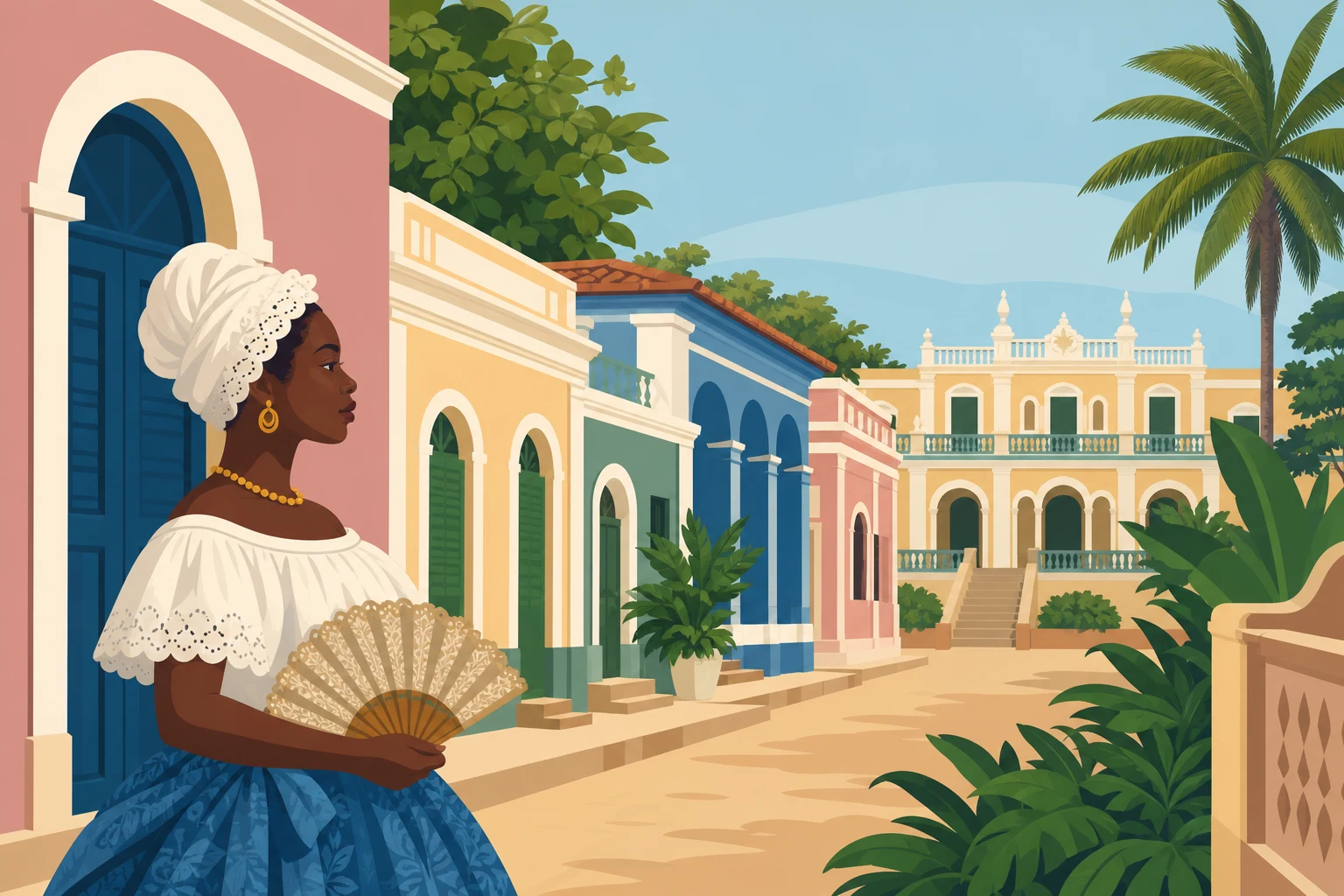
Porto-Novo is the official capital of Benin, located on the shores of a coastal lagoon near the Nigerian border. While it is the constitutional capital and seat of the legislature, the larger city of Cotonou serves as the seat of government and economic centre.
Landmarks: Royal Palace of Porto-Novo, Great Mosque of Porto-Novo, Ethnographic Museum
Fun Facts
- Porto-Novo was named by Portuguese traders and means "New Port" - the city was an important hub in the Atlantic slave trade.
- While Porto-Novo is the official capital, most government ministries and embassies are in Cotonou, 30 km to the west.
- The city is a centre of Vodun (Voodoo) religion, which originated in this region of West Africa before spreading to the Americas.
Ouagadougou
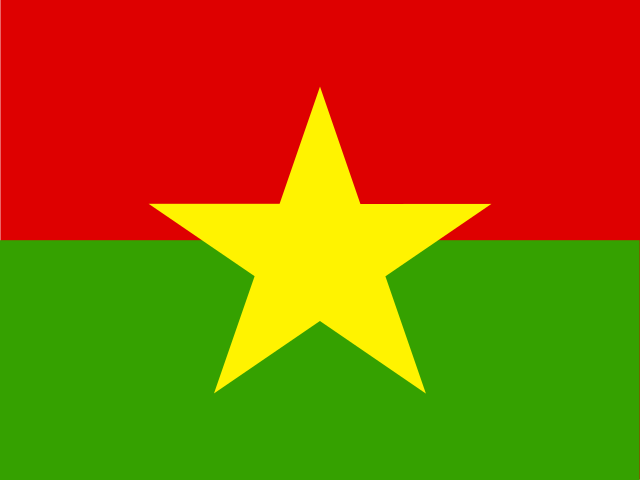
Burkina Faso
Population: 2.8 million
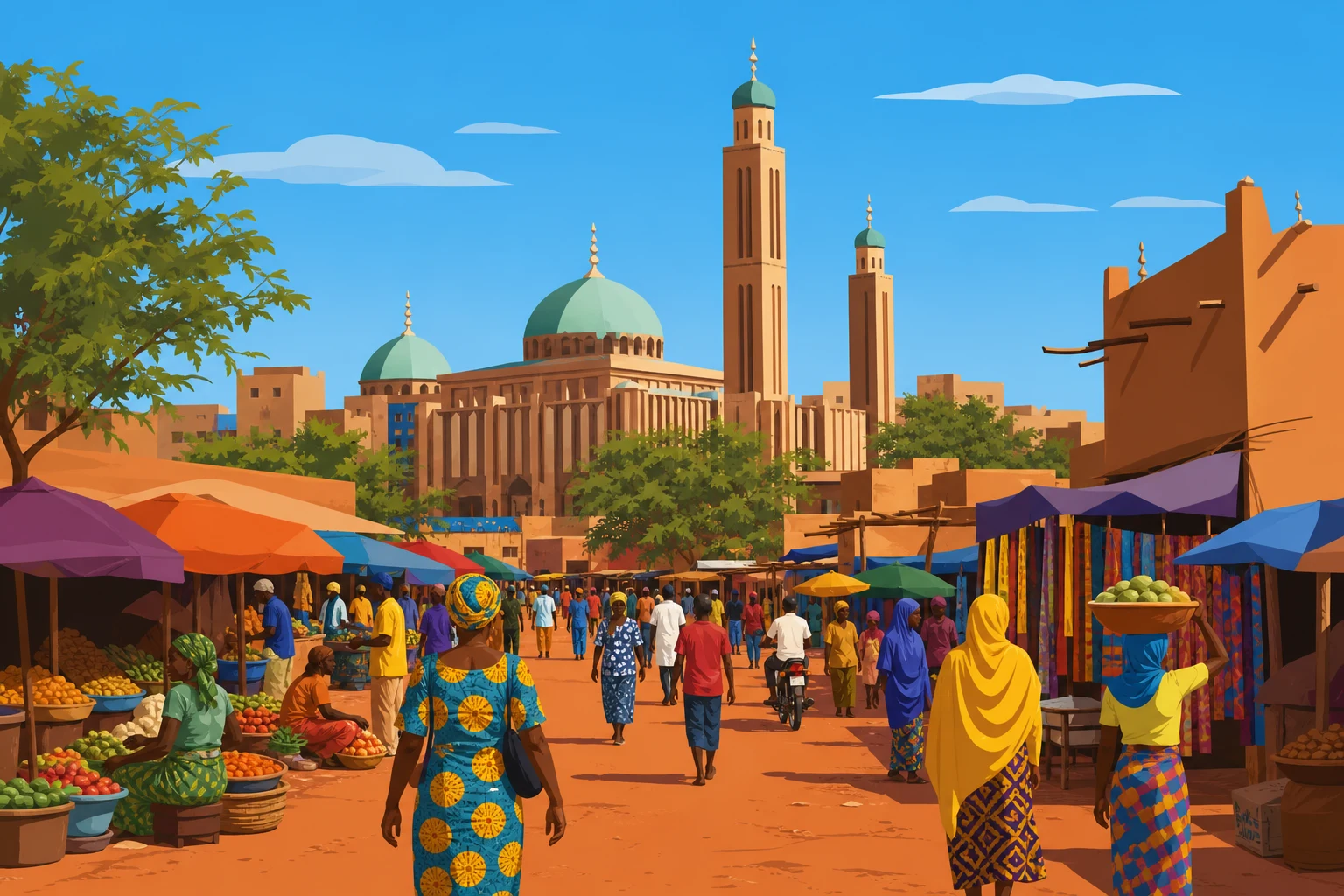
Ouagadougou, often shortened to "Ouaga," is the capital of Burkina Faso, located in the centre of the country on the central plateau. The city is known for its vibrant markets, motorcycle-filled streets, and as the home of FESPACO, Africa's largest film festival.
Landmarks: National Museum of Burkina Faso, Grand Mosque of Ouagadougou, Monument des Martyrs
Fun Facts
- Ouagadougou hosts FESPACO (Pan-African Film and Television Festival) every two years, the largest African cinema event on the continent.
- The city's name comes from the Mossi people and means "place where people get honour and respect."
- Burkina Faso means "Land of Incorruptible People" - the country was renamed from Upper Volta in 1984 by President Thomas Sankara.
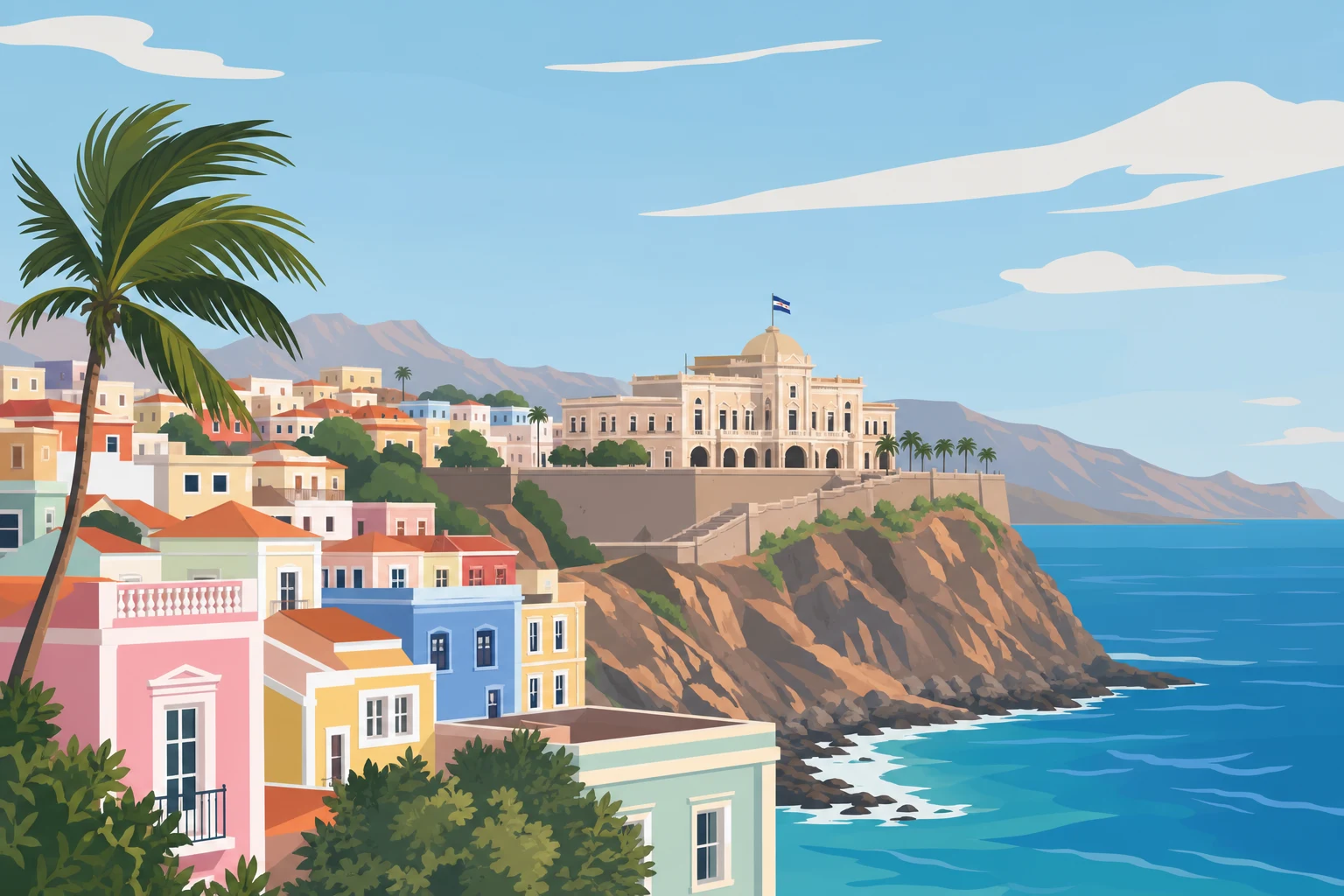
Praia
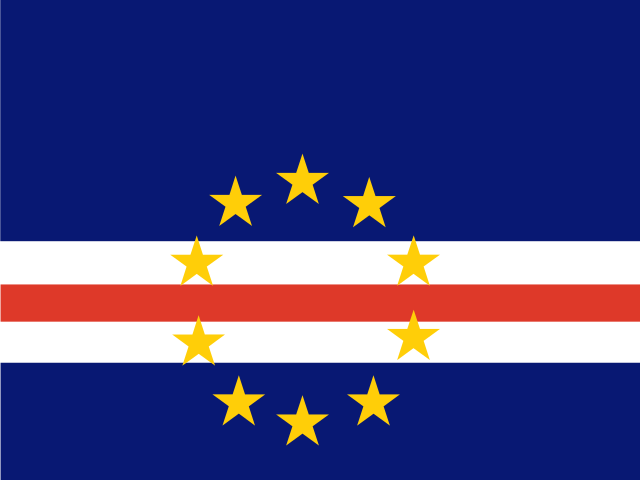
Cape Verde
Population: 159,000
Praia is the capital of Cape Verde, an island archipelago located in the Atlantic Ocean off the coast of West Africa. Situated on the southern tip of Santiago island, the city sits on a plateau overlooking the ocean.
Landmarks: Plateau district, Praia Municipal Market, Presidential Palace
Fun Facts
- Cape Verde was uninhabited before Portuguese colonizers arrived in 1456, making Praia one of the first European-founded cities in sub-Saharan Africa.
- The city's name means "beach" in Portuguese, referring to its coastal setting.
- Cape Verde has one of the highest literacy rates in Africa at over 87%, with Praia as the centre of the nation's educational institutions.
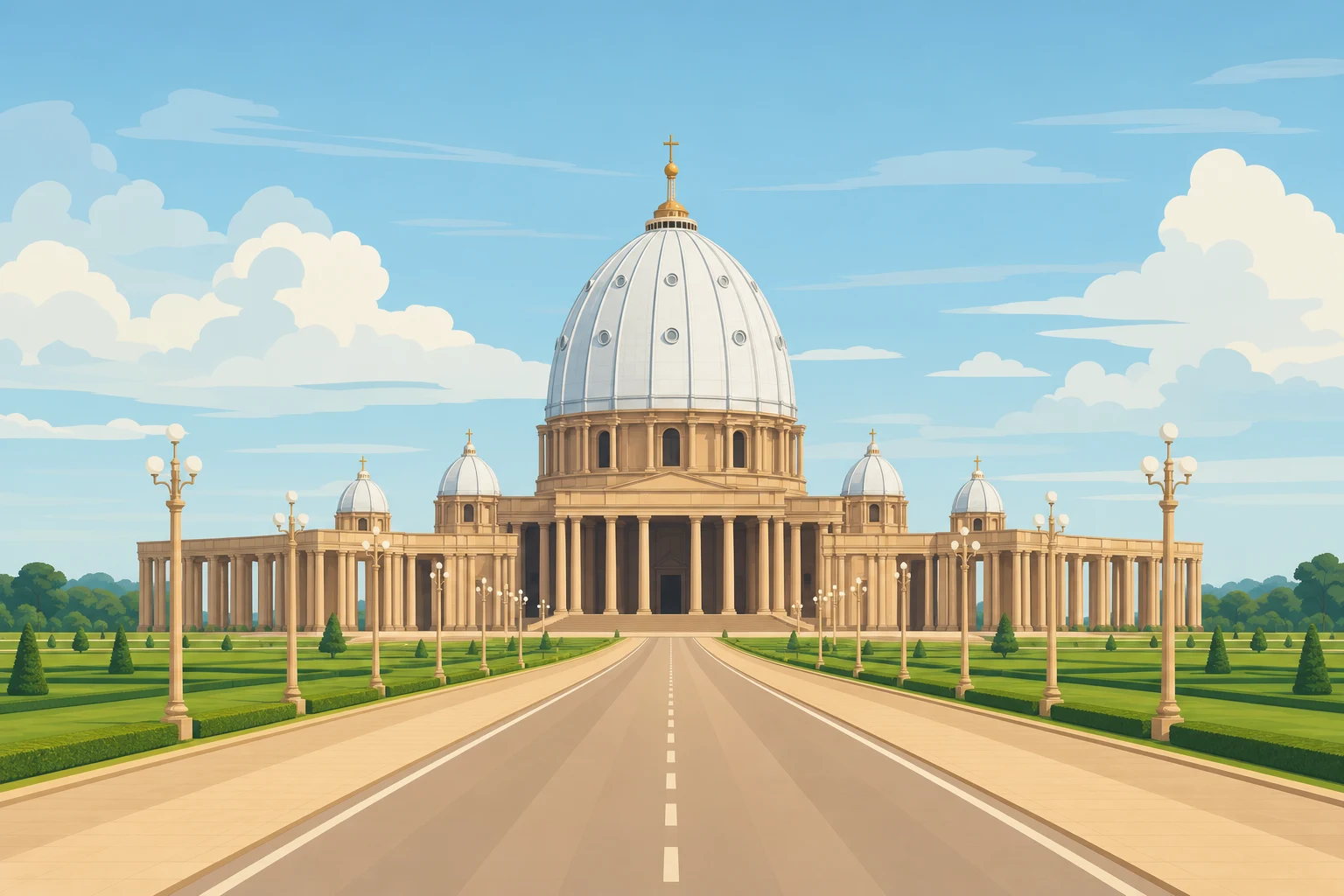
Yamoussoukro
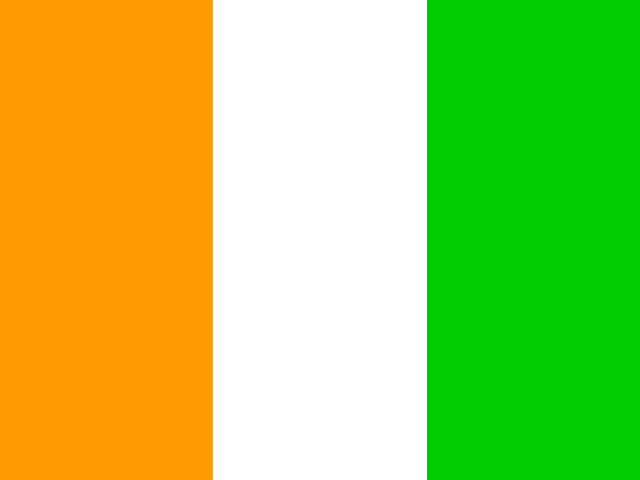
Côte d'Ivoire
Population: 355,000
Yamoussoukro is the official political capital of Côte d'Ivoire, located in the centre of the country. Despite being designated the capital in 1983, the much larger city of Abidjan remains the economic capital and where most government activity takes place.
Landmarks: Basilica of Our Lady of Peace, Fondation Felix Houphouet-Boigny, Presidential Palace
Fun Facts
- Yamoussoukro is home to the Basilica of Our Lady of Peace, the largest church in the world by area, modelled after St. Peter's Basilica in Rome.
- The city was the birthplace of first president Felix Houphouet-Boigny, who moved the capital here from Abidjan in 1983.
- Abidjan (population 5.6 million) functions as the de facto capital, with most embassies and government offices remaining there despite the official capital status of Yamoussoukro.
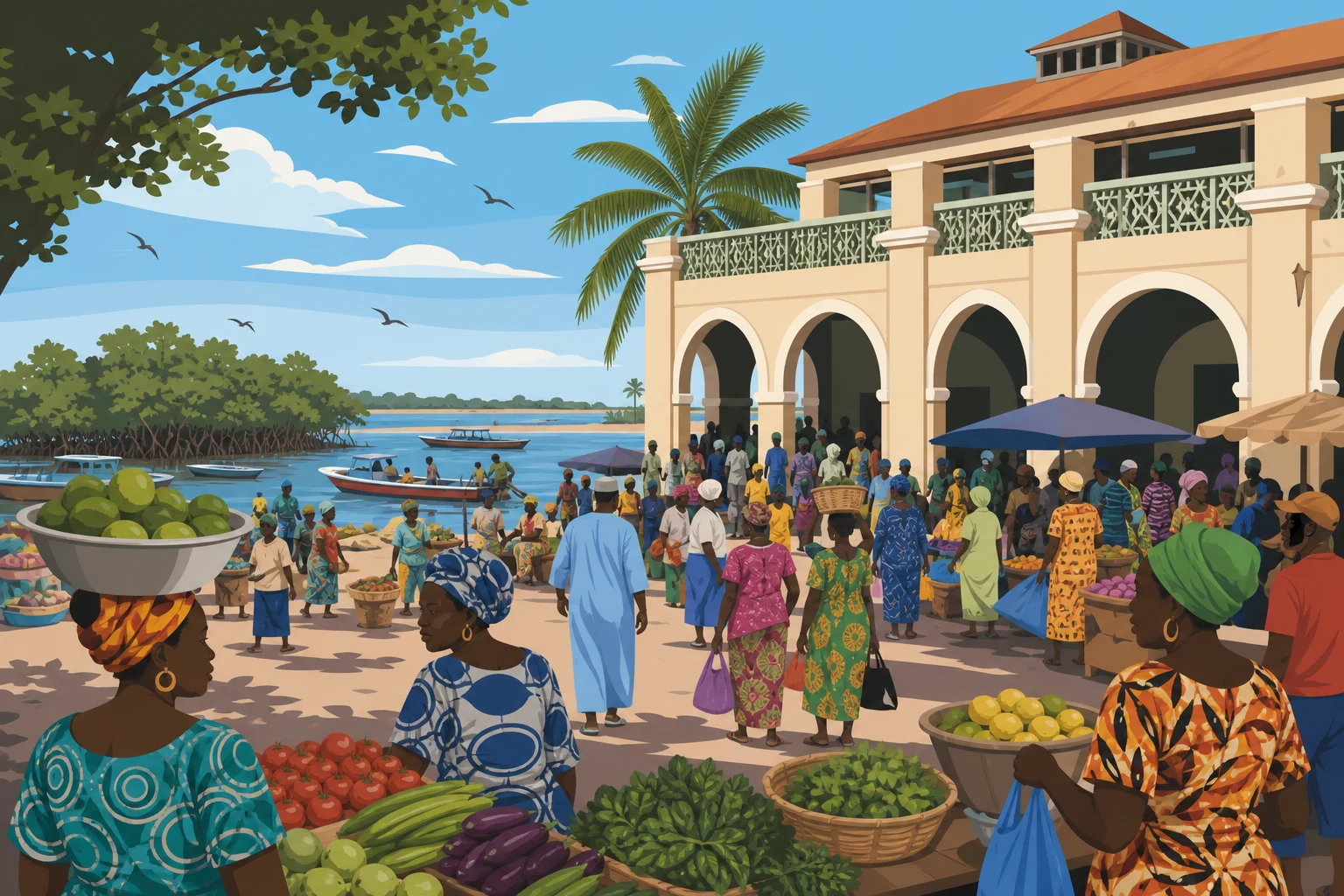
Banjul
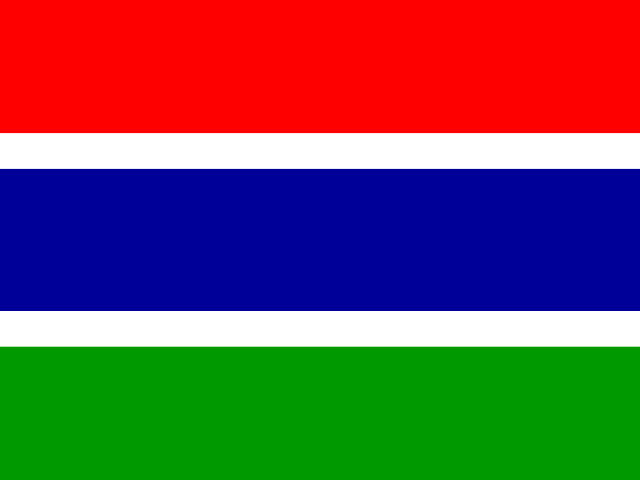
Gambia
Population: 31,000
Banjul is the capital of Gambia, located on Saint Mary's Island at the mouth of the Gambia River where it meets the Atlantic Ocean. It is one of the smallest African capital cities by population, though the greater Banjul area is much larger.
Landmarks: Arch 22, Albert Market, Gambia National Museum
Fun Facts
- The Gambia is the smallest country on mainland Africa - a narrow strip of land along the Gambia River entirely surrounded by Senegal.
- Banjul was founded in 1816 by the British as a trading post to suppress the slave trade along the river.
- The Arch 22 monument, standing 35 metres tall, commemorates a 1994 coup and offers panoramic views of the city.
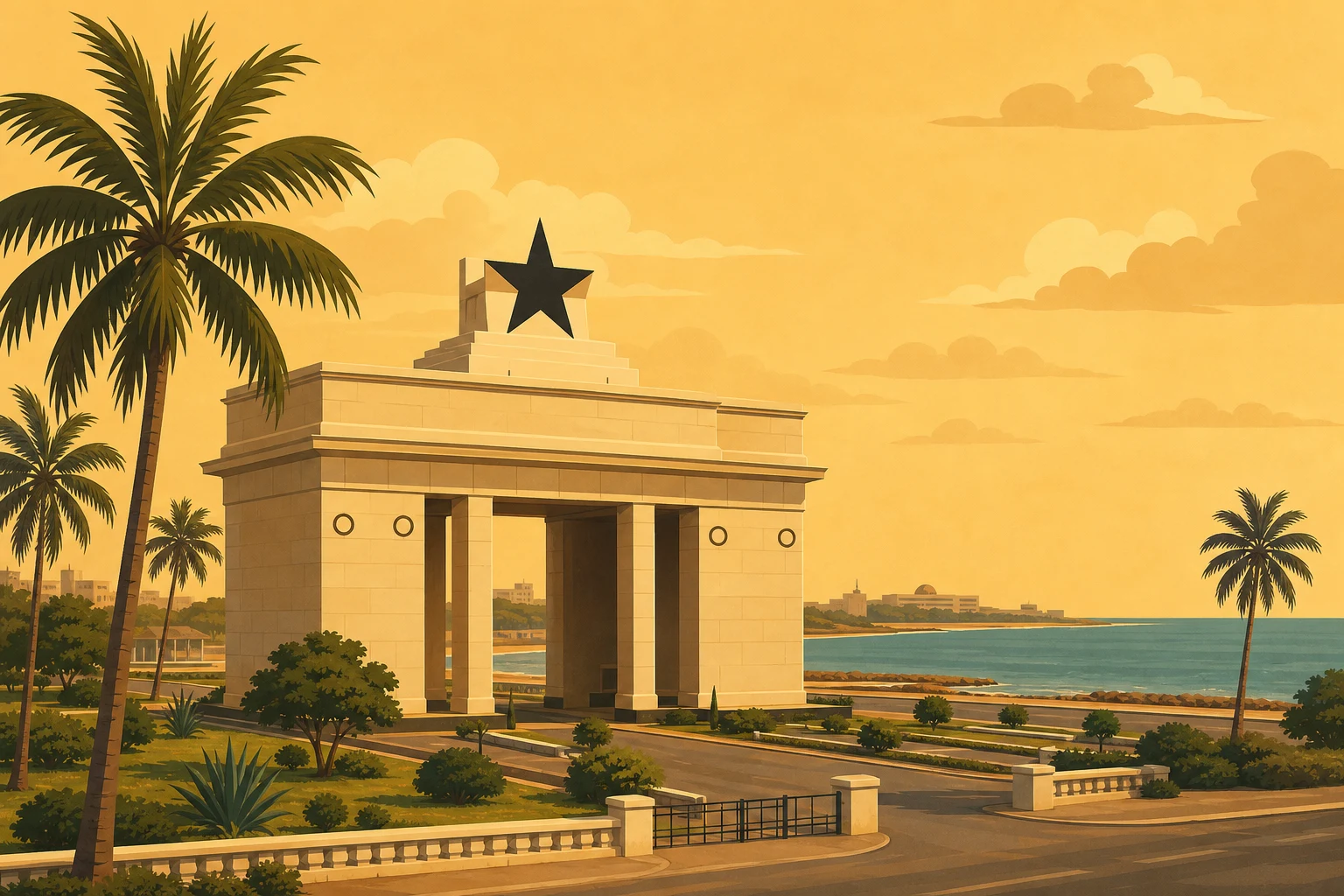
Accra
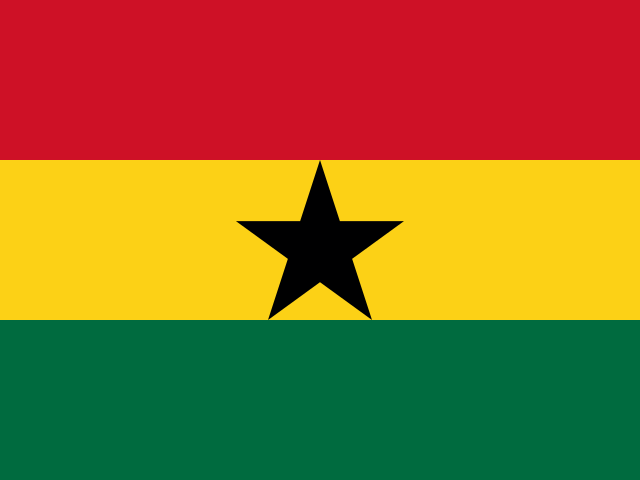
Ghana
Population: 4.2 million
Accra is the capital of Ghana, situated along the Gulf of Guinea on the Atlantic coast. As one of the fastest-growing cities in Africa, it is the political, economic, and cultural centre of Ghana, known for its colonial forts, vibrant markets, and thriving arts scene.
Landmarks: Kwame Nkrumah Memorial Park, Jamestown Lighthouse, Independence Arch
Fun Facts
- Ghana was the first sub-Saharan African country to gain independence from colonial rule, achieving it in 1957 under Kwame Nkrumah.
- Accra is home to Jamestown and Usshertown, the two oldest districts, which feature colonial-era forts built by the British, Dutch, and Danish.
- The Makola Market in central Accra is one of the largest open-air markets in West Africa, selling everything from textiles to electronics.
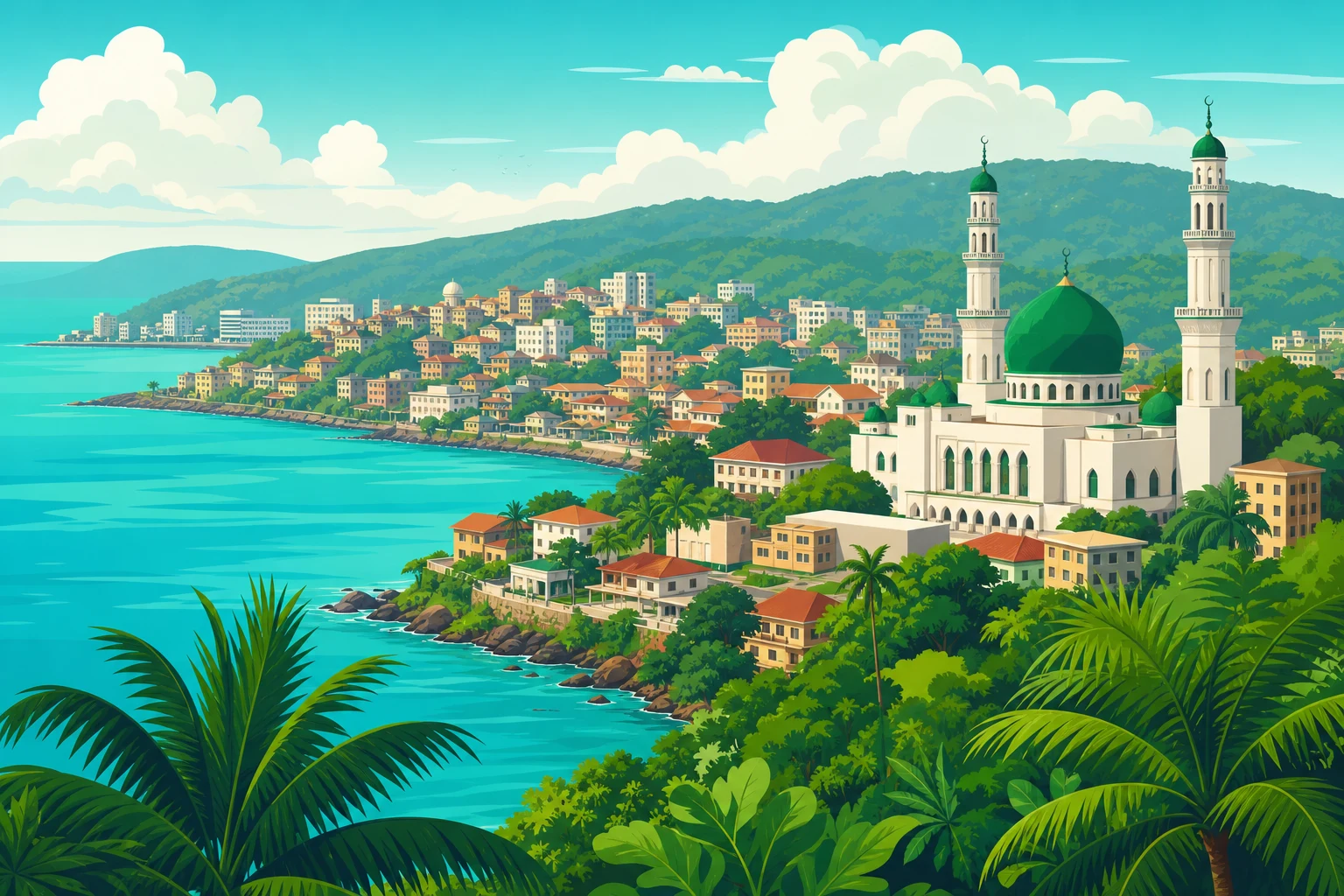
Conakry
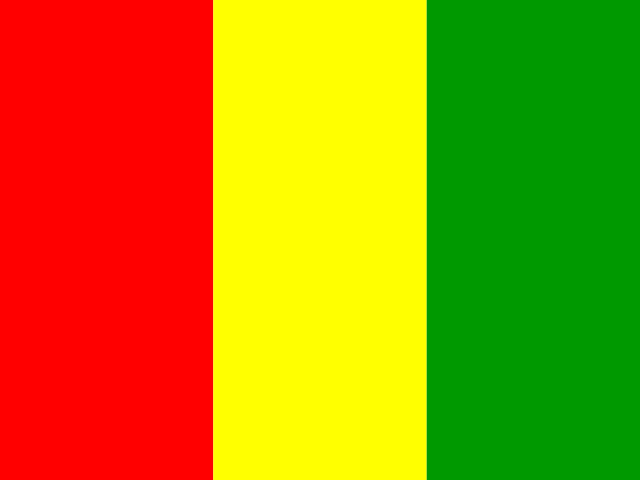
Guinea
Population: 1.9 million
Conakry is the capital of Guinea, located on Tombo Island and the Kaloum Peninsula along the Atlantic coast. The city is the largest in Guinea and serves as its main port and economic hub, known for its music scene and busy markets.
Landmarks: Grand Mosque of Conakry, Guinea National Museum, Iles de Los
Fun Facts
- Conakry is built on a narrow peninsula extending into the Atlantic, giving the city a distinctive elongated shape.
- Guinea is home to the source of the Niger, Senegal, and Gambia rivers, and Conakry receives some of the heaviest rainfall of any African capital.
- The city was once known as the "Paris of Africa" for its wide boulevards and cultural vibrancy during the early independence era.
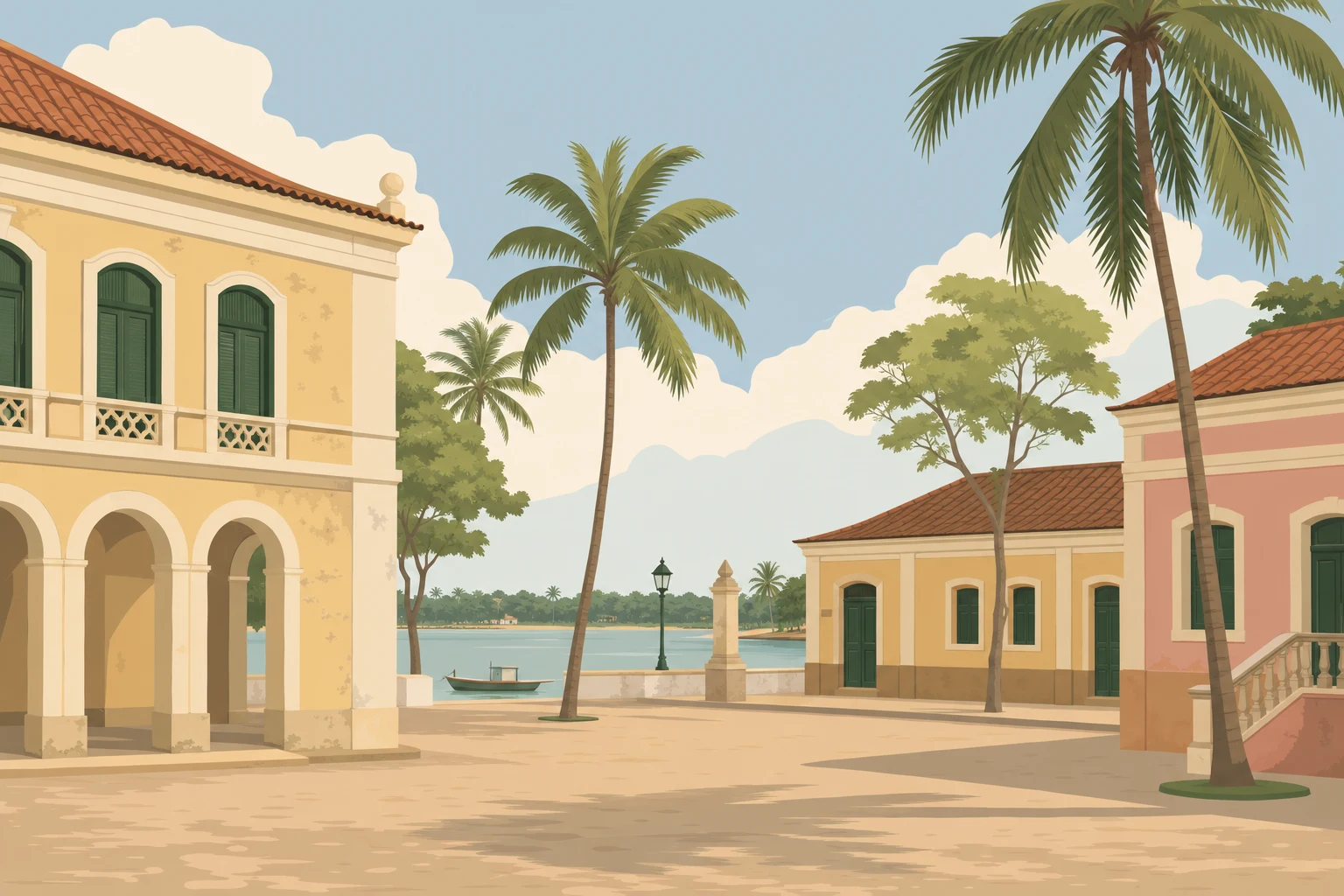
Bissau
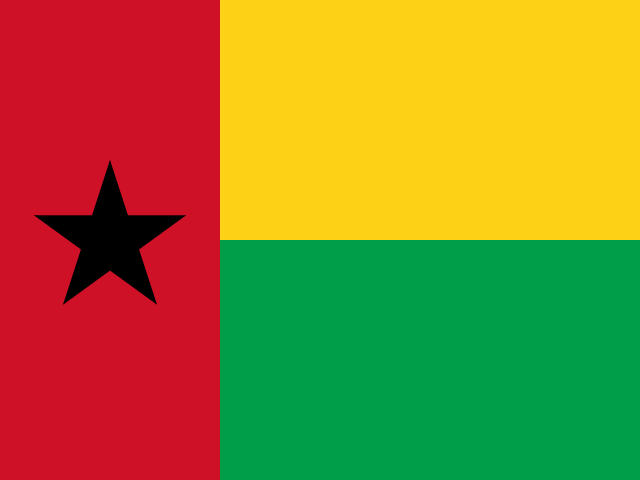
Guinea-Bissau
Population: 492,000
Bissau is the capital of Guinea-Bissau, located on the Geba River estuary along the Atlantic coast. The city reflects a blend of Portuguese colonial heritage and West African culture, with a laid-back atmosphere and crumbling colonial-era architecture.
Landmarks: Fortaleza de Sao Jose da Amura, Bissau Cathedral, Bandim Market
Fun Facts
- Guinea-Bissau is one of the world's largest cashew nut producers, and the industry is centred around Bissau's port.
- The city was founded in 1687 as a Portuguese fortified trading post for the slave and ivory trade.
- Despite being one of the poorest capitals in the world, Bissau has a vibrant music scene known for gumbe, a unique blend of West African and Portuguese styles.
Monrovia
Liberia
Population: 1.6 million
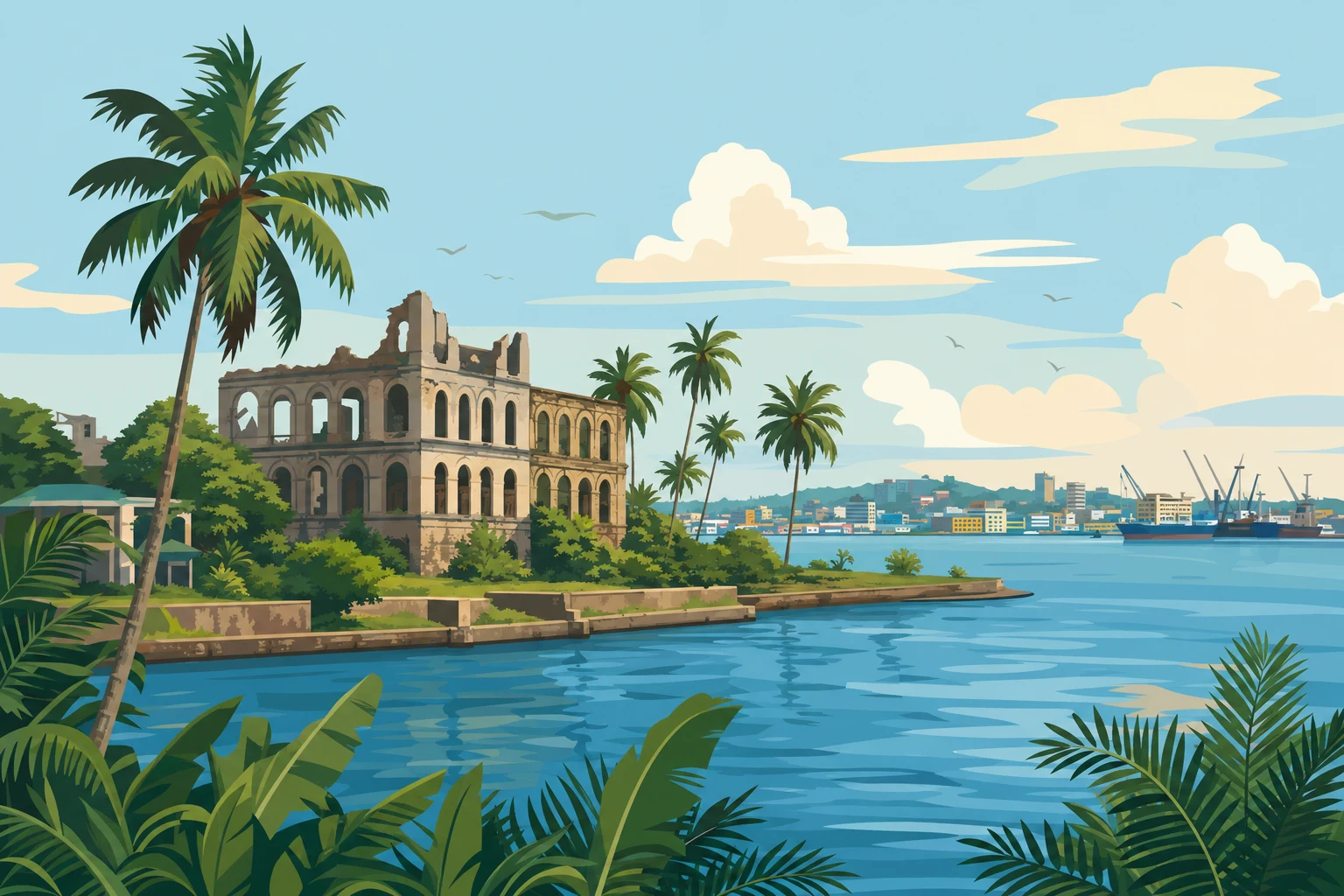
Monrovia is the capital of Liberia, located on the Atlantic coast at Cape Mesurado. The city was founded by freed American slaves in 1822 and is named after US President James Monroe, reflecting the country's unique connection to the United States.
Landmarks: Providence Island, Centennial Pavilion, Waterside Market
Fun Facts
- Monrovia is one of only two national capitals named after a US president - the other is Washington, D.C.
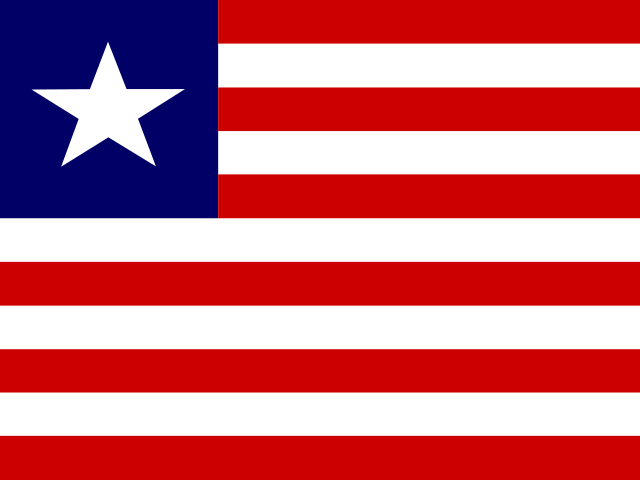
- Liberia was founded by freed American and Caribbean slaves in 1822, and its constitution and flag are modelled after those of the United States.
- The city is home to Africa's oldest republic, with Liberia declaring independence in 1847.
Bamako
Mali
Population: 4.1 million
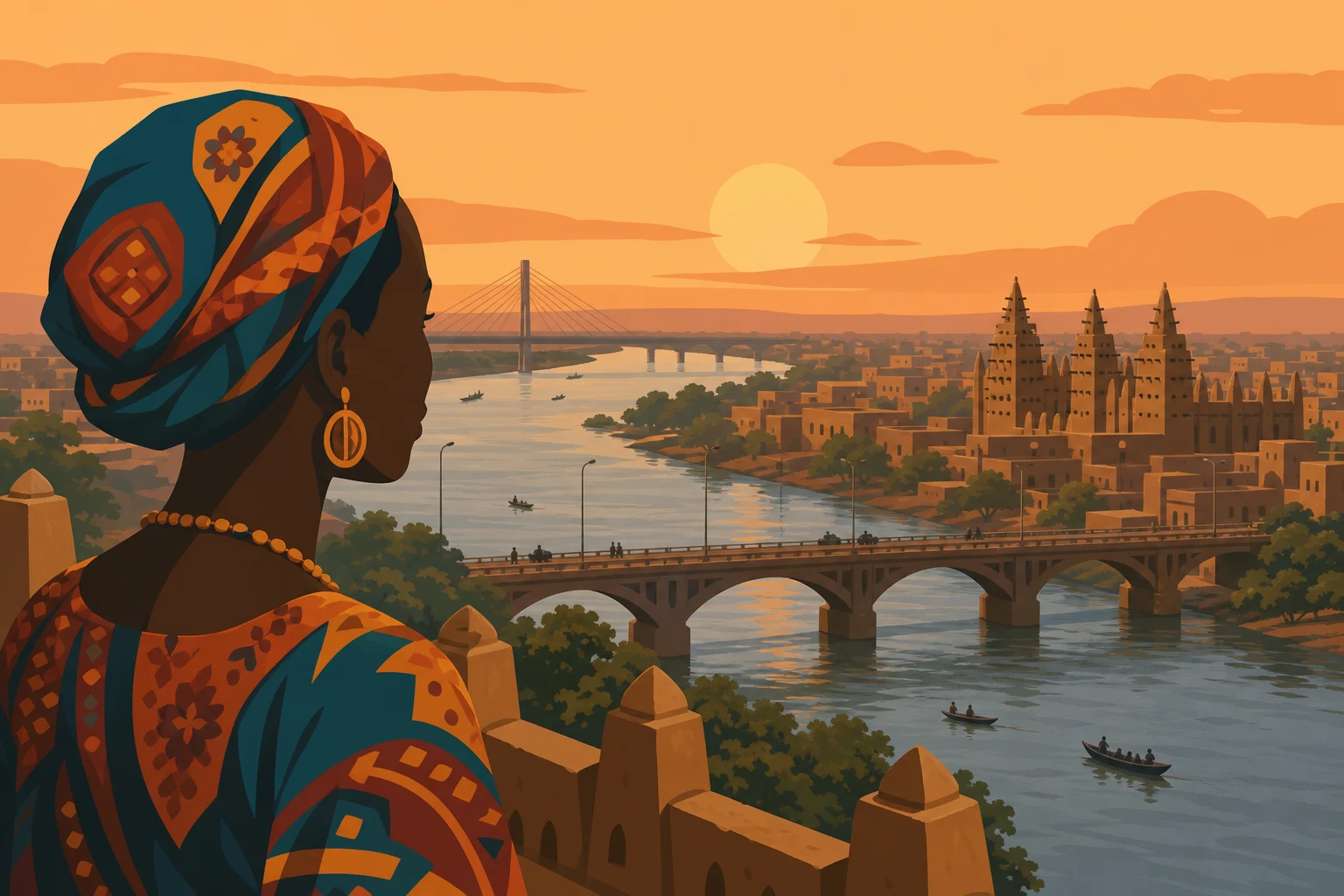
Bamako is the capital of Mali, straddling the Niger River in the southwestern part of the country. One of the fastest-growing cities in Africa, it is a major cultural hub and the gateway to the legendary cities of Timbuktu and Djenne.
Landmarks: National Museum of Mali, Bamako Grand Mosque, Point G Hill
Fun Facts
- Bamako's name means "crocodile river" in the Bambara language, and crocodiles can still be found in parts of the Niger River near the city.
- The city has grown explosively from 100,000 people in 1960 to over 4 million today, making it one of Africa's fastest-growing capitals.
- Mali was home to the medieval Mali Empire, one of the wealthiest in world history, and Bamako sits near its historic heartland.
Nouakchott
Mauritania
Population: 1.1 million
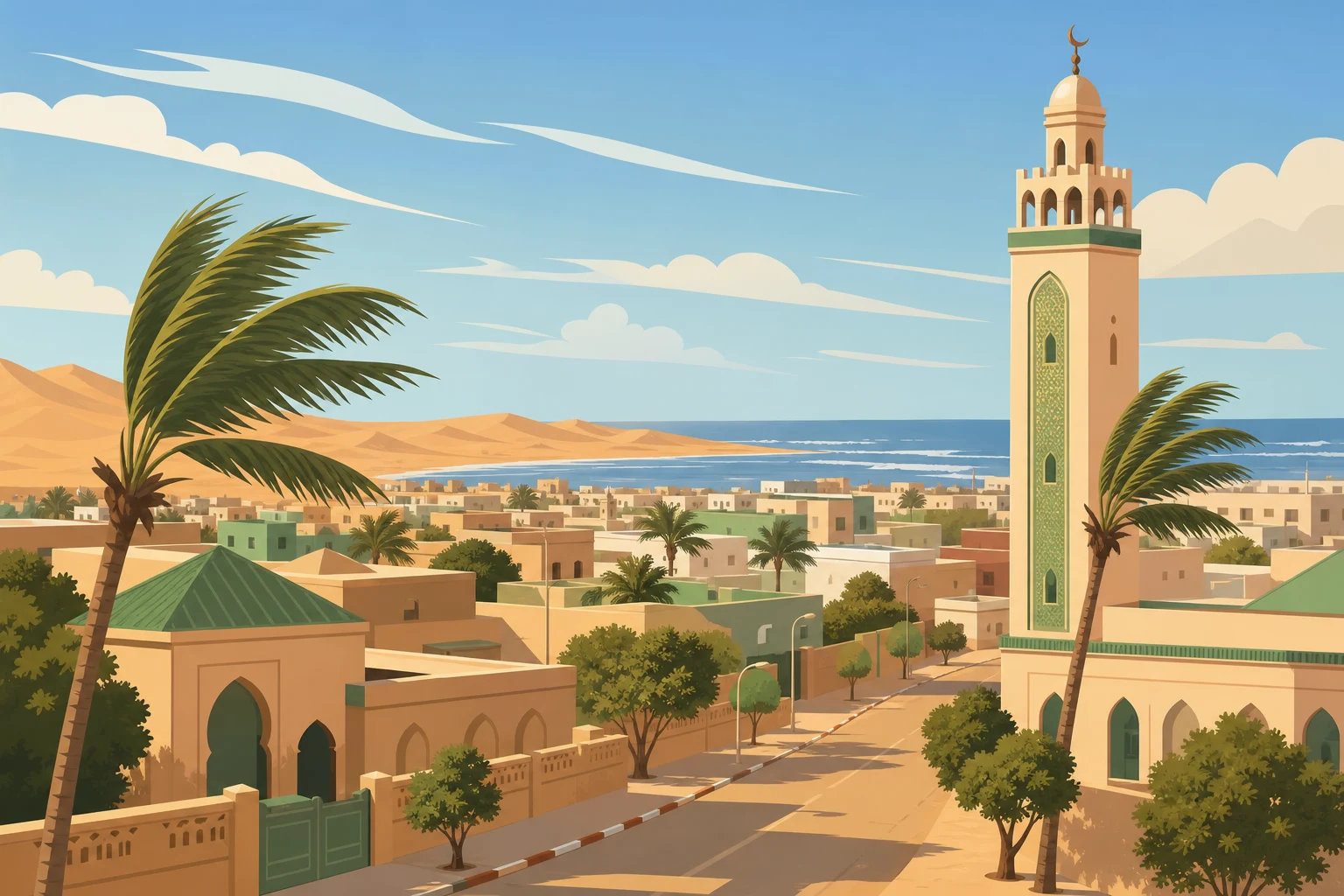
Nouakchott is the capital of Mauritania, located on the Atlantic coast in the western Sahara region. Built almost from scratch after independence in 1960, the city sits at the edge of the Sahara Desert and struggles with advancing sand dunes encroaching on its outskirts.
Landmarks: Saudi Mosque, Port de Peche, National Museum of Mauritania
Fun Facts
- Nouakchott was a tiny fishing village of only 200 people when it was chosen as the capital at independence in 1960.
- The city sits at the boundary between the Sahara Desert and the Sahel, and sand dune encroachment is a constant challenge.
- Nouakchott's fish market (Port de Peche) is one of the most vibrant in West Africa, with hundreds of colourful fishing boats landing daily.
Niamey
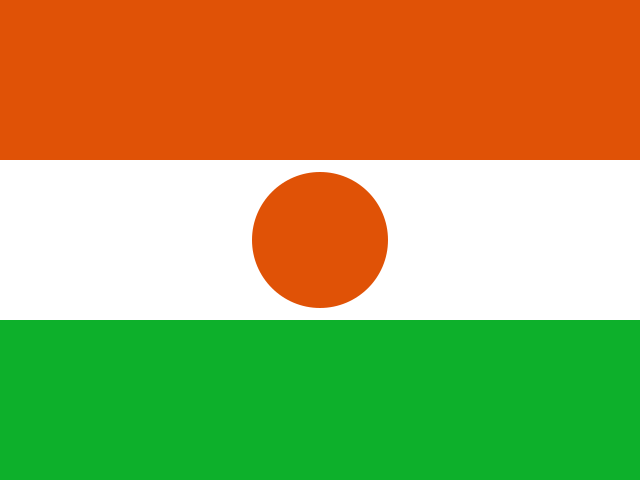
Niger
Population: 1.3 million
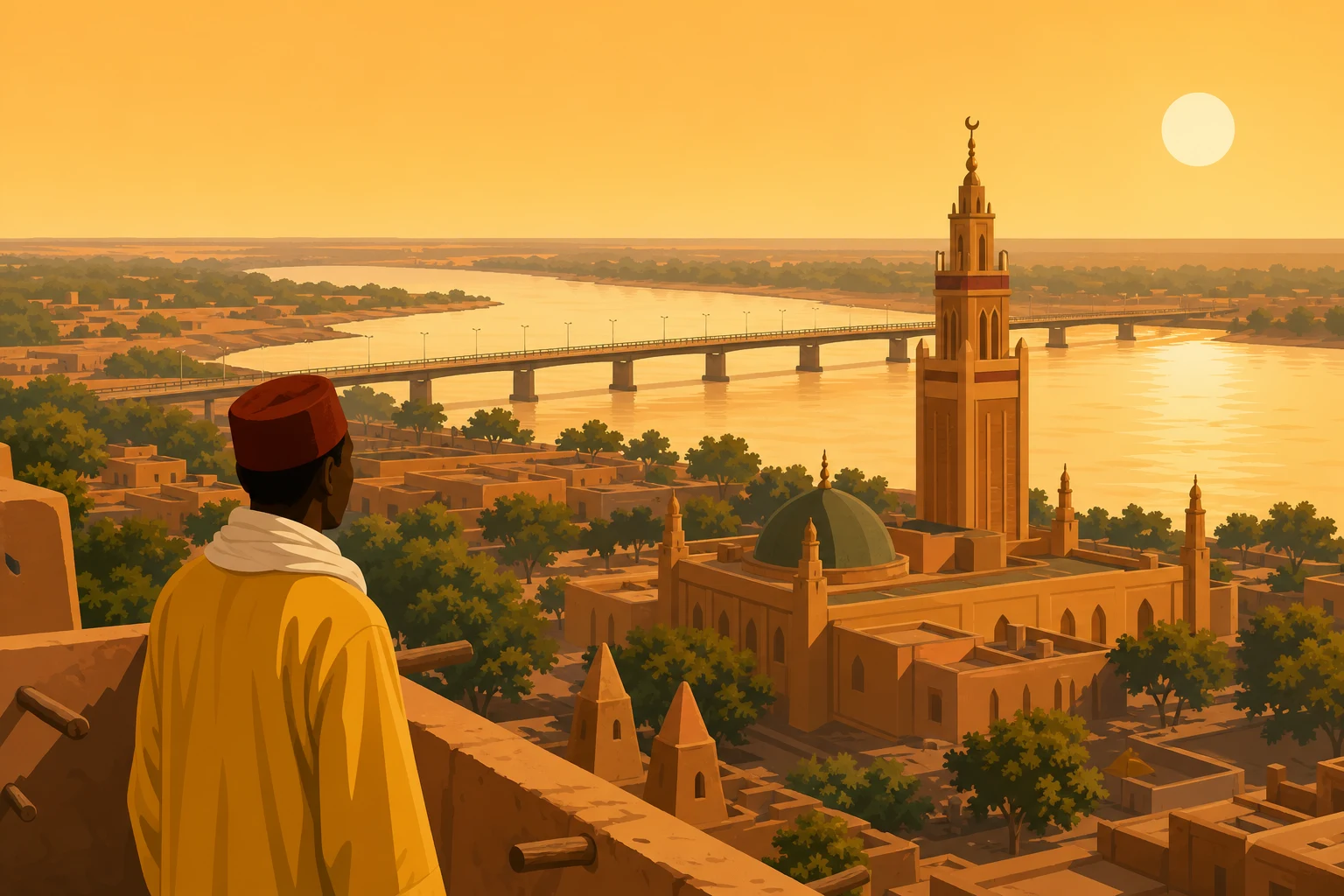
Niamey is the capital of Niger, situated on the banks of the Niger River in the southwestern corner of the country. The city is an oasis of relative greenery in the largely arid Sahel nation and serves as the country's administrative and economic centre.
Landmarks: Grand Mosque of Niamey, National Museum of Niger, Kennedy Bridge
Fun Facts
- The Niger River, from which both Niger and Nigeria take their names, flows through the centre of Niamey providing a vital water source in this semi-arid region.
- Niamey's Grand Mosque was funded by Libya's Muammar Gaddafi and features a distinctive minaret visible across the city.
- Niger consistently ranks among the hottest countries in the world, and Niamey regularly sees temperatures above 40°C (104°F).
Abuja
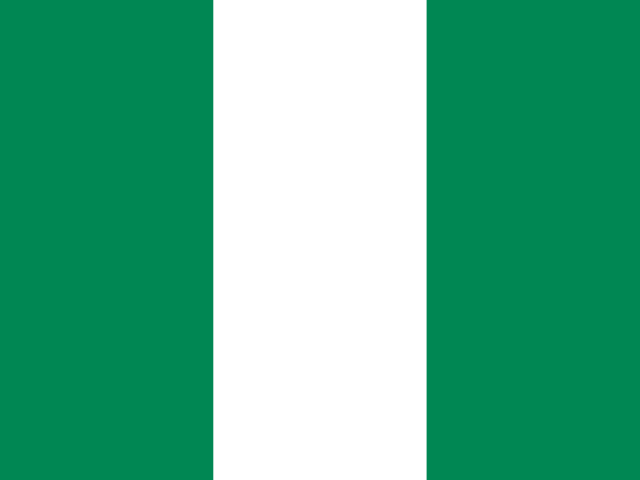
Nigeria
Population: 3.6 million
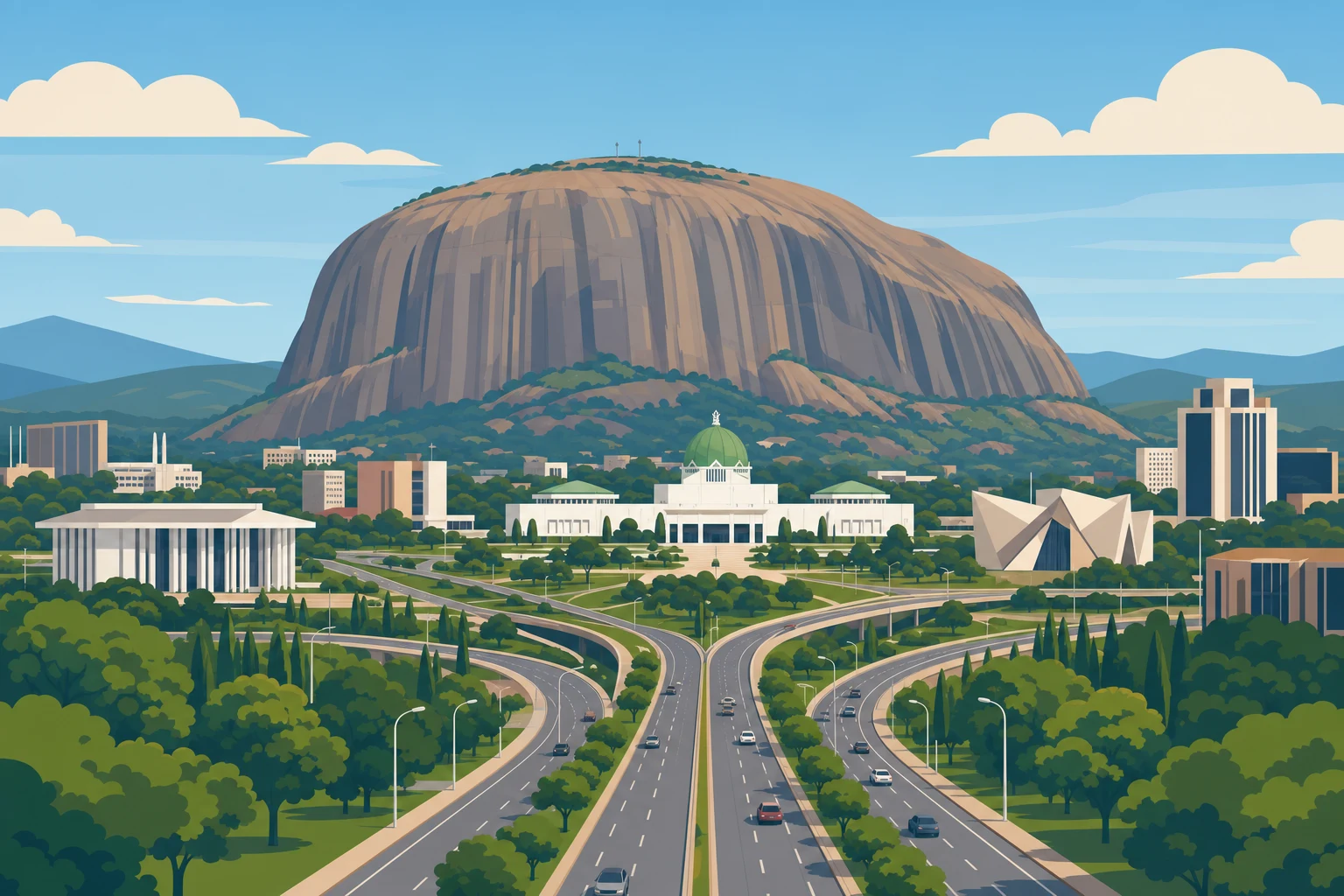
Abuja is the capital of Nigeria, a purpose-built city located in the geographic centre of the country. Replacing Lagos as the capital in 1991, Abuja was designed to be a neutral city free from the ethnic and religious tensions of Nigeria's larger commercial centres.
Landmarks: Aso Rock, Nigerian National Mosque, Nigerian National Christian Centre
Fun Facts
- Nigeria moved its capital from Lagos to Abuja in 1991 to create a neutral city in the centre of the country, away from ethnic and regional rivalries.
- Abuja was master-planned by Japanese architect Kenzo Tange and is one of the few planned capital cities in Africa.
- Aso Rock, a 400-metre monolith, dominates Abuja's skyline and gives its name to the Presidential Complex (Aso Villa) at its base.
Dakar
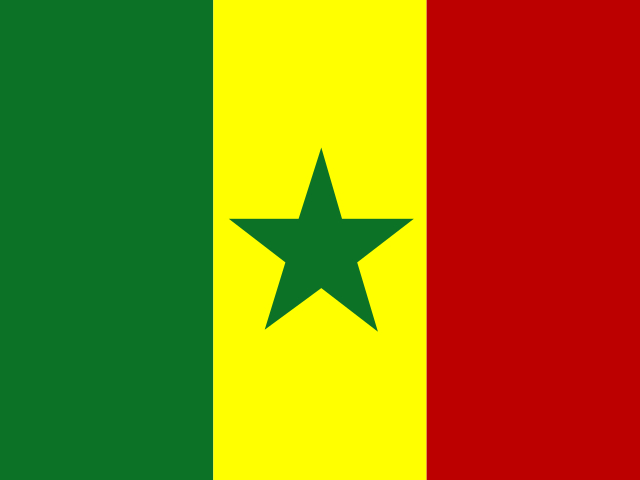
Senegal
Population: 1.2 million
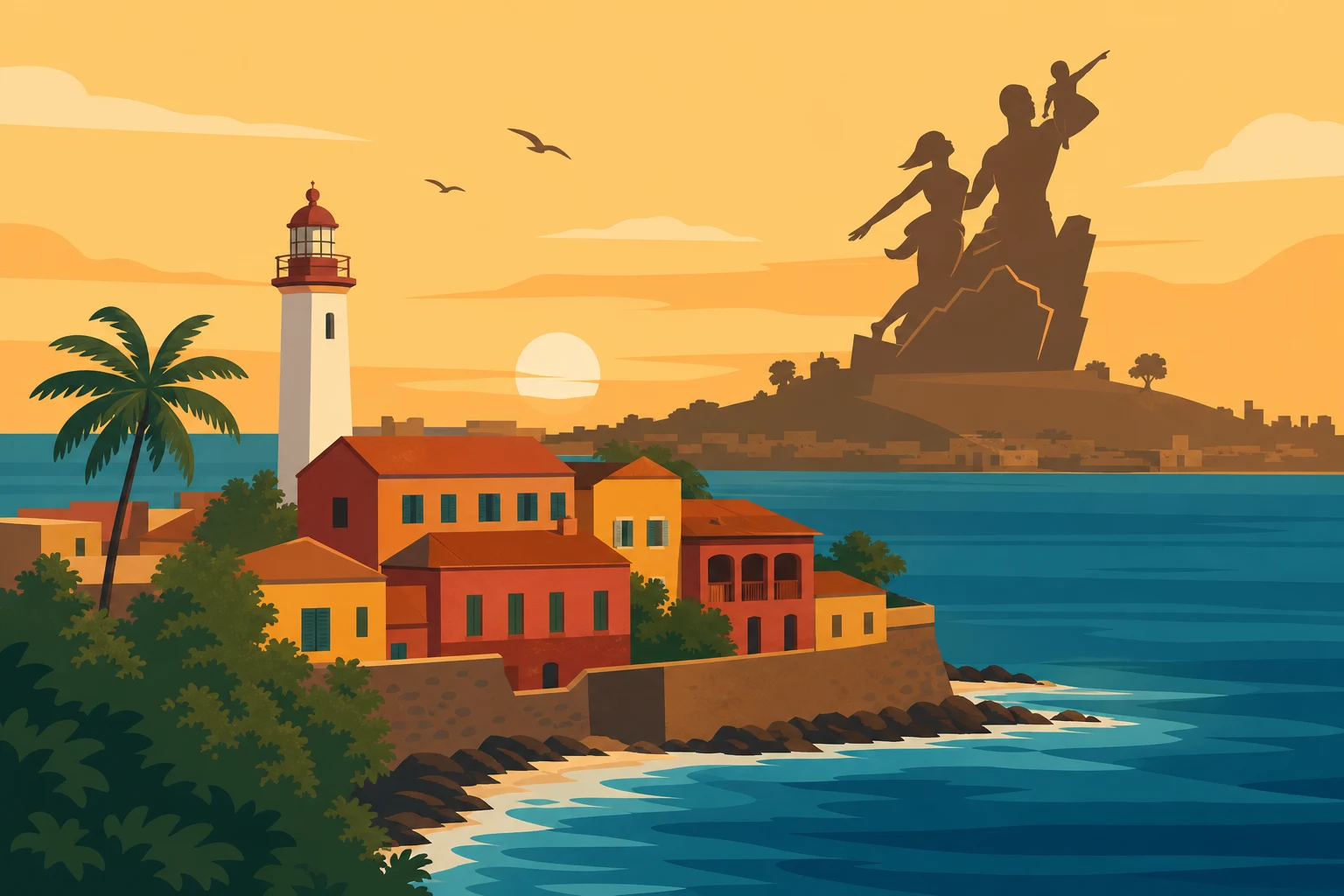
Dakar is the capital of Senegal, located on the Cap-Vert peninsula - the westernmost point of mainland Africa. The vibrant coastal city is a major port, cultural hub, and the economic engine of Senegal and the wider francophone West Africa region.
Landmarks: African Renaissance Monument, Goree Island, Grand Mosque of Dakar
Fun Facts
- Dakar sits on the westernmost point of mainland Africa, making it geographically closer to South America than any other African capital.
- The nearby island of Goree was one of the largest slave trading centres in Africa and is now a UNESCO World Heritage Site and memorial.
- The Dakar Rally, one of the world's most famous off-road races, was originally run from Paris to Dakar before relocating to South America for safety reasons.
Freetown
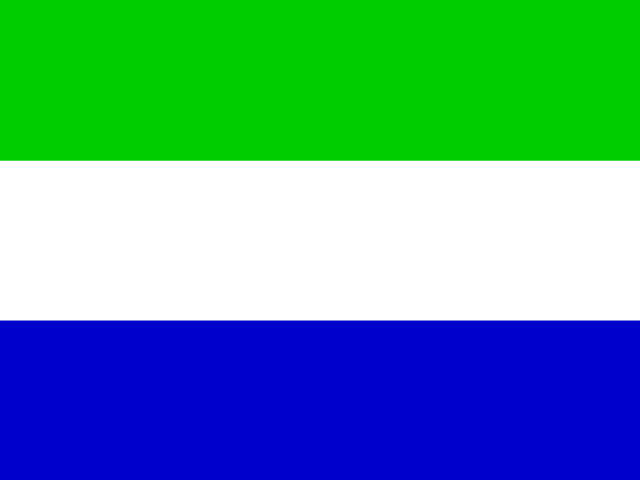
Sierra Leone
Population: 1.2 million
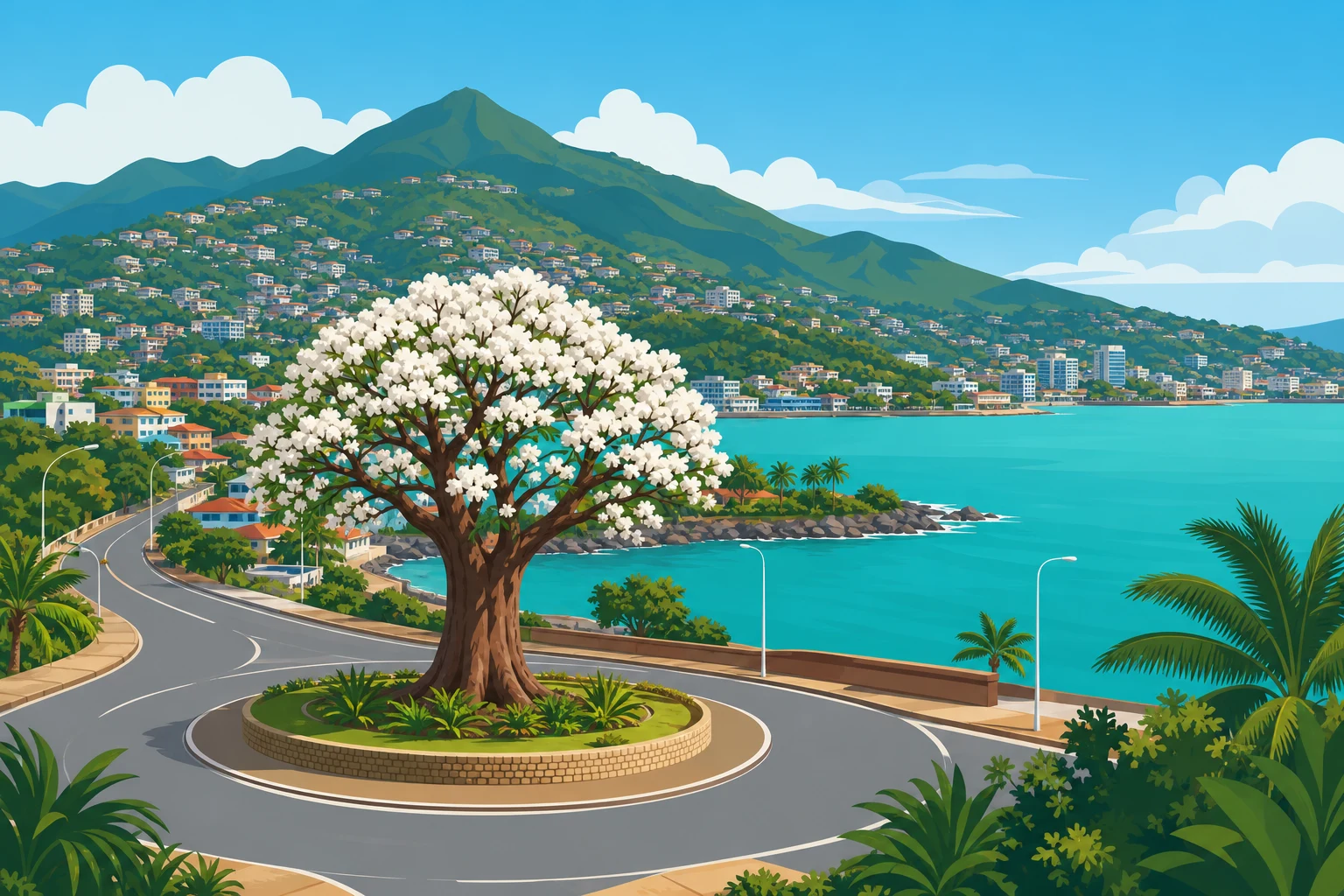
Freetown is the capital of Sierra Leone, located on the hilly Sierra Leone Peninsula along the Atlantic coast. Founded in 1792 as a settlement for freed slaves, the city's name reflects its origins as a haven for liberated Africans.
Landmarks: Cotton Tree, National Museum of Sierra Leone, King's Gate
Fun Facts
- Freetown was founded in 1792 by formerly enslaved African Americans who had been freed after fighting for the British in the American Revolution.
- The Cotton Tree in central Freetown is a massive old kapok tree where freed slaves reportedly prayed upon arrival - it stands as a national symbol.
- Sierra Leone means "Lion Mountains" in Portuguese, named for the shape of the hills surrounding Freetown's harbour.
Lomé
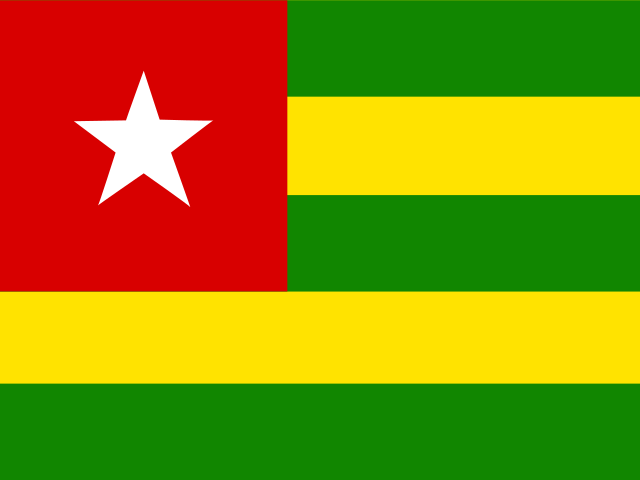
Togo
Population: 837,000
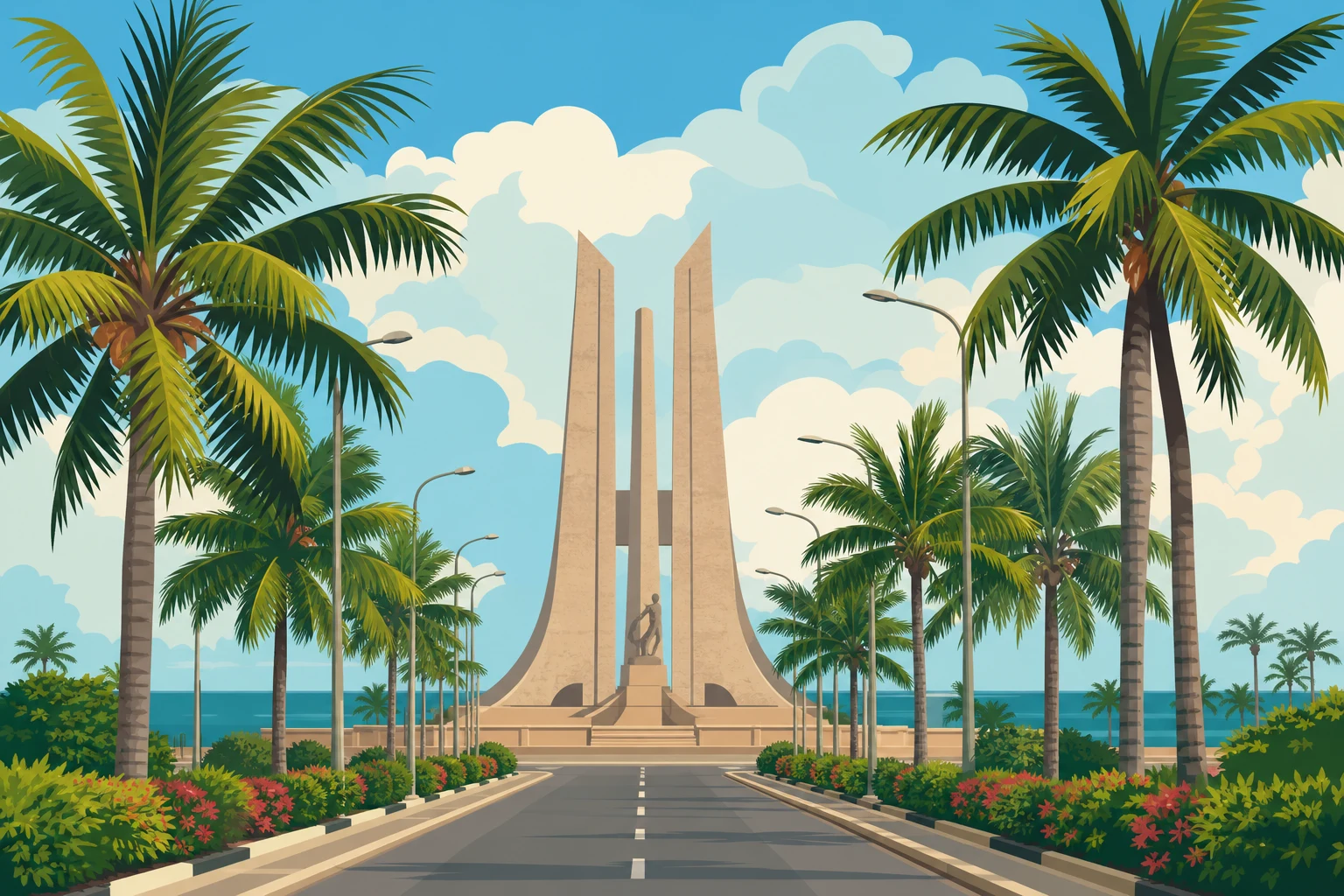
Lomé is the capital of Togo, located on the Gulf of Guinea directly on the border with Ghana. It is the only capital city in the world that sits directly on an international border, with the Ghanaian city of Aflao just steps away.
Landmarks: Grand Marche, Independence Monument, Lomé Cathedral
Fun Facts
- Lomé is the only capital city in the world situated directly on a land border with another country - you can walk from downtown to Ghana in minutes.
- The Grand Marche (Grand Market) in central Lomé is dominated by the famous "Nana Benz" - powerful women traders who built fortunes selling wax-print textiles.
- The Lomé Convention, an important trade agreement between the EU and African/Caribbean/Pacific nations, was signed here in 1975.
Quick Reference
Test Your Knowledge
How well do you know these capitals? Find out here.
Practice with Games
Ready to test what you learned? Jump into a game and put it into practice.
About West Africa Capitals
West Africa encompasses 16 diverse nations stretching from Mauritania in the northwest to Nigeria in the east, with capital cities that range from ancient trading centres to modern purpose-built cities. The region was home to powerful empires like Mali, Songhai, and the Ashanti Kingdom, and its capitals today reflect both that rich heritage and the colonial legacy of French, British, and Portuguese rule. Several West African countries have relocated their capitals - Nigeria moved from Lagos to Abuja in 1991, while Côte d'Ivoire designated Yamoussoukro over Abidjan in 1983 - creating a fascinating mix of historic ports and planned inland cities.
Frequently Asked Questions
Why is Abuja the capital of Nigeria instead of Lagos?
Nigeria moved its capital from Lagos to Abuja in 1991. Abuja was chosen for its central location, to move the capital away from the dominance of any single ethnic group, and to relieve Lagos's severe overcrowding. Lagos remains Nigeria's largest city and economic centre.
What is the capital of Côte d'Ivoire?
Yamoussoukro is the official political capital of Côte d'Ivoire, designated in 1983. However, Abidjan remains the de facto capital and economic hub, with most government ministries and all foreign embassies still located there.
Which West African capital sits directly on an international border?
Lomé, the capital of Togo, is the only capital city in the world that sits directly on a land border with another country. The Ghana-Togo border runs along the western edge of the city.