Centraleuropas huvudstäder
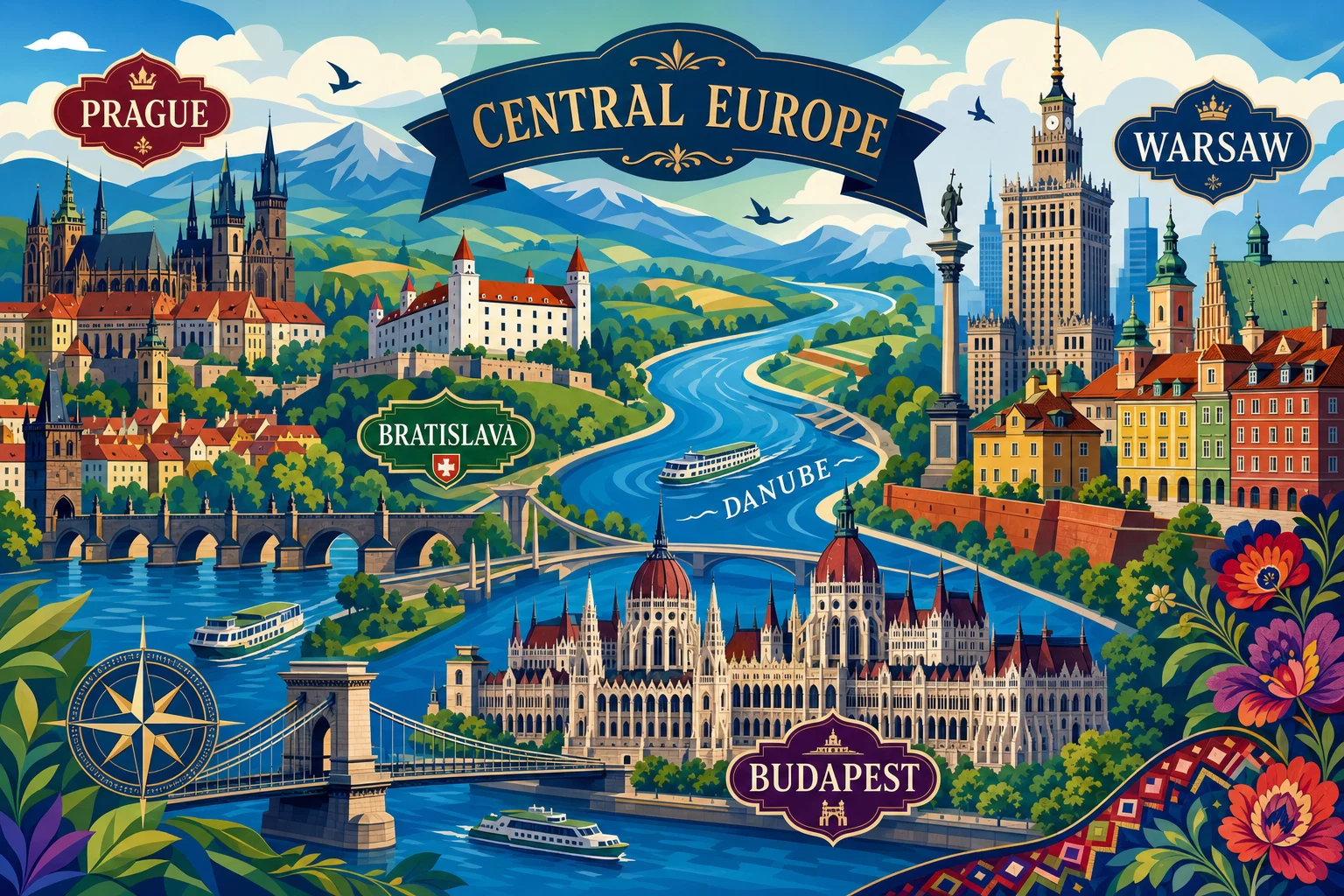
Donau och mitt i Europa för samman historia av imperier, befrielse och europeisk integration - dessa huvudstäder är kärnan i många resvägar.
Studera huvudstäderna
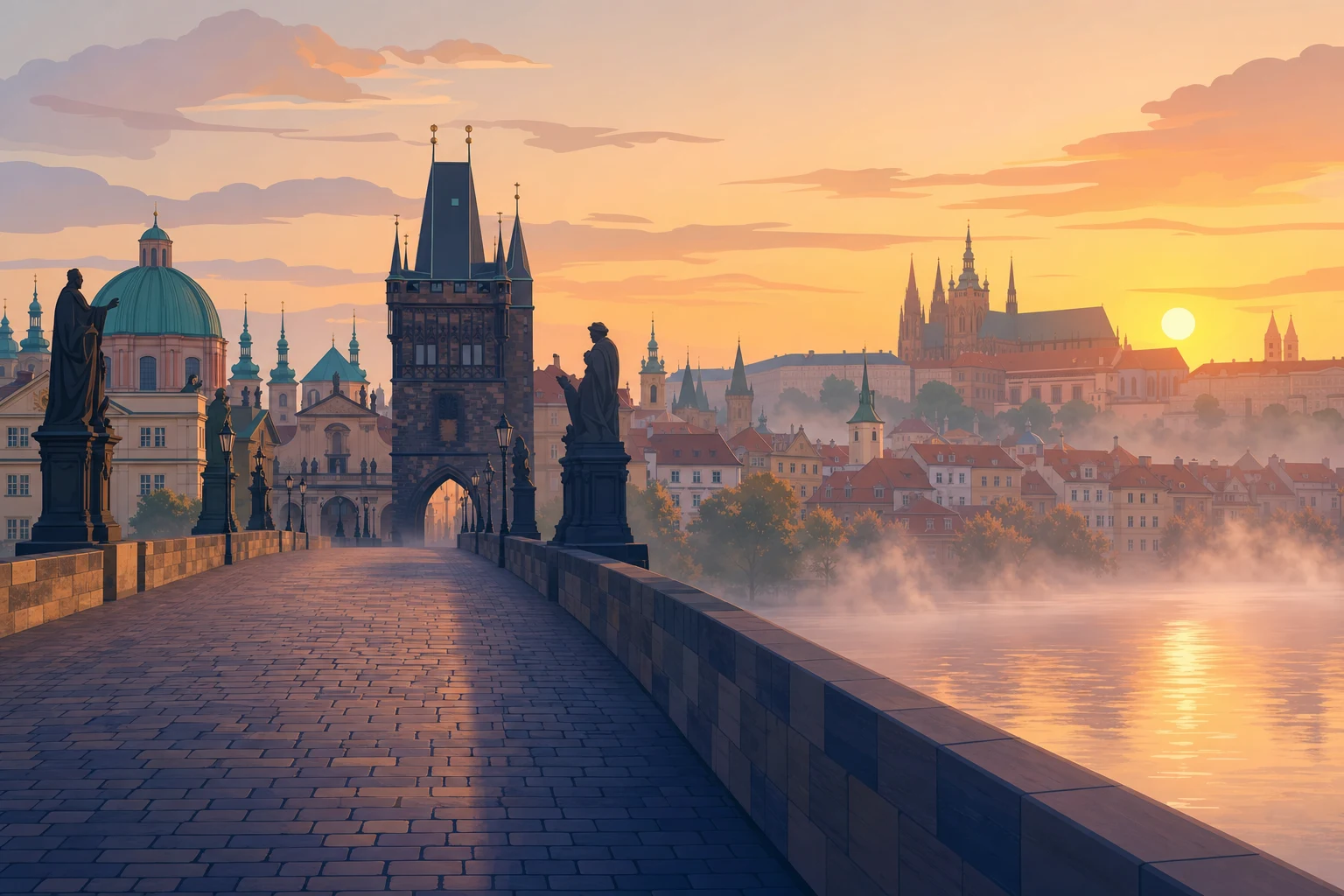
Prague
Czechia
Befolkning: 1.3 million
Prague is known as the "City of a Hundred Spires" for its remarkable skyline of Gothic, Baroque, and Renaissance architecture. Straddling the Vltava River, it is one of Europe's best-preserved medieval cities and a UNESCO World Heritage Site.
Landmärken: Prague Castle, Charles Bridge, Old Town Square Astronomical Clock
Roliga fakta
- Prague Castle is the largest ancient castle complex in the world, covering over 70,000 square metres.
- The Prague Astronomical Clock, installed in 1410, is the third-oldest astronomical clock in the world and the oldest still in operation.
- Czechia has the highest beer consumption per capita in the world, and Prague is home to some of the oldest breweries in Europe.
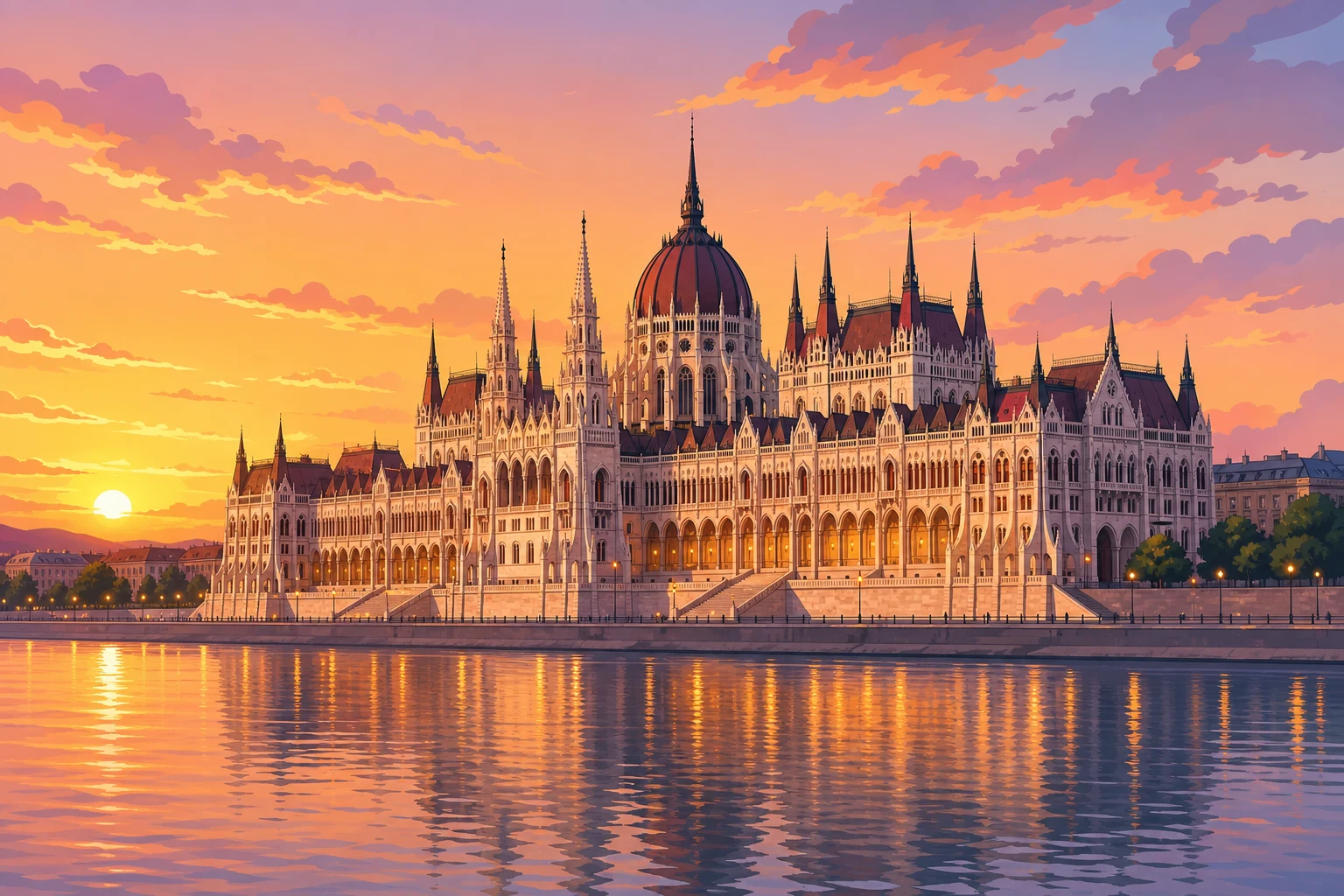
Budapest
Ungern
Befolkning: 1.8 million
Budapest was formed in 1873 by uniting three cities: Buda, Óbuda, and Pest. Split by the Danube River, the capital is famous for its thermal baths, ruin bars, and grand Parliament building that dominates the riverbank.
Landmärken: Hungarian Parliament Building, Széchenyi Thermal Bath, Buda Castle
Roliga fakta
- Budapest has the largest thermal water cave system in the world and over 120 natural hot springs feeding its famous bathhouses.
- The Hungarian Parliament Building has 691 rooms, 20 km of stairs, and took 17 years to build.
- Budapest's metro Line 1, opened in 1896, is the second-oldest underground railway in mainland Europe after Istanbul's Tünel.
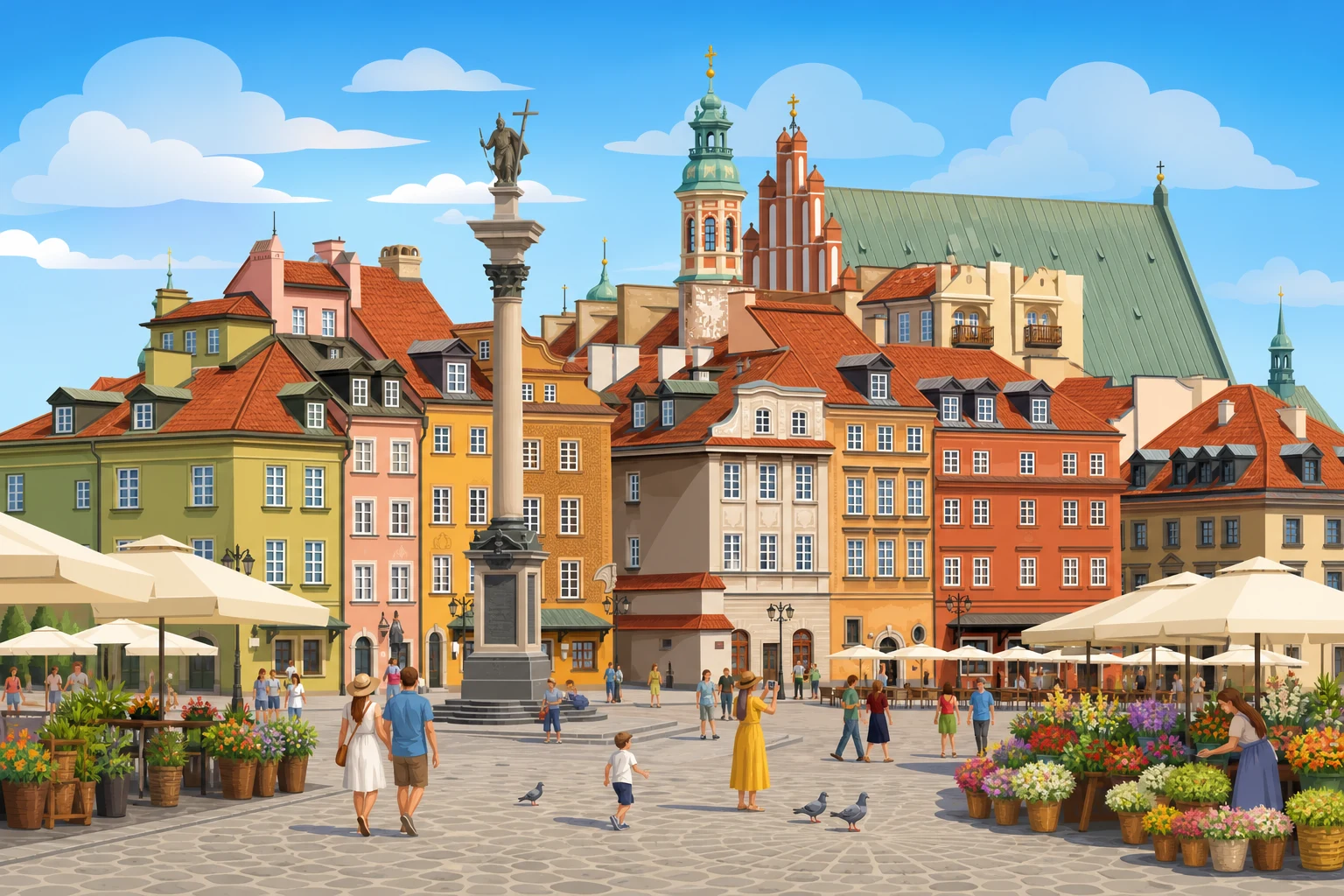
Warsaw
Polen
Befolkning: 1.9 million
Warsaw is a city of resilience - nearly 85% of it was destroyed during World War II, yet it was meticulously rebuilt. Today it is a dynamic capital combining painstakingly reconstructed historic districts with bold modern architecture.
Landmärken: Old Town Market Place, Palace of Culture and Science, Royal Łazienki Park
Roliga fakta
- Warsaw's Old Town was reconstructed so faithfully after WWII destruction that UNESCO granted it World Heritage status for the reconstruction effort itself.
- The Palace of Culture and Science, a gift from the Soviet Union in 1955, remains the tallest building in Poland at 237 metres.
- Warsaw is named after a fisherman named Wars and a mermaid named Sawa, according to local legend - a mermaid is the city's official symbol.
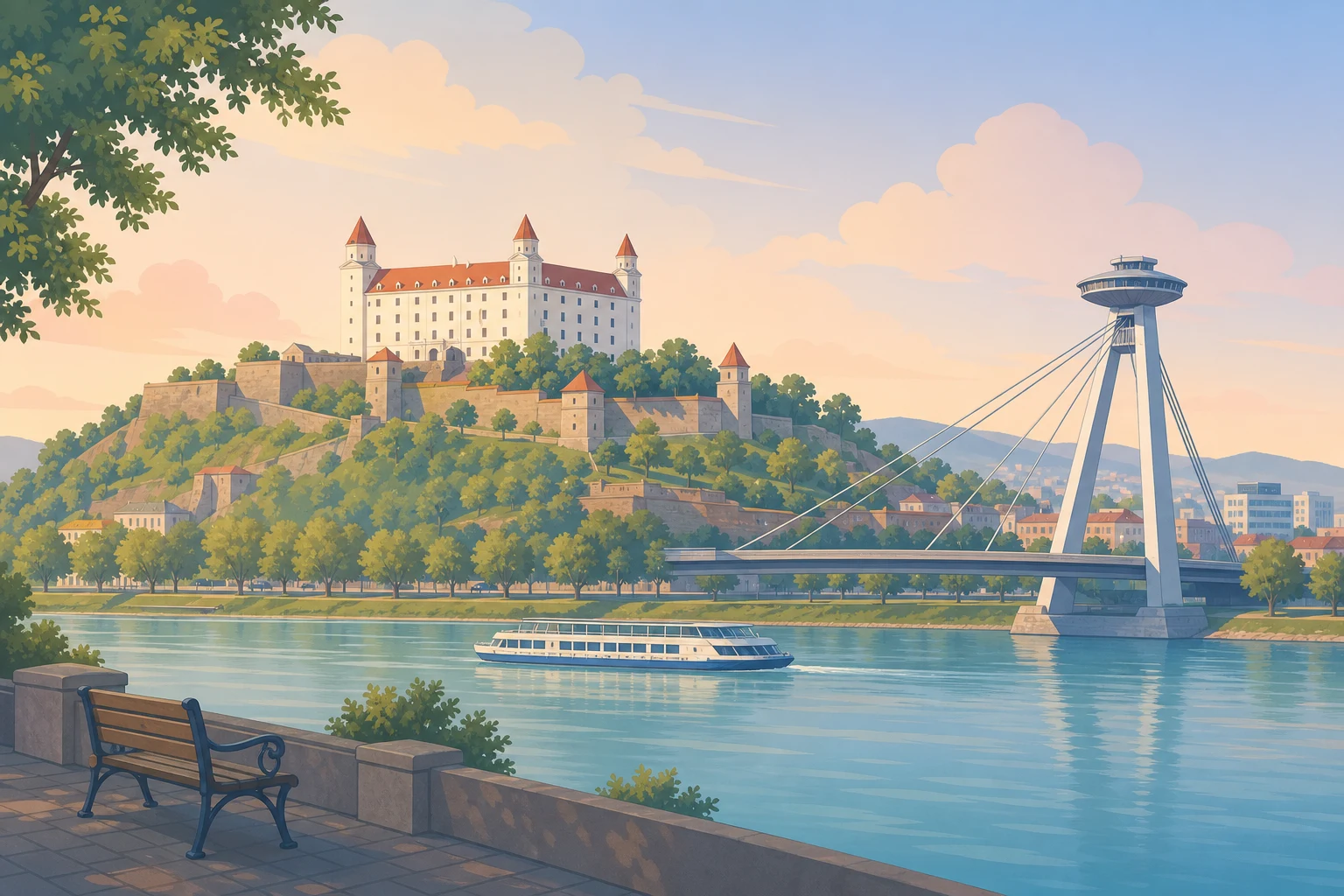
Bratislava
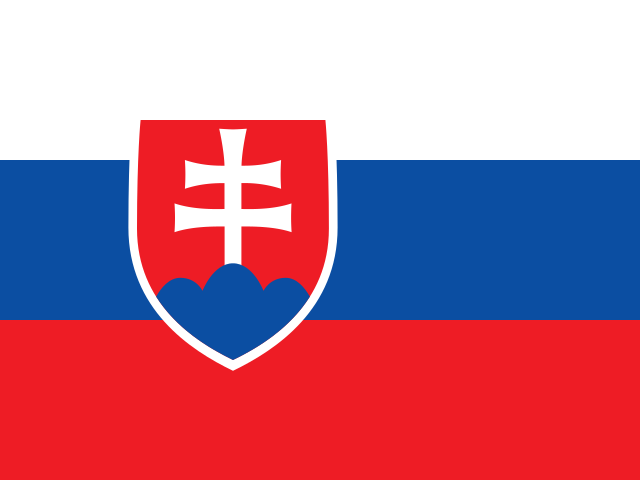
Slovakien
Befolkning: 475,000
Bratislava sits on the Danube River at the crossroads of Austria, Hungary, and Slovakia. It is one of the few national capitals that borders two other countries and features a charming pedestrian old town beneath a hilltop castle.
Landmärken: Bratislava Castle, St. Martin's Cathedral, Michael's Gate
Roliga fakta
- Bratislava is the only national capital that borders two other countries - Austria and Hungary.
- From 1536 to 1783, Bratislava served as the coronation city of the Kingdom of Hungary, crowning 11 kings and 8 queens.
- The city was once known by three names simultaneously: Pressburg (German), Pozsony (Hungarian), and Prešporok (Slovak).
Snabböversikt
Testa dina kunskaper
Hur väl känner du till dessa huvudstäder? Testa dig här.
Öva med spel
Redo att testa det du lärt dig? Hoppa in i ett spel och sätt det i praktiken.
Om Centraleuropas huvudstäder
Fyra stadskärnor ger hög densitet av arkitektur och historia utan den massiva listan för hela Europa.
Vanliga frågor
Vilka länder täcks?
Tjeckien, Slovakien, Ungern och Polen i denna lektion.
Svår?
Medel - färre länder än hela Europa men mer fakta än miniblock.
Nästa steg?
Europa eller Benelux.