Central Europe Capitals
Explore the capital cities of Central Europe - four nations united by shared history, stunning architecture, and vibrant cultures that have shaped the heart of the continent for centuries.
Study the Capitals
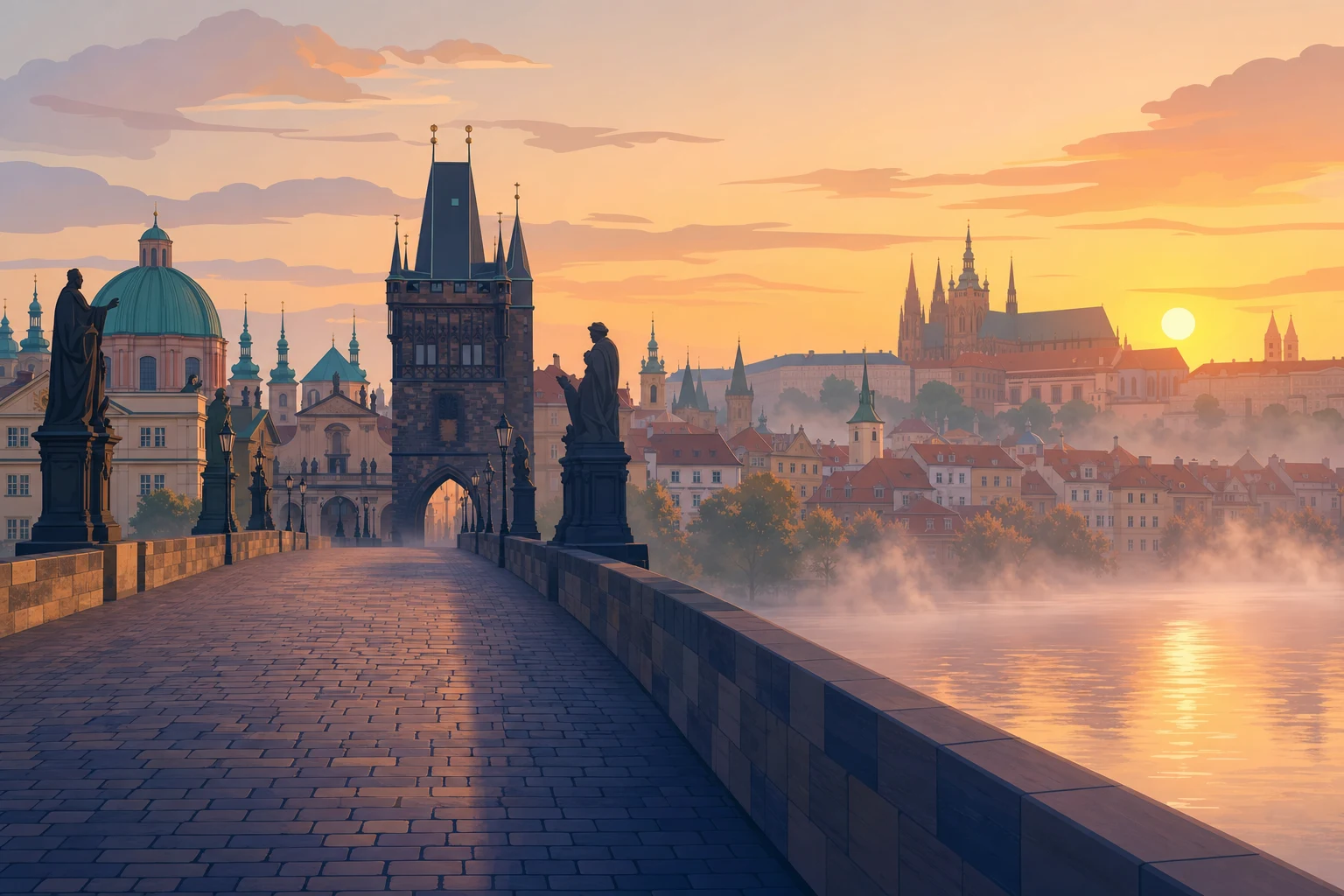
Prague
Czechia
Population: 1.3 million
Prague is known as the "City of a Hundred Spires" for its remarkable skyline of Gothic, Baroque, and Renaissance architecture. Straddling the Vltava River, it is one of Europe's best-preserved medieval cities and a UNESCO World Heritage Site.
Landmarks: Prague Castle, Charles Bridge, Old Town Square Astronomical Clock
Fun Facts
- Prague Castle is the largest ancient castle complex in the world, covering over 70,000 square metres.
- The Prague Astronomical Clock, installed in 1410, is the third-oldest astronomical clock in the world and the oldest still in operation.
- Czechia has the highest beer consumption per capita in the world, and Prague is home to some of the oldest breweries in Europe.
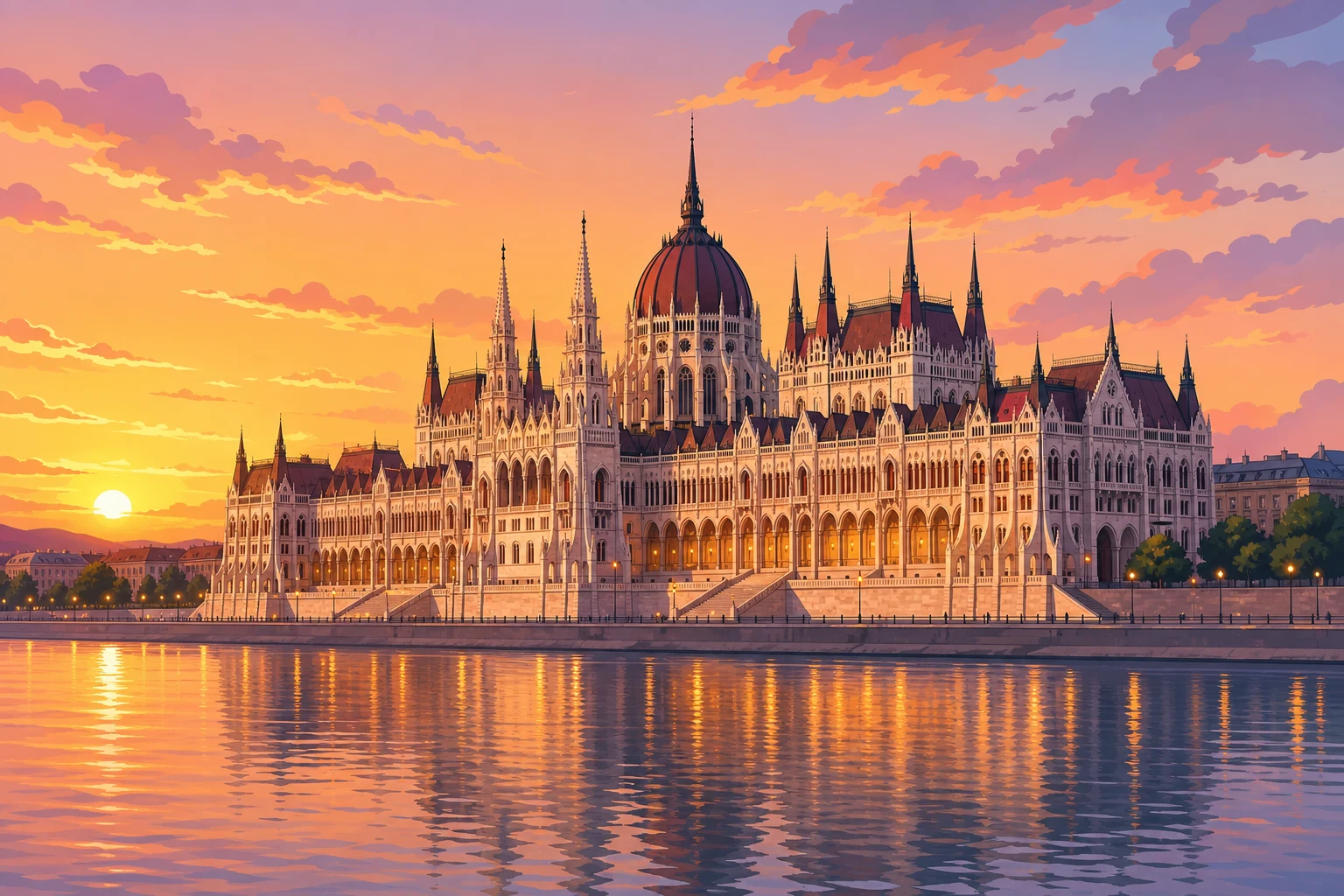
Budapest
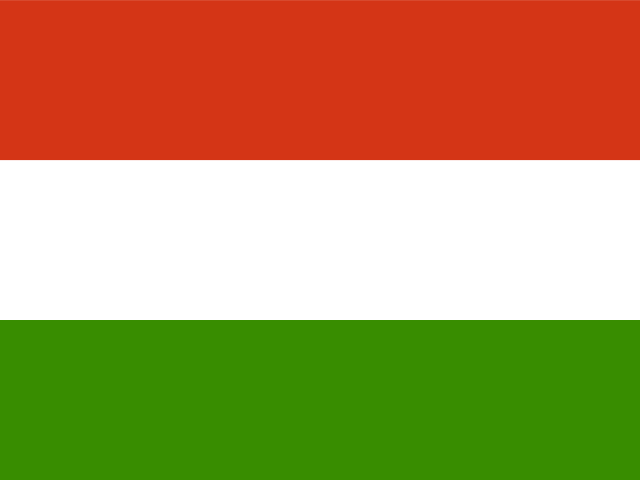
Hungary
Population: 1.8 million
Budapest was formed in 1873 by uniting three cities: Buda, Óbuda, and Pest. Split by the Danube River, the capital is famous for its thermal baths, ruin bars, and grand Parliament building that dominates the riverbank.
Landmarks: Hungarian Parliament Building, Széchenyi Thermal Bath, Buda Castle
Fun Facts
- Budapest has the largest thermal water cave system in the world and over 120 natural hot springs feeding its famous bathhouses.
- The Hungarian Parliament Building has 691 rooms, 20 km of stairs, and took 17 years to build.
- Budapest's metro Line 1, opened in 1896, is the second-oldest underground railway in mainland Europe after Istanbul's Tünel.
Warsaw
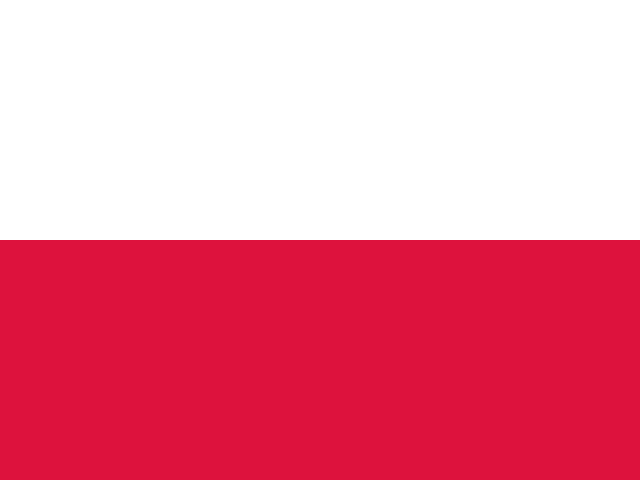
Poland
Population: 1.9 million
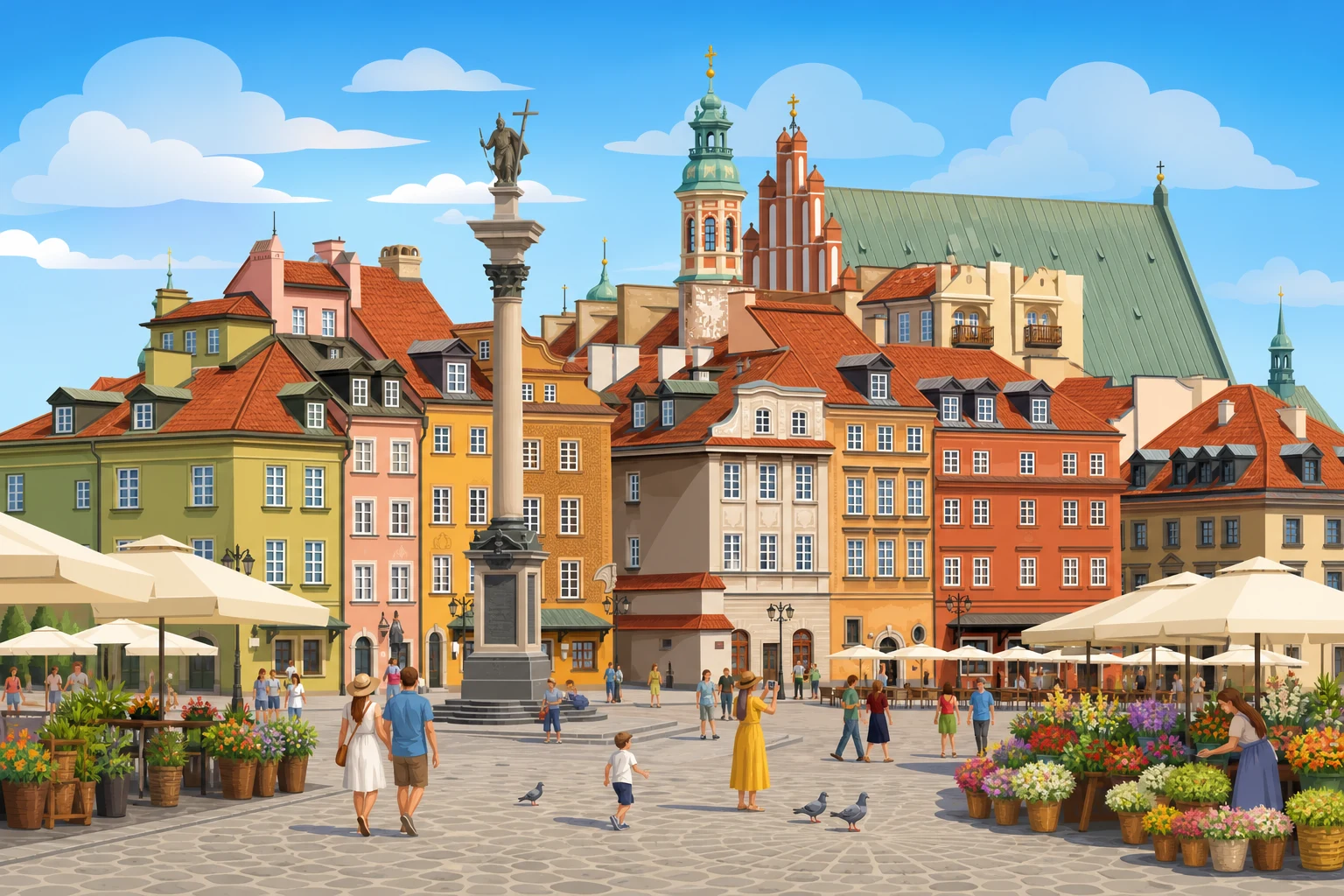
Warsaw is a city of resilience - nearly 85% of it was destroyed during World War II, yet it was meticulously rebuilt. Today it is a dynamic capital combining painstakingly reconstructed historic districts with bold modern architecture.
Landmarks: Old Town Market Place, Palace of Culture and Science, Royal Łazienki Park
Fun Facts
- Warsaw's Old Town was reconstructed so faithfully after WWII destruction that UNESCO granted it World Heritage status for the reconstruction effort itself.
- The Palace of Culture and Science, a gift from the Soviet Union in 1955, remains the tallest building in Poland at 237 metres.
- Warsaw is named after a fisherman named Wars and a mermaid named Sawa, according to local legend - a mermaid is the city's official symbol.
Bratislava
Slovakia
Population: 475,000
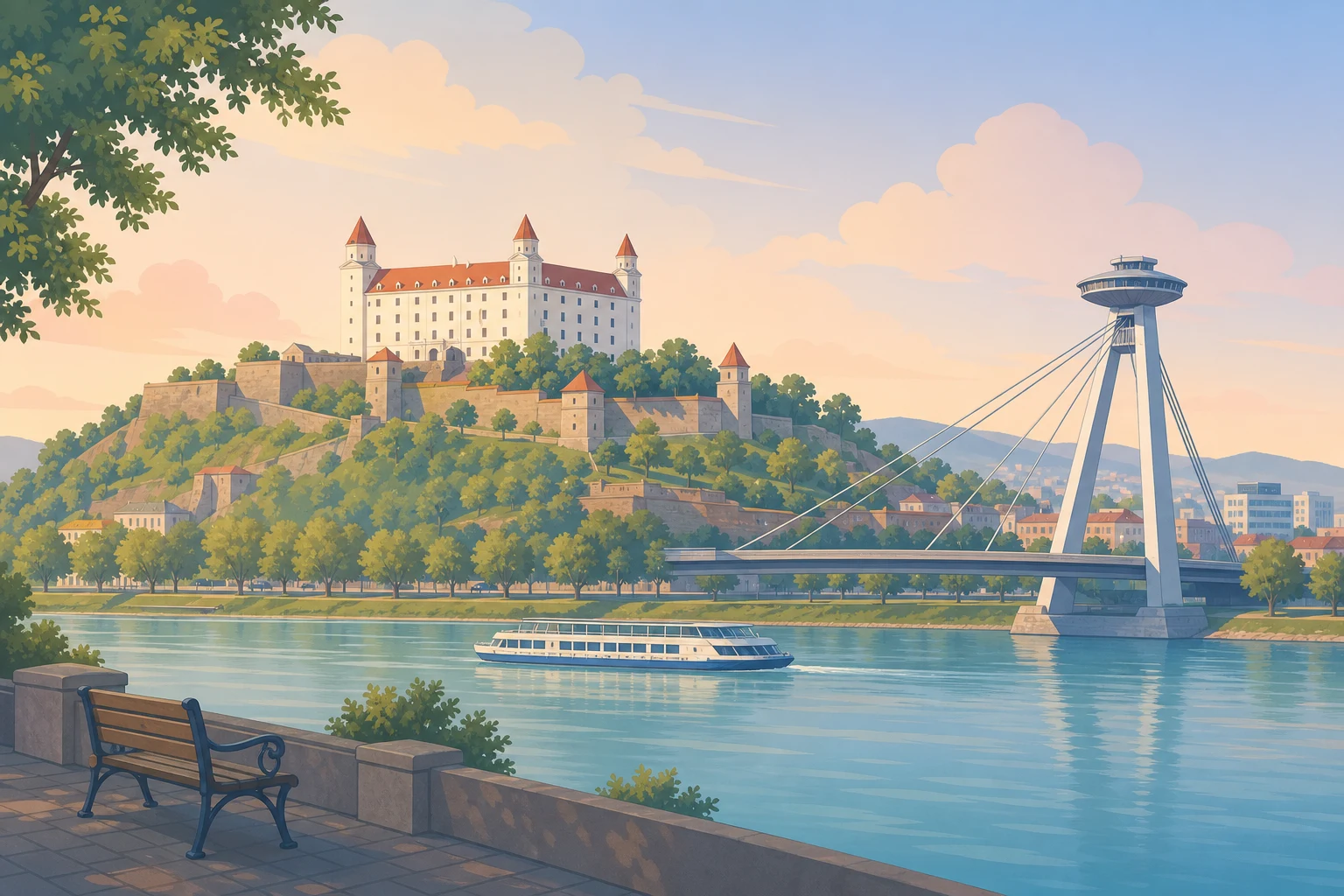
Bratislava sits on the Danube River at the crossroads of Austria, Hungary, and Slovakia. It is one of the few national capitals that borders two other countries and features a charming pedestrian old town beneath a hilltop castle.
Landmarks: Bratislava Castle, St. Martin's Cathedral, Michael's Gate
Fun Facts
- Bratislava is the only national capital that borders two other countries - Austria and Hungary.
- From 1536 to 1783, Bratislava served as the coronation city of the Kingdom of Hungary, crowning 11 kings and 8 queens.
- The city was once known by three names simultaneously: Pressburg (German), Pozsony (Hungarian), and Prešporok (Slovak).
Quick Reference
Test Your Knowledge
How well do you know these capitals? Find out here.
Practice with Games
Ready to test what you learned? Jump into a game and put it into practice.
About Central Europe Capitals
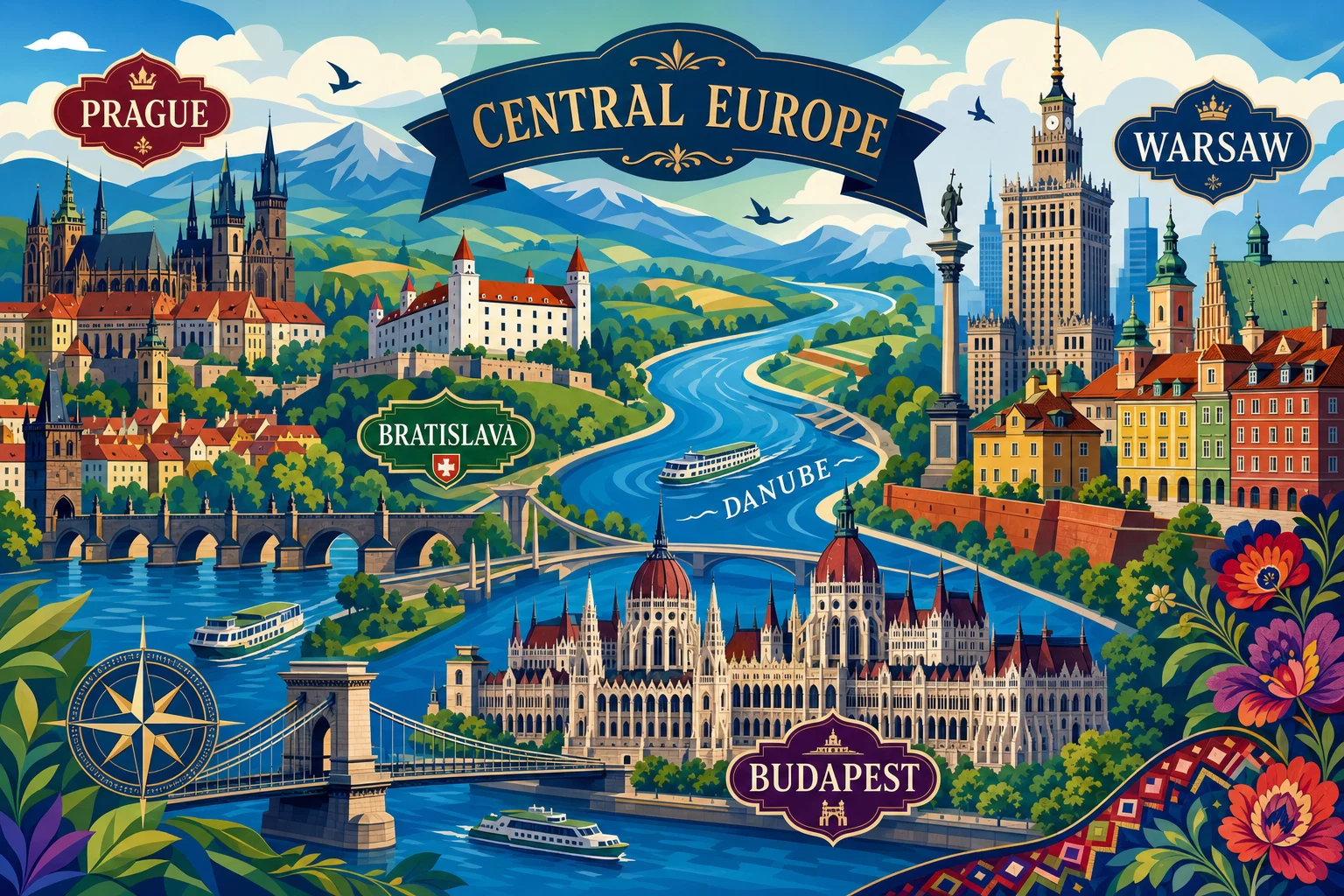
Central Europe encompasses nations that have been at the crossroads of empires for centuries - from the Habsburg monarchy to the Soviet bloc and into the modern European Union. Prague, Budapest, Warsaw, and Bratislava each tell stories of cultural richness, wartime resilience, and post-communist transformation. These four capitals sit along or near the Danube and Vistula rivers, and all joined the EU in 2004, marking a new chapter in their shared history. Understanding these capitals provides essential context for European geography, politics, and culture.
Frequently Asked Questions
What is the largest capital city in Central Europe?
Warsaw, the capital of Poland, is the largest with a metropolitan population of around 1.9 million people. Budapest follows closely with approximately 1.8 million.
Which Central European capital is split by the Danube River?
Budapest is famously divided by the Danube into Buda on the west bank and Pest on the east bank. Bratislava also sits on the Danube but is primarily on one side.
Is Czechia the same as the Czech Republic?
Yes. Czechia is the official short-form name adopted in 2016, while Czech Republic remains the formal political name. Both refer to the same country with Prague as its capital.