Baltic States Capitals
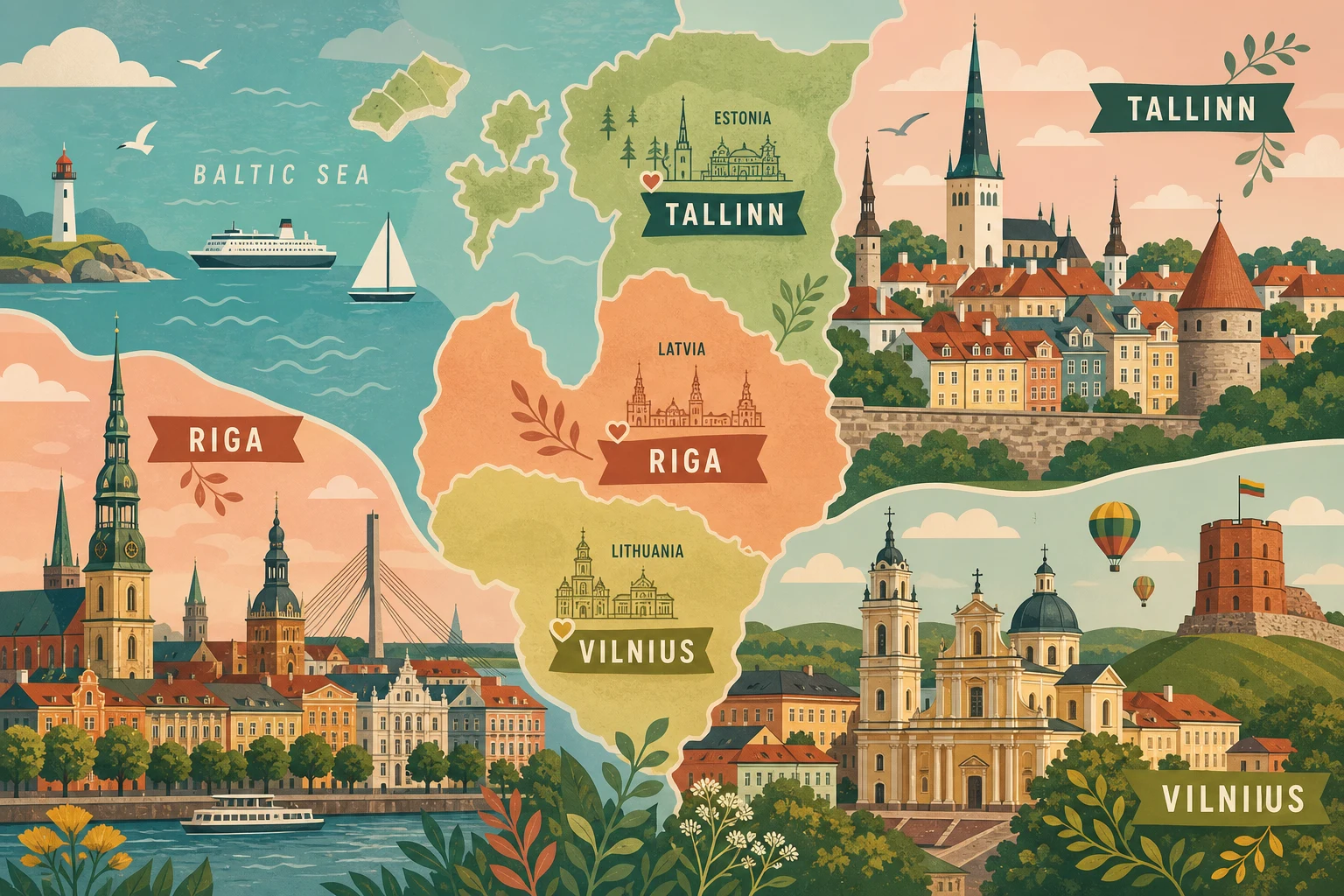
The Baltic states - Estonia, Latvia, and Lithuania - are three nations on the eastern shore of the Baltic Sea that regained independence from the Soviet Union in 1991. Their capitals are among Europe's best-preserved medieval cities, each boasting UNESCO-listed old towns, vibrant cultural scenes, and a fascinating blend of Nordic, Germanic, and Eastern European influences.
Study the Capitals
Tallinn

Estonia
Population: 450,000
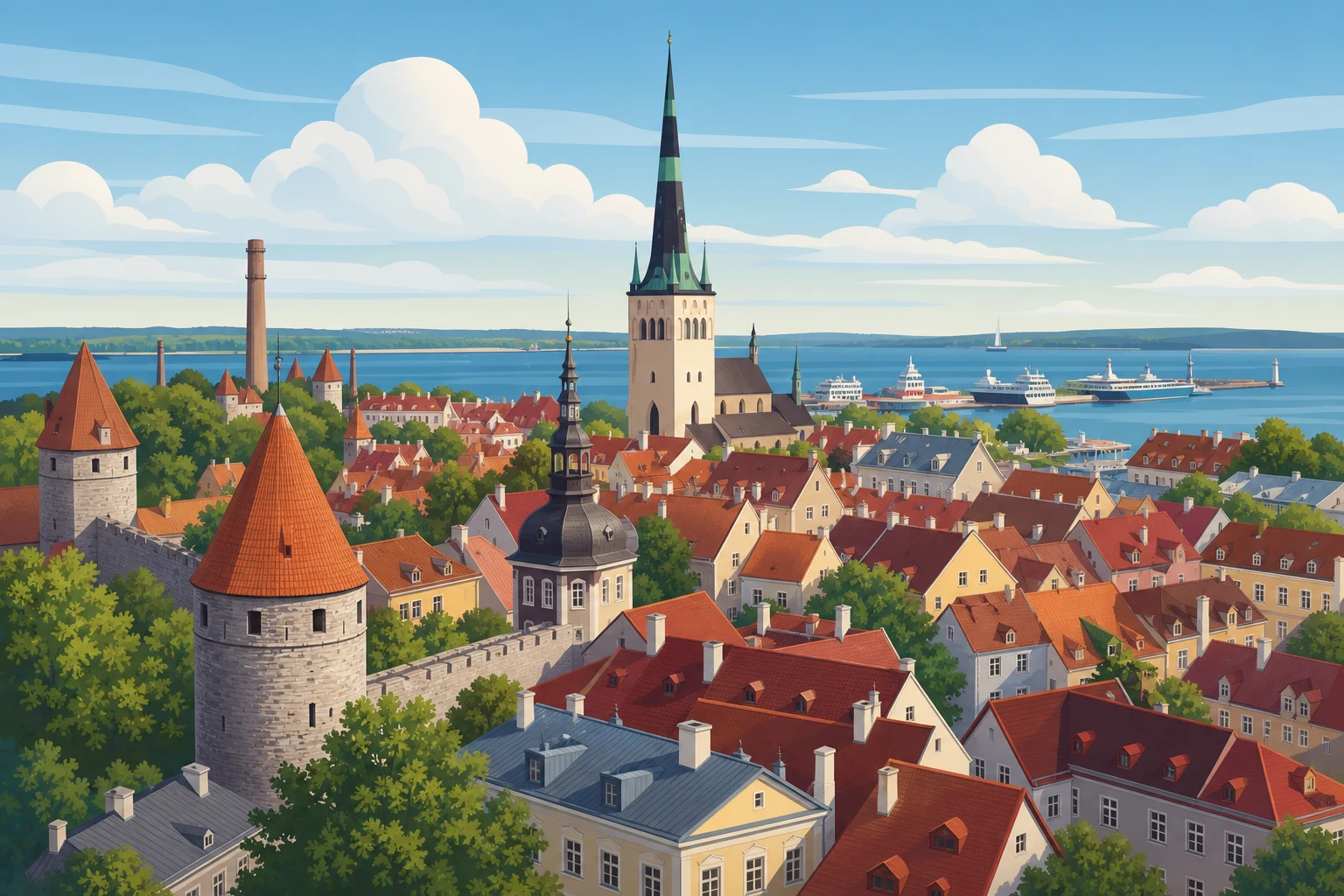
Tallinn is situated on the southern coast of the Gulf of Finland, directly across from Helsinki (only 80 km away). The city's remarkably well-preserved medieval old town dates back to the 13th century, when it was a key trading post in the Hanseatic League. Today Tallinn is known as one of Europe's most digitally advanced capitals - Estonia pioneered e-governance, e-residency, and digital voting.
Landmarks: Tallinn Old Town (UNESCO World Heritage Site), Alexander Nevsky Cathedral, Toompea Castle
Fun Facts
- Tallinn's Old Town is one of the best-preserved medieval cities in Europe, with intact 13th-century city walls, cobblestone streets, and Gothic architecture.
- Estonia is the world's most digitally advanced society - 99% of government services are available online, and Tallinn is home to the birthplace of Skype.
- Tallinn's Town Hall, built in 1404, is the only surviving Gothic town hall in Northern Europe.
Riga
Latvia
Population: 615,000
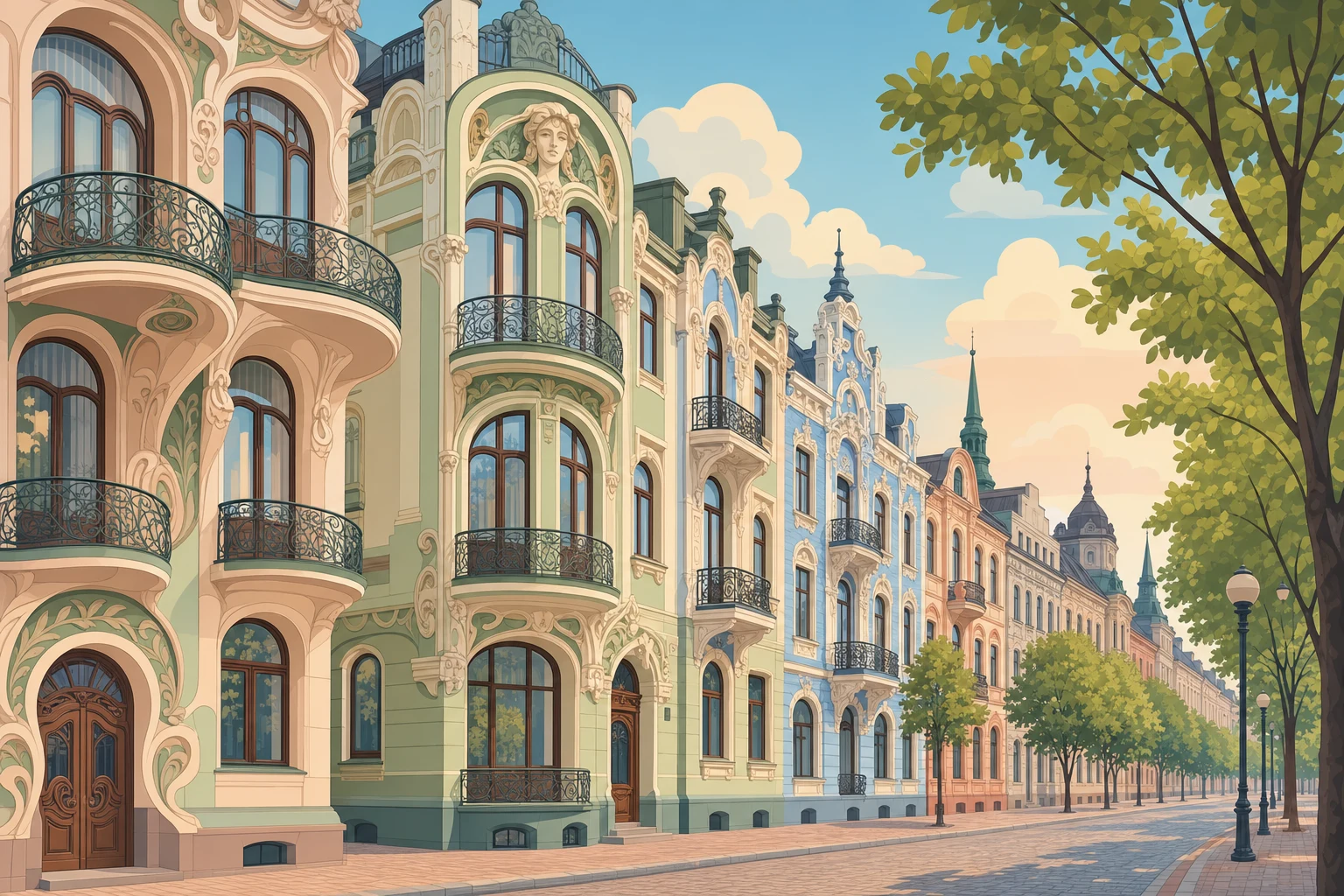
Riga is the largest city in the Baltic states, located where the Daugava River meets the Gulf of Riga. Founded in 1201 by German crusaders, it grew into a major Hanseatic trading center. Riga is world-famous for having the highest concentration of Art Nouveau (Jugendstil) architecture of any city in the world, with over 800 Art Nouveau buildings in its center.
Landmarks: Riga Old Town (UNESCO World Heritage Site), House of the Blackheads, Art Nouveau District
Fun Facts
- Riga has the largest collection of Art Nouveau architecture in the world - over 800 buildings, mostly concentrated in the city center along Alberta and Elizabetes streets.
- The city claims to have hosted the world's first decorated Christmas tree in 1510, a tradition that began in its Town Hall Square.
- Riga's Central Market is housed in five former Zeppelin hangars from World War I and is the largest market and bazaar in Europe.
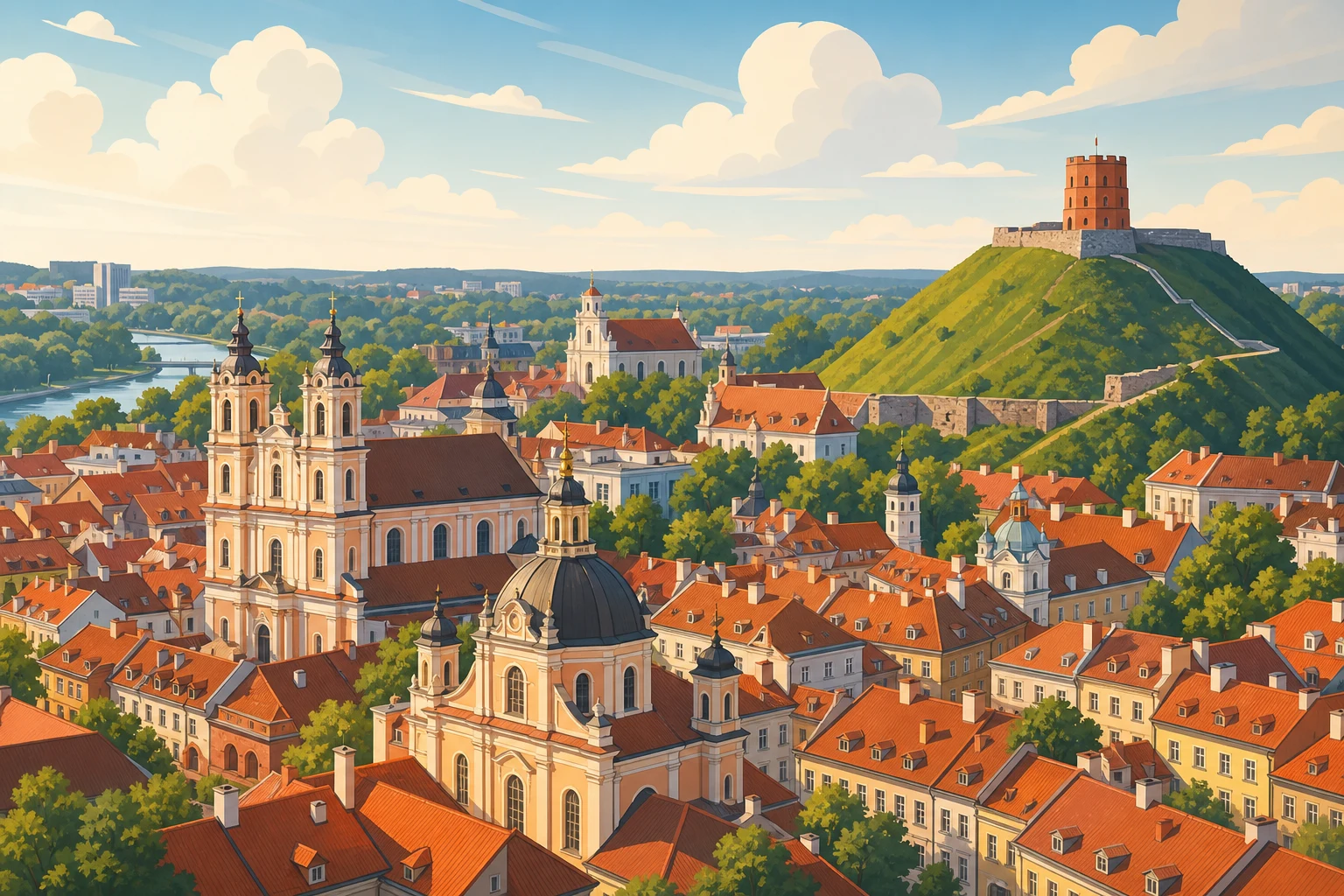
Vilnius
Lithuania
Population: 580,000
Vilnius is the southernmost and most inland of the three Baltic capitals, situated at the confluence of the Vilnia and Neris rivers. Founded in the 14th century by Grand Duke Gediminas, it served as the capital of the Grand Duchy of Lithuania, which at its peak was the largest state in Europe. Vilnius has one of the largest surviving medieval old towns in Northern Europe and is known for its Baroque architecture.
Landmarks: Vilnius Old Town (UNESCO World Heritage Site), Gediminas Castle Tower, Gate of Dawn
Fun Facts
- Vilnius has one of the largest old towns in Northern Europe, spanning 3.6 square kilometers with over 1,500 buildings - its Baroque churches are particularly renowned.
- The city declared a creative micro-republic called "Užupis" in 1997, an artistic neighborhood with its own constitution, president, and even an army of approximately 11 people.
- Vilnius was the capital of the Grand Duchy of Lithuania, which in the 15th century stretched from the Baltic Sea to the Black Sea, making it the largest state in Europe at the time.
Quick Reference
Test Your Knowledge
How well do you know these capitals? Find out here.
Practice with Games
Ready to test what you learned? Jump into a game and put it into practice.
About Baltic States Capitals
Tallinn, Riga, and Vilnius are three of Europe's most charming and underrated capital cities. Each features a UNESCO-listed medieval old town, a unique architectural character - from Tallinn's Gothic spires to Riga's Art Nouveau facades to Vilnius's Baroque churches - and a resilient national identity shaped by centuries of foreign rule and a dramatic return to independence in 1991.
Frequently Asked Questions
Which is the largest of the three Baltic capitals?
Riga, Latvia is the largest Baltic capital with a population of approximately 615,000 people. It is also the largest city in all three Baltic states combined.
Do the Baltic states speak the same language?
No. Estonian is a Finno-Ugric language closely related to Finnish, while Latvian and Lithuanian are Baltic languages - an ancient Indo-European branch. All three languages are completely different from each other, though Latvian and Lithuanian share some similarities.
When did the Baltic states regain independence?
All three Baltic states declared independence from the Soviet Union in 1990-1991 during the "Singing Revolution" - a peaceful movement characterized by mass demonstrations and the formation of a human chain of two million people stretching across all three countries.