Nordic Countries Capitals
The Nordic countries - Denmark, Finland, Iceland, Norway, and Sweden - are known for their high quality of life, stunning natural landscapes, and rich Viking heritage. Their five capital cities blend centuries of history with modern Scandinavian design, each situated on water and shaped by the maritime traditions of the north.
Study the Capitals
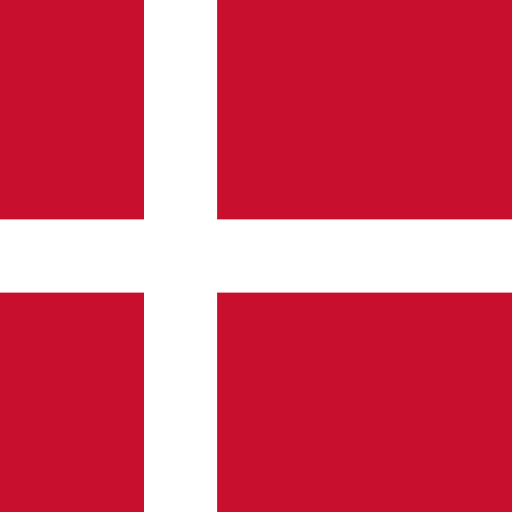
Copenhagen
Denmark
Population: 1.4 million
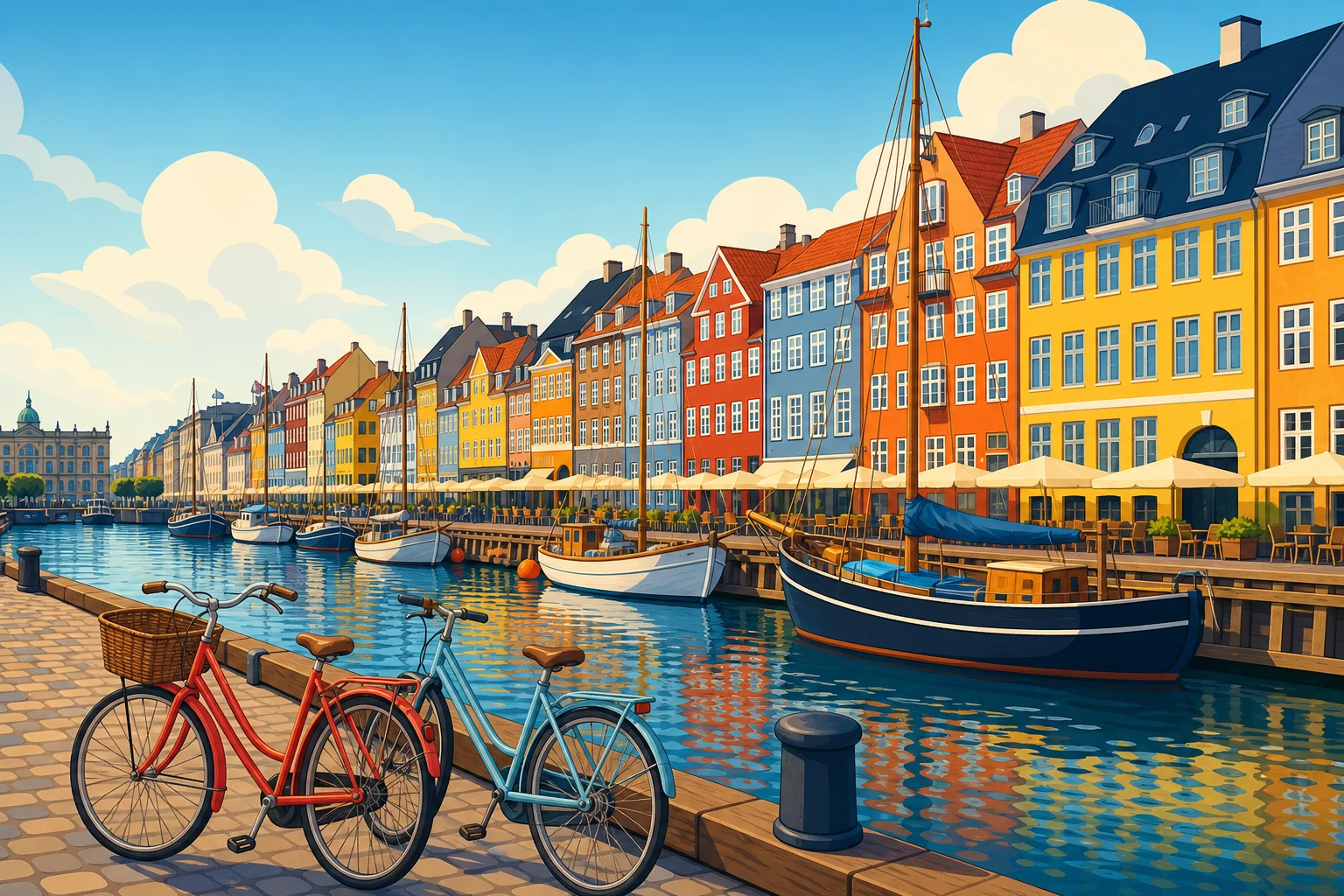
Copenhagen (København) sits on the eastern coast of Zealand and partly on the island of Amager. Founded as a Viking fishing village in the 10th century, it became Denmark's capital in the early 15th century. Today it is a global leader in sustainable urban design, cycling infrastructure, and Scandinavian cuisine.
Landmarks: The Little Mermaid statue, Tivoli Gardens, Nyhavn harbor
Fun Facts
- Copenhagen has more bicycles than cars - over 265,000 bikes enter the city center daily, and the city has 380 km of dedicated bike lanes.
- The Tivoli Gardens amusement park, opened in 1843, is one of the world's oldest operating amusement parks and inspired Walt Disney to create Disneyland.
- Copenhagen aims to become the world's first carbon-neutral capital by 2025.
Helsinki
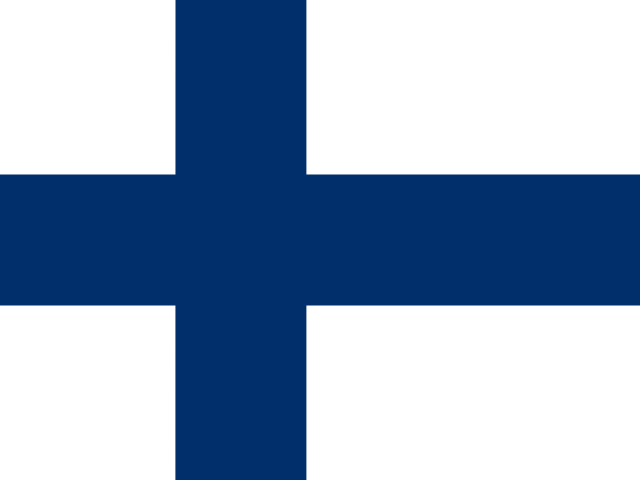
Finland
Population: 1.3 million
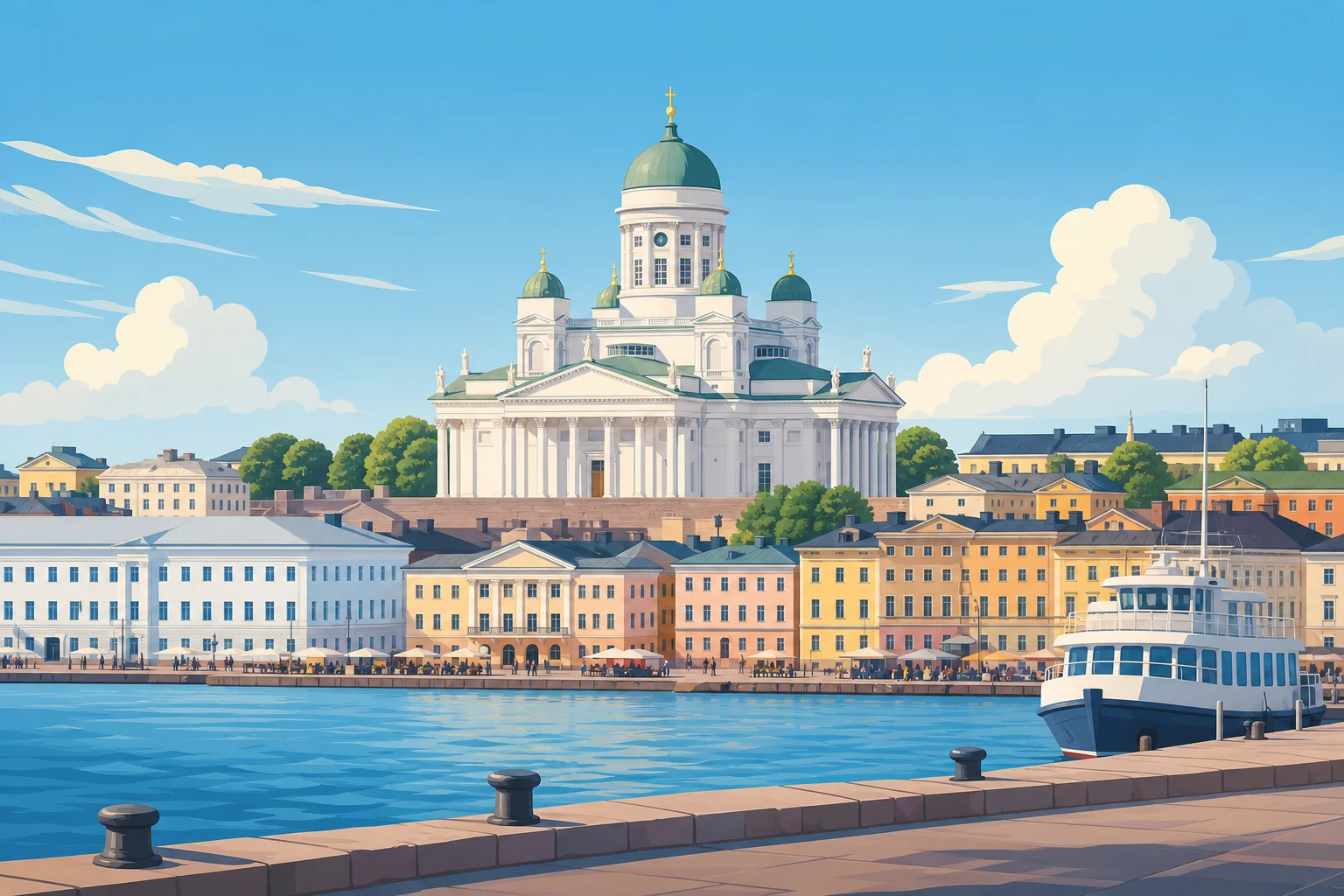
Helsinki is built on a peninsula and surrounding islands on the northern shore of the Gulf of Finland. Founded in 1550 by King Gustav I of Sweden, it became Finland's capital in 1812 when the Russian Empire moved the capital from Turku to be closer to St. Petersburg. The city is renowned for its neoclassical architecture and distinctive functionalist design.
Landmarks: Helsinki Cathedral, Suomenlinna Sea Fortress (UNESCO), Temppeliaukio Rock Church
Fun Facts
- Helsinki became the capital in 1812 because the Russian Tsar wanted Finland's administrative center closer to St. Petersburg - it was moved from the previous capital, Turku.
- The city has over 300 islands in its archipelago and 130 km of coastline within city limits.
- Helsinki's Central Library Oodi, opened in 2018, was voted the world's best new public library and reflects Finland's deep commitment to education and literacy.
Reykjavik
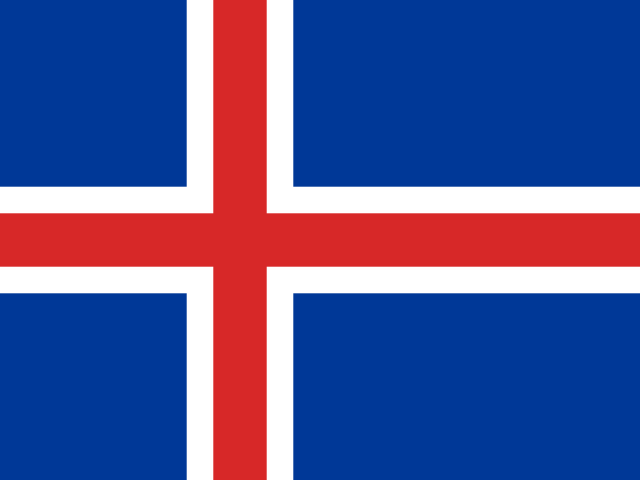
Iceland
Population: 230,000
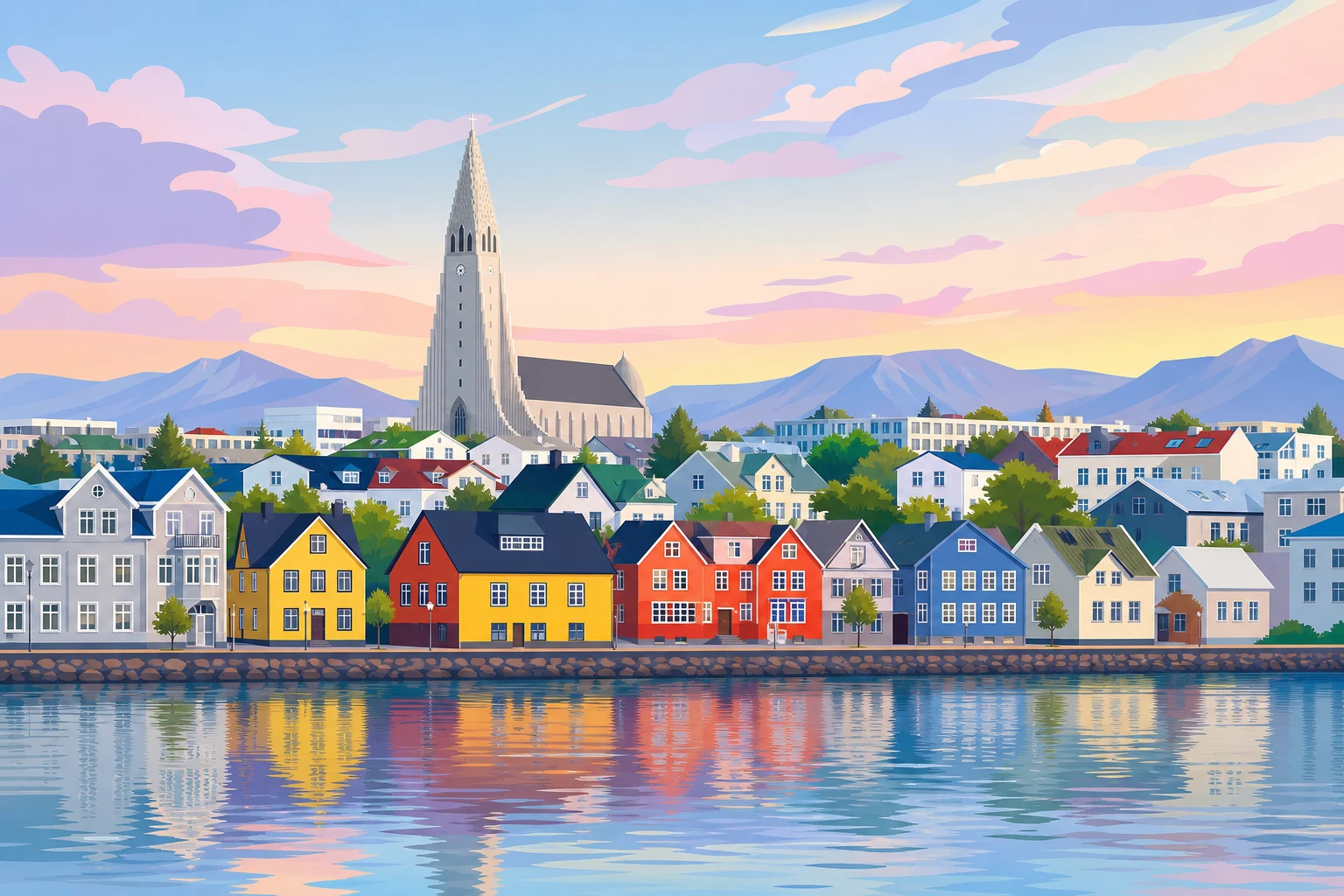
Reykjavik is the world's northernmost capital of a sovereign state, located on the Faxaflói bay in southwestern Iceland. According to tradition, it was founded in 874 AD by Norwegian settler Ingólfr Arnarson. The name means "Smoky Bay," referring to the geothermal steam the first settlers saw rising from the ground.
Landmarks: Hallgrímskirkja church, Harpa Concert Hall, Sun Voyager sculpture
Fun Facts
- Reykjavik is the northernmost capital city in the world, located at 64°N latitude - just below the Arctic Circle.
- The city is heated almost entirely by geothermal energy, with hot water piped directly from underground volcanic sources - residents enjoy naturally heated outdoor swimming pools year-round.
- Reykjavik's name means "Smoky Bay" in Old Norse, referring to the geothermal steam early Viking settlers saw rising from the landscape.
Oslo
Norway
Population: 1.1 million
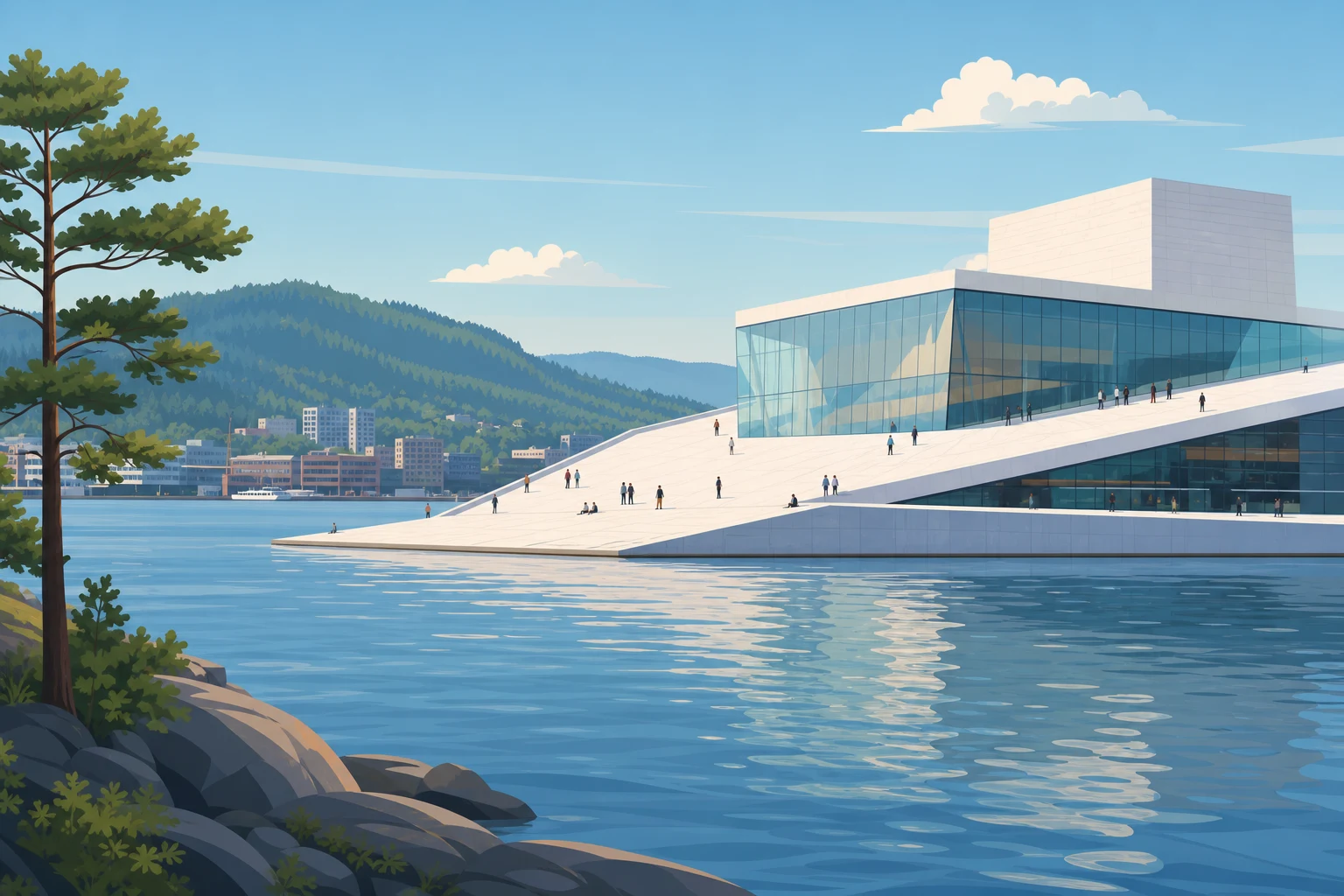
Oslo lies at the head of the Oslofjord, surrounded by forested hills and the Marka woodland. Founded around 1040 AD by King Harald Hardrada, it has been Norway's capital since 1814 when Norway gained its own constitution. The city is known for its striking contrast between urban sophistication and easy access to nature.
Landmarks: Oslo Opera House, Vigeland Sculpture Park, The Royal Palace
Fun Facts
- Oslo is one of the fastest-growing capitals in Europe despite its northern location, largely driven by Norway's petroleum wealth and high immigration.
- Two-thirds of Oslo's municipality is protected forest and parkland - residents can reach wilderness within 20 minutes from the city center by metro.
- The city was renamed "Kristiania" from 1624 to 1925 after a fire destroyed it and King Christian IV rebuilt it, before reverting to its original Norse name.
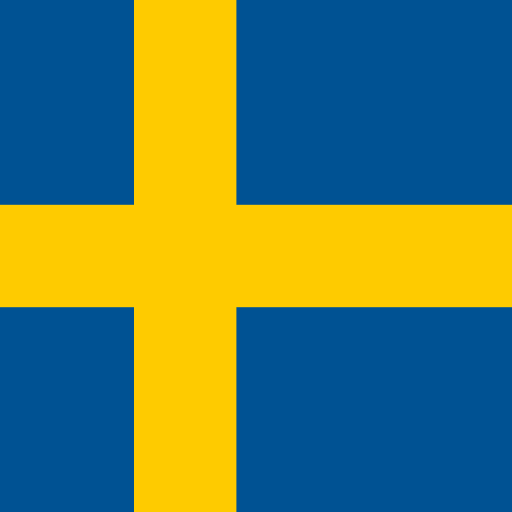
Stockholm
Sweden
Population: 1.6 million
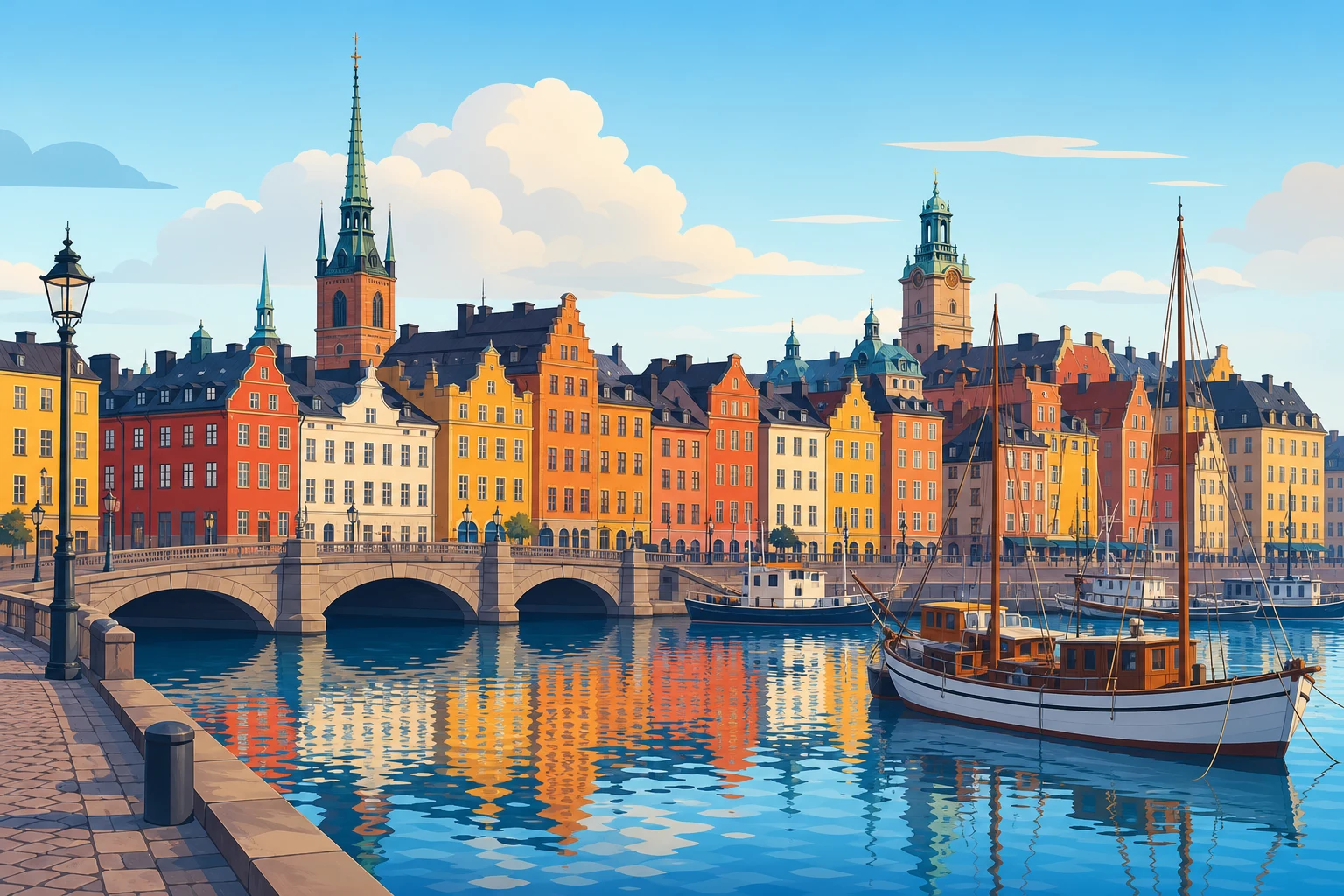
Stockholm is built across 14 islands where Lake Mälaren meets the Baltic Sea, connected by 57 bridges. Founded in 1252, it has been Sweden's capital since the 15th century. The city's island geography gives it the nickname "Venice of the North," and its well-preserved medieval old town (Gamla Stan) is one of Europe's largest intact medieval city centers.
Landmarks: Gamla Stan (Old Town), Vasa Museum, Stockholm City Hall (Nobel Banquet venue)
Fun Facts
- Stockholm is spread across 14 islands connected by 57 bridges, earning it the nickname "Venice of the North."
- The Vasa Museum houses a nearly intact 17th-century warship that sank on its maiden voyage in 1628 and was salvaged 333 years later - it is Sweden's most visited museum.
- Stockholm hosts the Nobel Prize ceremony every December at the City Hall, where the Nobel Banquet serves dinner to 1,300 guests.
Quick Reference
Test Your Knowledge
How well do you know these capitals? Find out here.
Practice with Games
Ready to test what you learned? Jump into a game and put it into practice.
About Nordic Countries Capitals
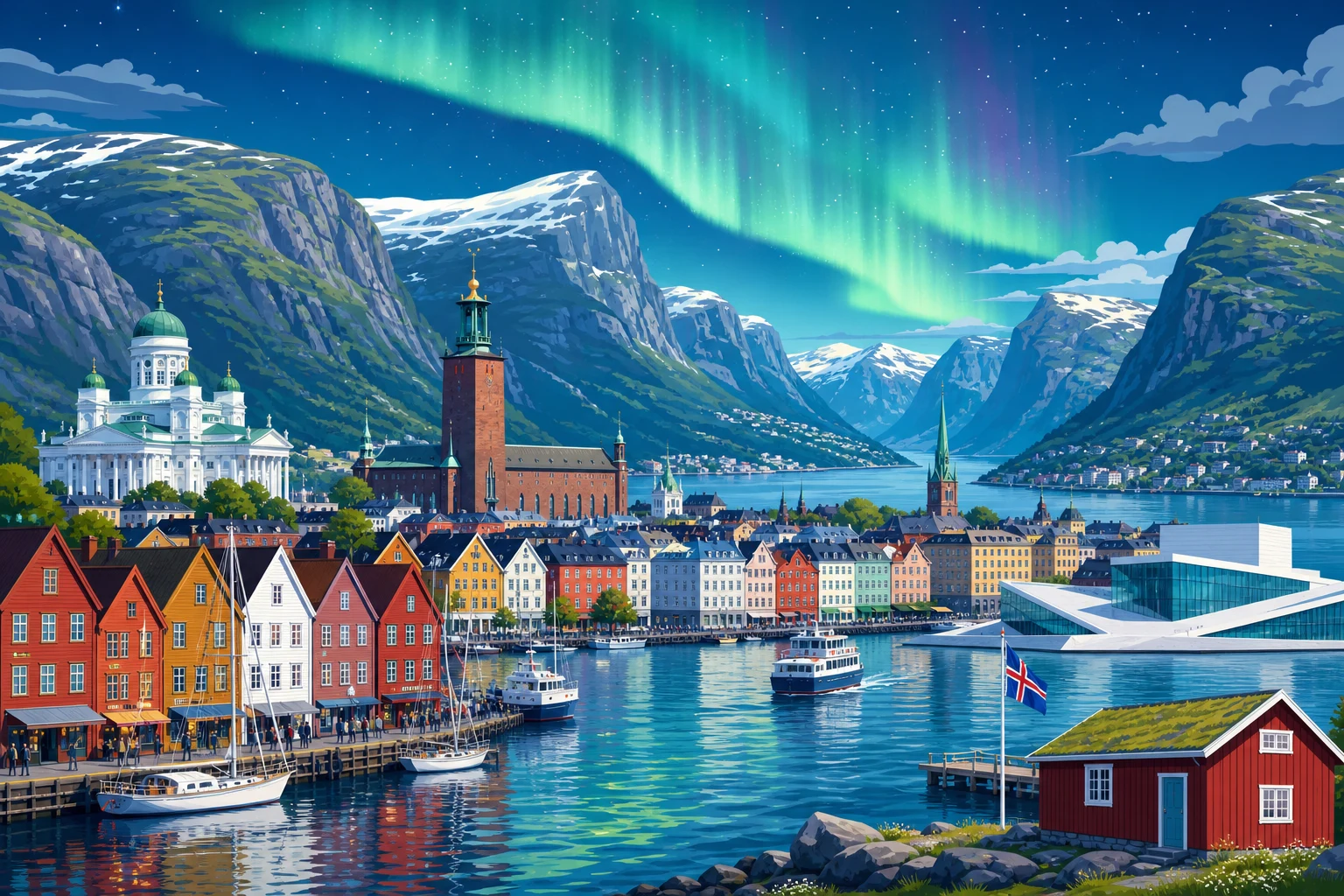
The five Nordic capitals share common themes of maritime heritage, progressive urban planning, and close connections to nature. From Copenhagen's cycling culture to Reykjavik's geothermal heating, these cities showcase how northern European nations have adapted creatively to their challenging climates while building some of the world's most livable urban centers.
Frequently Asked Questions
What is the northernmost capital city in the world?
Reykjavik, Iceland is the world's northernmost capital of a sovereign state, located at approximately 64°N latitude. Despite its high latitude, its climate is moderated by the Gulf Stream.
Are Scandinavian and Nordic the same thing?
Not exactly. Scandinavia traditionally refers to Denmark, Norway, and Sweden. The Nordic countries include those three plus Finland and Iceland. All five share cultural and historical ties but have distinct languages and traditions.
Which Nordic capital is the largest?
Stockholm, Sweden is the largest Nordic capital with a metropolitan population of approximately 1.6 million. Copenhagen is a close second at 1.4 million.