
Centralasiens huvudstäder
Silkesvägen, vidsträckta stäpper och imponerande berg - centralasiatiska huvudstäder speglar handelshistoria och modern suveränitet efter Sovjetunionen.
Studera huvudstäderna
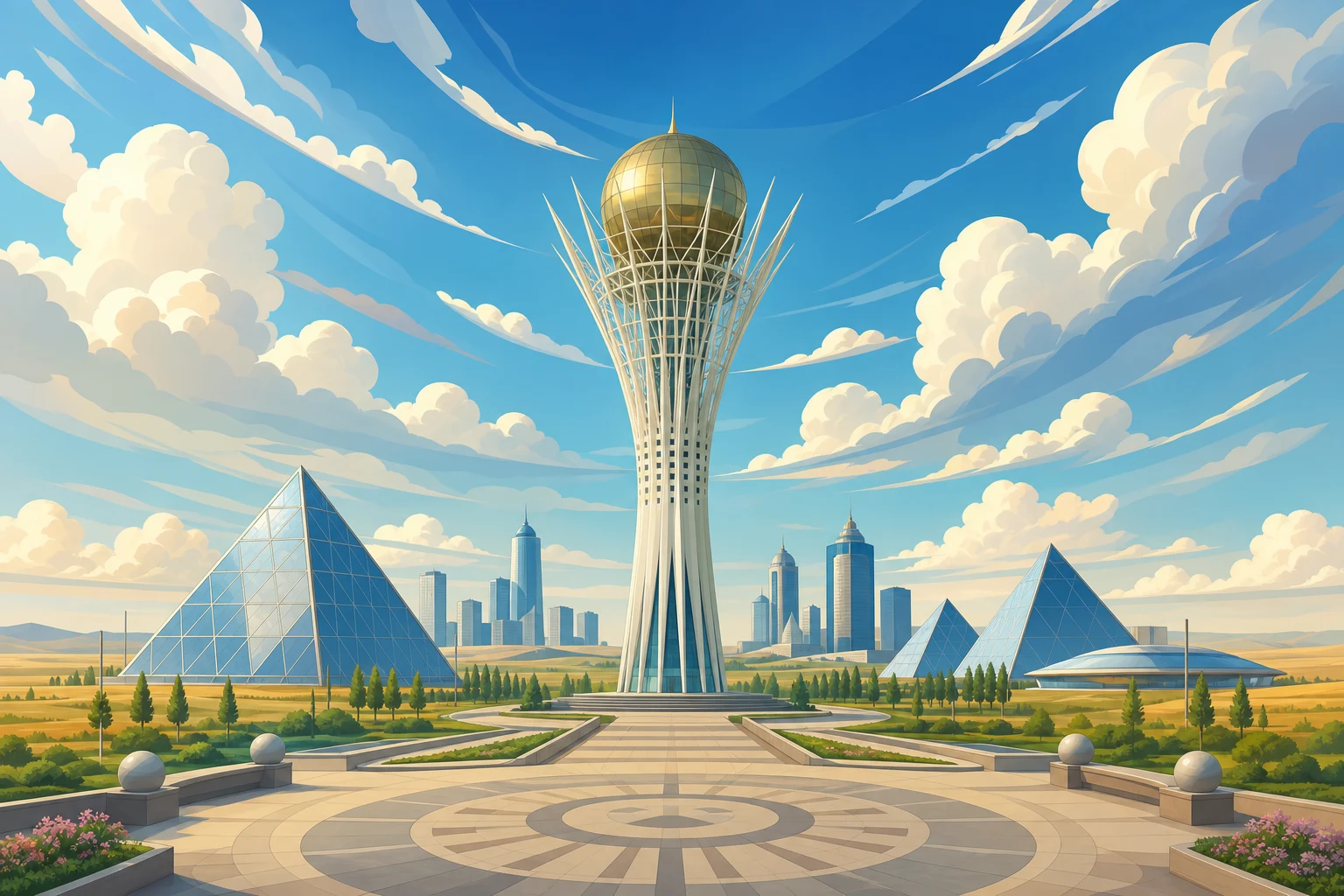
Astana
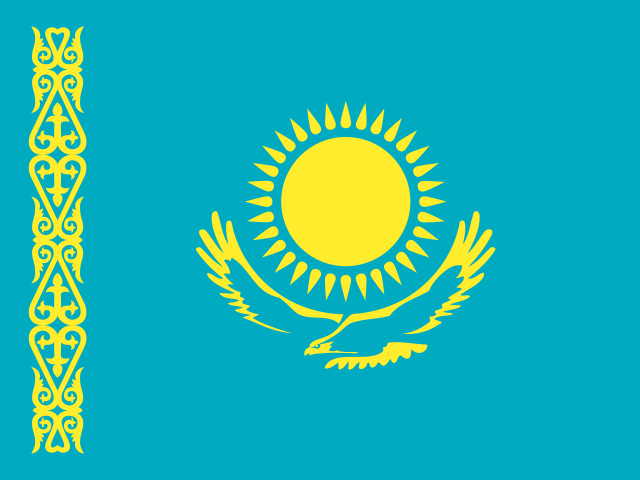
Kazakstan
Befolkning: 1.4 million
Astana is a futuristic planned capital on the Kazakh steppe, replacing Almaty as capital in 1997. The city features bold modern architecture designed by world-renowned architects and experiences extreme temperature swings from -40°C winters to +35°C summers.
Landmärken: Bayterek Tower, Khan Shatyr Entertainment Center, Palace of Peace and Reconciliation
Roliga fakta
- Astana was renamed Nur-Sultan in 2019 after former president Nursultan Nazarbayev, but the name was changed back to Astana in 2022.
- The Bayterek Tower, the city's symbol, represents a mythical tree of life with a golden egg placed by a sacred bird.
- Astana is the second-coldest national capital in the world after Ulaanbaatar, Mongolia, with winter temperatures regularly dropping below -30°C.
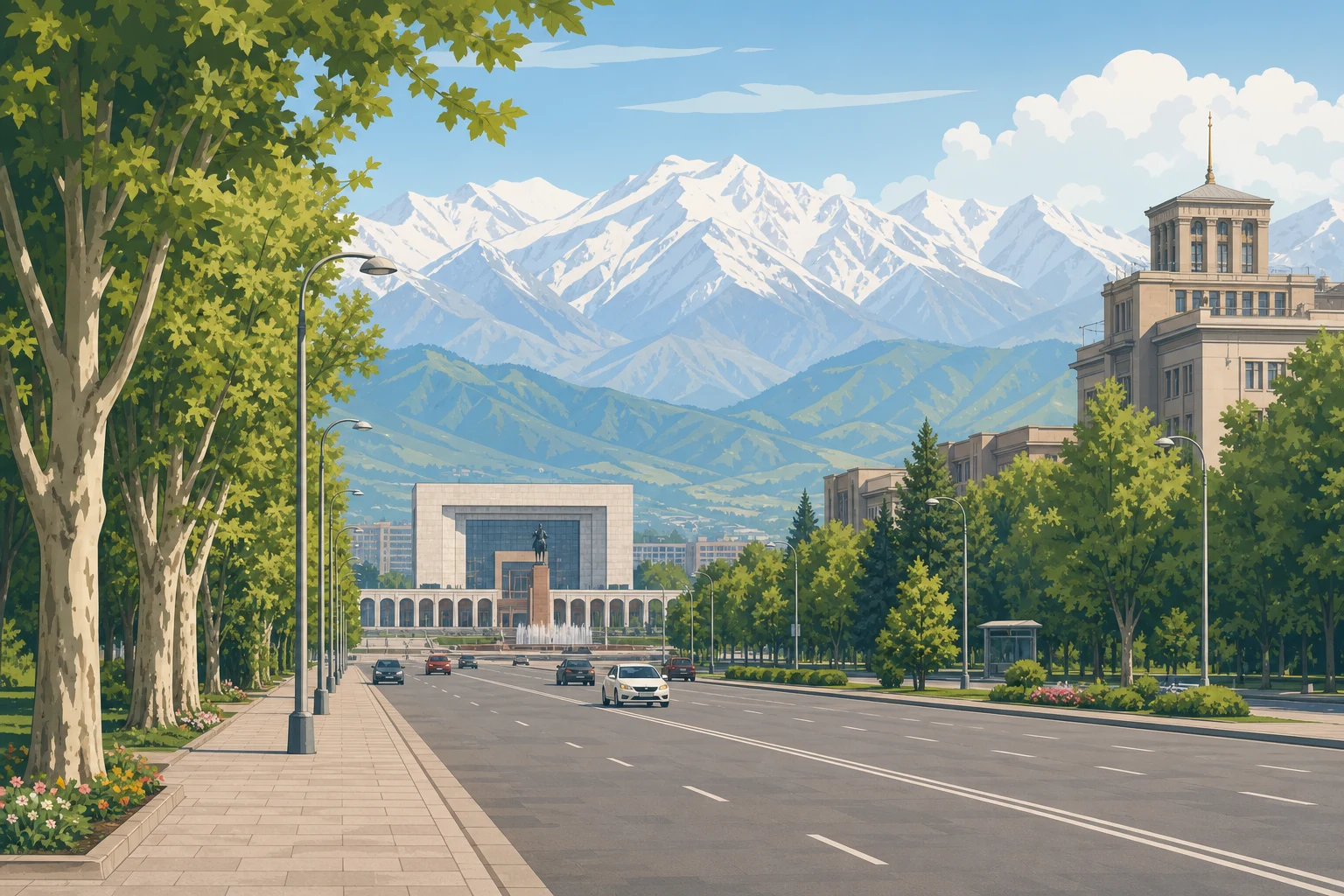
Bishkek
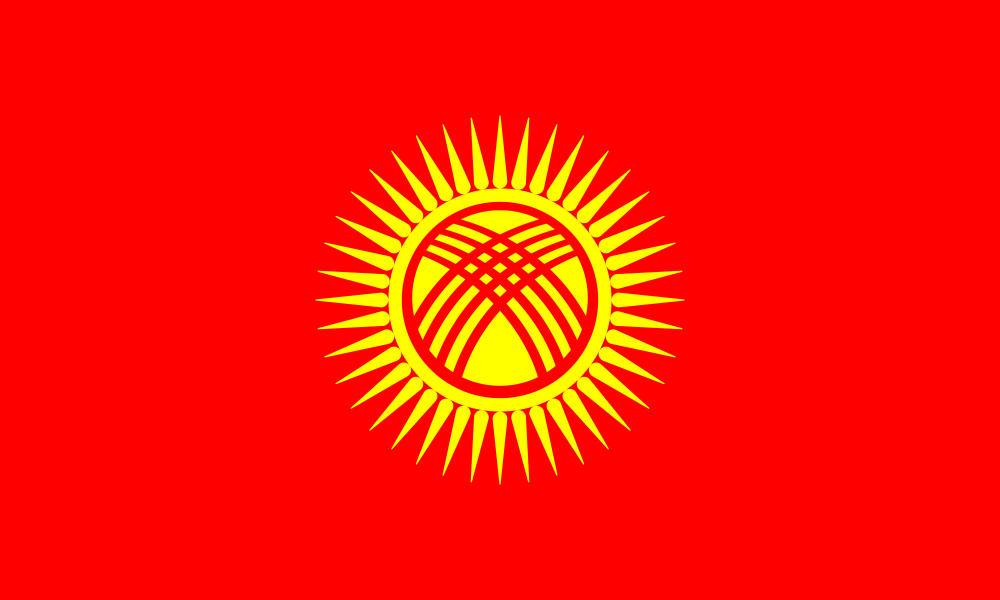
Kirgizistan
Befolkning: 1.1 million
Bishkek lies in the Chuy Valley at the foot of the Kyrgyz Ala-Too mountain range. Originally a Soviet-planned city with wide boulevards and green parks, it serves as the gateway to Kyrgyzstan's spectacular mountain landscapes.
Landmärken: Ala-Too Square, Osh Bazaar, State Historical Museum
Roliga fakta
- Bishkek sits at an elevation of about 800 metres, with the snow-capped peaks of the Tian Shan mountains visible from the city on clear days.
- The city was known as Frunze during the Soviet era, named after a Bolshevik military leader born there.
- Bishkek's Osh Bazaar is one of the largest open-air markets in Central Asia, selling everything from horsemeat to traditional felt crafts.
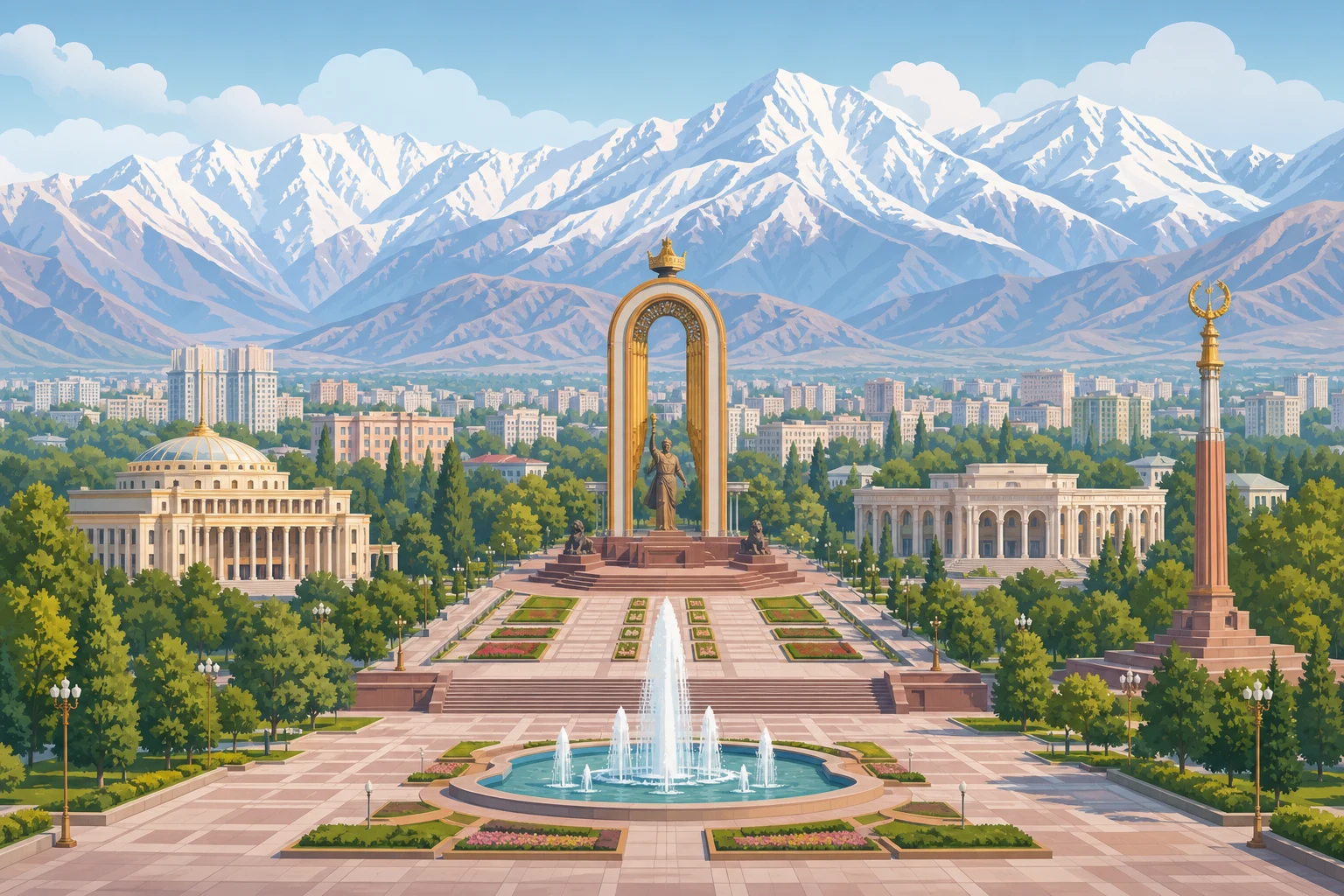
Dushanbe
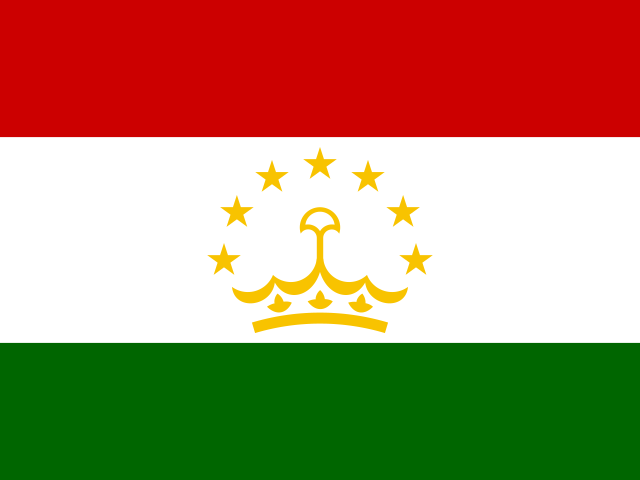
Tadzjikistan
Befolkning: 950,000
Dushanbe sits in a valley surrounded by the Pamir and Hissar mountain ranges. The name means "Monday" in Tajik, reflecting its origins as a village that held a popular Monday market. Today it blends Soviet-era architecture with Persian-influenced design.
Landmärken: Navruz Palace, National Museum of Tajikistan, Rudaki Park
Roliga fakta
- Dushanbe means "Monday" in Tajik because the city grew from a village known for its Monday bazaar.
- The Dushanbe Flagpole, completed in 2011, was once the tallest free-standing flagpole in the world at 165 metres before being surpassed.
- Tajikistan is the only Central Asian country where a Persian language (Tajik) is the official language, giving Dushanbe a distinct cultural flavour.
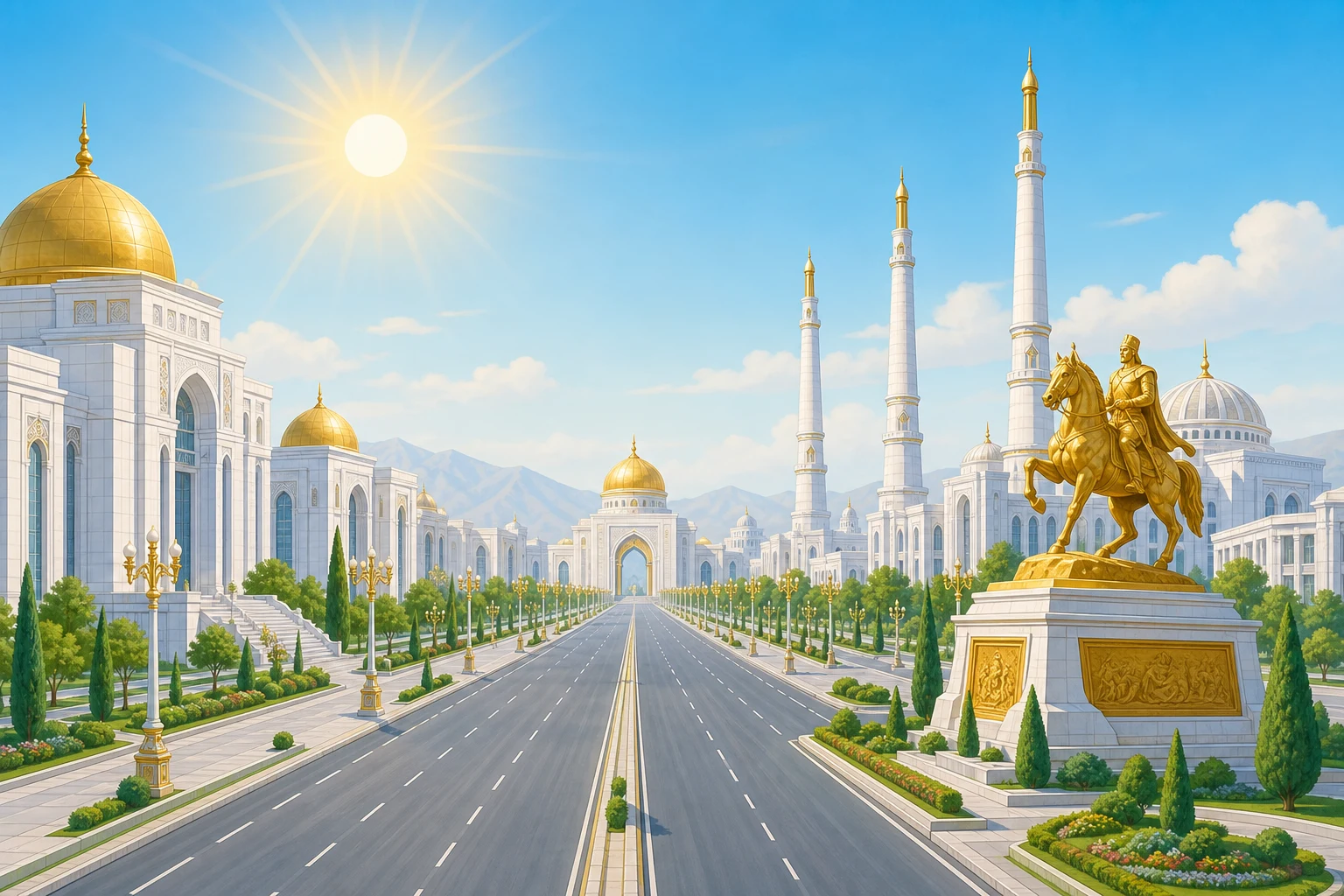
Ashgabat
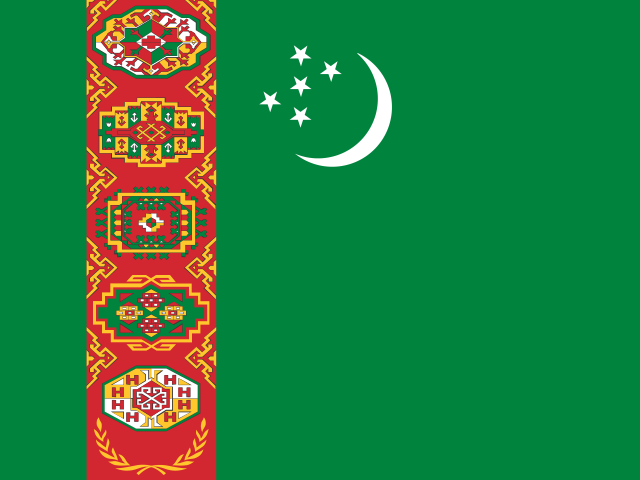
Turkmenistan
Befolkning: 1.0 million
Ashgabat holds the Guinness World Record for the highest concentration of white marble buildings in the world. The capital sits between the Karakum Desert and the Kopet Dag mountains, rebuilt in gleaming marble after a devastating 1948 earthquake.
Landmärken: Neutrality Monument, Turkmenistan Tower, Earthquake Memorial
Roliga fakta
- Ashgabat holds the Guinness World Record for having the most white marble-clad buildings in the world - over 540 buildings.
- A catastrophic earthquake in 1948 destroyed the city almost entirely, killing an estimated 110,000 people - it was rebuilt from scratch.
- The city features numerous golden statues, including one of former president Niyazov that once rotated to always face the sun.
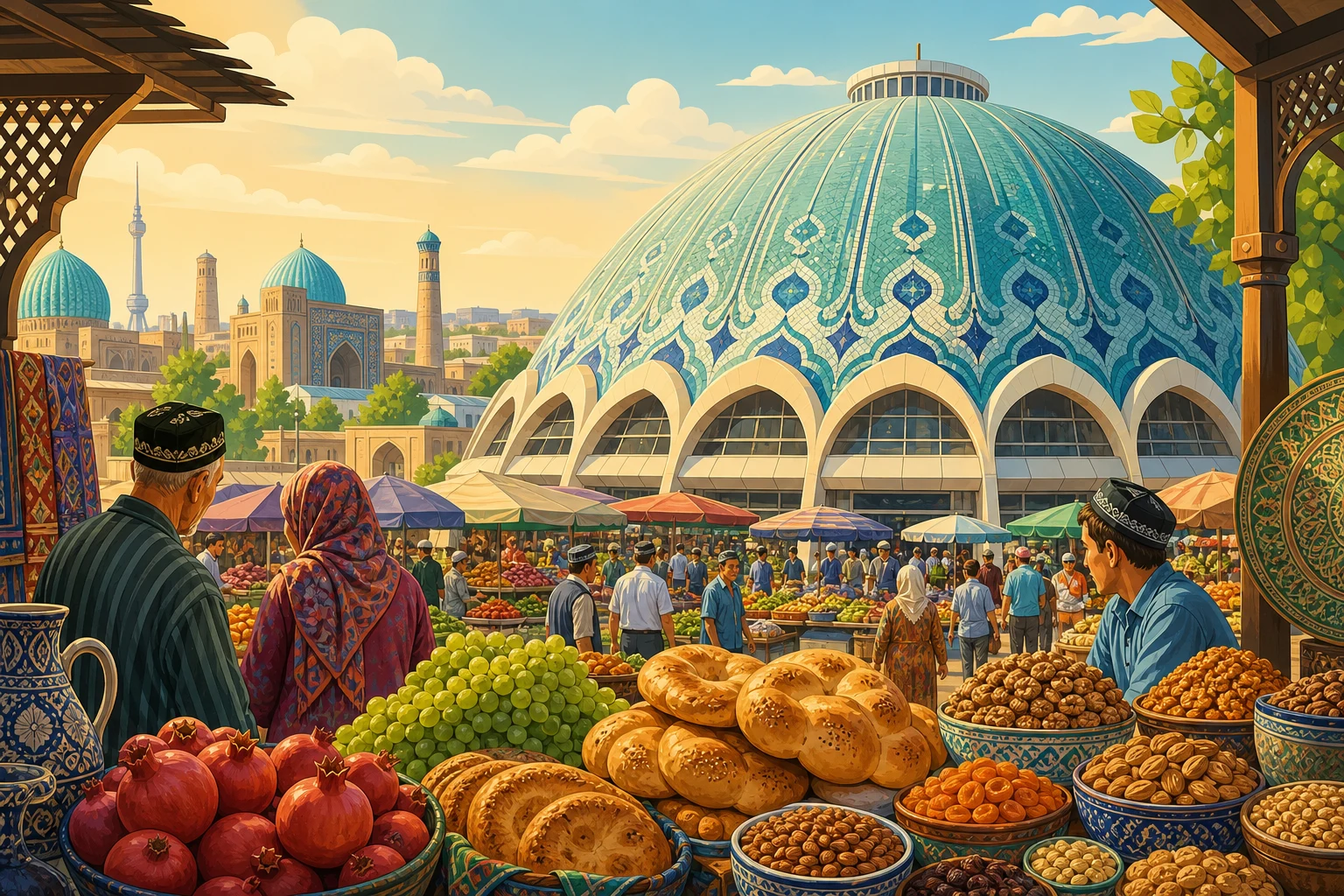
Tashkent
Uzbekistan
Befolkning: 2.9 million
Tashkent is the largest city in Central Asia and has been a major Silk Road hub for over 2,000 years. The modern city combines ancient Islamic heritage with Soviet-era monuments and a rapidly modernising skyline.
Landmärken: Khast Imam Complex, Tashkent Metro Stations, Chorsu Bazaar
Roliga fakta
- Tashkent is the largest city in Central Asia with nearly 3 million residents, serving as the region's main economic and cultural hub.
- The Tashkent Metro, opened in 1977, features stations decorated like underground palaces with chandeliers, marble, and mosaics.
- Tashkent was largely destroyed by a massive earthquake in 1966, and the rebuilt Soviet-era city plan gave it unusually wide boulevards.
Snabböversikt
Testa dina kunskaper
Hur väl känner du till dessa huvudstäder? Testa dig här.
Öva med spel
Redo att testa det du lärt dig? Hoppa in i ett spel och sätt det i praktiken.
Om Centralasiens huvudstäder
Fem stater räcker för att få en stabil grund i en ofta förbisedd region som har stor geostrategisk betydelse.
Vanliga frågor
Har Kazakstan bytt huvudstadsnamn?
Kort använder standard engelska namn i dataset.
Vilken nivå?
Nybörjare.
Relaterat innehåll?
Sydostasien eller Kaukasus.