Europas huvudstäder
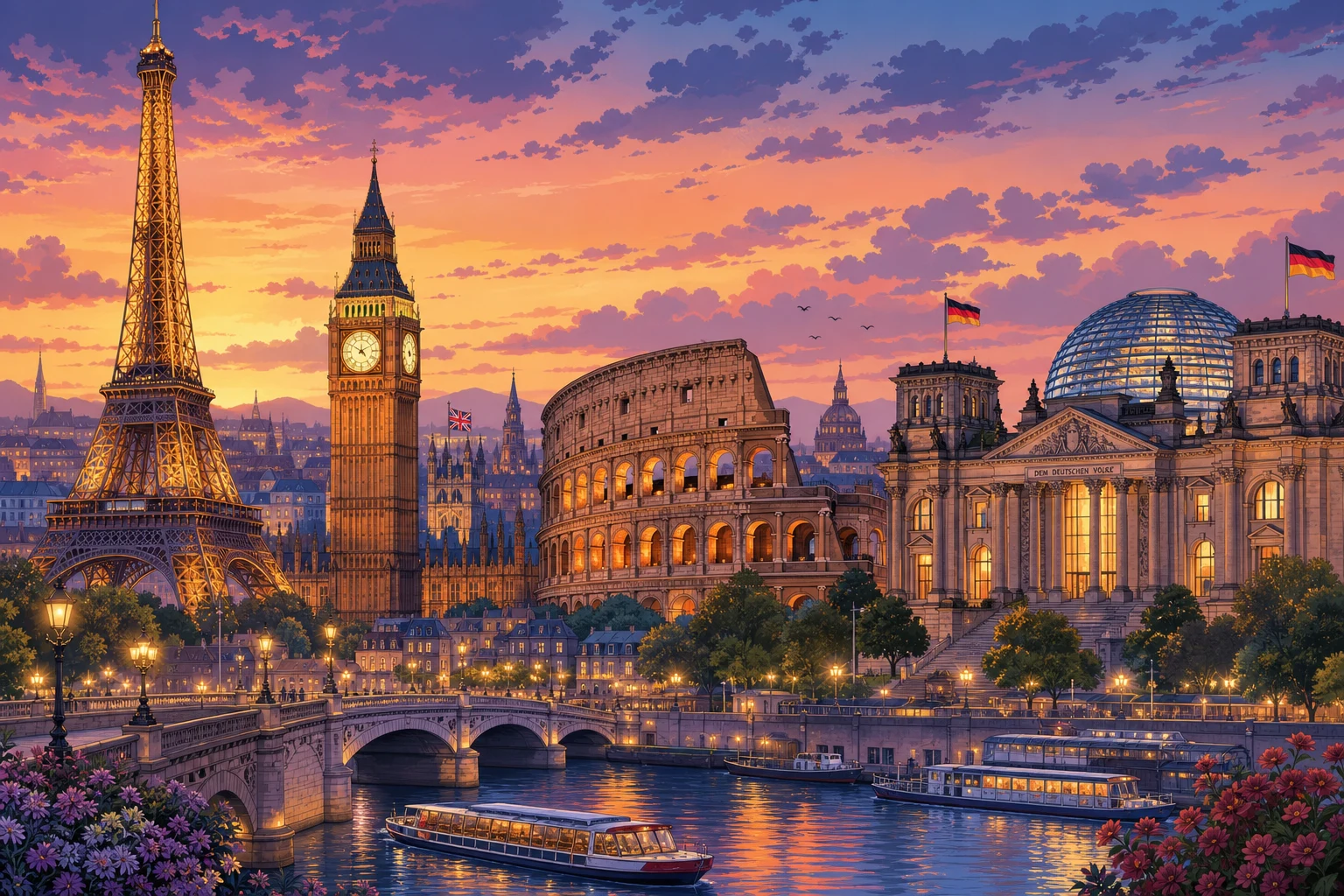
Från Atlanten till Kaukasus: europiska huvudstäder kombinerar medeltida stadskärnor, Baroque-alléer och modern planering - en omfattande karta över kulturarv.
Studera huvudstäderna
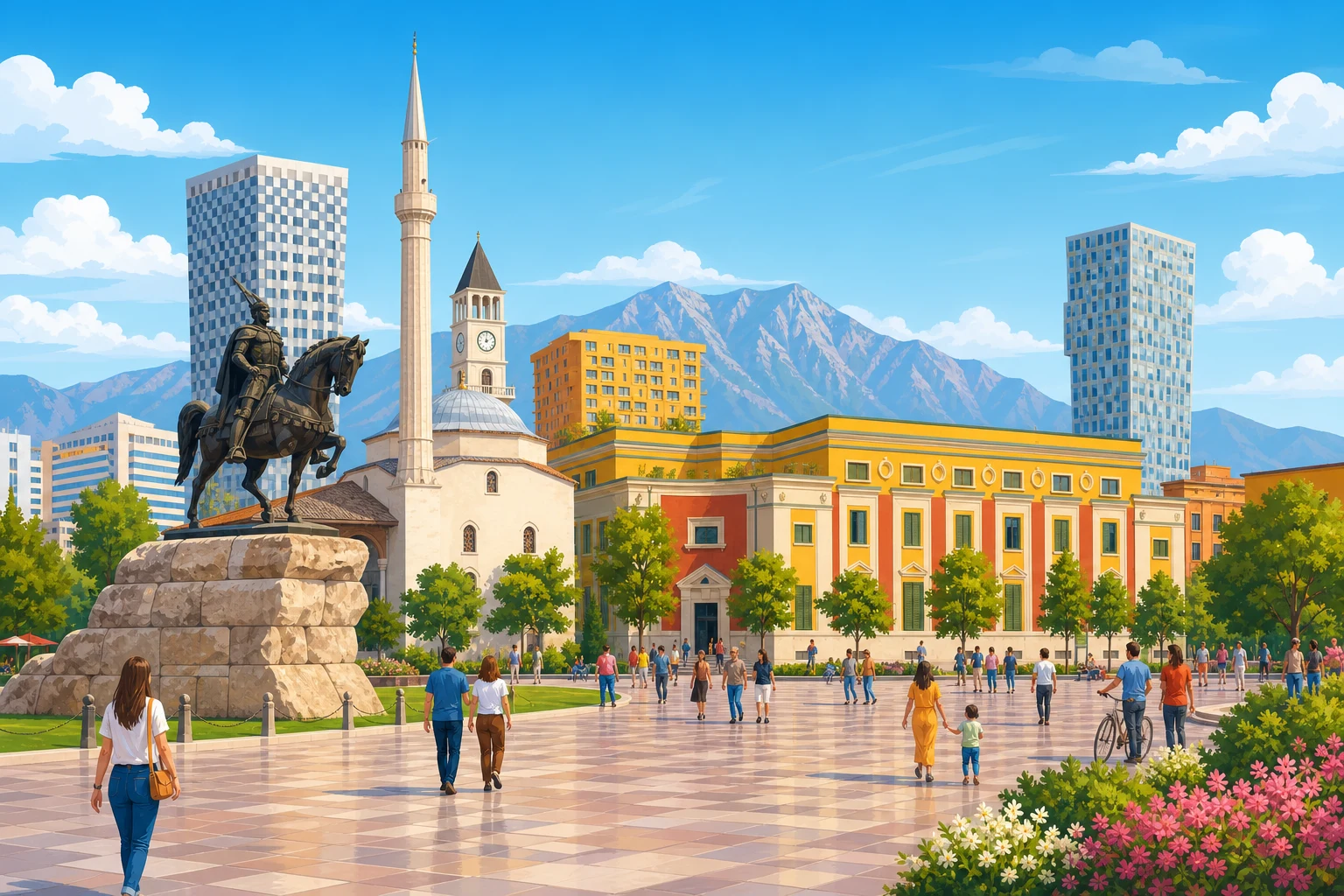
Tirana
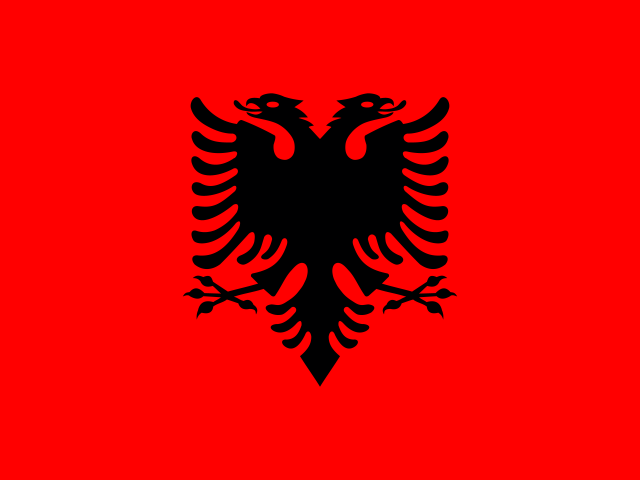
Albanien
Befolkning: 920,000
Tirana is the capital and largest city of Albania, known for its colourful Ottoman, Fascist-era, and Soviet architecture, and a vibrant café culture centred on Skanderbeg Square.
Landmärken: Skanderbeg Square, Et'hem Bey Mosque
Roliga fakta
- In the early 2000s, Tirana's mayor famously painted drab communist-era buildings in bright colours to transform the city's mood.
- Skanderbeg Square is named after Albania's national hero who resisted the Ottoman Empire in the 15th century.
- Albania has over 173,000 abandoned concrete bunkers built during the communist era - many are visible even in Tirana.
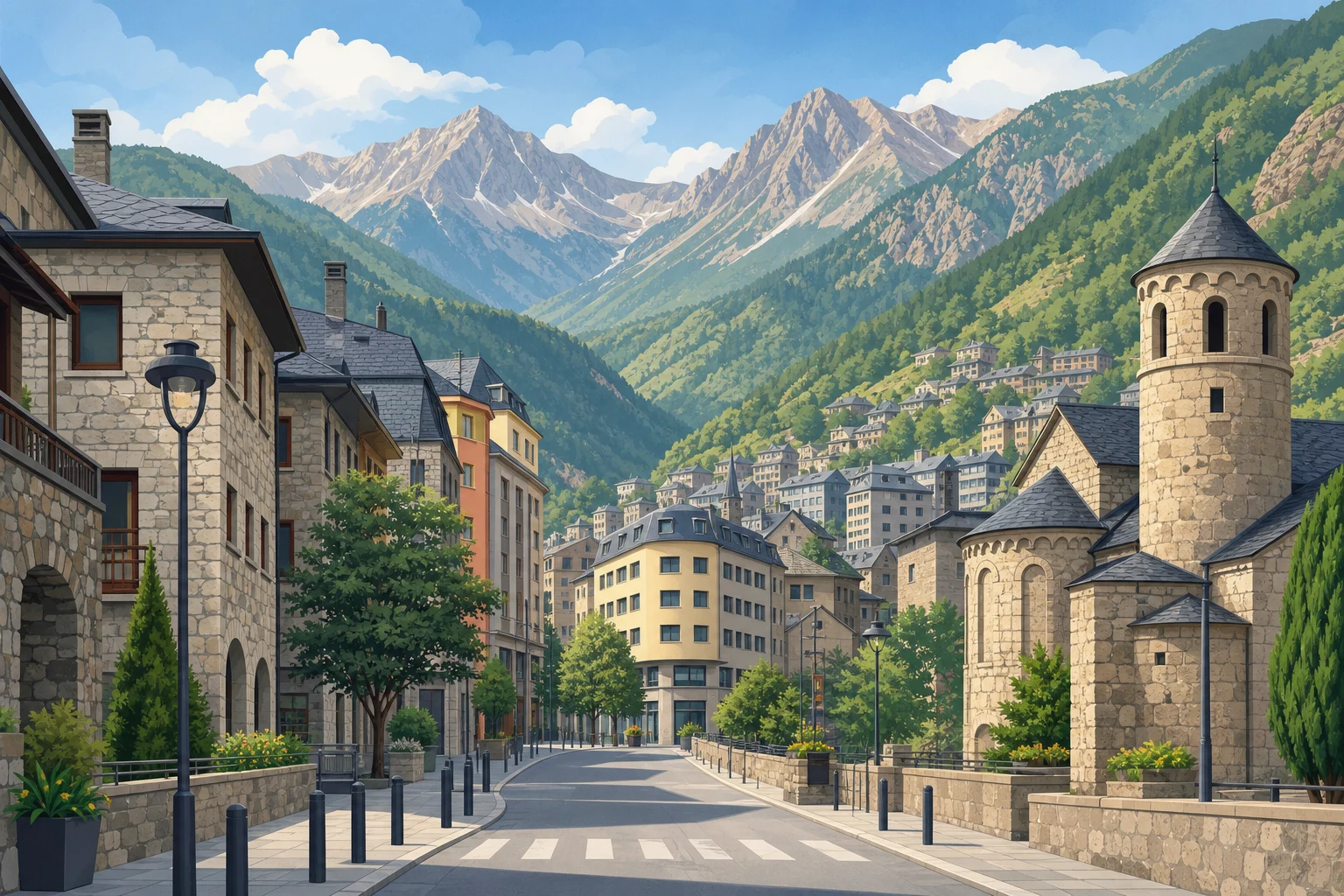
Andorra la Vella
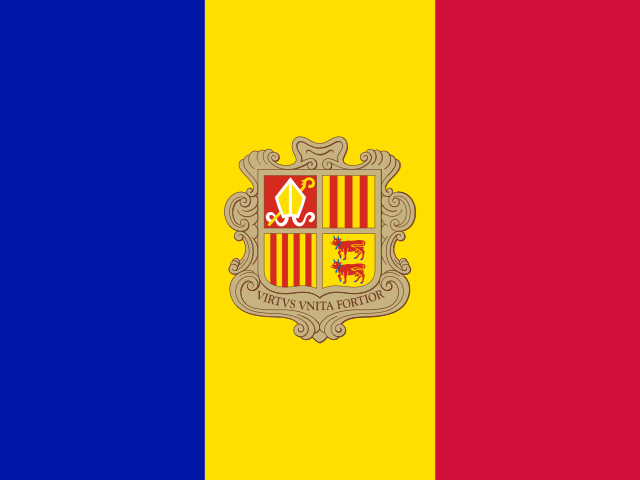
Andorra
Befolkning: 23,000
Andorra la Vella is the capital of Andorra, nestled in a valley in the eastern Pyrenees mountains. At 1,023 metres elevation, it is the highest capital city in Europe.
Landmärken: Casa de la Vall, Caldea Spa Complex
Roliga fakta
- Andorra la Vella is the highest capital city in Europe at 1,023 metres above sea level.
- Andorra has no airport or railway - the capital is accessed by road through France or Spain.
- The country has been co-governed by the French president and the Bishop of Urgell since 1278.
Vienna
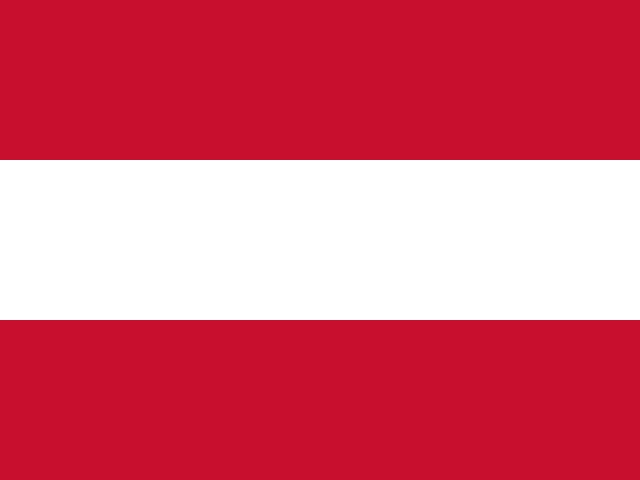
Österrike
Befolkning: 2.0 million
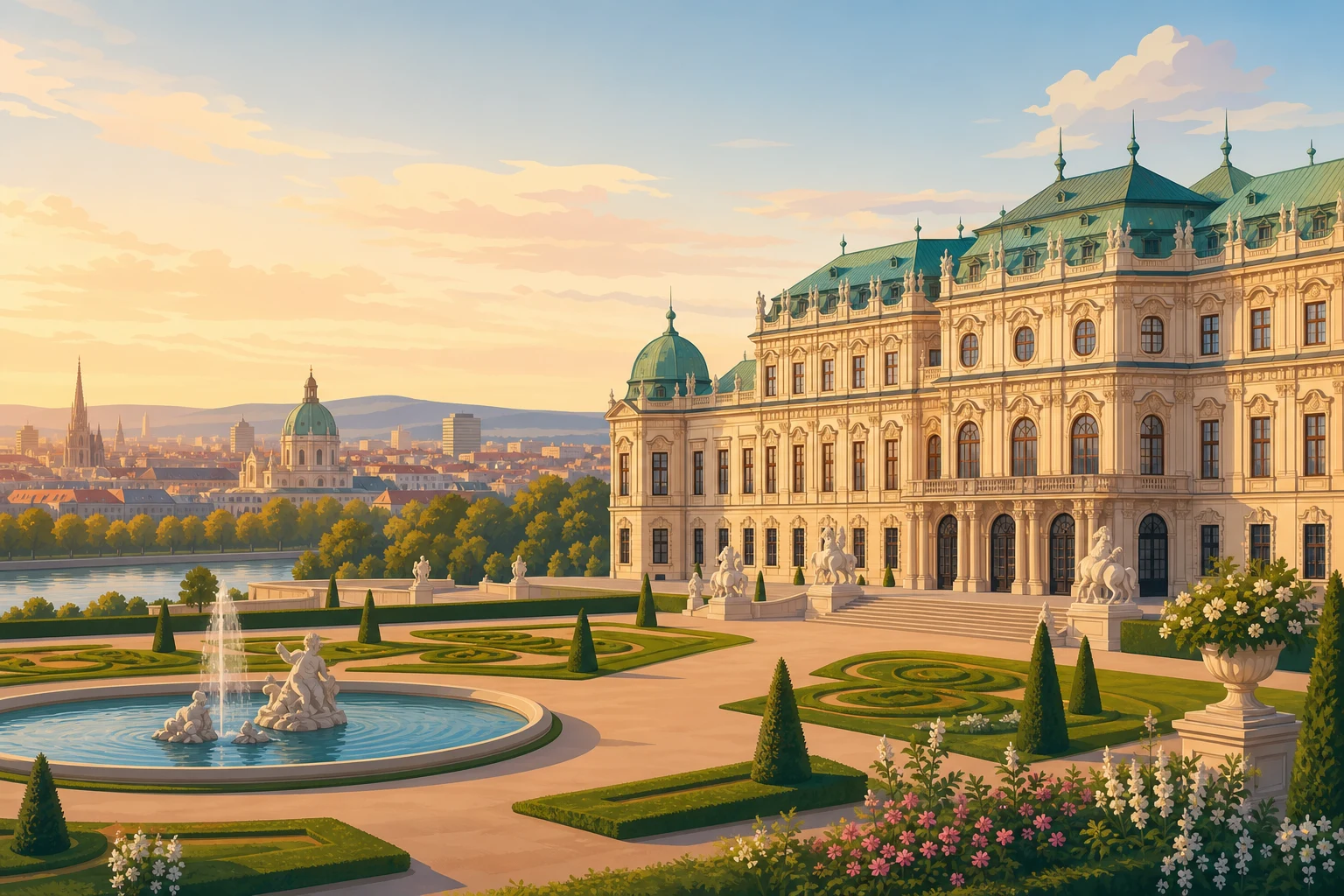
Vienna is the capital of Austria, a grand imperial city on the Danube renowned for its classical music heritage, coffeehouses, and ornate palaces from the Habsburg era.
Landmärken: Schönbrunn Palace, St. Stephen's Cathedral
Roliga fakta
- Vienna has been repeatedly ranked the world's most liveable city by the Economist Intelligence Unit.
- The city was the home of Mozart, Beethoven, Schubert, Strauss, and many other legendary composers.
- Vienna's coffeehouse culture is a UNESCO Intangible Cultural Heritage, with café traditions dating back to the 17th century.
Minsk
Vitryssland
Befolkning: 2.0 million
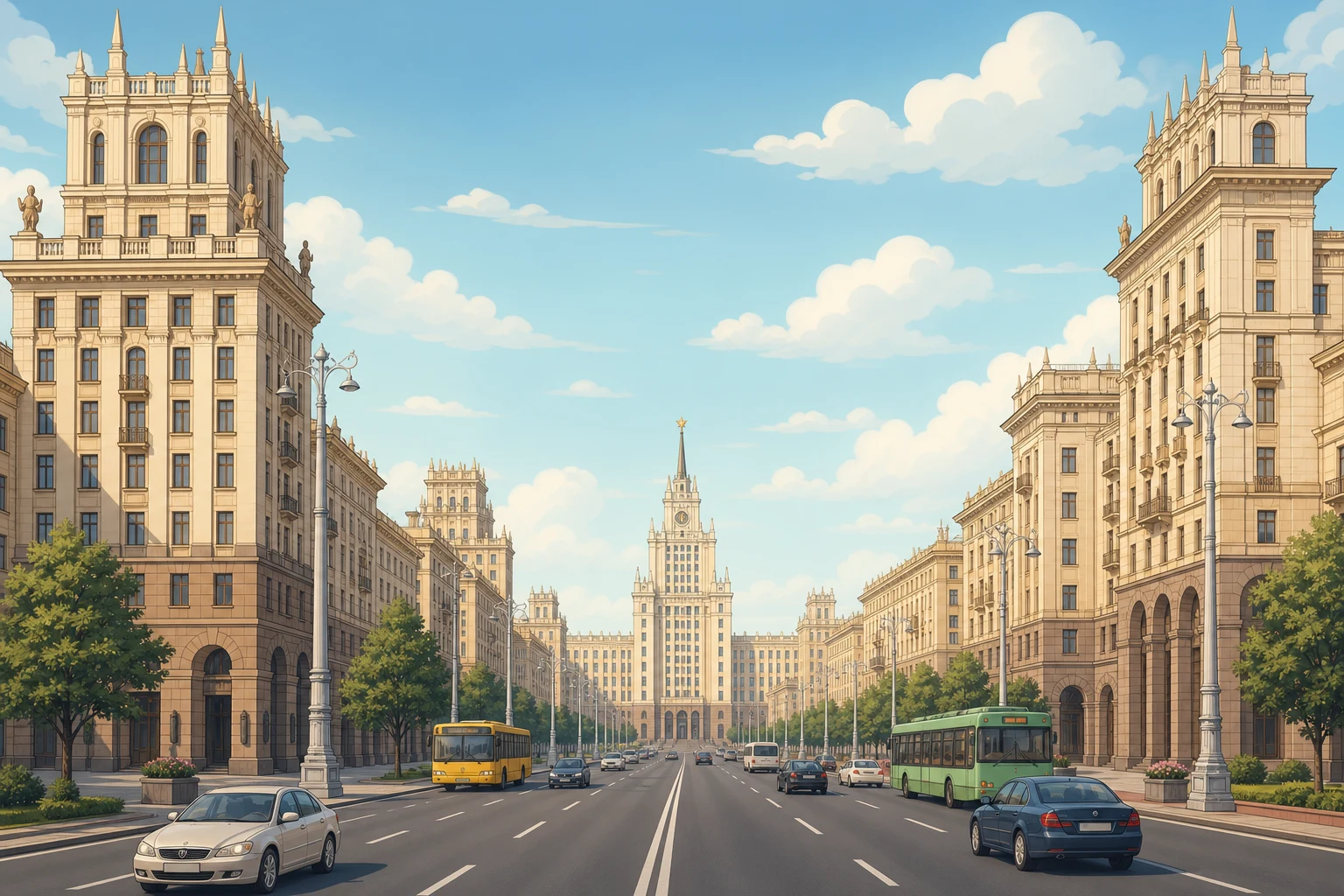
Minsk is the capital of Belarus, almost entirely rebuilt in monumental Stalinist style after being devastated in World War II when about 80% of the city was destroyed.
Landmärken: National Library of Belarus, Victory Square
Roliga fakta
- Minsk was almost completely destroyed during WWII - around 80% of the city's buildings were reduced to rubble.
- The city was rebuilt in grandiose Soviet Stalinist architecture, giving it wide boulevards and imposing government buildings.
- Independence Avenue in Minsk stretches for 15 km and is one of the longest streets in Europe.
Brussels
Belgien
Befolkning: 1.2 million
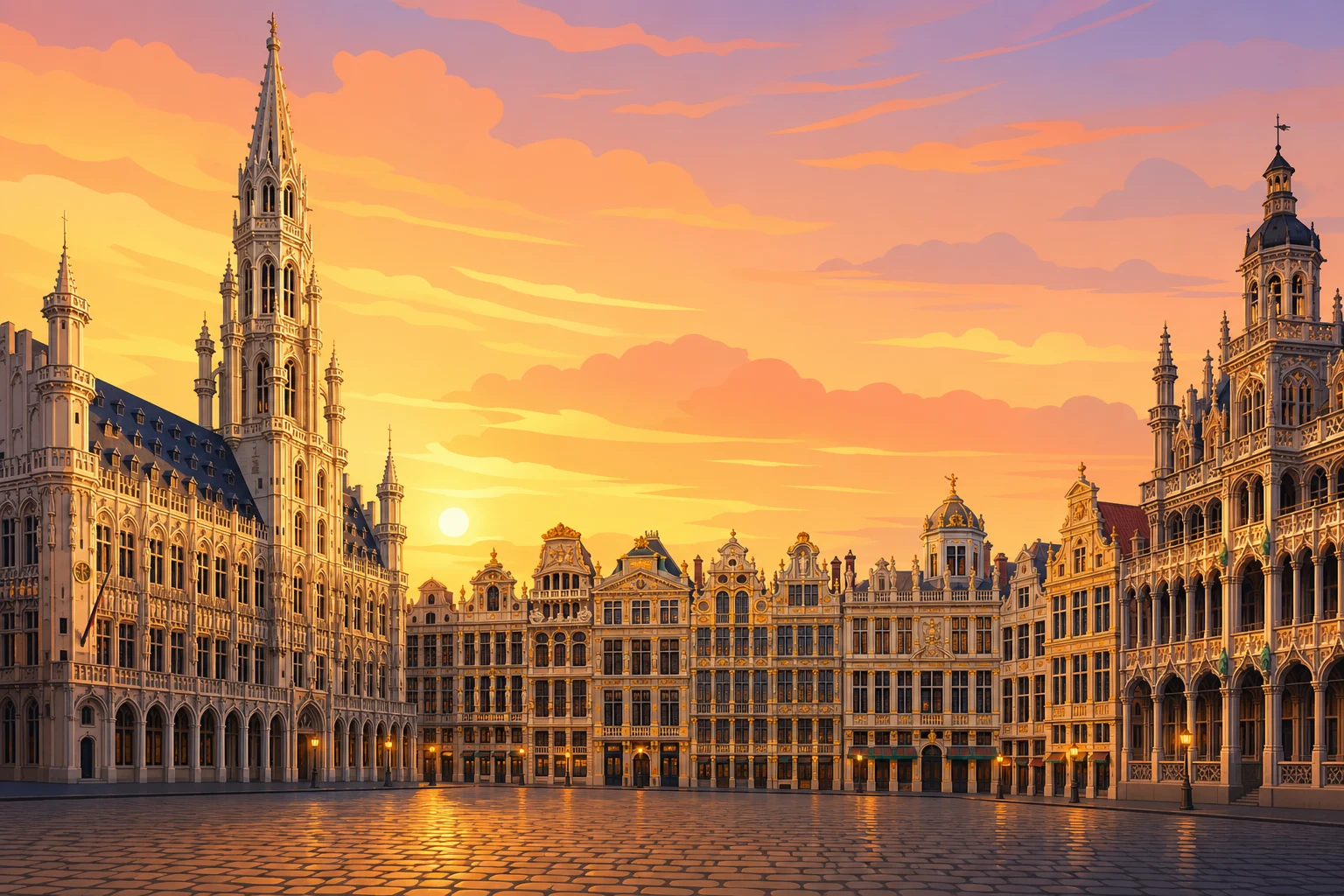
Brussels is the capital of Belgium and the de facto capital of the European Union, hosting the European Commission, NATO headquarters, and hundreds of international organisations.
Landmärken: Grand Place, Atomium
Roliga fakta
- Brussels is the headquarters of both the European Union and NATO.
- The city is officially bilingual (French and Dutch), reflecting Belgium's linguistic divide.
- The Grand Place, Brussels' central square, is considered one of the most beautiful squares in Europe and is a UNESCO World Heritage Site.
Sarajevo
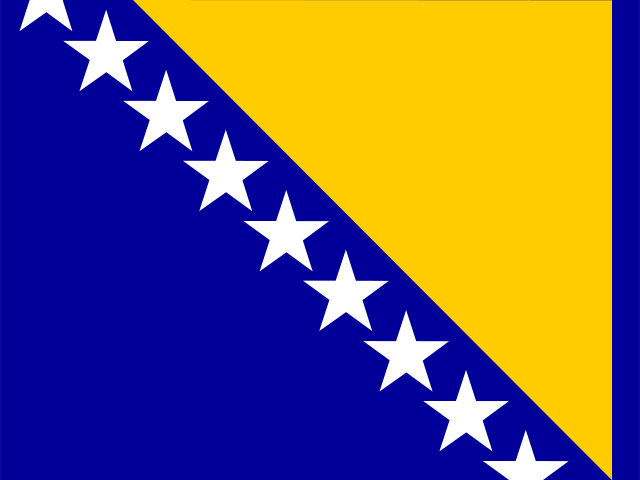
Bosnien och Hercegovina
Befolkning: 420,000
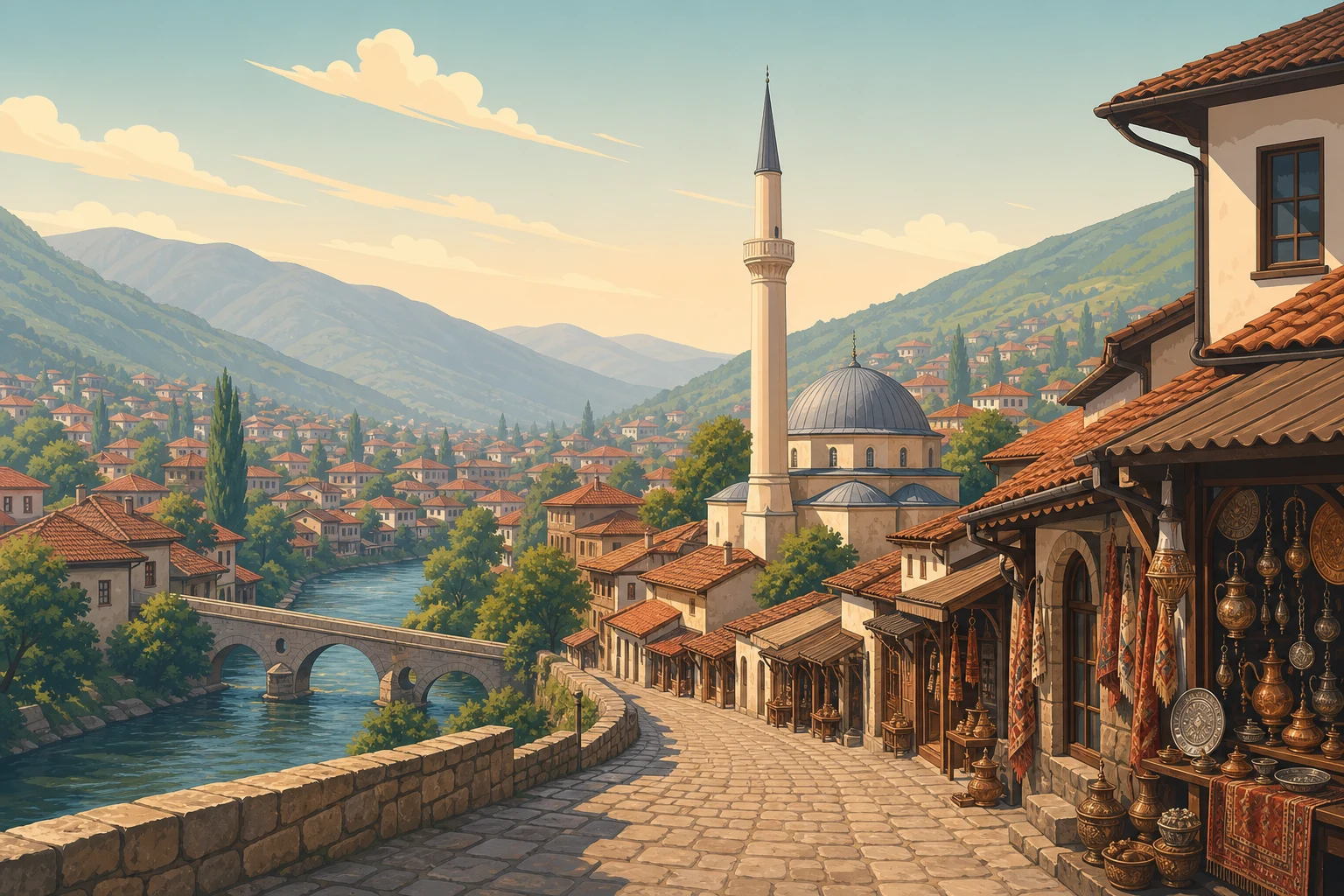
Sarajevo is the capital of Bosnia and Herzegovina, situated in a valley along the Miljacka River. It is famous as the site of the assassination that triggered World War I and for enduring the longest siege in modern warfare (1992-96).
Landmärken: Latin Bridge, Baščaršija (Old Bazaar)
Roliga fakta
- The assassination of Archduke Franz Ferdinand in Sarajevo on 28 June 1914 triggered World War I.
- Sarajevo endured a 1,425-day siege during the Bosnian War (1992-96), the longest siege of a capital city in modern history.
- The city hosted the 1984 Winter Olympics, making it one of few cities to host both war and the Olympics within a decade.
Sofia
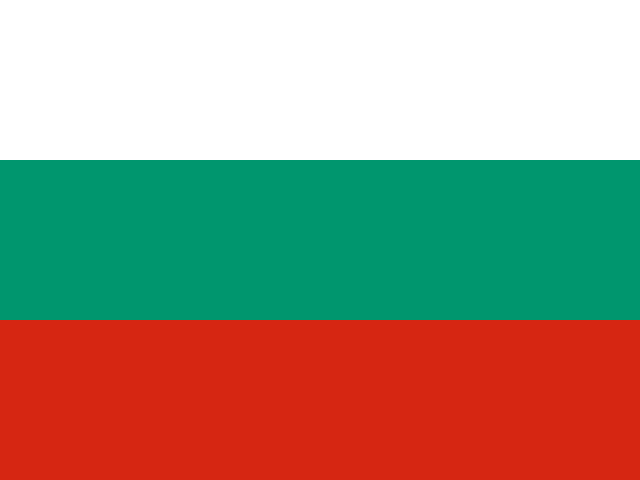
Bulgarien
Befolkning: 1.3 million
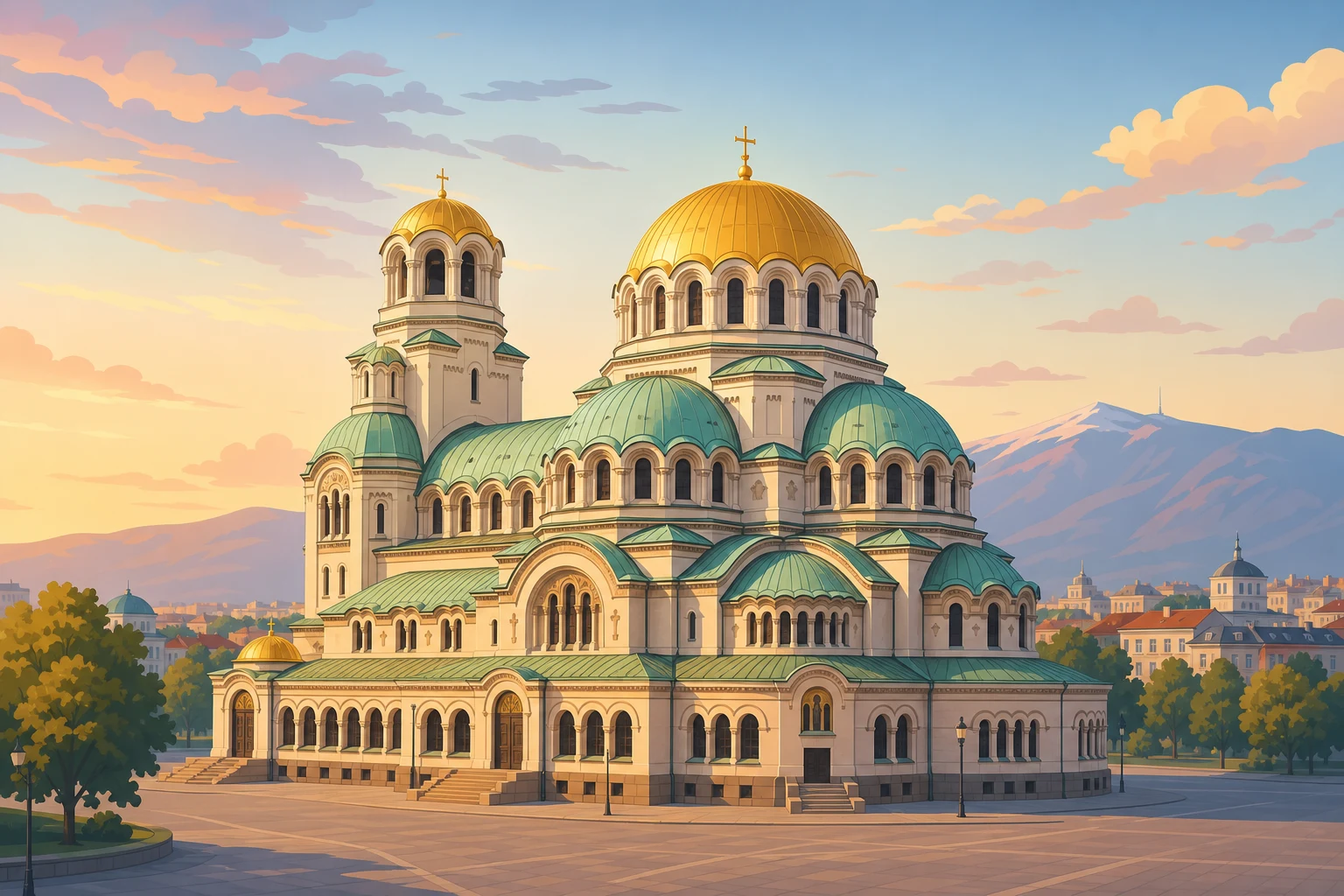
Sofia is the capital of Bulgaria, one of Europe's oldest cities with a history spanning over 7,000 years. It lies at the foot of Vitosha Mountain, combining ancient ruins with modern urban life.
Landmärken: Alexander Nevsky Cathedral, Vitosha Mountain
Roliga fakta
- Sofia has been continuously inhabited for over 7,000 years, making it one of the oldest cities in Europe.
- The city's name comes from the Saint Sofia Church, meaning "holy wisdom" in Greek.
- You can ski on Vitosha Mountain just 30 minutes from the city centre.
Zagreb
Kroatien
Befolkning: 810,000
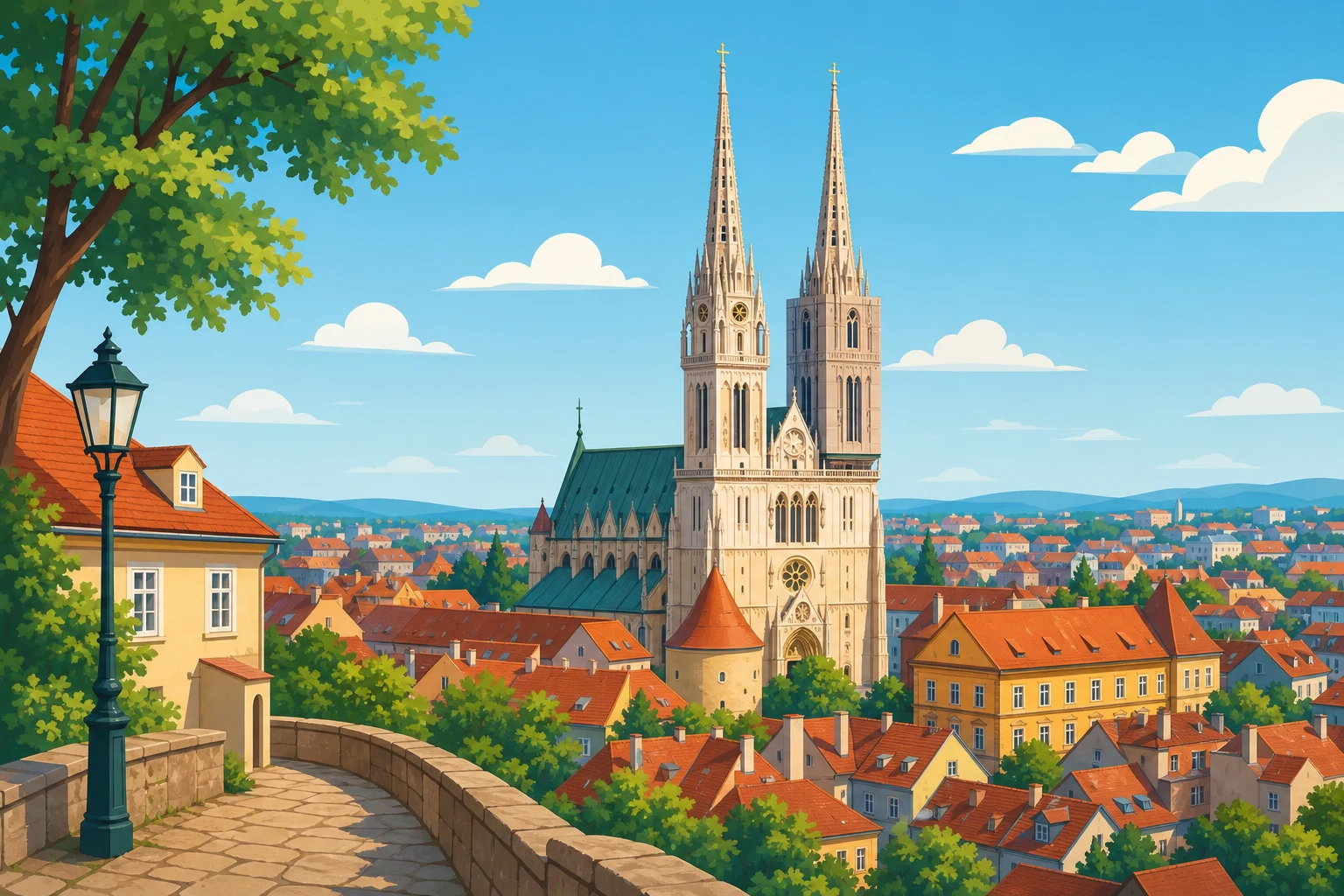
Zagreb is the capital of Croatia, built on two hills (Gradec and Kaptol) with an Austro-Hungarian old town, vibrant café culture, and numerous museums.
Landmärken: Zagreb Cathedral, Ban Jelačić Square
Roliga fakta
- Zagreb's Upper Town still fires a cannon every day at noon from the Lotrščak Tower - a tradition since 1877.
- The Museum of Broken Relationships, displaying mementos of failed love affairs from around the world, originated in Zagreb.
- Zagreb has more museums per capita than almost any other European city.
Nicosia
Cypern
Befolkning: 340,000
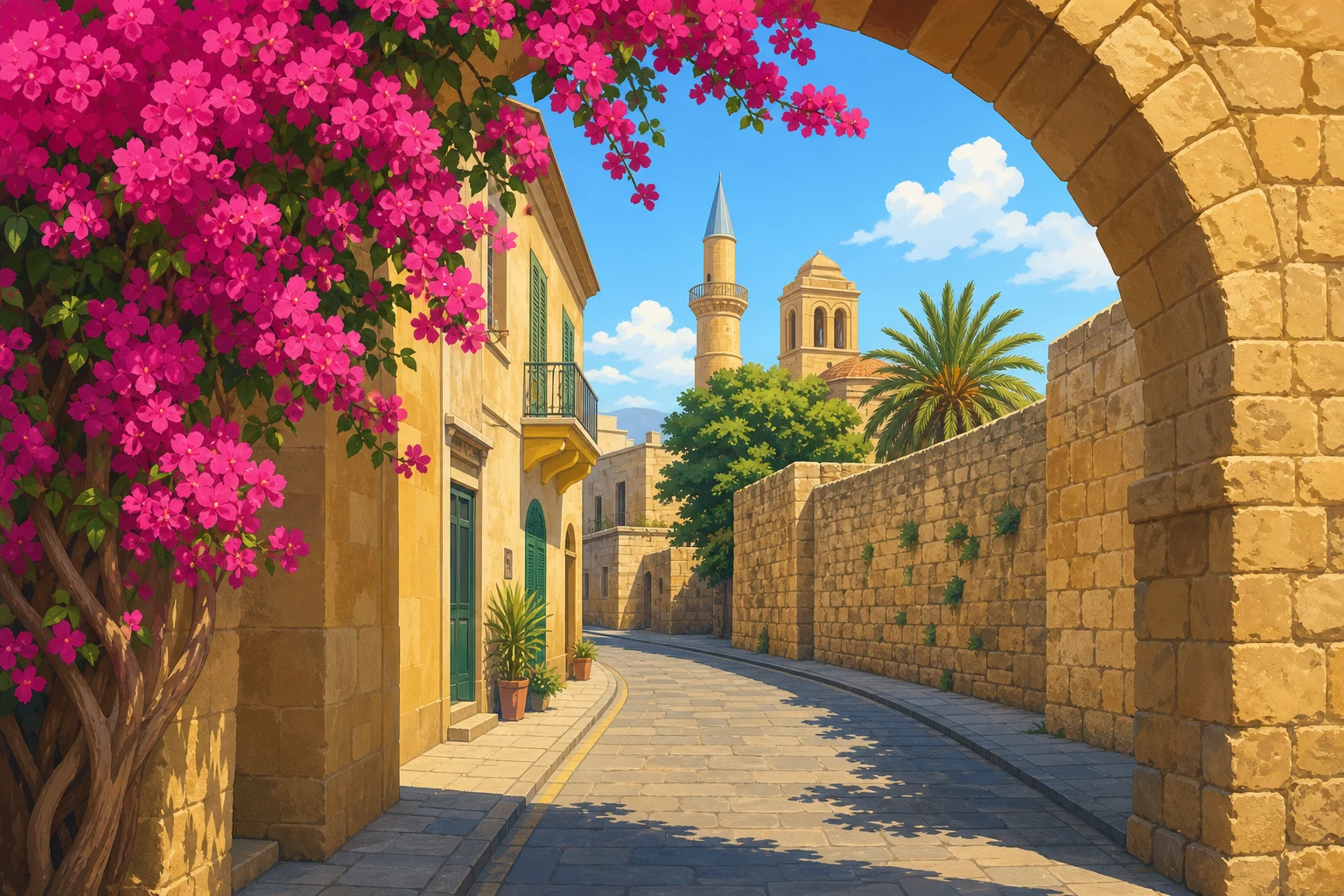
Nicosia is the capital of Cyprus and the world's last divided capital city, split between the Greek Cypriot south and Turkish Cypriot north by a UN buffer zone since 1974.
Landmärken: Venetian Walls, Selimiye Mosque (formerly St. Sophia Cathedral)
Roliga fakta
- Nicosia is the last divided capital city in the world - a UN buffer zone has split it since 1974.
- The city has been continuously inhabited for over 4,500 years.
- The Venetian walls encircling the old city, built in the 16th century, are perfectly circular with 11 heart-shaped bastions.
Prague
Czechia
Befolkning: 1.4 million
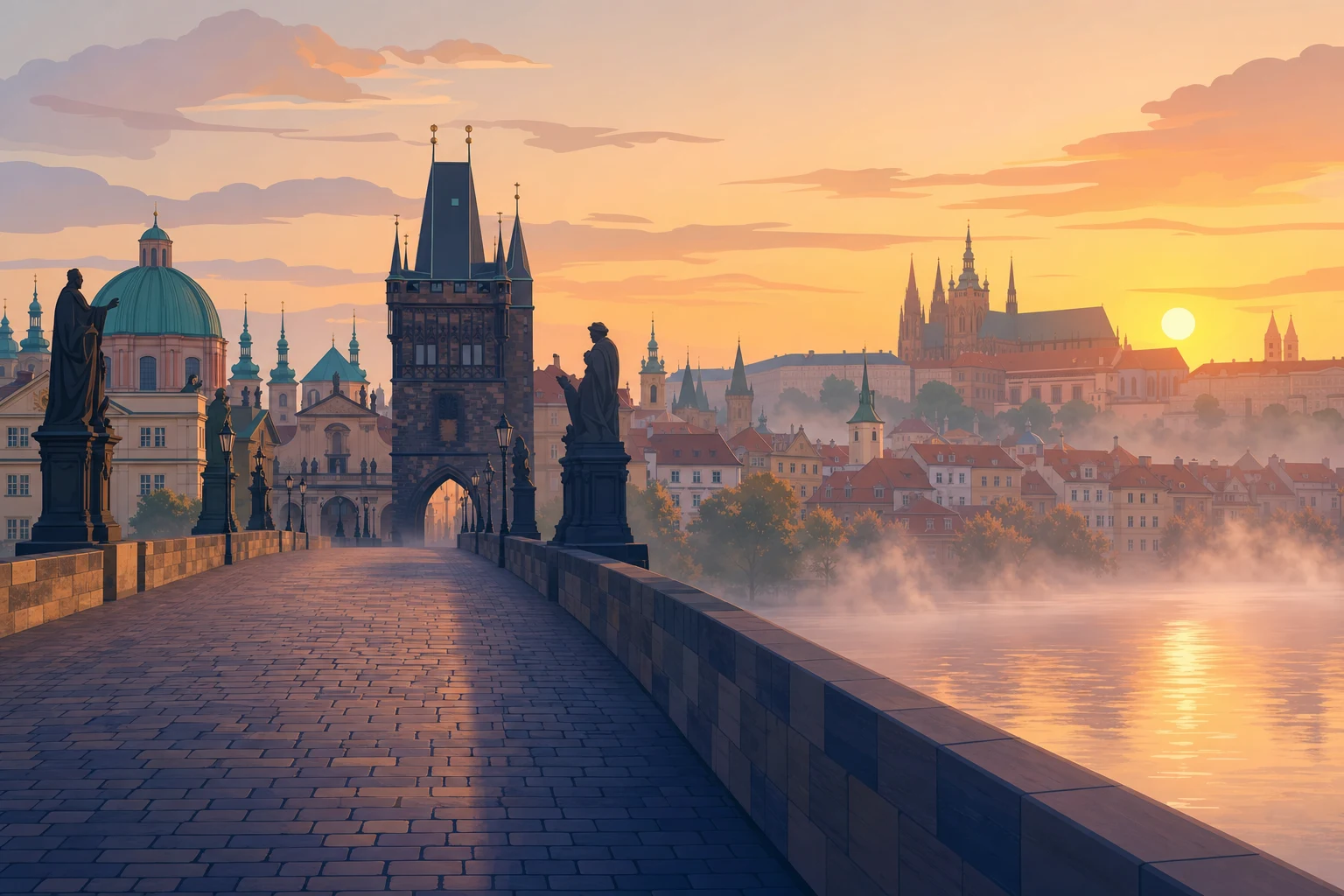
Prague is the capital of Czechia, famed for its stunning medieval Old Town, Gothic churches, Baroque palaces, and one of the best-preserved historic centres in Europe.
Landmärken: Prague Castle, Charles Bridge
Roliga fakta
- Prague Castle is the largest ancient castle complex in the world, covering nearly 70,000 square metres.
- The Astronomical Clock on Old Town Hall has been operating since 1410 - one of the oldest working astronomical clocks in the world.
- Prague's historic centre survived WWII almost entirely intact because the city was not heavily bombed.
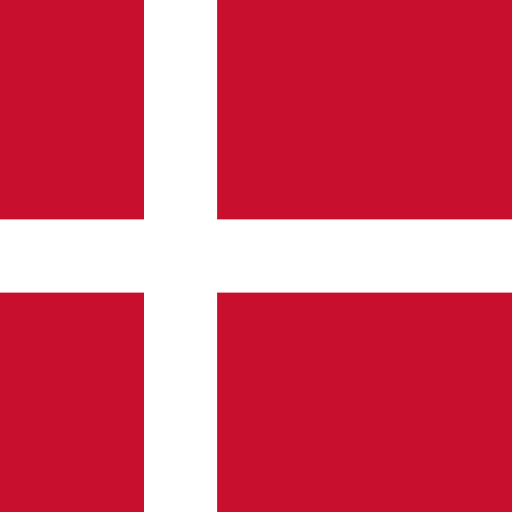
Copenhagen
Danmark
Befolkning: 1.4 million
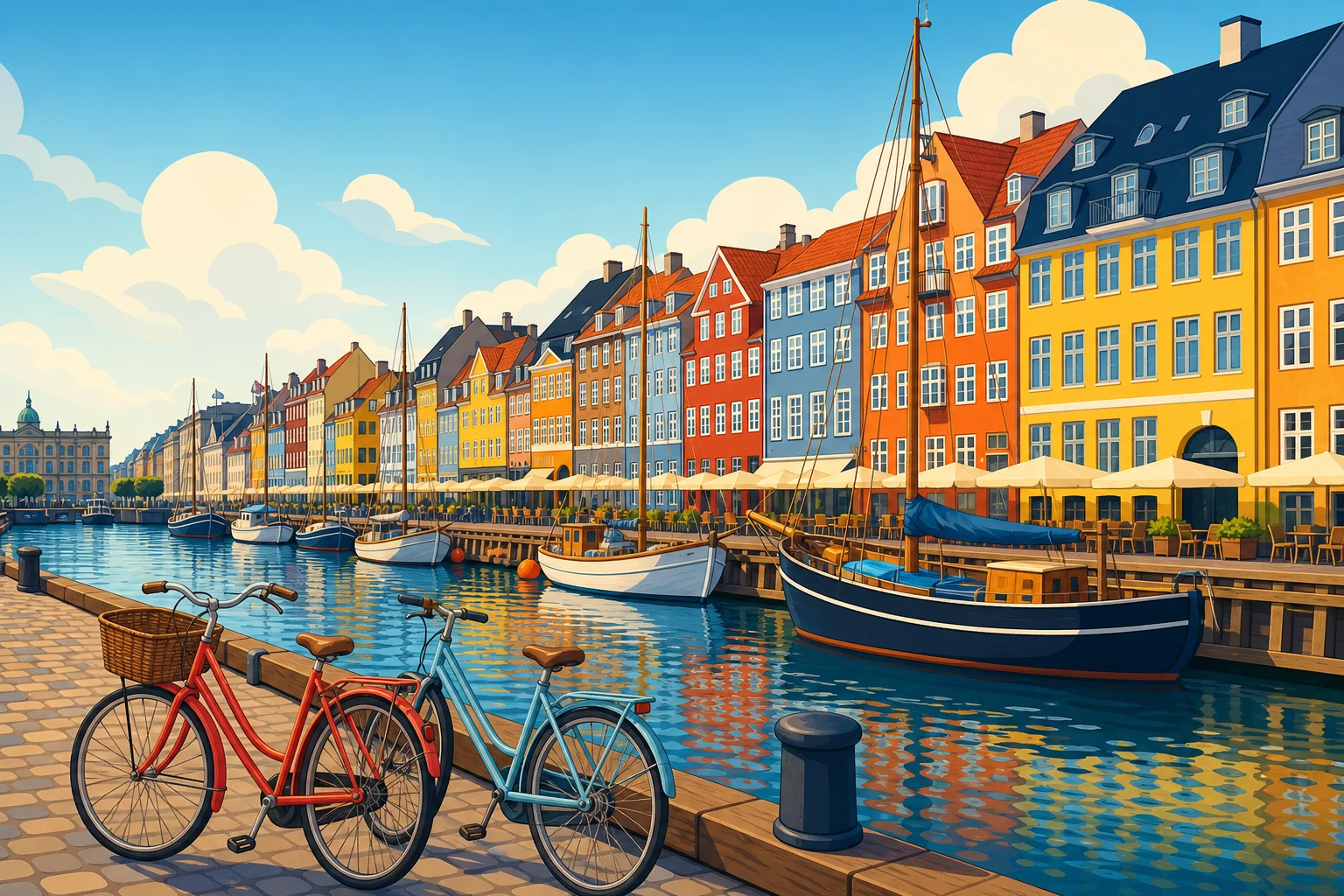
Copenhagen is the capital of Denmark, a coastal city known for its colourful Nyhavn harbour, cycling culture, design heritage, and consistently high quality-of-life rankings.
Landmärken: Tivoli Gardens, The Little Mermaid statue
Roliga fakta
- Copenhagen aims to become the world's first carbon-neutral capital by 2025.
- More than 60% of residents commute by bicycle - the city has over 450 km of bike lanes.
- Tivoli Gardens, opened in 1843, is one of the oldest amusement parks in the world and inspired Walt Disney.
Tallinn
Estland
Befolkning: 450,000
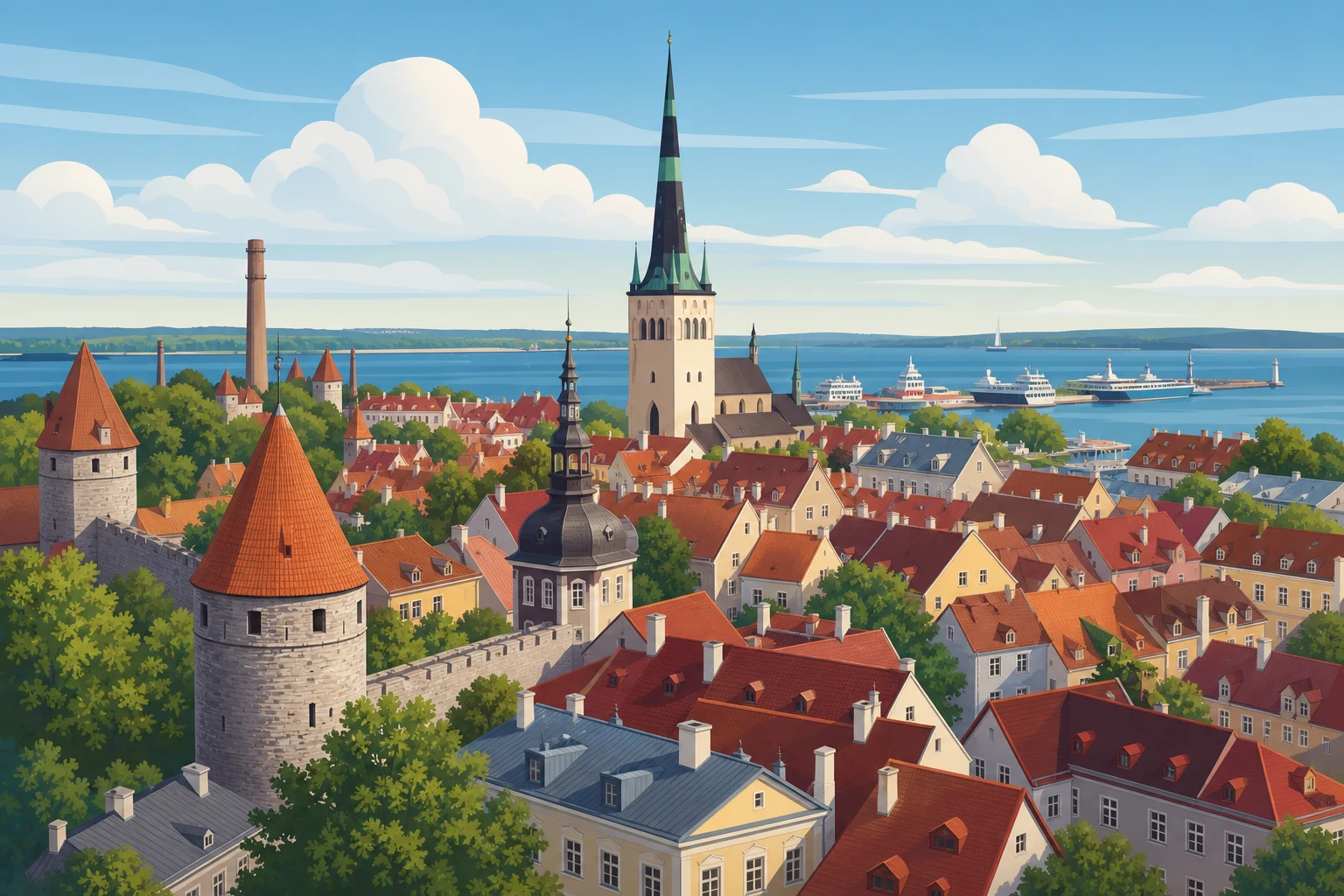
Tallinn is the capital of Estonia, featuring one of Europe's best-preserved medieval old towns alongside a thriving digital society - Estonia is often called the world's most digitally advanced country.
Landmärken: Toompea Castle, Alexander Nevsky Cathedral
Roliga fakta
- Tallinn's Old Town is one of the best-preserved medieval cities in Europe, with walls and towers dating to the 13th century.
- Estonia was the first country to offer e-Residency, and nearly all government services are available online.
- Skype was originally developed in Tallinn by Estonian programmers.
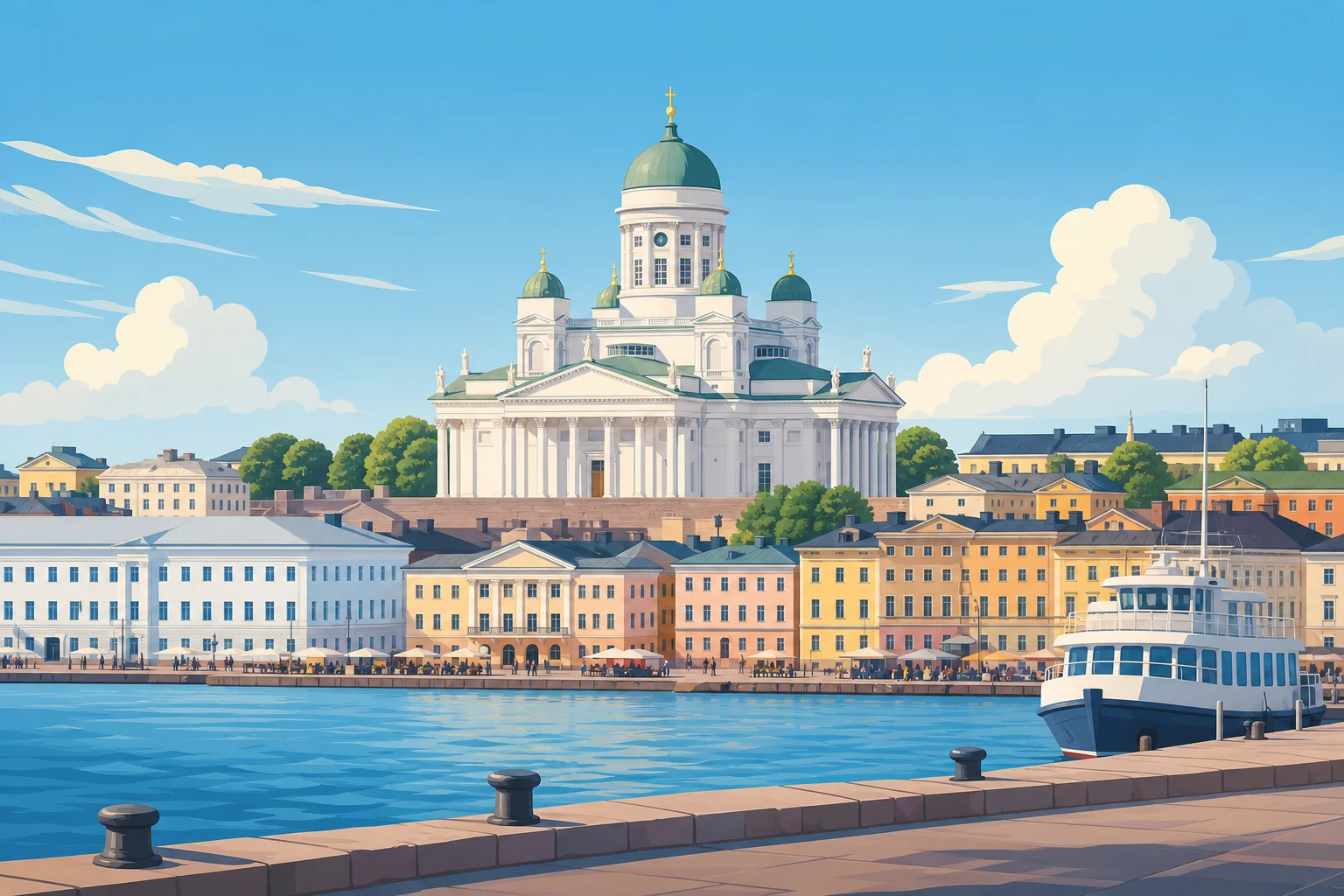
Helsinki
Finland
Befolkning: 660,000
Helsinki is the capital of Finland, a design-forward city on a Baltic Sea peninsula known for its functionalist architecture, sauna culture, and proximity to nature.
Landmärken: Helsinki Cathedral, Suomenlinna Sea Fortress
Roliga fakta
- Helsinki has more saunas than cars - there are approximately 3.3 million saunas in Finland for a population of 5.5 million.
- The city's Temppeliaukio Church is carved directly into solid rock and has become one of Finland's most popular tourist attractions.
- Helsinki is one of the northernmost capitals in the world, with only about 6 hours of daylight in December.
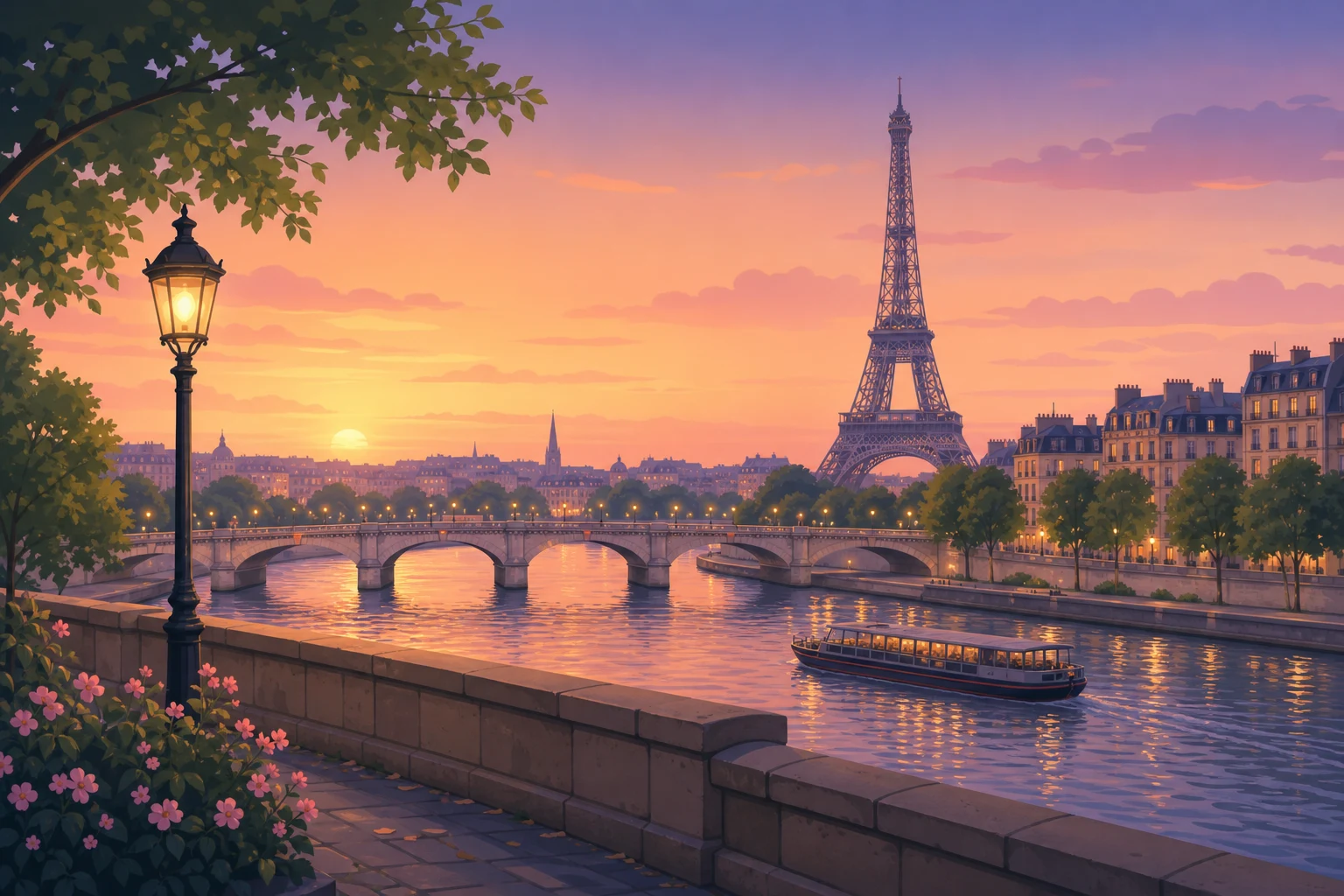
Paris
Frankrike
Befolkning: 2.1 million
Paris is the capital of France and one of the world's most visited cities, celebrated for its art, fashion, gastronomy, and iconic landmarks along the Seine River.
Landmärken: Eiffel Tower, Louvre Museum
Roliga fakta
- The Louvre is the world's most visited museum, with approximately 10 million visitors per year.
- Paris has only one stop sign in the entire city (at a construction company exit in the 16th arrondissement).
- The Eiffel Tower was meant to be temporary - built for the 1889 World's Fair, it was saved because it proved useful as a radio antenna.
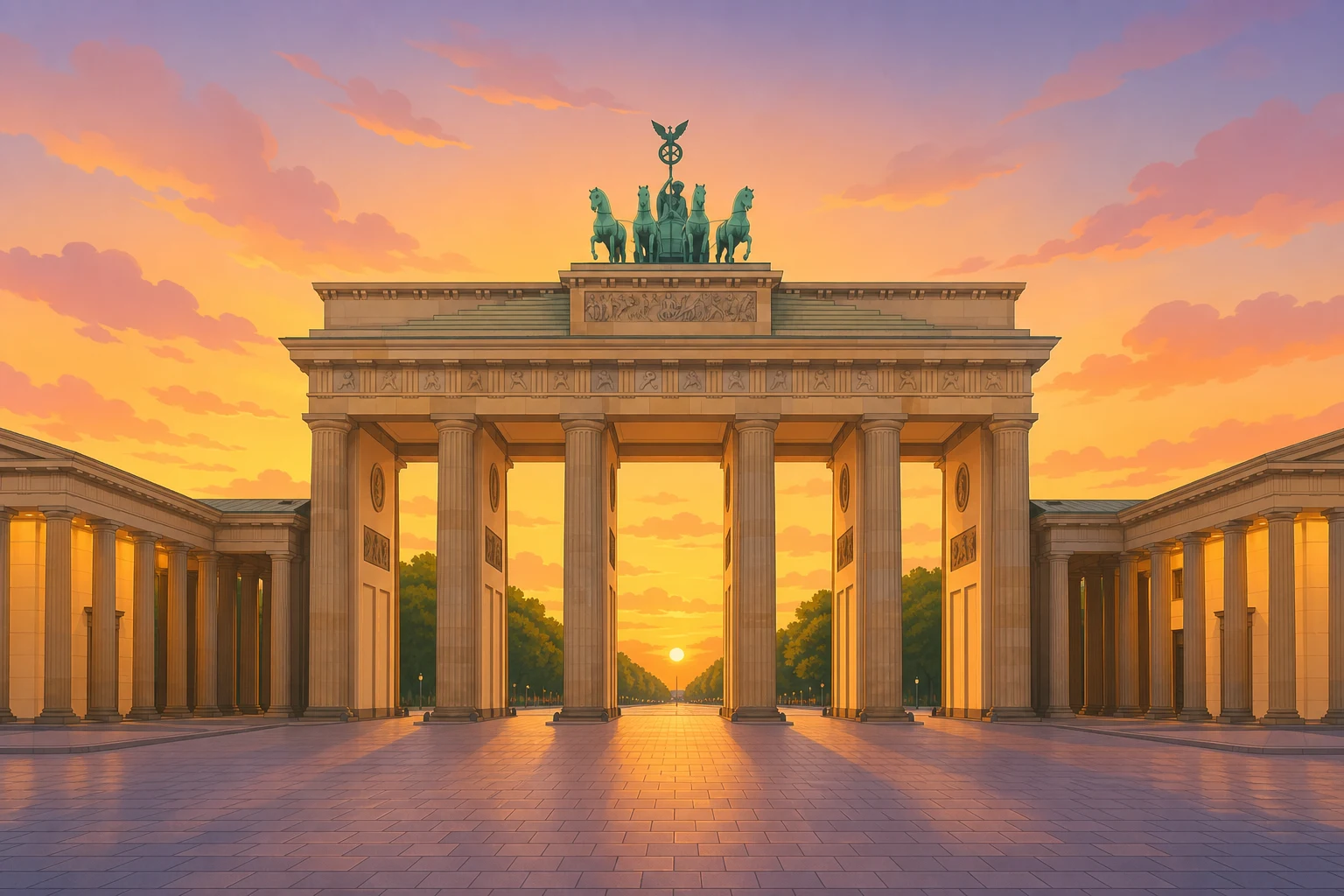
Berlin
Tyskland
Befolkning: 3.6 million
Berlin is the capital of Germany, a city defined by its tumultuous 20th-century history and creative reinvention since reunification in 1990.
Landmärken: Brandenburg Gate, Reichstag Building
Roliga fakta
- The Berlin Wall divided the city for 28 years (1961-1989); today, fragments remain as memorials throughout the city.
- Berlin has more bridges than Venice - approximately 1,700 compared to Venice's 400.
- The city has more museums than rainy days - over 170 museums in total.
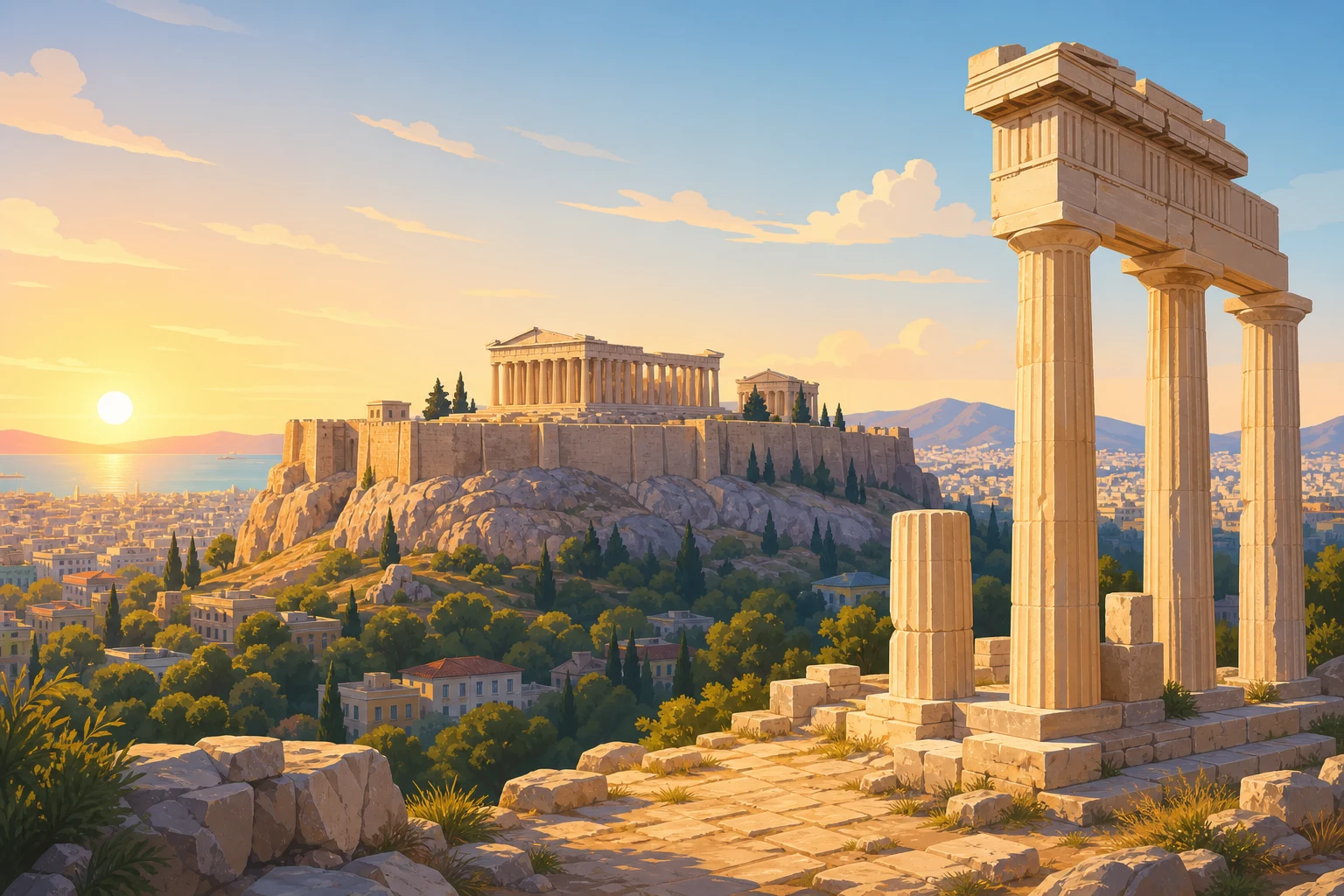
Athens
Grekland
Befolkning: 3.1 million
Athens is the capital of Greece and one of the oldest cities in the world, with a recorded history spanning over 3,400 years. It is the cradle of Western civilisation, democracy, and philosophy.
Landmärken: Acropolis and Parthenon, Ancient Agora
Roliga fakta
- Athens is considered the birthplace of democracy, philosophy, and Western theatre - it has been inhabited for over 3,400 years.
- The Parthenon atop the Acropolis was built in 438 BC and has survived earthquakes, wars, and explosions.
- Athens hosted the first modern Olympic Games in 1896 and again in 2004.
Budapest
Ungern
Befolkning: 1.8 million
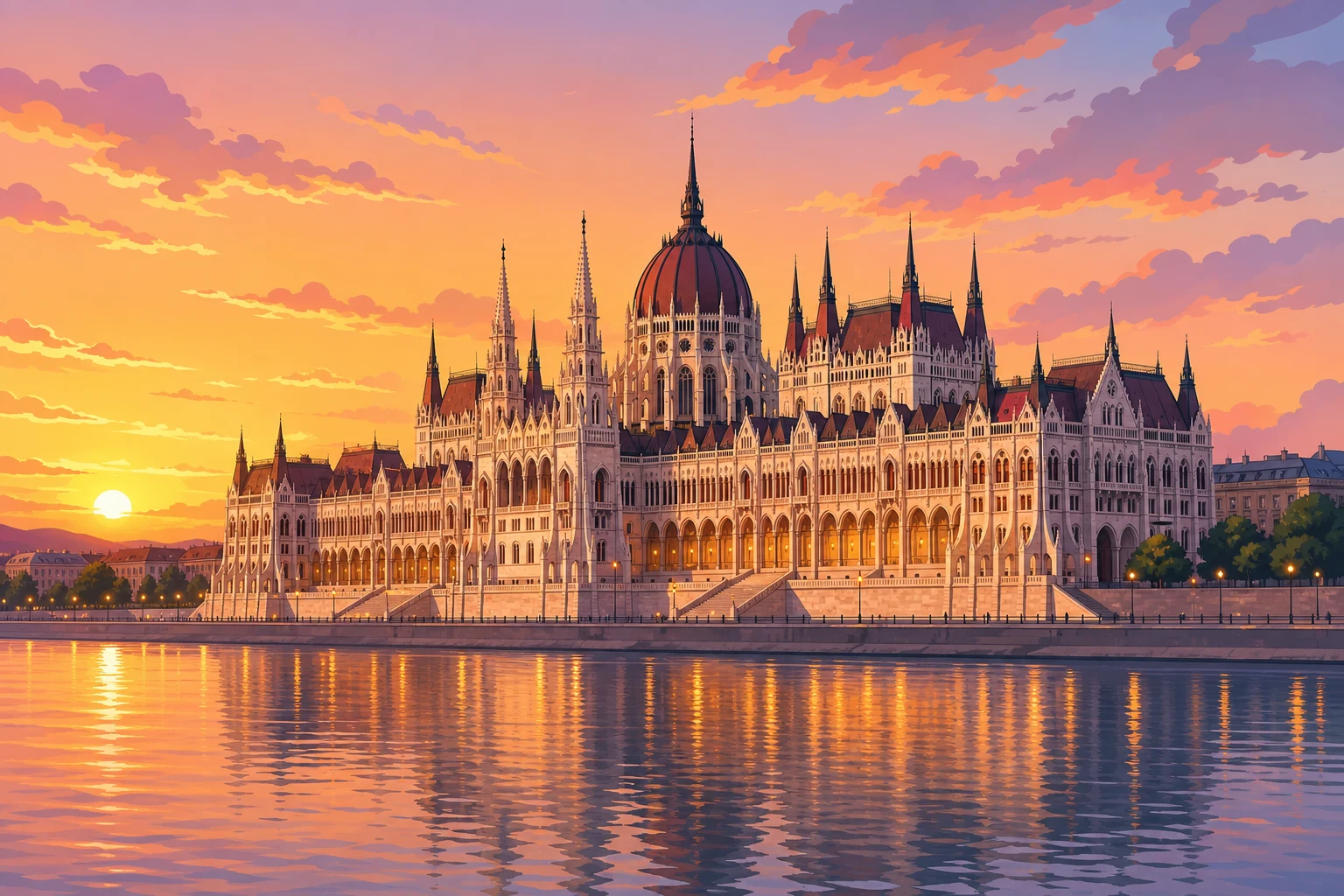
Budapest is the capital of Hungary, formed by the unification of Buda and Pest on opposite banks of the Danube in 1873. It is famed for its thermal baths, ruin bars, and stunning riverfront architecture.
Landmärken: Hungarian Parliament Building, Széchenyi Thermal Bath
Roliga fakta
- Budapest has the most thermal springs of any capital city in the world - over 120 natural hot springs feed its famous bathhouses.
- The city was formed in 1873 by merging three cities: Buda and Óbuda on the west bank with Pest on the east.
- The Hungarian Parliament Building is the third-largest parliament building in the world.
Reykjavik
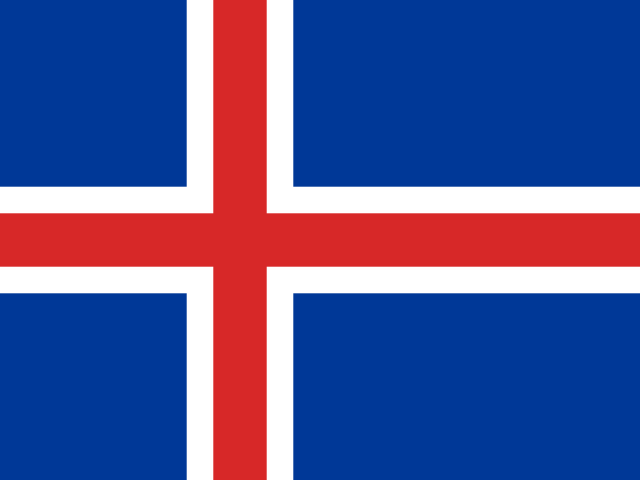
Island
Befolkning: 140,000
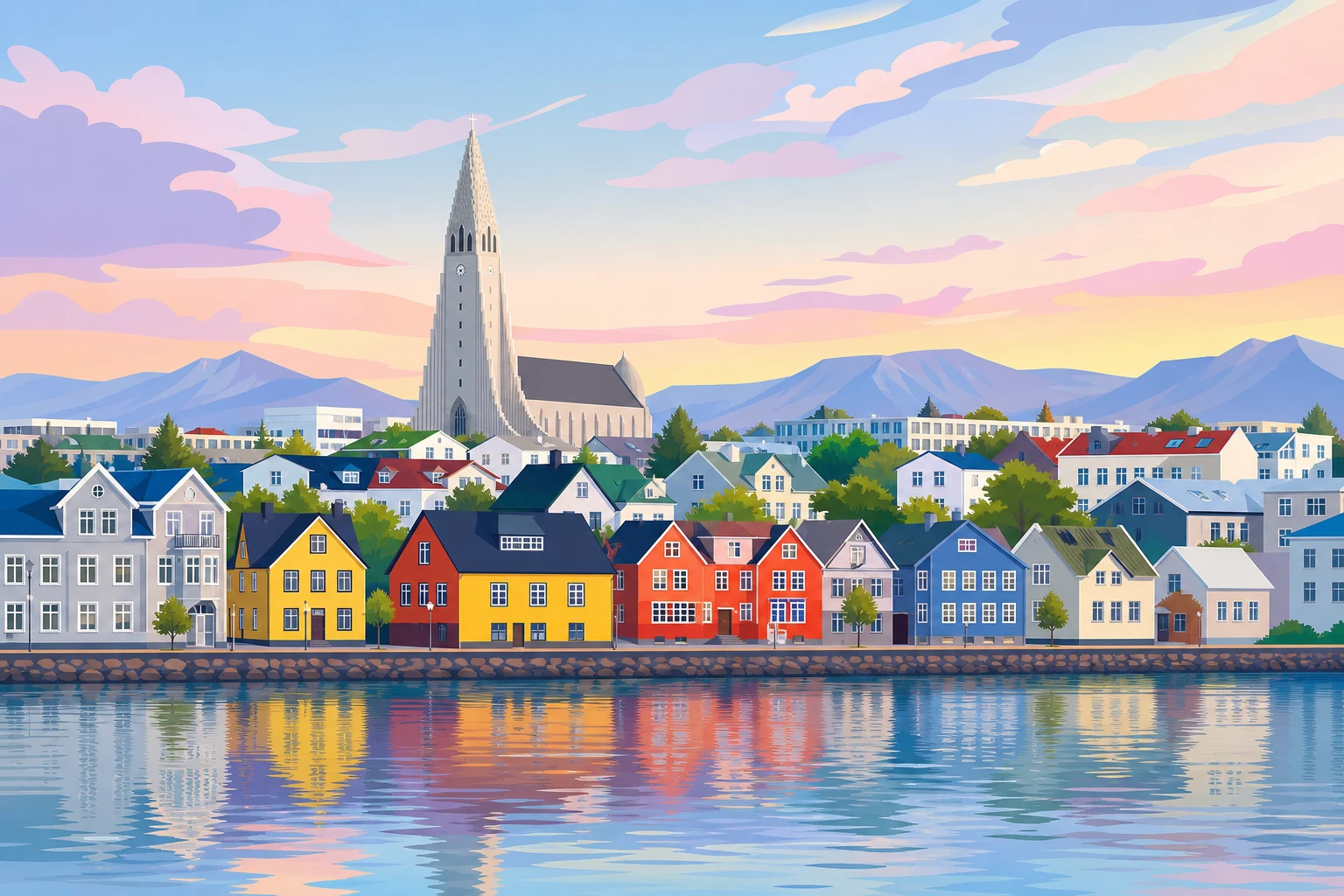
Reykjavik is the capital of Iceland and the world's northernmost capital of a sovereign state. Despite its small size, it is a culturally rich city powered almost entirely by geothermal and hydroelectric energy.
Landmärken: Hallgrímskirkja, Harpa Concert Hall
Roliga fakta
- Reykjavik is the northernmost capital of a sovereign nation, located at 64°N latitude.
- Nearly 100% of Iceland's electricity comes from renewable sources (geothermal and hydroelectric).
- The name Reykjavik means "Smoky Bay," named by the first Norse settler who mistook geothermal steam for smoke.
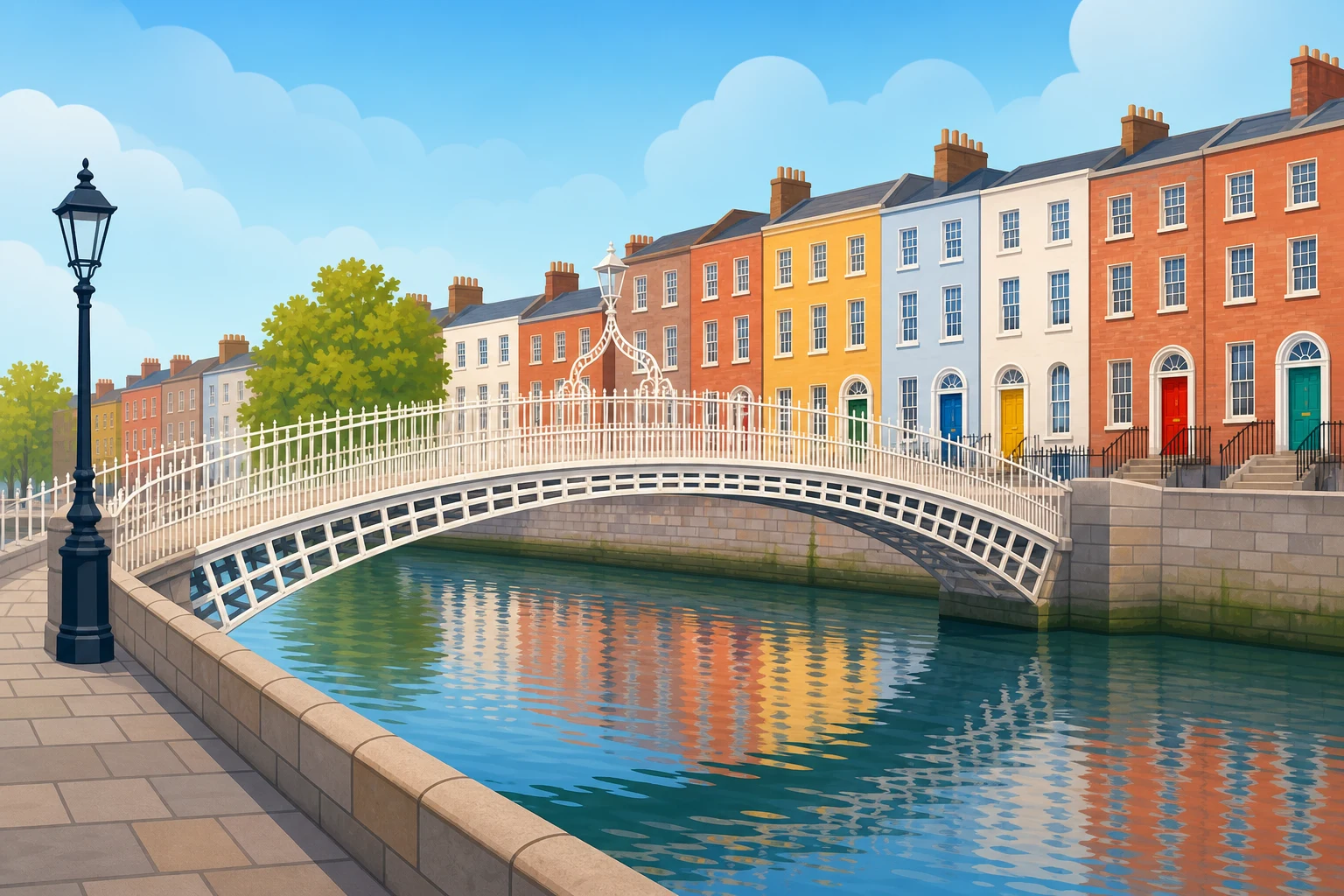
Dublin
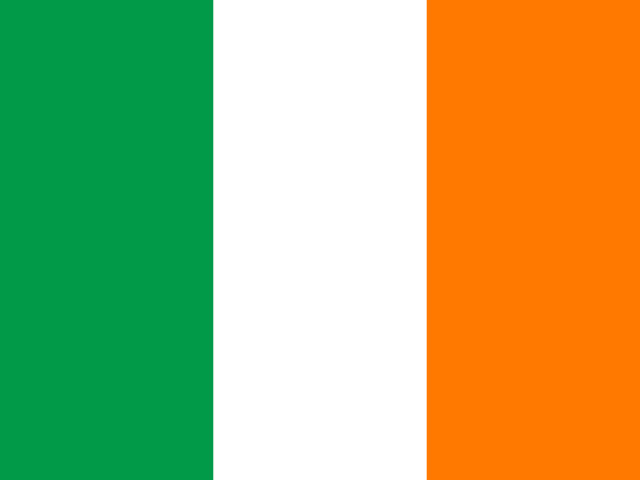
Irland
Befolkning: 1.4 million
Dublin is the capital of Ireland, a literary city on the River Liffey that has produced four Nobel Prize winners in literature and is now a major European tech hub.
Landmärken: Trinity College Library, Dublin Castle
Roliga fakta
- Dublin has produced four Nobel laureates in literature: Yeats, Shaw, Beckett, and Heaney.
- The Guinness brewery at St. James's Gate signed a 9,000-year lease in 1759.
- Dublin's name comes from the Irish "Dubh Linn" meaning "black pool."
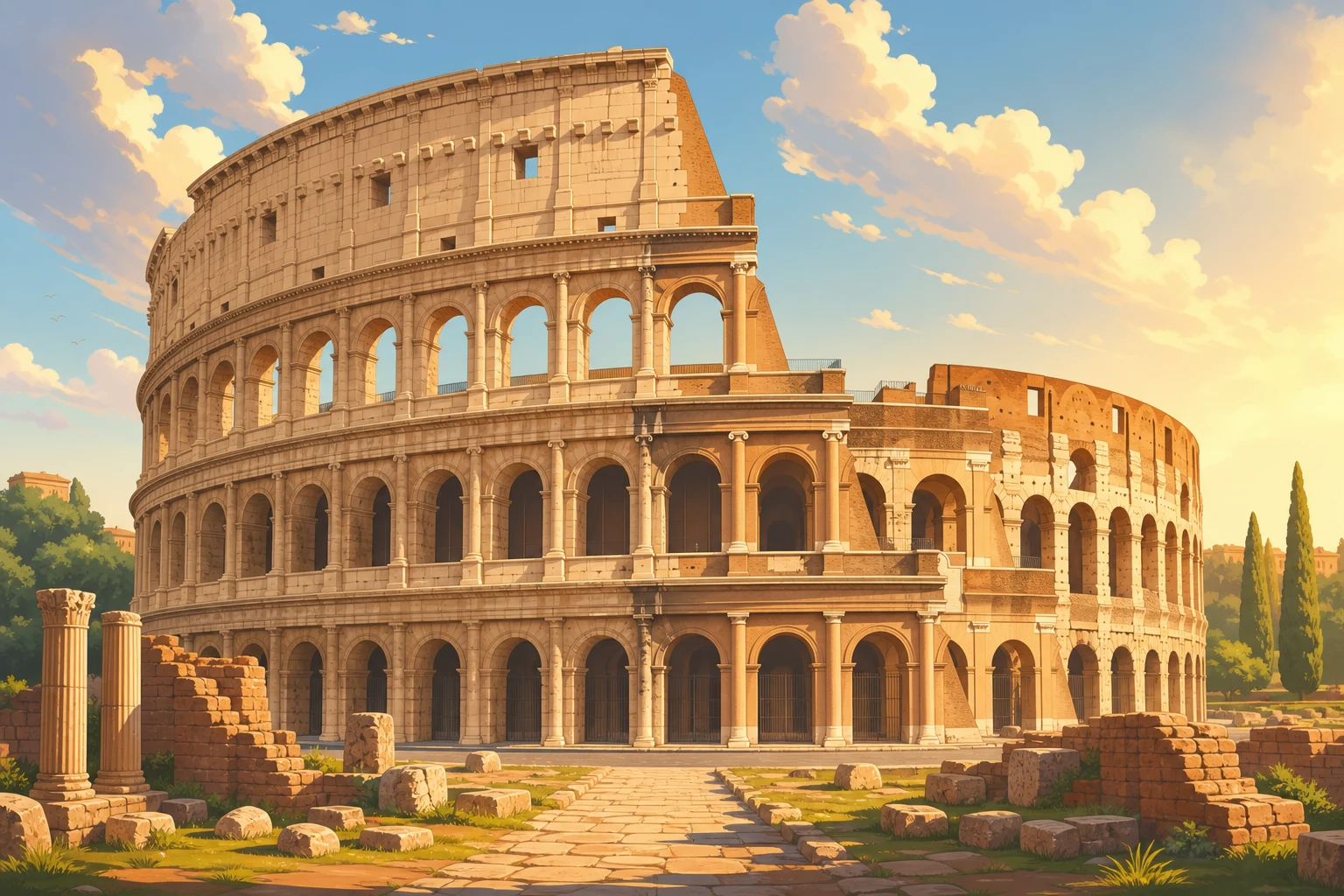
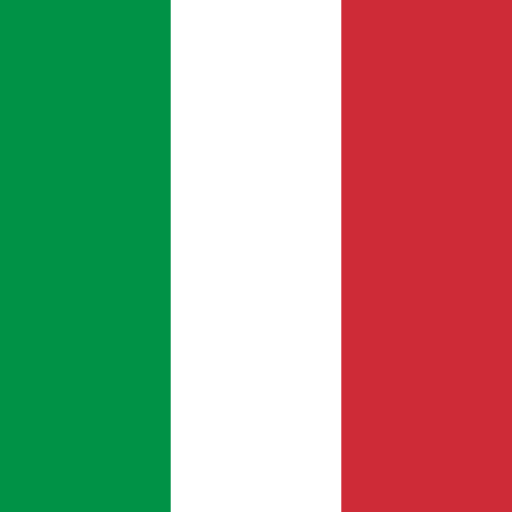
Rome
Italien
Befolkning: 2.8 million
Rome is the capital of Italy and the former heart of the Roman Empire. The "Eternal City" contains nearly 3,000 years of globally influential art, architecture, and culture, plus an independent country (Vatican City) within its borders.
Landmärken: Colosseum, Vatican City (St. Peter's Basilica)
Roliga fakta
- Rome contains an entire independent country within it - Vatican City, the world's smallest sovereign state.
- The Colosseum could hold 50,000–80,000 spectators and is nearly 2,000 years old.
- Legend says Rome was founded by twin brothers Romulus and Remus in 753 BC.
Pristina
Kosovo
Befolkning: 210,000
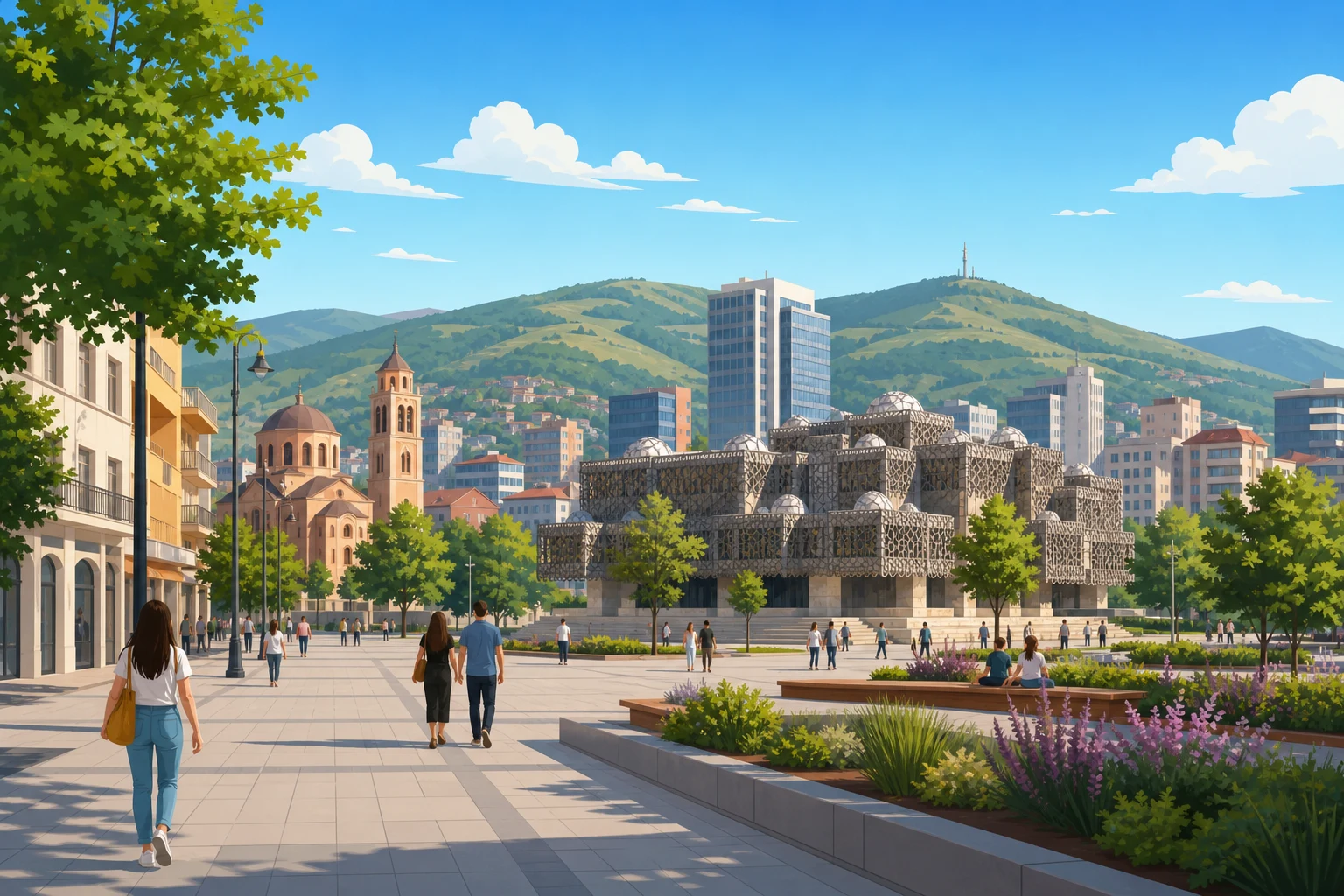
Pristina is the capital of Kosovo, a young nation that declared independence from Serbia in 2008. The city blends Ottoman-era architecture with communist-era buildings and modern development.
Landmärken: Newborn Monument, National Library of Kosovo
Roliga fakta
- Kosovo declared independence in 2008, making it one of the youngest countries in Europe.
- Pristina has a boulevard and statue dedicated to Bill Clinton for the US role in the 1999 NATO intervention.
- The National Library of Kosovo is one of the most unusual buildings in Europe, covered in metal domes and nets.
Riga
Lettland
Befolkning: 615,000
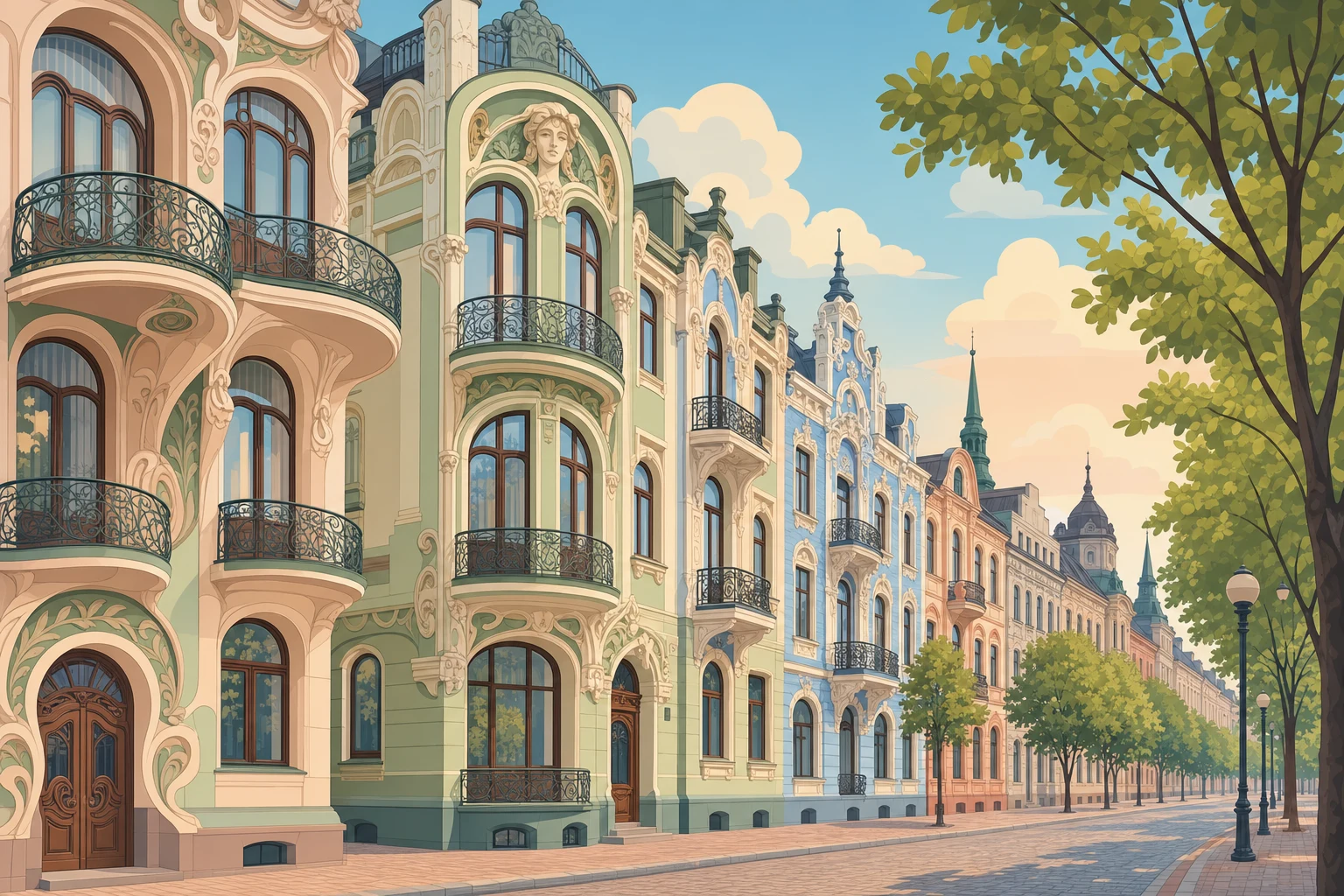
Riga is the capital of Latvia and the largest city in the Baltic states, renowned for having the greatest concentration of Art Nouveau architecture in the world.
Landmärken: House of the Blackheads, Riga Central Market
Roliga fakta
- Riga has the highest concentration of Art Nouveau (Jugendstil) buildings in the world - over 800 in the city centre alone.
- The Riga Central Market occupies five former Zeppelin hangars and is one of the largest markets in Europe.
- Latvia's national sport is ice hockey, and Riga hosted the IIHF World Championship.
Vaduz
Liechtenstein
Befolkning: 5,700
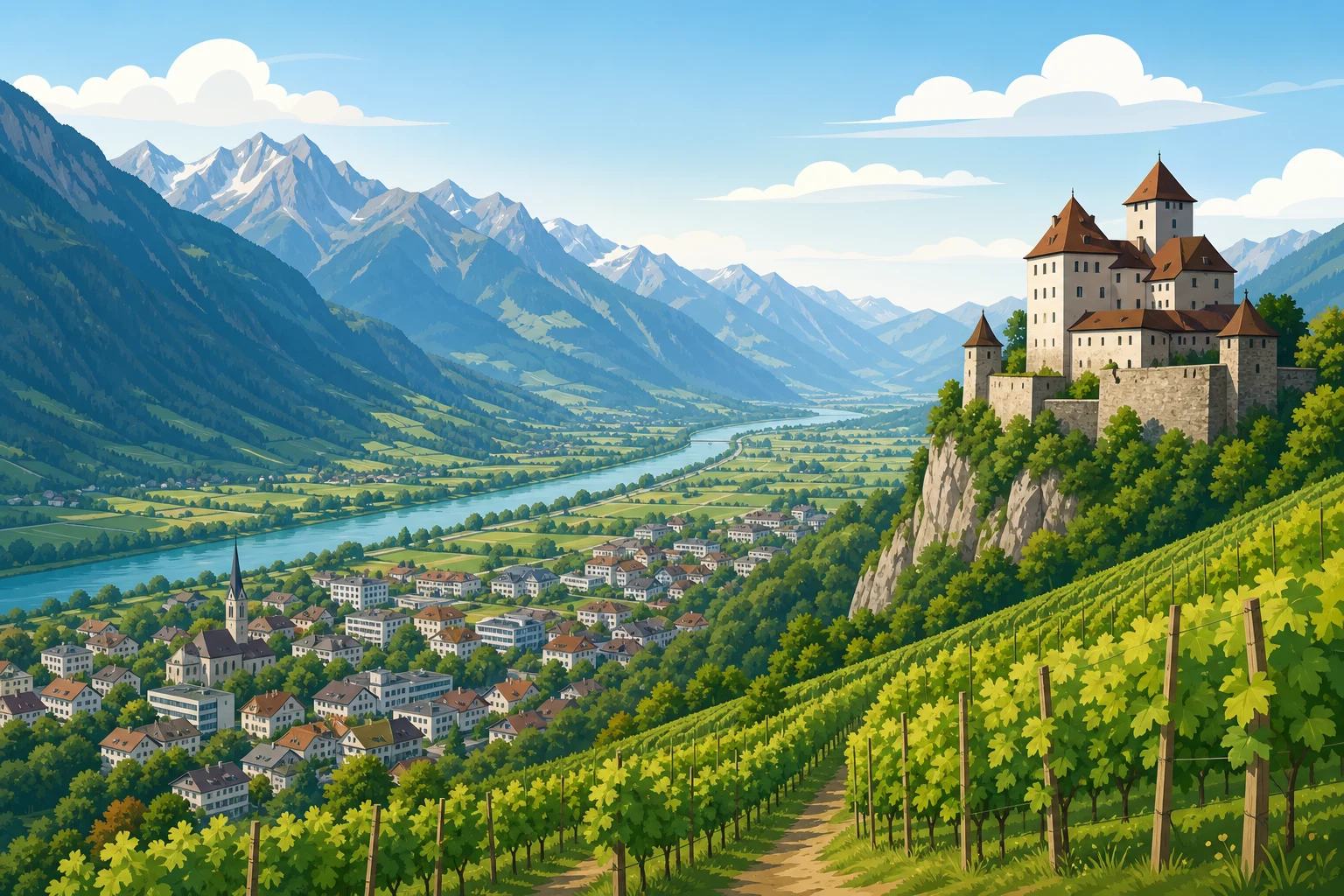
Vaduz is the capital of Liechtenstein, a tiny principality nestled between Switzerland and Austria in the Alps. The hilltop Vaduz Castle, residence of the reigning prince, dominates the skyline.
Landmärken: Vaduz Castle, Kunstmuseum Liechtenstein
Roliga fakta
- Liechtenstein is one of only two doubly landlocked countries in the world (the other is Uzbekistan).
- Vaduz Castle is still the residence of the Prince of Liechtenstein and is not open to the public.
- Liechtenstein has more registered companies than citizens due to its low corporate tax rates.
Vilnius
Litauen
Befolkning: 590,000
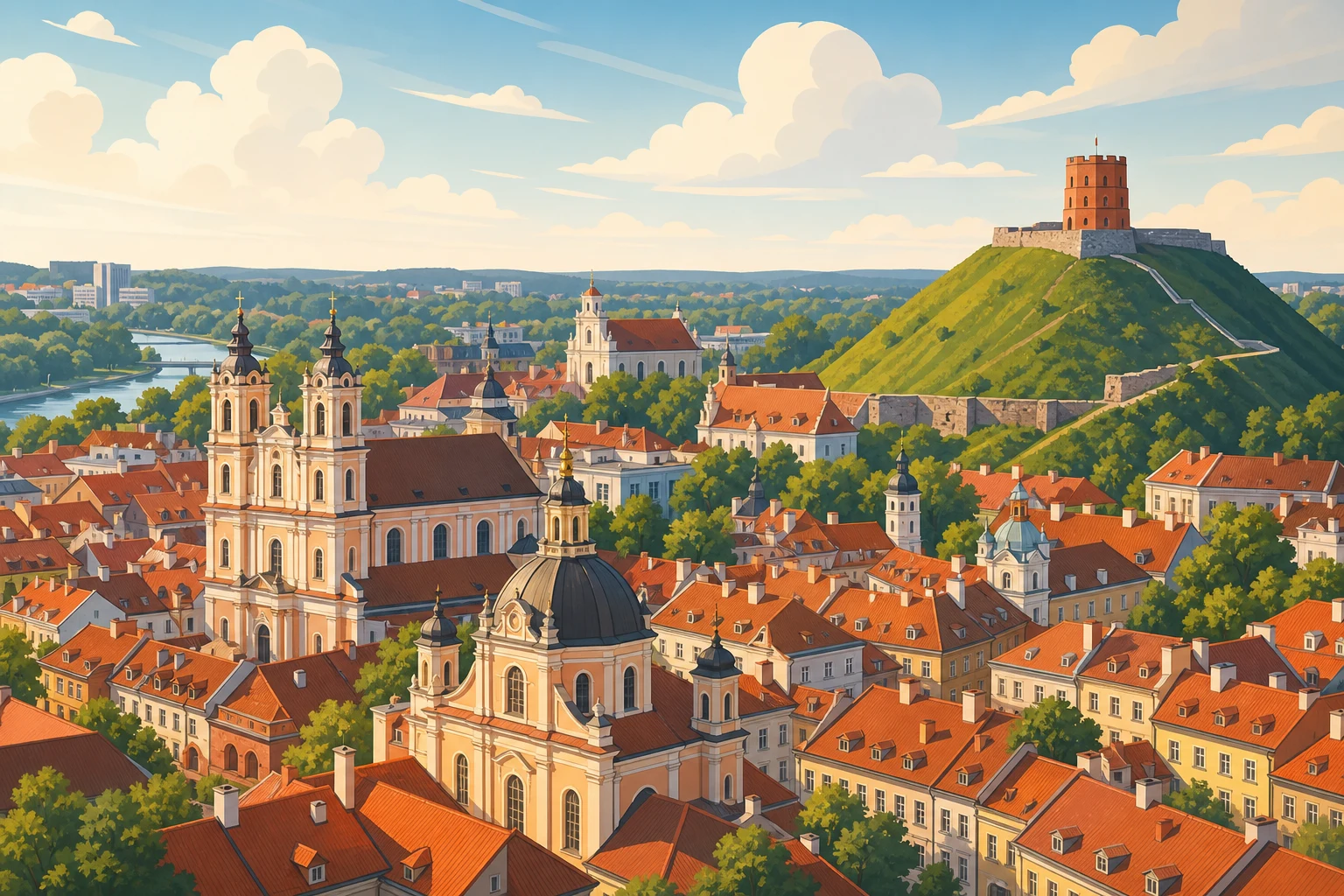
Vilnius is the capital of Lithuania, featuring one of the largest surviving medieval old towns in Europe, designated a UNESCO World Heritage Site for its blend of Gothic, Renaissance, and Baroque architecture.
Landmärken: Gediminas' Tower, Vilnius University (one of the oldest in Eastern Europe)
Roliga fakta
- Vilnius has one of the largest old towns in Europe, with over 1,500 buildings spanning Gothic to Neoclassical styles.
- The city's artistic district of Užupis declared itself an independent republic on April Fool's Day 1997, complete with its own constitution.
- Lithuania was the first Soviet republic to declare independence from the USSR in 1990.
Luxembourg City
Luxemburg
Befolkning: 132,000
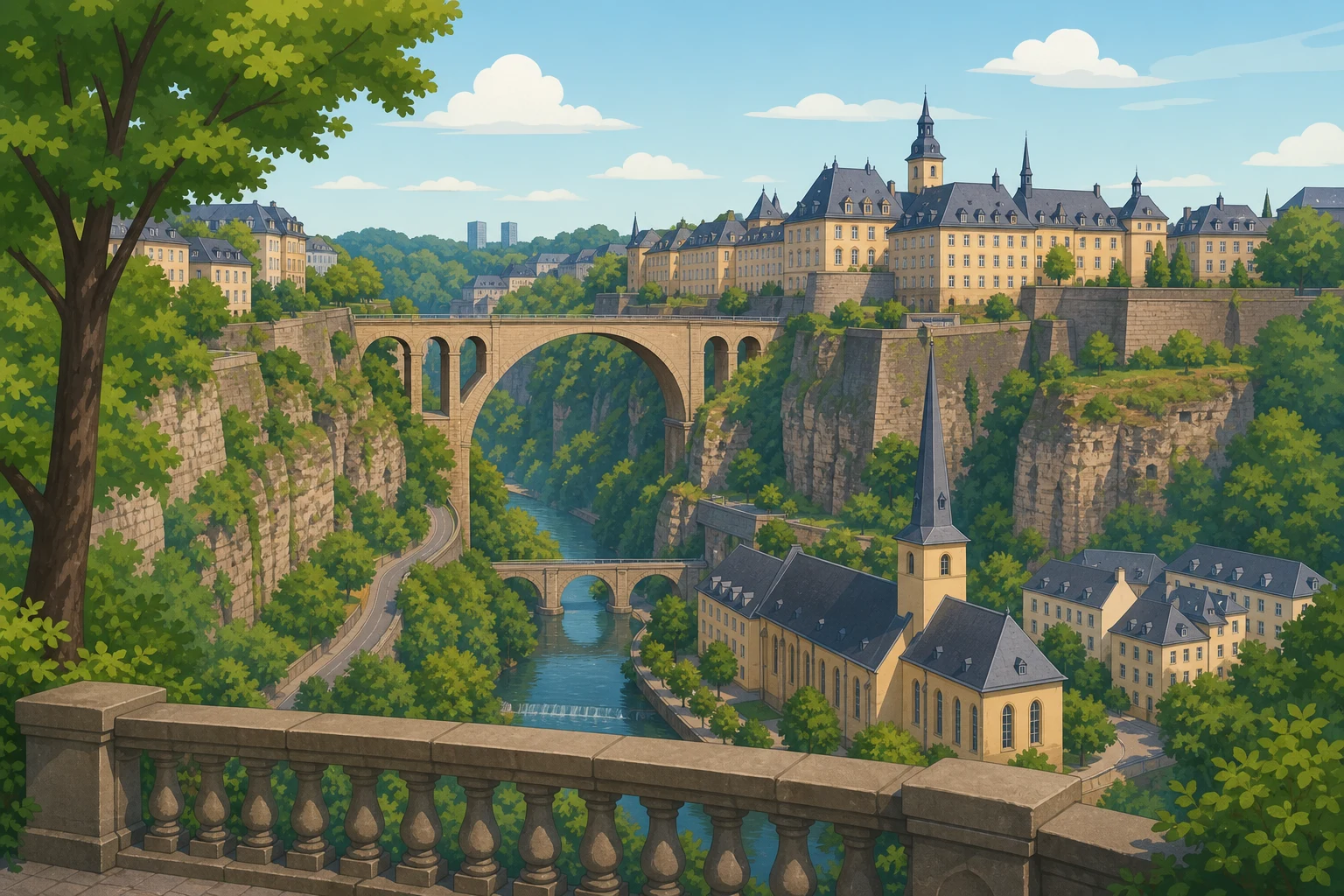
Luxembourg City is the capital of the Grand Duchy of Luxembourg, perched on dramatic sandstone cliffs above the Alzette and Pétrusse river valleys. Its old quarters and fortifications are a UNESCO World Heritage Site.
Landmärken: Bock Casemates, Grand Ducal Palace
Roliga fakta
- Luxembourg City has the highest GDP per capita of any city in the world.
- Over 70% of the city's workforce commutes daily from neighbouring France, Belgium, and Germany.
- The Bock Casemates are 17 km of underground tunnels used as fortifications since 963 AD.
Valletta
Malta
Befolkning: 6,400
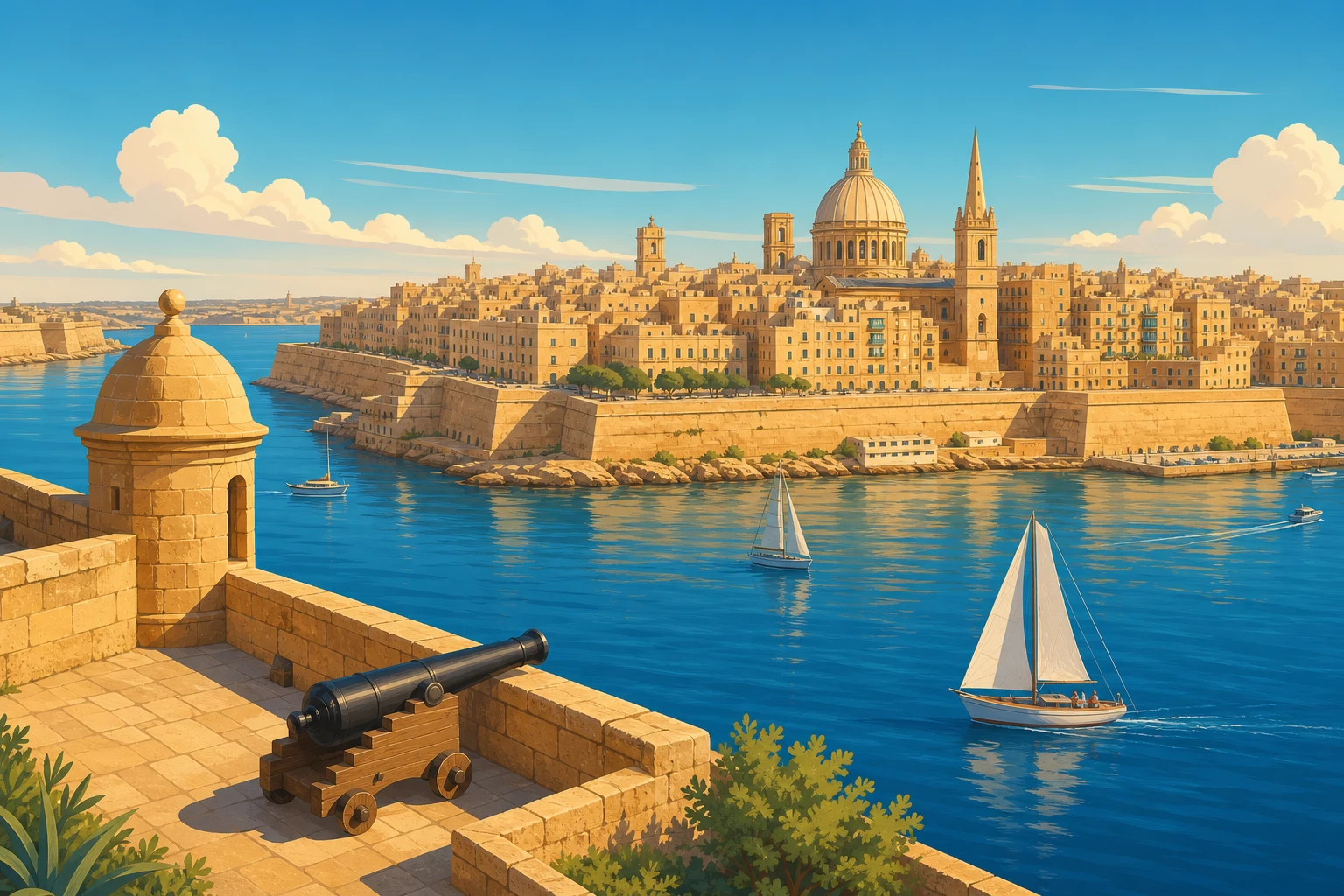
Valletta is the capital of Malta, a fortified city built by the Knights of St. John in the 16th century on a peninsula in the Mediterranean. It is one of the smallest capital cities in the EU and a UNESCO World Heritage Site.
Landmärken: St. John's Co-Cathedral, Fort St. Elmo
Roliga fakta
- Valletta is the smallest capital city in the EU by population and one of the most densely concentrated historic areas in the world.
- The city was built by the Knights of St. John after the Great Siege of Malta in 1565.
- Valletta has 320 monuments within an area of just 0.55 square kilometres.
Chișinău
Moldavien
Befolkning: 700,000
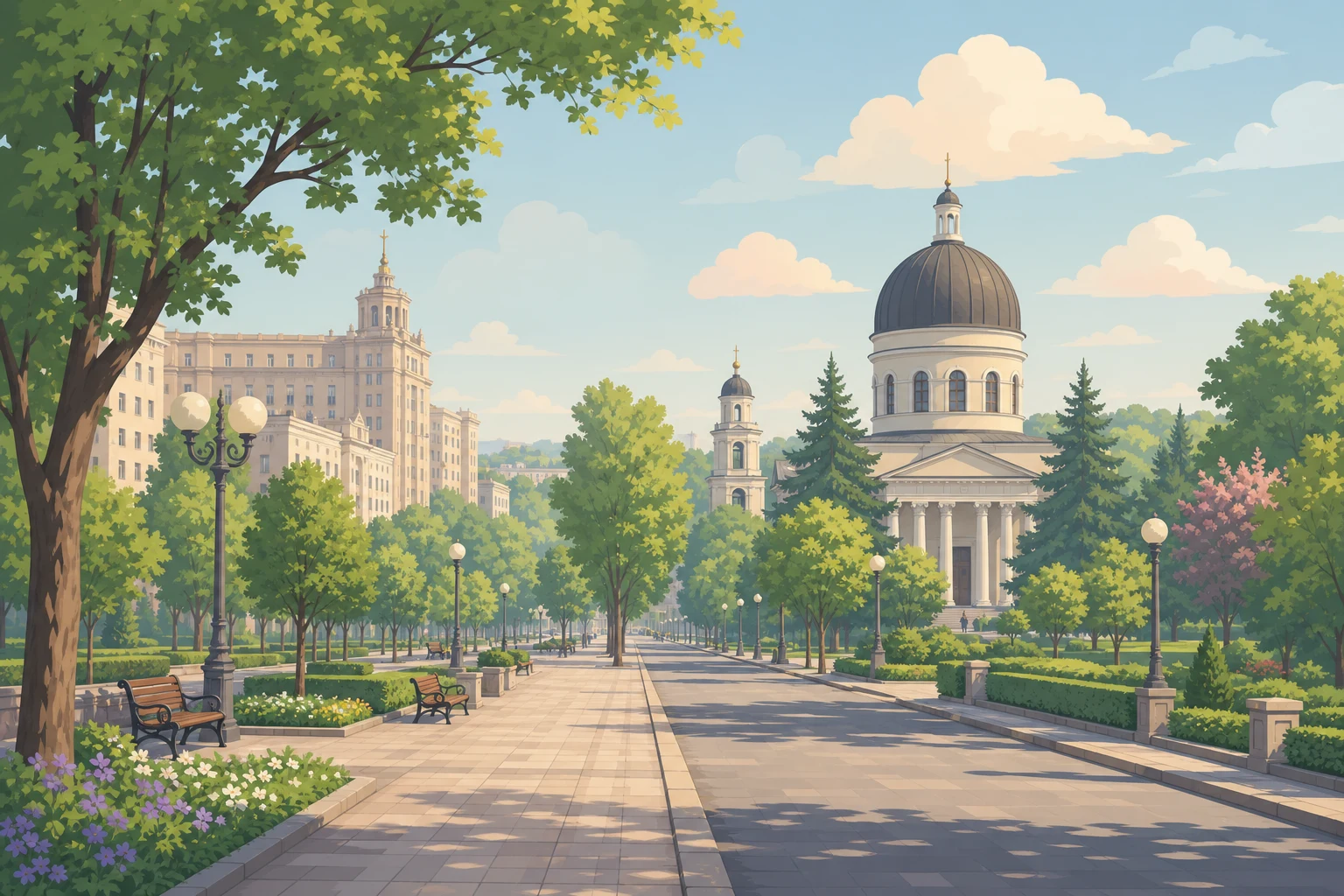
Chișinău is the capital and largest city of Moldova, known for its Soviet-era architecture, tree-lined boulevards, and role as the economic heart of one of Europe's least-visited countries.
Landmärken: Nativity Cathedral, Triumphal Arch
Roliga fakta
- Moldova is one of the least visited countries in Europe, and Chișinău remains largely undiscovered by tourists.
- The city has extensive underground wine cellars - Mileștii Mici near Chișinău holds the Guinness World Record for the largest wine collection (over 2 million bottles).
- About 80% of Chișinău was destroyed in WWII and the 1940 earthquake, then rebuilt in Soviet style.
Monaco
Monaco
Befolkning: 39,000
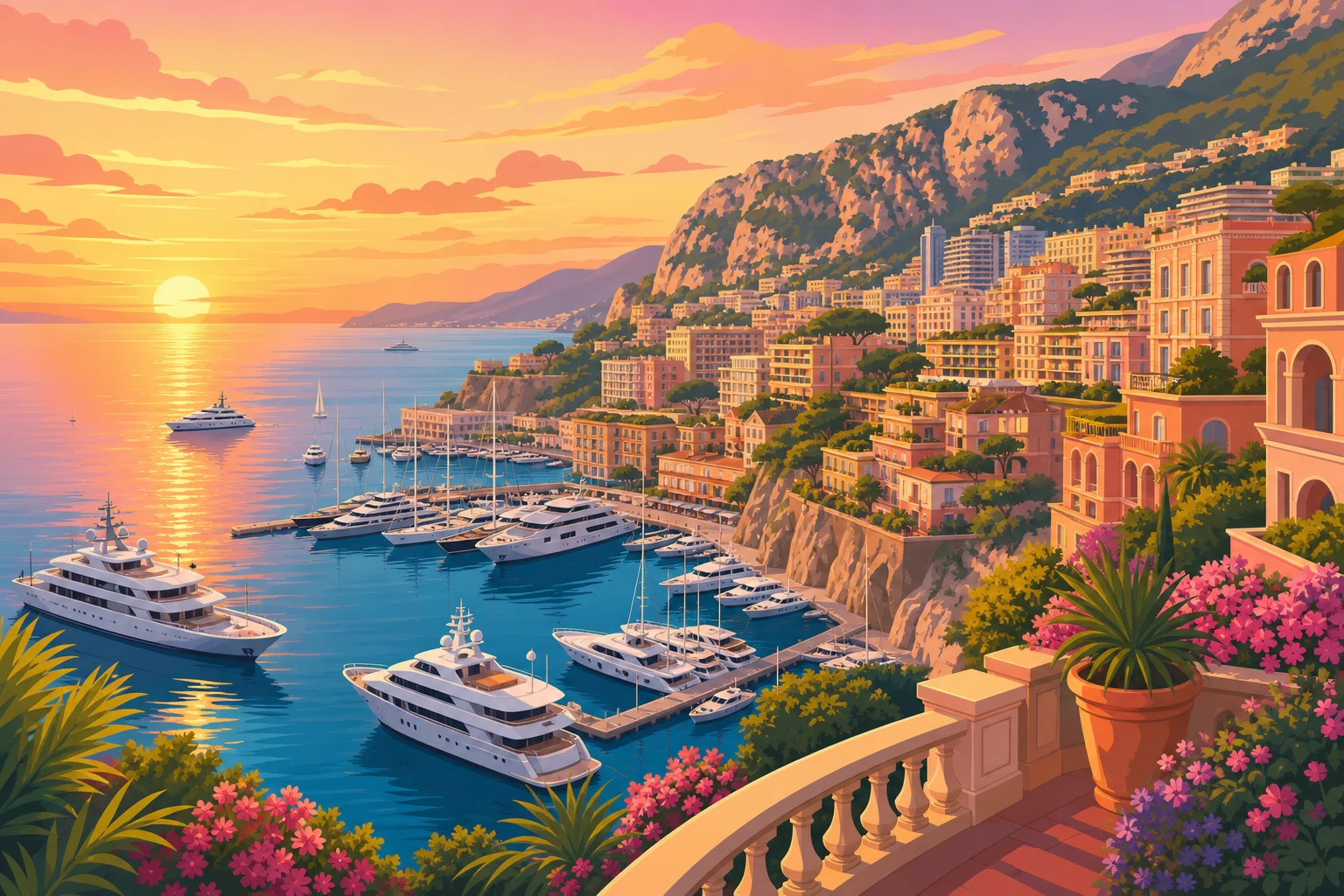
Monaco is a city-state on the French Riviera, meaning the country and its capital are one and the same. It is the world's second-smallest sovereign state and the most densely populated country on Earth.
Landmärken: Monte Carlo Casino, Prince's Palace of Monaco
Roliga fakta
- Monaco is the most densely populated country in the world, with about 26,000 people per square kilometre.
- The Monaco Grand Prix races through the city streets and is one of the most prestigious events in Formula 1.
- About 30% of Monaco's residents are millionaires, and the country has no personal income tax.
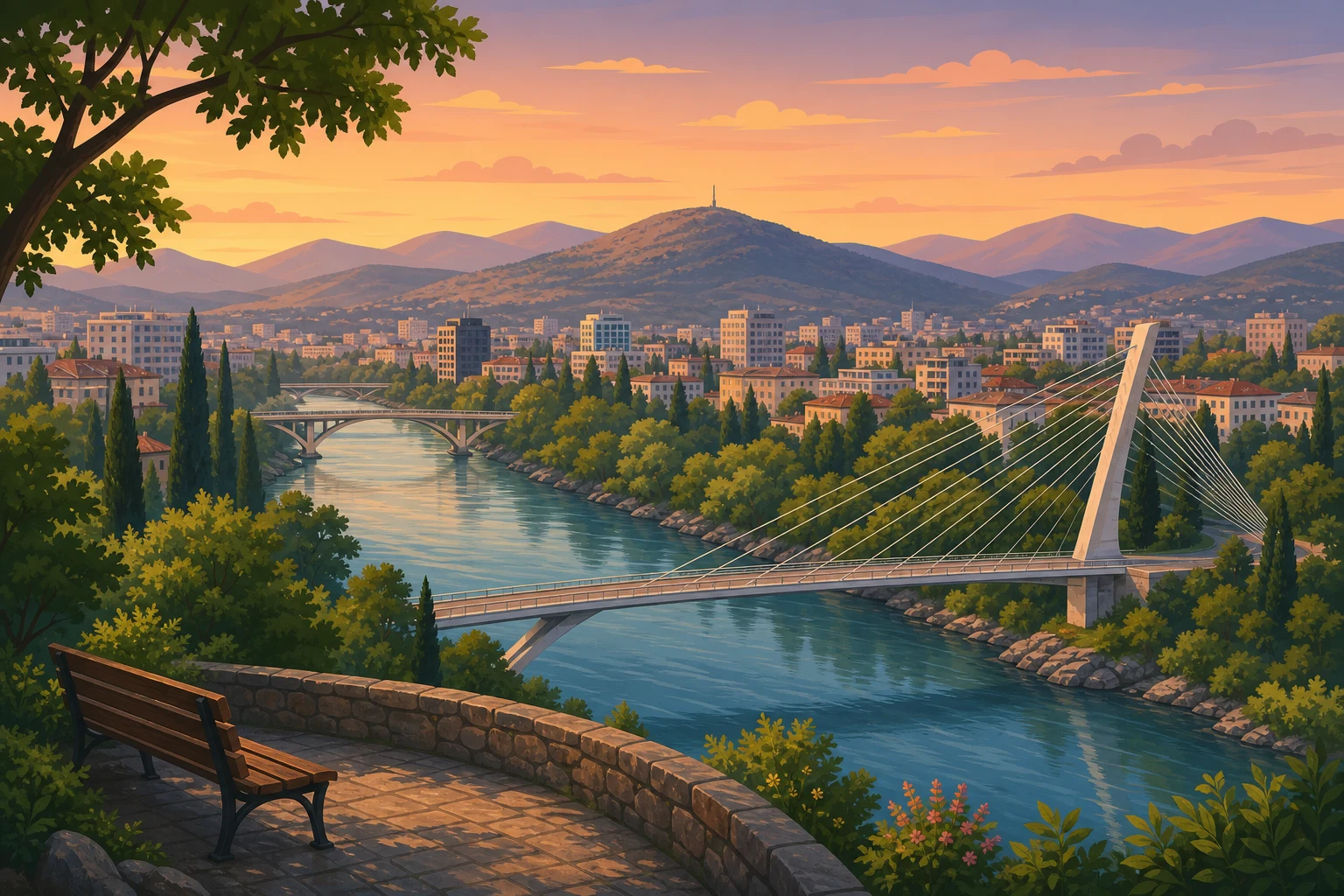
Podgorica
Montenegro
Befolkning: 190,000
Podgorica is the capital and largest city of Montenegro, located at the confluence of the Ribnica and Morača rivers. While the administrative capital, the historic royal capital Cetinje still holds some governmental functions.
Landmärken: Millennium Bridge, Niagara Falls (Cijevna River)
Roliga fakta
- Podgorica is one of the warmest cities in Europe, with over 2,400 hours of sunshine per year.
- The city was called Titograd during the Yugoslav era (1946-1992), named after President Tito.
- Montenegro's name means "Black Mountain" in Italian, referring to the dark appearance of Mount Lovćen.
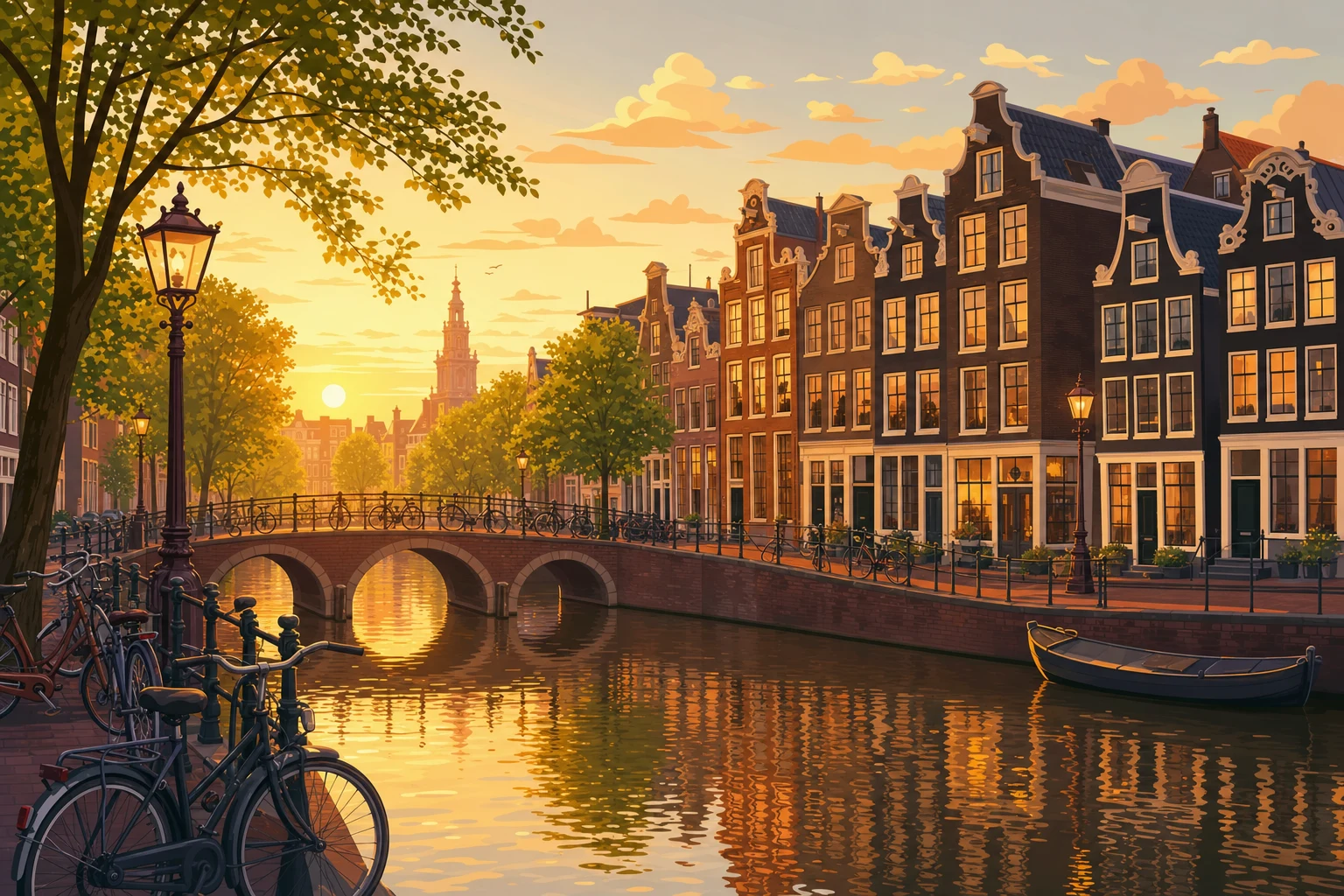
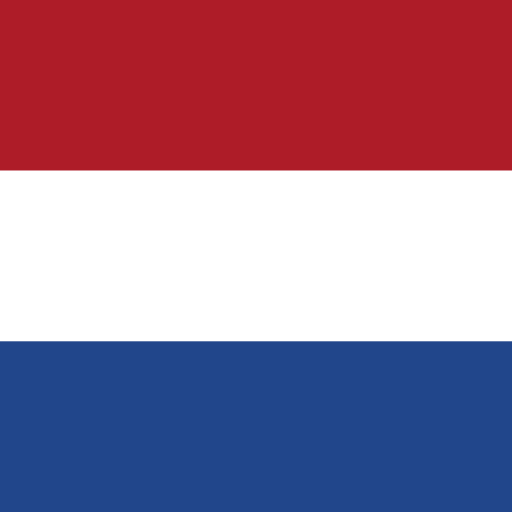
Amsterdam
Nederländerna
Befolkning: 905,000
Amsterdam is the constitutional capital of the Netherlands, famous for its canal ring, cycling culture, liberal attitudes, and Golden Age heritage - though the government actually sits in The Hague.
Landmärken: Rijksmuseum, Anne Frank House
Roliga fakta
- While Amsterdam is the constitutional capital, the Dutch government, parliament, and royal court are all in The Hague.
- Amsterdam has over 100 km of canals, 1,500 bridges, and 90 islands.
- There are more bicycles than people in Amsterdam - approximately 881,000 bikes for 905,000 residents.
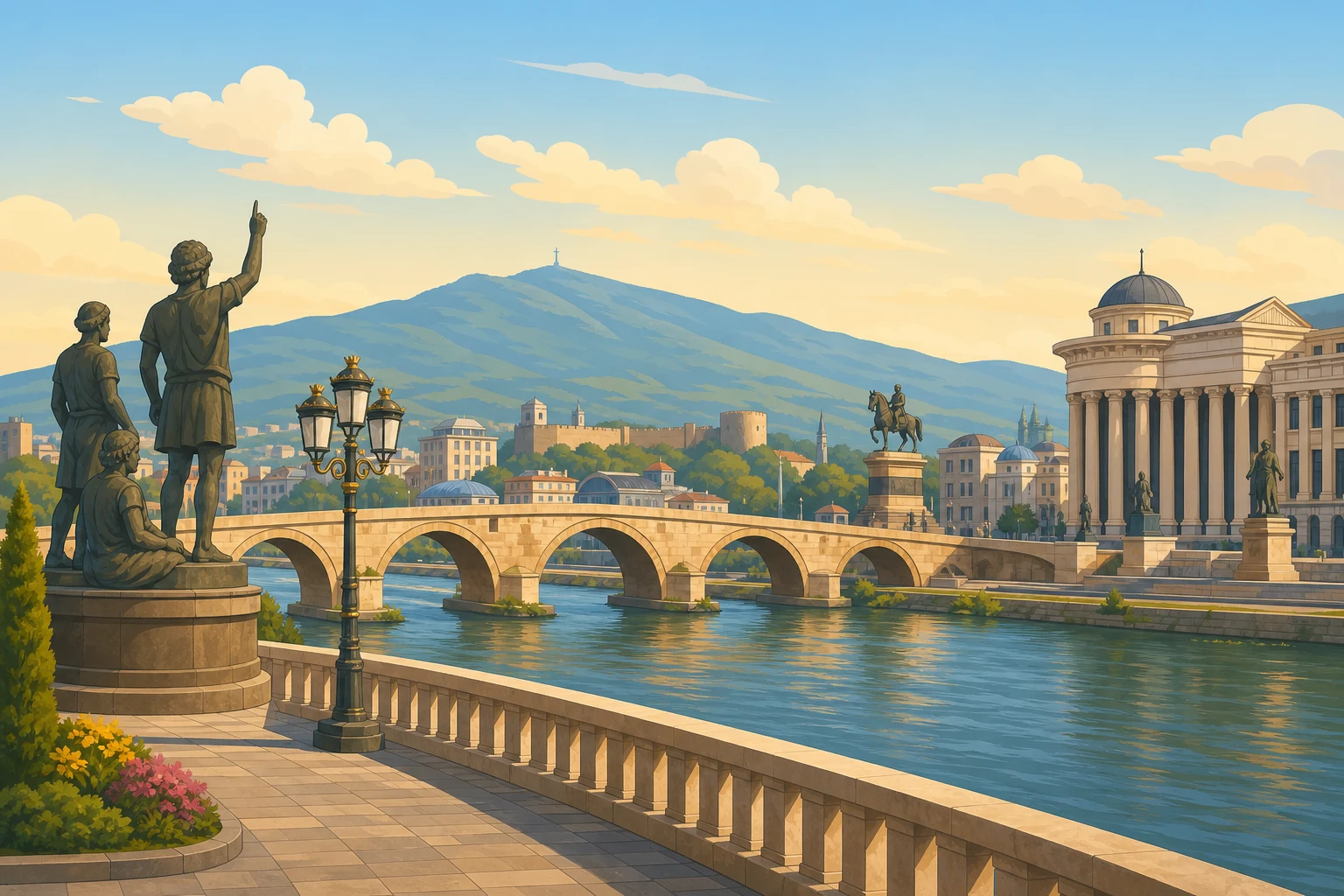
Skopje
Nordmakedonien
Befolkning: 600,000
Skopje is the capital of North Macedonia, rebuilt in a unique blend of brutalist and neoclassical styles after a devastating earthquake in 1963 destroyed most of the city.
Landmärken: Stone Bridge, Kale Fortress
Roliga fakta
- A catastrophic earthquake in 1963 destroyed 80% of Skopje; the city was redesigned with help from Japanese architect Kenzo Tange.
- Mother Teresa was born in Skopje in 1910 (then part of the Ottoman Empire).
- The "Skopje 2014" project controversially added hundreds of neoclassical statues and buildings to the city centre.
Oslo
Norge
Befolkning: 710,000
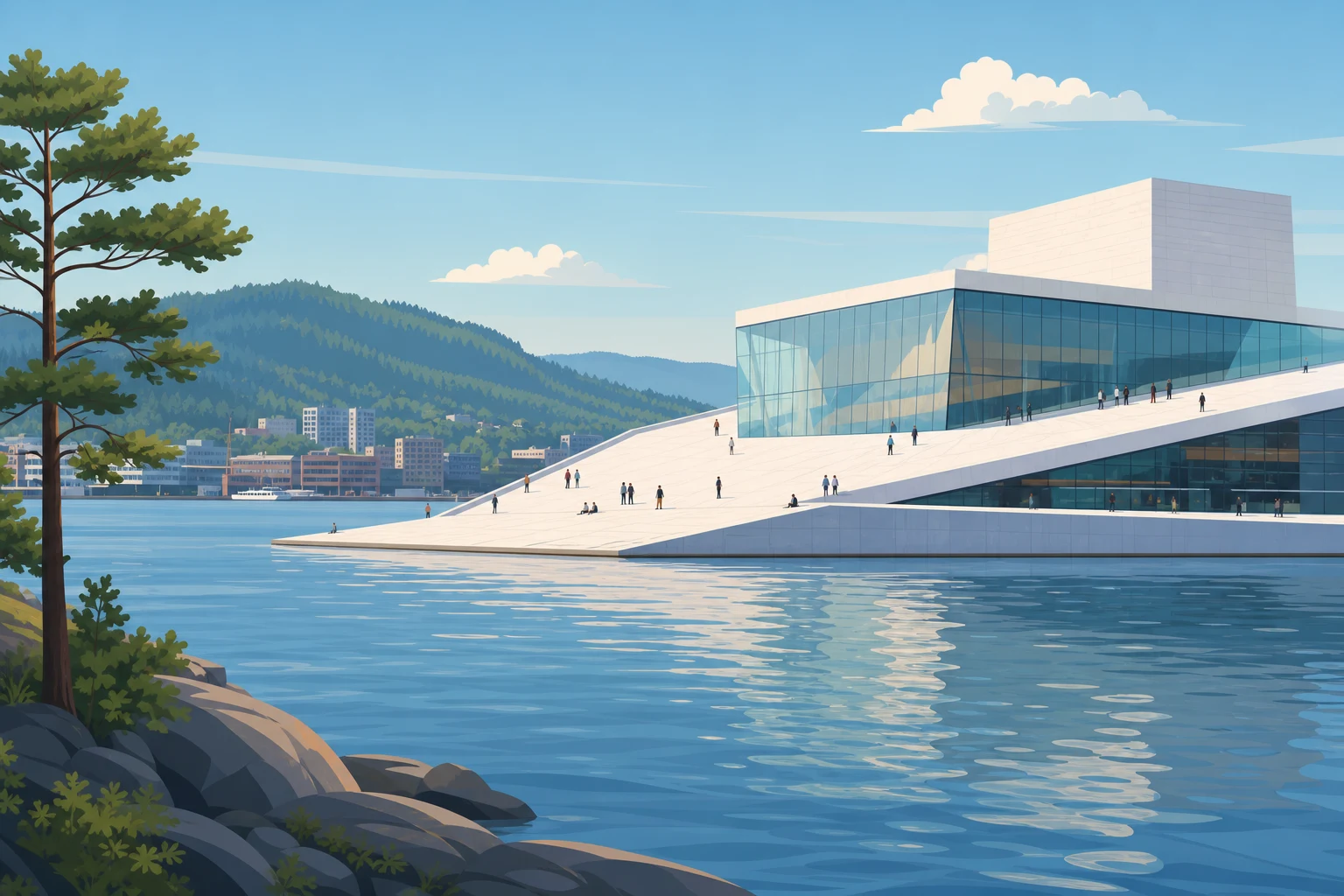
Oslo is the capital of Norway, uniquely positioned between a fjord and forested hills, giving residents easy access to both marine and mountain recreation within the city limits.
Landmärken: Oslo Opera House, Vigeland Sculpture Park
Roliga fakta
- Oslo is surrounded by forest - two-thirds of the municipality is protected green space and you can reach wilderness by metro.
- The city's Opera House features a sloped roof that visitors can walk on, rising from the harbour like an iceberg.
- Oslo was known as Christiania (or Kristiania) from 1624 to 1925.
Warsaw
Polen
Befolkning: 1.9 million
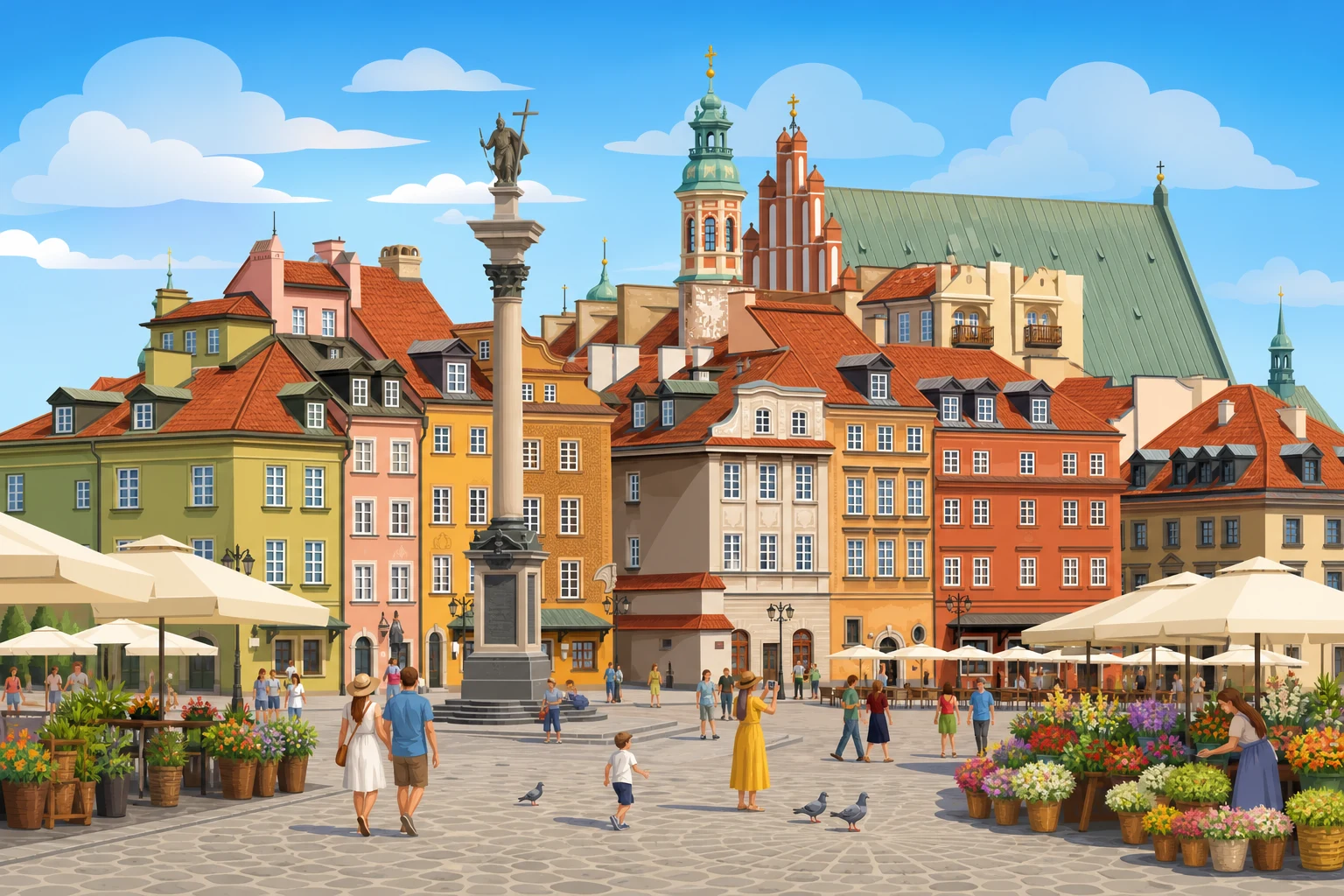
Warsaw is the capital of Poland, a city that was 85% destroyed in WWII and meticulously rebuilt. Its reconstructed Old Town is a UNESCO World Heritage Site - a testament to national resilience.
Landmärken: Old Town Market Square, Palace of Culture and Science
Roliga fakta
- Warsaw's Old Town was almost entirely rebuilt from scratch after WWII destruction, using paintings by Canaletto as reference. It is now a UNESCO site.
- About 85% of the city was destroyed during WWII, including the deliberate Nazi demolition after the Warsaw Uprising of 1944.
- Warsaw is home to more skyscrapers than any other city in the EU outside Frankfurt.
Lisbon
Portugal
Befolkning: 550,000
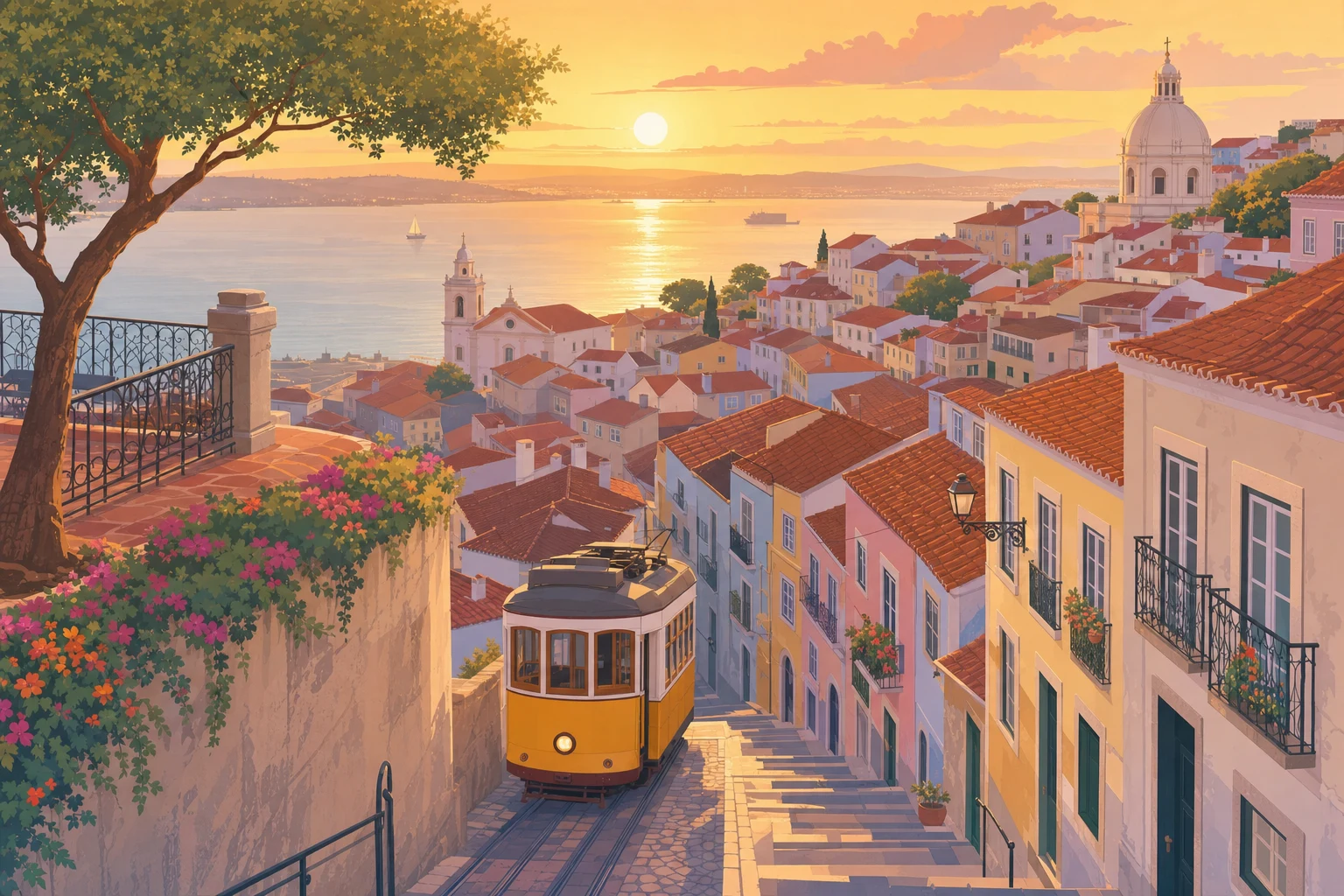
Lisbon is the capital of Portugal, one of Europe's oldest cities built on seven hills overlooking the Tagus River estuary. It was largely rebuilt after a catastrophic earthquake in 1755.
Landmärken: Belém Tower, Jerónimos Monastery
Roliga fakta
- The 1755 Lisbon earthquake (magnitude ~8.5) and subsequent tsunami destroyed most of the city and killed up to 50,000 people.
- Lisbon is the oldest city in Western Europe - older than London, Paris, and Rome by hundreds of years (founded ~1200 BC by Phoenicians).
- The city's iconic yellow Tram 28 climbs through the steepest streets of the historic Alfama district.
Bucharest
Rumänien
Befolkning: 1.8 million
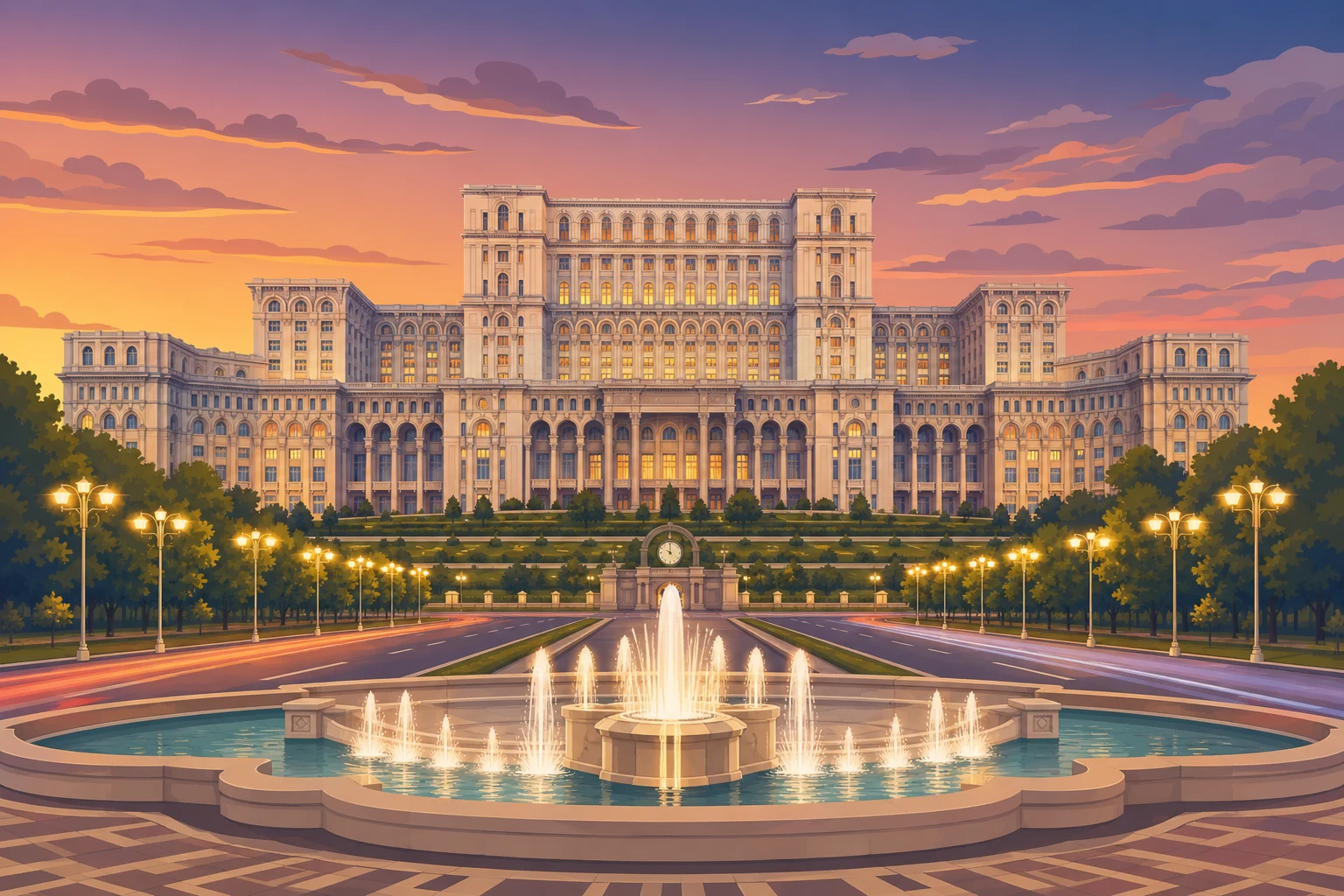
Bucharest is the capital of Romania, once known as the "Little Paris of the East" for its elegant Belle Époque architecture, though much was demolished under communist dictator Ceaușescu.
Landmärken: Palace of the Parliament, Romanian Athenaeum
Roliga fakta
- The Palace of the Parliament in Bucharest is the heaviest building in the world and the second-largest administrative building after the Pentagon.
- Bucharest was called "Little Paris" in the interwar period for its French-influenced architecture and wide boulevards.
- Dictator Ceaușescu demolished about one-fifth of the historic centre to build his megalomaniac Civic Centre project.
Moscow
Ryssland
Befolkning: 13.0 million
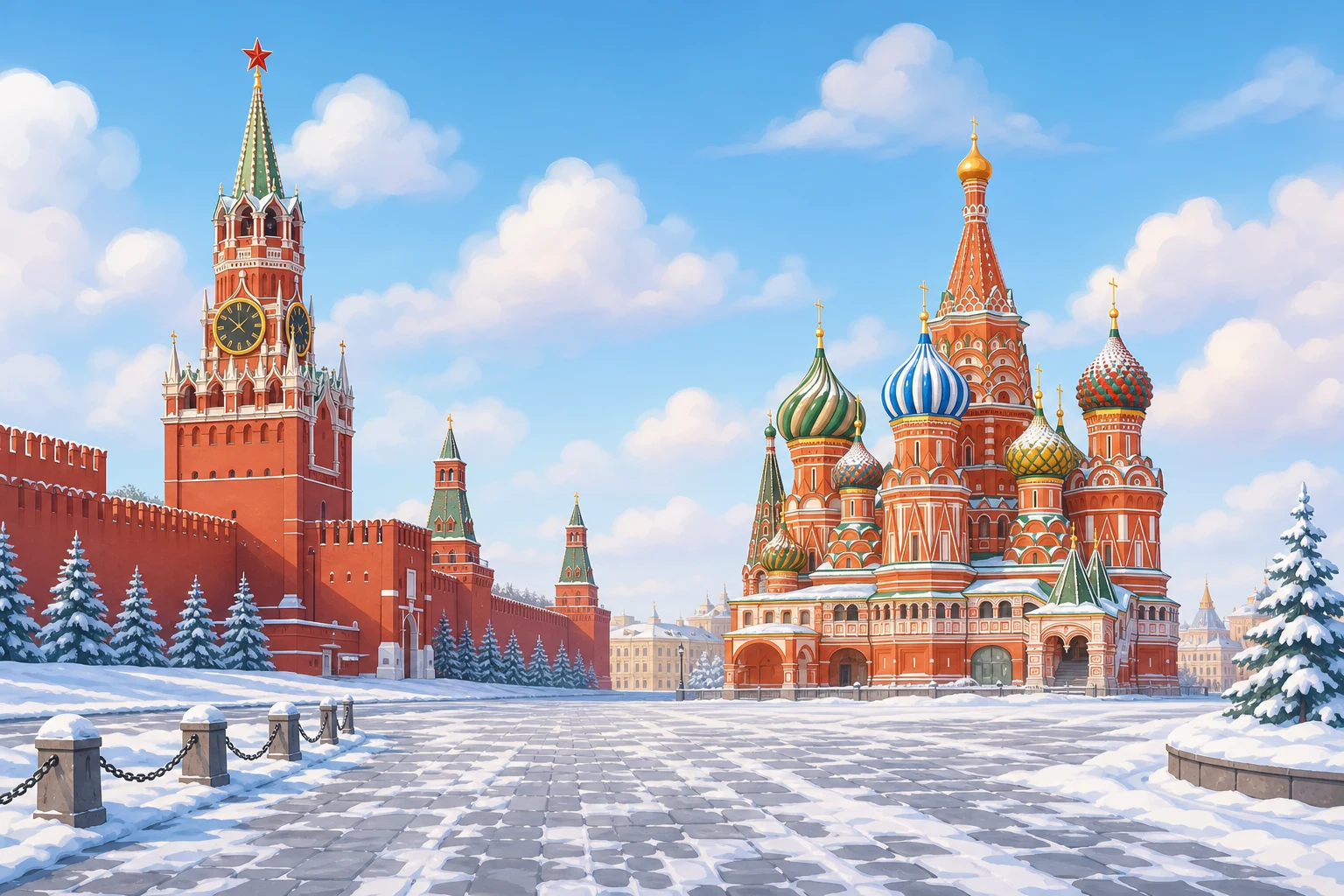
Moscow is the capital of Russia and Europe's most populous city, centred on the medieval Kremlin fortress and Red Square. It is the political, economic, and cultural heart of the world's largest country.
Landmärken: The Kremlin, Saint Basil's Cathedral
Roliga fakta
- The Moscow Metro is famous for its palatial stations, with chandeliers, mosaics, and marble - it is often called an underground museum.
- Red Square's name doesn't refer to communism - "krasnaya" originally meant "beautiful" in old Russian.
- Moscow is the northernmost megacity in the world (population over 10 million).
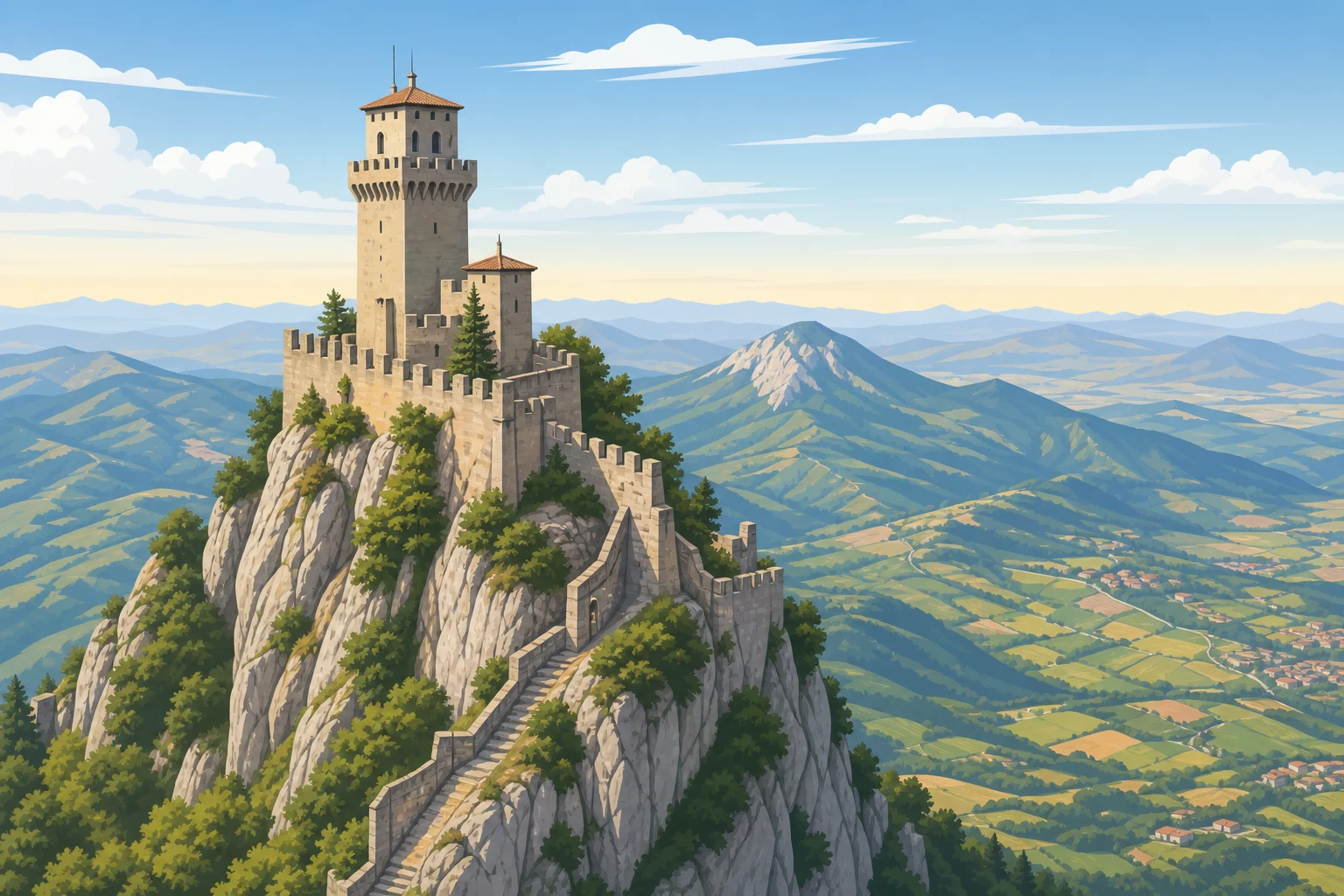
San Marino
San Marino
Befolkning: 4,500
San Marino (Città di San Marino) is the capital of the Republic of San Marino, perched atop Monte Titano in the Apennine Mountains. It is the capital of the world's oldest republic, founded in 301 AD.
Landmärken: Three Towers of San Marino, Palazzo Pubblico
Roliga fakta
- San Marino claims to be the world's oldest republic, founded in 301 AD by a Christian stonemason fleeing Roman persecution.
- The entire country is surrounded by Italy and covers only 61 square kilometres.
- San Marino has more cars than people - approximately 1.6 vehicles per citizen.
Belgrade
Serbien
Befolkning: 1.7 million
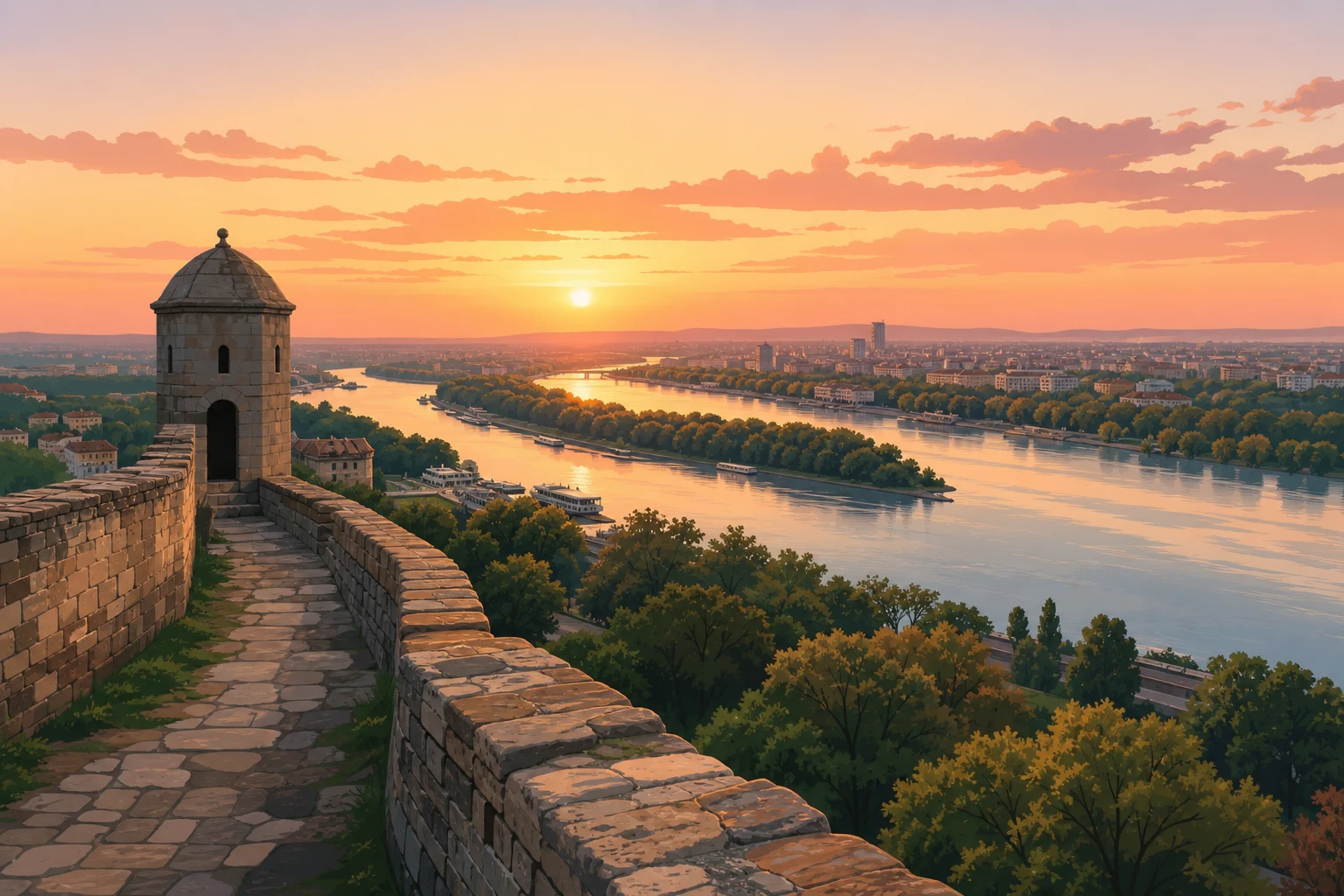
Belgrade is the capital of Serbia, one of Europe's oldest continuously inhabited cities, strategically located at the confluence of the Danube and Sava rivers. It has been destroyed and rebuilt over 40 times.
Landmärken: Belgrade Fortress (Kalemegdan), Temple of Saint Sava
Roliga fakta
- Belgrade has been destroyed and rebuilt over 40 times due to its strategic location at the crossroads of Eastern and Western Europe.
- The Belgrade Fortress has been fought over by 115 wars throughout history.
- Belgrade is famous for its vibrant nightlife - floating river clubs (splavovi) on the Danube and Sava are a unique local tradition.
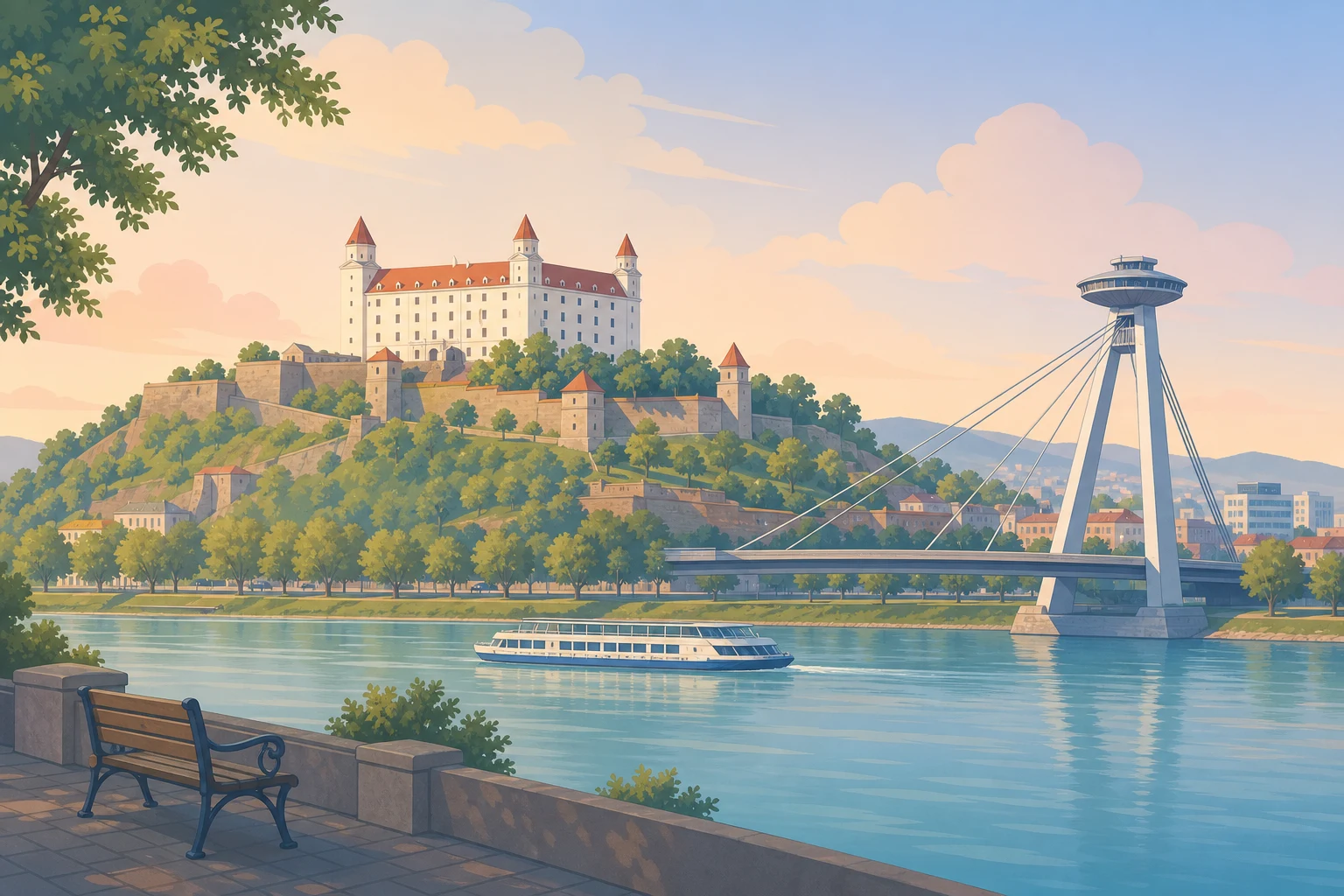
Bratislava
Slovakien
Befolkning: 475,000
Bratislava is the capital of Slovakia, the only capital in the world that borders two other countries (Austria and Hungary). It lies on the Danube River just 60 km from Vienna.
Landmärken: Bratislava Castle, Old Town Hall
Roliga fakta
- Bratislava is the only national capital that borders two other countries - Austria and Hungary.
- Vienna and Bratislava are the two closest capital cities in Europe, only 60 km apart.
- From 1536 to 1783, Bratislava (then Pressburg) served as the coronation city of the Kingdom of Hungary.
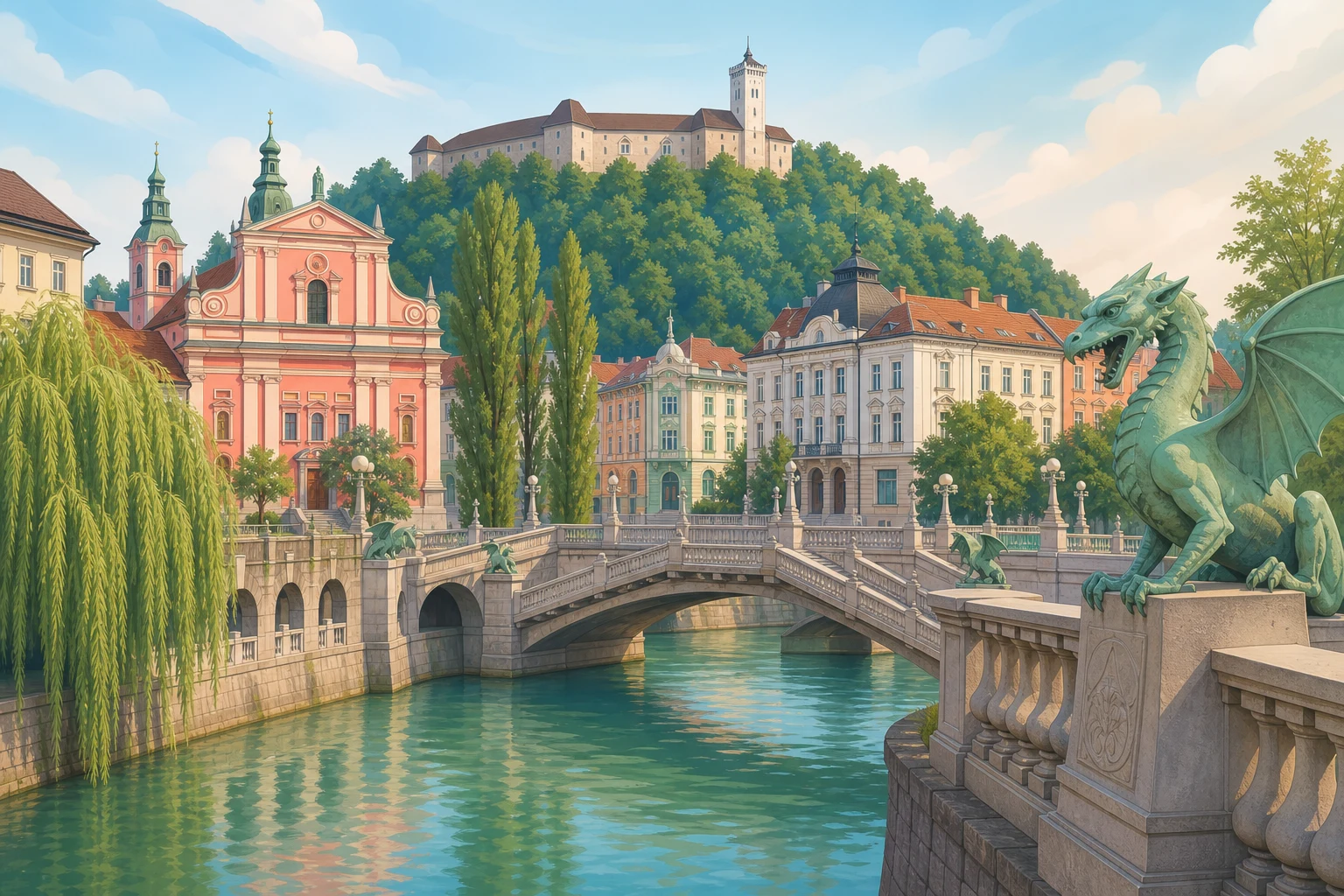
Ljubljana
Slovenien
Befolkning: 295,000
Ljubljana is the capital of Slovenia, a charming green city centred on a river lined with willow trees and crossed by ornate bridges designed by architect Jože Plečnik. A hilltop castle overlooks the compact old town.
Landmärken: Ljubljana Castle, Triple Bridge
Roliga fakta
- Ljubljana was named European Green Capital in 2016 for its extensive car-free zones and sustainability efforts.
- The city centre is almost entirely pedestrianised, closed to cars since 2007.
- A local legend says Ljubljana was founded by Jason of the Argonauts, who slayed a dragon here - the dragon is the city symbol.
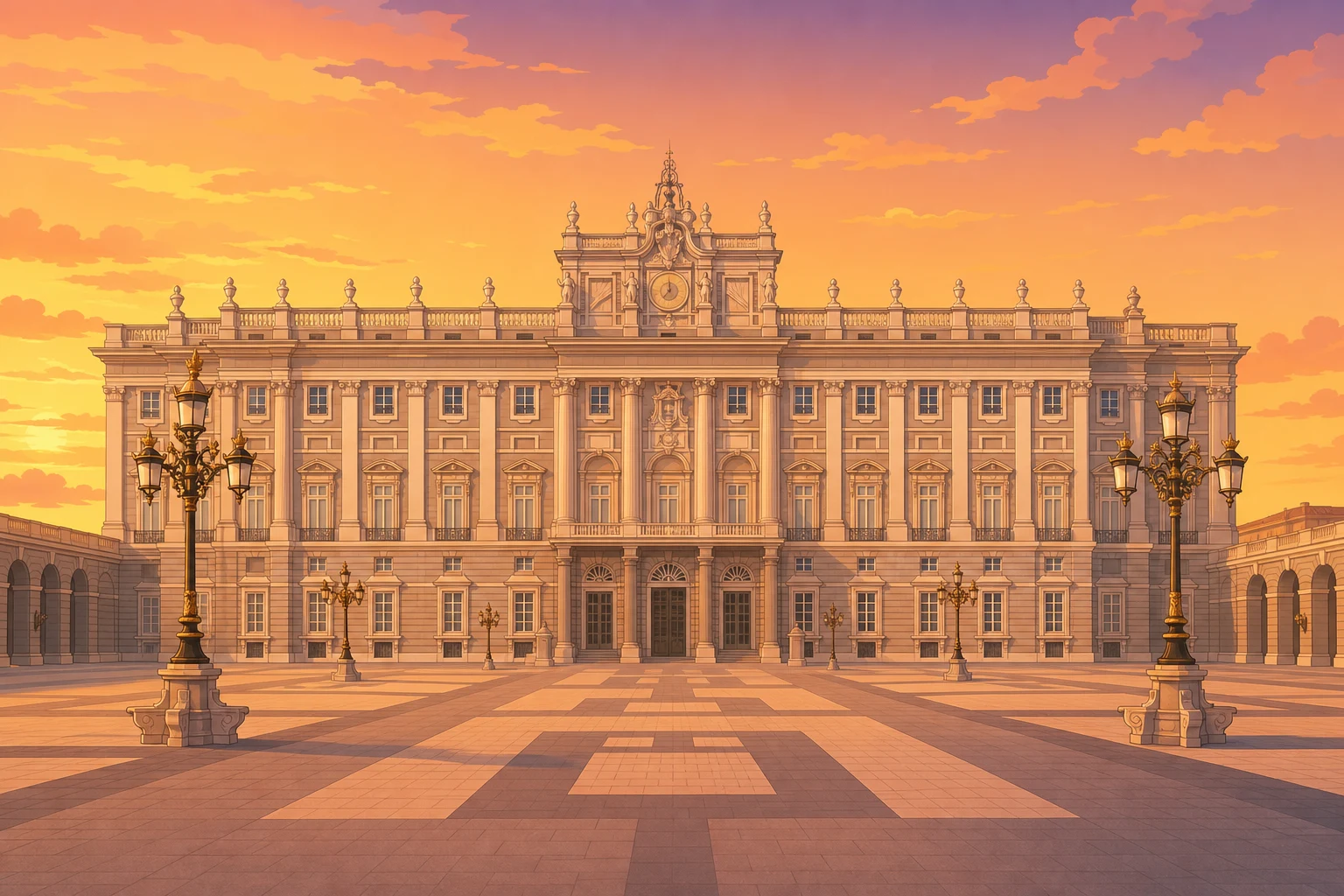
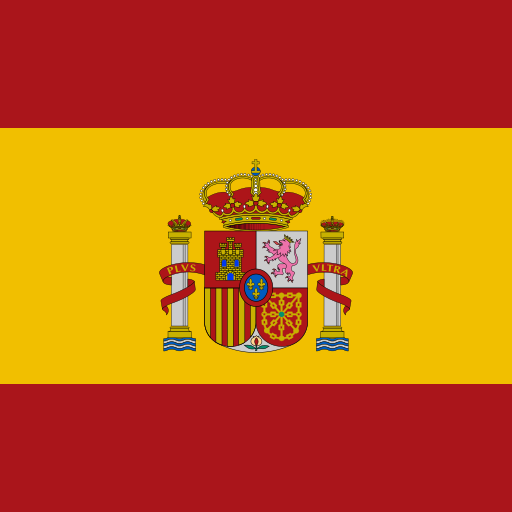
Madrid
Spanien
Befolkning: 3.3 million
Madrid is the capital of Spain and the country's largest city, located at the geographic centre of the Iberian Peninsula. It is renowned for its world-class art museums, Royal Palace, and vibrant nightlife.
Landmärken: Royal Palace of Madrid, Museo del Prado
Roliga fakta
- Madrid's "Golden Triangle of Art" - the Prado, Reina Sofía, and Thyssen-Bornemisza museums - houses one of the greatest art collections in the world.
- Madrid is the highest capital city in the EU at 667 metres above sea level.
- The Royal Palace of Madrid has more rooms than any other European palace - 3,418 rooms.
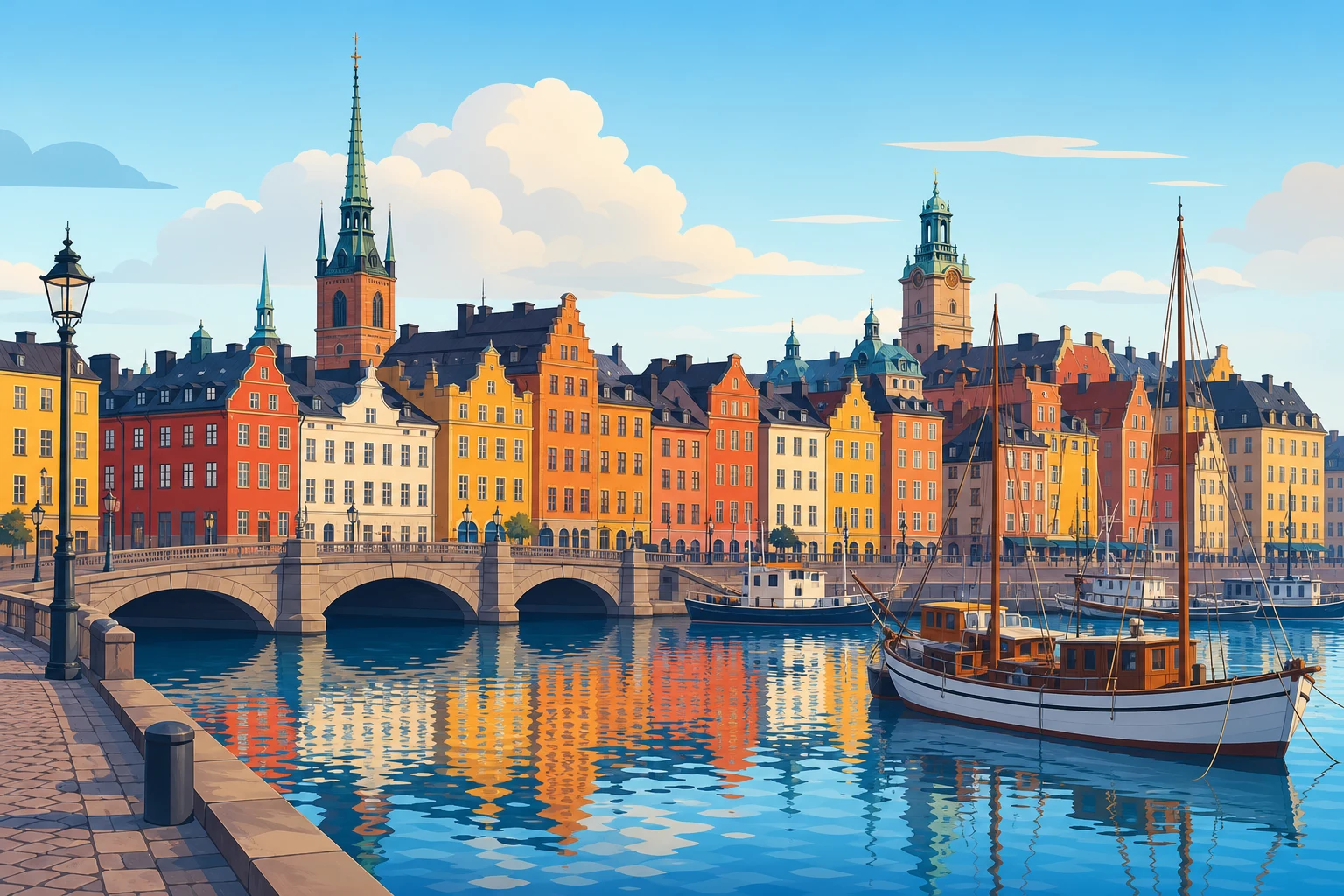
Stockholm
Sverige
Befolkning: 1.0 million
Stockholm is the capital of Sweden, built across 14 islands where Lake Mälaren meets the Baltic Sea. The medieval old town (Gamla Stan) sits on one of these islands.
Landmärken: Gamla Stan (Old Town), Vasa Museum
Roliga fakta
- Stockholm is built on 14 islands connected by 57 bridges, earning it the nickname "Venice of the North."
- The Vasa Museum houses a 17th-century warship that sank on its maiden voyage in 1628 and was recovered nearly intact in 1961.
- Stockholm's metro system is called the "world's longest art gallery" - over 90 of its 100 stations feature artwork.
Bern
Schweiz
Befolkning: 135,000
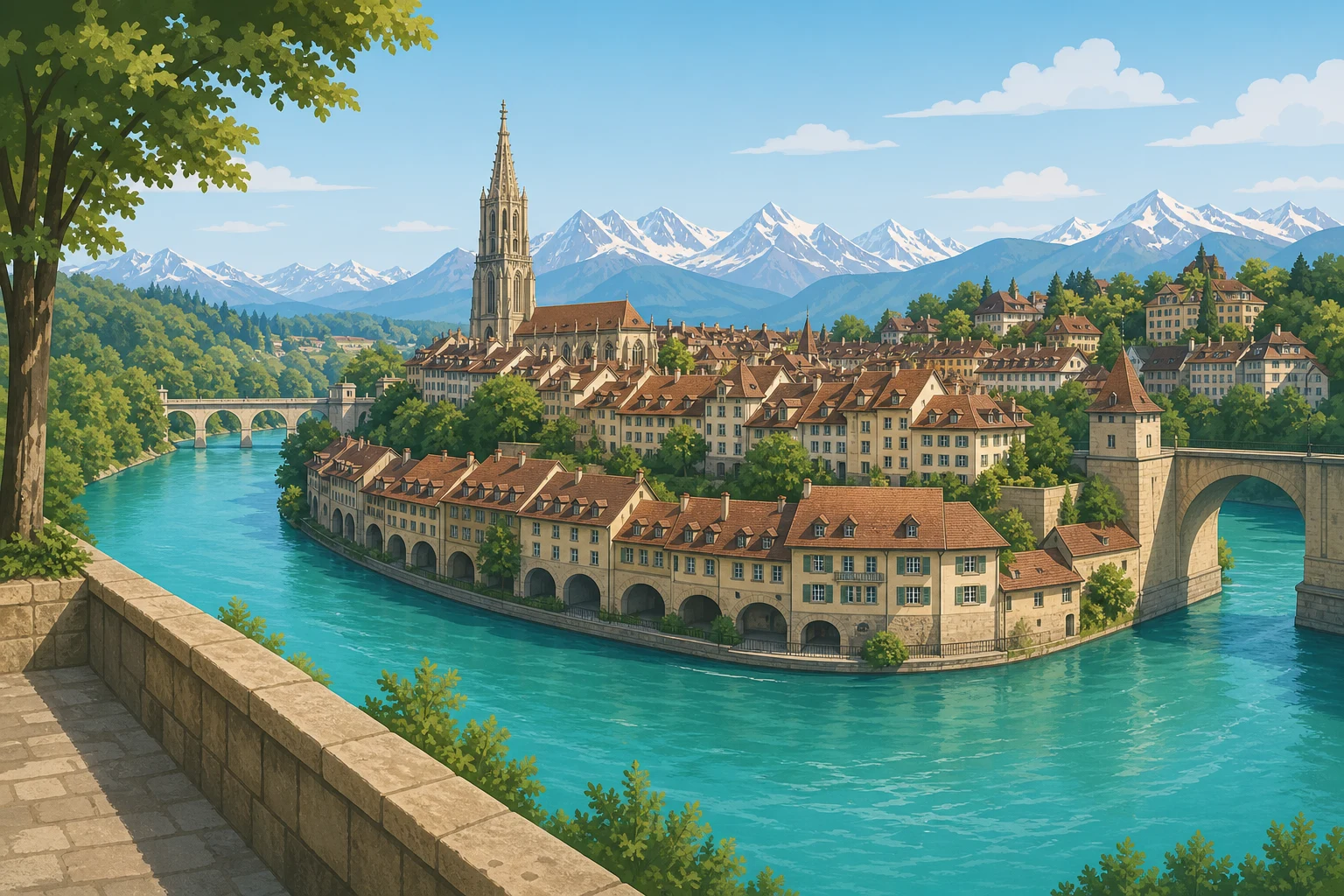
Bern is the de facto capital (officially "Federal City") of Switzerland, with a medieval old town on a peninsula in the Aare River that is a UNESCO World Heritage Site.
Landmärken: Zytglogge (Clock Tower), Federal Palace of Switzerland
Roliga fakta
- Bern is not officially a "capital" - it is designated the "Federal City" where the Swiss government sits.
- The city's name may derive from "Bären" (bears) - bears have been kept in a pit in Bern since at least 1513.
- Albert Einstein developed his theory of special relativity while working at the patent office in Bern in 1905.
Kyiv
Ukraina
Befolkning: 2.9 million
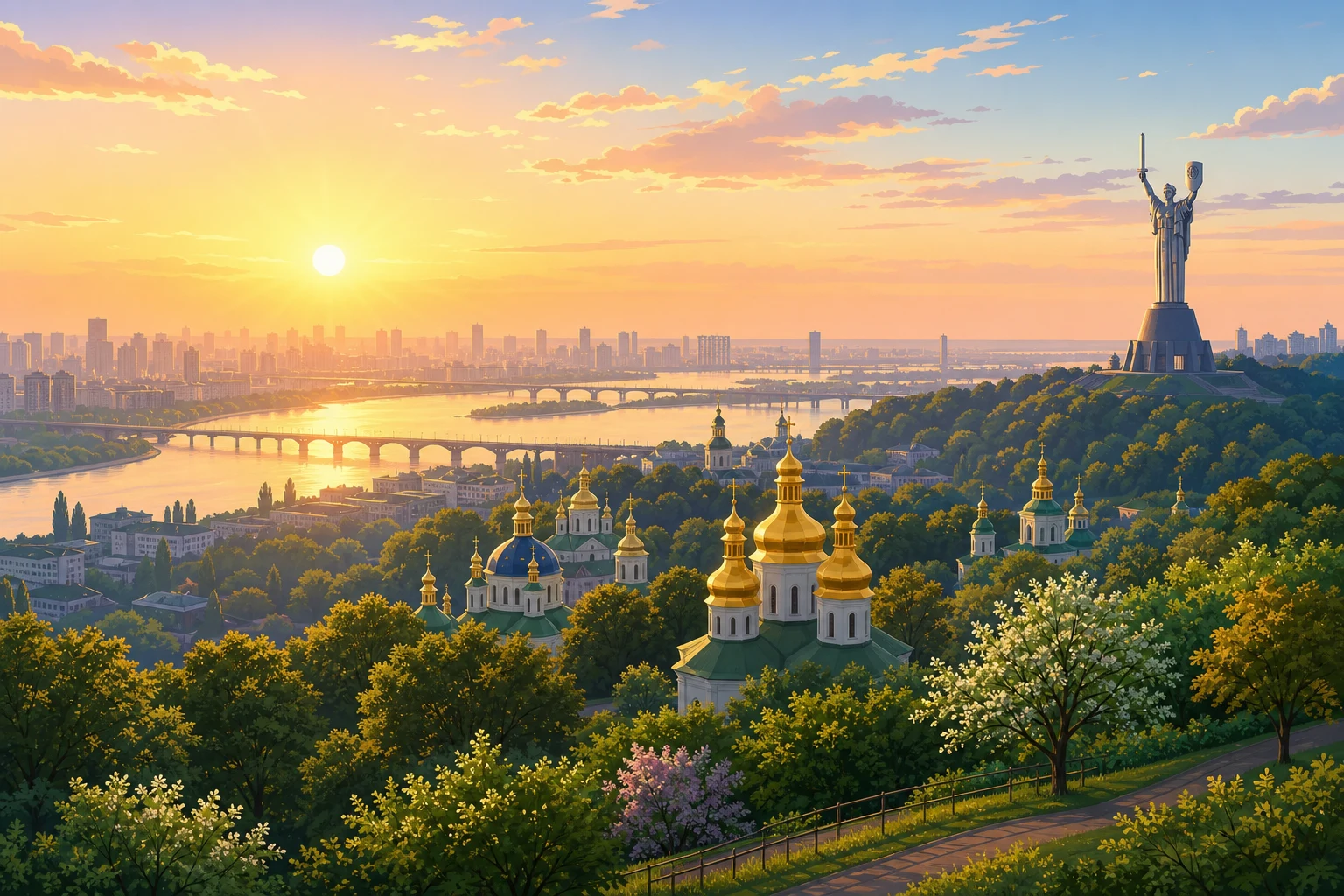
Kyiv is the capital of Ukraine, one of Eastern Europe's oldest cities, founded over 1,500 years ago on the hills above the Dnipro River. It is the historical birthplace of the medieval state of Kyivan Rus'.
Landmärken: Saint Sophia Cathedral (UNESCO), Kyiv Pechersk Lavra (Monastery of the Caves)
Roliga fakta
- Kyiv is older than Moscow by several centuries and was the centre of Kyivan Rus', the medieval state that gave rise to Ukrainian, Russian, and Belarusian cultures.
- The Kyiv Metro's Arsenalna station is the deepest metro station in the world at 105.5 metres below ground.
- The Motherland Monument statue in Kyiv stands 102 metres tall (including pedestal), visible across the city.
Snabböversikt
Tirana Andorra la Vella Vienna Minsk Brussels Sarajevo Sofia Zagreb Nicosia Prague Copenhagen Tallinn Helsinki Paris Berlin Athens Budapest Reykjavik Dublin Rome Pristina Riga Vaduz Vilnius Luxembourg City Valletta Chișinău Monaco Podgorica Amsterdam Skopje Oslo Warsaw Lisbon Bucharest Moscow San Marino Belgrade Bratislava Ljubljana Madrid Stockholm Bern Kyiv Testa dina kunskaper
Hur väl känner du till dessa huvudstäder? Testa dig här.
Öva med spel
Redo att testa det du lärt dig? Hoppa in i ett spel och sätt det i praktiken.
Om Europas huvudstäder
Komplett Europa-pass tar tid men ger jätte payoff för prov, trivia och resetripplanering.
Vanliga frågor
Hur många länder ingår?
Alla täckta i materialet (44 länder som listas i korten).
Mikrostater?
Inkluderade enligt lektion.
Regional uppdelning?
Ja - prova Nordic, Baltikum eller Centraleuropa för förstudier.