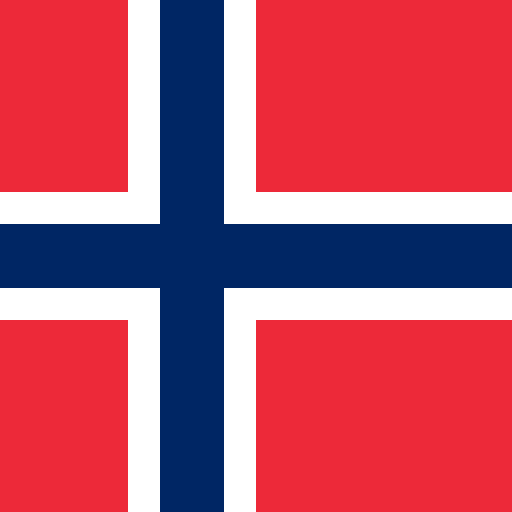
Flags of the Caribbean
This lesson covers thirteen independent island (and island-chain) nations commonly grouped as the Caribbean. Colonial histories left British, French, Spanish, and Dutch echoes in heraldry-today you will see pan-African reds, greens, and golds beside stars, triangles, and distinctive national birds or trees.
Study the Flags
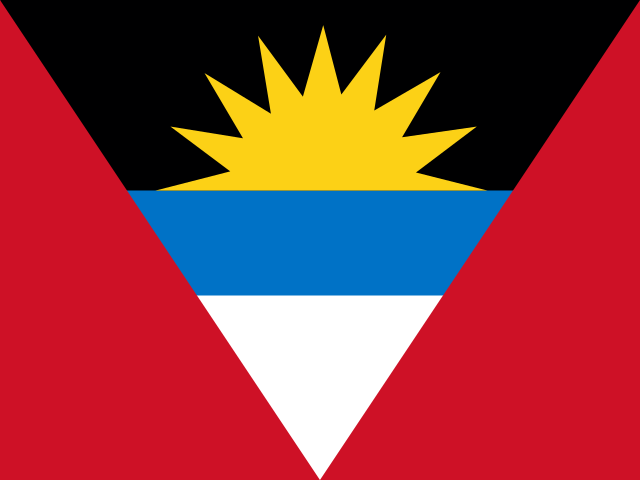
Antigua and Barbuda
Capital: Saint John's
Black field with a horizontal golden sun at the base; inverted triangle of blue over white over blue rising through red.
Adopted: 1967
Fun Facts
- The rising sun signals a new era after independence
- Black recalls African heritage; blue sea and sky; white sand
- V-shape suggests triumph and the letter V for victory
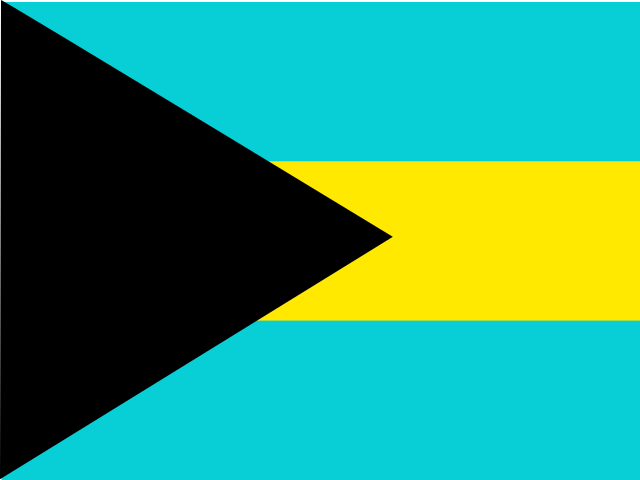
Bahamas
Capital: Nassau
Horizontal aquamarine, yellow (narrow), aquamarine with a black equilateral triangle at the hoist.
Adopted: 1973
Fun Facts
- Aquamarine stripes evoke Caribbean water
- Yellow stands for sunshine and sandy islands
- Black triangle points toward national unity and determination
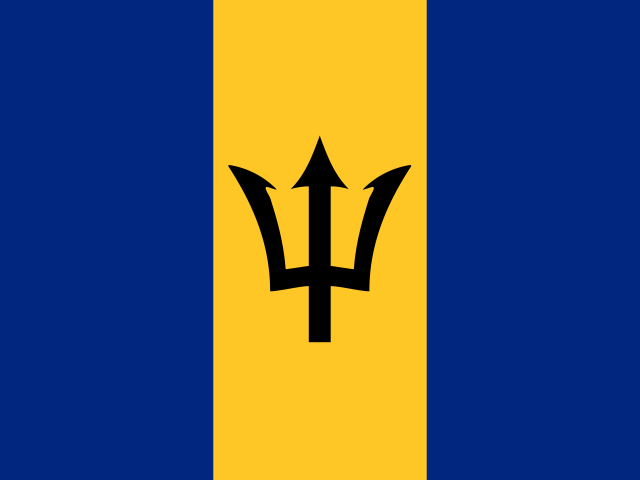
Barbados
Capital: Bridgetown
Vertical ultramarine hoist panel and larger ultramarine fly panel separated by a gold vertical stripe bearing a black trident head.
Adopted: 1966
Fun Facts
- The broken trident symbolizes breaking with colonial rule while honoring sea heritage
- Ultramarine recalls the ocean surrounding the island
- Gold represents sand
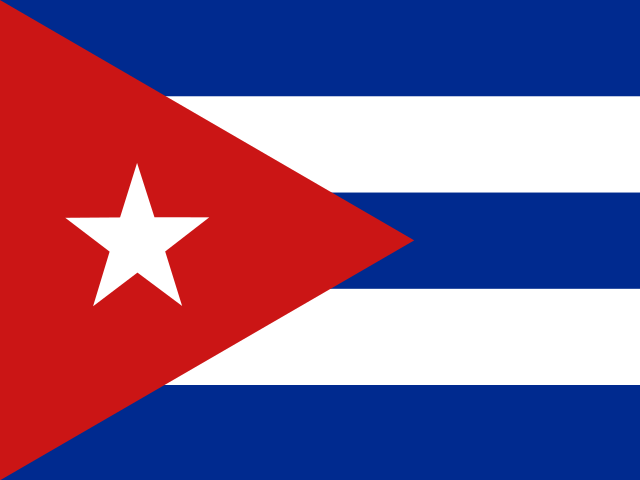
Cuba
Capital: Havana
Five alternating blue and white horizontal stripes with a red equilateral triangle at the hoist bearing a white five-pointed star.
Adopted: 1902
Fun Facts
- Five stripes recall departments from independence-era symbolism
- The lone star is the Estrella Solitaria-the lone star of independence
- Design echoes the United States layout but with Cuban revolutionary colors
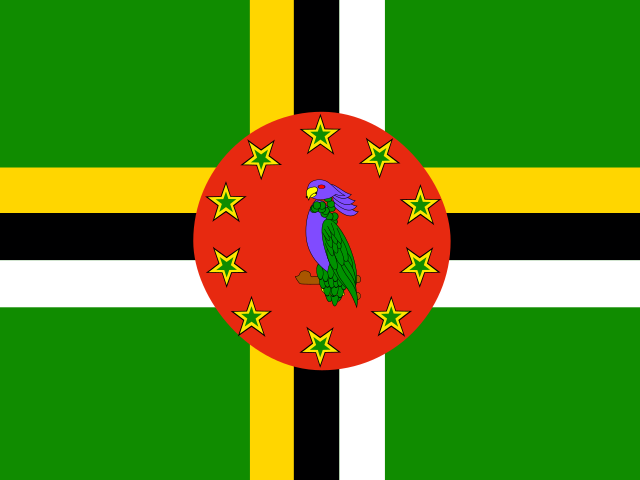
Dominica
Capital: Roseau
Green field with a centered cross of yellow, black, and white stripes; the middle bears the national emblem disk.
Adopted: 1990
Fun Facts
- Green evokes lush rainforest-the Nature Isle
- Cross layout reflects Christianity's role in culture
- The sisserou parrot appears on the central emblem
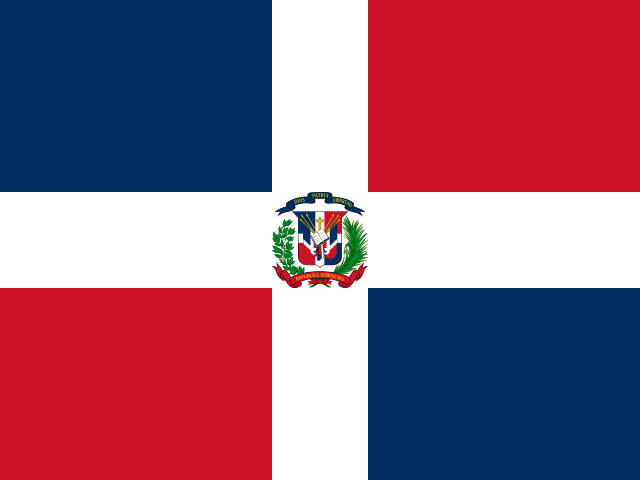
Dominican Republic
Capital: Santo Domingo
White cross extending to the edges quartering alternating blue and red fields; national coat of arms centered on the cross.
Adopted: 1908
Fun Facts
- Shares Hispaniola with Haiti-the first permanent European settlement in the Americas
- Blue and red anchor the cross layout rooted in independence-era symbolism
- The coat of arms sits at the cross center on the state flag
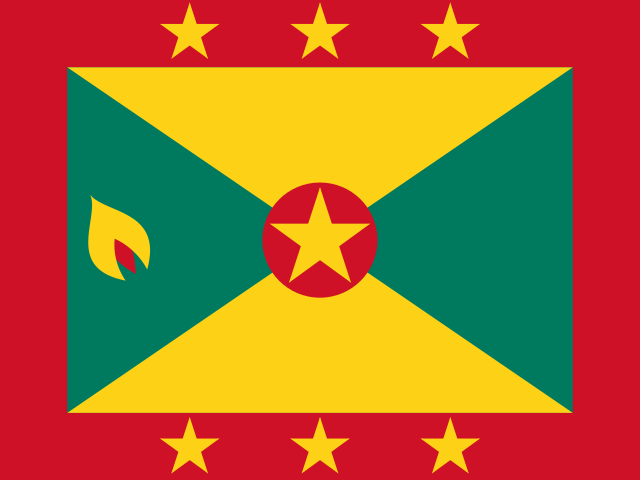
Grenada
Capital: Saint George's
Yellow field with red border; green hoist triangle with yellow star; central red disk bearing yellow star and nutmeg emblem; six yellow stars along border.
Adopted: 1974
Fun Facts
- Green is agriculture; yellow wisdom and sunshine
- Six yellow stars stand for parishes surrounding the capital emblem
- A nutmeg symbol pays homage to the Spice Isle's crop
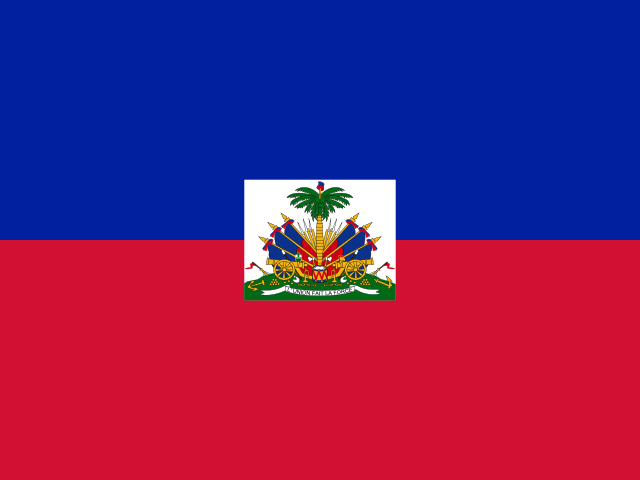
Haiti
Capital: Port-au-Prince
Horizontal blue over red with a white rectangle in the center bearing the national coat of arms.
Adopted: 1986
Fun Facts
- First independent Black republic in the Americas (1804)
- Blue and red recall citizens of African and European heritage united
- The coat of arms on white square appears on the civil flag variant used internationally
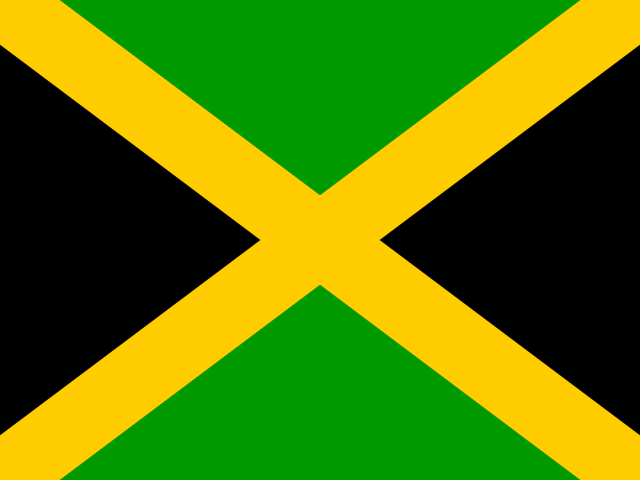
Jamaica
Capital: Kingston
Golden saltire divides green top and bottom triangles from black hoist-side and fly-side triangles.
Adopted: 1962
Fun Facts
- Black triangles recall hardship and strength; green hope and agriculture; gold sunlight
- Bold Pan-African black, green, and gold stand out among Caribbean neighbors
- Saltire layout echoes Scottish heritage of many settlers
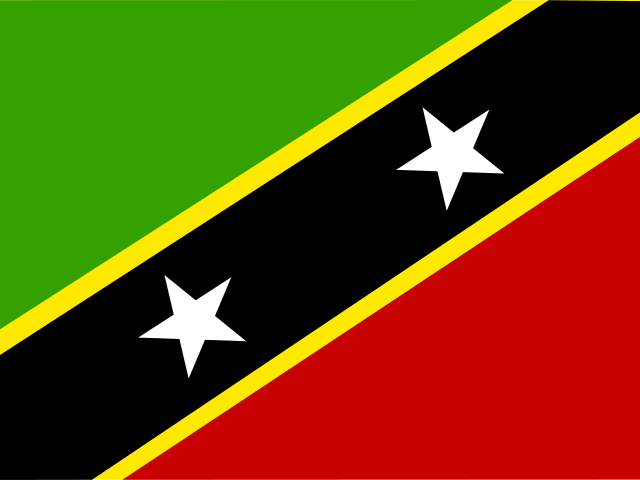
Saint Kitts and Nevis
Capital: Basseterre
Diagonal black band bordered yellow separates green (top) from red (bottom); two white stars on the black band.
Adopted: 1983
Fun Facts
- Diagonal band suggests emergence toward independent nationhood
- Green is fertile land; red struggle; black African heritage; yellow sunshine
- Two stars mark the two islands of the federation
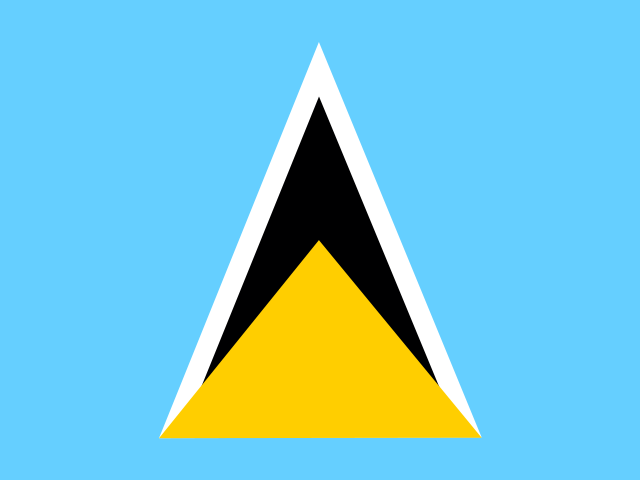
Saint Lucia
Capital: Castries
Light blue field with a golden triangle behind a black-edged white triangle whose apex reaches the center.
Adopted: 2002
Fun Facts
- Cerulean blue recalls the surrounding sea and fidelity
- The triangle evokes the volcanic Pitons landmark
- Yellow and black underscore sunshine and cultural ties
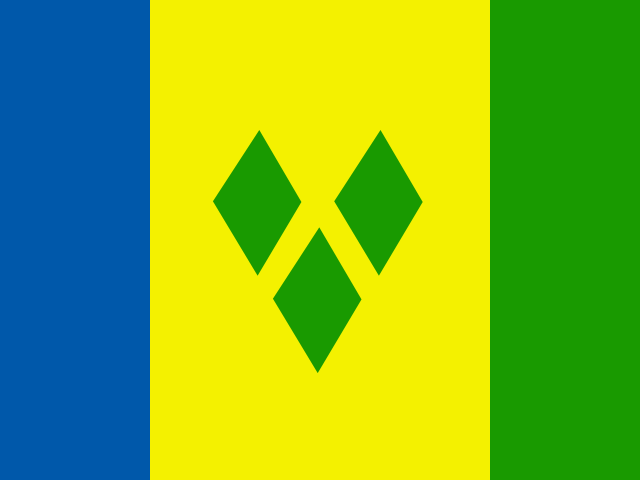
Saint Vincent and the Grenadines
Capital: Kingstown
Vertical blue-yellow-green bands with green diamonds centered on the yellow stripe arranged in a V.
Adopted: 1985
Fun Facts
- Diamonds form a V shape for Vincent
- Green is vegetation; blue sea; yellow warmth
- Breadfruit leaf emblem highlights staple crops and resilience
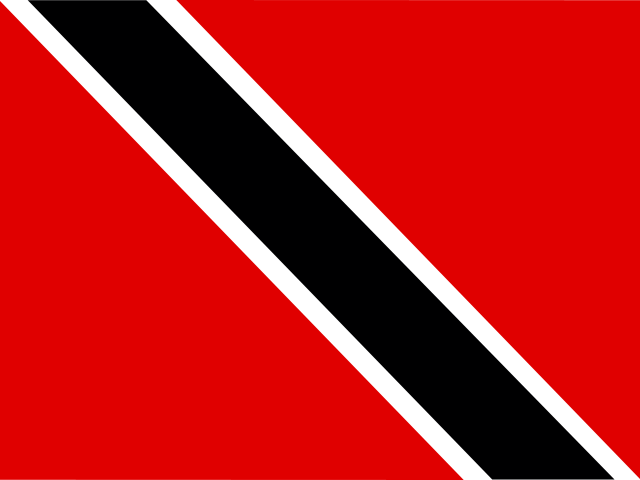
Trinidad and Tobago
Capital: Port of Spain
Red field with a black diagonal stripe bordered in white running from upper hoist to lower fly.
Adopted: 1962
Fun Facts
- Black stands for dedication and unity of the people
- Red recalls sunshine and vitality; white ocean and equality
- Diagonal recalls independence momentum of 1962
Quick Reference
Test Your Knowledge
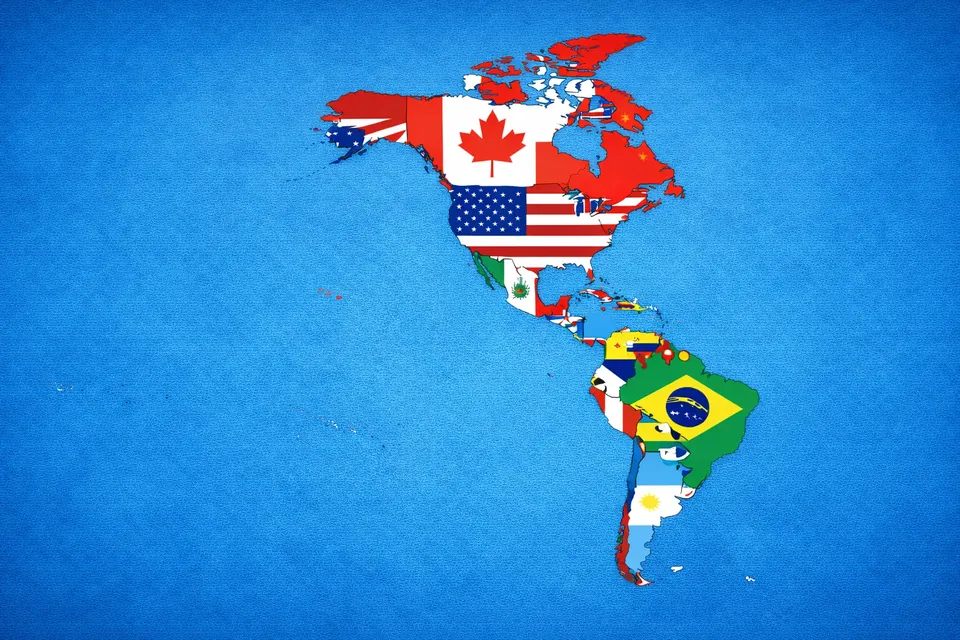
Island vibes-can you match each Caribbean nation to its flag?
Practice with Games
Ready to test what you learned? Jump into a game and put it into practice.
About Caribbean Flags
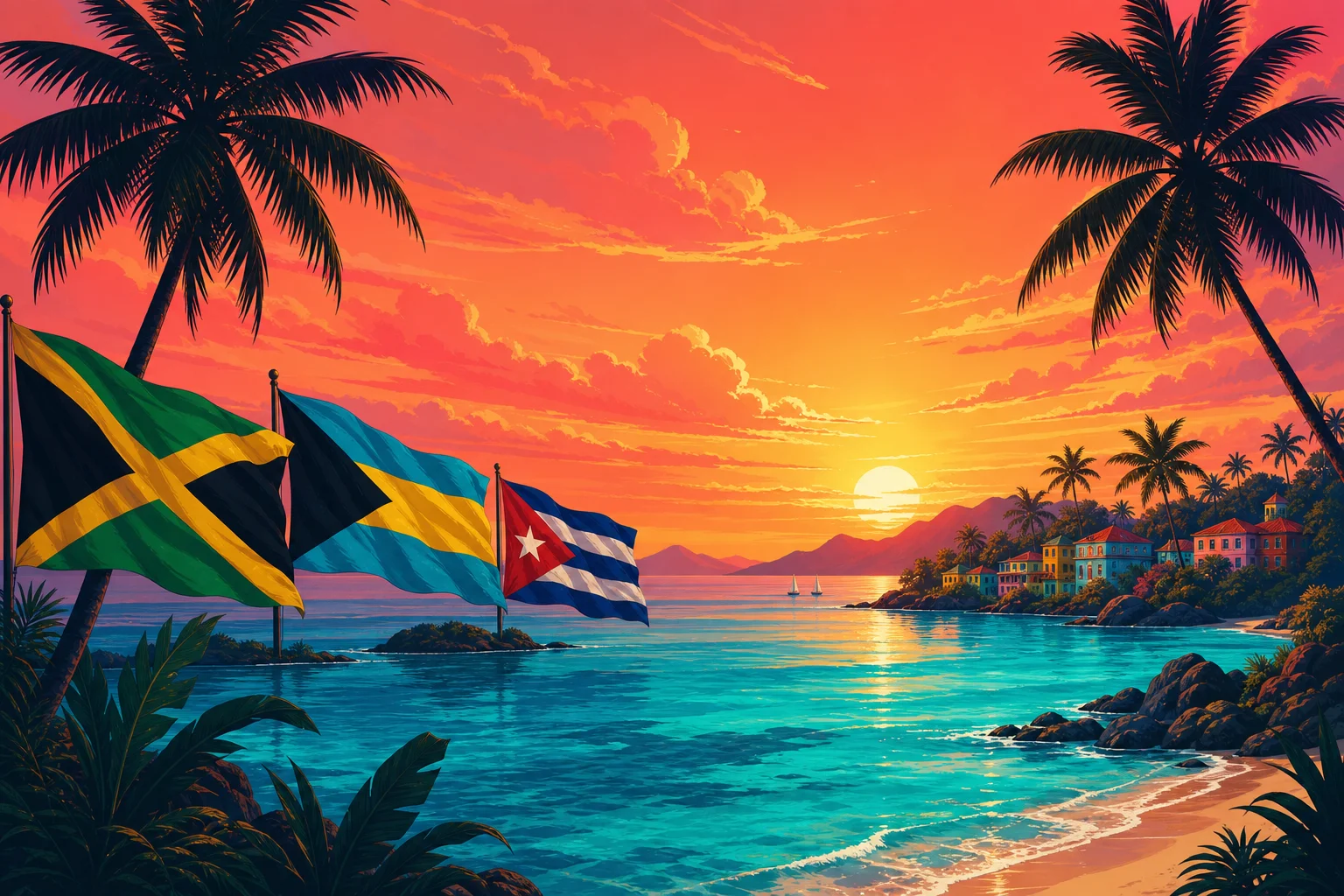
Caribbean flags often fuse African diaspora colors with European heraldic habits inherited from empire and federation eras. Commonwealth ties shaped crosses and stripes on Dominica and Jamaica; Spanish colonial roots echo in Cuba's lone star layout; Haiti's bicolor proclaims the hemisphere's first independent Black republic. Smaller Eastern Caribbean states favor triangles, diamonds, and birds drawn from unique ecosystems. Belize appears in our Central America lesson-this page stays focused on sovereign Caribbean islands for quicker studying.
Frequently Asked Questions
Why is Belize not included?
Belize is covered in our Central America flags lesson. Here we focus on thirteen widely recognized independent Caribbean island nations.
Are territories like Puerto Rico listed?
No-only independent sovereign states appear so borders stay clear for quizzes and passports.
Which Caribbean flags confuse beginners most?
Dominica versus Dominican Republic names trip people up-watch the green nature cross versus the blue-red quarters with a white cross. Cuba's stripes resemble Liberia or Puerto Rico at a glance until you spot the lone star triangle.