Flags of the Middle East
The Middle East sits at the crossroads of three continents and is the birthplace of major world religions. Its flags feature Pan-Arab colors (red, white, black, green), Islamic crescents and stars, and distinctive national symbols. From Saudi Arabia's shahada inscription to Israel's Star of David, these flags represent deeply held identities and thousands of years of history.
Study the Flags
Saudi Arabia
Capital: Riyadh
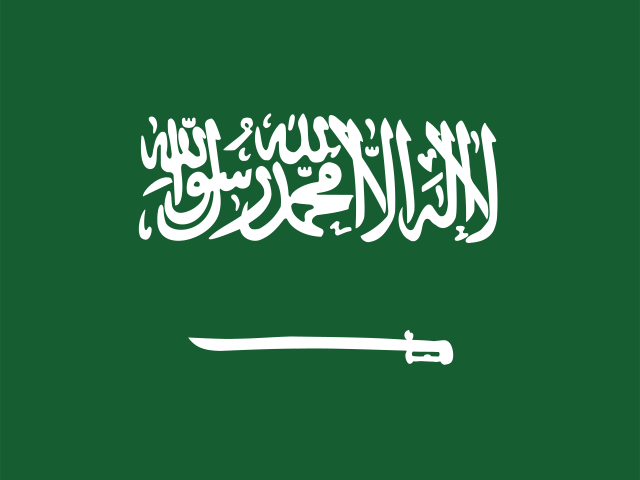
Green field with the shahada (Islamic creed) in white Arabic script above a white horizontal sword.
Adopted: 1973
Fun Facts
- The Arabic inscription is the shahada (Islamic declaration of faith)
- The sword represents the House of Saud's military strength and justice
- Saudi Arabia's flag is never flown at half-mast because of the holy inscription
United Arab Emirates
Capital: Abu Dhabi
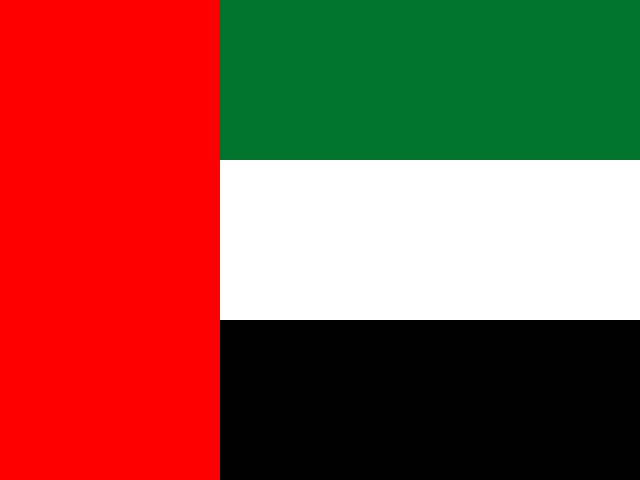
Three horizontal stripes: green, white, black, with a vertical red stripe at the hoist.
Adopted: 1971
Fun Facts
- The UAE flag uses all four Pan-Arab colors: red, green, white, and black
- Red represents the sacrifices of past generations, green fertility, white peace, black strength
- The UAE is a federation of seven emirates united in 1971
Israel
Capital: Jerusalem
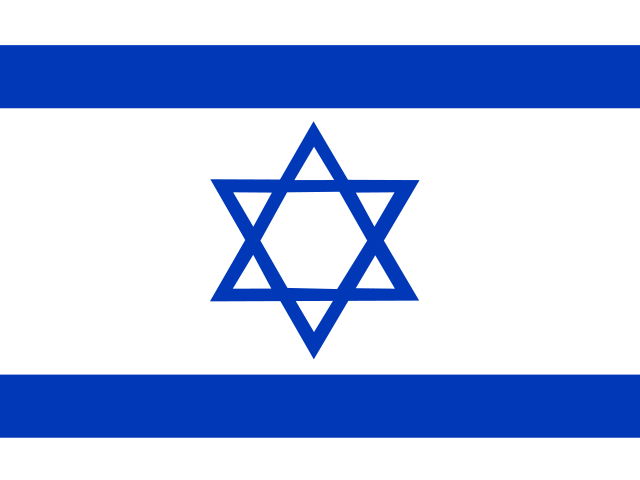
White field with two horizontal blue stripes near the top and bottom, and a blue Star of David in the center.
Adopted: 1948
Fun Facts
- The Star of David (Magen David) has been a Jewish symbol for centuries
- The blue stripes represent the stripes on a traditional Jewish prayer shawl (tallit)
- Israel's flag was designed in 1891, decades before the state was established in 1948
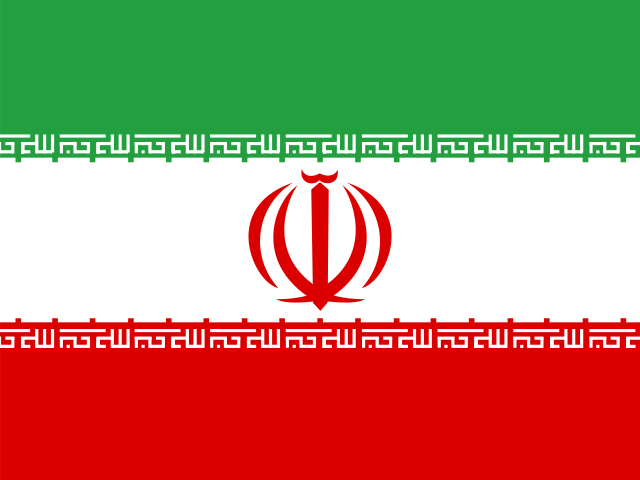
Iran
Capital: Tehran
Three horizontal stripes: green, white, red. The national emblem in red centered on the white stripe. "Allahu Akbar" repeated along the stripe edges.
Adopted: 1980
Fun Facts
- The central emblem is a stylized representation of the word "Allah" (God)
- The phrase "Allahu Akbar" (God is Great) is written 22 times along the stripe borders
- Green represents Islam, white peace, red courage
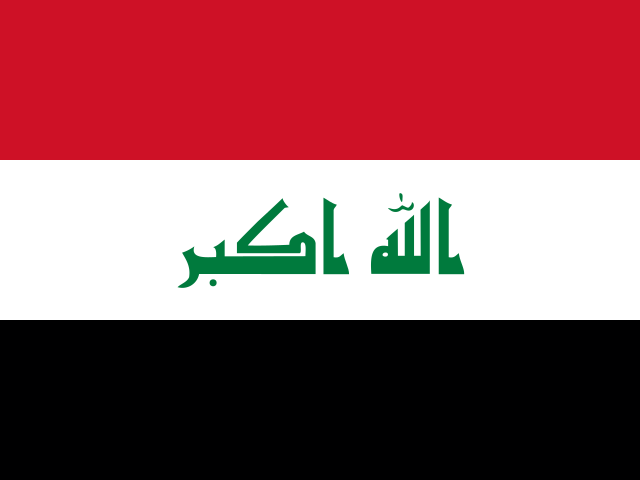
Iraq
Capital: Baghdad
Three horizontal stripes: red, white, black. Green Arabic inscription "Allahu Akbar" centered on the white stripe.
Adopted: 2008
Fun Facts
- The green Arabic script reads "Allahu Akbar" (God is Great)
- Iraq's flag uses Pan-Arab colors representing Arab unity and liberation
- The current design replaced three stars that previously represented a proposed union with Egypt and Syria
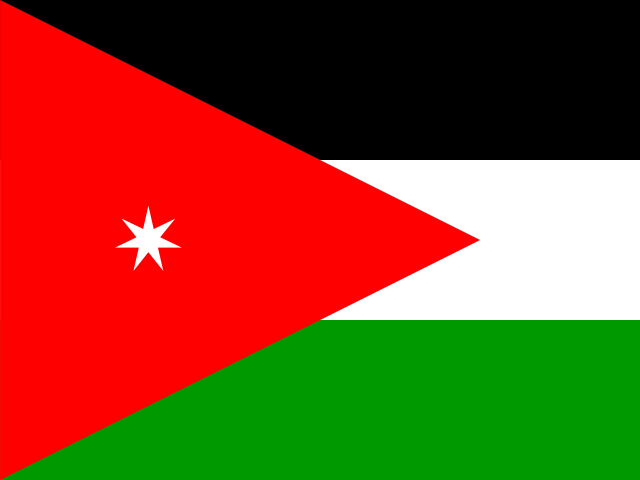
Jordan
Capital: Amman
Three horizontal stripes: black, white, green, with a red triangle at the hoist containing a white seven-pointed star.
Adopted: 1928
Fun Facts
- The seven-pointed star represents the first seven verses of the Quran (Al-Fatiha)
- Jordan's flag is based on the flag of the Arab Revolt of 1916 against the Ottoman Empire
- The colors represent the Abbasid (black), Umayyad (white), and Fatimid (green) dynasties
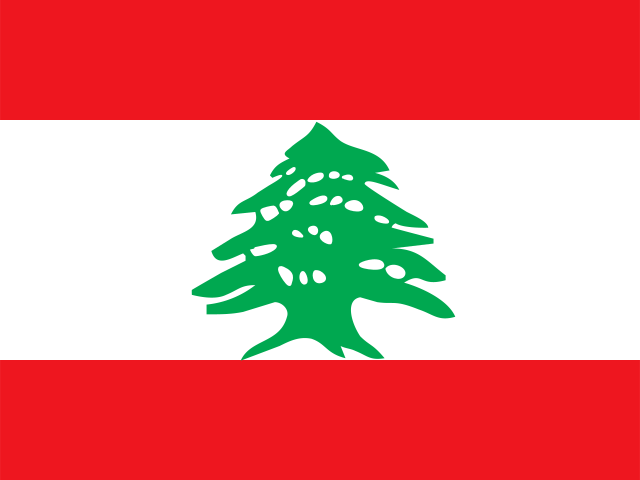
Lebanon
Capital: Beirut
Three horizontal stripes: red, white (double width), red. A green cedar tree centered on the white stripe.
Adopted: 1943
Fun Facts
- The cedar tree has been a symbol of Lebanon for thousands of years, mentioned in the Epic of Gilgamesh
- Red represents the blood shed for liberation, white represents snow and peace
- Lebanon's cedars were famous in antiquity - used by Phoenicians for shipbuilding and Egyptians for temples
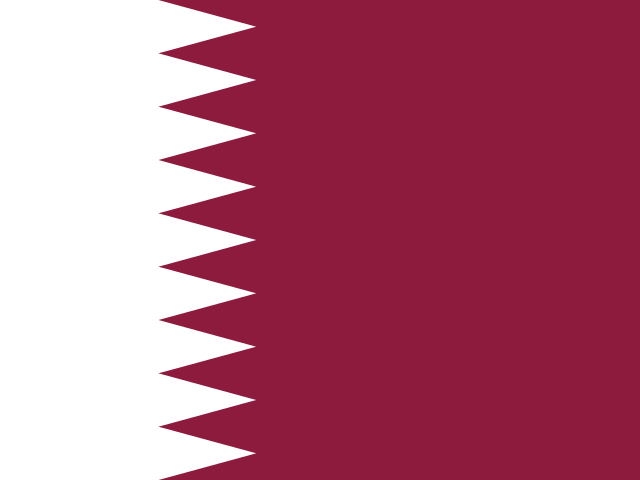
Qatar
Capital: Doha
Maroon field with a white serrated band (9 points) on the hoist side.
Adopted: 1971
Fun Facts
- Qatar's flag is the only national flag with a width-to-length ratio greater than 2:1 (11:28)
- The 9-pointed serrated edge represents Qatar as the 9th member of the "reconciled Emirates"
- The maroon color replaced the original red when local dyes darkened in the sun
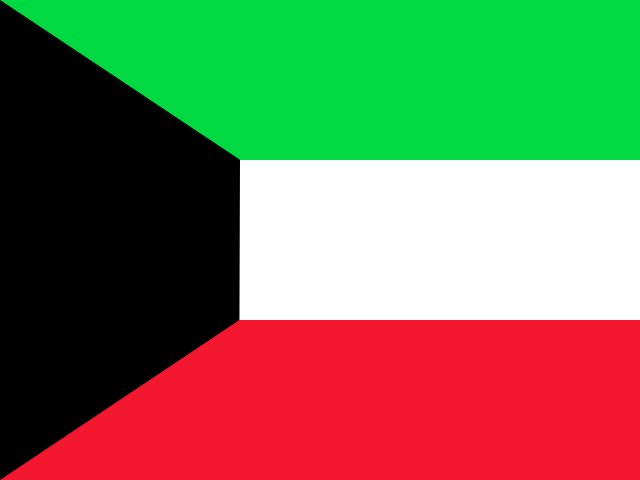
Kuwait
Capital: Kuwait City
Three horizontal stripes: green, white, red, with a black trapezoid at the hoist.
Adopted: 1961
Fun Facts
- The colors are inspired by a verse from an Arab poet describing the green land, white deeds, black battles, and red swords
- Kuwait's flag uses Pan-Arab colors like many other Gulf states
- The trapezoid represents the dhow (sailing vessel) hulls used by Kuwaiti sailors
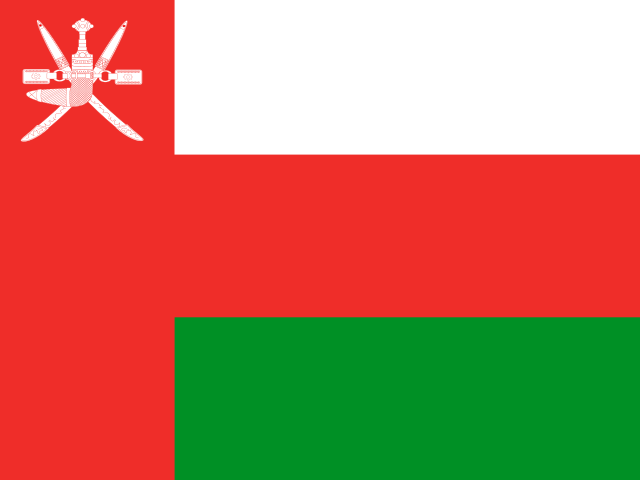
Oman
Capital: Muscat
Three horizontal stripes: white, red, green, with a wider red vertical stripe at the hoist bearing the national emblem in white.
Adopted: 1995
Fun Facts
- The national emblem features a khanjar (curved dagger) and two crossed swords
- Red is the traditional color of the Omani people and has been used since the 18th century
- White represents peace and prosperity, green the fertile land and the Jebel Akhdar mountains
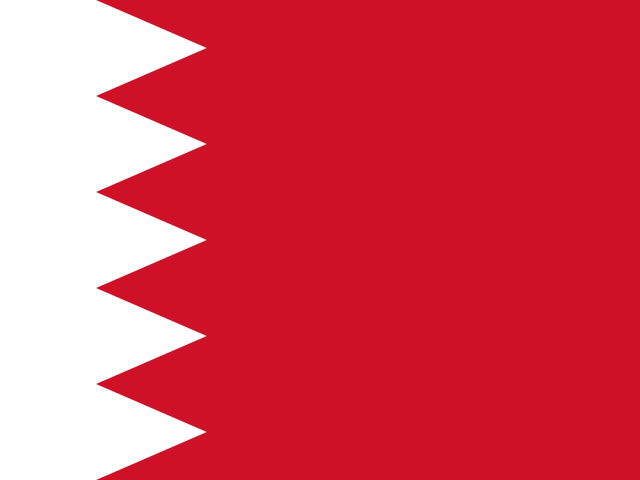
Bahrain
Capital: Manama
Red field with a white serrated band (5 triangles) on the hoist side.
Adopted: 2002
Fun Facts
- The 5 triangles represent the five pillars of Islam
- Bahrain's flag was originally all red - the white was added in the 19th century to show a peace treaty with Britain
- Bahrain is the smallest country in the Middle East
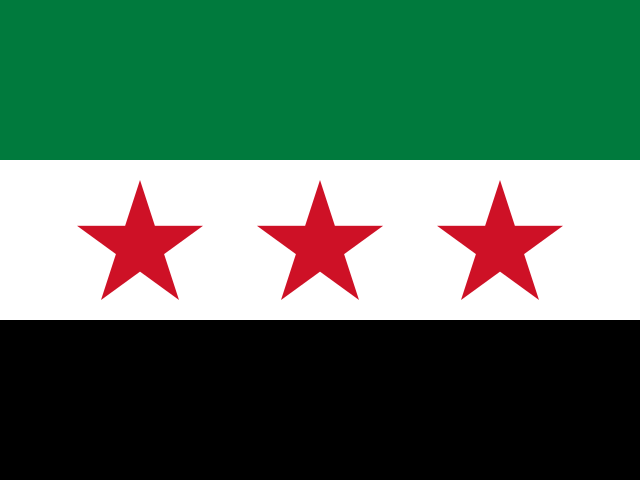
Syria
Capital: Damascus
Three horizontal stripes: red, white, black. Two green five-pointed stars on the white stripe.
Adopted: 1980
Fun Facts
- The two green stars originally represented Egypt and Syria when they formed the United Arab Republic
- Syria's flag uses the same Pan-Arab colors as Egypt, Iraq, and Yemen
- The current flag was readopted in 1980 after several design changes
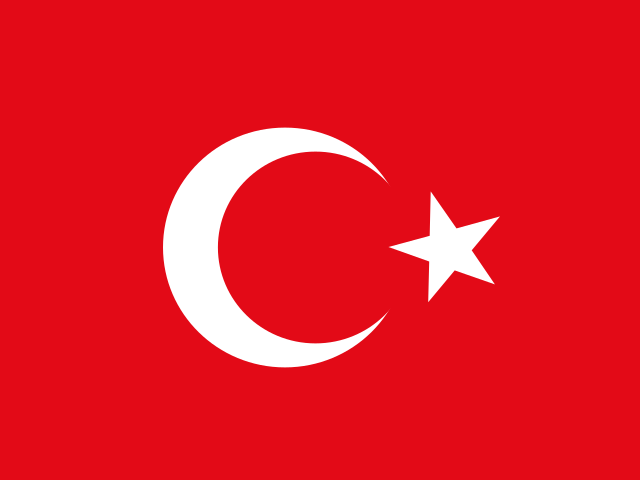
Turkey
Capital: Ankara
Red field with a white crescent moon and a white five-pointed star slightly right of center.
Adopted: 1936
Fun Facts
- The crescent and star were Ottoman-era symbols carried into the republic
- Red recalls bravery and the sacrifices of independence wars after World War I
- Istanbul straddles Europe and Asia across the Bosphorus
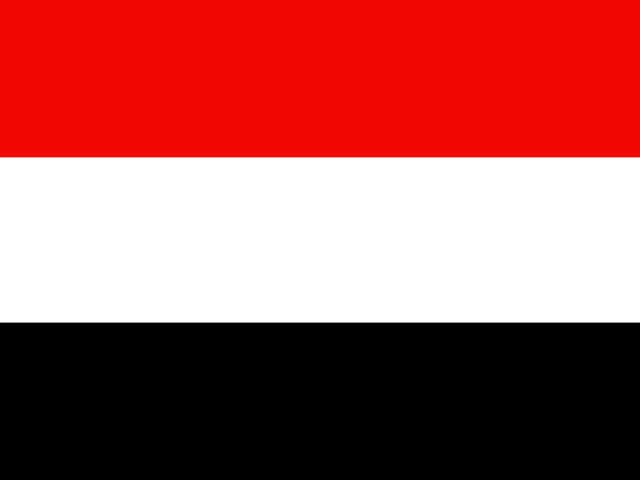
Yemen
Capital: Sanaa
Three horizontal stripes: red, white, black.
Adopted: 1990
Fun Facts
- Pan-Arab red, white, and black stripes mirror flags used across broader Arab nationalism
- Syria's flag adds green stars; Yemen keeps the layout minimal without central emblem
- Southern Red Sea and Arabian Peninsula geography tie Yemen to Gulf neighbors culturally
Quick Reference
Test Your Knowledge
How well do you know Middle Eastern flags? Find out here.
Practice with Games
Ready to test what you learned? Jump into a game and put it into practice.
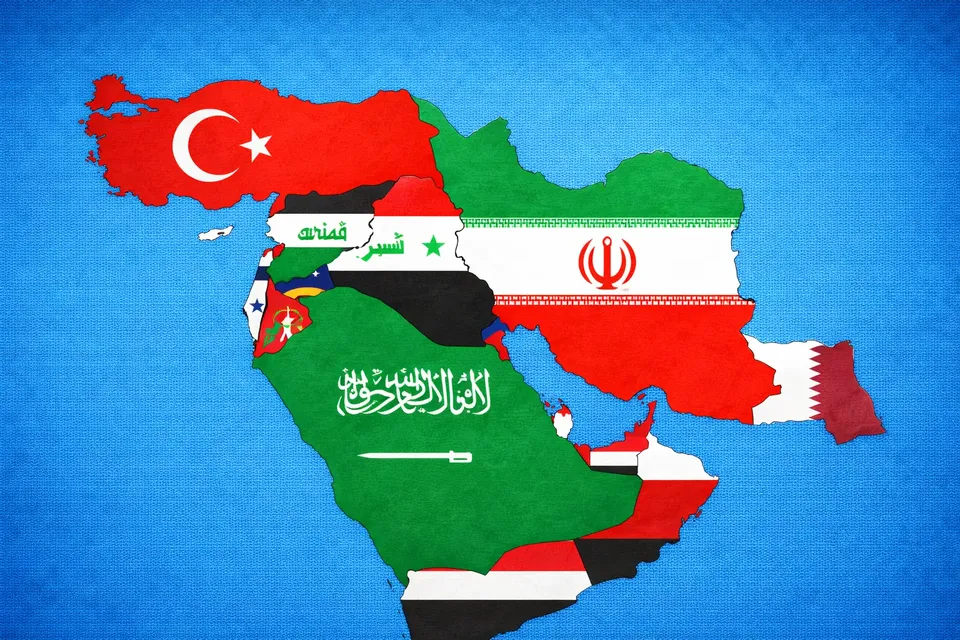
About Middle Eastern Flags
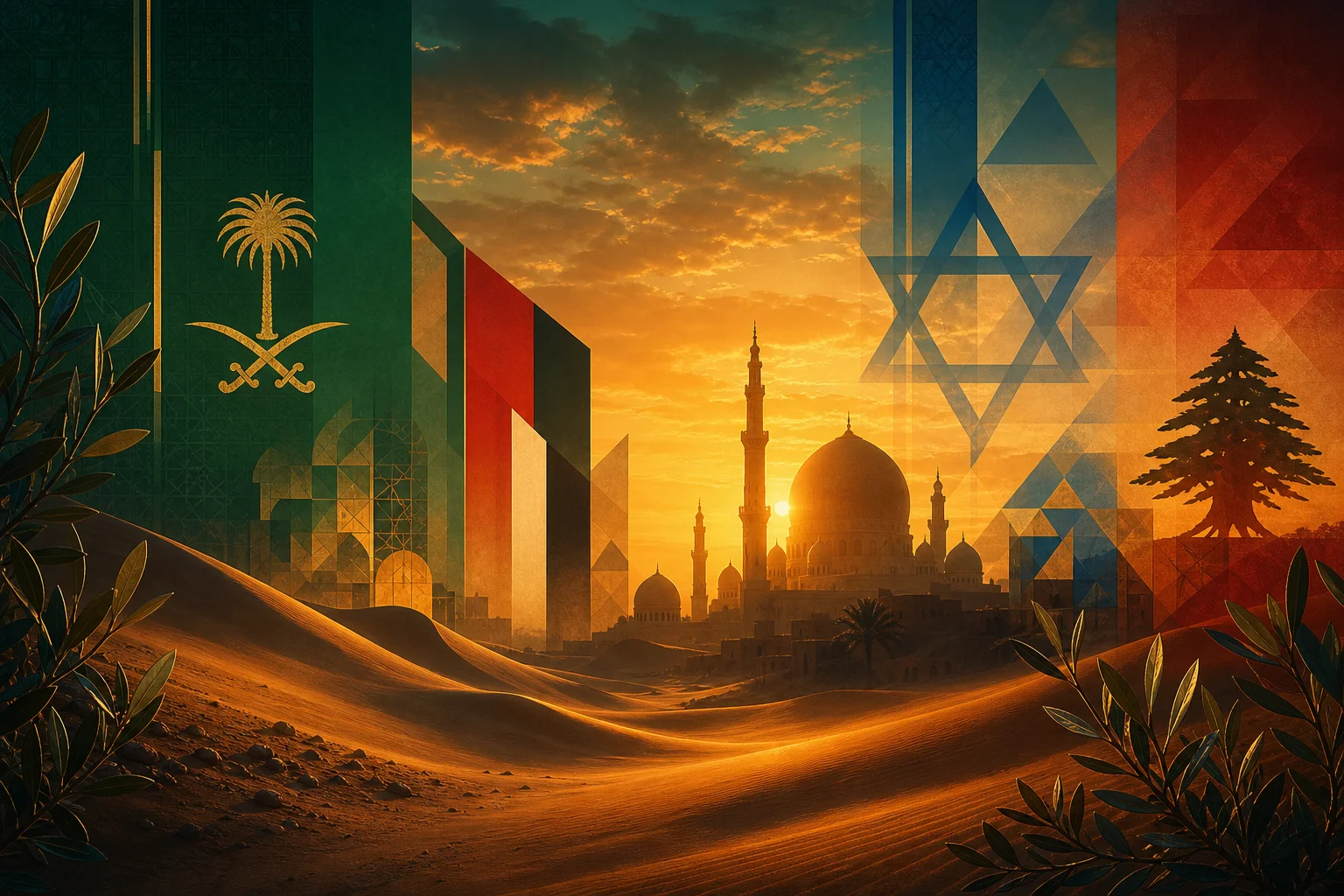
Middle Eastern flags are deeply connected to the region's history, religion, and political movements. The Pan-Arab colors (red, white, black, and green) appear on many flags, originating from the Arab Revolt of 1916 against the Ottoman Empire. These colors represent historical Arab dynasties: black (Abbasid), white (Umayyad), green (Fatimid), and red (Hashemite). Islamic symbolism is prominent - crescents, stars, and Arabic calligraphy appear on flags from Turkey to Saudi Arabia. Gulf states like Qatar and Bahrain feature distinctive serrated designs, while Israel's flag draws from Jewish religious tradition. The region's flags reflect both shared cultural heritage and fierce national distinctiveness.
Frequently Asked Questions
What are the Pan-Arab colors and where do they come from?
The Pan-Arab colors are red, white, black, and green. They were adopted during the Arab Revolt of 1916 and represent historical Arab dynasties: black (Abbasid), white (Umayyad), green (Fatimid), and red (Hashemite/Sharif of Mecca). These colors appear on the flags of Jordan, UAE, Kuwait, Iraq, Syria, Egypt, and others.
How many countries are in the Middle East?
This lesson focuses on 14 widely studied sovereign flags of the core Gulf, Levant, and peninsula region covered here (including Turkey and Yemen). Broader definitions may also count Cyprus, Egypt, or others.
Why do Qatar and Bahrain's flags look similar?
Both Qatar and Bahrain have flags with white serrated bands separating white from a darker color. This reflects their shared history as Gulf states with British treaty relationships. Qatar's is maroon with 9 points; Bahrain's is red with 5 points (representing the five pillars of Islam).