Flags of Asia
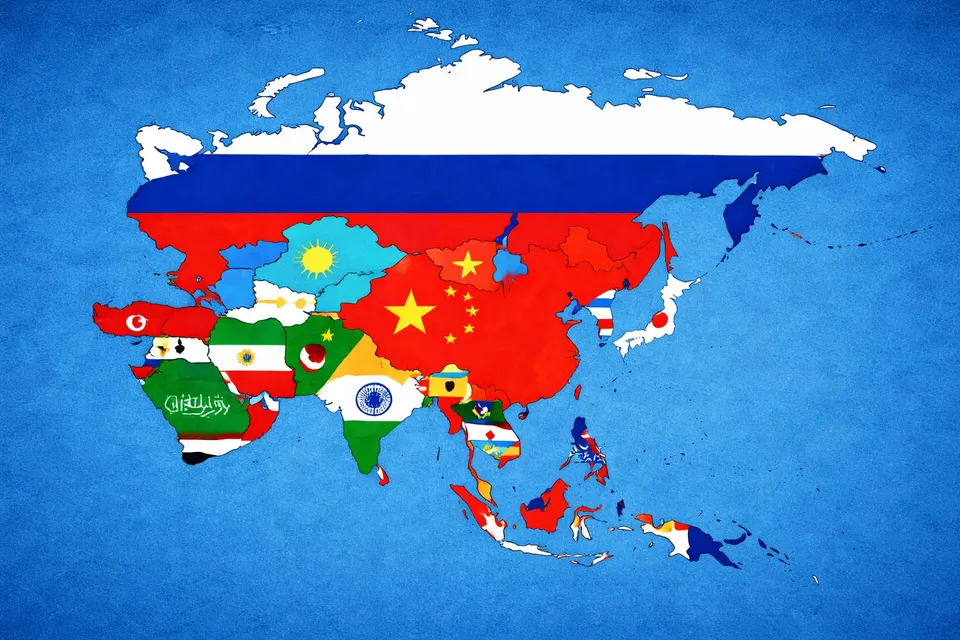
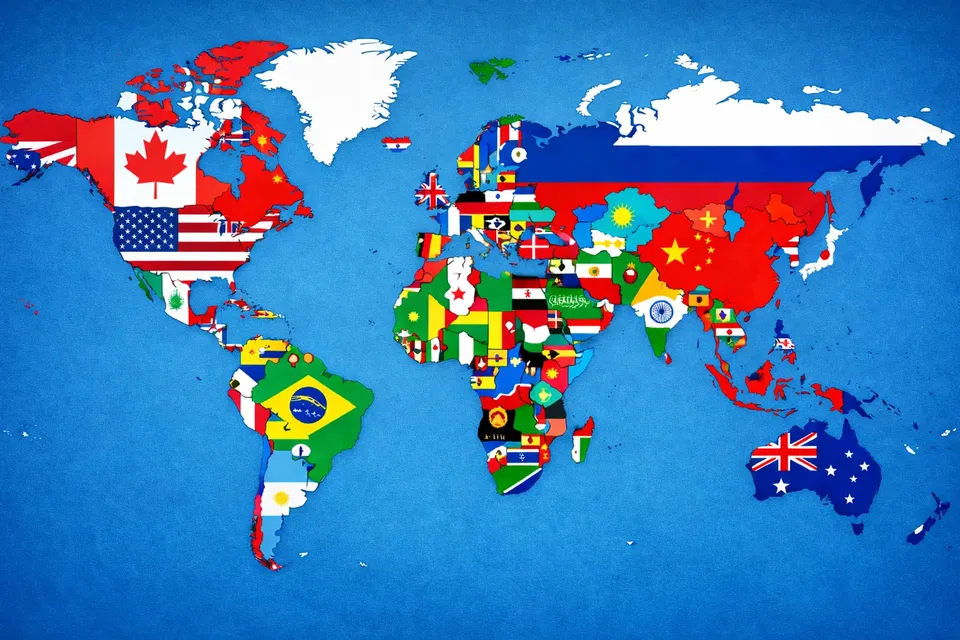
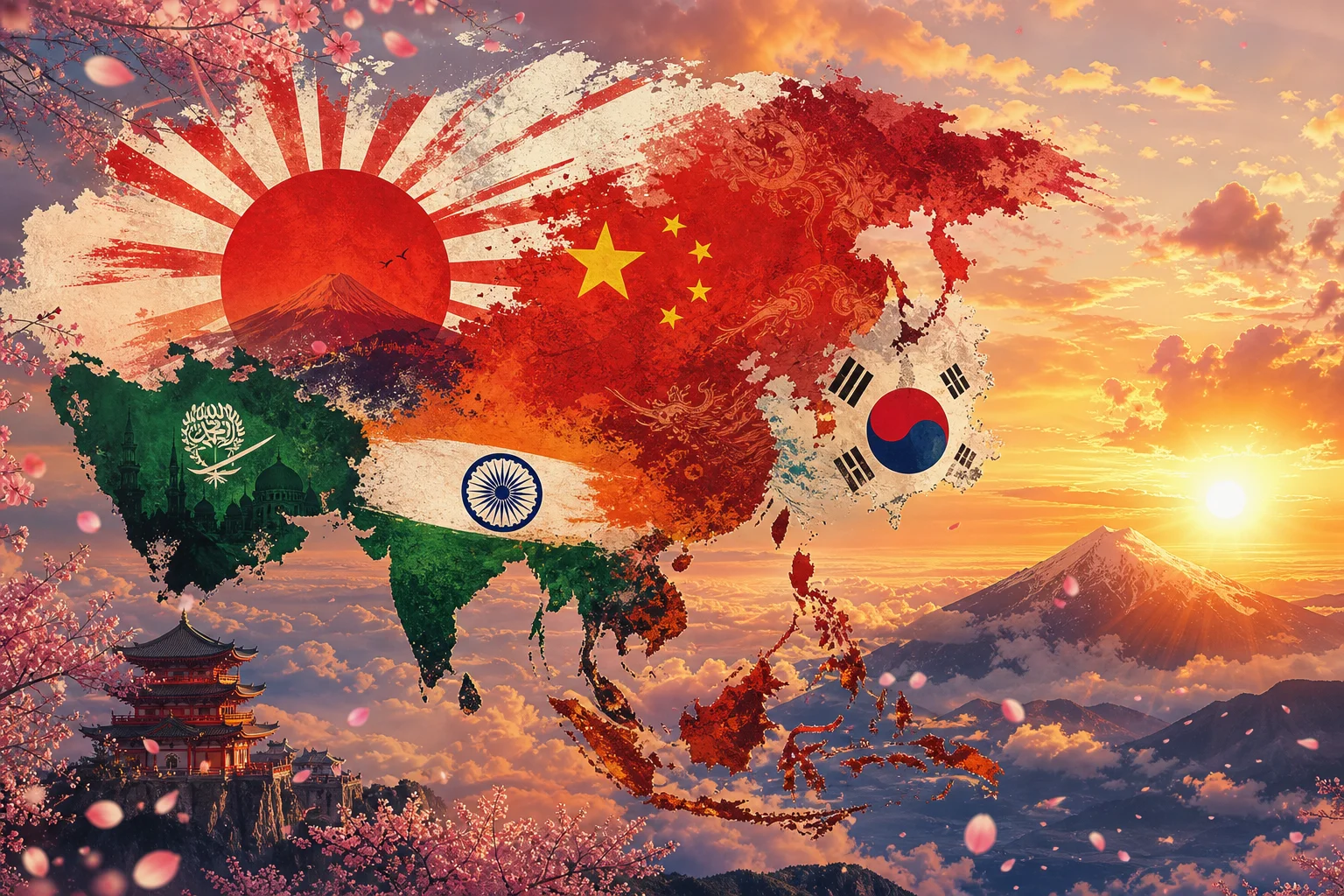
Asia is the world's largest and most populous continent, home to incredibly diverse cultures and flag designs. From Japan's minimalist rising sun to the dragon of Bhutan and the crescent-and-star motifs of Islamic nations, Asian flags reflect thousands of years of history, religion, and national identity.
Study the Flags
Japan
Capital: Tokyo
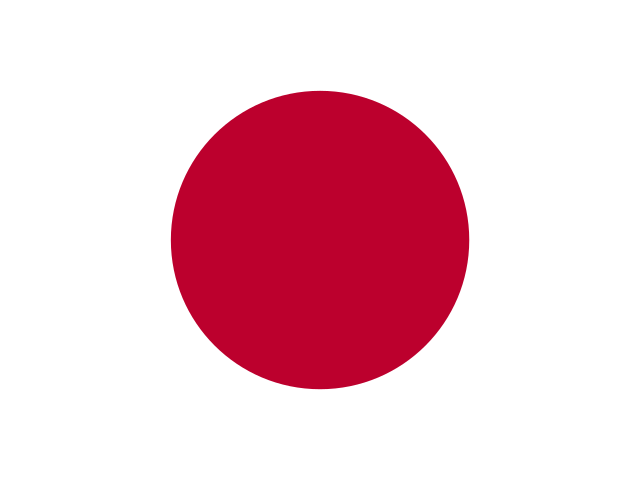
White field with a large red circle (representing the sun) in the center.
Adopted: 1999
Fun Facts
- The red circle represents the sun - Japan is called "Land of the Rising Sun"
- The flag is called "Nisshoki" (sun-mark flag) or "Hinomaru" (circle of the sun)
- The simple design has been used for over 700 years by Japanese emperors
China
Capital: Beijing
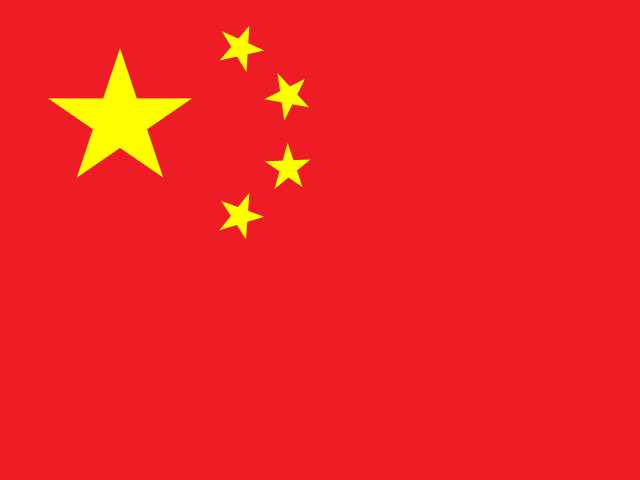
Red field with five golden stars in the upper-left: one large star with four smaller stars in an arc beside it.
Adopted: 1949
Fun Facts
- The large star represents the Communist Party; four small stars represent the four social classes
- Red symbolizes the communist revolution and the blood of martyrs
- The flag was adopted on September 27, 1949, just days before the People's Republic was proclaimed
India
Capital: New Delhi
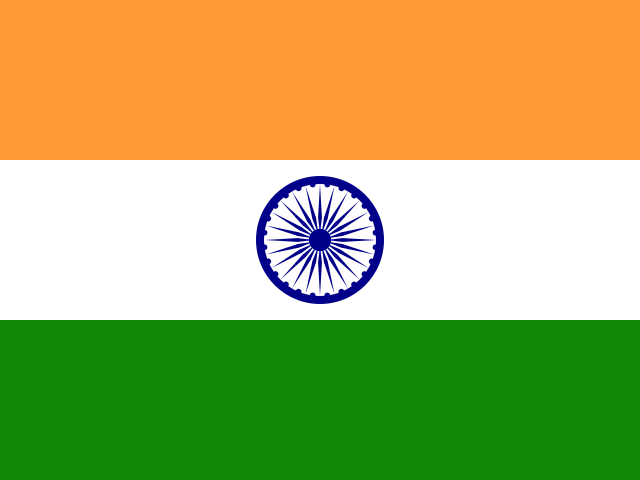
Three horizontal stripes: saffron (deep orange), white, green. A navy blue 24-spoke wheel (Ashoka Chakra) centered on the white stripe.
Adopted: 1947
Fun Facts
- The Ashoka Chakra (wheel) in the center has 24 spokes representing 24 hours of the day
- Saffron represents courage, white truth and peace, green fertility and prosperity
- The flag must only be made from khadi, a hand-spun cloth promoted by Gandhi
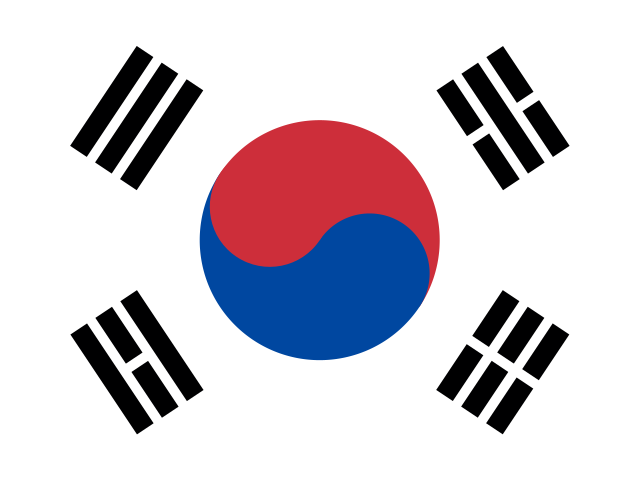
South Korea
Capital: Seoul
White field with a red and blue taegeuk (yin-yang) in the center, surrounded by four black trigrams in each corner.
Adopted: 1949
Fun Facts
- The central symbol (taegeuk) represents the balance of yin and yang
- The four trigrams represent heaven, earth, water, and fire
- The white background represents peace and purity of the Korean people
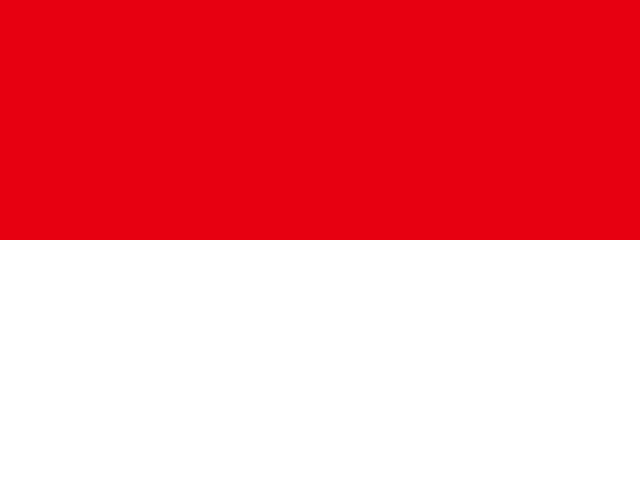
Indonesia
Capital: Jakarta
Two horizontal stripes: red (top), white (bottom).
Adopted: 1945
Fun Facts
- The flag is called "Sang Merah Putih" (the Red and White)
- Red represents courage and the physical world, white purity and the spiritual world
- Indonesia's flag is identical to Monaco's - only the proportions differ slightly
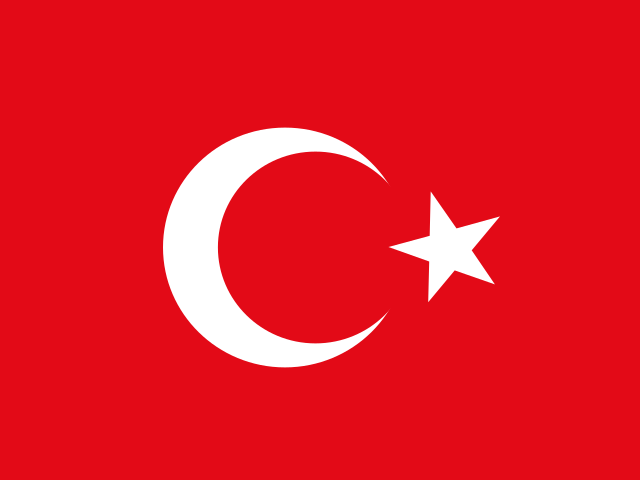
Turkey
Capital: Ankara
Red field with a white crescent moon and a white five-pointed star slightly to the right of center.
Adopted: 1936
Fun Facts
- The crescent and star were Ottoman Empire symbols adopted by the republic
- Legend says the flag's design came from the reflection of the moon and a star in a pool of blood after battle
- Turkey's flag inspired many other Muslim-majority nations to use the crescent-and-star motif
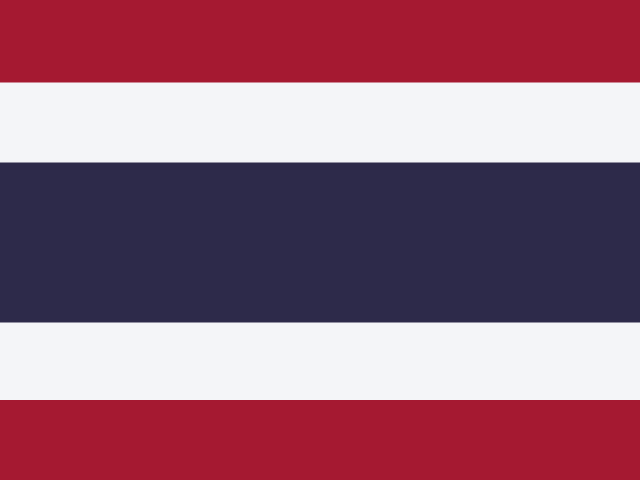
Thailand
Capital: Bangkok
Five horizontal stripes: red, white, blue (double width), white, red.
Adopted: 1917
Fun Facts
- The flag is called "Trirong" meaning tricolor
- The blue stripe was added in 1917 to show solidarity with the Allies in World War I
- Red represents the nation, white religion, blue the monarchy
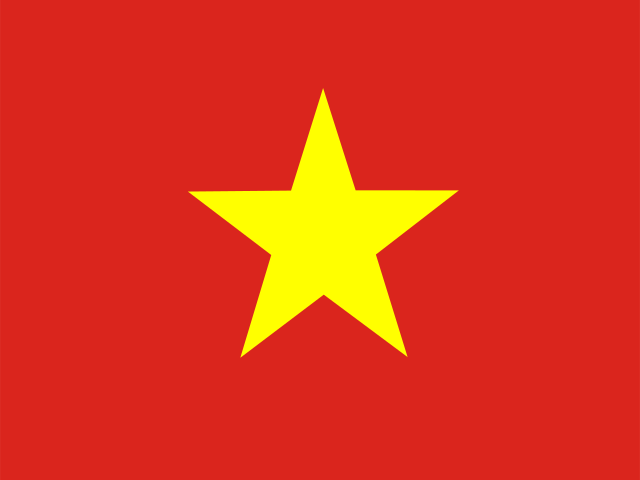
Vietnam
Capital: Hanoi
Red field with a large gold five-pointed star in the center.
Adopted: 1955
Fun Facts
- The five points of the star represent workers, peasants, soldiers, intellectuals, and youth
- The red background represents the revolution and blood of those who fought for independence
- The flag was first used during the uprising against French colonial rule in 1940
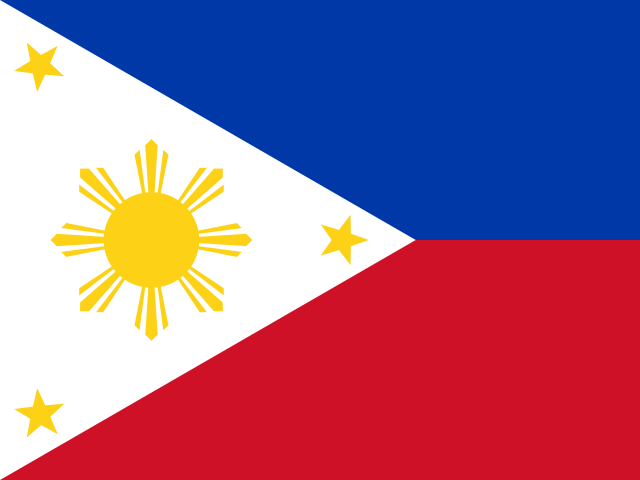
Philippines
Capital: Manila
Two horizontal bands: blue (top) and red (bottom). A white triangle at the hoist with a golden sun and three stars.
Adopted: 1898
Fun Facts
- The Philippines is the only country that flips its flag during wartime (red on top means war)
- The three stars represent Luzon, Visayas, and Mindanao island groups
- The sun's 8 rays represent the first 8 provinces that revolted against Spain
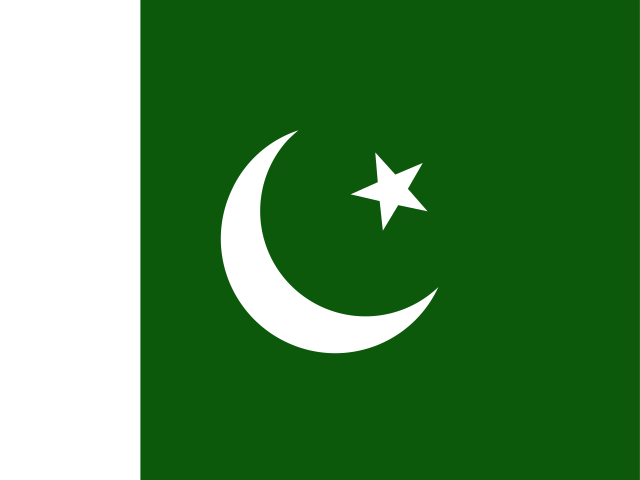
Pakistan
Capital: Islamabad
Dark green field with a white crescent and star. A white vertical stripe at the hoist side.
Adopted: 1947
Fun Facts
- The green represents Islam and the Muslim majority, white represents minorities
- The crescent symbolizes progress, the star light and knowledge
- The white stripe at the hoist represents religious minorities in Pakistan
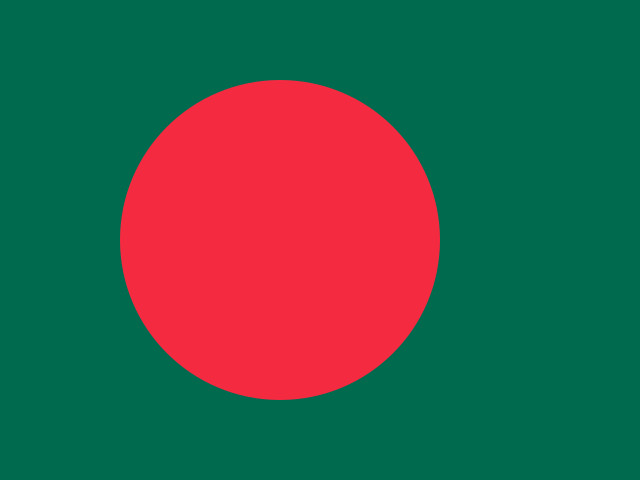
Bangladesh
Capital: Dhaka
Dark green field with a large red circle slightly offset toward the hoist side.
Adopted: 1972
Fun Facts
- The red circle represents the blood of those who died for independence
- The green represents the lush vegetation of Bangladesh
- The circle is offset slightly toward the hoist so it appears centered when the flag flies
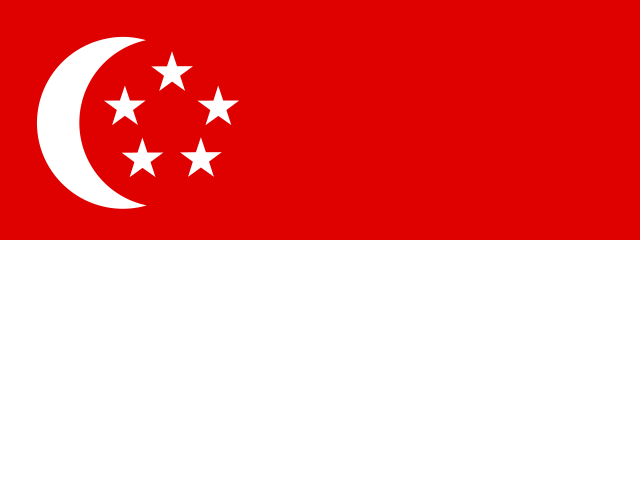
Singapore
Capital: Singapore
Two horizontal stripes: red (top), white (bottom). A white crescent moon and five stars in the upper-left red portion.
Adopted: 1959
Fun Facts
- The five stars represent democracy, peace, progress, justice, and equality
- The crescent moon represents a young nation on the rise
- Red stands for universal brotherhood, white for purity and virtue
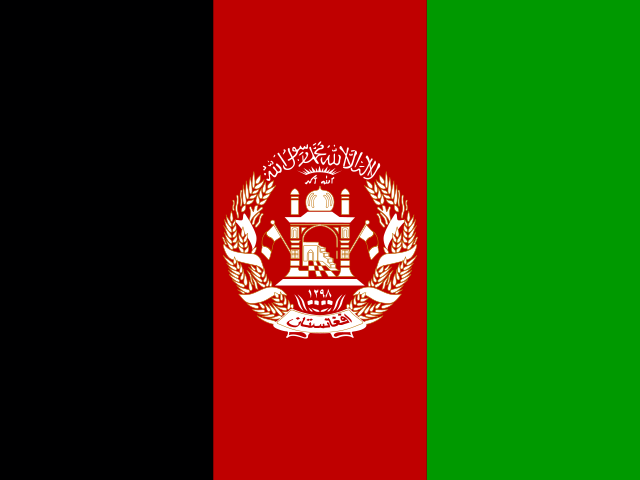
Afghanistan
Capital: Kabul
Vertical stripes black, red, and green with the national emblem centered on the red stripe.
Adopted: 2004
Fun Facts
- Black recalls darkness of the past; red blood of independence; green Islam and prosperity
- The central emblem includes the national mosque and sheaves
- Landlocked crossroads linking South and Central Asia
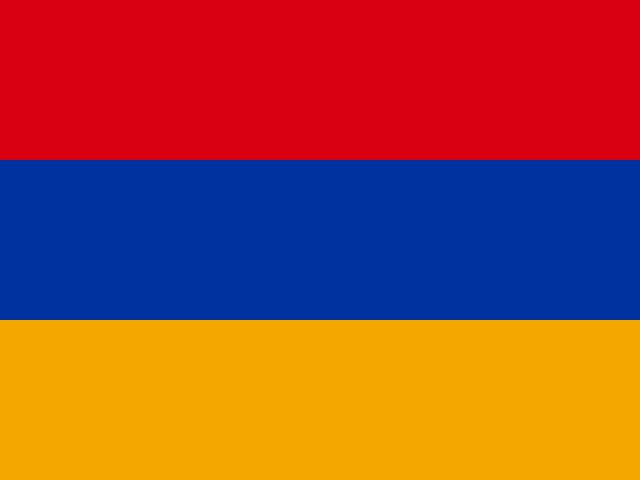
Armenia
Capital: Yerevan
Three horizontal stripes: red, blue, orange.
Adopted: 1990
Fun Facts
- Red recalls Armenian sacrifice; blue peaceful skies; orange fertile soil and courage
- One of the world's oldest Christian cultures
- Located in the South Caucasus between the Black and Caspian seas
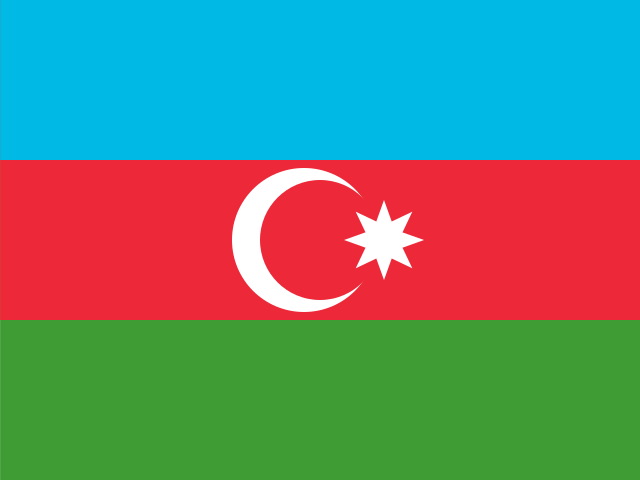
Azerbaijan
Capital: Baku
Three horizontal stripes: blue (top), red (middle), green (bottom), with a white crescent and eight-pointed star centered on the red stripe.
Adopted: 2013
Fun Facts
- Blue recalls Turkic heritage and the Caspian; red progress and sacrifice; green Islam and growth
- The eight-pointed star and flame evoke the word Allah in stylized form
- Rich Caspian Sea oil and gas resources
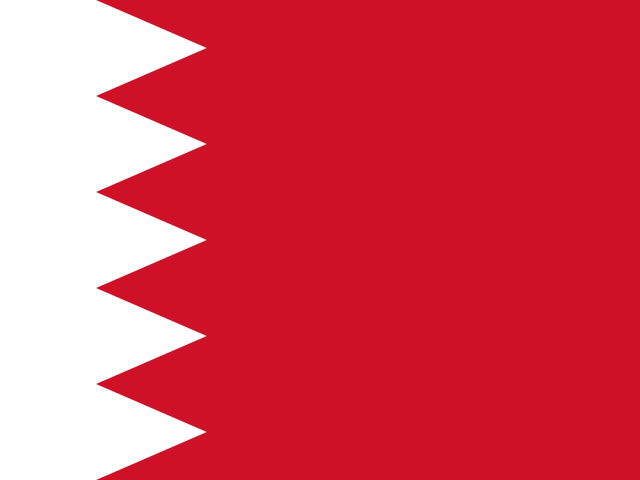
Bahrain
Capital: Manama
Red field with a white serrated band along the hoist.
Adopted: 2002
Fun Facts
- Five white triangles recall the five pillars of Islam along the serrated edge
- One of the smallest Asian states by land area
- Historic pearl-diving economy gave way to finance and energy
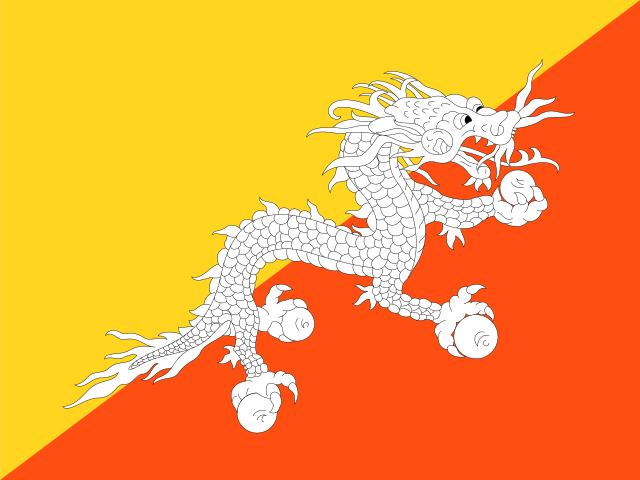
Bhutan
Capital: Thimphu
Diagonal yellow and orange field with a white dragon bearing jewels along the dividing line.
Adopted: 1969
Fun Facts
- The thunderdragon (Druk) gives Bhutan its poetic name: Land of the Thunder Dragon
- Yellow civil tradition; orange Buddhist spiritual heritage
- Bhutan famously prioritizes Gross National Happiness alongside development
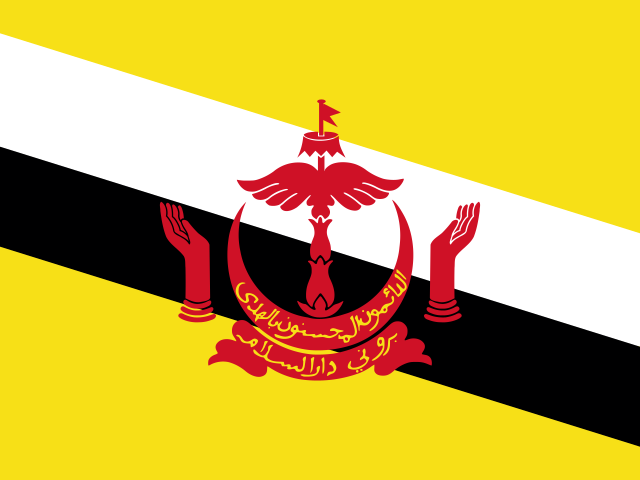
Brunei
Capital: Bandar Seri Begawan
Yellow field with diagonal black and white stripes and the national emblem (crest, crescent, and motto) in red.
Adopted: 1959
Fun Facts
- Yellow recalls the Sultan; black and white stripes are ministerial symbols
- The crest includes wings, hands, and a parasol under a crescent bearing national motto
- Tiny oil-rich monarchy on Borneo's north coast
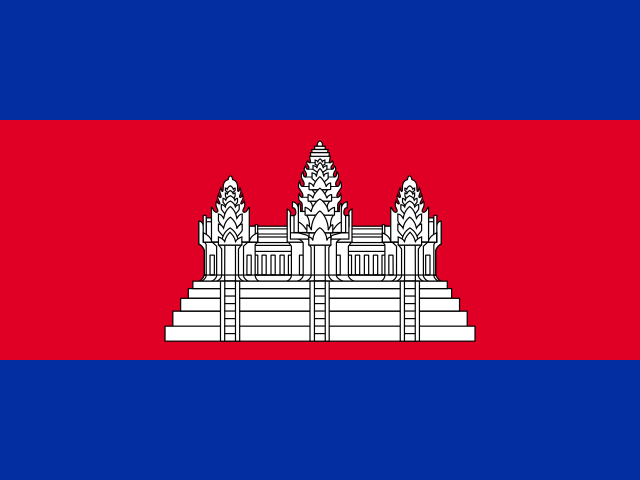
Cambodia
Capital: Phnom Penh
Three horizontal stripes blue (narrow), red (wide), blue (narrow) with Angkor Wat in white centered.
Adopted: 1993
Fun Facts
- Angkor Wat appears in silhouette at the center
- Blue bands represent royalty and the Mekong River and Tonlé Sap
- Design echoes older Cambodian flags while stressing heritage after conflict
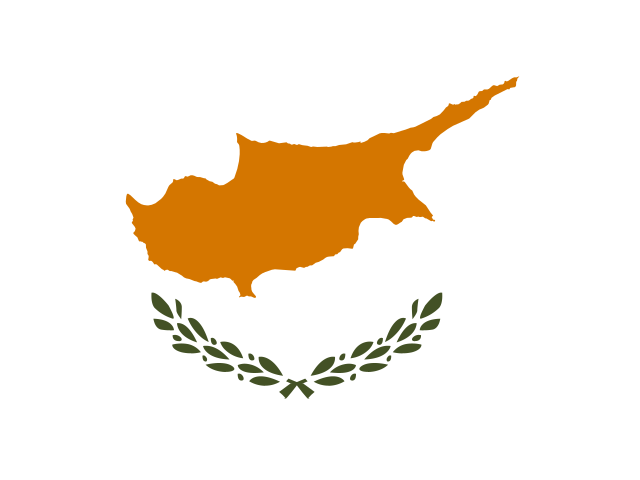
Cyprus
Capital: Nicosia
White field with a copper-colored outline map of the island above crossed green olive branches.
Adopted: 2006
Fun Facts
- The copper-colored map reflects Cyprus's historic copper exports (Latin aes cyprium)
- Olive branches underline peaceful coexistence after division
- UN-classified Western Asian island state at the eastern Mediterranean crossroads
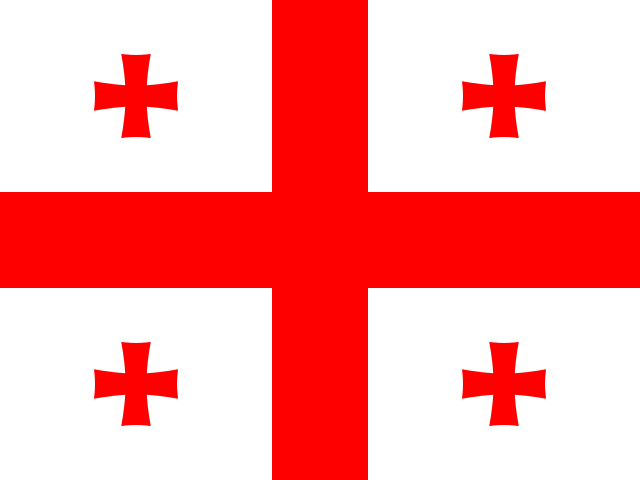
Georgia
Capital: Tbilisi
White field with a large red cross and four smaller red crosses in the quadrants.
Adopted: 2004
Fun Facts
- Five crosses recall medieval imagery linked to Georgia's Christian tradition
- Wine-making in Georgia traces back thousands of years
- South Caucasus nation between the Black Sea and the Greater Caucasus range
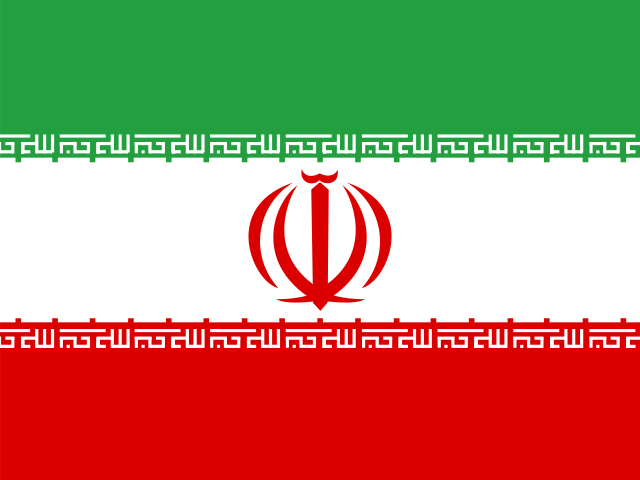
Iran
Capital: Tehran
Three horizontal stripes green, white, red with the national emblem centered on white and stylized edge script.
Adopted: 1980
Fun Facts
- The phrase Allahu Akbar (God is Great) is repeated in stylized Kufic script 22 times along the borders
- Green Islam; white peace; red courage
- Persian civilization strongly influences language and culture
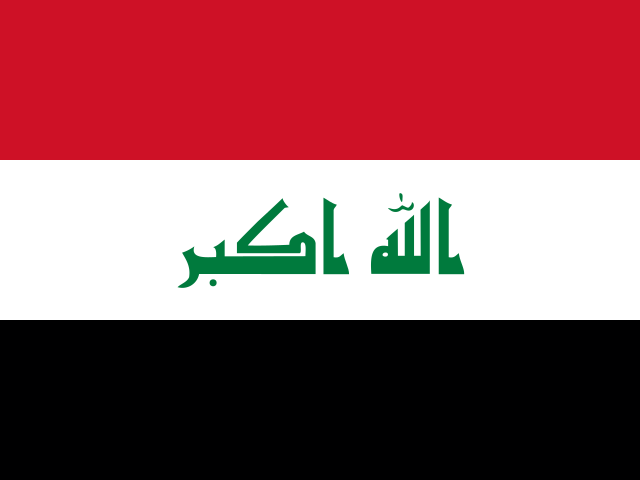
Iraq
Capital: Baghdad
Three horizontal stripes red, white, black with green Arabic inscription centered on the white stripe.
Adopted: 2008
Fun Facts
- Pan-Arab colors tie Iraq to broader Arab nationalism
- Green Arabic text proclaims Allahu Akbar on the white stripe
- Mesopotamia (land between rivers) hosted early urban civilization
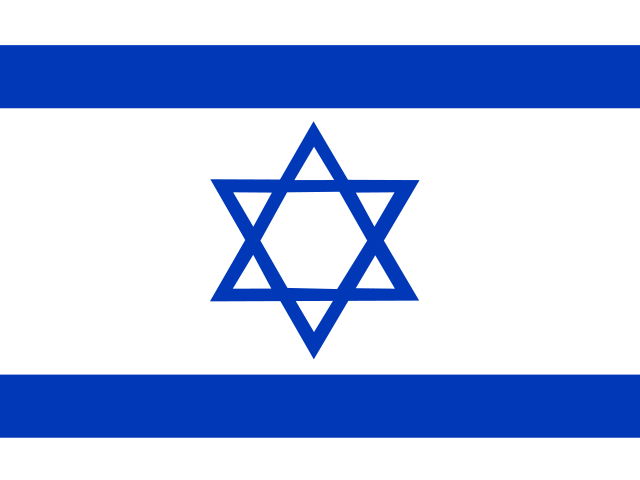
Israel
Capital: Jerusalem
White field with two blue stripes and a blue Star of David centered.
Adopted: 1948
Fun Facts
- Blue stripes echo the tallit prayer shawl
- The Star of David (Magen David) is an ancient Jewish emblem
- High-tech economy alongside ancient historic sites
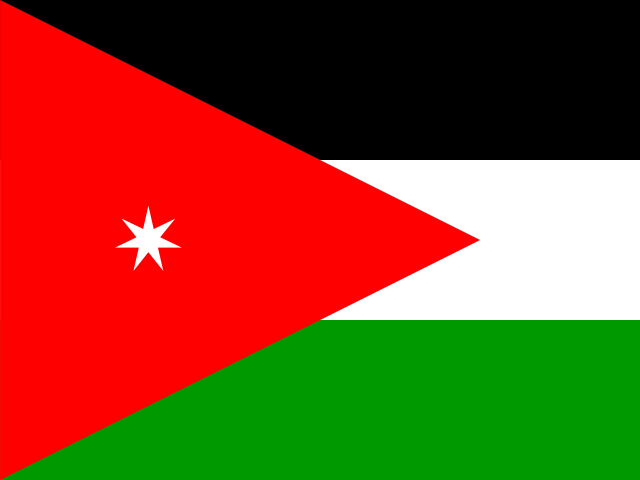
Jordan
Capital: Amman
Horizontal black, white, and green with red triangle at hoist bearing a white seven-pointed star.
Adopted: 1928
Fun Facts
- Based on the Arab Revolt banner of 1916
- Seven-pointed star refers to the opening chapter of the Quran
- Hosts Petra and key desert trade routes historically
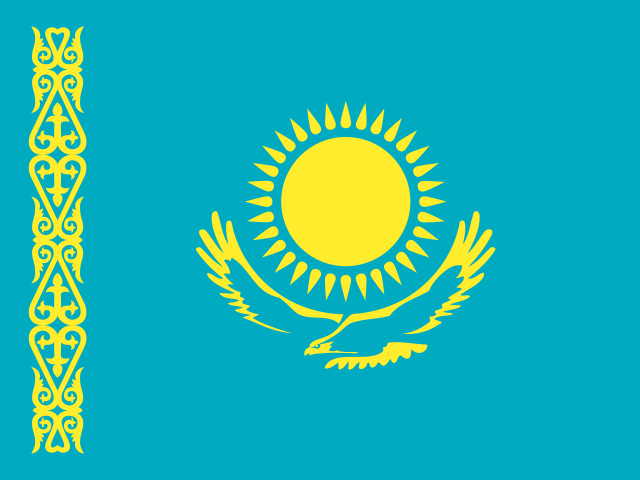
Kazakhstan
Capital: Astana
Sky-blue field with golden sun and soaring eagle above a national ornamental vertical stripe near the hoist.
Adopted: 1992
Fun Facts
- Sky-blue field and golden sun evoke steppe skies and nomadic heritage
- The ornamental eagle (koshkar muyiz) wings flank a vertical ornamental band
- Largest landlocked country globally
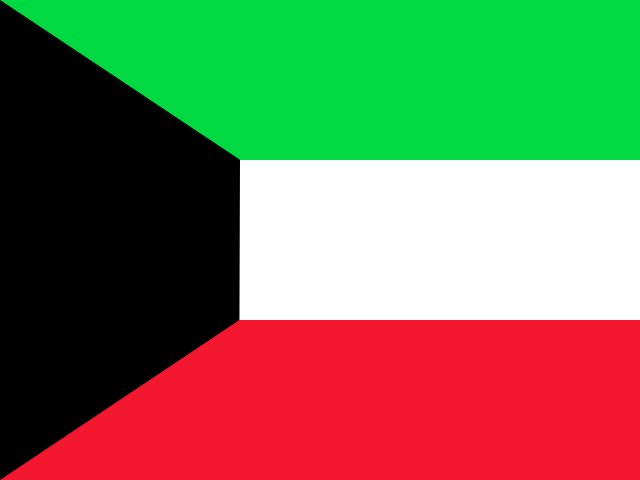
Kuwait
Capital: Kuwait City
Horizontal green, white, red with black trapezoid at the hoist.
Adopted: 1961
Fun Facts
- Pan-Arab colors with black trapezoid at hoist distinguishing Kuwait among Gulf neighbors
- Green fertility; white deeds; red valor
- Pearl trade shaped Kuwait before oil transformed the Gulf
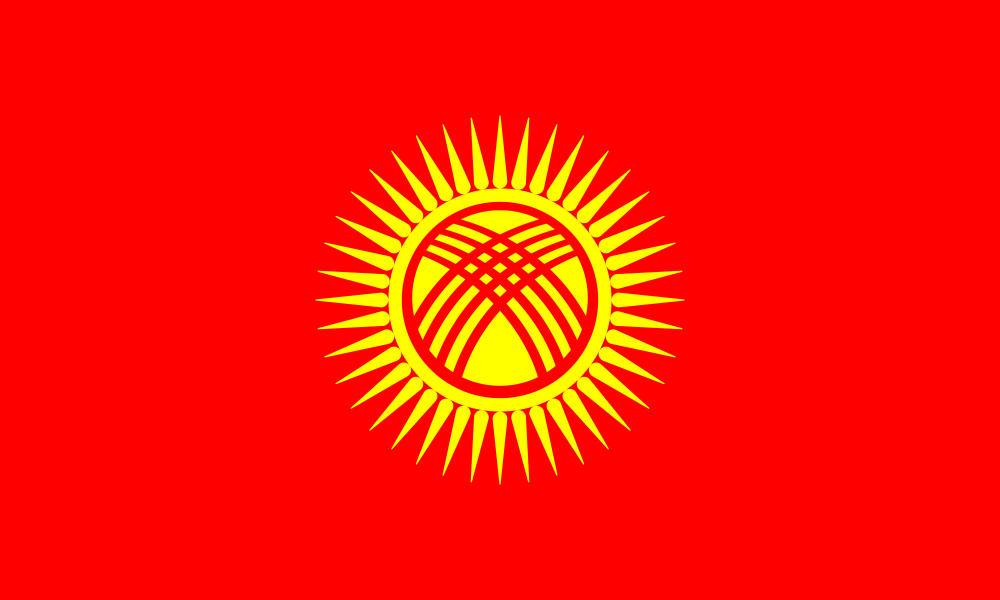
Kyrgyzstan
Capital: Bishkek
Red field with a golden sun disk bearing a crossed latticed pattern (tunduk) at the center.
Adopted: 1992
Fun Facts
- The sun disk has 40 rays honoring forty Kyrgyz tribes united in epic tradition
- The crossed lines inside the disk recall the crown of a yurt roof
- Mountain ranges cover much of this Central Asian republic
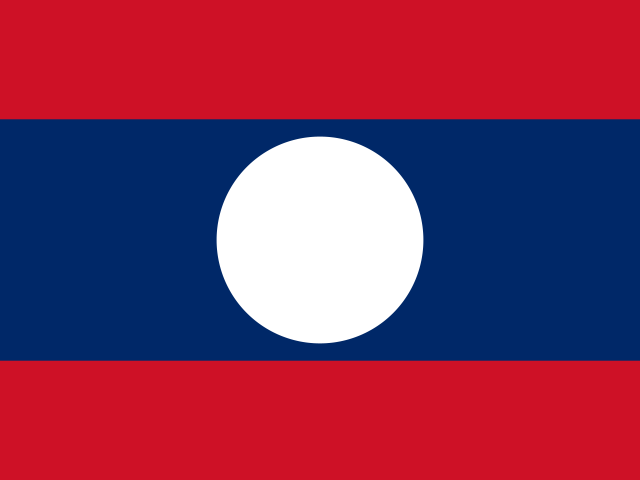
Laos
Capital: Vientiane
Horizontal stripes red, blue (double width), red with white circle centered on the blue stripe.
Adopted: 1975
Fun Facts
- White disc stands for unity under bright Mekong-referenced blue bands
- Only landlocked Southeast Asian state besides variants with maritime borders
- Known as Lan Xang (million elephants) historically
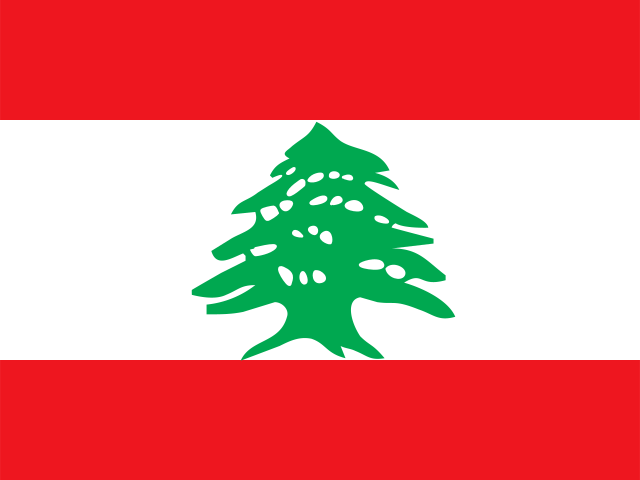
Lebanon
Capital: Beirut
Horizontal red, white (double width), red with green cedar centered on white.
Adopted: 1943
Fun Facts
- Green cedar appears in ancient texts and coins
- White snow and peace between red sacrifice stripes
- Small Mediterranean country with outsized cultural influence
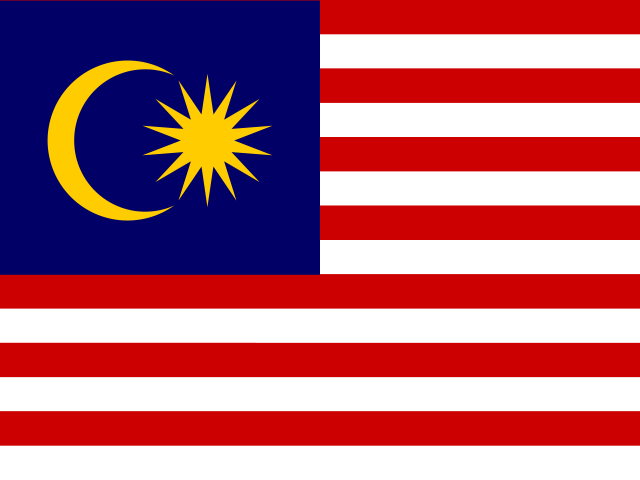
Malaysia
Capital: Kuala Lumpur
Fourteen alternating red and white horizontal stripes with blue canton bearing crescent and fourteen-point star.
Adopted: 1963
Fun Facts
- Fourteen stripes honor Malaysia's states and federal territories as traditionally counted when adopted
- Crescent and fourteen-point star highlight Islam and unity
- The federation spans Peninsular Malaysia and Borneo regions
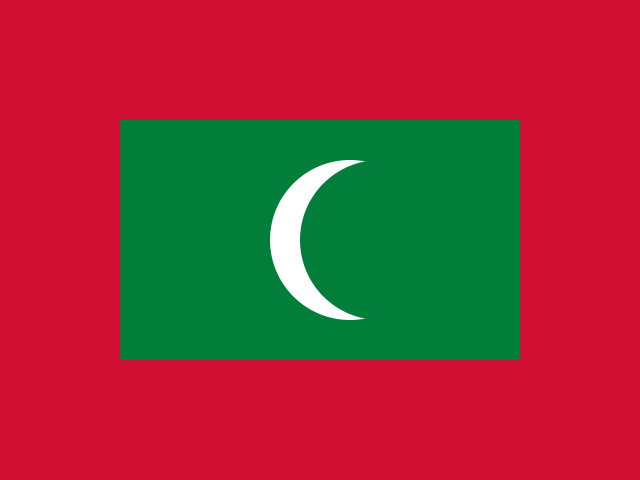
Maldives
Capital: Malé
Green rectangle centered on red field with white vertical crescent enclosing the green.
Adopted: 1965
Fun Facts
- Green rectangle recalls palm groves; white crescent Islam
- Red border honors solidarity and sacrifice
- Low-lying Indian Ocean archipelago nation
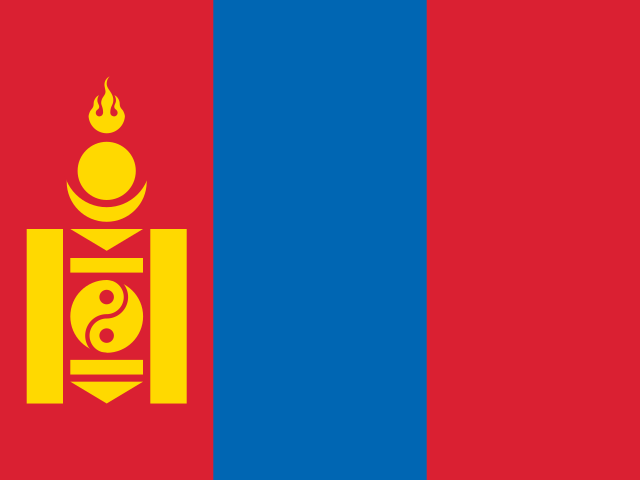
Mongolia
Capital: Ulaanbaatar
Vertical stripes red, blue, red with national Soyombo emblem in gold on the hoist stripe.
Adopted: 2011
Fun Facts
- Soyombo emblem packs symbols for sun, moon, fire, and strength
- Blue stripe stands for eternal sky in Mongol tradition
- Most citizens historically lived as pastoral nomads on the steppe
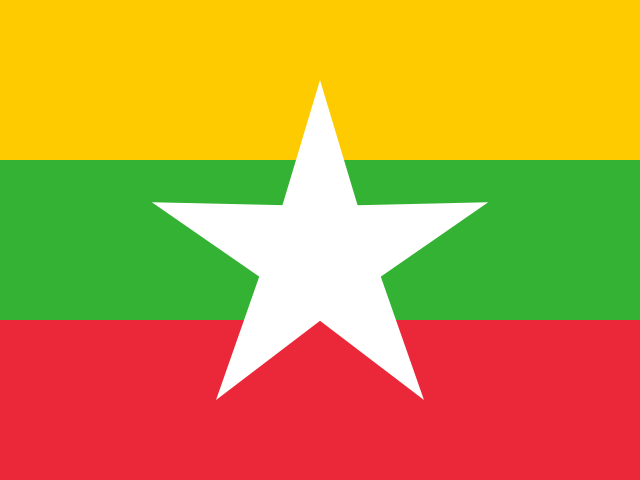
Myanmar
Capital: Naypyidaw
Horizontal yellow, green, red with large white five-pointed star centered.
Adopted: 2010
Fun Facts
- Yellow unity; green peace and fertility; red courage
- Large white star signals union of ethnic communities
- Between Bay of Bengal neighbors and mainland Southeast Asia
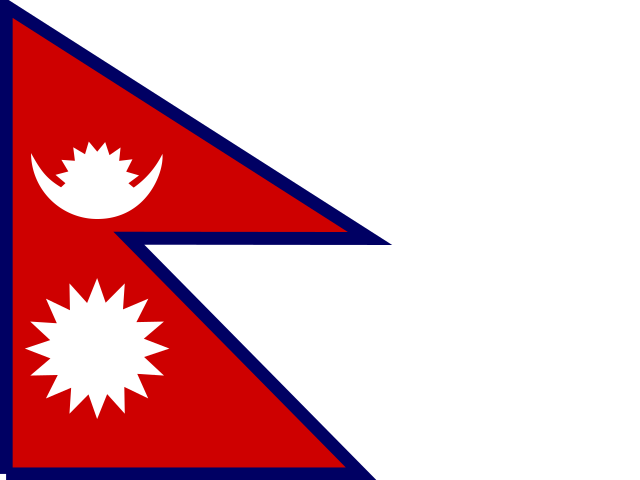
Nepal
Capital: Kathmandu
Two stacked triangular pennons crimson with blue border; moon and sun emblems.
Adopted: 1962
Fun Facts
- Only national flag that is not a simple quadrilateral - two stacked pennons
- Crimson evokes rhododendron and bravery; blue peace
- Sun and moon symbols evolved from earlier royal arms
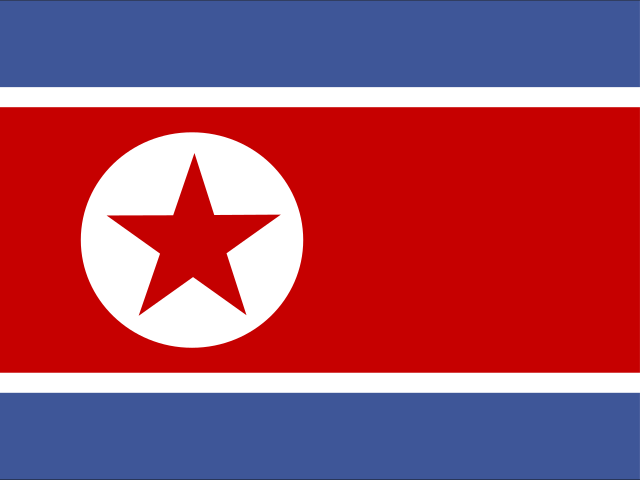
North Korea
Capital: Pyongyang
Horizontal blue stripes framing broad red band with white edges and red star near hoist on white canton.
Adopted: 1948
Fun Facts
- Red star recalls socialism; red stripe revolution; white purity
- Blue stripes reference sovereignty and friendship
- Korean Peninsula divided since the Korean War armistice
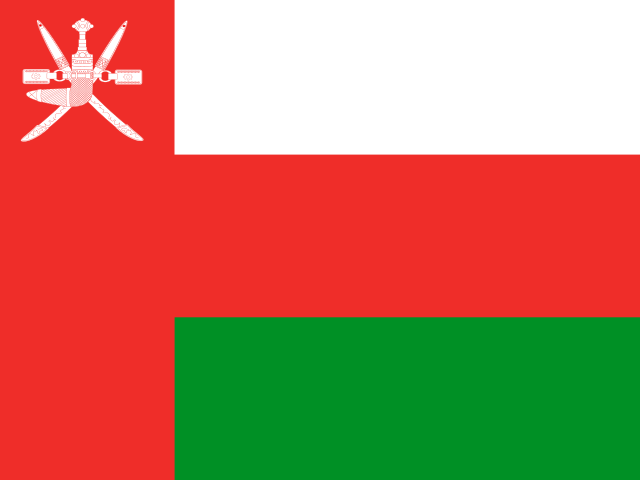
Oman
Capital: Muscat
Vertical red stripe at hoist with emblem; horizontal stripes white, red, and green.
Adopted: 1995
Fun Facts
- National emblem shows khanjar dagger and crossed swords
- Vertical red panel recalls historic banner colors
- Long Gulf of Oman and Arabian Sea coastline
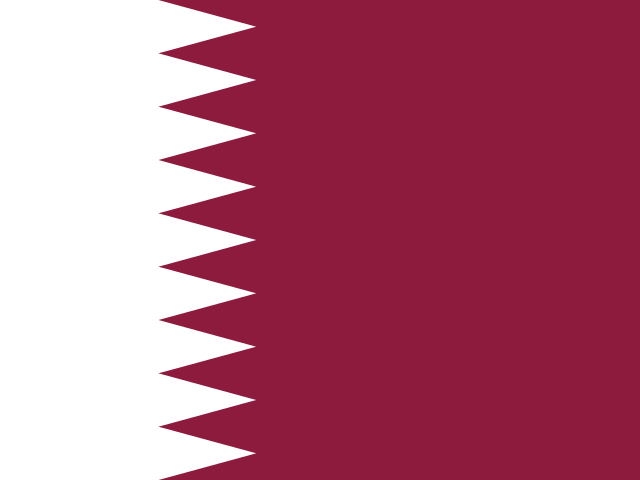
Qatar
Capital: Doha
Maroon field with broad white serrated hoist edge (nine points).
Adopted: 1971
Fun Facts
- Nine serrated points distinguished Qatar from Bahrain's five points historically
- Maroon replaced brighter red after dyes weathered in Gulf sunlight
- Among the world's highest GDP per capita economies due to gas exports
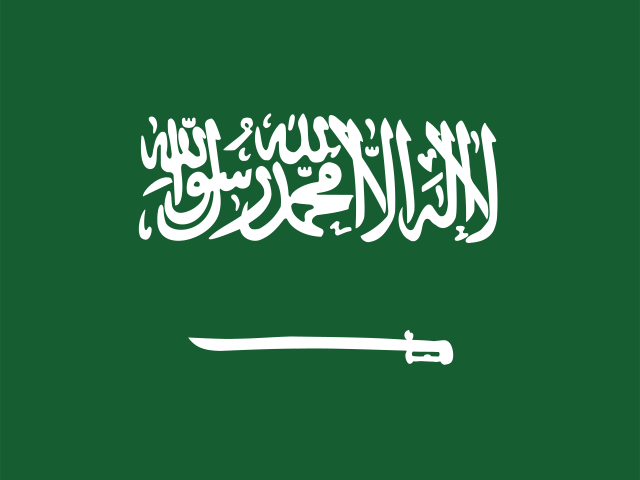
Saudi Arabia
Capital: Riyadh
Green field with white Arabic shahada above white horizontal sword.
Adopted: 1973
Fun Facts
- Green recalls Islam; shahada script proclaims faith
- Sword represents justice and founding dynasty strength
- Custodian of Islam's two holiest cities
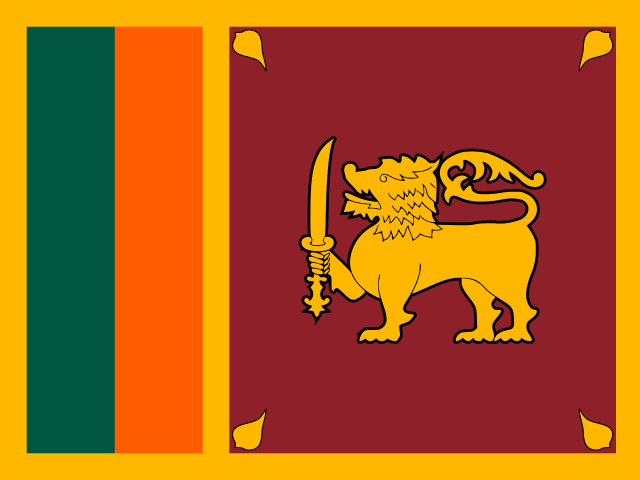
Sri Lanka
Capital: Sri Jayawardenepura Kotte
Golden lion with sword on maroon field bordered gold with green and orange vertical stripes at hoist bearing bo leaves.
Adopted: 1972
Fun Facts
- Golden lion with sword recalls Sinhalese heraldry
- Bo leaves honor Buddhism linked with enlightenment tradition
- Teardrop-shaped island bridged historically by Tamil and Sinhalese cultures
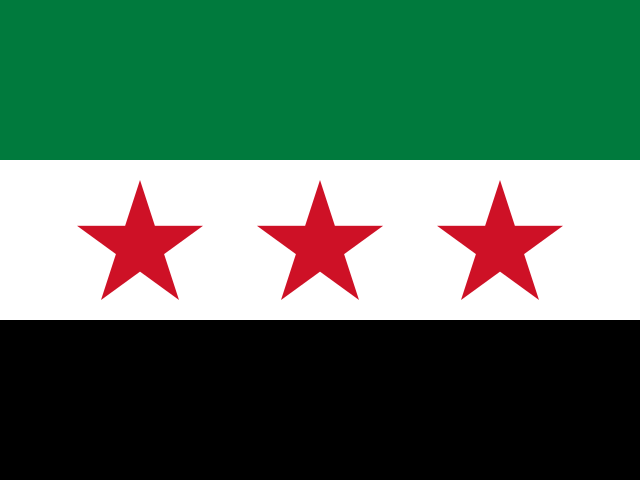
Syria
Capital: Damascus
Horizontal red, white, black with two green stars centered on white.
Adopted: 1980
Fun Facts
- Pan-Arab horizontal stripes shared with Egypt-era inspirations historically
- Two green stars once referenced unity republic experiments
- Ancient cities like Damascus among world's longest continually inhabited
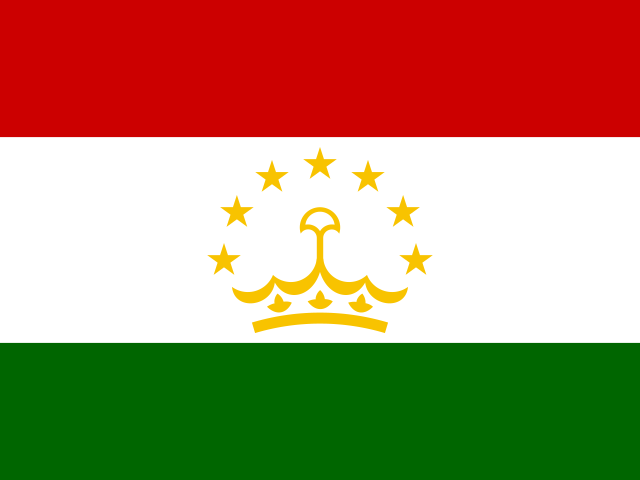
Tajikistan
Capital: Dushanbe
Horizontal red, white (with gold crown and arc of seven stars), and green stripes.
Adopted: 1992
Fun Facts
- Crown and seven stars nod to Persian poetic heritage and virtues
- Red recalls victory and sunrise; white purity; green fertility
- Mountainous Pamir ranges include some of the highest terrain on Earth
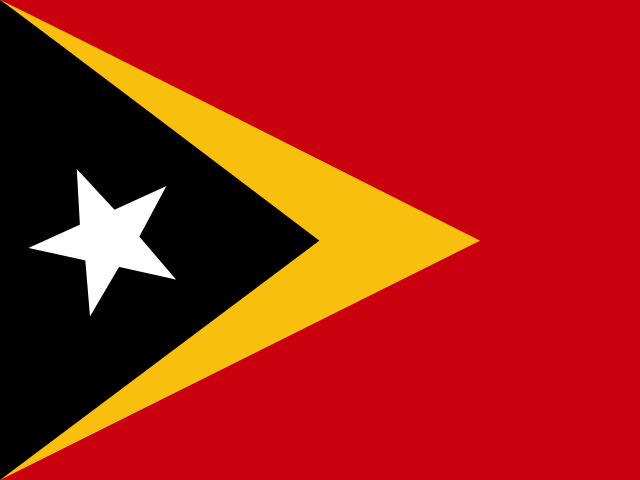
Timor-Leste
Capital: Dili
Red field with black isosceles triangle along hoist bordered yellow bearing white star.
Adopted: 2002
Fun Facts
- Black recalls colonial struggles; yellow colonial traces; red liberation
- White star lights the way as youth guiding nation building
- Young Southeast Asian state that restored sovereignty in the 2000s
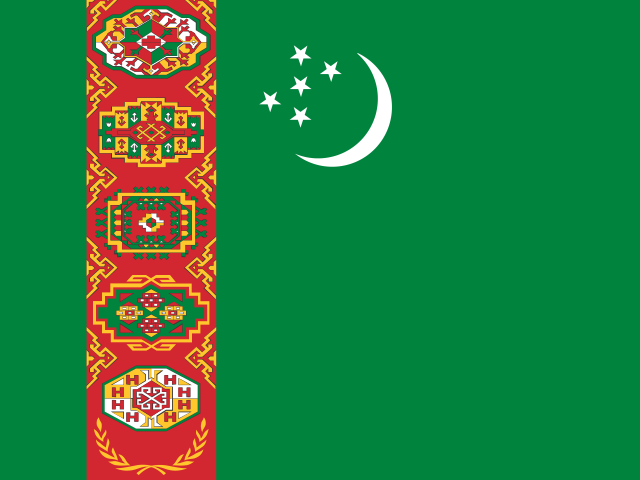
Turkmenistan
Capital: Ashgabat
Green field with vertical ornamental stripe bearing carpet patterns beside wheat-cotton emblem and crescent stars.
Adopted: 2001
Fun Facts
- Five carpet guls recall major tribes or traditions
- Two olive branches flank cotton and wheat symbols near hoist
- Vast Karakum Desert covers much of the republic
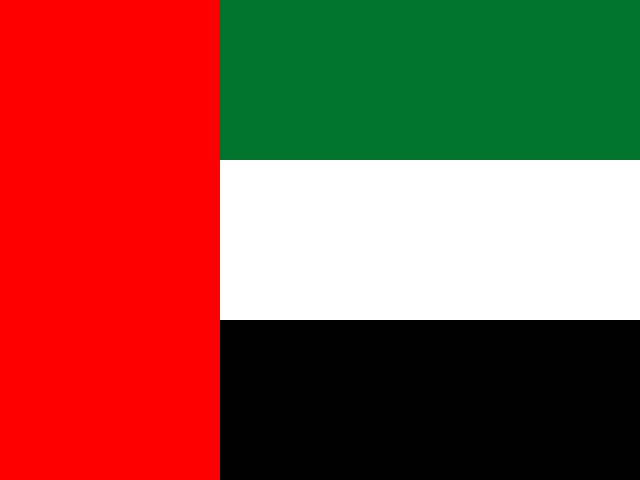
United Arab Emirates
Capital: Abu Dhabi
Horizontal green, white, black with vertical red stripe along hoist.
Adopted: 1971
Fun Facts
- Uses all four Pan-Arab colors together
- Vertical red links member emirates along hoist
- Federation formed December 1971 on the southern Gulf
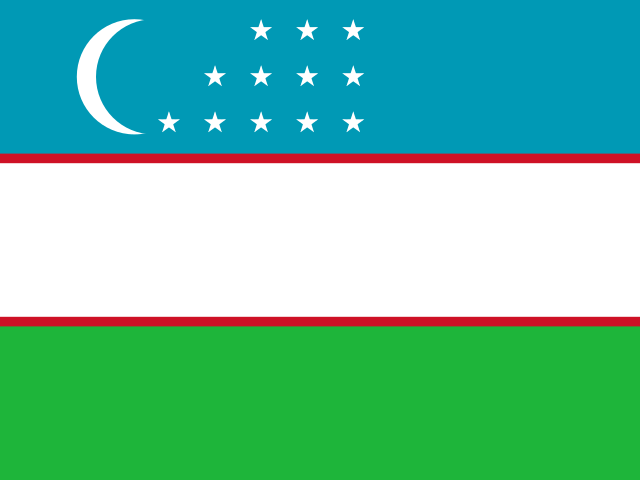
Uzbekistan
Capital: Tashkent
Horizontal azure, white, and green separated by narrow red lines with white crescent and twelve stars on azure canton.
Adopted: 1991
Fun Facts
- Blue recalls Turkic sky banners; white purity; green Islam and renewal
- White crescent and twelve stars reference calendar months and equality ideals
- Silk Road cities like Samarkand shaped global trade
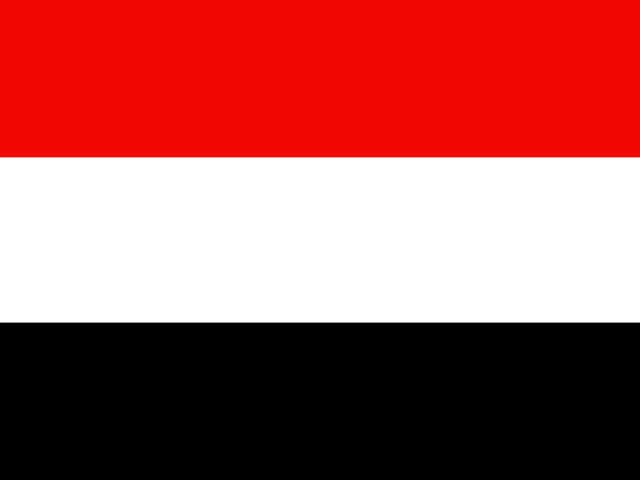
Yemen
Capital: Sanaa
Three horizontal stripes: red, white, black.
Adopted: 1990
Fun Facts
- Pan-Arab horizontal stripes without central symbol keep design stark
- Red recalls blood of unity struggles; white bright future; black dark past
- Southern Red Sea and Arabian Peninsula geography
Quick Reference
Japan China India South Korea Indonesia Turkey Thailand Vietnam Philippines Pakistan Bangladesh Singapore Afghanistan Armenia Azerbaijan Bahrain Bhutan Brunei Cambodia Cyprus Georgia Iran Iraq Israel Jordan Kazakhstan Kuwait Kyrgyzstan Laos Lebanon Malaysia Maldives Mongolia Myanmar Nepal North Korea Oman Qatar Saudi Arabia Sri Lanka Syria Tajikistan Timor-Leste Turkmenistan United Arab Emirates Uzbekistan Yemen Test Your Knowledge
How well do you know Asian flags? Test yourself with this quiz.
Practice with Games
Ready to test what you learned? Jump into a game and put it into practice.
About Asian Flags
Asian flags display remarkable diversity, reflecting the continent's vast cultural, religious, and political spectrum. East Asian flags tend toward bold simplicity (Japan's red dot, China's stars, Vietnam's star). South Asian flags incorporate religious and cultural symbols (India's Ashoka Chakra, Pakistan's crescent). Southeast Asian flags often combine revolutionary symbols with traditional elements. West Asian and Central Asian flags frequently feature Islamic symbolism like the crescent and star, a tradition that spread from the Ottoman Empire. Several Asian flags are unique worldwide - Nepal's double-pennant shape is the only non-rectangular national flag, and the Philippines is the only country that officially uses its flag differently in wartime.
Frequently Asked Questions
Why do many Asian flags feature crescents and stars?
The crescent and star motif spread through the influence of the Ottoman Empire and Islamic culture. Countries like Turkey, Pakistan, Malaysia, and others adopted these symbols to represent Islam and their Muslim-majority populations. However, the specific meanings vary by country.
Which Asian flags are most easily confused?
Indonesia and Monaco have nearly identical flags (red over white). Japan and Bangladesh both feature a colored circle on a plain background. The flags of China and Vietnam both use red with gold stars. Singapore and Turkey both feature crescents with stars on red backgrounds.
How many countries are in Asia?
There are 47 countries in Asia, making it the most populous continent with over 4.7 billion people. The countries range from massive nations like China and India to small city-states like Singapore and Brunei.