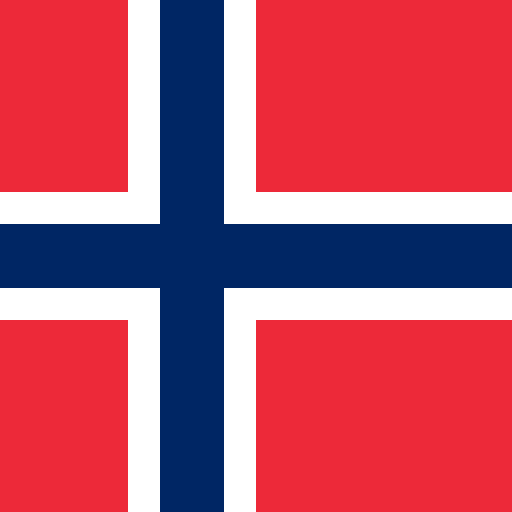
Flags of the Nordic Countries
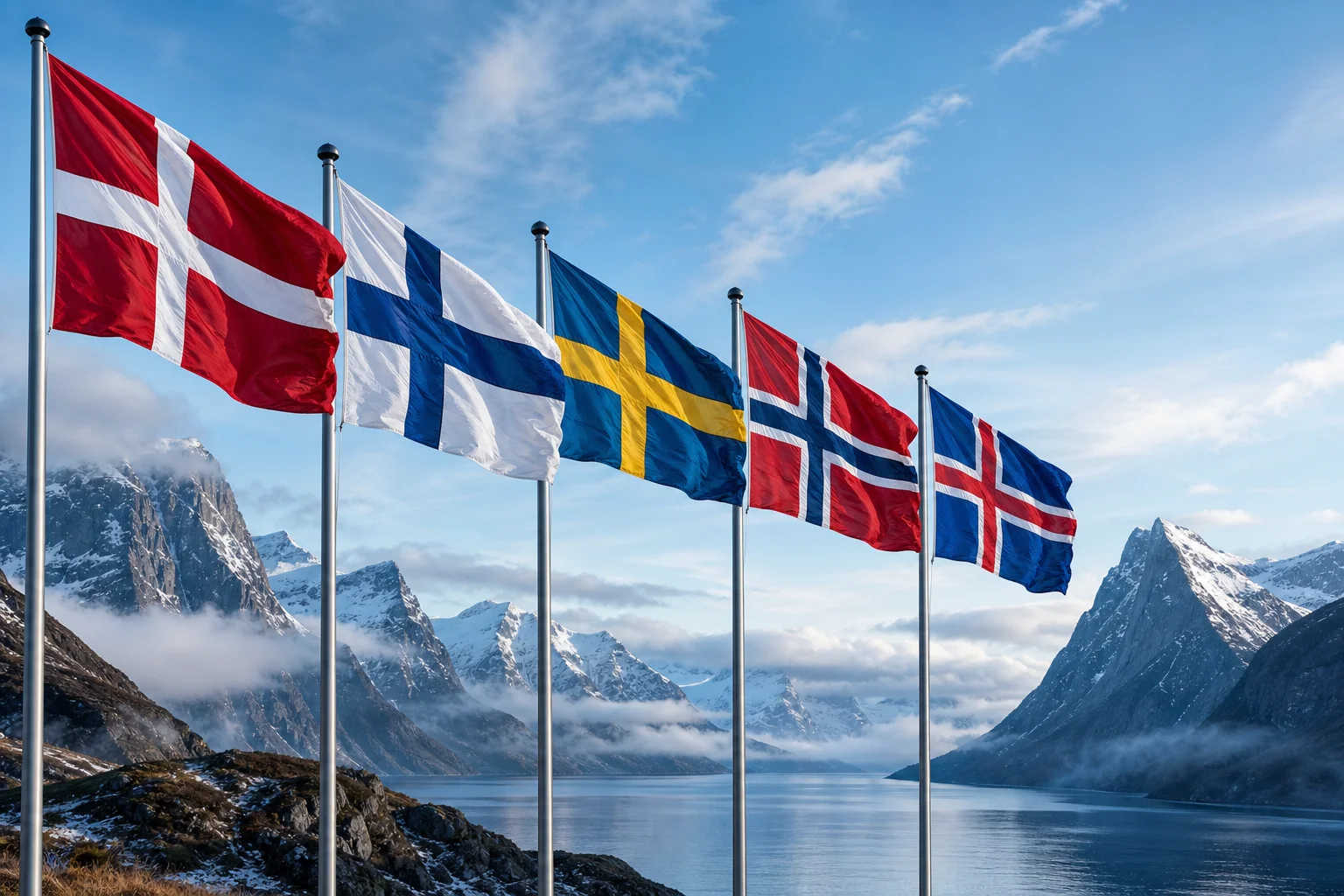
The Nordic countries share one of the most recognizable flag designs in the world: the Scandinavian cross. This off-center cross pattern originated with Denmark's Dannebrog in the 13th century and has been adopted by all five Nordic nations. Despite the shared design, each flag has its own distinct color scheme and history.
Study the Flags
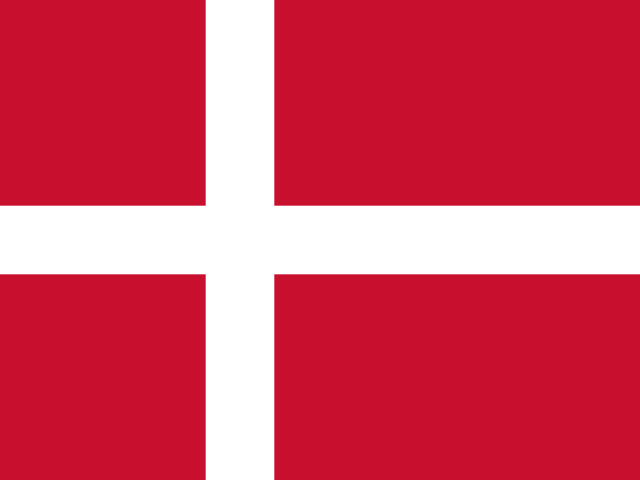
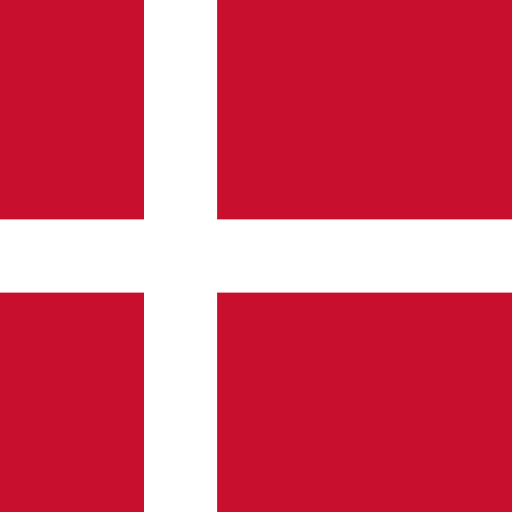
Denmark
Capital: Copenhagen
Red field with a white Scandinavian cross extending to the edges.
Adopted: 1219
Fun Facts
- The Dannebrog is the oldest state flag in the world still in use, dating to 1219
- Legend says the flag fell from the sky during the Battle of Lyndanisse in Estonia
- The red and white colors inspired the other Nordic cross flags
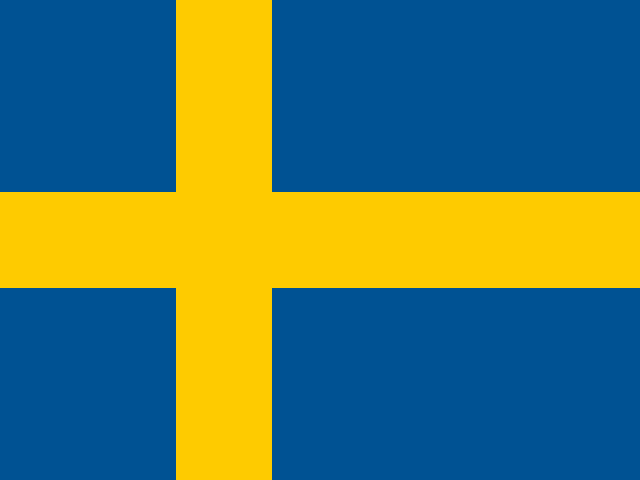
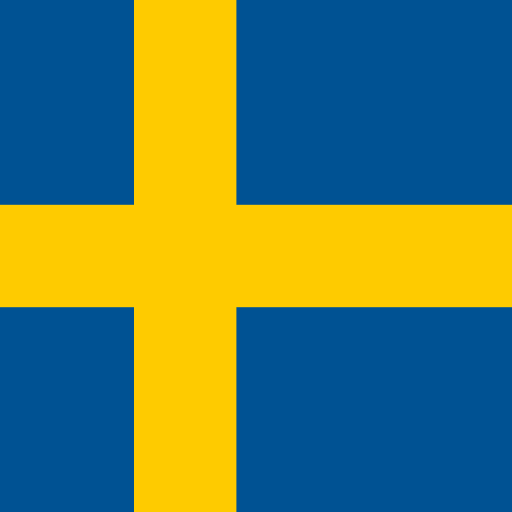
Sweden
Capital: Stockholm
Blue field with a golden-yellow Scandinavian cross extending to the edges.
Adopted: 1906
Fun Facts
- The blue and yellow colors come from the Swedish coat of arms (three golden crowns on blue)
- Sweden's flag was officially adopted in 1906 but the design dates to the 16th century
- June 6 is Sweden's National Day, also known as Swedish Flag Day
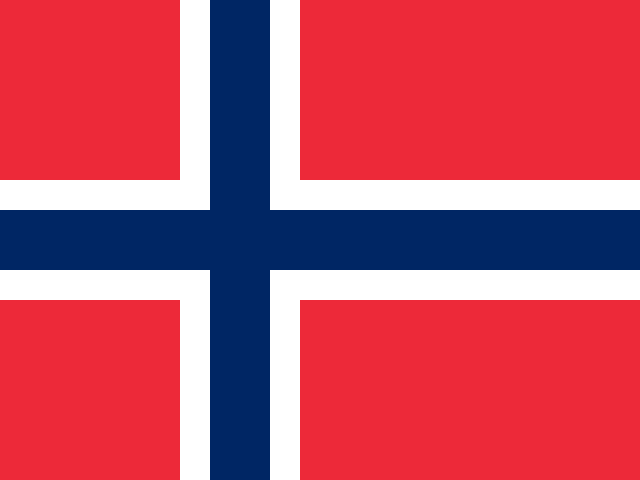
Norway
Capital: Oslo
Red field with a dark blue cross outlined in white (the cross is a cross within a cross).
Adopted: 1821
Fun Facts
- Norway's flag combines the red of Denmark and the blue cross of Sweden - reflecting its historical ties to both
- The flag was designed in 1821 by Fredrik Meltzer, a member of parliament
- The blue cross was chosen to symbolize Norway's independence from Denmark
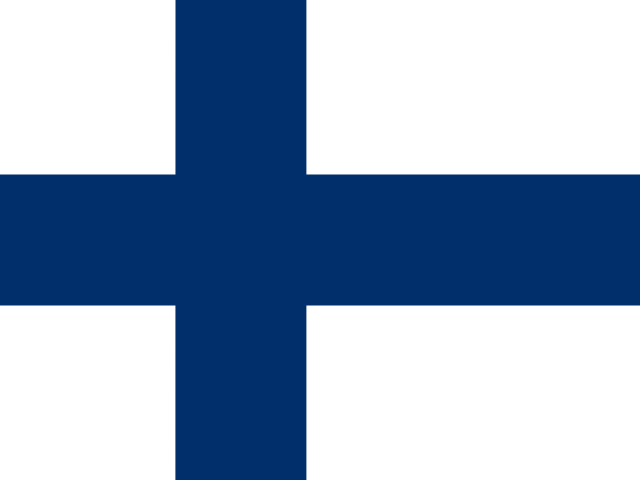
Finland
Capital: Helsinki
White field with a blue Scandinavian cross extending to the edges.
Adopted: 1918
Fun Facts
- The blue represents Finland's thousands of lakes, the white its winter snow
- Finland has more lakes (188,000) than any country its size in the world
- The flag was adopted when Finland gained independence from Russia in 1917
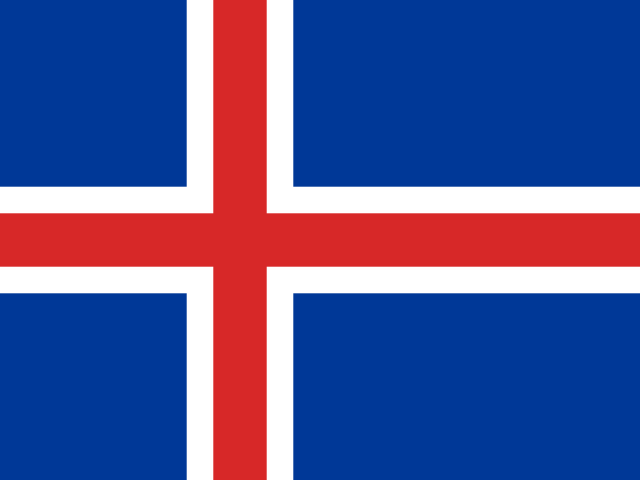
Iceland
Capital: Reykjavik
Blue field with a red cross outlined in white (similar structure to Norway's but with different colors).
Adopted: 1944
Fun Facts
- Blue represents the mountains, white the ice and snow, red the volcanic fires
- Iceland's flag combines elements of both Norway's and Finland's flags
- The flag was designed in 1915 but wasn't officially adopted until independence in 1944
Quick Reference
Test Your Knowledge
Can you tell these Nordic flags apart? Take the quiz to find out.
Practice with Games
Ready to test what you learned? Jump into a game and put it into practice.

About Nordic Country Flags
The Scandinavian cross (or Nordic cross) is an off-center cross design where the vertical bar is shifted toward the hoist side. This design originated with the Danish Dannebrog, which according to legend fell from the sky during a 13th-century battle. The other Nordic nations adopted this cross pattern over the following centuries, each with their own color combinations reflecting national identity. The cross pattern symbolizes Christianity and has become so associated with the Nordic region that non-Nordic territories like the Faroe Islands, Aland Islands, and Shetland also use it.
Frequently Asked Questions
Why do all Nordic flags have a cross?
The cross design originated with Denmark's Dannebrog (dating to 1219), the world's oldest continuously used state flag. The other Nordic countries adopted similar cross patterns to express their shared cultural heritage and Scandinavian identity.
What is the difference between Nordic and Scandinavian?
Scandinavia traditionally refers to Denmark, Norway, and Sweden. The Nordic countries is a broader term that also includes Finland and Iceland (plus territories like the Faroe Islands and Greenland).
How can I tell Norway and Iceland's flags apart?
Norway has a red background with a blue-and-white cross, while Iceland has a blue background with a red-and-white cross. Think of them as color inversions of each other.