Flags of Central Asia
Central Asia's five sovereign states-often called "the Stans" because their names end in "-stan"-share Silk Road history, Turkic and Persian cultural layers, and post-Soviet independence stories. If you searched for the "stan flags," these are the stan countries you mean: Kazakhstan, Kyrgyzstan, Tajikistan, Turkmenistan, and Uzbekistan. Their flags mix Islamic motifs (crescents and stars), pre-Islamic symbols (sun disks, tamgas), and vivid national colors that help travelers and students tell each country apart at a glance.
Study the Flags
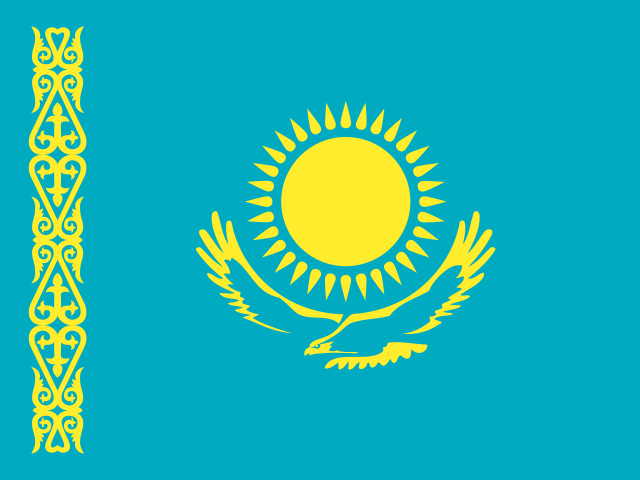
Kazakhstan
Capital: Astana
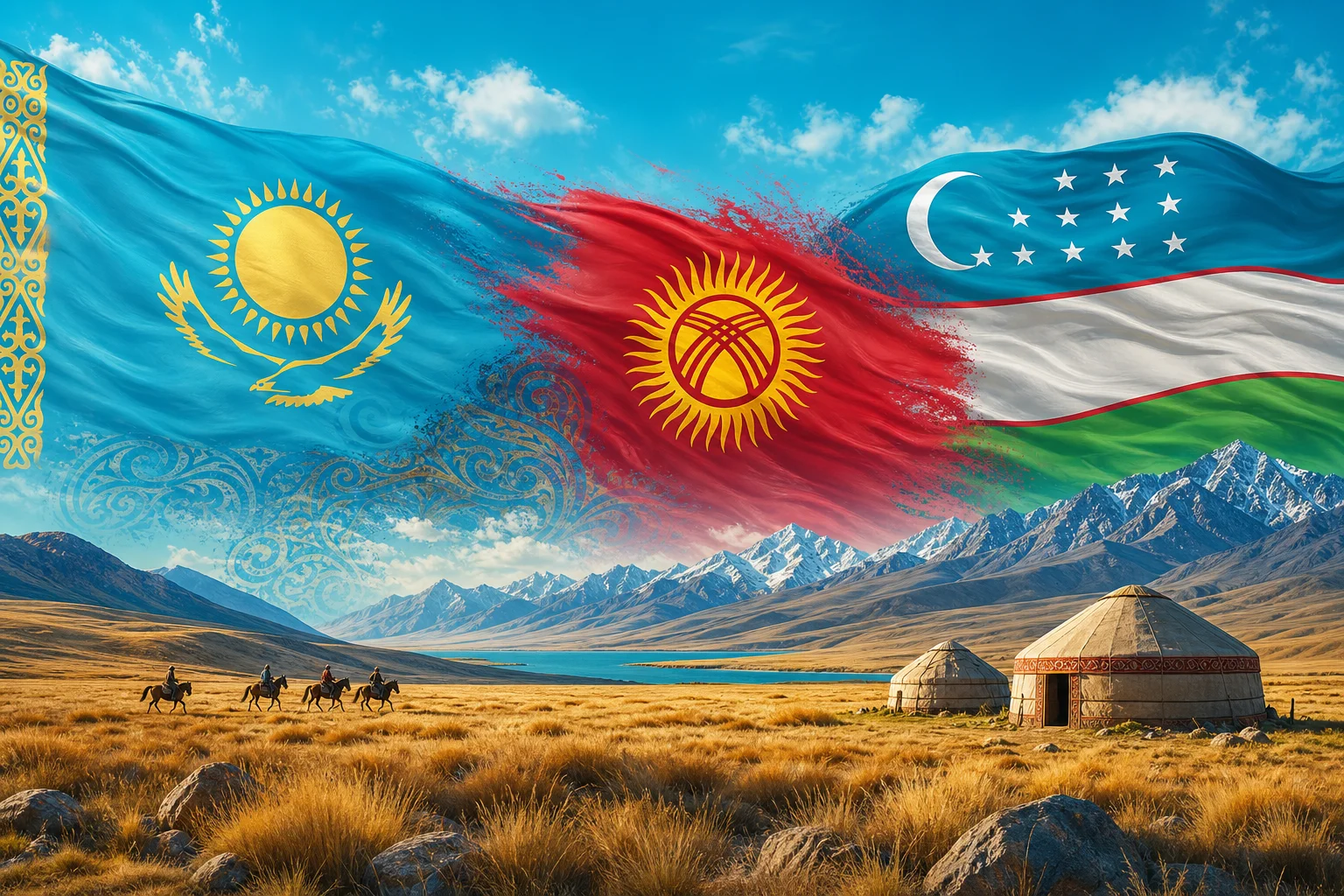
Light blue field with a golden sun with 32 rays above a soaring golden steppe eagle at the center.
Adopted: 1992
Fun Facts
- The golden steppe eagle flies beneath a sun with 32 rays-traditionally linked to strength and freedom
- Light blue recalls the open sky over the Kazakh steppe
- Kazakhstan is the world's largest landlocked country by area
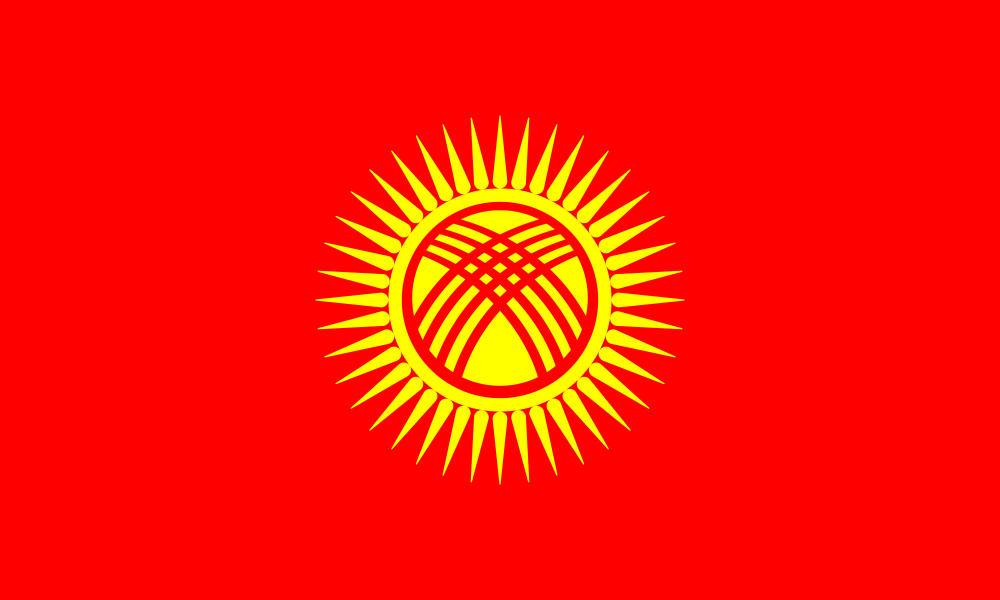
Kyrgyzstan
Capital: Bishkek
Red field with a yellow sun of forty rays surrounding a red crossed latticework ring (tunduk).
Adopted: 1992
Fun Facts
- The center symbol is a tunduk-the circular crown of a Kyrgyz yurt-representing home and family
- Forty rays stand for the forty tribes united by the epic hero Manas in tradition
- Red honors courage and the nomadic heritage of the Kyrgyz people
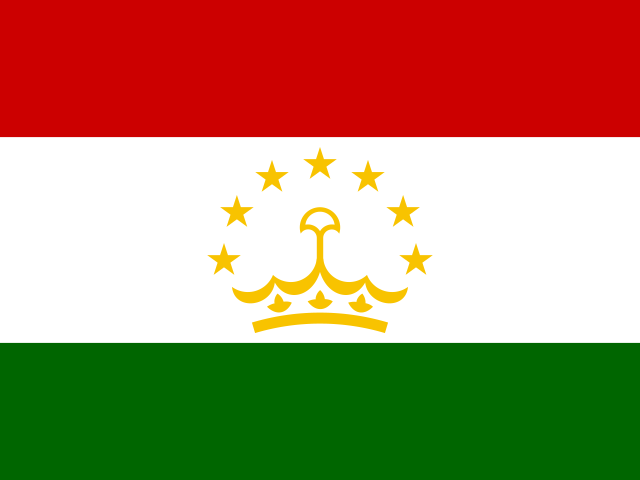
Tajikistan
Capital: Dushanbe
Three horizontal stripes: red (wider), white, green. A gold crown with seven stars in gold centered on the white stripe.
Adopted: 1992
Fun Facts
- The crown and seven stars evoke Persian cultural heritage and happiness or perfection in local symbolism
- Green, white, and red stripes mirror wider Persian-influenced tricolor patterns in the region
- Tajikistan is distinctly mountainous-much of the population lives in high valleys
Turkmenistan
Capital: Ashgabat
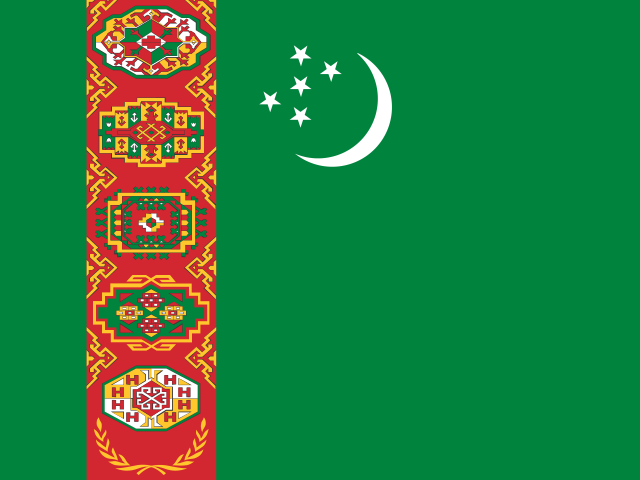
Green field with a vertical ornamental stripe at the hoist featuring five carpet designs; a white crescent and five white stars to the right of the stripe.
Adopted: 2001
Fun Facts
- The vertical stripe displays five carpet guls-patterns honoring Turkmen weaving traditions
- Green represents Islam and fertile oases; stars symbolize the five provinces (vilayats)
- Turkmenistan has vast natural gas reserves beneath its deserts
Uzbekistan
Capital: Tashkent
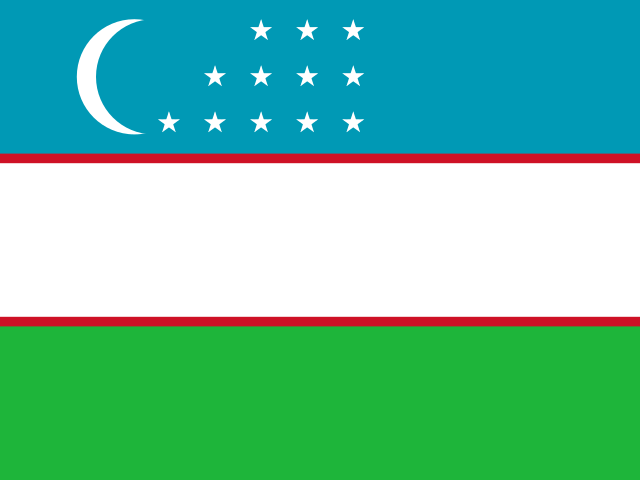
Horizontal stripes: blue, white (narrow with red borders), green. A white crescent moon and twelve white stars on the left side of the upper blue stripe.
Adopted: 1991
Fun Facts
- Blue, white, and green stripes echo historical connections to Turkic and broader regional color symbolism
- The white stripe carries a red border and a crescent with twelve stars-linked to the Islamic calendar and renewal
- Uzbekistan sits on ancient Silk Road cities such as Samarkand and Bukhara
Quick Reference
Test Your Knowledge
Can you recognize Kazakhstan's eagle, Kyrgyzstan's sun, and the rest? Try this quick quiz.
Practice with Games
Ready to test what you learned? Jump into a game and put it into practice.

About Central Asian Flags
Central Asian flags reflect both shared heritage and deliberate distinction after independence from the Soviet Union. Kazakhstan and Kyrgyzstan foreground nomadic and sky symbolism-the eagle and the yurt crown (tunduk). Tajikistan's crown-and-stars motif emphasizes Persian-influenced identity. Turkmenistan honors artisan carpets along the hoist. Uzbekistan combines bold stripes with Islamic calendar symbolism through twelve stars. Collectors and students often look these up together as the "stan flags," since the five stan countries sit side by side on the map and end in the same "-stan" suffix. Together they form a compact region often studied alongside the broader Asian flags lesson but manageable enough to master in one sitting.
Frequently Asked Questions
Which countries are in Central Asia?
This lesson covers the five internationally recognized sovereign states: Kazakhstan, Kyrgyzstan, Tajikistan, Turkmenistan, and Uzbekistan. Afghanistan and Mongolia are sometimes discussed geographically or culturally with the region but are not included here.
Why are they nicknamed "the Stans"?
Four of the five names end in "-stan," from Persian meaning "land" or "place of." Kazakhstan uses the same suffix. The nickname groups them as neighbors with intertwined histories along the Silk Road.
How do I avoid confusing Kazakhstan and Uzbekistan?
Kazakhstan uses a light blue field with a centered golden sun and eagle. Uzbekistan uses blue, white, and green horizontal stripes with a crescent and twelve stars toward the hoist on the blue stripe.
What are the "stan flags"?
The "stan flags" are the national flags of the five Central Asian stan countries: Kazakhstan, Kyrgyzstan, Tajikistan, Turkmenistan, and Uzbekistan. A shared visual trait is the frequent use of crescents, stars, and sun motifs against bold national colors, reflecting Islamic heritage and nomadic Silk Road symbolism. (Afghanistan and Pakistan also end in "-stan" but sit in South Asia rather than this Central Asian group.)