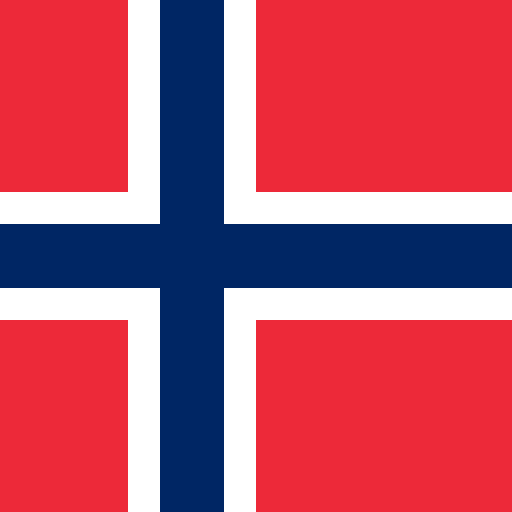
Flags of Central Africa
Middle Africa nine UN members pack rainforest nations and twin Congo neighbors-distinct palettes keep Kinshasa versus Brazzaville memorable.
Study the Flags
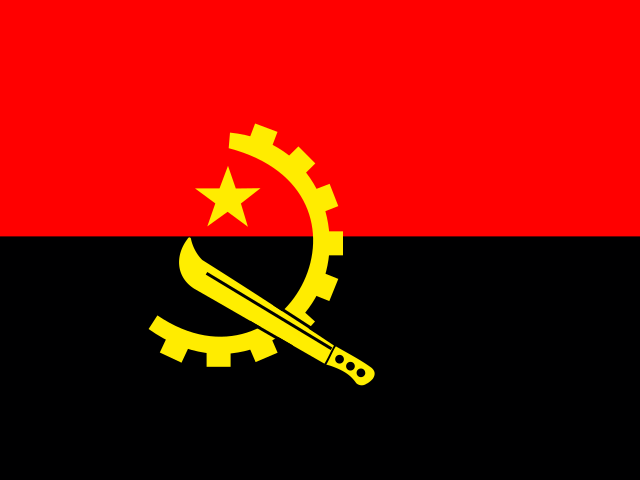
Angola
Capital: Luanda
Horizontal halves: red over black. A yellow emblem centered showing a gear, machete, and star.
Adopted: 1975
Fun Facts
- The emblem combines a gear (industry), machete (peasants), and star (progress)
- Red remembers colonial oppression; black and yellow recall Africa's richness
- Angola became independent from Portugal in 1975
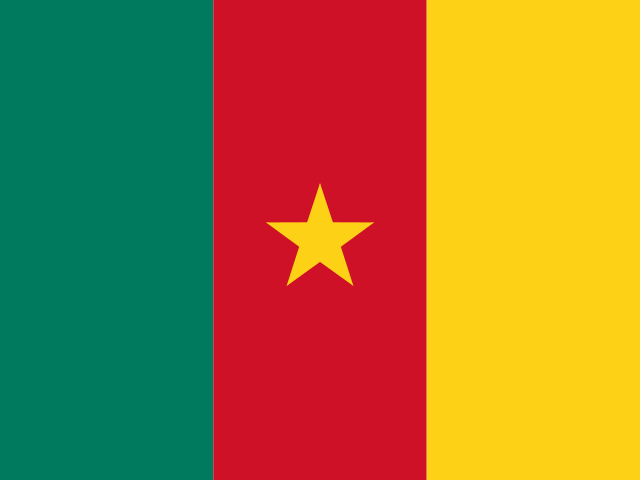
Cameroon
Capital: Yaoundé
Three vertical stripes: green, red, yellow. A yellow five-pointed star centered on the red stripe.
Adopted: 1975
Fun Facts
- Green stands for forests, red unity, yellow sun and savannahs
- The central star is sometimes called the star of unity
- Cameroon's flag dates from unification of French and British Cameroons
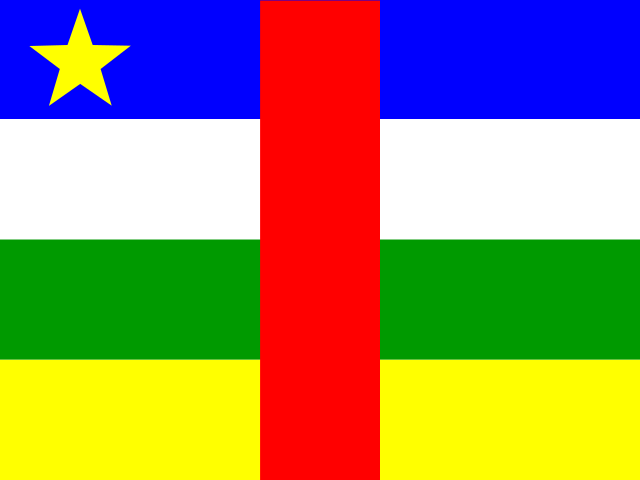
Central African Republic
Capital: Bangui
Four horizontal stripes (blue, white, green, yellow) split by a vertical red stripe bearing a yellow star.
Adopted: 1958
Fun Facts
- Red, white, and blue acknowledge France; green, yellow, and red pan-African ideals
- The vertical stripe and star resemble a beacon through the horizontal bands
- The country lies near the geographic heart of the continent
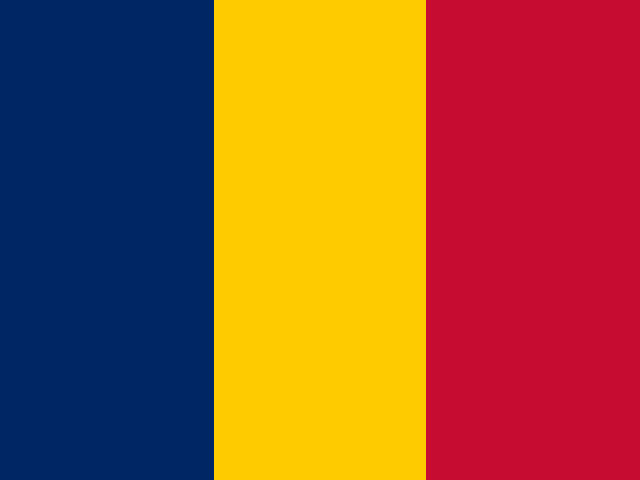
Chad
Capital: N'Djamena
Three vertical stripes: blue, yellow, red.
Adopted: 1959
Fun Facts
- Its vertical blue-yellow-red layout matches Romania except Chad's blue is darker
- Blue is sky and hope; yellow desert; red progress
- Lake Chad, though shrinking, historically anchored regional trade
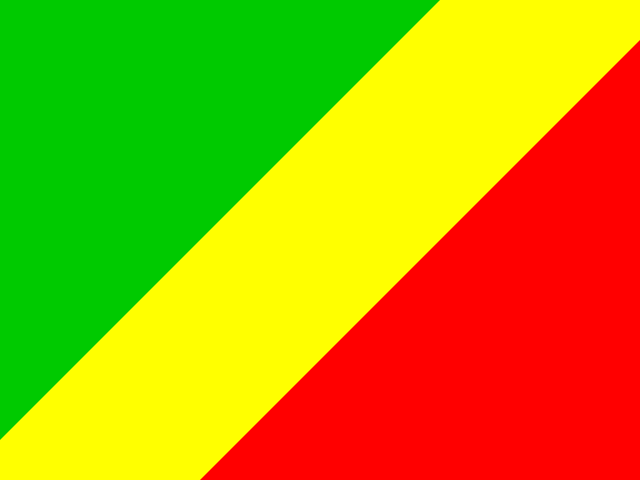
Republic of the Congo
Capital: Brazzaville
A diagonal yellow band divides green (upper hoist) from red (lower fly).
Adopted: 1991
Fun Facts
- Often called Congo-Brazzaville to distinguish it from DR Congo (Kinshasa)
- Green is agriculture and forests; yellow friendship and nobility; red independence struggles
- The Congo River separates it from Kinshasa across the water
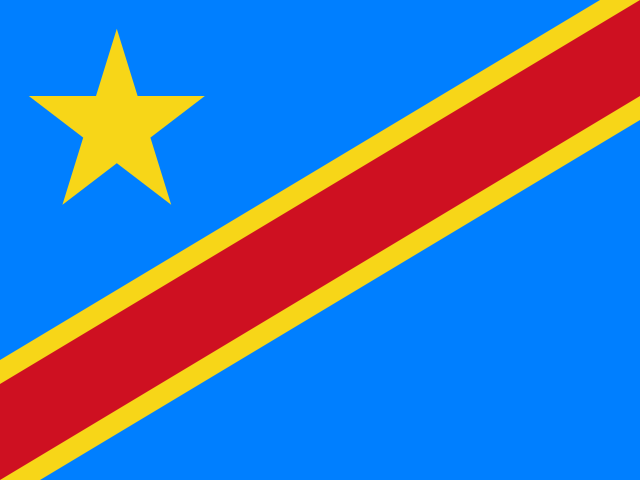
DR Congo
Capital: Kinshasa
Sky-blue field with a yellow star in the upper hoist and a diagonal red stripe with yellow edges.
Adopted: 2006
Fun Facts
- Sky blue stands for peace; the yellow star promises a radiant future
- The diagonal stripe recalls blood shed for independence, bordered in yellow
- DR Congo is among the world's largest countries by area
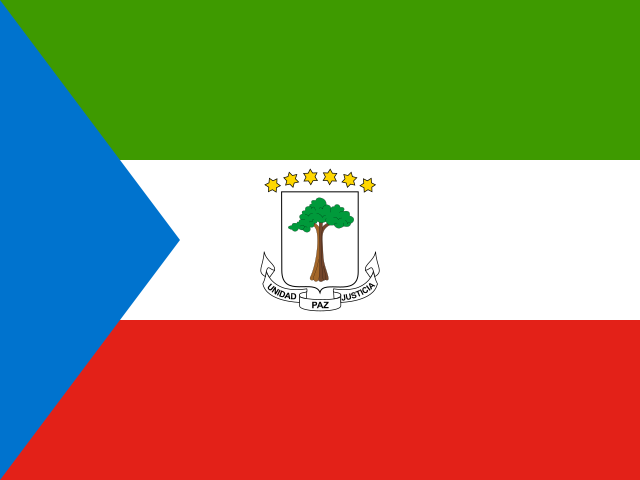
Equatorial Guinea
Capital: Ciudad de la Paz
Horizontal green, white, red with a blue triangle at the hoist charged with the national coat of arms.
Adopted: 1979
Fun Facts
- Green is natural resources; white peace; red independence
- The silk-cotton tree on the coat of arms recalls the historic treaty tree
- Spanish is an official language alongside French and Portuguese
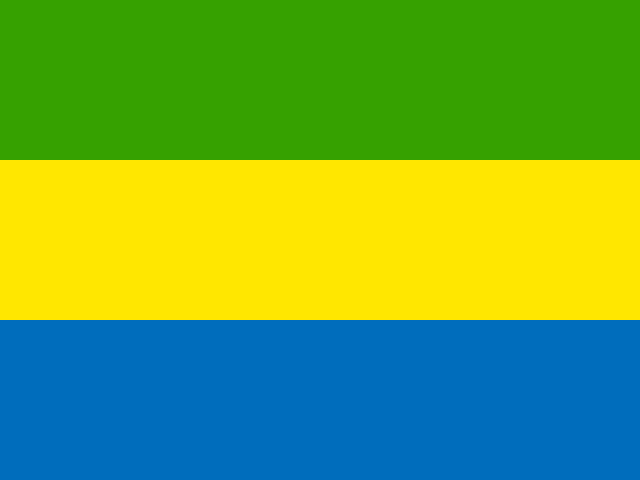
Gabon
Capital: Libreville
Three horizontal stripes: green, yellow, blue.
Adopted: 1960
Fun Facts
- Yellow is the Equator crossing Gabon; green forests; blue Atlantic
- Gabon is heavily forested with relatively low population density
- Oil and manganese exports dominate foreign earnings
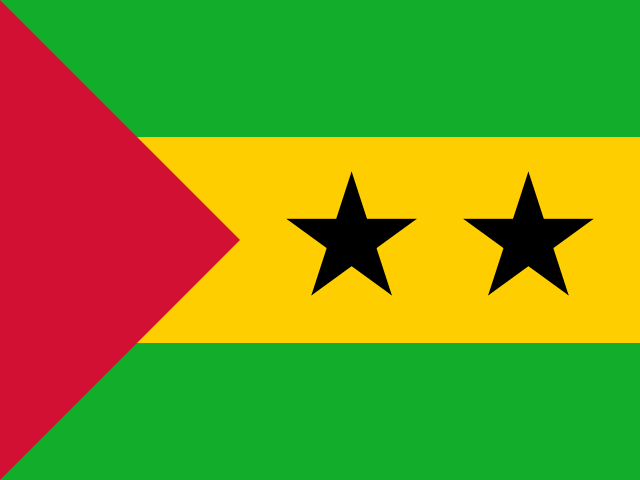
São Tomé and Príncipe
Capital: São Tomé
Horizontal green, yellow, green with a black-red triangle at the hoist bearing two black stars.
Adopted: 1975
Fun Facts
- Two stars represent São Tomé and Príncipe islands
- Green is vegetation; yellow cocoa and other crops; red independence struggle
- Portuguese-speaking island nation on the Equator
Quick Reference
Test Your Knowledge
River basin neighbors-spot both Congos fast.
Practice with Games
Ready to test what you learned? Jump into a game and put it into practice.
About Central Africa Flags
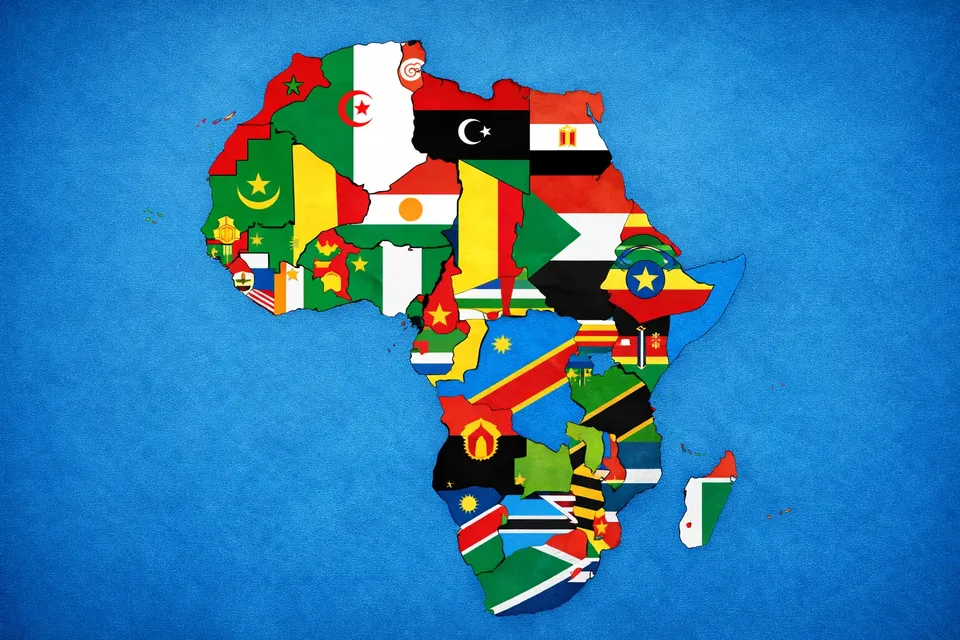
Stars and vertical tricolors recur; Chad versus Romania differs in blue shade context; São Tomé diagonal mirrors liberation optimism.
Frequently Asked Questions
Is this the same as UN Middle Africa?
Yes-we label it Central Africa for learners while matching UN Middle Africa membership.
Does this replace the full Africa lesson?
No-it is a regional slice using the same cards for focused study. Open the full Africa lesson when you want all 54 flags together.
How were countries grouped?
We follow UN M49 macro regions so totals align with the continental lesson.