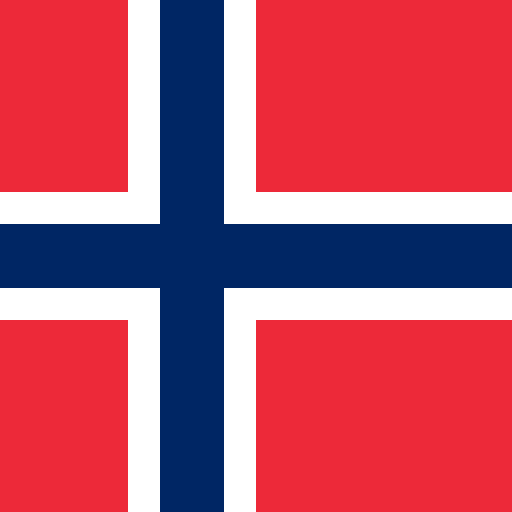
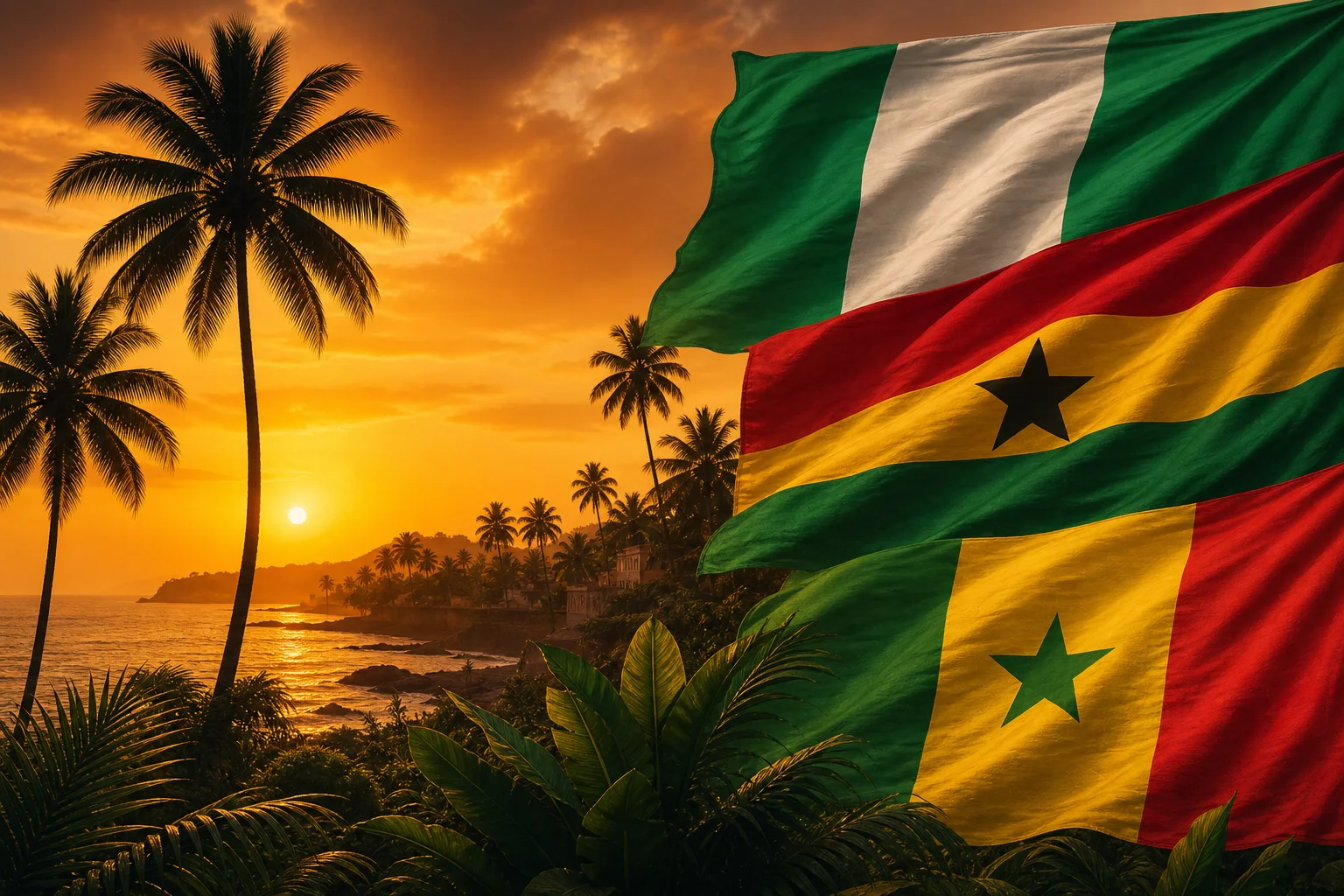
Flags of West Africa
Sixteen sovereign states follow UN Western Africa-from Sahel grasslands to crowded Atlantic coastlines-with independence-era palettes echoing Ghana groundbreaking colors.
Study the Flags
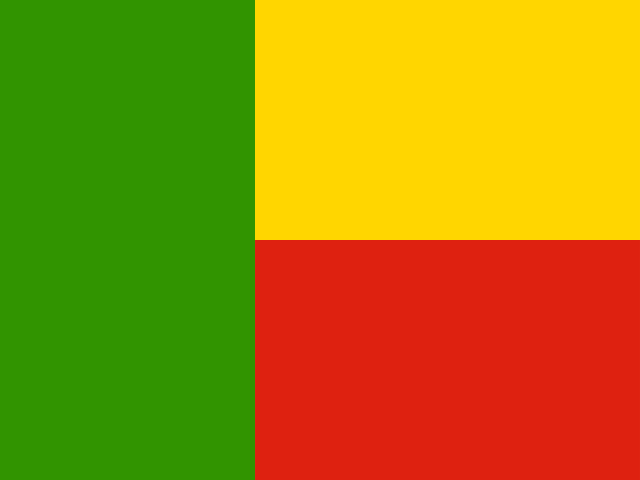
Benin
Capital: Porto-Novo
A vertical green band at the hoist beside horizontal yellow over red.
Adopted: 1959
Fun Facts
- Green recalls hope for democracy; yellow wealth; red courage of ancestors
- The flag echoes pan-African colors used across former French West Africa
- Benin sits on the Gulf of Guinea near Nigeria
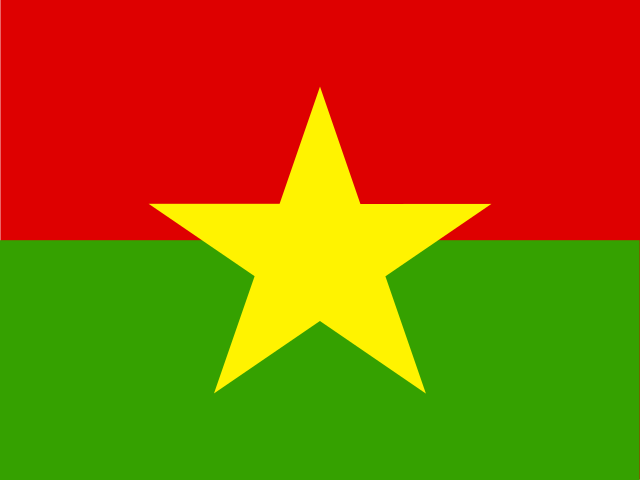
Burkina Faso
Capital: Ouagadougou
Horizontal halves: red over green. A yellow five-pointed star centered.
Adopted: 1984
Fun Facts
- The name means land of upright people in Moore and Dioula
- Red and green echo pan-African themes; the star is the guiding light of revolution
- Gold mining and agriculture shape much of the economy
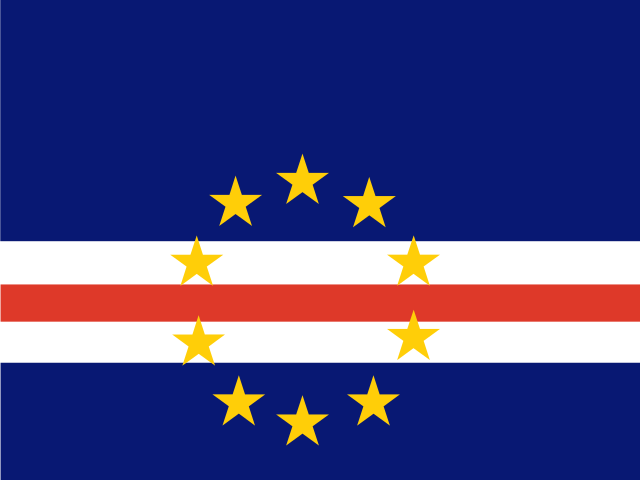
Cabo Verde
Capital: Praia
Blue field with three horizontal stripes (white, red, white) toward the fly and a ring of ten yellow five-pointed stars.
Adopted: 1992
Fun Facts
- The ten stars represent the main islands of the volcanic archipelago
- Blue is the Atlantic Ocean and sky
- Once a Portuguese colony, it became independent in 1975
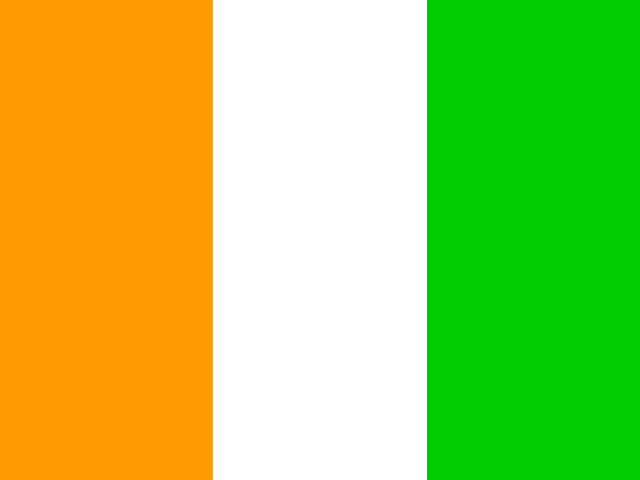
Ivory Coast
Capital: Yamoussoukro
Three vertical stripes: orange, white, green.
Adopted: 1959
Fun Facts
- Orange represents the northern savannah, green the southern forests, white peace
- It resembles Ireland's tricolor but with orange on the hoist instead of green
- The country's official French name is Côte d'Ivoire
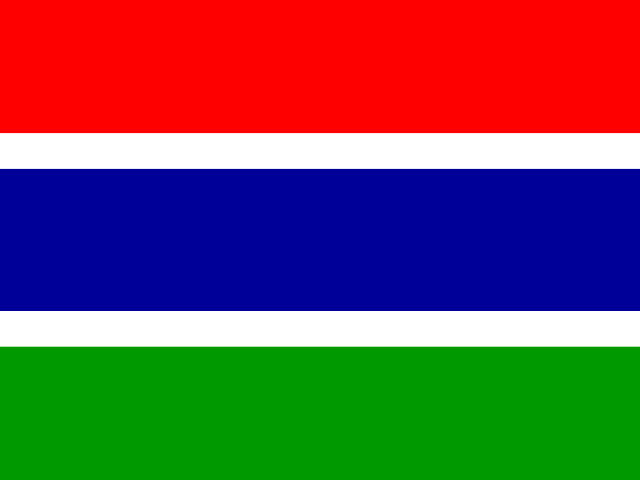
Gambia
Capital: Banjul
Wide red stripe edged in white between narrower blue stripes on a green field.
Adopted: 1965
Fun Facts
- The flag mirrors the Gambia River flowing between wooded plains
- One of continental Africa's smallest mainland states
- Surrounded by Senegal except for a short Atlantic coast
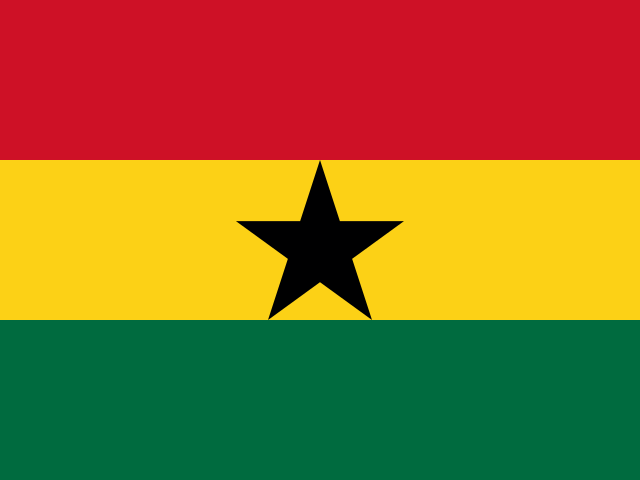
Ghana
Capital: Accra
Three horizontal stripes: red, gold, green. A black five-pointed star centered on the gold stripe.
Adopted: 1957
Fun Facts
- Ghana was the first sub-Saharan African country to gain independence (1957)
- The black star represents African freedom and is on Ghana's coat of arms
- Red represents the blood of independence fighters, gold mineral wealth, green forests
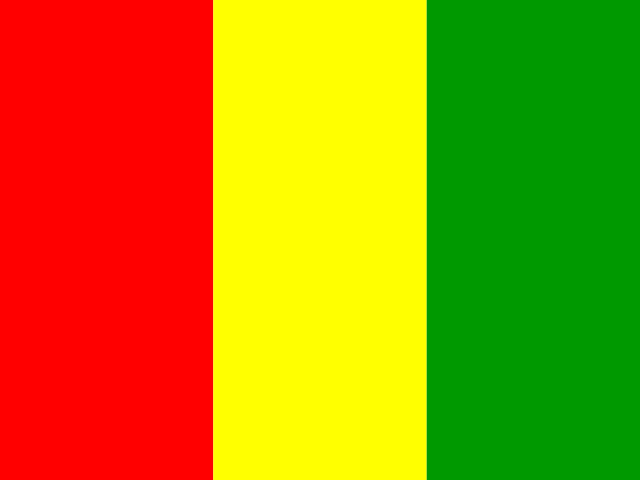
Guinea
Capital: Conakry
Three vertical stripes: red, yellow, green.
Adopted: 1958
Fun Facts
- Uses vertical pan-African colors red-yellow-green like Mali but starting with red
- Guinea was among the first French colonies in Africa to vote for independence
- Rich in bauxite for aluminum production
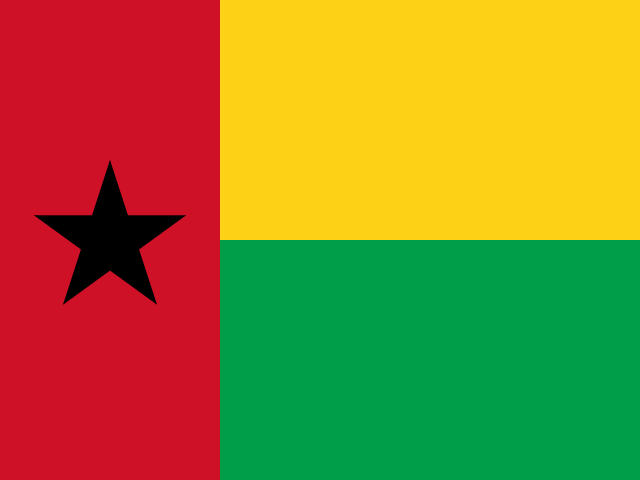
Guinea-Bissau
Capital: Bissau
Horizontal yellow over green with a vertical red stripe at the hoist bearing a black five-pointed star.
Adopted: 1973
Fun Facts
- Black star recalls PAIGC leadership in the independence struggle
- Vertical red band recalls sacrifice linked with pan-African red
- Portuguese is an official language
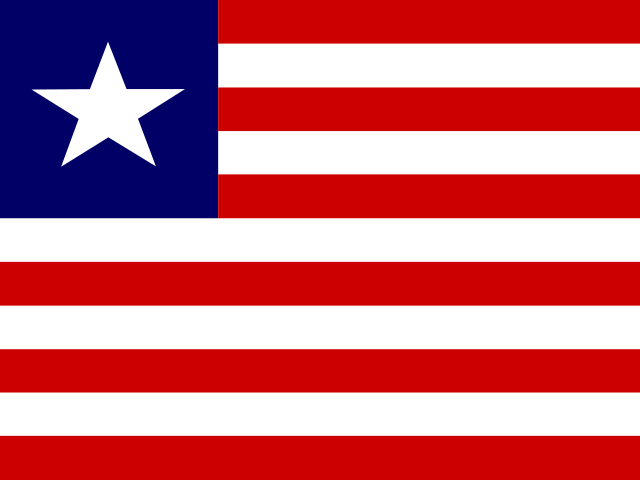
Liberia
Capital: Monrovia
Eleven horizontal red and white stripes with a blue canton bearing a single white star.
Adopted: 1847
Fun Facts
- Founded by freed African Americans; flag echoes U.S. symbolism with one star
- Eleven stripes recall signatories of the Liberian declaration of independence
- English is the official language
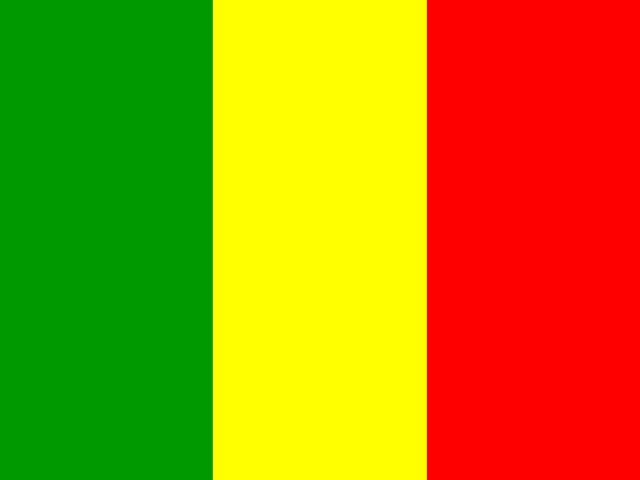
Mali
Capital: Bamako
Three vertical stripes: green, yellow, red.
Adopted: 1961
Fun Facts
- Pan-African vertical stripes echo Guinea's flag but Mali uses green-yellow-red
- Senegal's flag adds a green star on the yellow band; Mali's is plain
- Mali was home to powerful medieval empires including Mali and Songhai
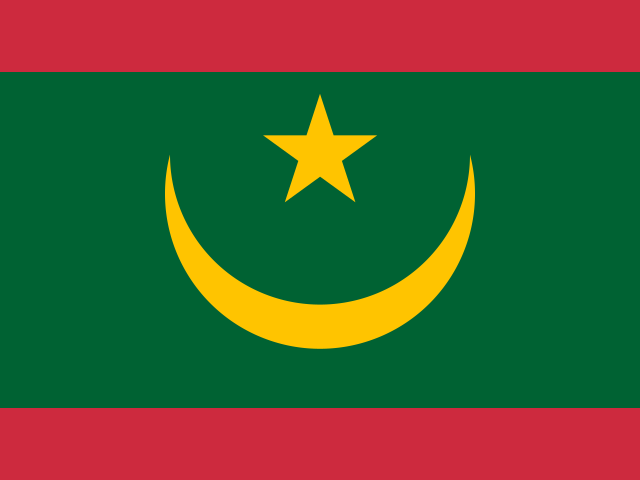
Mauritania
Capital: Nouakchott
Green field with gold crescent and star between narrow red stripes top and bottom.
Adopted: 2017
Fun Facts
- Red stripes added in 2017 to honor defenders of territory and sacrifice
- Green and gold crescent-star emphasize Islamic heritage
- Much of Mauritania lies in the Sahara
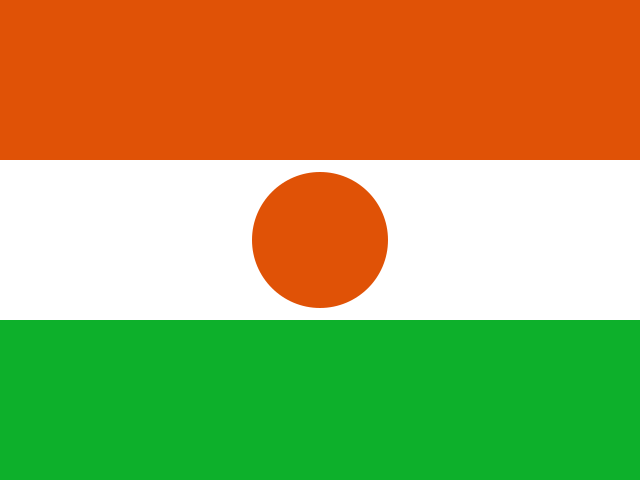
Niger
Capital: Niamey
Horizontal orange over white over green with an orange disk slightly toward the hoist.
Adopted: 1959
Fun Facts
- Orange recalls savannah; white purity; green hope and fertile south
- The orange circle stands for unity or sun depending on tradition
- Named after the Niger River arch through West Africa
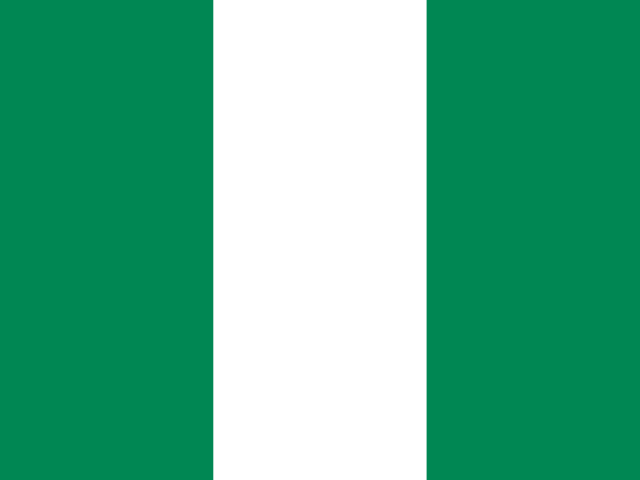
Nigeria
Capital: Abuja
Three vertical stripes: green, white, green.
Adopted: 1960
Fun Facts
- The green stripes represent Nigeria's abundant natural wealth and agriculture
- The white stripe represents peace and unity between the diverse ethnic groups
- Nigeria is Africa's most populous country with over 220 million people
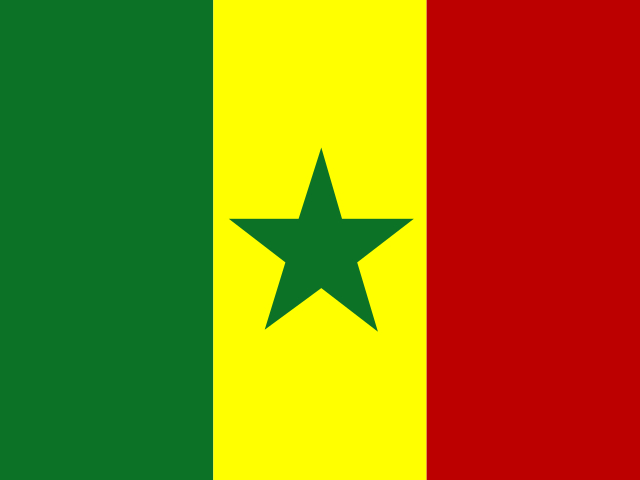
Senegal
Capital: Dakar
Three vertical stripes: green, yellow (with a green star), red.
Adopted: 1960
Fun Facts
- The green star represents hope and Africa's green landscapes
- Senegal's layout resembles Mali's plain vertical stripes plus a green star on the yellow band
- Green represents Islam, yellow the wealth of Africa, red the sacrifices for independence
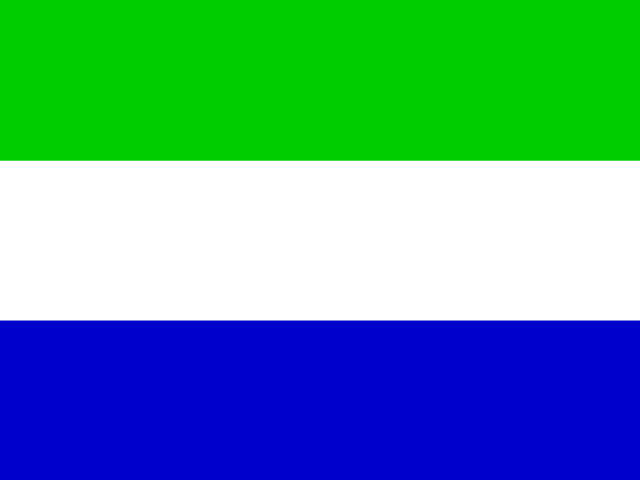
Sierra Leone
Capital: Freetown
Three horizontal stripes: green, white, blue.
Adopted: 1961
Fun Facts
- Green natural resources; white unity and justice; blue harbor and Atlantic
- Freetown was founded for freed slaves from Britain and North America
- Known historically for diamonds and minerals
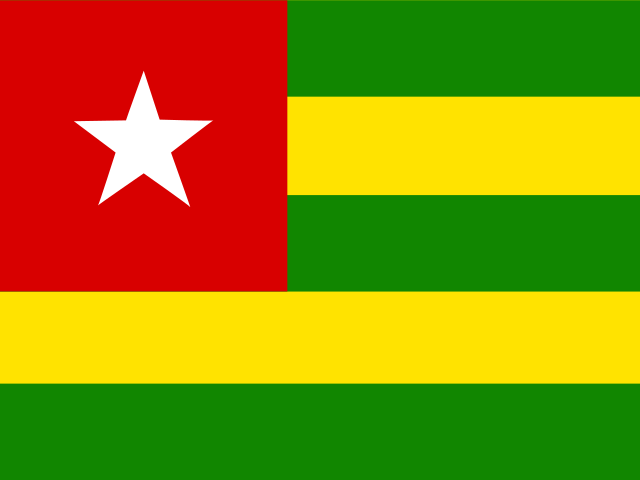
Togo
Capital: Lomé
Five horizontal stripes alternating green and yellow with red canton bearing white star.
Adopted: 1960
Fun Facts
- Five stripes represent Togo's regions (traditionally)
- Green and yellow recall agriculture; red canton sacrifice for independence
- Narrow Gulf of Guinea country east of Ghana
Quick Reference
Test Your Knowledge
Separate Mali from Mauritania and Guinea-Bissau under pressure.
Practice with Games
Ready to test what you learned? Jump into a game and put it into practice.
About West Africa Flags
Ghana black star bands influenced neighbors; Nigeria vertical greens highlight unity; francophone Sahel states mix tricolors with stars and agricultural tools on emblems.
Frequently Asked Questions
Why are Mali and Niger included with coastal states?
The UN Western Africa region spans Sahel and coastal members together-same grouping statisticians use for demographics.
Does this replace the full Africa lesson?
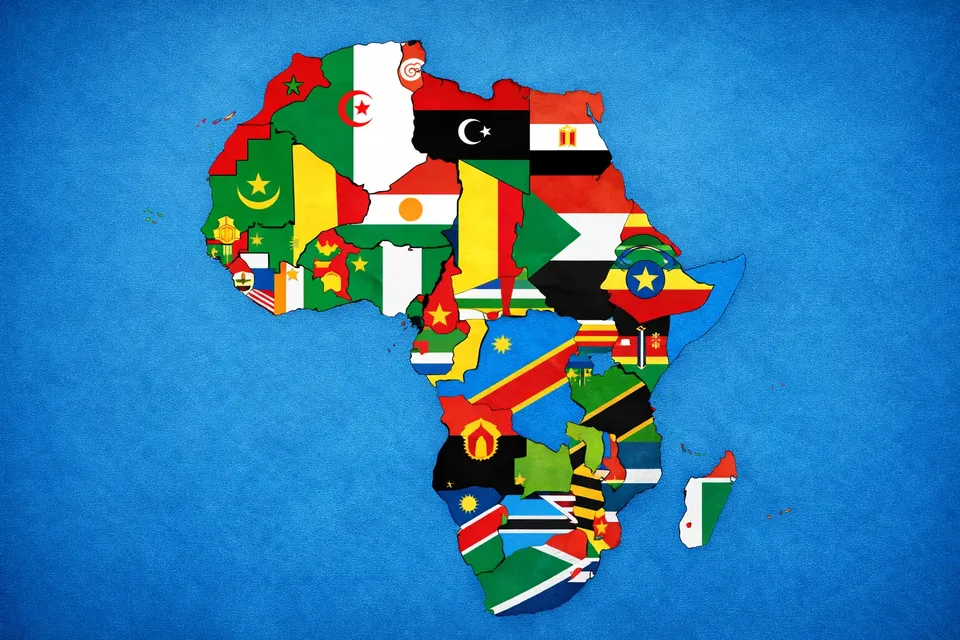
No-it is a regional slice using the same cards for focused study. Open the full Africa lesson when you want all 54 flags together.
How were countries grouped?
We follow UN M49 macro regions so totals align with the continental lesson.