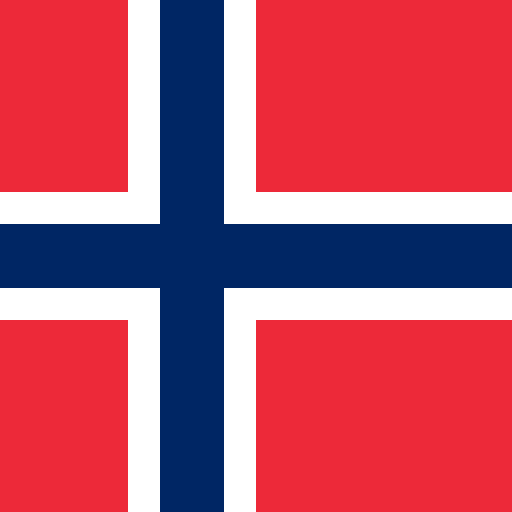
Flags of East Africa
Eighteen Eastern Africa UN states span highlands, Horn coastlines, and islands-Ethiopia pentagram disk to Seychelles radiant bands.
Study the Flags
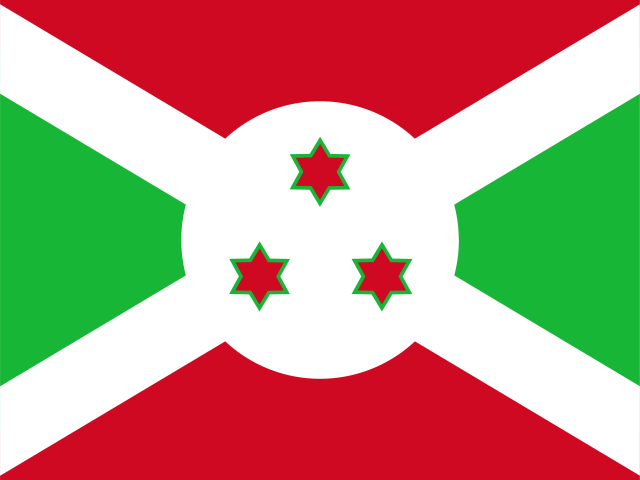
Burundi
Capital: Gitega
White saltire dividing green (above and below) and red (sides); white disk at center with three green stars edged red.
Adopted: 1967
Fun Facts
- Three stars stand for the three main ethnic groups united in national motto
- White diagonal lines suggest peace crossing divisions between fields
- Burundi is compact but densely populated around the African Great Lakes
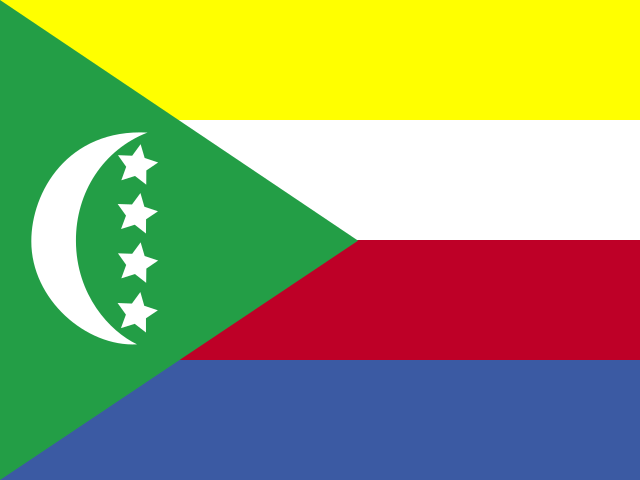
Comoros
Capital: Moroni
Green field with white crescent and four white stars beside four horizontal stripes (yellow, white, red, blue).
Adopted: 2002
Fun Facts
- The four stripes recall the nation's islands in the Indian Ocean archipelago
- Green is Islam; crescent and stars are prominent Islamic symbols
- Comoros lies at the northern entrance to the Mozambique Channel
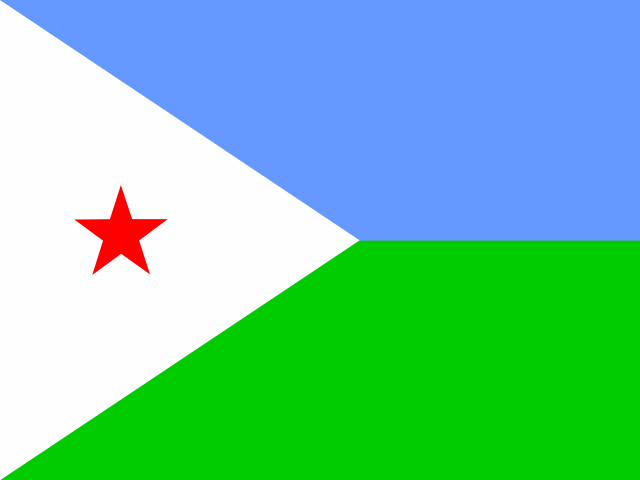
Djibouti
Capital: Djibouti
Horizontal light blue over green with a white triangle at the hoist bearing a red five-pointed star.
Adopted: 1977
Fun Facts
- Light blue is Issas (Somali lineage); green Afars; white peace
- The red star stands for unity and independence
- Djibouti commands the strategic Bab-el-Mandeb strait
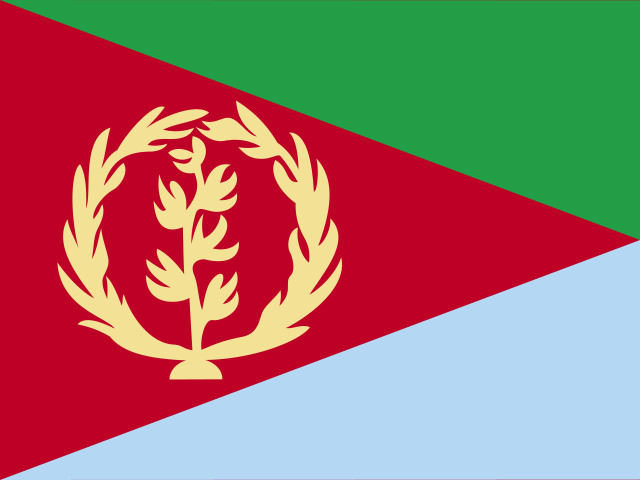
Eritrea
Capital: Asmara
Green (upper hoist triangle), blue (lower triangle), and red (large triangle from hoist); yellow olive branch emblem in red triangle.
Adopted: 1995
Fun Facts
- The olive branch with wreath stands for peace earned after the long independence war
- Green, red, and blue fields echo liberation-movement colors
- Eritrea has an extensive Red Sea coastline
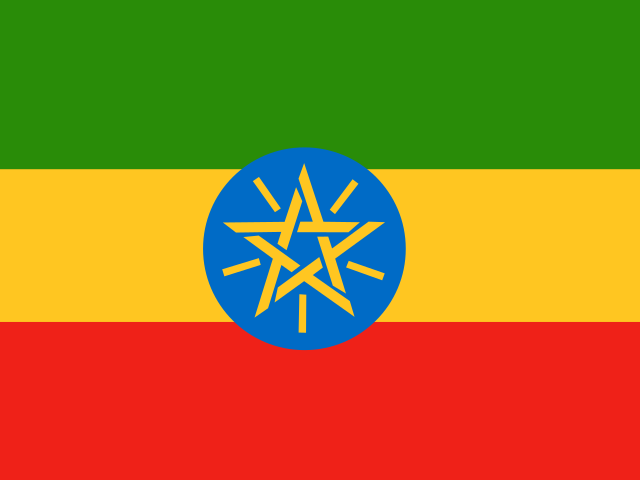
Ethiopia
Capital: Addis Ababa
Three horizontal stripes: green, yellow, red. A blue circle with a gold pentagram centered on the flag.
Adopted: 1996
Fun Facts
- Ethiopia's green, yellow, and red inspired the Pan-African color scheme used by many nations
- Ethiopia was never colonized, making its flag one of Africa's oldest
- The blue circle and star were added in 1996 to represent diversity and prosperity
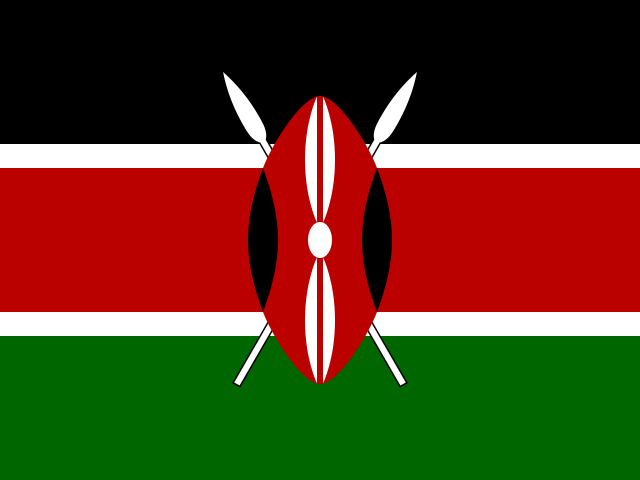
Kenya
Capital: Nairobi
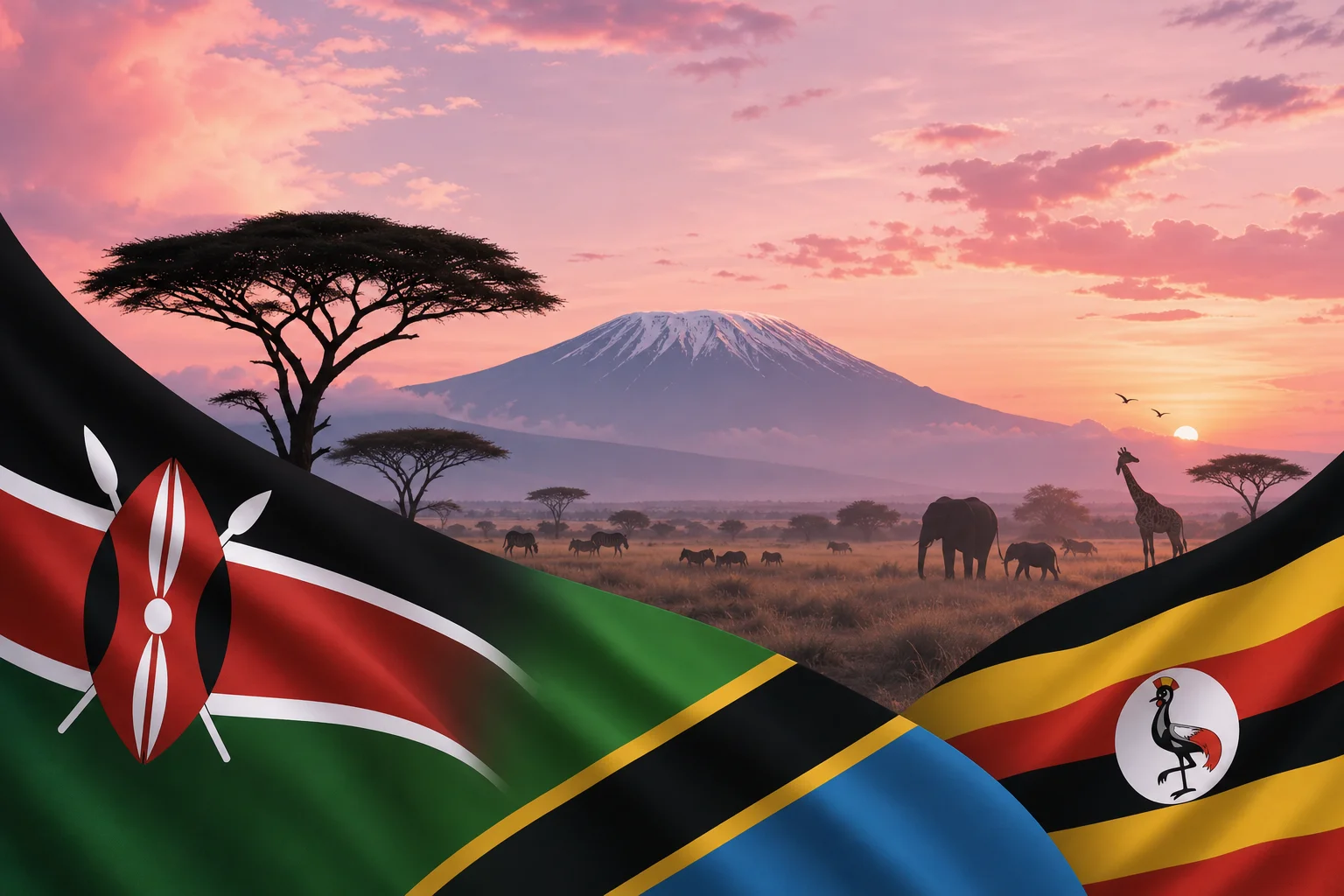
Three horizontal stripes: black, red, green, separated by thin white bands. A Maasai shield and two spears centered.
Adopted: 1963
Fun Facts
- The Maasai shield and spears represent the defense of freedom
- Black represents the people, red the blood shed for independence, green the landscape
- Kenya's flag is based on the flag of KANU, the independence movement party
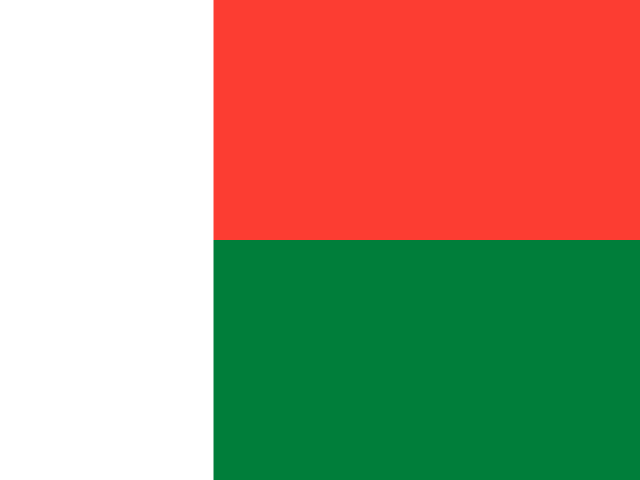
Madagascar
Capital: Antananarivo
White vertical band at the hoist beside horizontal red over green.
Adopted: 1958
Fun Facts
- White and red recall the Merina kingdom; green coastal peoples united in independence
- Madagascar's wildlife evolved in isolation with famous lemurs
- Fourth-largest island in the world
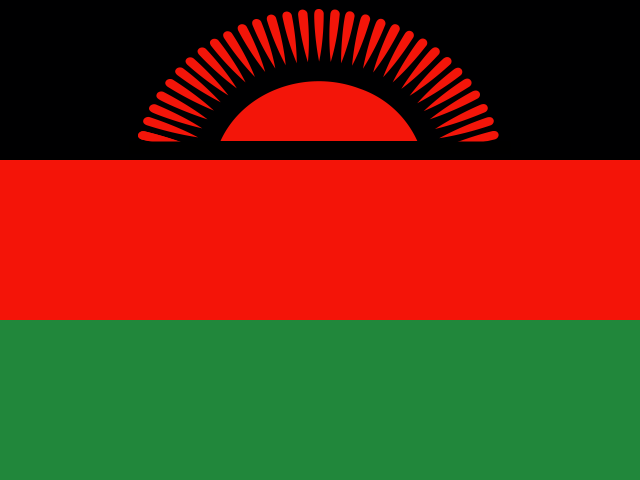
Malawi
Capital: Lilongwe
Horizontal black, red, green with a red rising sun centered on the black stripe.
Adopted: 2012
Fun Facts
- The rising sun represents dawn of freedom for Africa
- Black is the people; red blood of martyrs; green nature
- Lake Malawi runs much of the country's eastern border
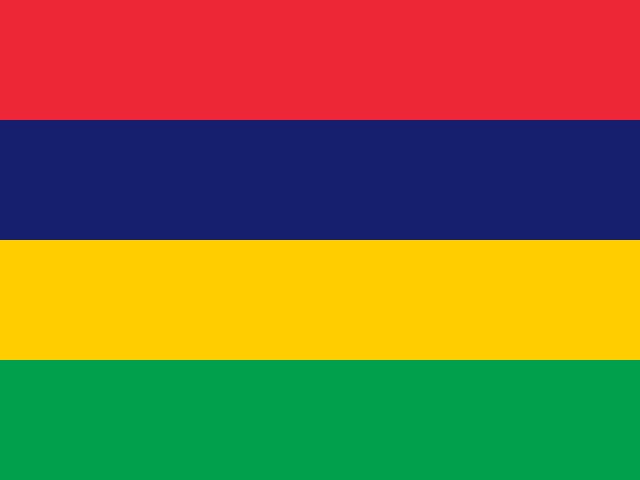
Mauritius
Capital: Port Louis
Four horizontal stripes: red, blue, yellow, green.
Adopted: 1968
Fun Facts
- Red independence; blue Indian Ocean; yellow sunlight; green agriculture
- The only habitat of the extinct dodo before European arrival
- A volcanic island nation east of Madagascar
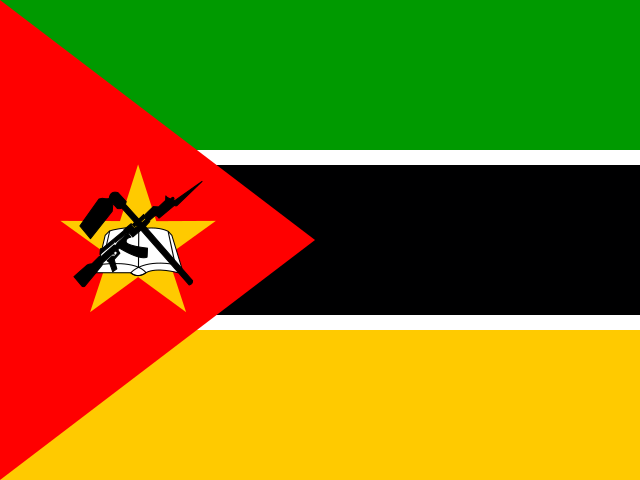
Mozambique
Capital: Maputo
Horizontal stripes green, black, yellow (fimbriated white); red triangle at the hoist with yellow star above crossed hoe and rifle over an open book.
Adopted: 1983
Fun Facts
- The open book, hoe, and rifle recall education, farming, and the independence struggle
- Green is agriculture, black the continent, yellow minerals, white peace, red revolution
- It is one of the few national flags to depict a modern firearm
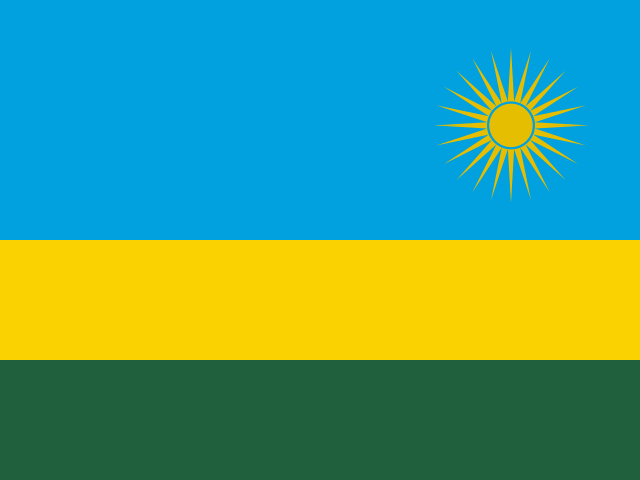
Rwanda
Capital: Kigali
Three horizontal stripes: blue (large), yellow, green. A golden sun with 24 rays in the upper-right corner of the blue stripe.
Adopted: 2001
Fun Facts
- Rwanda changed its flag in 2001 to move away from the painful symbolism of the old flag after the 1994 genocide
- The sun represents enlightenment and the fight against ignorance
- Blue represents happiness, yellow economic development, green hope and prosperity
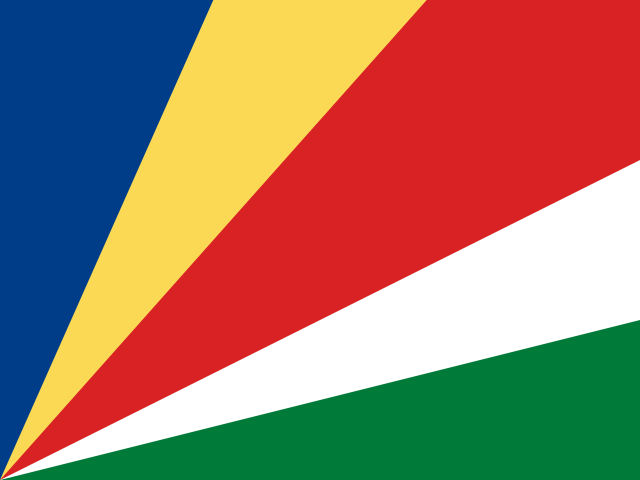
Seychelles
Capital: Victoria
Five oblique bands radiating from the lower hoist: blue, yellow, red, white, green.
Adopted: 1996
Fun Facts
- Expanding colored bands symbolize a dynamic nation growing toward future
- The Indian Ocean archipelago is famed for beaches and biodiversity
- Creole, English, and French are widely used
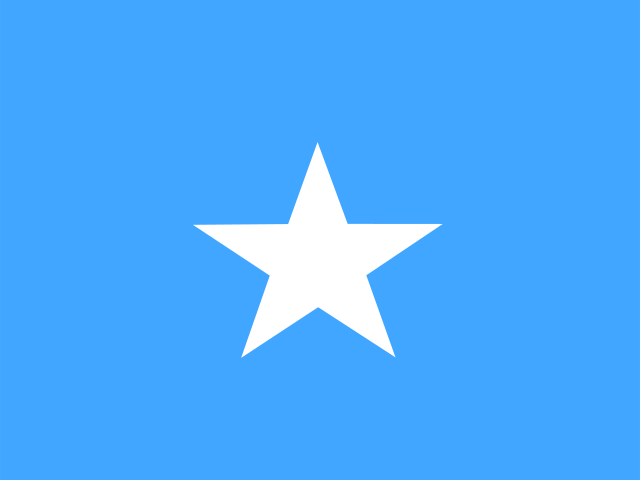
Somalia
Capital: Mogadishu
Light blue field with a large white five-pointed star centered.
Adopted: 1954
Fun Facts
- Light blue recalls the UN flag under which independence was approached
- The star symbolizes unity of the Somali nation in the Horn
- Longest coastline on mainland Africa
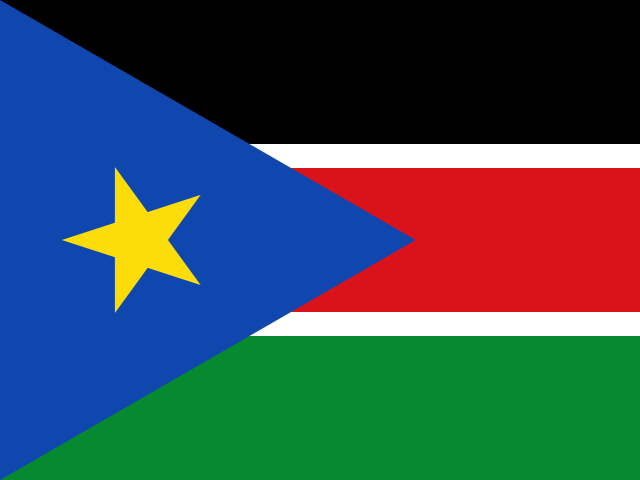
South Sudan
Capital: Juba
Horizontal black, red, green with blue triangle at hoist bearing yellow star and white stripes edging the triangle.
Adopted: 2011
Fun Facts
- Africa's newest widely recognized sovereign state (2011)
- Black people; red blood; green land; blue Nile; star guiding unity
- Gained independence from Sudan after decades of conflict
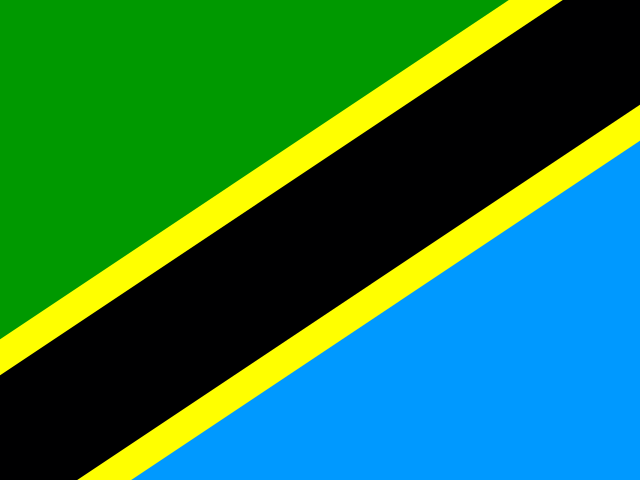
Tanzania
Capital: Dodoma
A black diagonal stripe bordered by yellow running from bottom-left to top-right, with green (upper-left) and blue (lower-right) sections.
Adopted: 1964
Fun Facts
- The flag combines elements from the former flags of Tanganyika and Zanzibar
- Green represents vegetation, blue the Indian Ocean, black the people, yellow mineral wealth
- Tanzania is home to Mount Kilimanjaro, Africa's highest peak
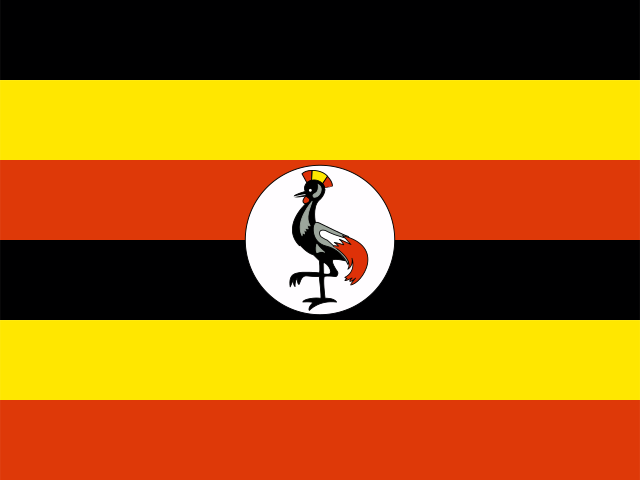
Uganda
Capital: Kampala
Six horizontal stripes: black, yellow, red, repeated. A white disc centered with the grey crowned crane standing on one leg.
Adopted: 1962
Fun Facts
- The grey crowned crane has been a Ugandan symbol for decades and appears facing the hoist
- The black-yellow-red stripes echo traditional colors of African kingdoms in the region
- Uganda means “land of the Baganda”-the largest ethnic group in the country
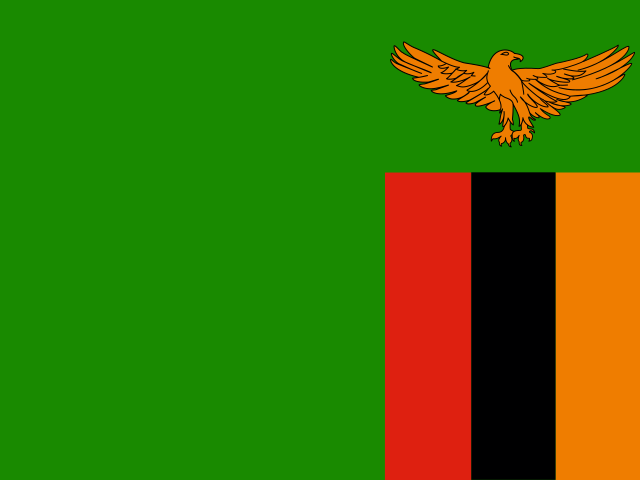
Zambia
Capital: Lusaka
Green field with an orange African fish eagle in flight above a vertical block of red, black, and orange stripes at the fly.
Adopted: 1964
Fun Facts
- The eagle recalls the fish eagle and the nation's ability to rise above challenges
- Green is flora, red the struggle for freedom, black the people, orange mineral wealth
- Zambia takes its name from the Zambezi River
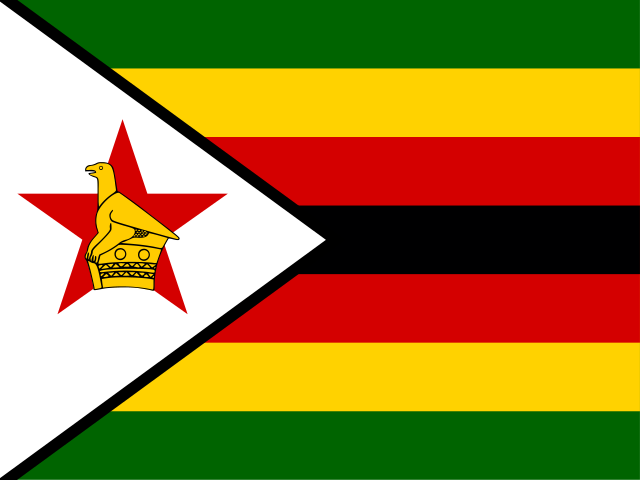
Zimbabwe
Capital: Harare
Seven horizontal stripes (green, gold, red, black, red, gold, green); a white triangle at the hoist charged with a red star and the Zimbabwe bird.
Adopted: 1980
Fun Facts
- The Zimbabwe bird comes from stone ruins at Great Zimbabwe
- Red stars symbolize aspirations of the nation; stripes echo Pan-African colors
- The flag was adopted when Zimbabwe gained independence in 1980
Quick Reference
Test Your Knowledge
Great Lakes speed round-eighteen flags.
Practice with Games
Ready to test what you learned? Jump into a game and put it into practice.
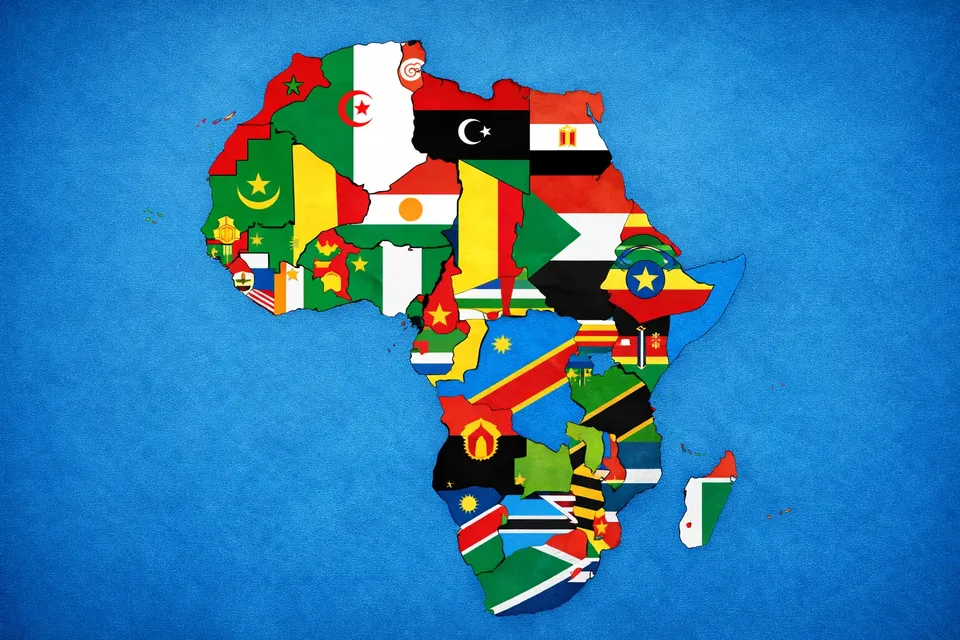
About East Africa Flags
British East African influences mingle with Ethiopian palettes that seeded Pan-Africanism; island nations favor bold diagonals; South Sudan triangle signals Africa youngest sovereign chapter.
Frequently Asked Questions
Why are Zambia and Zimbabwe Eastern Africa here?
We mirror UN M49 Eastern Africa so totals align with statistics references-not southern African customs unions alone.
Does this replace the full Africa lesson?
No-it is a regional slice using the same cards for focused study. Open the full Africa lesson when you want all 54 flags together.
How were countries grouped?
We follow UN M49 macro regions so totals align with the continental lesson.