Learn the Currencies of Africa
Africa uses dozens of different currencies, from the Nigerian naira and Egyptian pound to the South African rand. Two of the most important are shared: the West African CFA franc, used by eight countries, and the Central African CFA franc, used by six more, both pegged to the euro. This lesson covers the currency of 35 African countries, with each currency code, symbol and a little of its story.
Study the Currencies
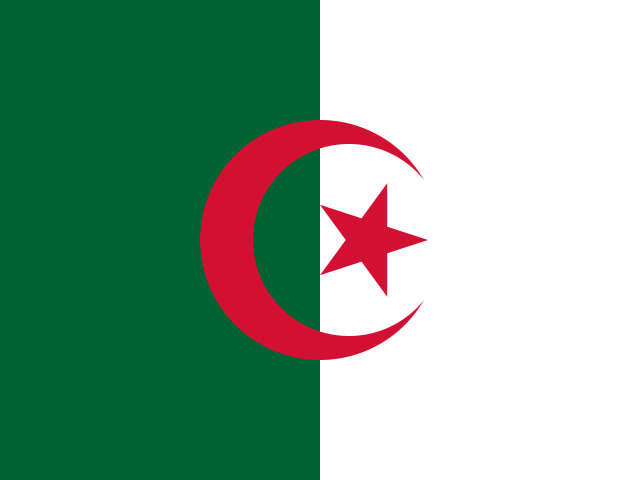 DZD
DZD Algeria
Algerian dinar
Algeria introduced the dinar in 1964, two years after independence, replacing the Algerian franc.
Fun Facts
- The dinar takes its name from the ancient Roman denarius.
- A dinar is divided into 100 centimes, though centimes are rarely used today.
- The dinar replaced the Algerian franc in 1964.
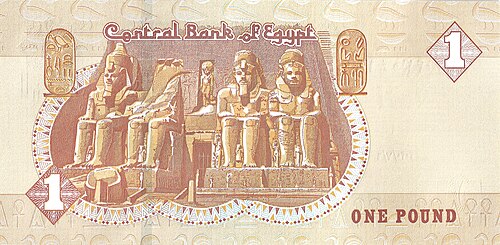 EGP
EGP Egypt
Egyptian pound
Egypt has used the pound since 1834; it is one of the oldest currencies still in use in Africa.
Fun Facts
- The Egyptian pound is divided into 100 piastres.
- In Arabic the pound is called the gineih, a name borrowed from the British guinea.
- It was introduced in 1834, replacing the Egyptian piastre as the main unit.
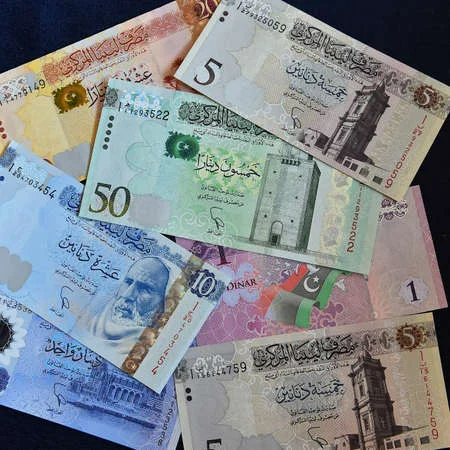 LYD
LYD Libya
Libyan dinar
Libya introduced the dinar in 1971, replacing the Libyan pound.
Fun Facts
- The Libyan dinar is one of the few currencies divided into 1,000 subunits, called dirhams.
- It replaced the Libyan pound at par in 1971.
- The name dinar comes from the Roman denarius.
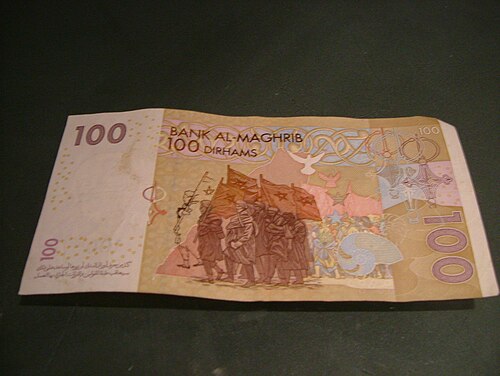 MAD
MAD Morocco
Moroccan dirham
Morocco introduced the dirham in 1960, replacing the Moroccan franc.
Fun Facts
- The dirham takes its name from the ancient Greek drachma.
- A dirham is divided into 100 centimes.
- Taking dirhams out of Morocco is restricted, as it is a closed currency.
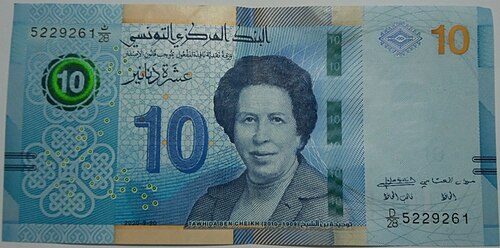 TND
TND Tunisia
Tunisian dinar
Tunisia introduced the dinar in 1960, replacing the Tunisian franc.
Fun Facts
- The Tunisian dinar is divided into 1,000 millimes.
- It is usually one of the highest-valued currencies in Africa.
- Like Morocco, Tunisia restricts taking its currency abroad.
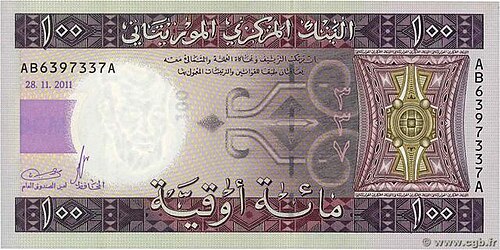 MRU
MRU Mauritania
Mauritanian ouguiya
Mauritania uses the ouguiya, introduced in 1973 and redenominated in 2018.
Fun Facts
- The ouguiya is one of only two currencies not based on a decimal system; it is divided into 5 khoums.
- In 2018 it was redenominated, with 10 old ouguiya becoming 1 new ouguiya.
- That reform changed the currency code from MRO to MRU.
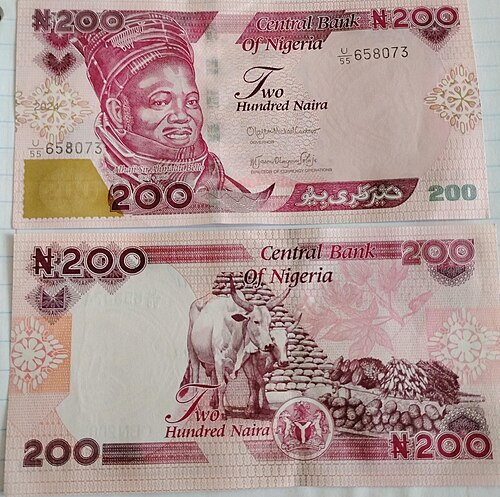 NGN
NGN Nigeria
Nigerian naira
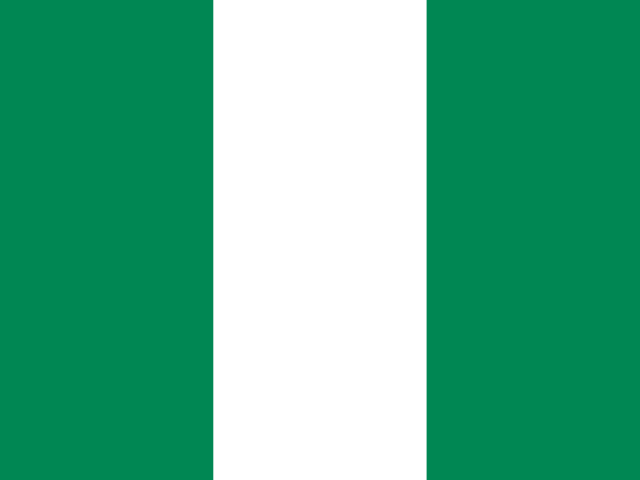
Nigeria introduced the naira in 1973, replacing the Nigerian pound; it serves Africa's most populous country.
Fun Facts
- The naira was the first major African currency to abandon the British pound system for a decimal one.
- A naira is divided into 100 kobo.
- The naira symbol ₦ is a capital N with two strokes through it.
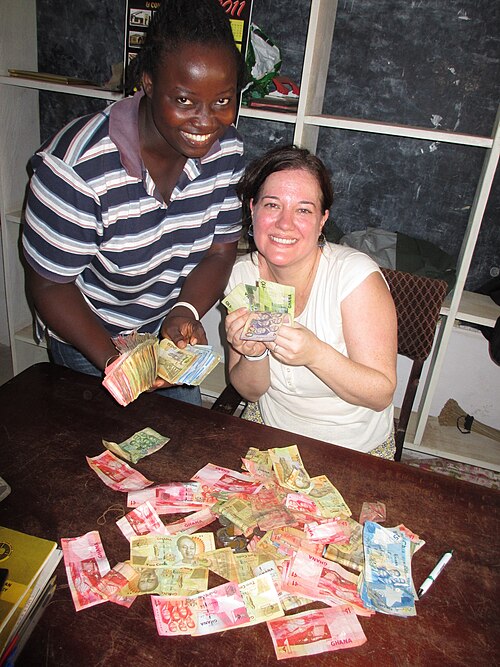 GHS
GHS Ghana
Ghanaian cedi
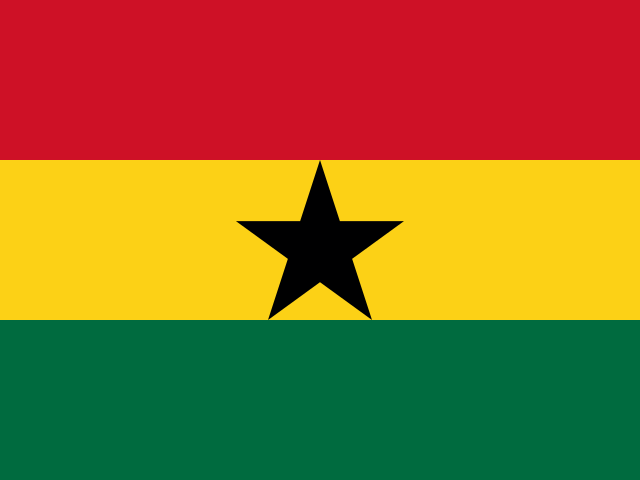
Ghana uses the cedi; the current cedi was introduced in 2007 after a major redenomination.
Fun Facts
- Cedi comes from the Akan word for cowrie shell, once used as money in West Africa.
- In 2007 Ghana knocked four zeros off the currency, so 10,000 old cedis became 1 new cedi.
- A cedi is divided into 100 pesewas.
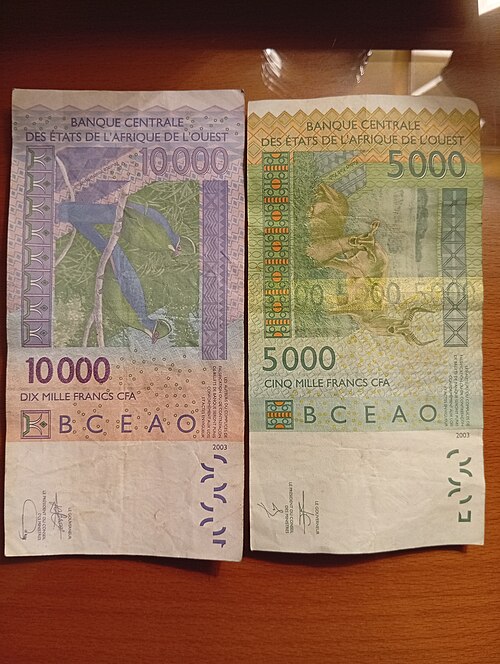 XOF
XOF Senegal
West African CFA franc
Senegal uses the West African CFA franc, a currency shared by eight countries and pegged to the euro.
Fun Facts
- The West African CFA franc is shared by eight countries: Benin, Burkina Faso, Ivory Coast, Guinea-Bissau, Mali, Niger, Senegal and Togo.
- It is pegged to the euro at a fixed rate.
- CFA originally stood for the French colonies in Africa, and the franc dates back to 1945.
XOF Mali
West African CFA franc
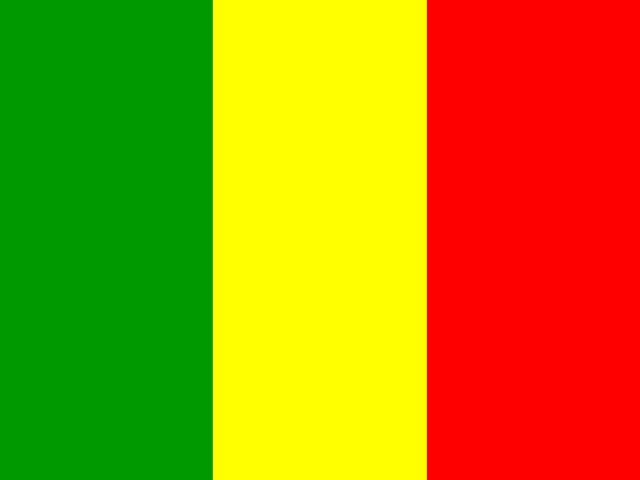
Mali rejoined the West African CFA franc in 1984; the currency is shared by eight countries and pegged to the euro.
Fun Facts
- Mali briefly used its own Malian franc before returning to the CFA franc in 1984.
- The West African CFA franc is issued by the Central Bank of West African States.
- It is pegged to the euro at a fixed rate.
XOF Côte d'Ivoire
West African CFA franc
Côte d'Ivoire uses the West African CFA franc, shared by eight countries and pegged to the euro.
Fun Facts
- Côte d'Ivoire has the largest economy among the eight West African CFA franc users.
- The currency is pegged to the euro at a fixed rate.
- CFA franc notes and coins are accepted across all eight member countries.
XOF Niger
West African CFA franc
Niger uses the West African CFA franc, shared by eight countries and pegged to the euro.
Fun Facts
- Niger is one of eight countries using the West African CFA franc.
- The currency is pegged to the euro at a fixed rate.
- A CFA franc is in theory divided into 100 centimes, though these are not used.
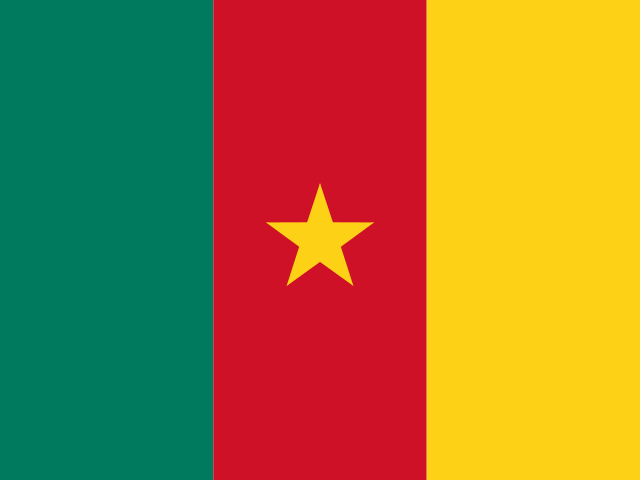 XAF
XAF Cameroon
Central African CFA franc
Cameroon uses the Central African CFA franc, a separate currency shared by six countries and pegged to the euro.
Fun Facts
- The Central African CFA franc is shared by six countries: Cameroon, Central African Republic, Chad, Republic of the Congo, Equatorial Guinea and Gabon.
- It has the same value as the West African CFA franc but the two are not interchangeable.
- It is pegged to the euro at the same fixed rate as its West African counterpart.
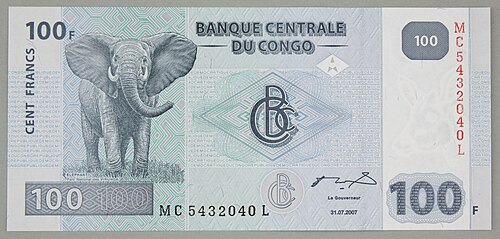 CDF
CDF DR Congo
Congolese franc
The DR Congo uses the Congolese franc, reintroduced in 1998; it is not part of either CFA franc zone.
Fun Facts
- The Congolese franc replaced the new zaire in 1998.
- Despite the shared name, it is unrelated to the CFA franc.
- A Congolese franc is in theory divided into 100 centimes.
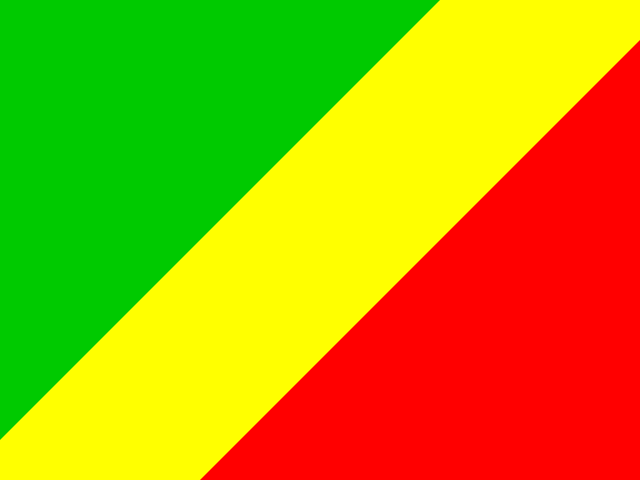 XAF
XAF Republic of the Congo
Central African CFA franc
The Republic of the Congo uses the Central African CFA franc, shared by six countries and pegged to the euro.
Fun Facts
- Brazzaville, its capital, hosts the Bank of Central African States that issues the currency.
- The Central African CFA franc is pegged to the euro at a fixed rate.
- It is one of six countries sharing this currency.
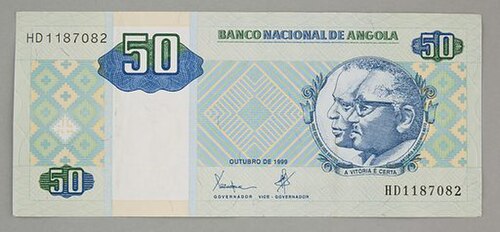 AOA
AOA Angola
Angolan kwanza
Angola uses the kwanza; the current kwanza was introduced in 1999 after years of high inflation.
Fun Facts
- The kwanza is named after the Kwanza River, the longest river entirely within Angola.
- A kwanza is divided into 100 centimos.
- Angola has redenominated its currency several times since independence.
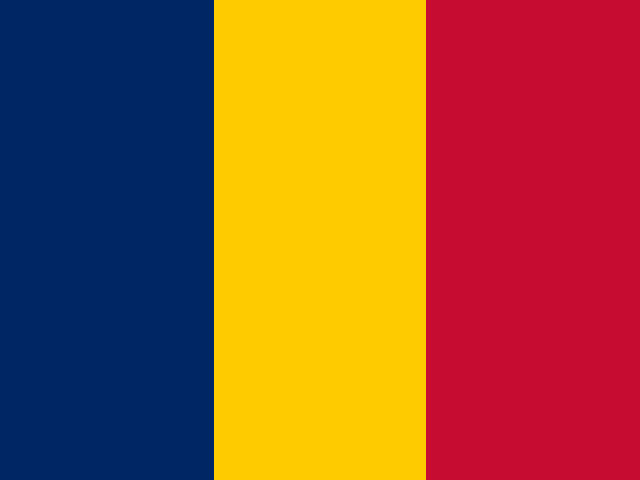 XAF
XAF Chad
Central African CFA franc
Chad uses the Central African CFA franc, shared by six countries and pegged to the euro.
Fun Facts
- Chad is one of six countries using the Central African CFA franc.
- The currency is pegged to the euro at a fixed rate.
- It is issued by the Bank of Central African States.
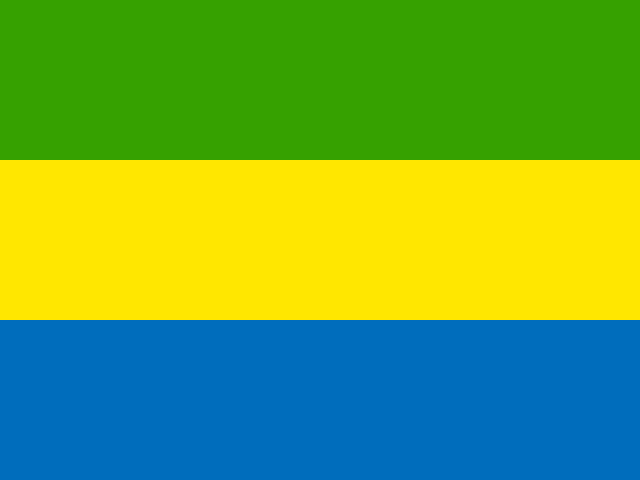 XAF
XAF Gabon
Central African CFA franc
Gabon uses the Central African CFA franc, shared by six countries and pegged to the euro.
Fun Facts
- Gabon has one of the higher incomes among the six Central African CFA franc users.
- The currency is pegged to the euro at a fixed rate.
- CFA franc coins and notes are accepted across all six member states.
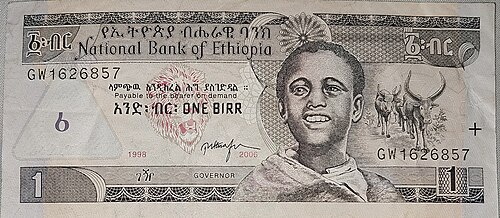 ETB
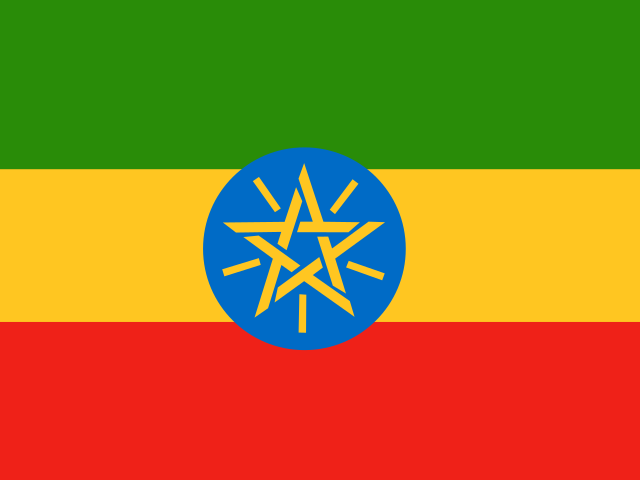
ETB Ethiopia
Ethiopian birr
Ethiopia uses the birr, one of the few African currencies with roots predating the colonial era.
Fun Facts
- Birr means silver in Amharic.
- A birr is divided into 100 santim.
- Ethiopia is one of the few African countries never formally colonised, and its currency reflects that long history.
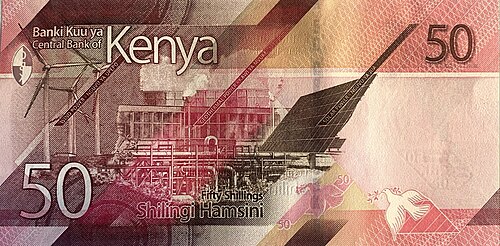 KES
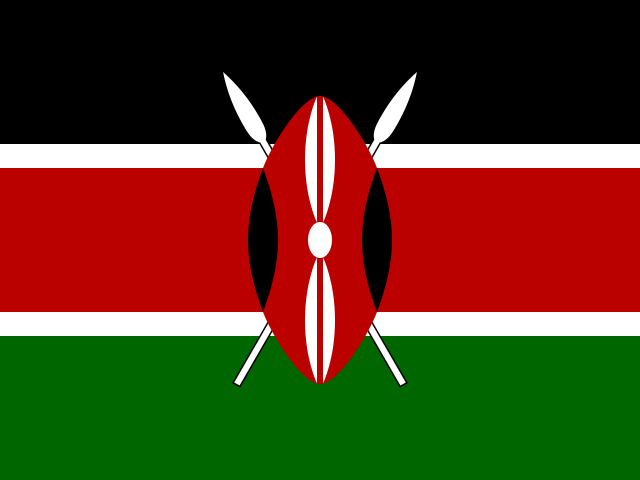
KES Kenya
Kenyan shilling
Kenya introduced the shilling in 1966, replacing the East African shilling.
Fun Facts
- A Kenyan shilling is divided into 100 cents.
- Kenya pioneered mobile money with M-Pesa, now used for everyday payments.
- It replaced the shared East African shilling in 1966.
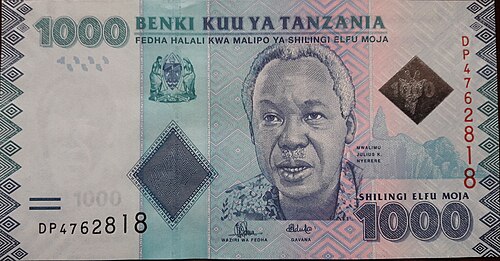 TZS
TZS Tanzania
Tanzanian shilling
Tanzania introduced the shilling in 1966, replacing the East African shilling.
Fun Facts
- A Tanzanian shilling is divided into 100 cents, though cents are no longer used.
- It replaced the East African shilling in 1966.
- The word shilling comes from the old British coin of the same name.
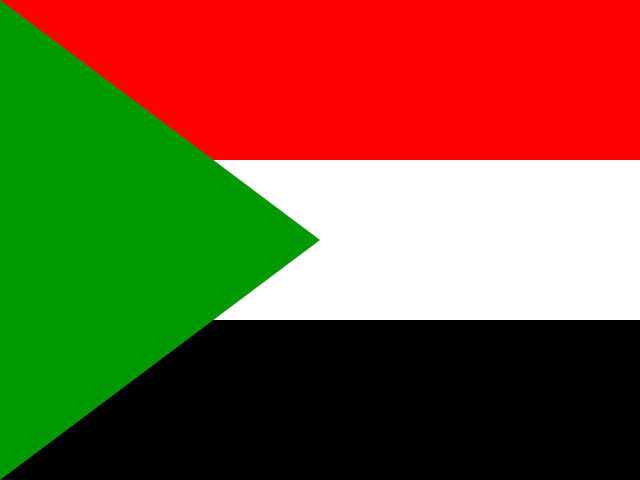 SDG
SDG Sudan
Sudanese pound
Sudan uses the pound; the current Sudanese pound was reintroduced in 2007.
Fun Facts
- The Sudanese pound has been reintroduced more than once, alternating with the dinar.
- A pound is divided into 100 piastres.
- The current pound dates from 2007.
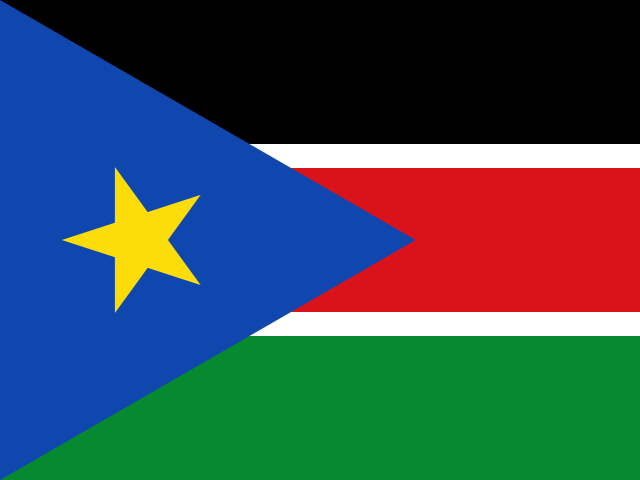 SSP
SSP South Sudan
South Sudanese pound
South Sudan introduced its own pound in 2011, the same year it became independent.
Fun Facts
- The South Sudanese pound is one of the world's newest currencies, launched in 2011.
- It replaced the Sudanese pound after independence.
- A pound is divided into 100 piastres.
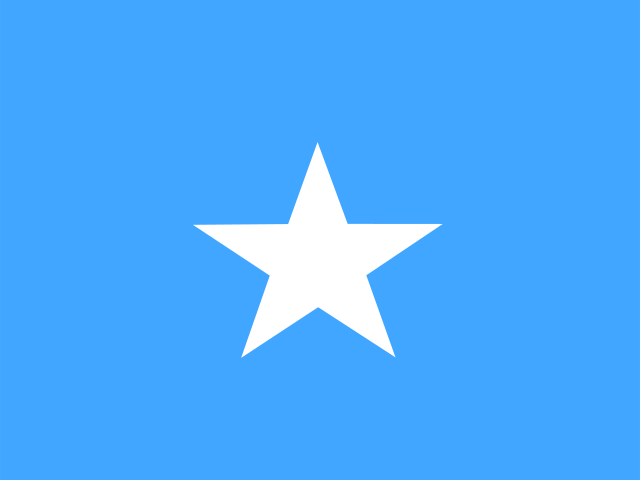 SOS
SOS Somalia
Somali shilling
Somalia uses the shilling, introduced in 1962 shortly after independence.
Fun Facts
- A Somali shilling is divided into 100 cents.
- It was introduced in 1962, replacing the East African shilling and Somalo.
- The US dollar is also widely used alongside the shilling in Somalia.
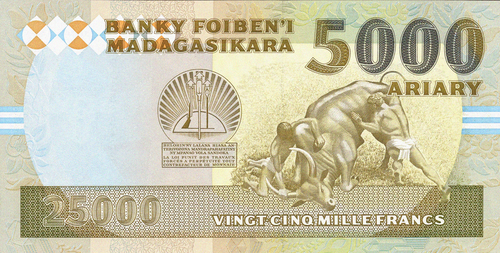 MGA
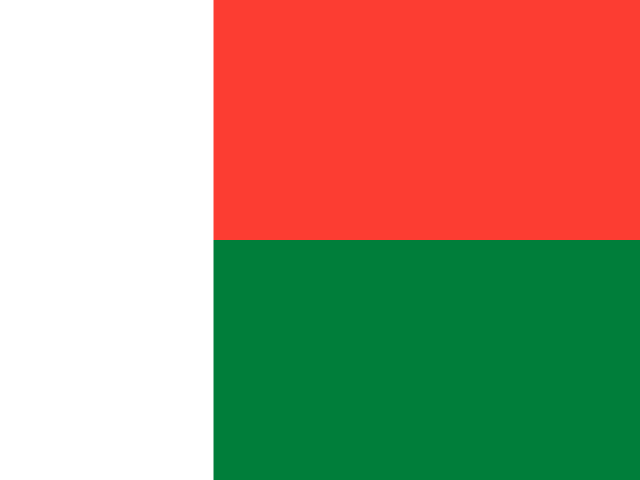
MGA Madagascar
Malagasy ariary
Madagascar uses the ariary, which became the sole currency in 2005.
Fun Facts
- The ariary is one of only two non-decimal currencies in the world; it is divided into 5 iraimbilanja.
- The names come from old terms for silver coins and weights.
- It fully replaced the Malagasy franc in 2005.
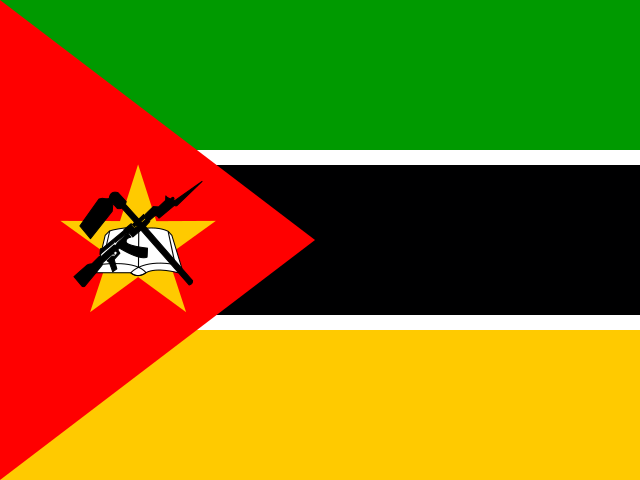 MZN
MZN Mozambique
Mozambican metical
Mozambique uses the metical; the current metical was introduced in 2006 after a redenomination.
Fun Facts
- Metical comes from an Arabic word for a unit of weight, mithqal.
- In 2006 Mozambique knocked three zeros off the currency.
- A metical is divided into 100 centavos.
 ZMW
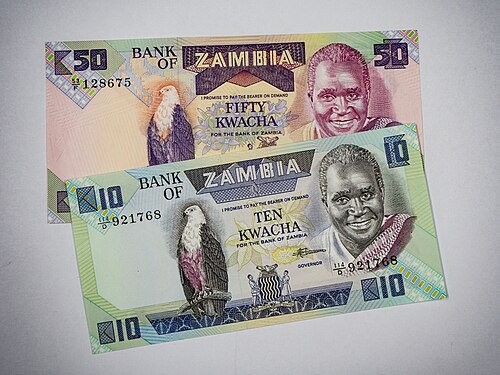
ZMW Zambia
Zambian kwacha
Zambia uses the kwacha; the current kwacha was introduced in 2013 after dropping three zeros.
Fun Facts
- Kwacha means dawn in several Zambian languages, linked to the slogan of independence.
- In 2013 Zambia redenominated, so 1,000 old kwacha became 1 new kwacha.
- A kwacha is divided into 100 ngwee.
 ZAR
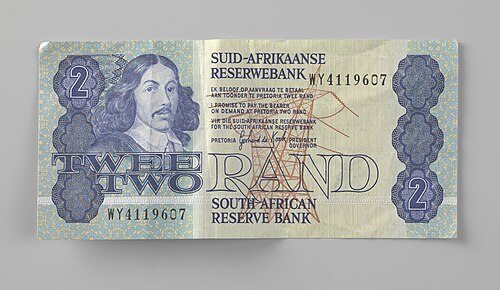
ZAR South Africa
South African rand
South Africa introduced the rand in 1961; it is also legal tender in Lesotho, Eswatini and Namibia.
Fun Facts
- The rand is named after the Witwatersrand, the ridge where Johannesburg's gold was found.
- It is one of the most traded currencies in Africa.
- The rand also circulates in Lesotho, Eswatini and Namibia alongside their own currencies.
 NAD
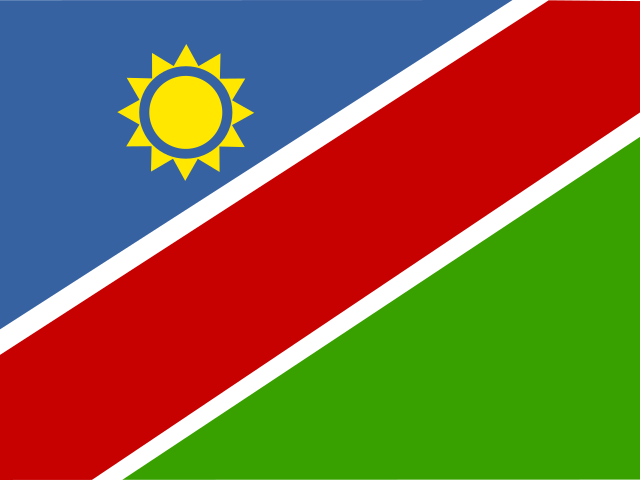
NAD Namibia
Namibian dollar
Namibia uses the Namibian dollar, pegged one to one with the South African rand, which is also legal tender there.
Fun Facts
- The Namibian dollar is pegged one to one with the South African rand.
- The rand is also accepted as legal tender throughout Namibia.
- A Namibian dollar is divided into 100 cents.
 BWP
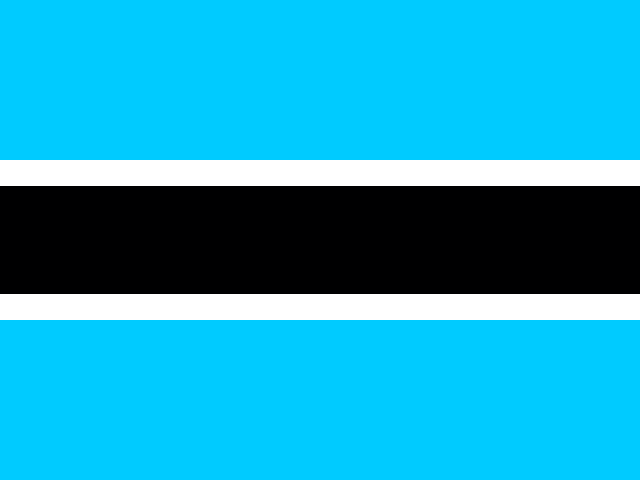
BWP Botswana
Botswana pula
Botswana introduced the pula in 1976, replacing the South African rand.
Fun Facts
- Pula means rain in Setswana, a precious thing in this dry, desert country.
- A pula is divided into 100 thebe, which means shield.
- The pula is one of the more stable currencies in Africa.
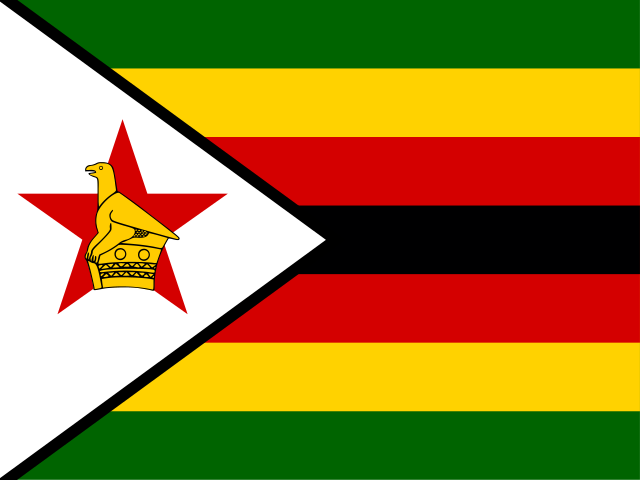 ZWG
ZWG Zimbabwe
Zimbabwe Gold
Zimbabwe introduced a gold-backed currency, Zimbabwe Gold (ZiG), in 2024 after years of hyperinflation.
Fun Facts
- Zimbabwe suffered one of the worst hyperinflations in history, once printing a 100 trillion dollar note.
- The new ZiG, launched in 2024, is backed by gold and foreign reserves.
- The US dollar is still widely used in Zimbabwe alongside the ZiG.
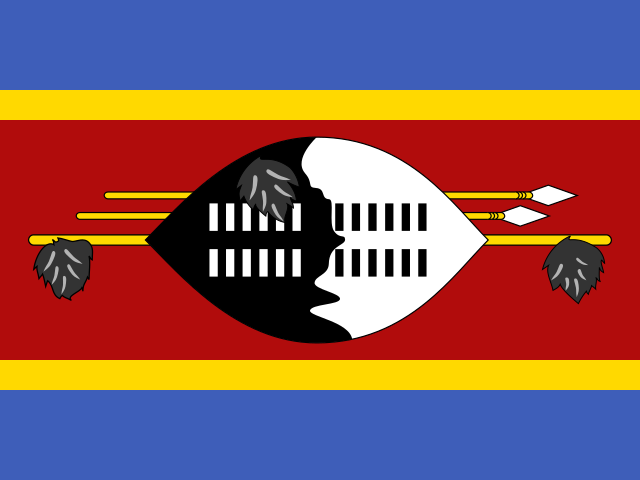 SZL
SZL Eswatini
Swazi lilangeni
Eswatini uses the lilangeni, pegged one to one with the South African rand, which is also accepted there.
Fun Facts
- The plural of lilangeni is emalangeni.
- It is pegged one to one with the South African rand.
- The rand is also accepted as legal tender in Eswatini.
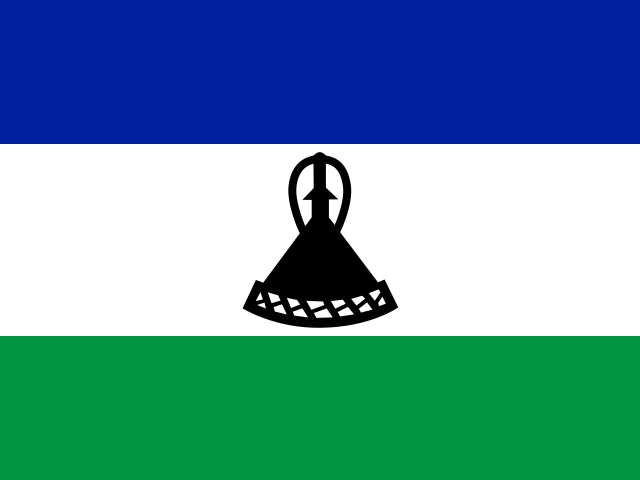 LSL
LSL Lesotho
Lesotho loti
Lesotho uses the loti, pegged one to one with the South African rand, which is also legal tender there.
Fun Facts
- The plural of loti is maloti.
- It is pegged one to one with the South African rand.
- The rand is also accepted as legal tender throughout Lesotho.
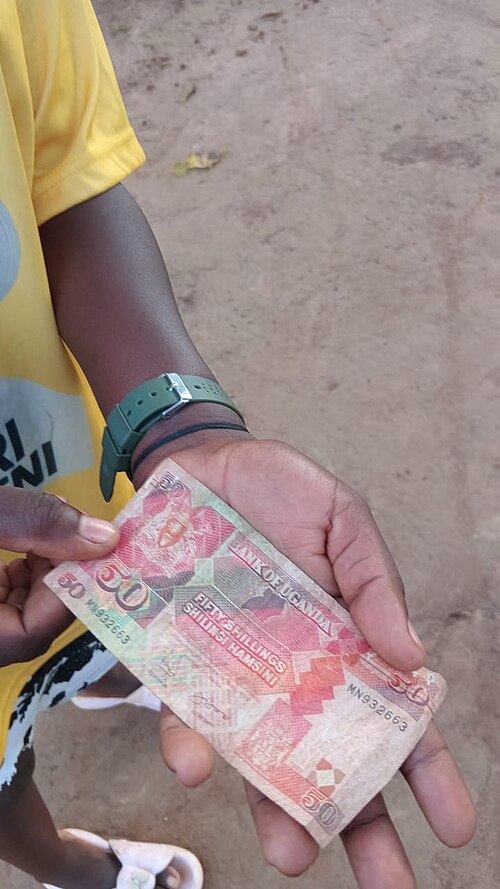 UGX
UGX Uganda
Ugandan shilling
Uganda introduced the shilling in 1966, replacing the East African shilling.
Fun Facts
- The Ugandan shilling has no subunit in everyday use.
- It replaced the East African shilling in 1966.
- The shilling was redenominated in 1987, dropping two zeros.
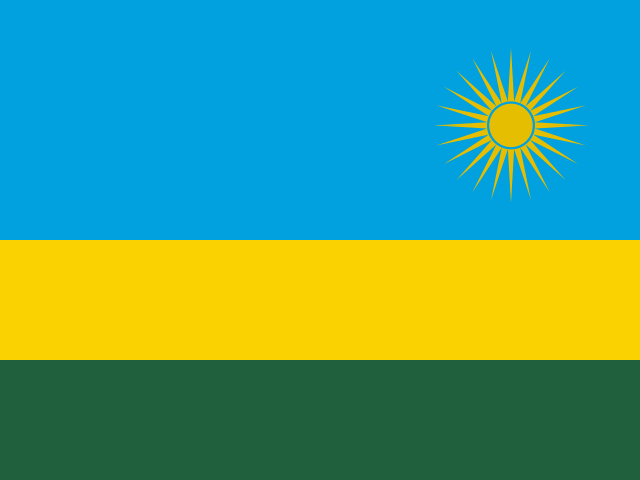 RWF
RWF Rwanda
Rwandan franc
Rwanda has used the Rwandan franc since 1964, after ending a shared currency with Burundi.
Fun Facts
- Rwanda and Burundi once shared a single franc before splitting their currencies.
- The franc is divided into 100 centimes, though these are no longer used.
- Rwanda has discussed joining a planned single currency for the East African Community.
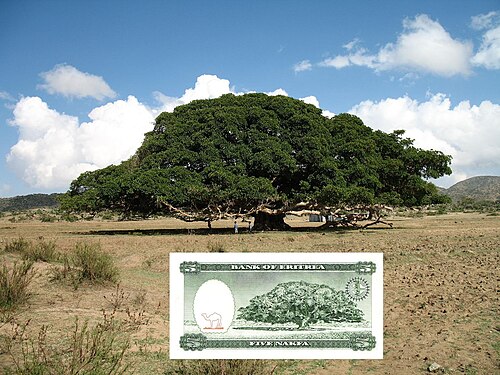 ERN
ERN Eritrea
Eritrean nakfa
Eritrea introduced the nakfa in 1997, a few years after independence from Ethiopia.
Fun Facts
- The nakfa is named after the town of Nakfa, a key site in Eritrea's independence struggle.
- It replaced the Ethiopian birr at par in 1997.
- The nakfa is divided into 100 cents.
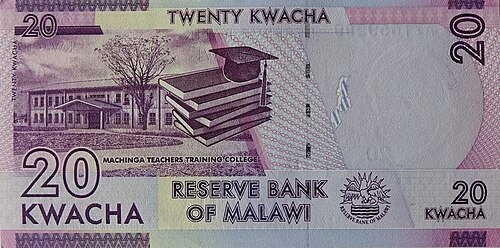 MWK
MWK Malawi
Malawian kwacha
Malawi adopted the kwacha in 1971, replacing the Malawian pound.
Fun Facts
- Kwacha means dawn in the Chichewa and Bemba languages.
- Zambia also has a currency called the kwacha, but it is separate from Malawi's.
- The kwacha is divided into 100 tambala.
Quick Reference
Algeria 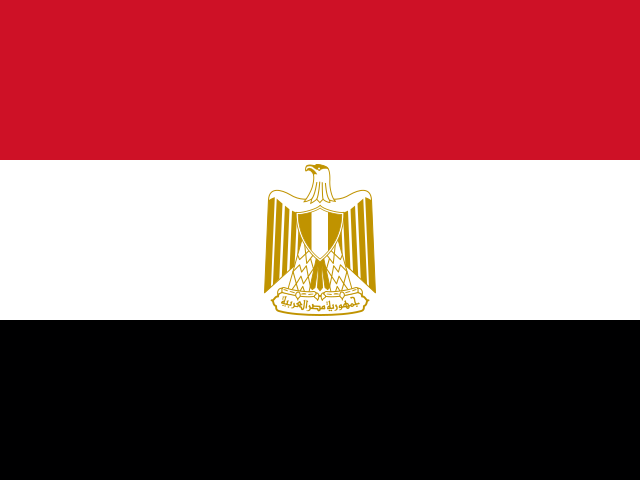 Egypt
Egypt  Libya
Libya  Morocco
  Tunisia
  Mauritania
  Nigeria
  Ghana
Ghana 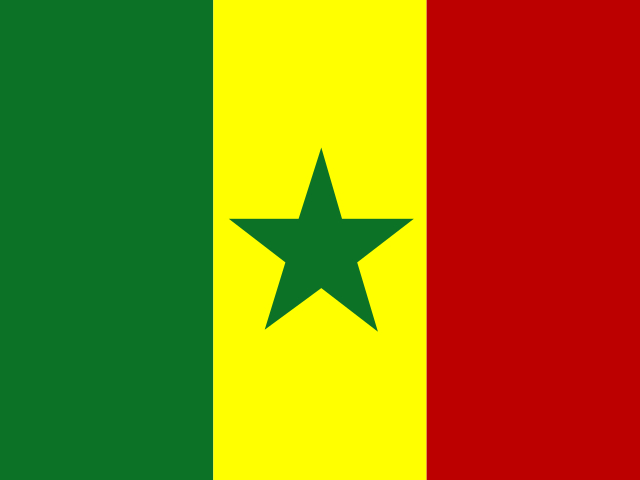 Senegal
  Mali
Mali  Côte d'Ivoire
  Niger Cameroon
  DR Congo Republic of the Congo
  Angola Chad Gabon
  Ethiopia
  Kenya
Kenya 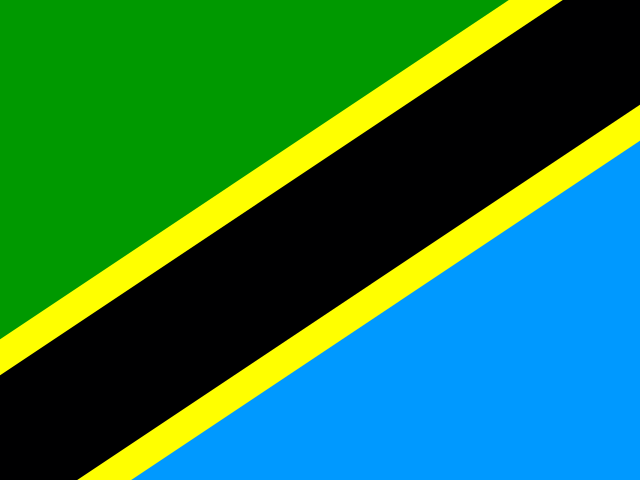 Tanzania Sudan South Sudan Somalia
  Madagascar Mozambique
 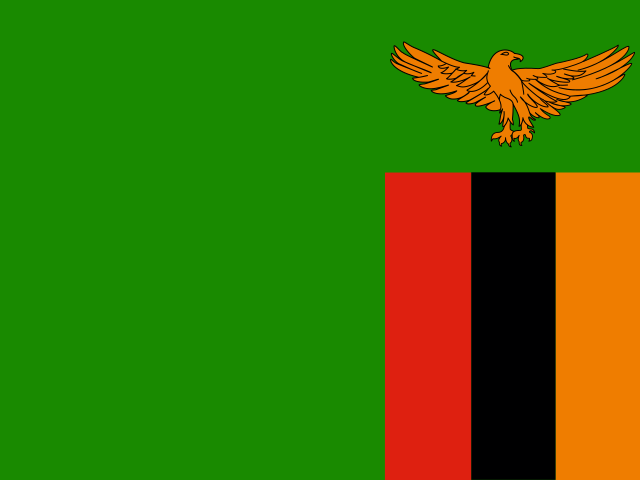 Zambia
 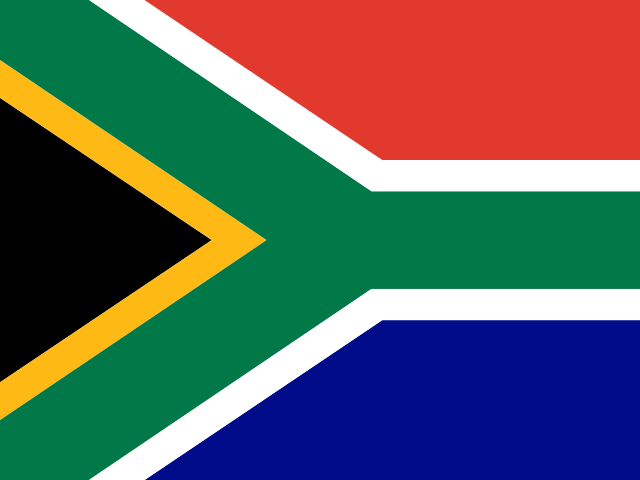 South Africa Namibia Botswana Zimbabwe Eswatini Lesotho
 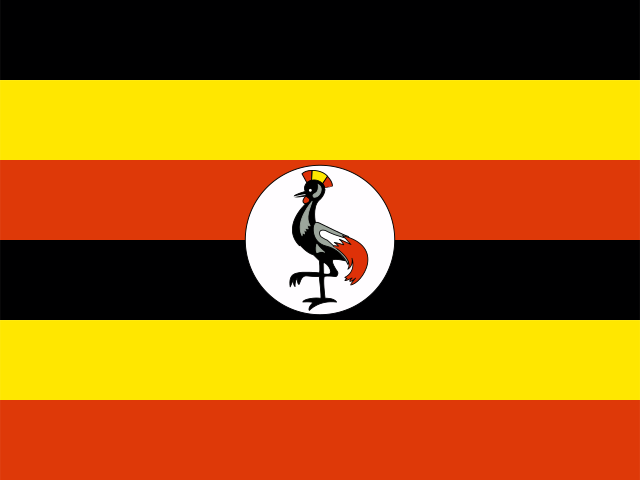 Uganda Rwanda
 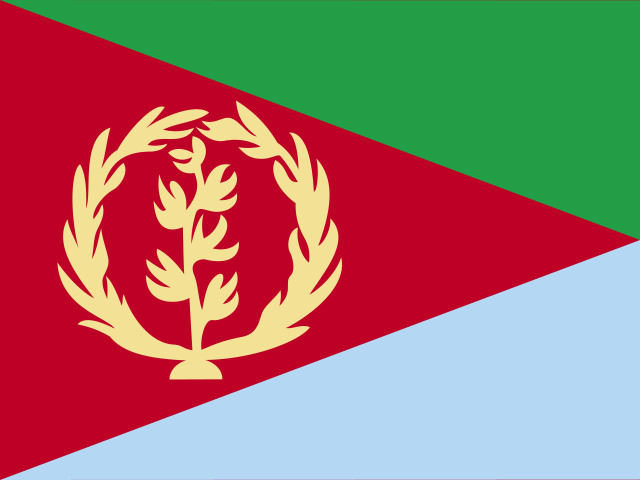 Eritrea
  Malawi
 Test Your Knowledge
Can you match each country to its currency?
Practice with Games
Ready to test what you learned? Jump into a game and put it into practice.
About African Currencies
Africa is home to more than 40 currencies, but a few stand out. The two CFA francs are the most widely shared: the West African CFA franc (XOF) is used by eight countries and the Central African CFA franc (XAF) by six, and both are pegged to the euro at a fixed rate. The South African rand (ZAR) anchors a small monetary area in the south, where it is also legal tender in Lesotho, Eswatini and Namibia, each of which keeps its own currency pegged to the rand. Other major currencies include the Nigerian naira, the Egyptian pound, the Kenyan shilling, the Ethiopian birr, the Moroccan dirham and the Ghanaian cedi. Learning these currencies, their ISO codes and symbols makes travelling, trading and reading the news across Africa far easier.
Frequently Asked Questions
How many currencies are used in Africa?
Africa has more than 40 different currencies. Some are shared, most notably the two CFA francs used by fourteen countries between them, while large economies such as Nigeria, Egypt, South Africa, Kenya and Morocco each have their own.
Which African countries use the CFA franc?
There are two CFA francs. The West African CFA franc (XOF) is used by Benin, Burkina Faso, Ivory Coast, Guinea-Bissau, Mali, Niger, Senegal and Togo. The Central African CFA franc (XAF) is used by Cameroon, the Central African Republic, Chad, the Republic of the Congo, Equatorial Guinea and Gabon. Both are pegged to the euro.
What is the currency of Nigeria?
Nigeria uses the naira (NGN), introduced in 1973 to replace the Nigerian pound. A naira is divided into 100 kobo, and its symbol is ₦. It is the currency of Africa's most populous country.
Where is the South African rand used besides South Africa?
The South African rand (ZAR) is legal tender not only in South Africa but also in Lesotho, Eswatini and Namibia. Each of those three countries also has its own currency, the loti, the lilangeni and the Namibian dollar, pegged one to one with the rand.
Banknote images via Wikimedia Commons: EGP (AmrAmin, CC BY-SA 4.0) · LYD (Waves of Editing, CC BY-SA 4.0) · MAD (Michelle Ward, CC BY 2.0) · TND (DrRachT, CC BY-SA 4.0) · MRU (Nippon 725, CC BY-SA 4.0) · NGN (FAdelabu, CC BY-SA 4.0) · GHS (Nora Morgan, CC BY 2.0) · XOF (Houss 2020, CC0) · CDF (Unknown authorUnknown author, CC0) · AOA (Unknown authorUnknown author, CC0) · ETB (Flosegura, CC0) · KES (Jlewistexas, CC BY-SA 4.0) · TZS (Plouf250, CC BY-SA 4.0) · MGA (Zanahary, CC0) · ZMW (Forextime.com, CC BY 2.0) · ZAR (Rijksmuseum, CC0) · UGX (Nabunje Leticia, CC BY-SA 4.0) · ERN (NoahHafra, CC BY-SA 3.0) · MWK (Ahandrich, CC0)