
Learn the Currencies of Asia
Asia is the largest and most populous continent, and it uses a huge range of currencies. From the Chinese yuan and Japanese yen to the Indian rupee, the Saudi riyal and the many currencies of Central Asia, no other region offers such variety. This lesson covers the currency of 35 Asian countries, with each currency code, symbol and the year it came into use.
Study the Currencies
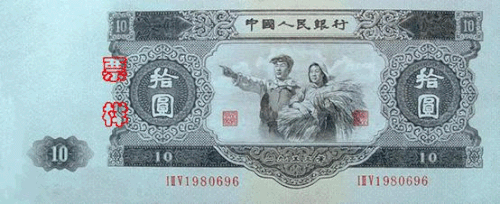 CNY
CNY China
Renminbi (yuan)
China uses the renminbi, whose basic unit is the yuan; the renminbi was first issued in 1948.
Fun Facts
- Renminbi means people's currency, while yuan is the name of the unit you actually count.
- A yuan is divided into 10 jiao, and a jiao into 10 fen.
- The renminbi is also nicknamed the kuai in everyday speech.
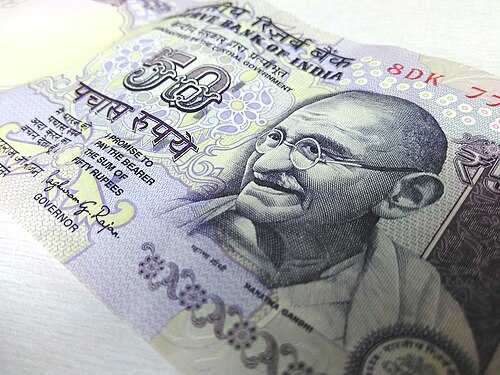 INR
INR India
Indian rupee
India uses the rupee; the modern decimal rupee of 100 paise was introduced in 1957.
Fun Facts
- The rupee symbol ₹ was officially adopted in 2010 and blends the Latin R with the Devanagari letter ra.
- The word rupee comes from the Sanskrit rupya, meaning wrought silver.
- A rupee is divided into 100 paise.
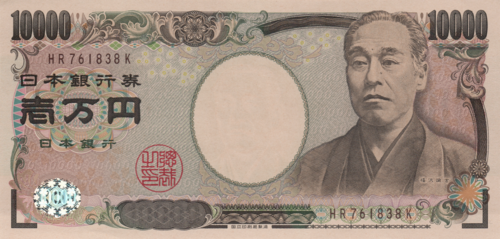 JPY
JPY Japan
Japanese yen
Japan has used the yen since 1871, when it replaced the complex feudal-era money system.
Fun Facts
- Yen means round object, a reference to the shape of coins.
- The yen is the third most traded currency in the world after the US dollar and the euro.
- The yen has no subunit in everyday use today, though it was historically divided into sen.
 KRW
KRW South Korea
South Korean won
South Korea uses the won, reintroduced in 1962 to replace the hwan.
Fun Facts
- The won shares its name and ₩ symbol with the North Korean won, but they are separate currencies.
- The name won, like the Chinese yuan and Japanese yen, comes from a word meaning round.
- The won has no subunit in everyday use.
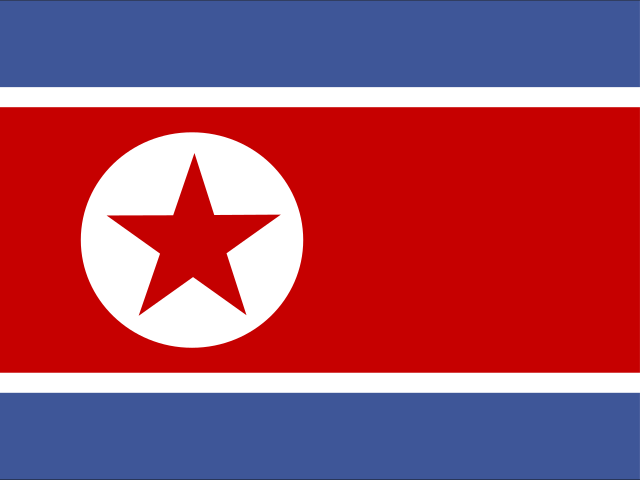 KPW
KPW North Korea
North Korean won
North Korea uses its own won, first issued in 1947 and entirely separate from the South Korean won.
Fun Facts
- North Korea redenominated the won in 2009, knocking two zeros off prices.
- A won is officially divided into 100 chon.
- The North and South Korean won share a name but are not interchangeable.
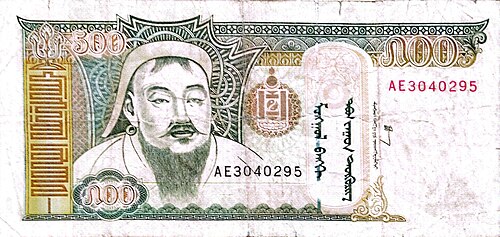 MNT
MNT Mongolia
Mongolian tugrik
Mongolia has used the tugrik since 1925.
Fun Facts
- Tugrik means circle or round, again referring to the shape of coins.
- A tugrik is officially divided into 100 mongo, though mongo are no longer used.
- The tugrik was one of the first currencies issued in the region in the modern era.
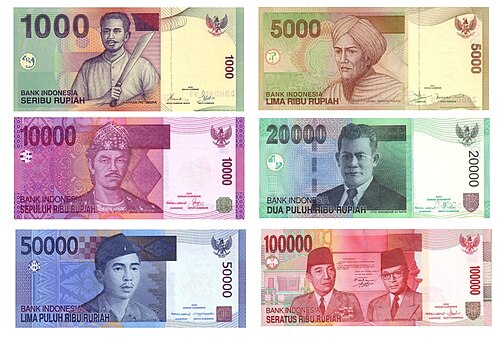 IDR
IDR Indonesia
Indonesian rupiah
Indonesia introduced the rupiah in 1946, shortly after declaring independence.
Fun Facts
- The name rupiah, like the Indian rupee, comes from the Sanskrit word for silver.
- A rupiah is officially divided into 100 sen, but sen are no longer in use.
- Everyday prices in Indonesia often run to thousands or millions of rupiah.
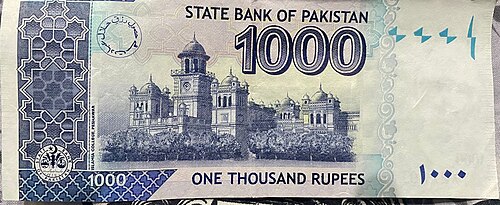 PKR
PKR Pakistan
Pakistani rupee
Pakistan introduced its own rupee in 1948, after independence from British India.
Fun Facts
- The Pakistani rupee replaced the Indian rupee that circulated before partition.
- A rupee is divided into 100 paisa, though paisa coins have largely disappeared.
- It shares the rupee name with several other South Asian currencies.
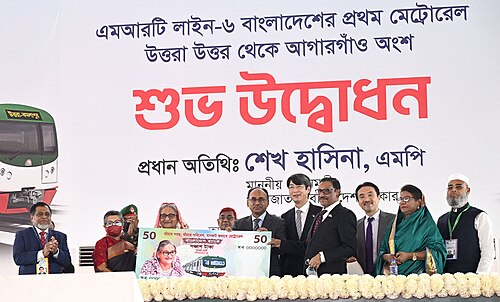 BDT
BDT Bangladesh
Bangladeshi taka
Bangladesh introduced the taka in 1972, the year after independence.
Fun Facts
- The word taka comes from a historic term for silver coins used across the region.
- A taka is divided into 100 poisha.
- The taka symbol ৳ is a letter from the Bengali script.
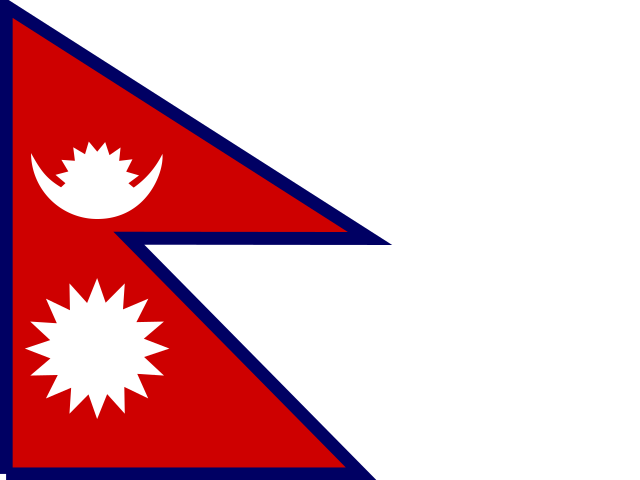
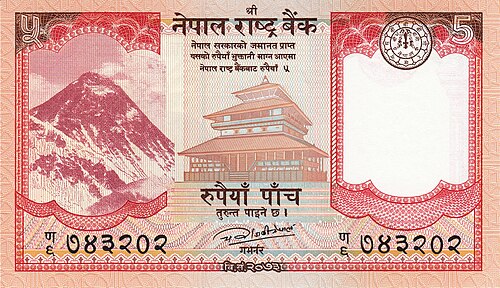 NPR
NPR Nepal
Nepalese rupee
Nepal uses the rupee, introduced in 1932 to replace the older silver mohar.
Fun Facts
- The Nepalese rupee is pegged to the Indian rupee at a fixed rate.
- A rupee is divided into 100 paisa.
- The currency is sometimes locally called the rupaiya.
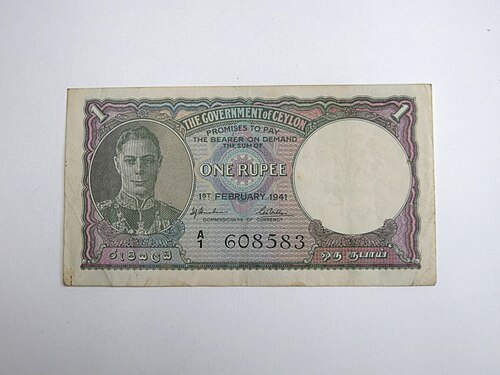 LKR
LKR Sri Lanka
Sri Lankan rupee
Sri Lanka has used the rupee since 1872, when it was still known as Ceylon.
Fun Facts
- The currency was once called the Ceylon rupee, after the island's former name.
- A rupee is divided into 100 cents.
- It is one of several South Asian currencies that share the rupee name.
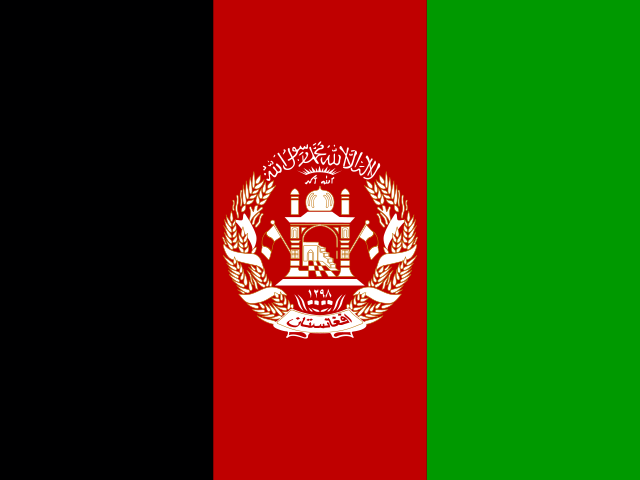
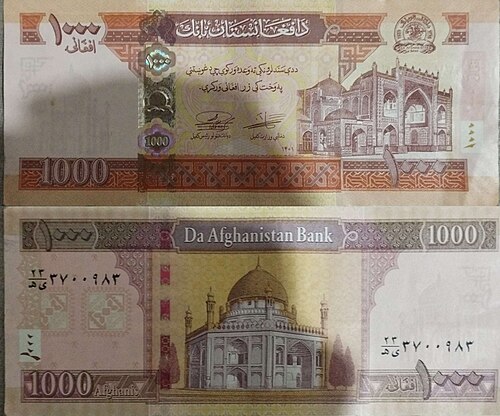 AFN
AFN Afghanistan
Afghan afghani
Afghanistan reissued the afghani in 2002, replacing earlier banknotes at a large ratio.
Fun Facts
- The afghani was first introduced in 1925 and reformed in 2002.
- The 2002 reform swapped 1,000 old afghani for 1 new afghani.
- An afghani is divided into 100 pul.
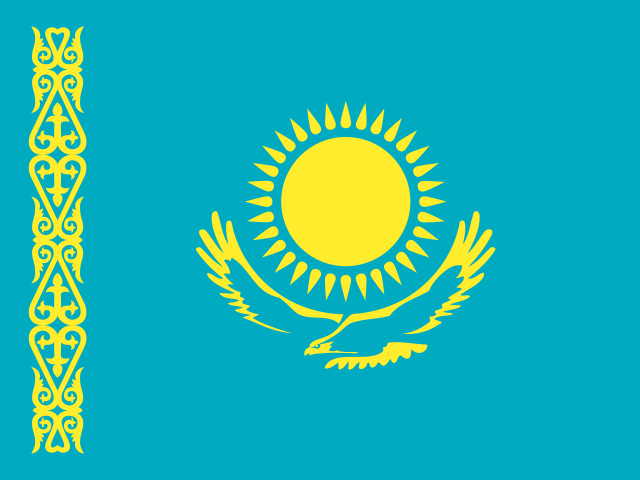
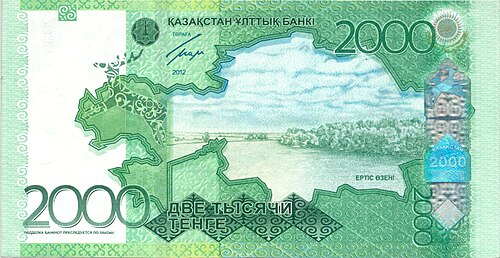 KZT
KZT Kazakhstan
Kazakhstani tenge
Kazakhstan introduced the tenge in 1993 to replace the Soviet ruble.
Fun Facts
- The word tenge comes from a medieval term for scales or a small coin.
- The tenge symbol ₸ was adopted in 2007 after a public design contest.
- A tenge is divided into 100 tiyn.
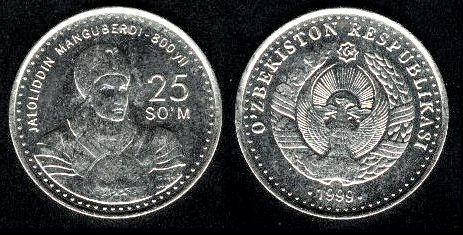 UZS
UZS Uzbekistan
Uzbekistani som
Uzbekistan introduced the som in 1994 to replace the Soviet ruble.
Fun Facts
- Som means pure in several Turkic languages, a reference to pure precious metal.
- A som is divided into 100 tiyin, though tiyin are no longer used.
- The name is shared with the Kyrgyz som, but they are separate currencies.
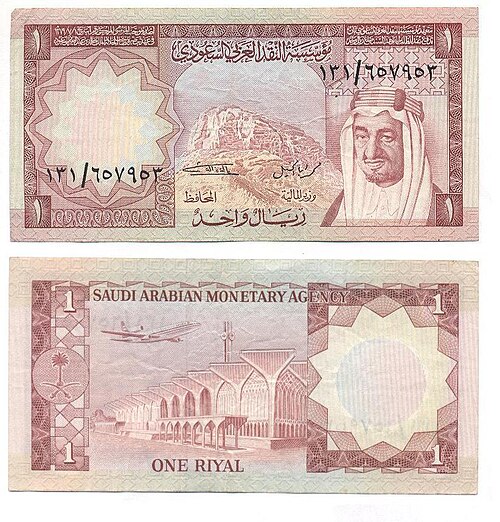 SAR
SAR Saudi Arabia
Saudi riyal
Saudi Arabia uses the riyal, which has been pegged to the US dollar for decades.
Fun Facts
- The word riyal comes from the Spanish real, once a widely traded silver coin.
- A riyal is divided into 100 halalas.
- The Saudi riyal is firmly pegged to the US dollar.
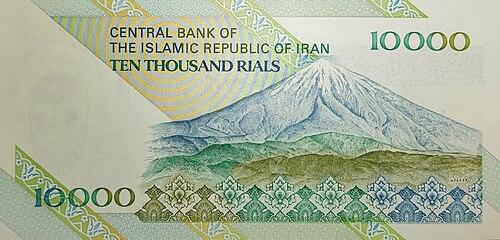 IRR
IRR Iran
Iranian rial
Iran uses the rial, though people commonly quote prices in tomans, equal to 10 rials.
Fun Facts
- In everyday life Iranians count in tomans, where 1 toman equals 10 rials.
- The rial has been one of the lowest-valued currency units in the world.
- The name rial, like the Saudi riyal, traces back to the Spanish real.
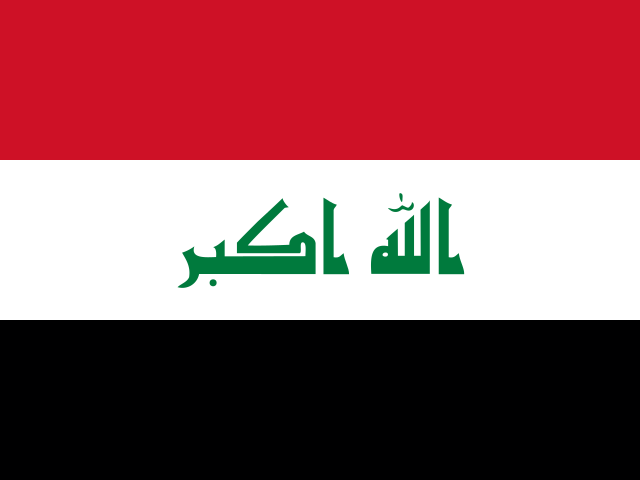 IQD
IQD Iraq
Iraqi dinar
Iraq has used the dinar since 1932, when it replaced the Indian rupee.
Fun Facts
- The dinar takes its name from the ancient Roman denarius.
- A dinar is officially divided into 1,000 fils.
- The dinar replaced the Indian rupee that had circulated under British administration.
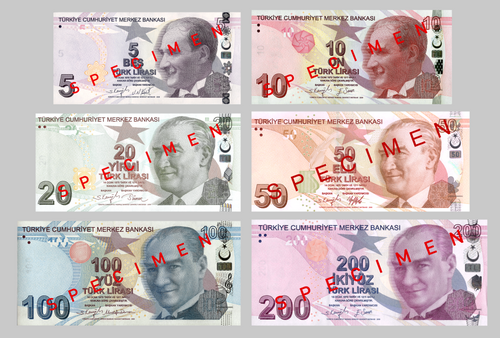 TRY
TRY Turkey
Turkish lira
Turkey introduced the new lira in 2005, knocking six zeros off the old currency.
Fun Facts
- The 2005 reform swapped 1,000,000 old lira for 1 new lira.
- The lira symbol ₺ was introduced in 2012 after a national design contest.
- The word lira comes from the Latin libra, like the British pound and Italian lira.
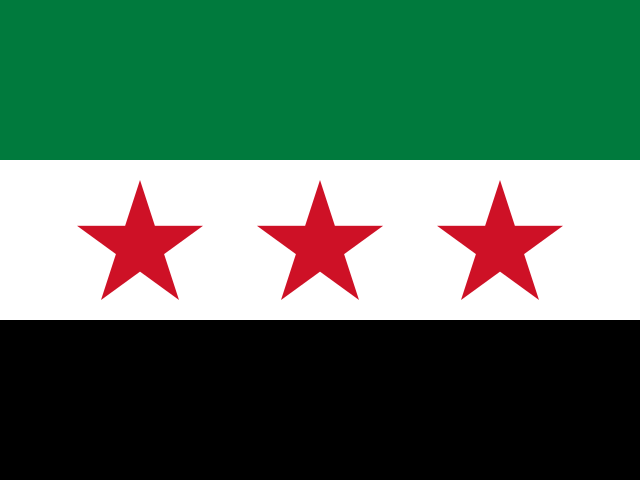 SYP
SYP Syria
Syrian pound
Syria uses the pound, first introduced in 1919 under the French mandate.
Fun Facts
- The Syrian pound is also known by its French and Arabic name, the livre.
- A pound is divided into 100 piastres.
- The pound has lost much of its value during recent years of conflict.
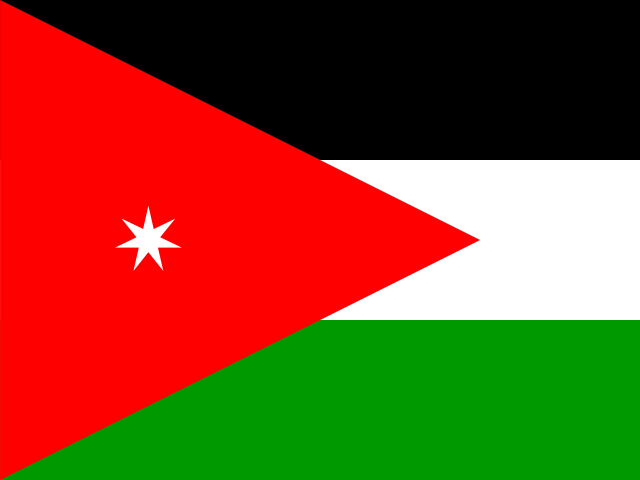 JOD
JOD Jordan
Jordanian dinar
Jordan introduced the dinar in 1950, replacing the Palestine pound.
Fun Facts
- A dinar is divided into 1,000 fils, and also into 100 qirsh.
- The Jordanian dinar is pegged to the US dollar.
- The dinar replaced the Palestine pound that previously circulated.
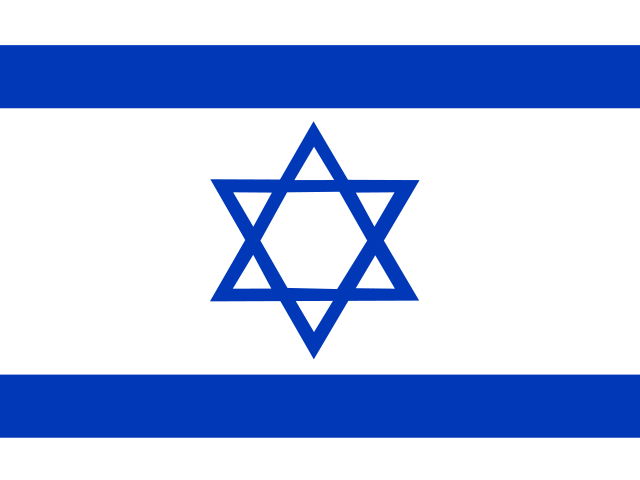 ILS
ILS Israel
Israeli new shekel
Israel introduced the new shekel in 1986 to replace the old shekel after high inflation.
Fun Facts
- Shekel is an ancient unit of weight mentioned in the Hebrew Bible.
- The 1986 reform swapped 1,000 old shekels for 1 new shekel.
- A new shekel is divided into 100 agorot.
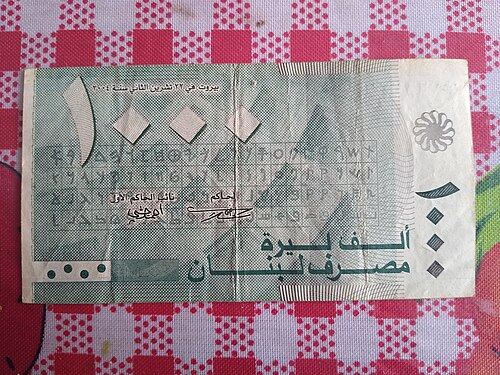 LBP
LBP Lebanon
Lebanese pound
Lebanon uses the pound, also called the livre, introduced in 1939.
Fun Facts
- The Lebanese pound is also known by its French name, the livre libanaise.
- A pound is officially divided into 100 piastres.
- The pound lost much of its value during the country's recent financial crisis.
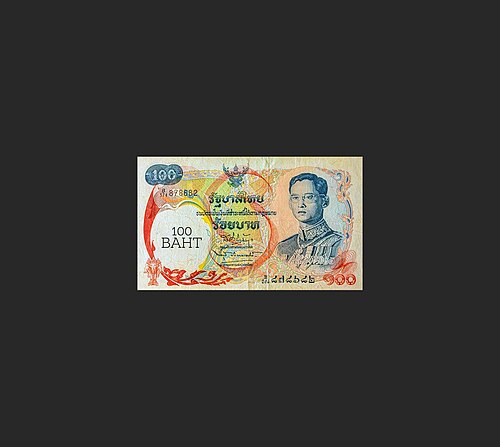 THB
THB Thailand
Thai baht
Thailand has used the baht in its modern form since 1897.
Fun Facts
- The baht was originally a unit of weight for silver and gold.
- A baht is divided into 100 satang.
- Gold is still sometimes sold by the baht as a unit of weight in Thailand.
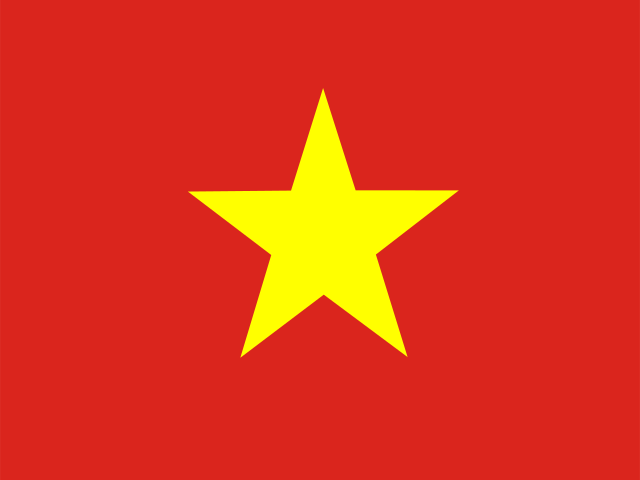 VND
VND Vietnam
Vietnamese dong
Vietnam introduced the unified dong in 1978, after the country was reunified.
Fun Facts
- The word dong comes from a term for bronze, an old coin metal.
- The dong is one of the lowest-valued currency units in the world.
- A dong is officially divided into 10 hao, though hao are no longer used.
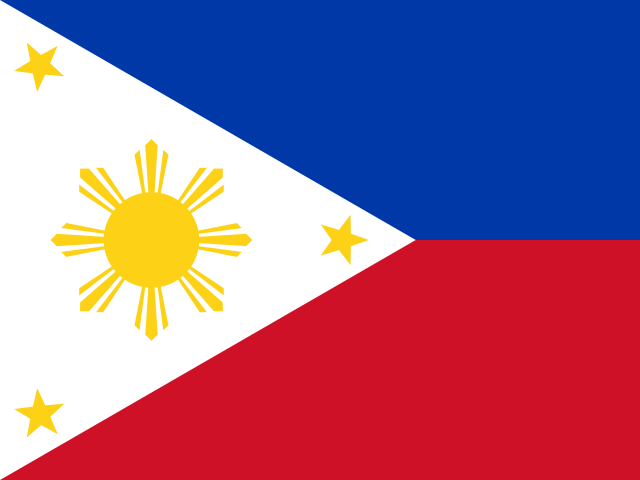 PHP
PHP Philippines
Philippine peso
The Philippines uses the peso, with the central bank established in 1949.
Fun Facts
- The peso symbol ₱ uses a P with two horizontal strokes.
- A peso is divided into 100 centavos, locally called sentimo.
- The currency reflects the country's long Spanish colonial history.
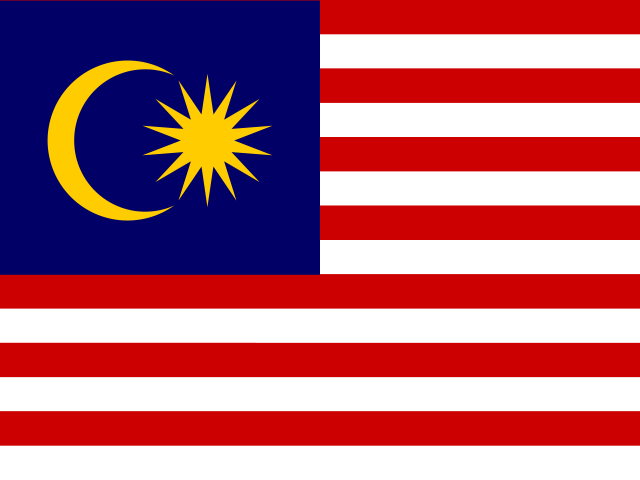 MYR
MYR Malaysia
Malaysian ringgit
Malaysia's currency was officially named the ringgit in 1975.
Fun Facts
- Ringgit means jagged in Malay, describing the milled edges of old silver coins.
- A ringgit is divided into 100 sen.
- The currency is written with the abbreviation RM, for Ringgit Malaysia.
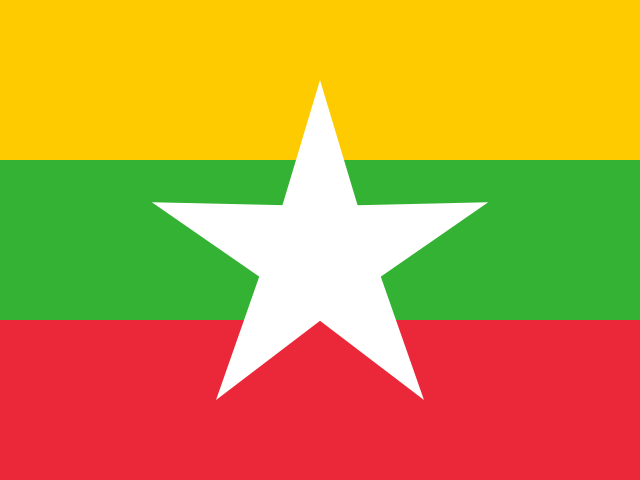 MMK
MMK Myanmar
Burmese kyat
Myanmar uses the kyat, reintroduced in 1952.
Fun Facts
- The kyat was historically a unit of weight for gold and silver.
- A kyat is divided into 100 pyas.
- Myanmar once issued unusual banknotes in denominations like 45 and 90 kyat.
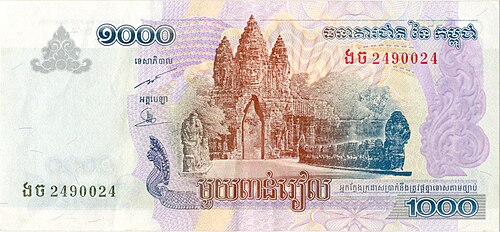 KHR
KHR Cambodia
Cambodian riel
Cambodia reintroduced the riel in 1980, after currency had been abolished under the Khmer Rouge.
Fun Facts
- Money was completely abolished in Cambodia from 1975 to 1980 under the Khmer Rouge.
- The US dollar circulates widely alongside the riel in everyday transactions.
- A riel is divided into 100 sen.
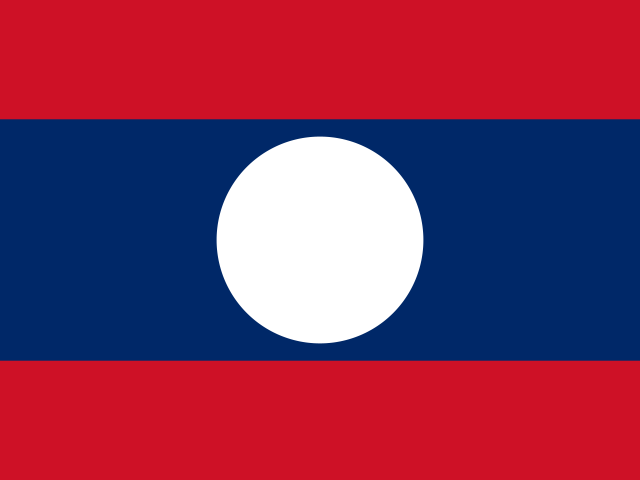 LAK
LAK Laos
Lao kip
Laos has used the kip since 1955.
Fun Facts
- The word kip comes from a Lao term meaning ingot.
- A kip is officially divided into 100 att, though att are no longer used.
- The kip is one of the lower-valued currency units in Asia.
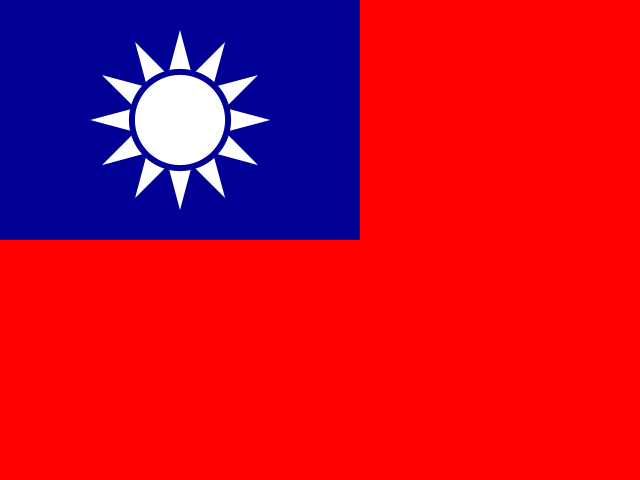 TWD
TWD Taiwan
New Taiwan dollar
Taiwan introduced the New Taiwan dollar in 1949.
Fun Facts
- The New Taiwan dollar is abbreviated NT$ to distinguish it from other dollars.
- It replaced the old Taiwan dollar at a rate of 40,000 to 1 in 1949.
- A dollar is divided into 100 cents, though cents are rarely used.
 GEL
GEL Georgia
Georgian lari
Georgia introduced the lari in 1995 to replace the temporary coupon currency.
Fun Facts
- Lari is an old Georgian word for hoard or property.
- The lari symbol ₾ was adopted in 2014.
- A lari is divided into 100 tetri.
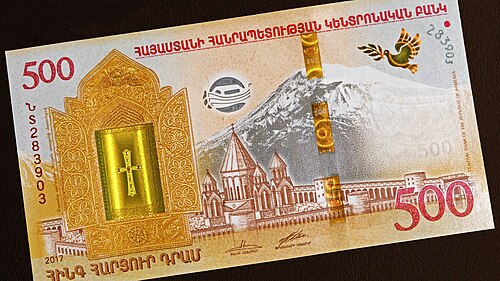 AMD
AMD Armenia
Armenian dram
Armenia introduced the dram in 1993 to replace the Soviet ruble.
Fun Facts
- The word dram means money and is related to the Greek drachma.
- The dram symbol ֏ is a letter from the Armenian alphabet.
- A dram is divided into 100 luma.
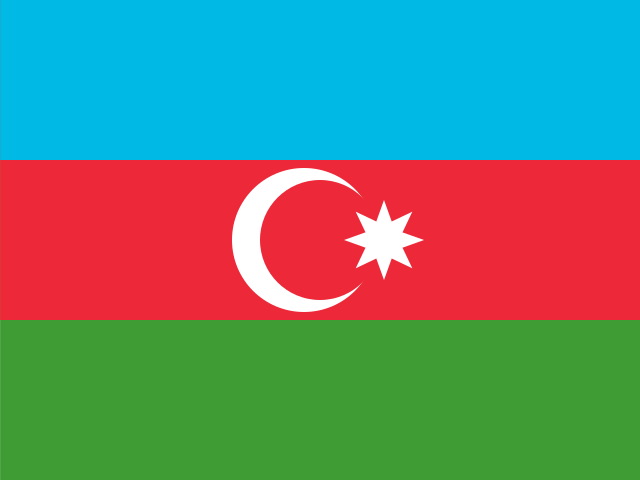 AZN
AZN Azerbaijan
Azerbaijani manat
Azerbaijan introduced the manat in 1992 and redenominated it in 2006.
Fun Facts
- The word manat comes from the Russian moneta, meaning coin.
- The 2006 reform swapped 5,000 old manat for 1 new manat.
- A manat is divided into 100 qapik.
 AED
AED United Arab Emirates
UAE dirham
The United Arab Emirates introduced the dirham in 1973, two years after the federation formed.
Fun Facts
- The word dirham comes from the ancient Greek drachma.
- A dirham is divided into 100 fils.
- The UAE dirham is pegged to the US dollar.
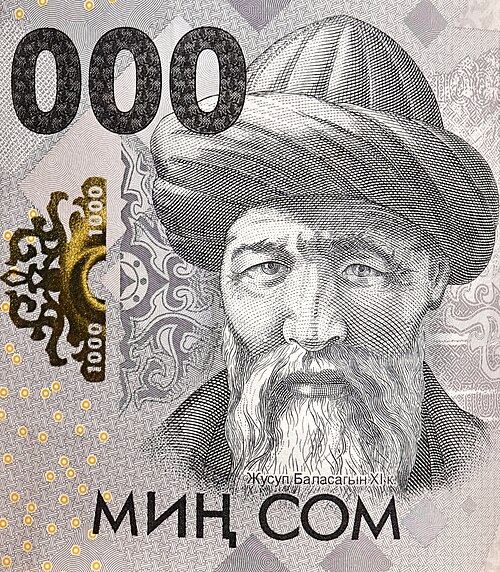 KGS
KGS Kyrgyzstan
Kyrgyzstani som
Kyrgyzstan introduced the som in 1993, one of the first former Soviet states to launch its own currency.
Fun Facts
- Som means pure in Turkic languages, referring to pure metal.
- Kyrgyzstan was among the earliest post-Soviet states to issue its own money.
- A som is divided into 100 tyiyn.
Quick Reference
 China
China  India
India  Japan South Korea North Korea
  Mongolia
  Indonesia
  Pakistan
  Bangladesh
  Nepal
Nepal 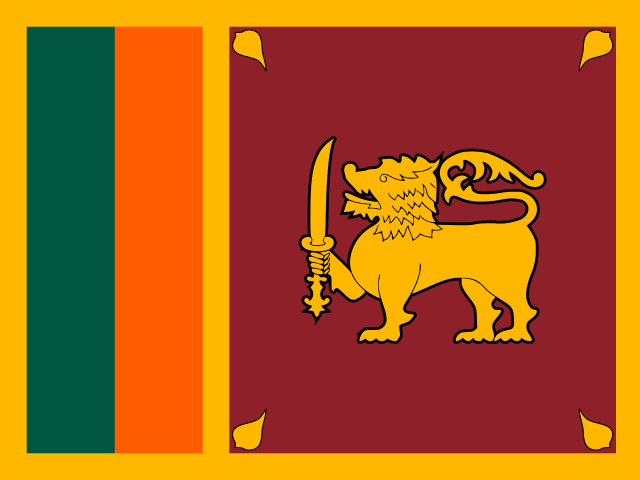 Sri Lanka
  Afghanistan
  Kazakhstan
 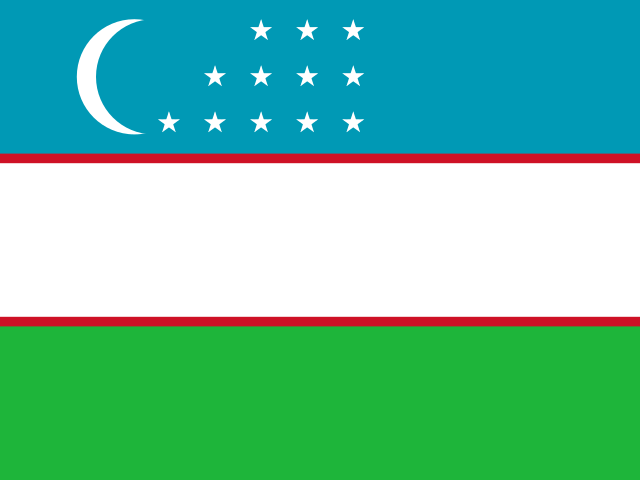 Uzbekistan
 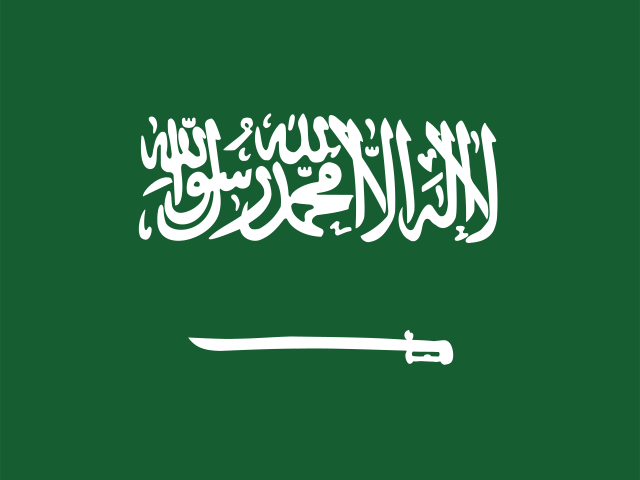 Saudi Arabia
 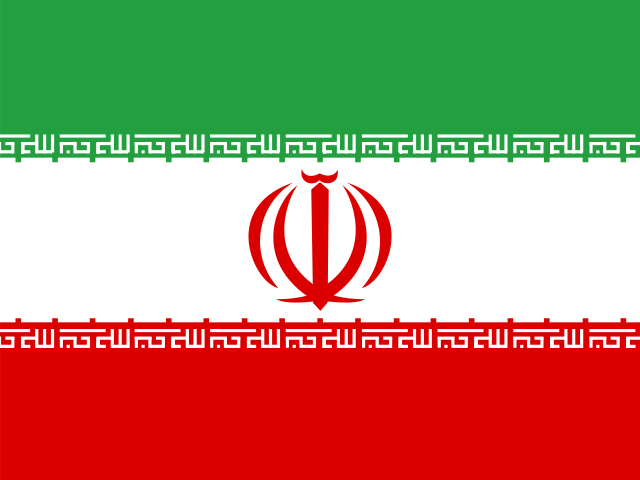 Iran Iraq
 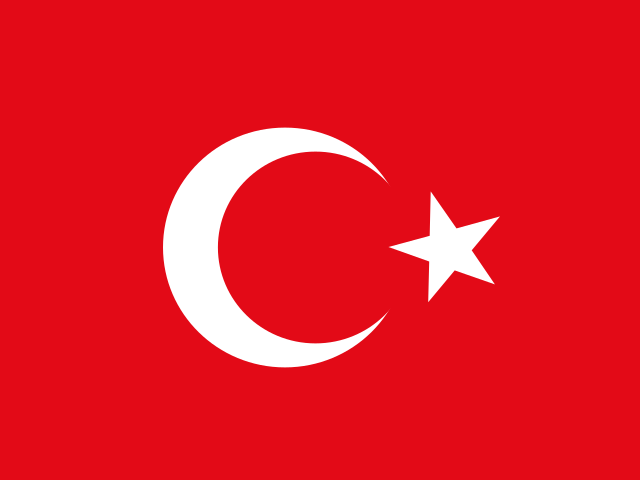 Turkey Syria Jordan Israel
 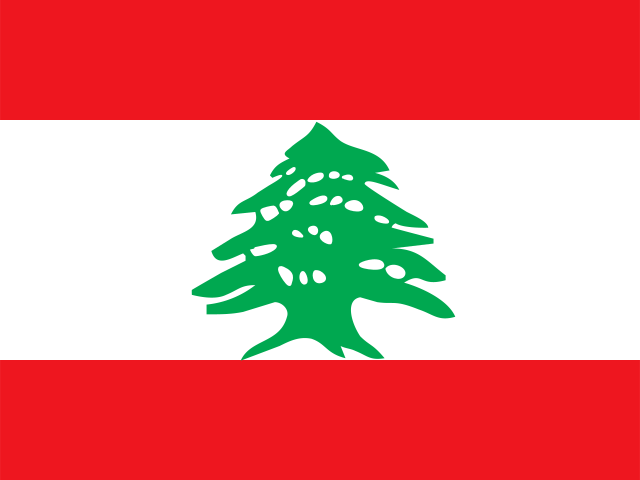 Lebanon
 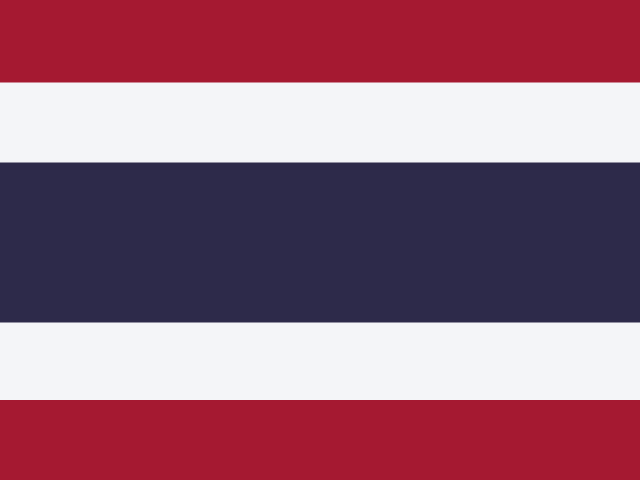 Thailand Vietnam Philippines Malaysia Myanmar
 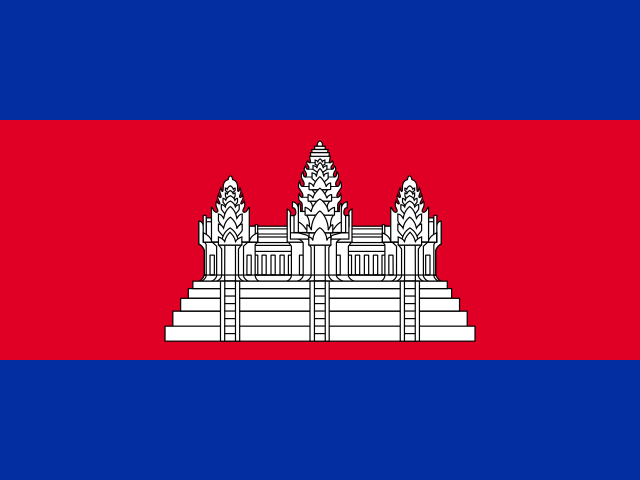 Cambodia Laos Taiwan Georgia
 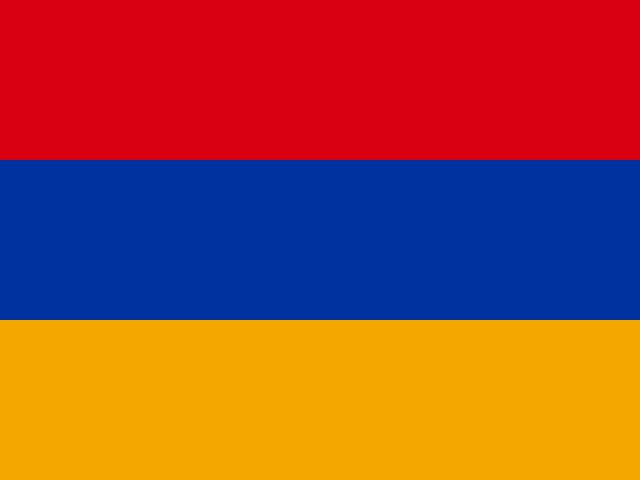 Armenia Azerbaijan United Arab Emirates
 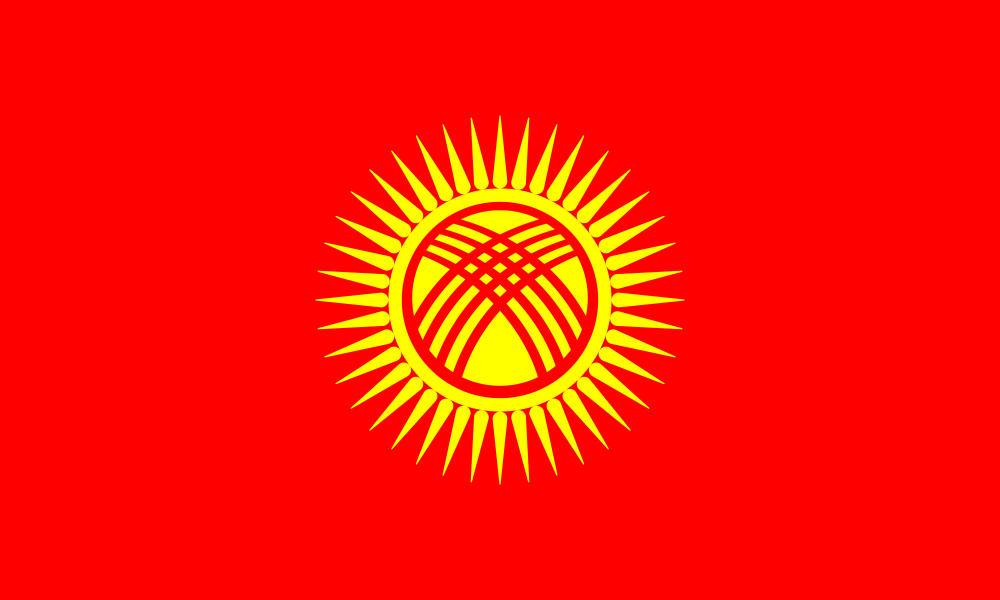 Kyrgyzstan
 Test Your Knowledge
Can you match each country to its currency?
Practice with Games
Ready to test what you learned? Jump into a game and put it into practice.
About Asian Currencies
Asia is the largest continent and home to an enormous range of currencies. East Asia is dominated by the Chinese renminbi (yuan), the Japanese yen and the South and North Korean won. South Asia shares the rupee in several forms across India, Pakistan, Nepal and Sri Lanka, alongside the Bangladeshi taka. Southeast Asia mixes the Indonesian rupiah, Thai baht, Vietnamese dong, Philippine peso, Malaysian ringgit, Burmese kyat, Cambodian riel and Lao kip. The Middle East favours the riyal, rial, dinar and dirham, while the post-Soviet states of Central Asia and the Caucasus use the tenge, som, manat, lari and dram. Several names share roots: the rupee and rupiah both come from a word for silver, while the dinar, dirham and dram trace back to ancient Roman and Greek coins. Learning these currencies, their ISO codes and symbols makes travel, trade and reading the news across Asia far easier.
Frequently Asked Questions
How many currencies are used in Asia?
There is no single Asian currency. Almost every country has its own, from the Chinese yuan, Japanese yen and Indian rupee to the Saudi riyal, Thai baht and Kazakhstani tenge. This lesson covers the currencies of 35 major Asian countries.
What is the currency of China?
China uses the renminbi, whose basic unit is the yuan, with the ISO code CNY and the symbol ¥. Renminbi means people's currency, while yuan is the name of the unit people count in.
Why do several Asian countries use the rupee?
India, Pakistan, Nepal and Sri Lanka all use a currency called the rupee, whose name comes from the Sanskrit word for silver. They are separate currencies with different values and ISO codes (INR, PKR, NPR and LKR), reflecting the region's shared history.
Which Asian currencies are pegged to the US dollar?
Several Middle Eastern currencies are pegged to the US dollar, including the Saudi riyal (SAR), the UAE dirham (AED) and the Jordanian dinar (JOD), which keeps their exchange rates stable against the dollar.
Banknote images via Wikimedia Commons: CNY (People's Bank of China, Public domain) · INR (Sohel Patel, CC0) · JPY (Nippon Ginko, Government of Japan, Public domain) · MNT (Cnanie, CC BY-SA 4.0) · IDR (EvanC0912, Public domain) · PKR (Saadkhan12345, CC BY-SA 4.0) · BDT (Press Information Department, Public domain) · NPR (Aayush.5466, CC BY 4.0) · LKR (Wikimedia Commons, CC BY 4.0) · AFN (Sayfullah Al Maslul, CC0) · KZT (National Bank of Kazakhstan, Public domain) · UZS (Don Norris, http://worldcoingallery.com, Public domain) · SAR (Attila2000 Emilio Nardelli, Public domain) · IRR (Parsa 2au, Public domain) · TRY (Randam, Public domain) · LBP (Grachifan, CC BY-SA 4.0) · THB (Bank of Thailand, CC BY-SA 4.0) · KHR (Kontrollstellekundl, Copyrighted free use) · AMD (Chi Ho Chan from Hong Kong, CC BY 2.0) · KGS (Maraschino Cherry, CC0)