Learn the Currencies of the Baltic States
The three Baltic states - Estonia, Latvia, and Lithuania - all use the euro. Each kept its own national currency after regaining independence in 1991, then joined the eurozone over five years: Estonia in 2011, Latvia in 2014, and Lithuania in 2015. This lesson covers all three currencies, their shared euro code and symbol, and the kroon, lats, and litas they replaced.
Study the Currencies
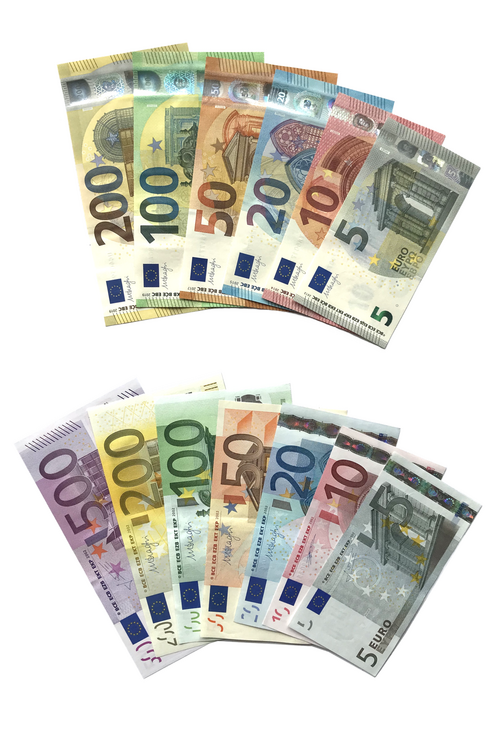 EUR
EUR Estonia
Euro
Estonia adopted the euro in 2011, the first Baltic state to do so, replacing the Estonian kroon.
Fun Facts
- Estonia was the first of the three Baltic states to adopt the euro, joining the eurozone in 2011.
- It replaced the kroon, which had been pegged to the euro before the switch.
- Estonia is known for its highly digital, paperless government and early e-payments.
EUR Latvia
Euro
Latvia adopted the euro in 2014, the second Baltic state to do so, replacing the lats.
Fun Facts
- Latvia joined the eurozone in 2014, between Estonia and Lithuania.
- The lats it replaced was one of the highest-valued currency units in Europe before the switch.
- Latvia joined the EU in 2004, ten years before adopting the euro.
EUR Lithuania
Euro
Lithuania adopted the euro in 2015, the last Baltic state to do so, replacing the litas.
Fun Facts
- Lithuania was the last of the three Baltic states to adopt the euro, joining in 2015.
- It replaced the litas, which had been pegged to the euro before the changeover.
- Lithuania joining completed the euro across all three Baltic countries.
Quick Reference

Test Your Knowledge
Can you match each country to its currency?
Practice with Games
Ready to test what you learned? Jump into a game and put it into practice.
About Baltic States Currencies
All three Baltic states use the euro, but they did not join the eurozone at the same time. After regaining independence in 1991, each country first introduced its own national currency: the kroon in Estonia, the lats in Latvia, and the litas in Lithuania. Over time all three pegged their money to the euro and then adopted it outright. Estonia switched first, in 2011, followed by Latvia in 2014 and Lithuania in 2015. Today a traveller can use the same euro notes and coins across Estonia, Latvia, and Lithuania, with the shared ISO code EUR and the € symbol. Knowing this short history makes it easy to remember which Baltic state did what, and in which year.
Frequently Asked Questions
Do the Baltic states use the euro?
Yes. Estonia, Latvia, and Lithuania all use the euro (EUR, €). They joined the eurozone at different times: Estonia in 2011, Latvia in 2014, and Lithuania in 2015.
Which Baltic state adopted the euro first?
Estonia was the first Baltic state to adopt the euro, joining the eurozone in 2011. Latvia followed in 2014 and Lithuania in 2015.
What currencies did the Baltic states use before the euro?
Before adopting the euro, Estonia used the kroon, Latvia used the lats, and Lithuania used the litas. Each had introduced its own currency after regaining independence in 1991.
When did Lithuania adopt the euro?
Lithuania adopted the euro on 1 January 2015, the last of the three Baltic states to do so, replacing the litas and completing the euro across the entire Baltic region.
Banknote images via Wikimedia Commons: EUR (Bericht, CC0)