Learn the Currencies of the Nordic Countries
The Nordic countries share a common currency name but not a common currency. Denmark, Norway, Sweden and Iceland each keep their own krone or krona - words that all mean crown - while Finland is the only Nordic country to use the euro. This lesson covers the currency of all 5 Nordic countries, with each currency code, symbol and the year it came into use.
Study the Currencies
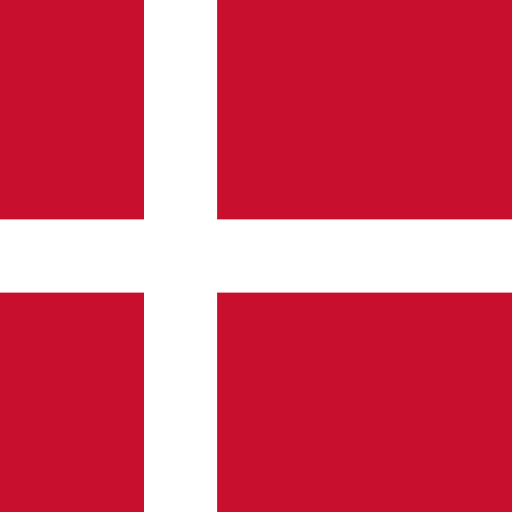
 DKK
DKK Denmark
Danish krone
Denmark uses the krone and has a formal opt-out from joining the euro.
Fun Facts
- Krone means crown in Danish.
- The krone is pegged to the euro within a narrow band, so its value barely moves against it.
- Denmark negotiated an opt-out from the euro, so it can keep the krone indefinitely.
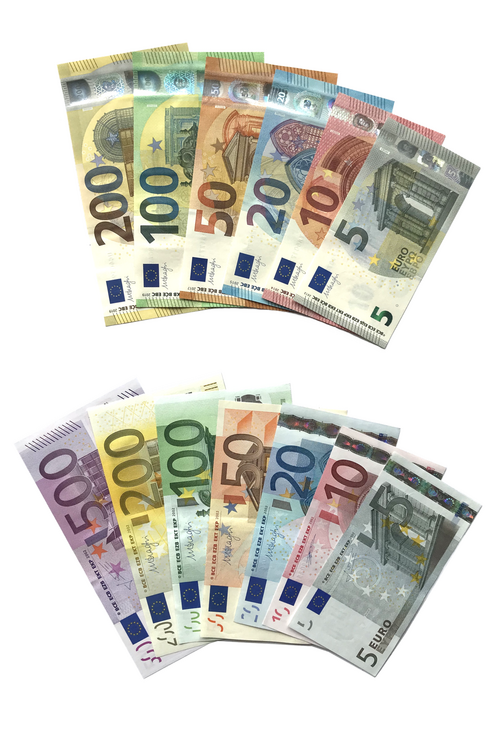 EUR
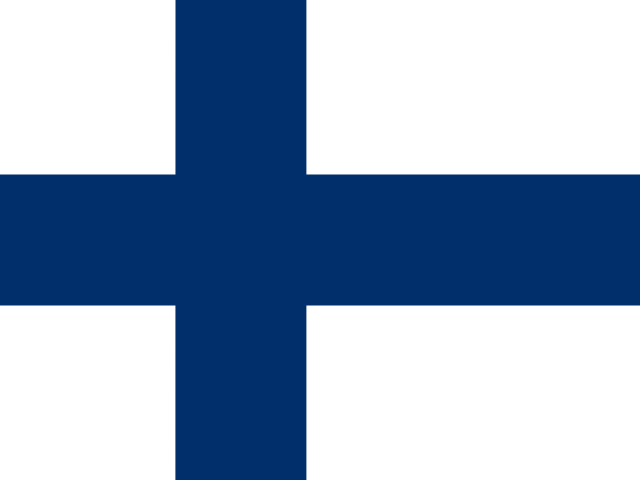
EUR Finland
Euro
Finland is the only Nordic country in the eurozone, having replaced the markka with the euro in 2002.
Fun Facts
- Finland is the only Nordic country that uses the euro.
- It replaced the markka, which had been in use since 1860.
- Finland rounds cash payments to the nearest five cents, so the one and two cent coins are rarely seen.
 ISK
ISK Iceland
Icelandic krona
Iceland uses the krona, a small and historically volatile currency not pegged to the euro.
Fun Facts
- Krona means crown, like the other Nordic currencies.
- Iceland no longer uses any coins or notes worth less than 1 krona.
- The krona is one of the world's smallest independent currencies by total value.
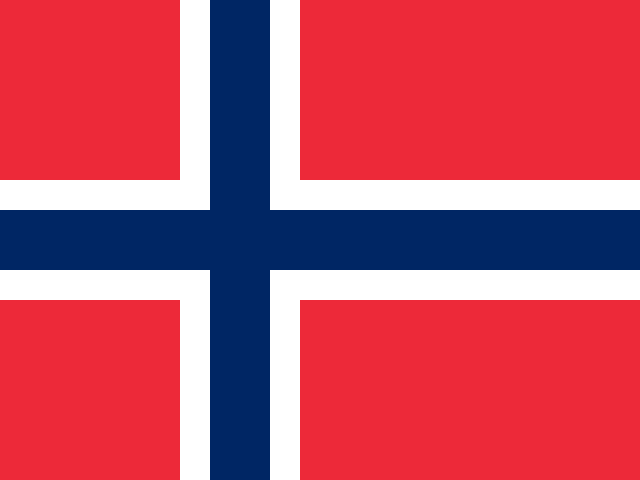 NOK
NOK Norway
Norwegian krone
Norway is not in the EU and keeps the krone, backed by a strong, oil-rich economy.
Fun Facts
- Krone means crown in Norwegian.
- Norway is not a member of the EU, so it never considered adopting the euro.
- Norway runs the world's largest sovereign wealth fund, built on oil and gas revenue.
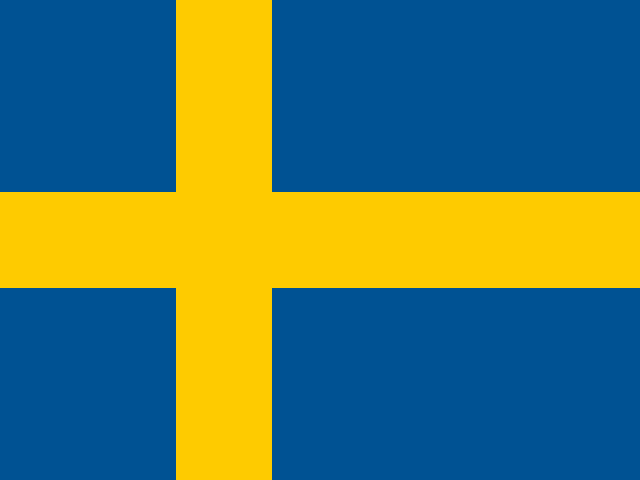 SEK
SEK Sweden
Swedish krona
Sweden is in the EU but has not adopted the euro and keeps the krona.
Fun Facts
- Krona means crown; the plural is kronor.
- Sweden's Riksbank is the oldest central bank in the world.
- Sweden is one of the most cashless societies on Earth, with many shops no longer taking cash.
Quick Reference
Test Your Knowledge
Can you match each country to its currency?
Practice with Games
Ready to test what you learned? Jump into a game and put it into practice.
About Nordic Currencies
The Nordic countries are often grouped together, but their money tells a more divided story. Four of the five - Denmark, Norway, Sweden and Iceland - keep their own currency, and each one is called a krona or krone, words that all mean crown. Only Finland uses the euro, which it adopted in 2002 in place of the markka. The Danish krone is pegged closely to the euro, while the Norwegian krone, Swedish krona and Icelandic krona float freely on the markets. Norway stands apart as the only Nordic country outside the European Union, and Sweden, although an EU member, has chosen not to adopt the euro. Learning these currencies, their ISO codes (DKK, NOK, SEK, ISK and EUR) and the shared kr symbol makes travel and shopping across Scandinavia and the wider Nordic region much easier.
Frequently Asked Questions
Which Nordic countries use the euro?
Only Finland uses the euro. Denmark, Norway, Sweden and Iceland each keep their own national currency, a krona or krone.
What is the difference between a krona and a krone?
They are the same word in different Nordic languages, all meaning crown. Sweden and Iceland use krona, while Denmark and Norway use krone. The plural in Swedish is kronor.
Are the Nordic currencies the same?
No. Although they share the name krona or krone and the kr symbol, the Danish krone (DKK), Norwegian krone (NOK), Swedish krona (SEK) and Icelandic krona (ISK) are separate currencies with different values. They are not interchangeable.
Why does Denmark not use the euro?
Denmark negotiated a formal opt-out from joining the euro, so it keeps the krone. However, the krone is pegged to the euro within a narrow band, so its value stays very stable against it.
Banknote images via Wikimedia Commons: EUR (Bericht, CC0)