Learn the Currencies of Oceania
Oceania spreads across the vast Pacific Ocean, and its money is just as varied. Several small island states use the Australian dollar or the New Zealand dollar instead of issuing their own, while larger nations keep distinctive currencies such as the Papua New Guinea kina, the Fiji dollar and the Samoan tala. This lesson covers the currency of all 14 Oceanian countries, with each currency code, symbol and the year it came into use.
Study the Currencies
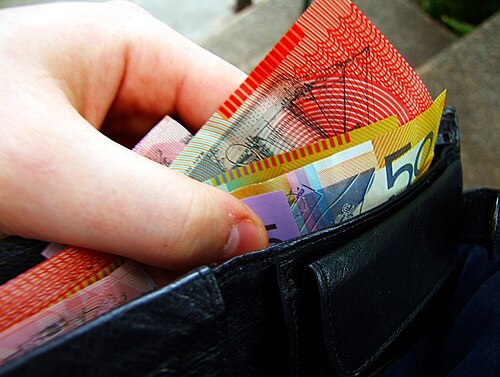 AUD
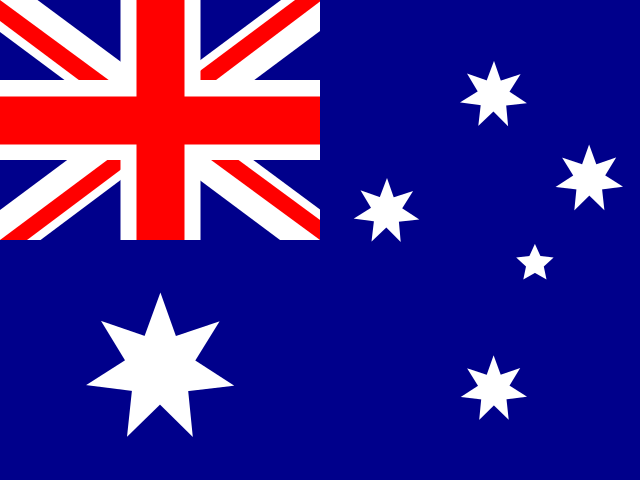
AUD Australia
Australian dollar
Australia introduced the decimal Australian dollar in 1966, replacing the Australian pound. It is one of the most traded currencies in the world.
Fun Facts
- The Australian dollar is the fifth or sixth most traded currency in the world.
- Australia was the first country to issue a full set of polymer (plastic) banknotes, completed in 1996.
- The Australian dollar is also the official currency of several Pacific nations, including Nauru, Tuvalu and Kiribati.
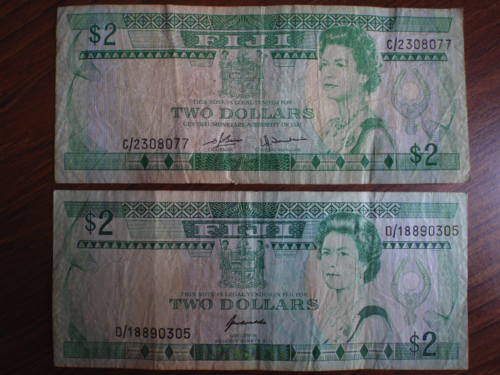 FJD
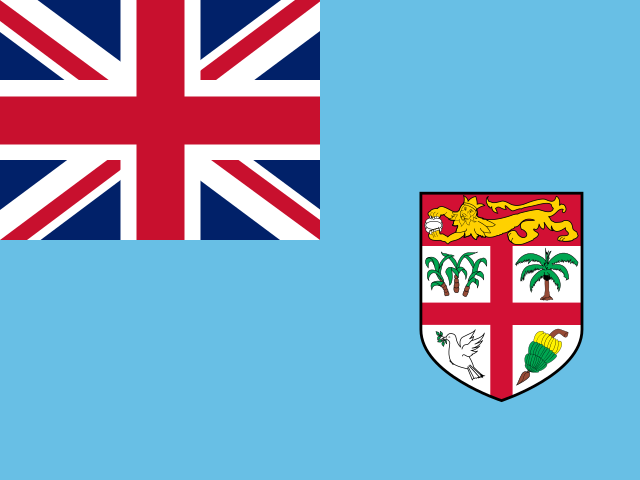
FJD Fiji
Fijian dollar
Fiji uses the Fijian dollar, introduced in 1969 to replace the Fijian pound.
Fun Facts
- The Fijian dollar is divided into 100 cents.
- Fiji removed the image of the monarch from its banknotes in 2013, replacing it with native plants and animals.
- The dollar replaced the Fijian pound when the country switched to a decimal system in 1969.
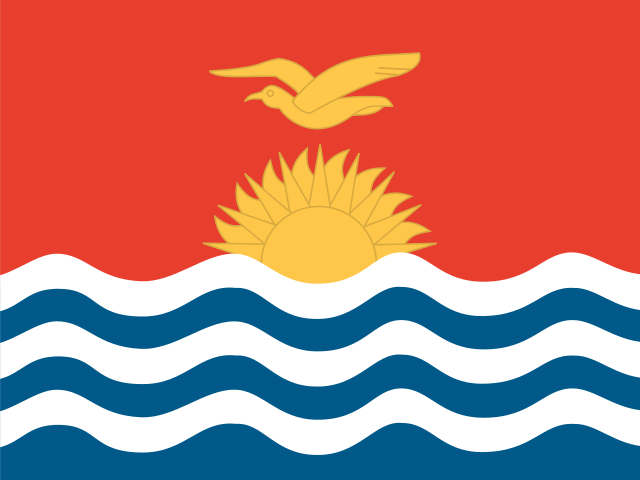
AUD Kiribati
Australian dollar
Kiribati uses the Australian dollar as its official currency and does not issue a national currency of its own.
Fun Facts
- Kiribati has used the Australian dollar since well before independence in 1979.
- It has minted a few commemorative Kiribati dollar coins, but these are collectibles rather than everyday money.
- Australian notes and coins circulate freely across all of Kiribati's scattered atolls.
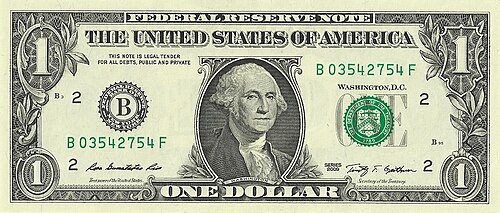 USD
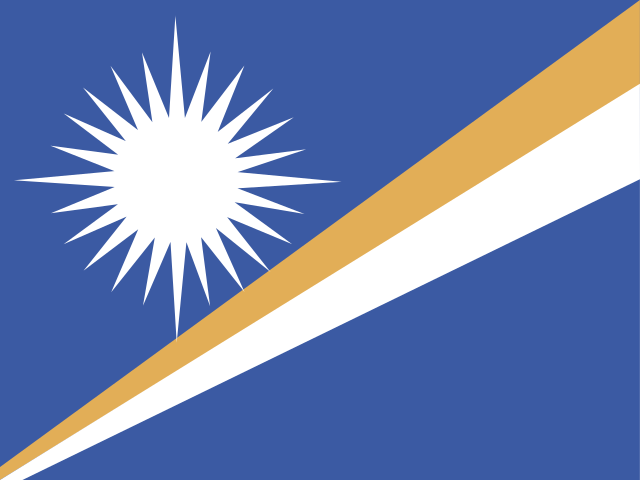
USD Marshall Islands
United States dollar
The Marshall Islands uses the United States dollar and does not issue a national currency of its own.
Fun Facts
- The US dollar has circulated in the Marshall Islands since the World War II era.
- The country is linked to the United States through a Compact of Free Association.
- In 2018 the Marshall Islands passed a law to create its own digital currency, the Sovereign, though it has not entered everyday use.
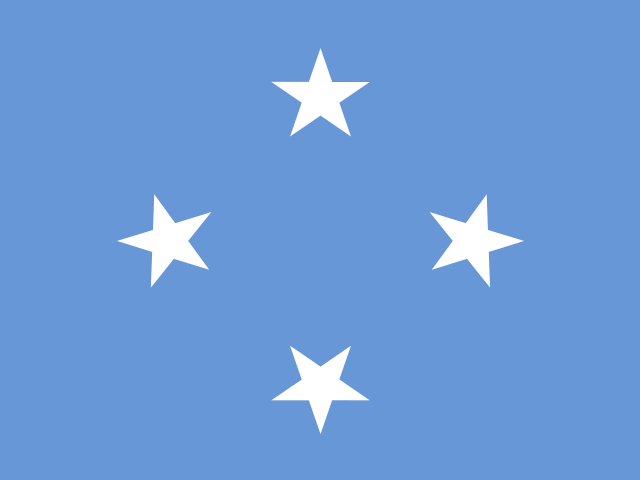
USD Federated States of Micronesia
United States dollar
The Federated States of Micronesia uses the United States dollar and does not issue a national currency of its own.
Fun Facts
- The US dollar is the official and only legal tender across all four states.
- Micronesia is tied to the United States through a Compact of Free Association.
- The island of Yap is famous for its giant stone money discs, which were used long before the US dollar arrived.
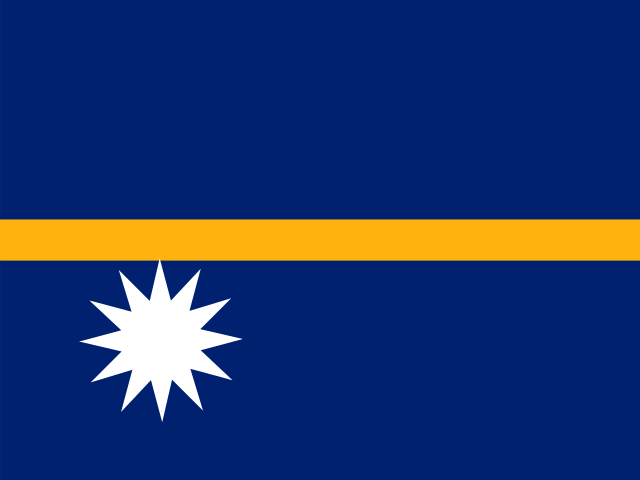
AUD Nauru
Australian dollar
Nauru uses the Australian dollar as its official currency and does not issue a national currency of its own.
Fun Facts
- As the world's smallest republic, Nauru relies entirely on the Australian dollar.
- It has never issued its own banknotes for circulation.
- Australian notes and coins are accepted everywhere on the island.
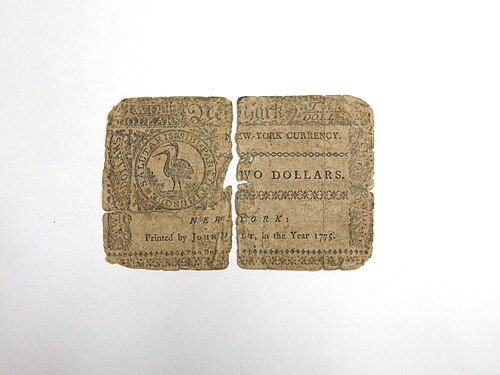 NZD
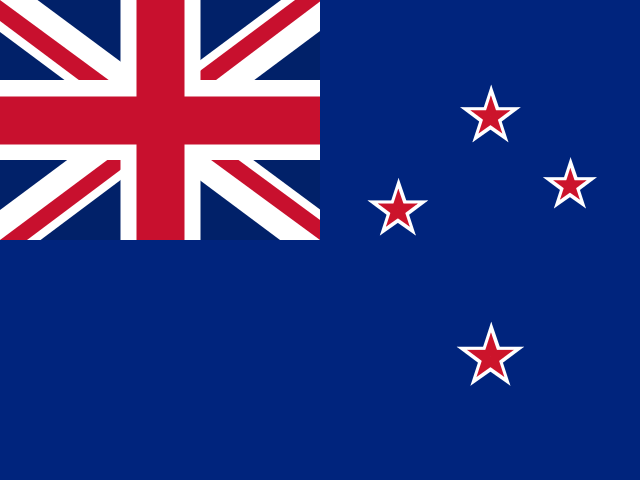
NZD New Zealand
New Zealand dollar
New Zealand introduced the decimal New Zealand dollar in 1967, replacing the New Zealand pound.
Fun Facts
- The New Zealand dollar is nicknamed the kiwi, after the bird on the one-dollar coin.
- New Zealand switched to polymer banknotes in 1999.
- The New Zealand dollar is also used by several Pacific territories, including the Cook Islands and Niue.
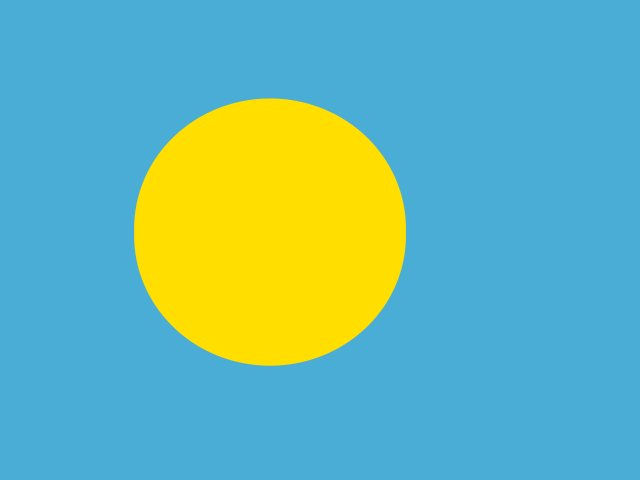
USD Palau
United States dollar
Palau uses the United States dollar and does not issue a national currency of its own.
Fun Facts
- The US dollar is the only legal tender in Palau.
- Palau is linked to the United States through a Compact of Free Association.
- Palau has issued collector coins denominated in dollars, but they are not used for daily trade.
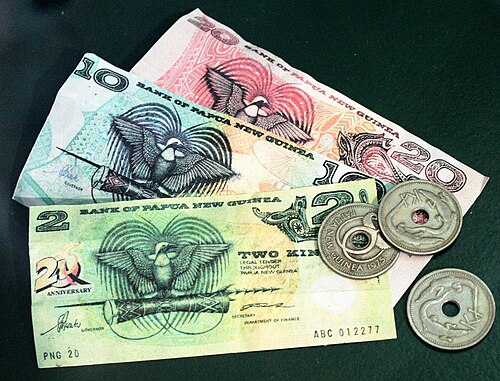 PGK
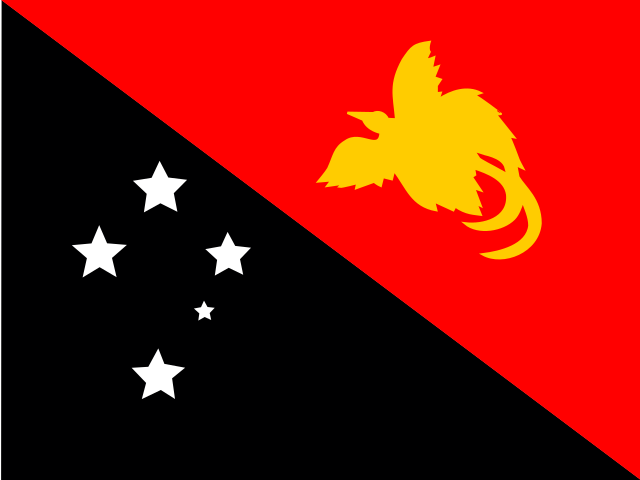
PGK Papua New Guinea
Papua New Guinean kina
Papua New Guinea introduced the kina in 1975, the year it gained independence, replacing the Australian dollar.
Fun Facts
- The kina is named after a pearl shell that was traditionally used as money.
- A kina is divided into 100 toea, named after an armshell also used in trade.
- The kina was introduced in 1975 to mark Papua New Guinea's independence from Australia.
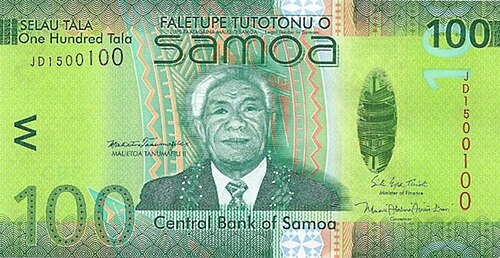 WST
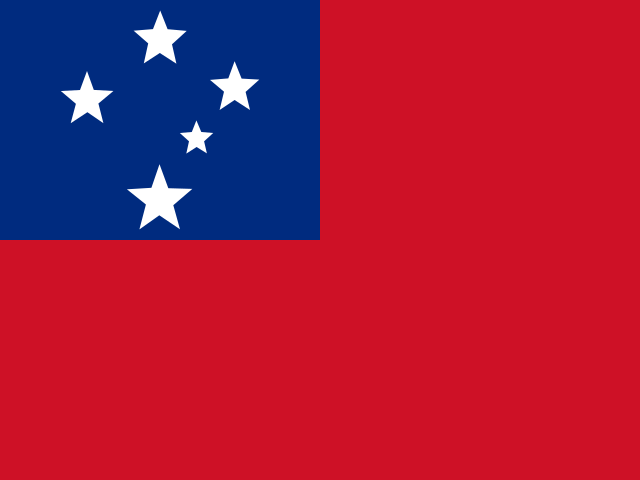
WST Samoa
Samoan tala
Samoa introduced the tala in 1967, replacing the Western Samoan pound.
Fun Facts
- Tala is the Samoan word for dollar, and the currency is divided into 100 sene (cents).
- The tala was introduced in 1967, five years after Samoa became independent.
- Its ISO code WST stands for Western Samoa tala, reflecting the country's former name.
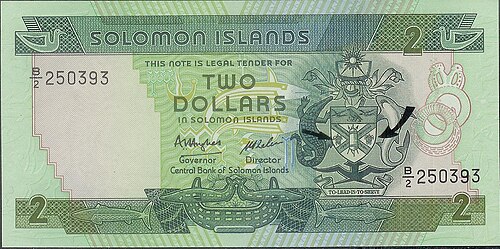 SBD
SBD Solomon Islands
Solomon Islands dollar
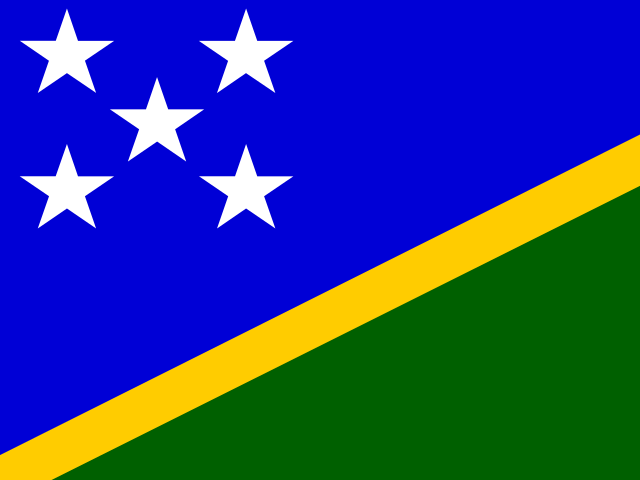
The Solomon Islands introduced its own dollar in 1977, replacing the Australian dollar.
Fun Facts
- The Solomon Islands dollar is divided into 100 cents.
- It replaced the Australian dollar two years before the country gained independence in 1978.
- Traditional shell money is still used for ceremonies alongside the modern dollar.
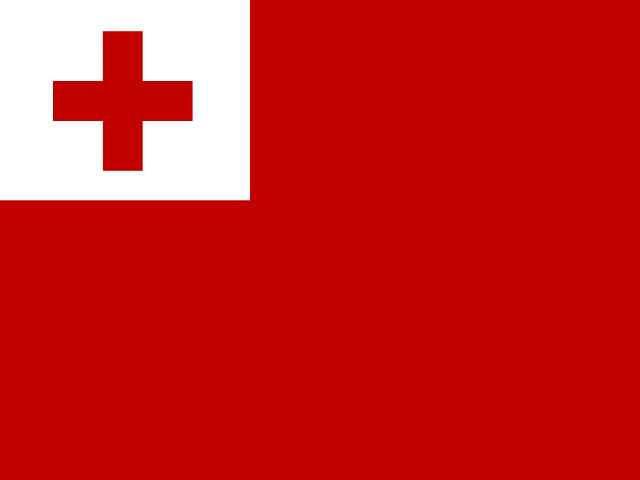 TOP
TOP Tonga
Tongan pa'anga
Tonga introduced the pa'anga in 1967, replacing the Tongan pound.
Fun Facts
- Pa'anga is named after a seed traditionally used in a Tongan game.
- It is divided into 100 seniti (cents).
- The currency is sometimes informally called the Tongan dollar by visitors.
AUD Tuvalu
Australian dollar
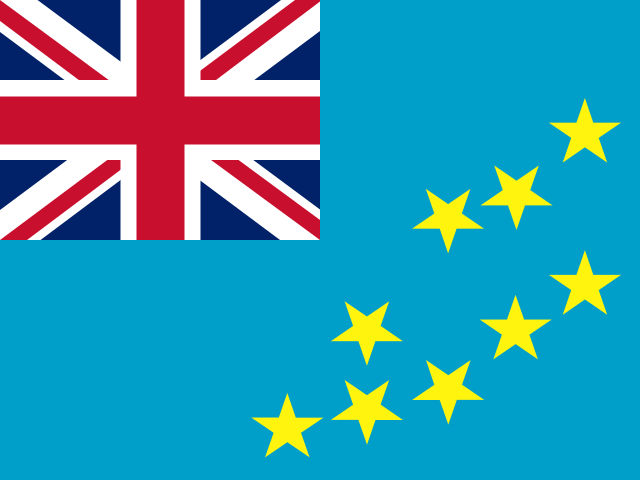
Tuvalu uses the Australian dollar as its official currency and does not issue a separate national currency of its own.
Fun Facts
- Tuvalu mints its own Tuvaluan dollar coins that circulate alongside Australian coins at par.
- Australian banknotes are used for all paper money in Tuvalu.
- The Tuvaluan dollar is pegged one to one with the Australian dollar.
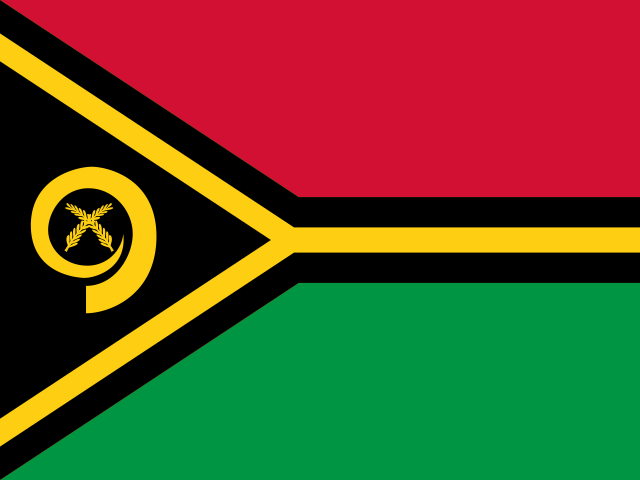 VUV
VUV Vanuatu
Vanuatu vatu
Vanuatu introduced the vatu in 1982, two years after independence, replacing the New Hebrides franc.
Fun Facts
- The vatu has no subunit, so there are no cents or smaller divisions.
- It replaced the New Hebrides franc after Vanuatu became independent in 1980.
- The word vatu is linked to a local term for stone, recalling traditional stone valuables.
Quick Reference
Test Your Knowledge
Can you match each country to its currency?
Practice with Games
Ready to test what you learned? Jump into a game and put it into practice.
About Oceanian Currencies
Oceania has no single regional currency. Larger nations issue their own money: Papua New Guinea uses the kina, Fiji the Fijian dollar, the Solomon Islands its own dollar, Samoa the tala, Tonga the pa'anga and Vanuatu the vatu. Many smaller states share a bigger neighbour's currency instead of running their own central bank. Nauru, Tuvalu and Kiribati use the Australian dollar, while the Marshall Islands, the Federated States of Micronesia and Palau use the United States dollar. New Zealand keeps the New Zealand dollar, which is also used by some Pacific territories such as the Cook Islands. Learning these currencies, their ISO codes and symbols makes travel, shopping and reading the news across the Pacific far easier.
Frequently Asked Questions
How many currencies are used in Oceania?
Oceania's 14 countries use seven distinct currencies. Six nations issue their own (the Papua New Guinean kina, Fijian dollar, Solomon Islands dollar, Samoan tala, Tongan pa'anga and Vanuatu vatu), while the rest share the Australian dollar, New Zealand dollar or United States dollar.
Which Pacific countries use the Australian dollar?
Nauru, Tuvalu and Kiribati all use the Australian dollar as their official currency and do not issue a separate national currency of their own.
Which Pacific countries use the US dollar?
The Marshall Islands, the Federated States of Micronesia and Palau all use the United States dollar, reflecting their Compacts of Free Association with the United States.
What is the currency of Papua New Guinea?
Papua New Guinea uses the kina (ISO code PGK), introduced in 1975 at independence. The kina is named after a pearl shell once used as traditional money and is divided into 100 toea.
Banknote images via Wikimedia Commons: AUD (Martin Kingsley from Melbourne, Australia, CC BY 2.0) · FJD (Damien Linnane, CC BY-SA 3.0) · USD (ESEMES, Public domain) · NZD (Wikimedia Commons, CC BY 4.0) · PGK (Bin im Garten, CC BY-SA 3.0) · WST (Nippon 725, CC BY-SA 4.0) · SBD (DJack07, CC BY-SA 3.0)