A licence plate can name the country in a second, but many plates look alike at a glance. This page puts the same kind of plate side by side across 30 countries, sorted by colour, bands and number format, then shows the look-alikes people mix up and the detail that tells them apart.
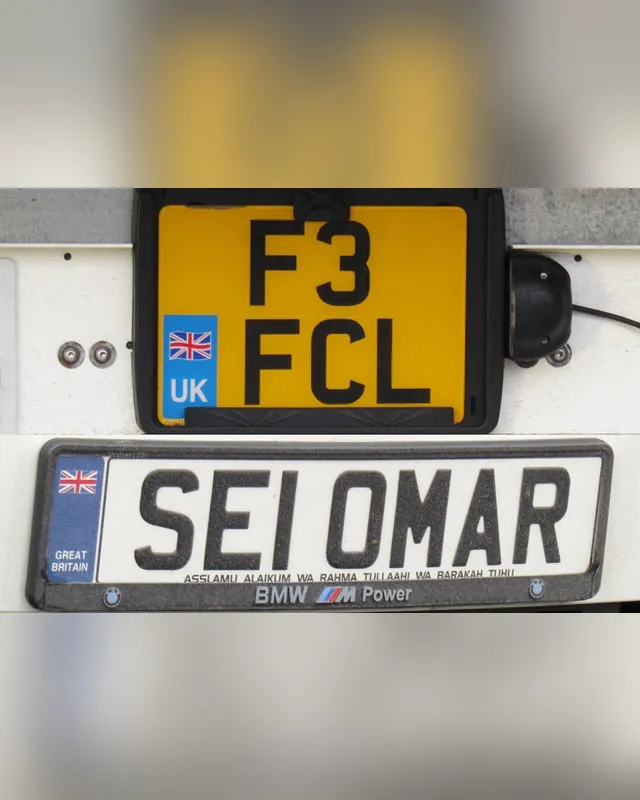
Only a few countries use yellow. In the Netherlands plates are yellow front and back, with an NL band; Luxembourg's are yellow too, but say L. The United Kingdom is yellow only at the back and white at the front. In Japan a yellow plate means a small kei car.
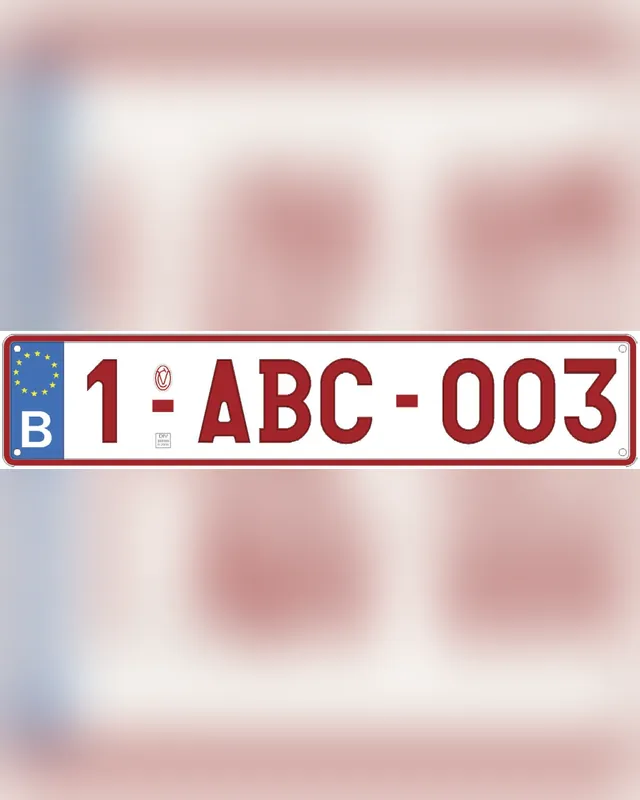
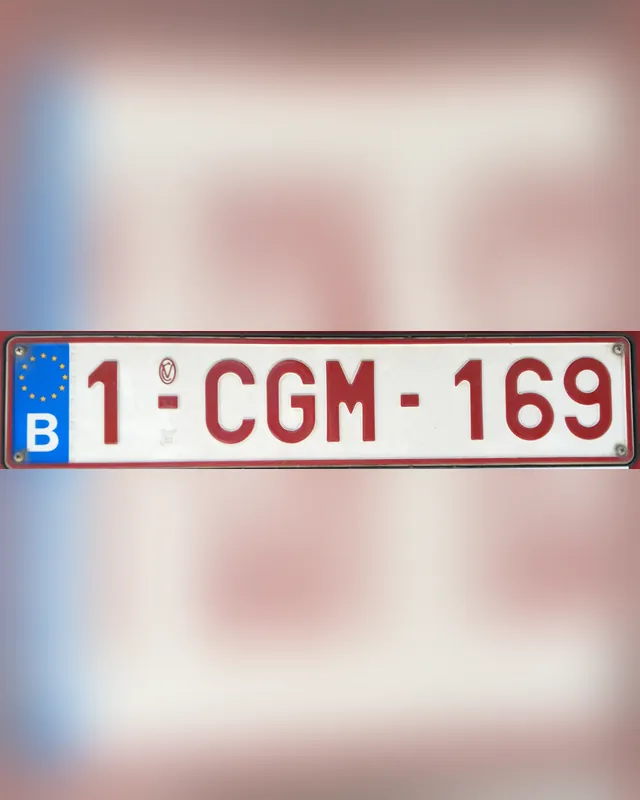
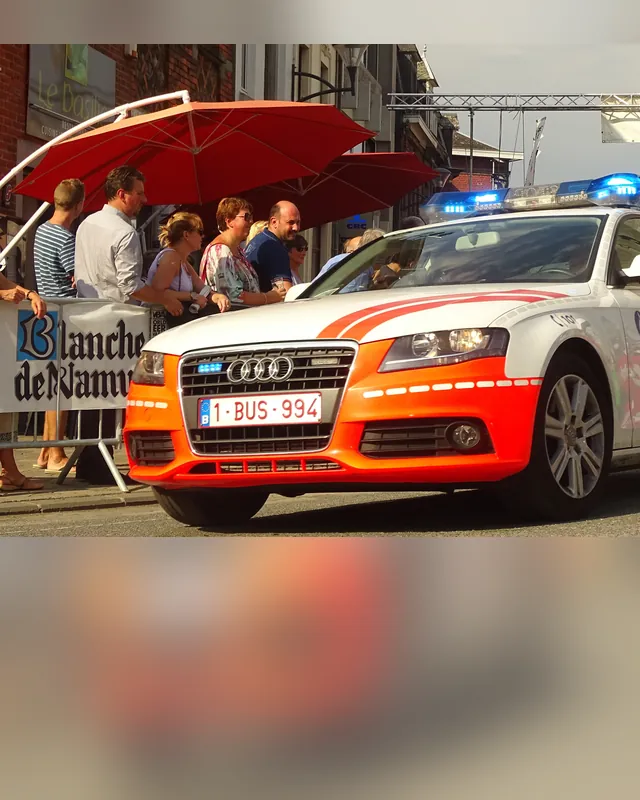
Belgium writes in dark red on a white plate, in the format 1-ABC-123, with a B band. Next door, the Netherlands is yellow, so the colour alone splits them.
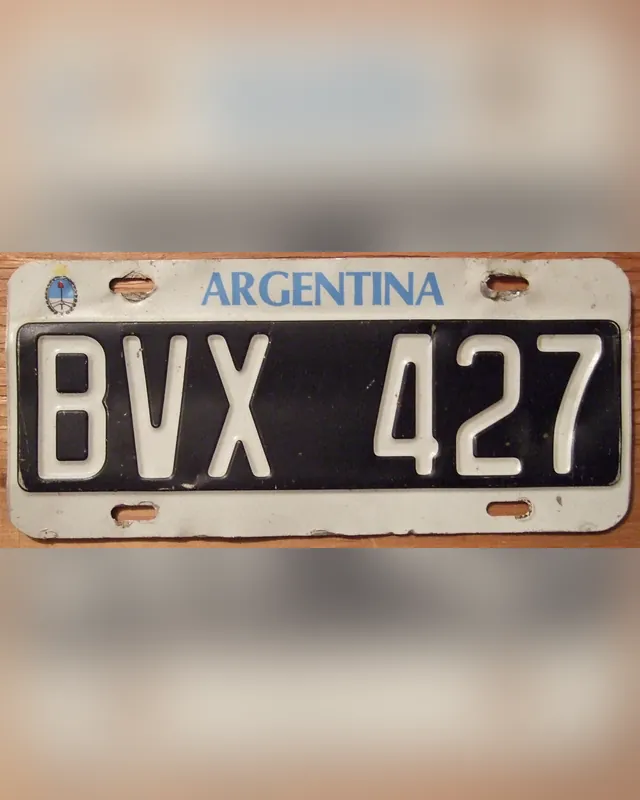
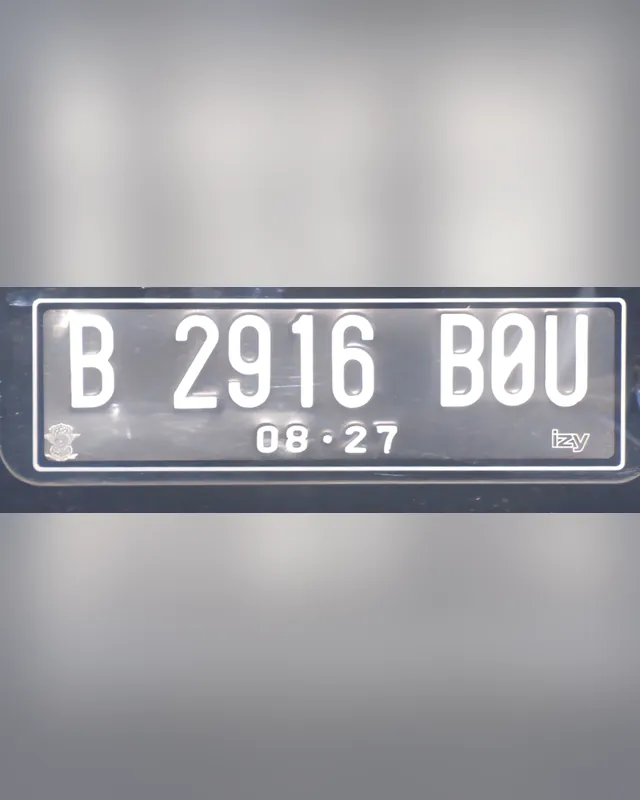
Older Argentine plates are black with white letters and ARGENTINA along the top. Indonesia's are black with white letters too, with the region letters first and a small month and year under the number.
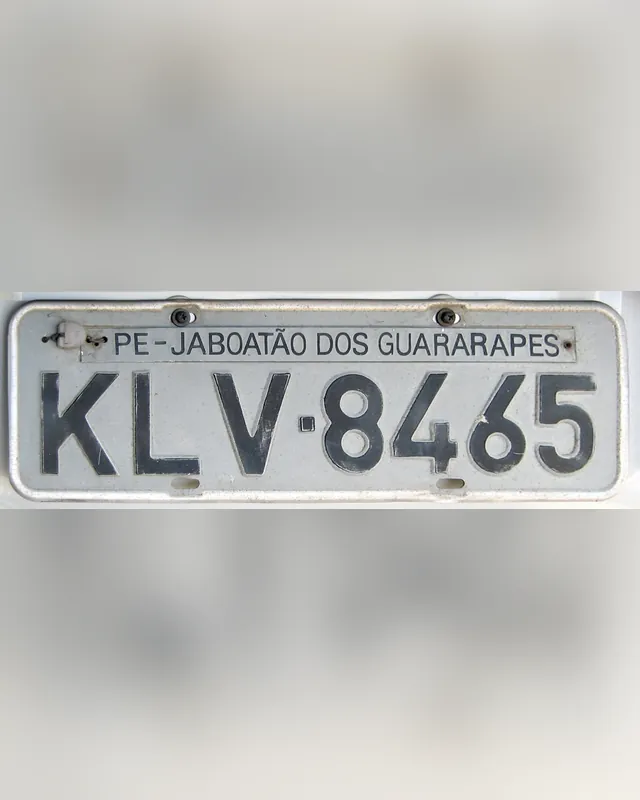
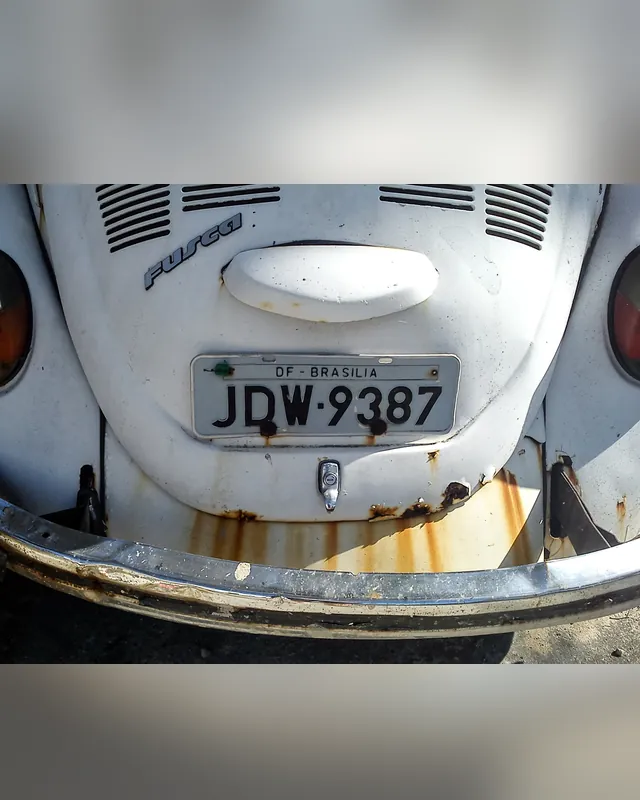
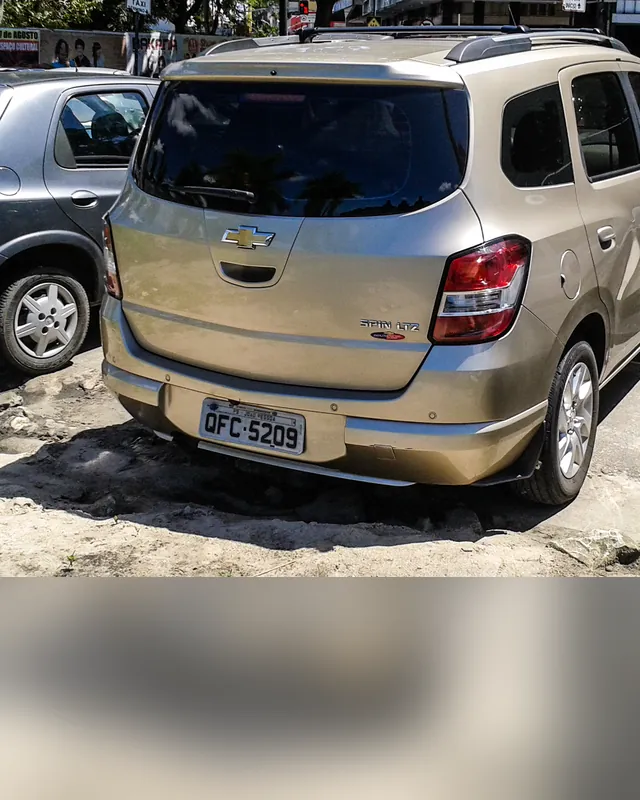
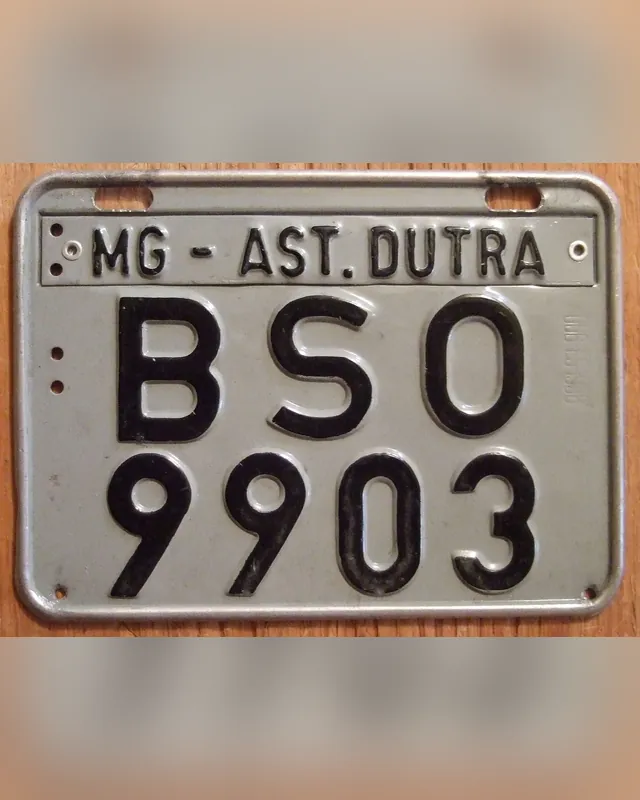
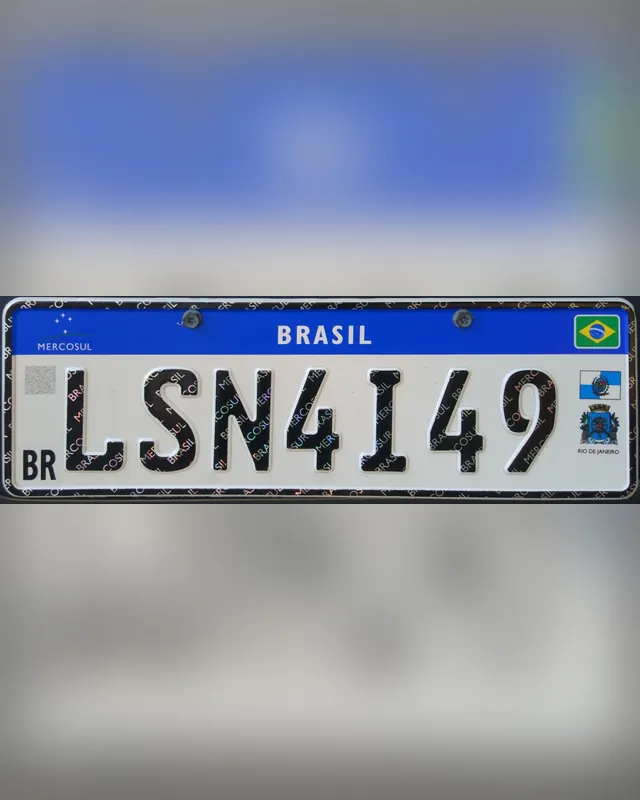
Brazil's older plates are grey with black letters and the state and city name in a strip along the top. New Brazilian plates are white Mercosur plates.
Next, look at the ends and edges of the plate: the blue EU band on the left, a second band on the right, a band across the top, a red trim, or no EU band at all.
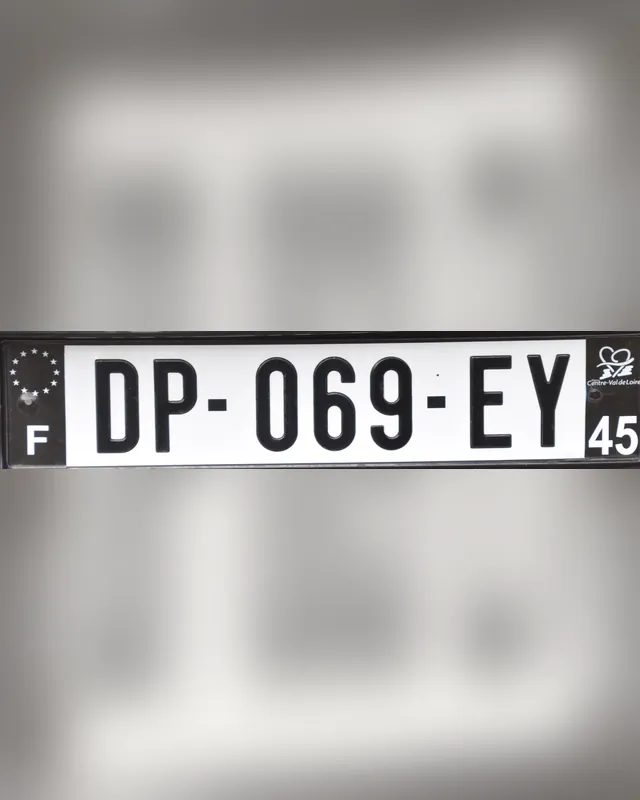
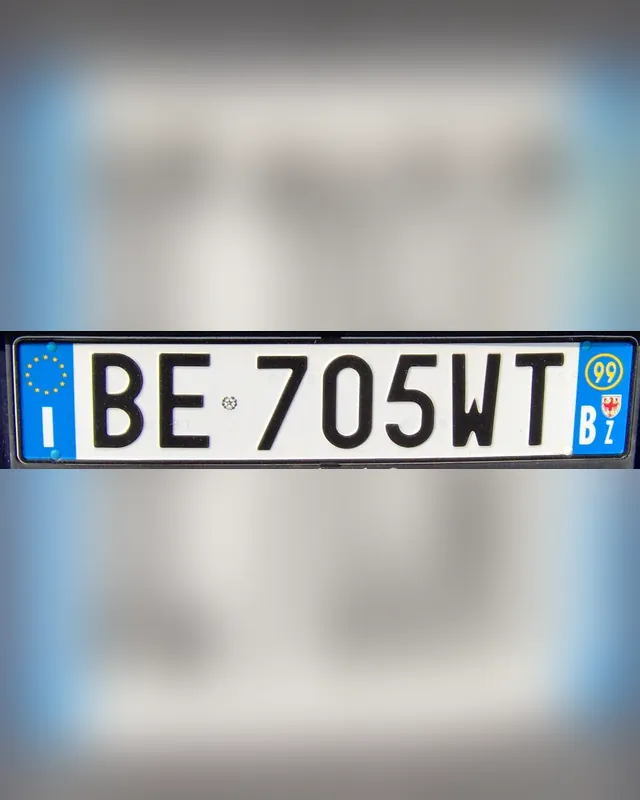
France and Italy both add a blue band on the right. In France it holds a region logo and the department number; in Italy it holds the year of registration. French letters are split by dashes, like AB-123-CD; Italian plates have no dashes.
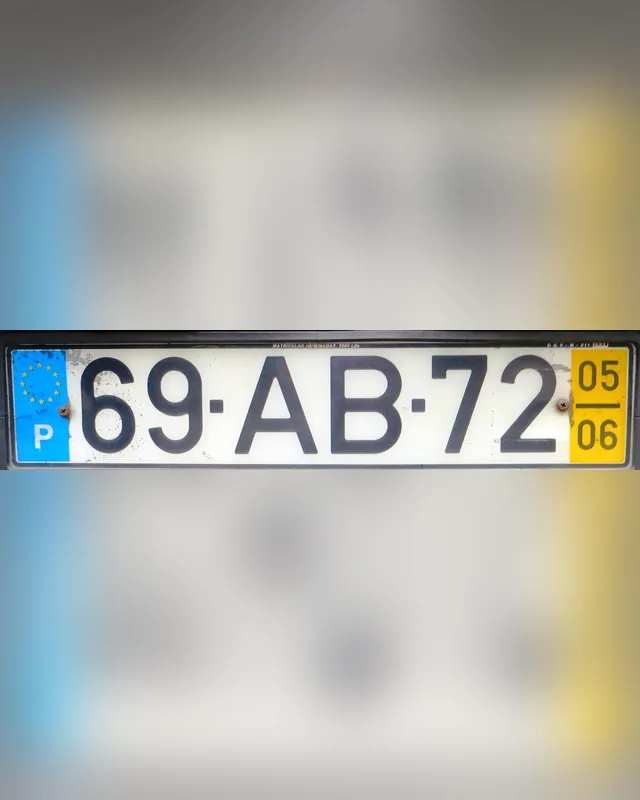
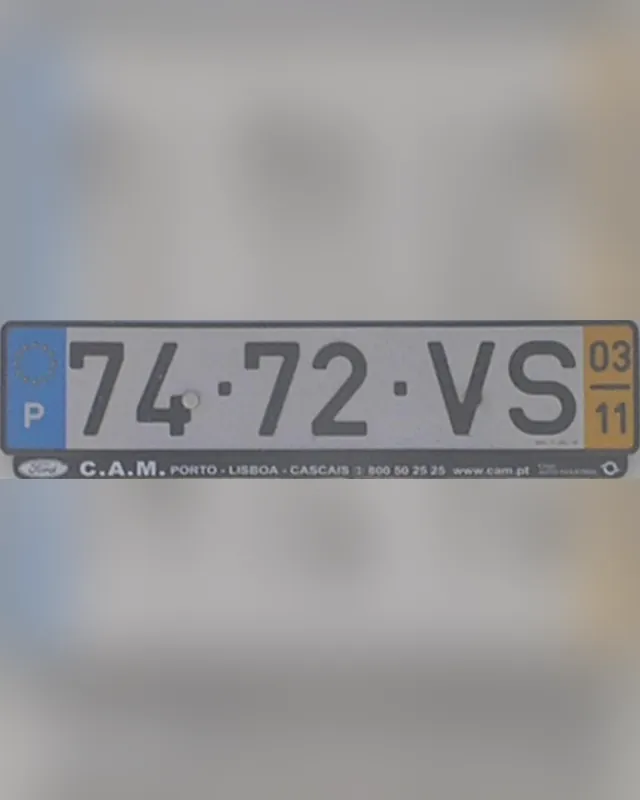
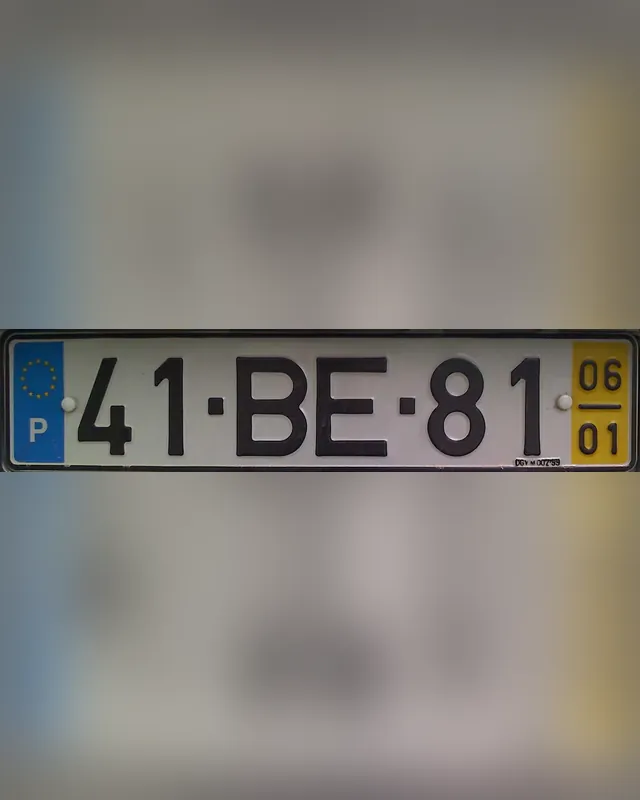
Portugal is the one with a yellow band on the right, showing the year and month the car was first registered. Its characters come in three pairs, like AA-00-AA.
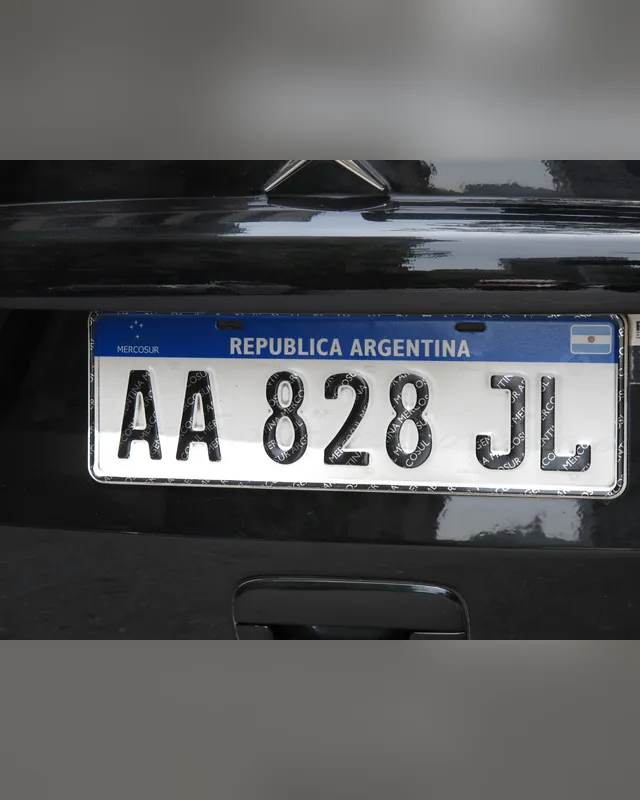
Brazil, Argentina, Uruguay and Paraguay share the Mercosur design: white, with a blue band across the top naming the country, beside the national flag. Read the band: BRASIL or REPUBLICA ARGENTINA.
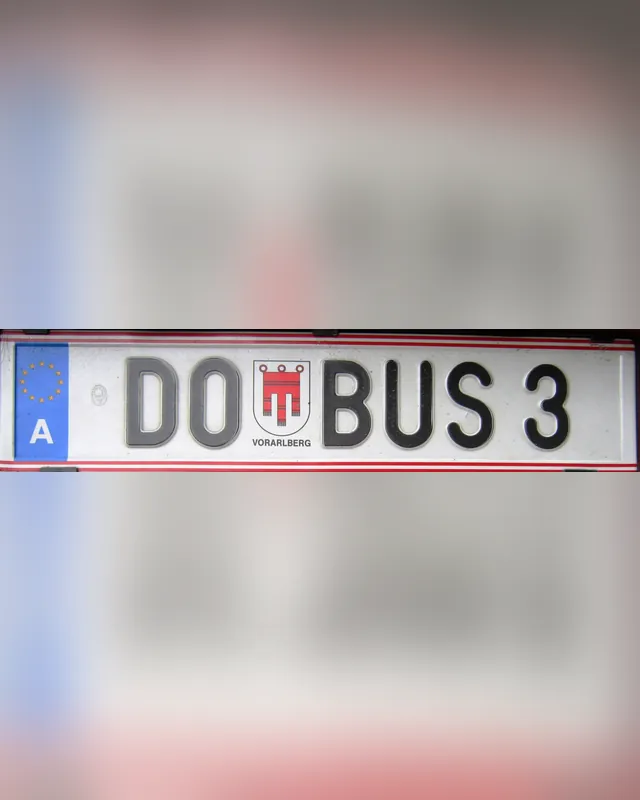
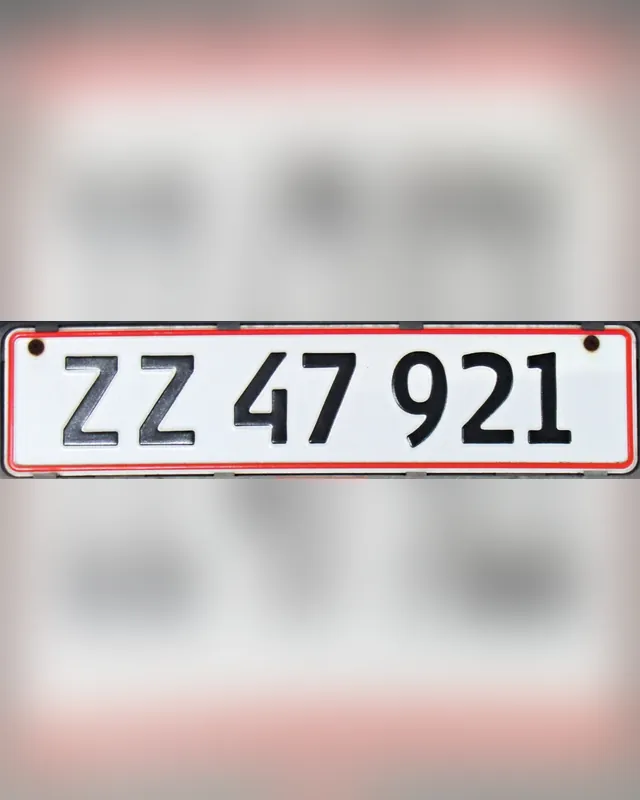
Austria runs red-white-red stripes along the top and bottom edges, the colours of its flag. Denmark draws a thin red frame all the way round. Both are easy to miss from a distance, so look at the edges.
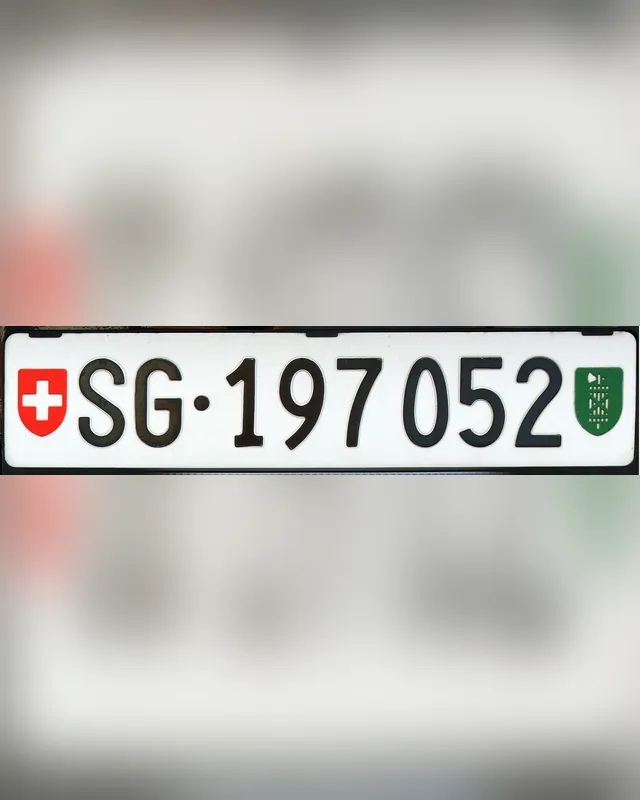
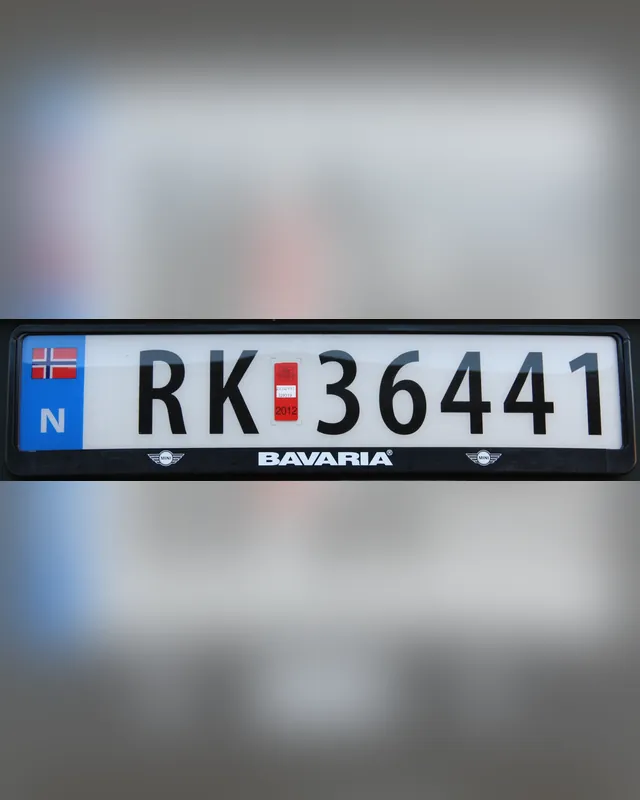
Switzerland and Norway are not in the EU, and the United Kingdom has left it, so their plates have no blue EU band. Swiss plates show small Swiss and canton shields; new Norwegian plates have a band with the Norwegian flag and N; British plates may show UK with a Union flag, or no band at all.
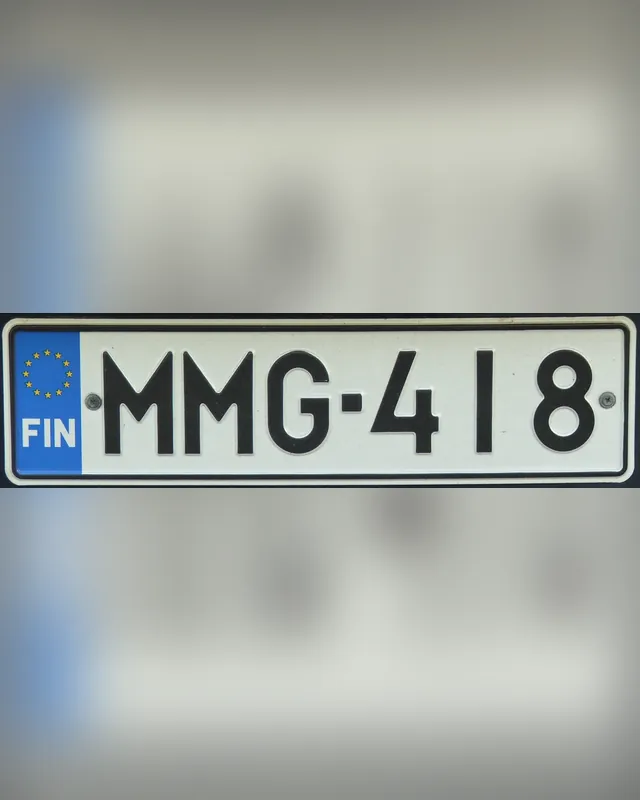
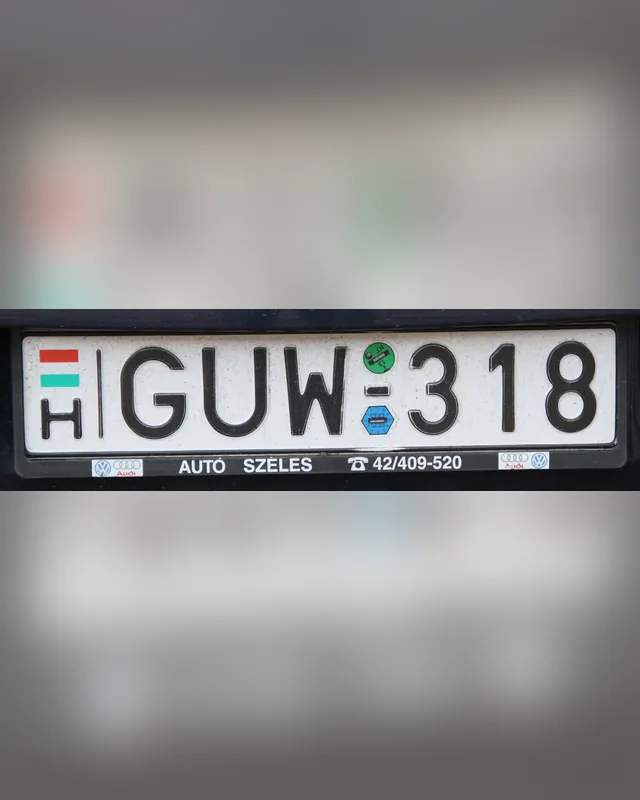
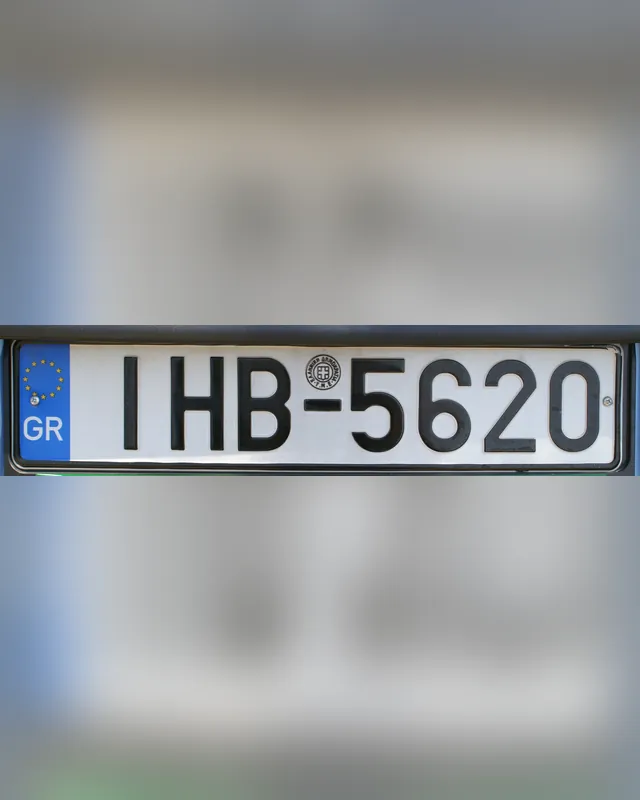
Finland, older Hungarian plates and Greece all put letters, a dash and numbers. Count the digits: three in Finland and Hungary, four in Greece. Then read the band: FIN, H or GR.
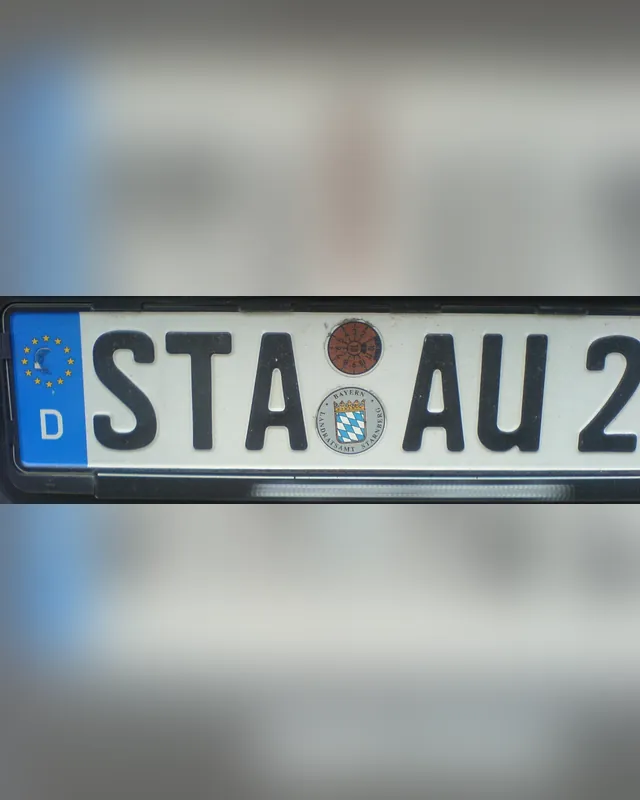
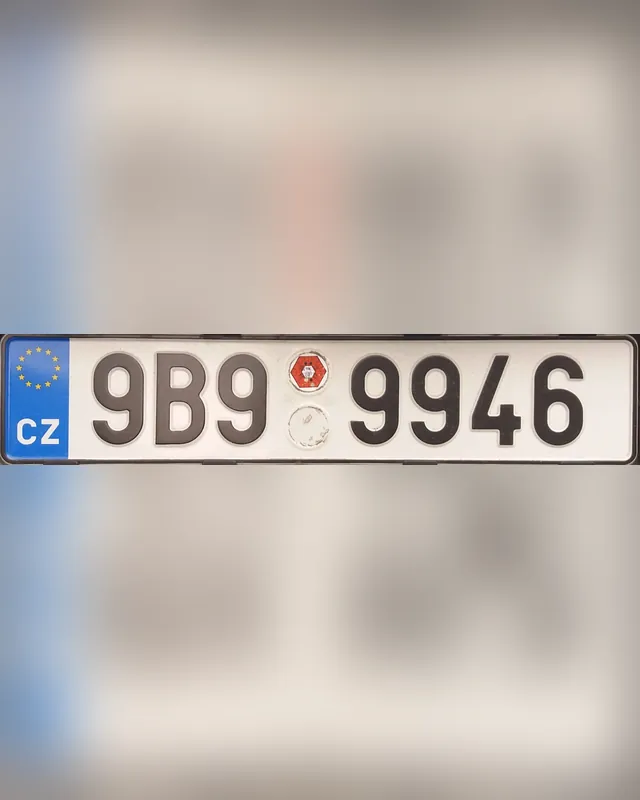
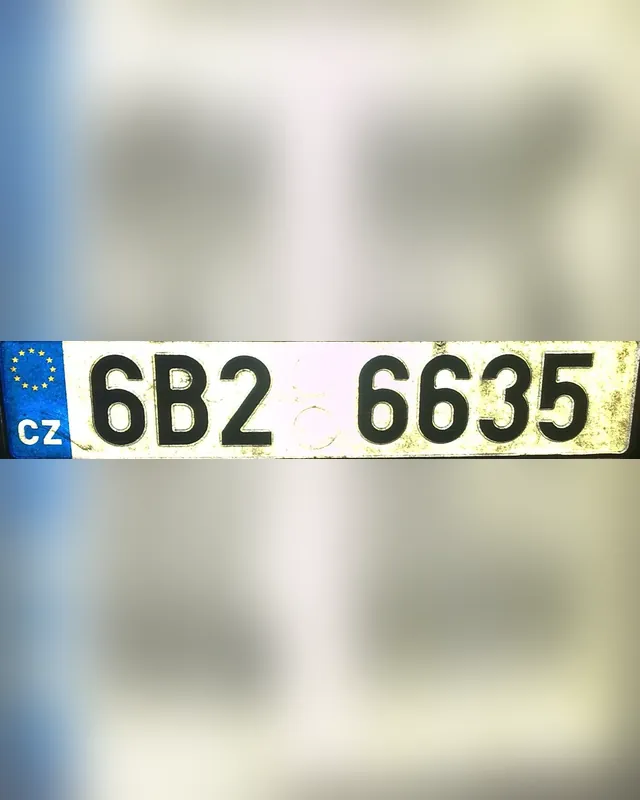
German plates carry round stickers between the city code and the letters: the state seal, plus the inspection sticker at the back. Czech rear plates have two stickers stacked between the two groups, and older Hungarian plates two coloured stickers around the dash. Greek plates have a small round seal stamped next to the letters instead.
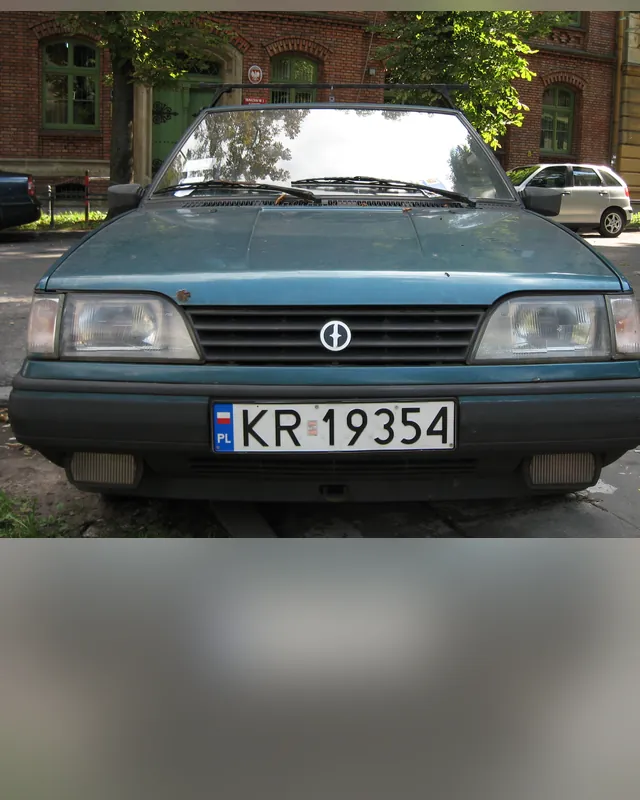
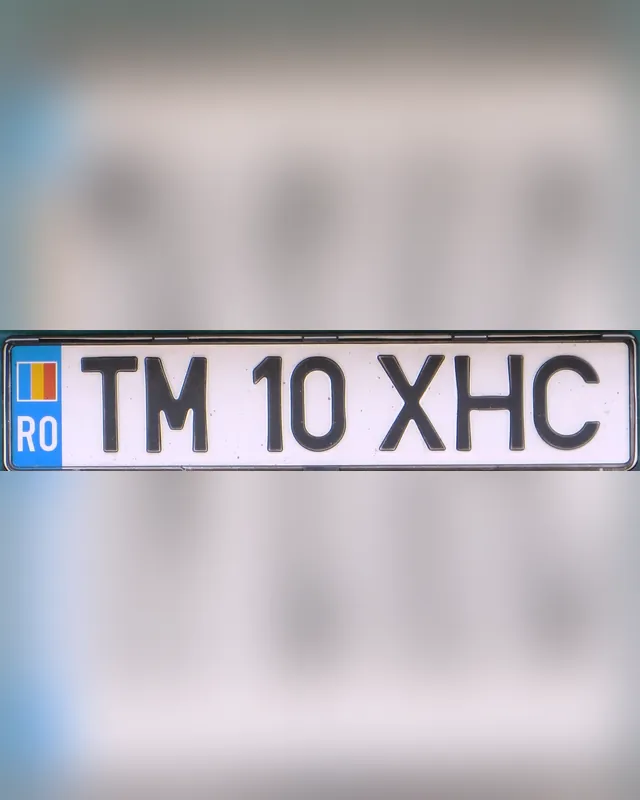
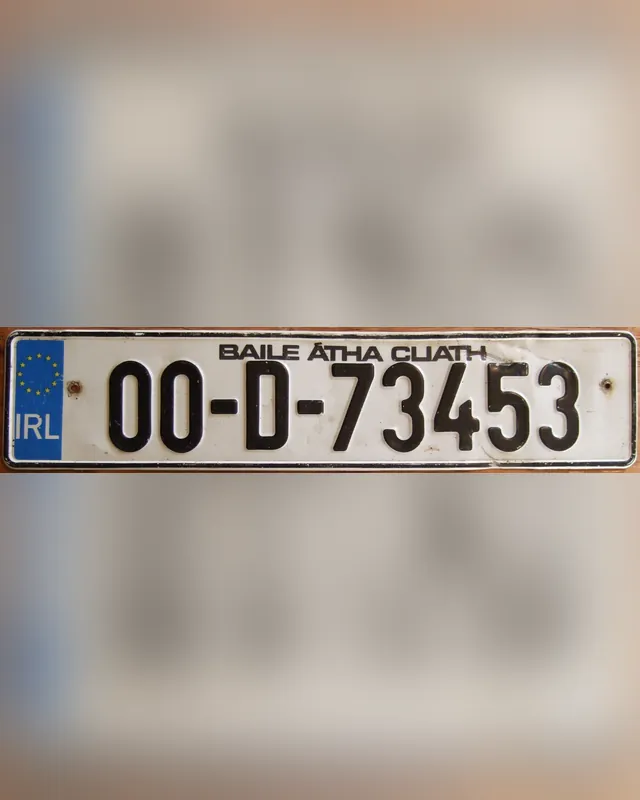
Many plates start with where the car is registered. Polish plates begin with two or three region letters, like KR for Kraków. Romanian plates begin with a county code, like B for Bucharest or TM for Timiș. Irish plates put the year first, then the county, like 191-D for Dublin, with the county name in Irish on top.
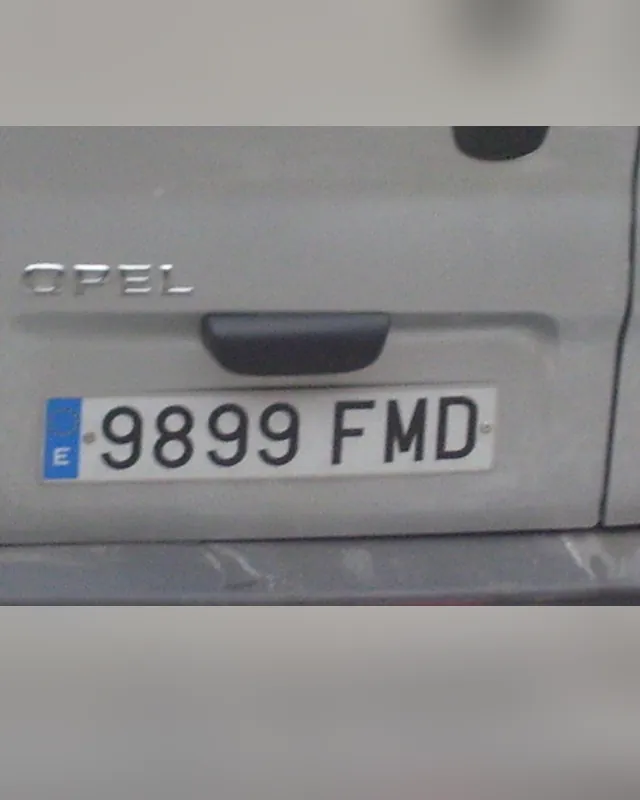
Spanish plates start with four numbers and end with three letters, like 1234 ABC, with nothing on the right. Czech plates start with a digit, then the region letter, then a digit: 1A2 3456.
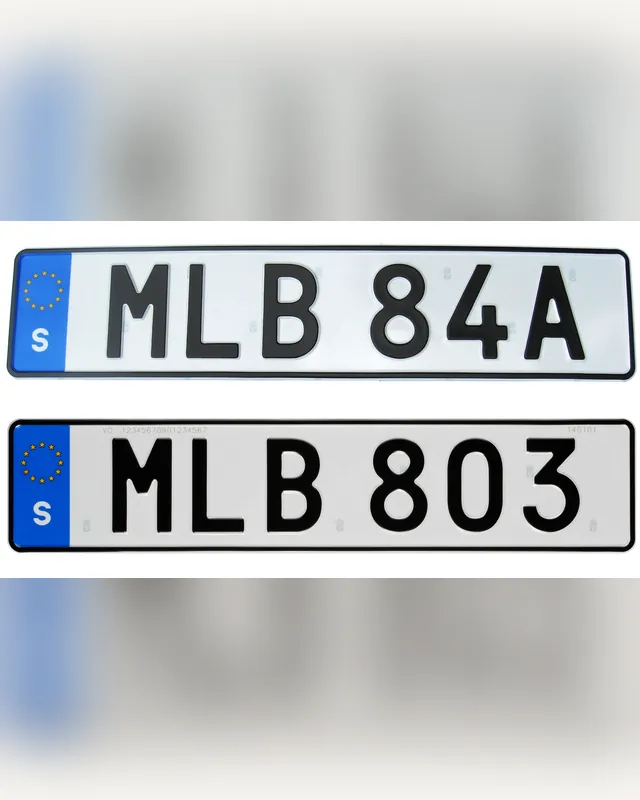
Sweden uses three letters and three characters, like ABC 123; newer plates may end in a letter. Norway uses two letters and five numbers, like AB 12345, and EL, EK or EV at the start usually means an electric car.
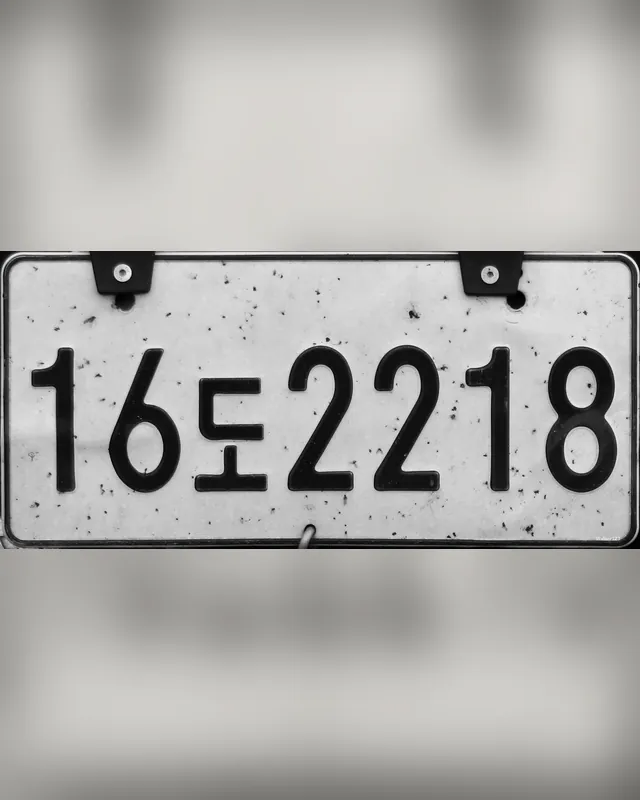
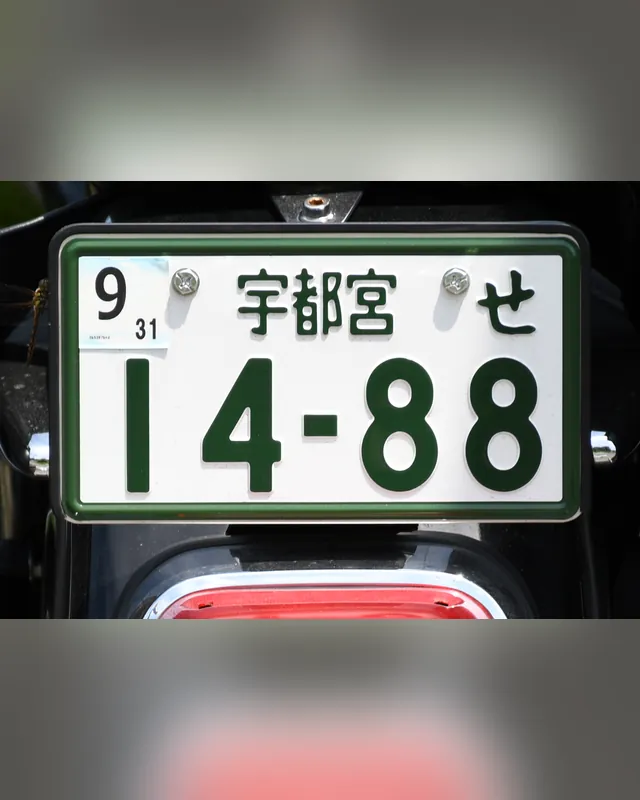
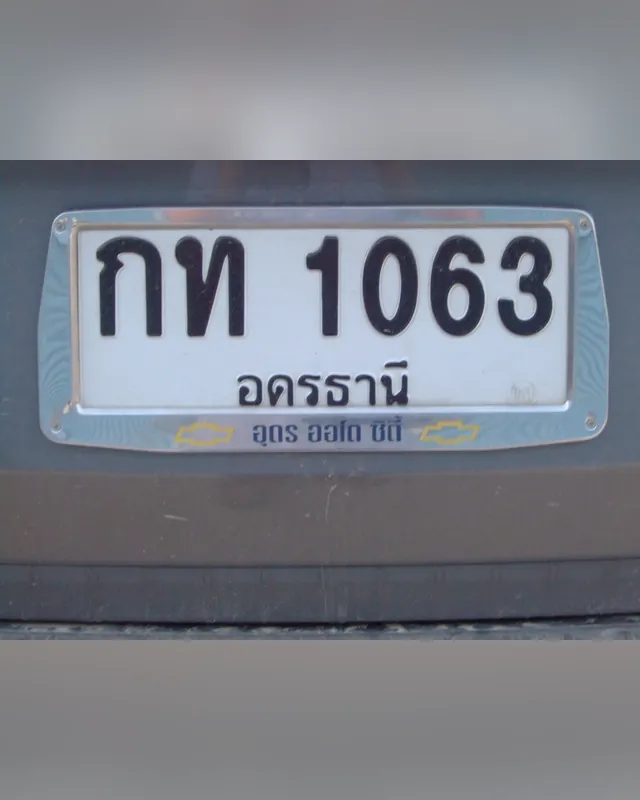
South Korea puts one Hangul syllable among the numbers, like 12가 3456. Japanese plates are small and nearly square, with the place name in kanji above large numbers. Thai plates mix Thai letters and numbers, with the province name in Thai underneath.
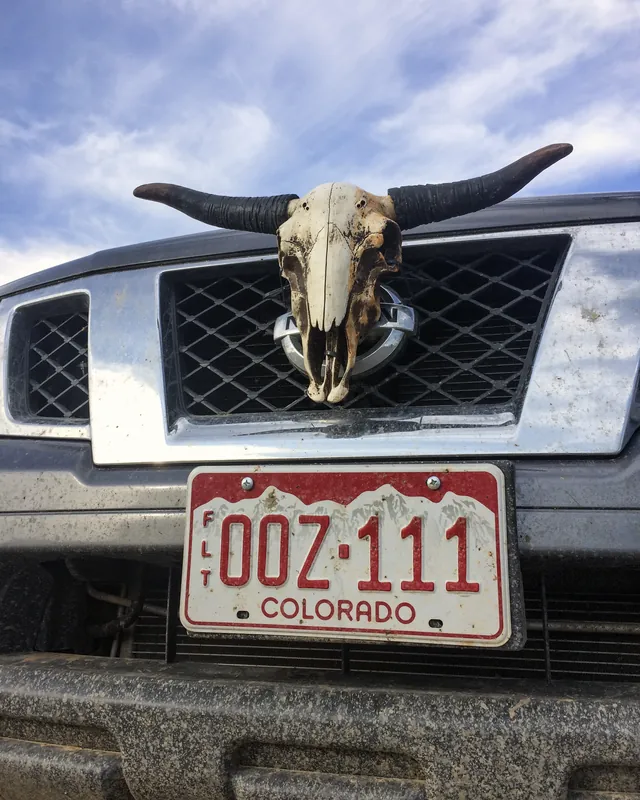
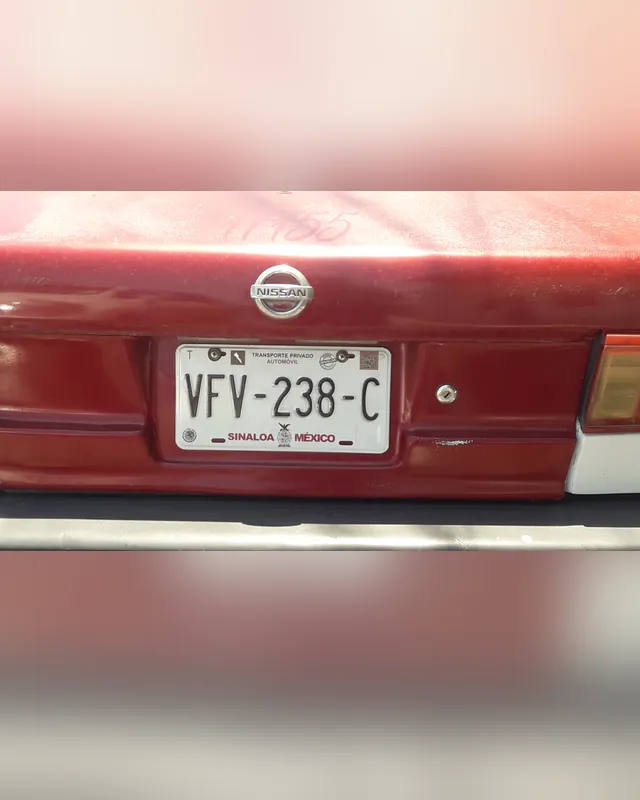
Plates in the United States and Mexico are short and wide and name the state, often with a slogan or a picture. Mexican plates usually split the letters and numbers with dashes, like ABC-123-D.
How to tell Neighbours with the same EU band. The colour settles it: yellow with black letters is Dutch, white with dark red letters is Belgian. The formats differ too: Dutch plates mix groups like 4-KSK-02, Belgian ones read 1-ABC-123.
How to tell Both have blue bands on both ends. French plates split the letters with dashes and show a department number on the right band; Italian plates have no dashes, and the right band shows the year.
How to tell Both can read ABC-123. Look at the band and the middle: Finland has the EU band with FIN and nothing around the dash. Older Hungarian plates say H, often beside a red-white-green flag, with two coloured stickers around the dash.
How to tell Both put letters, a dash and numbers. Greece has four numbers (ABC-1234) and a round seal stamped next to the letters; Finland has three numbers and no seal. Greek plates also use only letters that look the same in Greek and Latin.
How to tell Both can show round stickers in the middle. German plates start with a city code in letters (B, M, STA); Czech plates start with a digit, and the second character is the region letter. The band says D or CZ.
How to tell Both are white with a district code in front. Austria adds red-white-red stripes along the top and bottom and a small coat of arms; Germany has round stickers instead. The band says D or A.
How to tell Neighbours with coats of arms on the plate. Austria has the EU band with A and red-white-red edges; Switzerland has no EU band, just two canton letters, numbers and small Swiss and canton shields.
How to tell Iberian neighbours with white plates. Spain: four numbers, then three letters, and nothing on the right. Portugal: three pairs of characters and a yellow band on the right with the year and month.
How to tell Both are white with black letters. Sweden: three letters and three characters, with the EU band and S. Norway: two letters and five numbers, and the band shows the Norwegian flag and N instead of the EU stars.
How to tell Both drive on the left and write in English. A yellow plate at the back means the United Kingdom. Irish plates are white front and back, start with the year, and show the county name in Irish along the top.
How to tell Both use the white Mercosur plate. The band names the country: BRASIL or REPUBLICA ARGENTINA. Brazilian plates mix letters and numbers with no spaces (ABC1D23); Argentine ones read AB 123 CD.
How to tell Both are East Asian, but the shapes differ. Japanese plates are small and nearly square, with kanji on top; Korean plates are long, like European ones, with one Hangul syllable among the numbers.
How to tell Both are short and wide and name a state. Mexican plates name a Mexican state, often with MÉXICO, and split the characters with dashes; American plates name a US state and often carry a slogan or picture.
Questions about license plates
Which countries have yellow license plates?
The Netherlands and Luxembourg use yellow plates front and back. The United Kingdom uses a yellow plate at the back only. In Japan, yellow plates are for small kei cars.
Which country has red letters on its plates?
Belgium: dark red letters on a white plate, in the format 1-ABC-123, with a B on the blue EU band.
Which plates have a blue band on both ends?
France and Italy. France's right band shows a region logo and the department number; Italy's shows the year of registration.
How can I tell Finnish and Hungarian plates apart?
Both can read ABC-123. Finnish plates have the EU band with FIN. Hungarian ones say H, and older Hungarian plates have coloured stickers around the dash.
Which European plates have no EU band?
Swiss and Norwegian plates, because neither country is in the EU, and many British plates since the UK left. Swiss plates show shields instead, and Norwegian plates the Norwegian flag.
🏆
You're Earning Great Points!
You already have %d points. Save them to your profile, add your name, and enter the Hall of Glory in our global ranking!

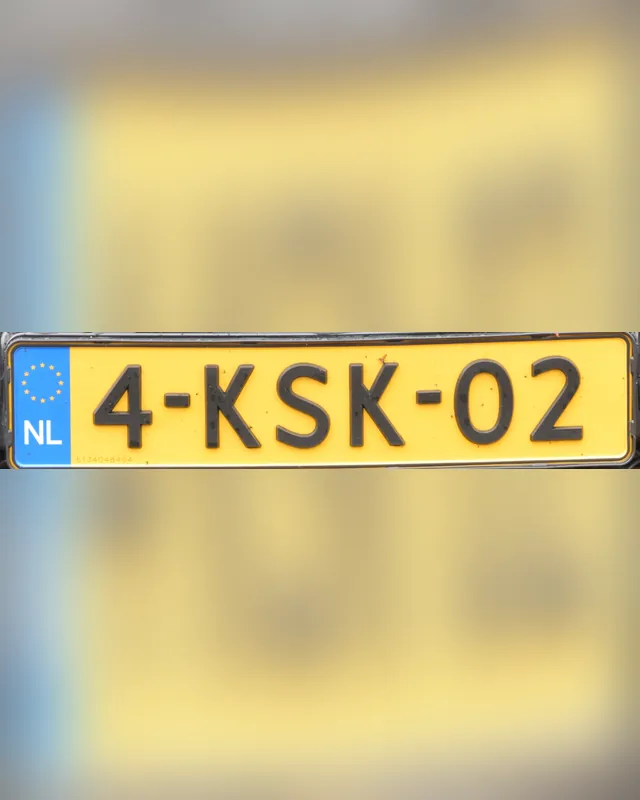 Netherlands
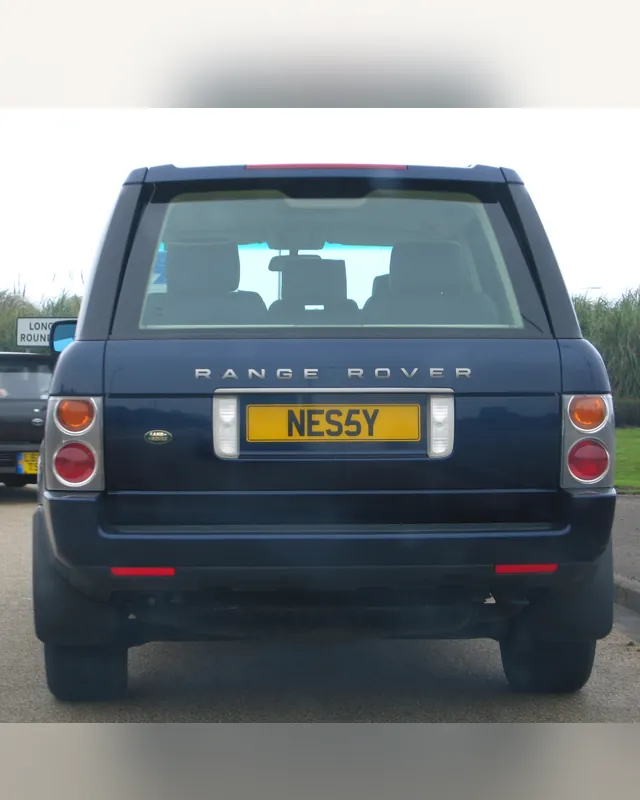
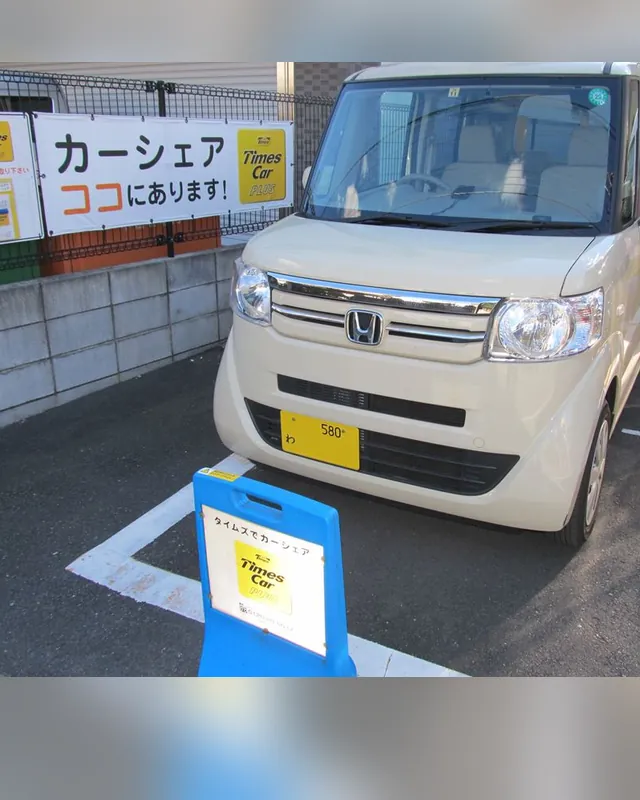
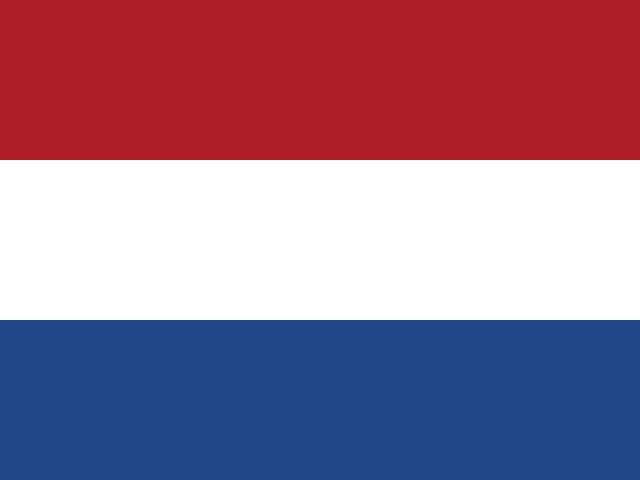 Netherlands
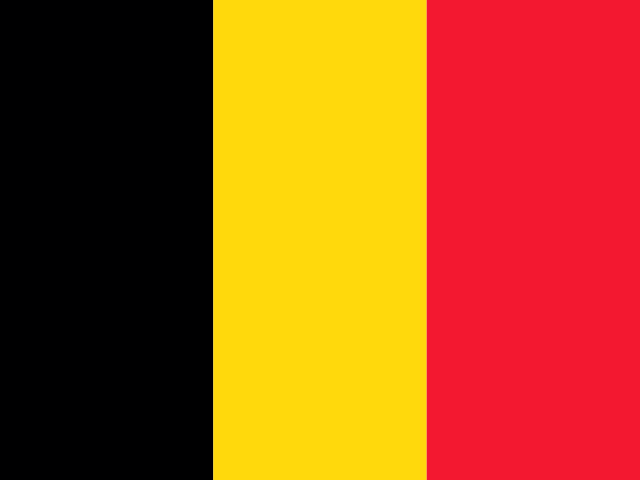 Belgium
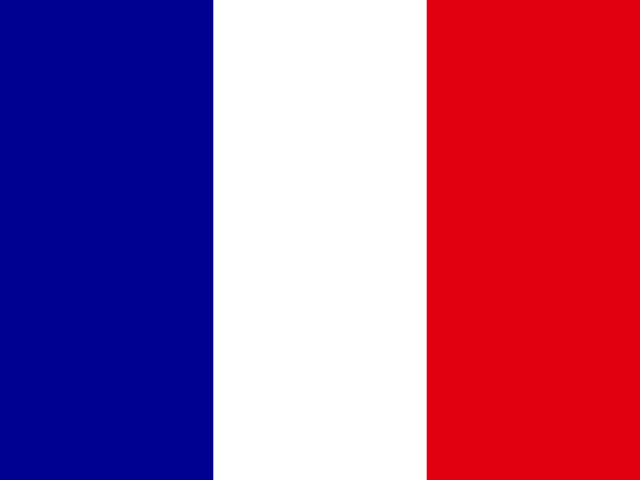 France
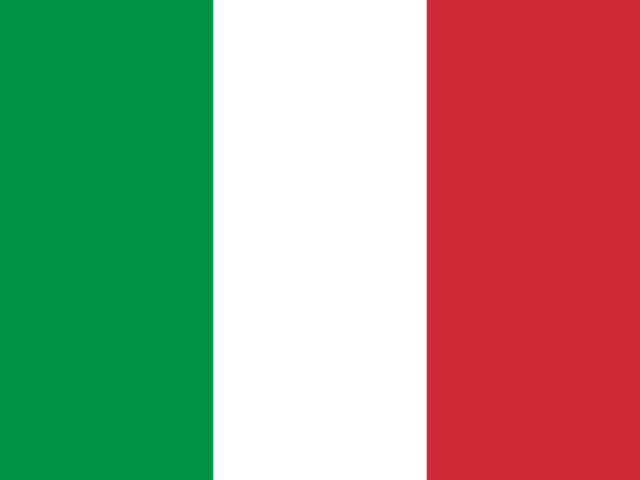 Italy
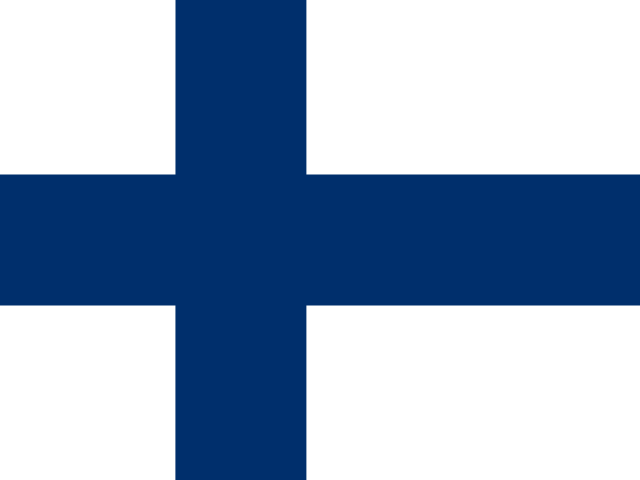 Finland
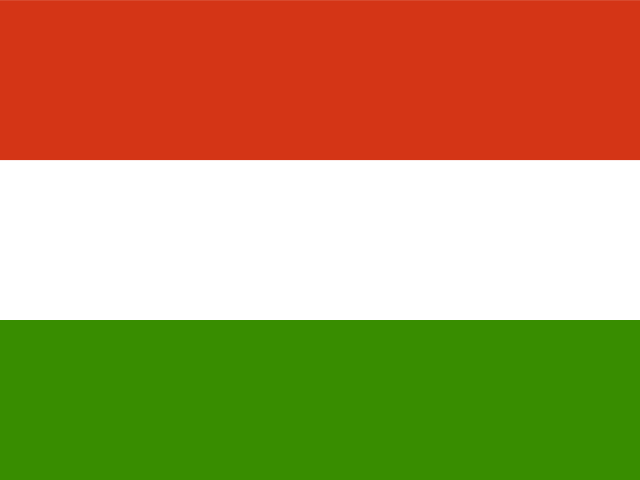 Hungary
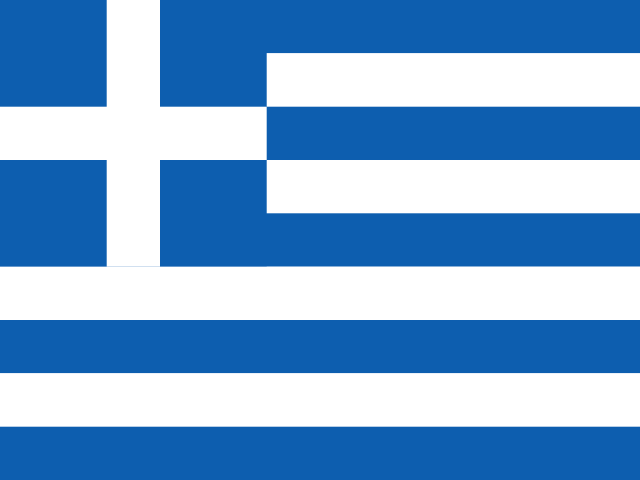 Greece
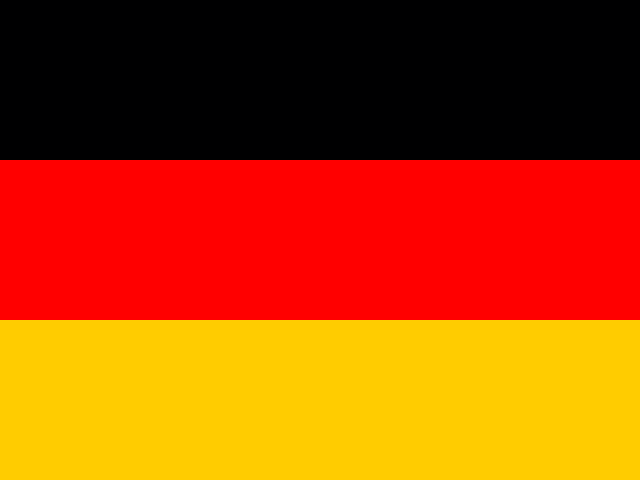 Germany
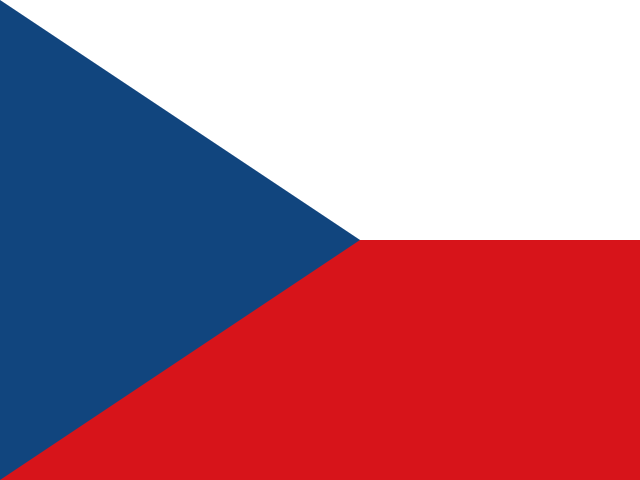 Czech Republic
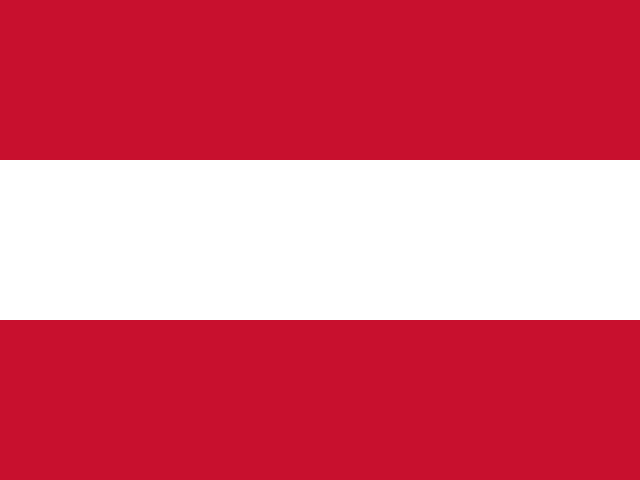 Austria
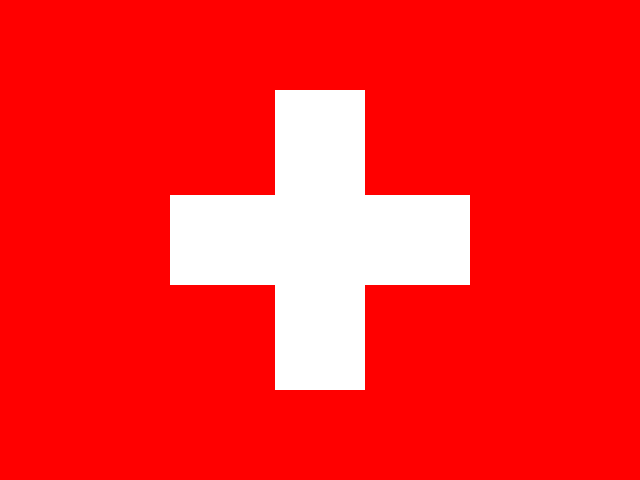 Switzerland
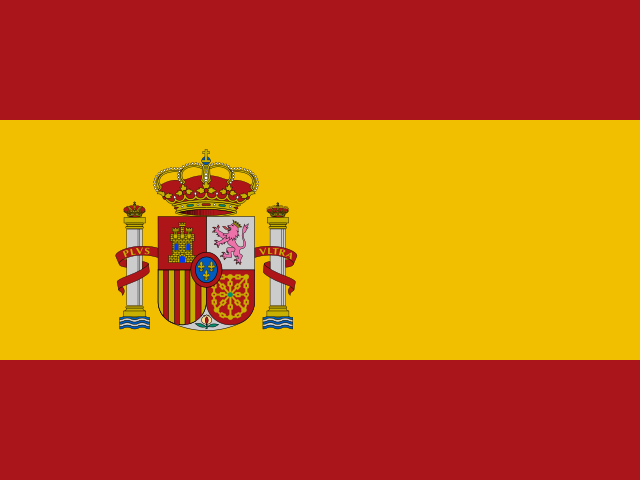 Spain
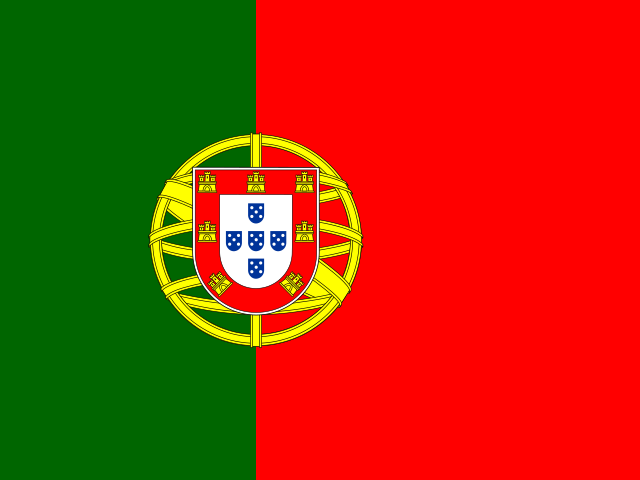 Portugal
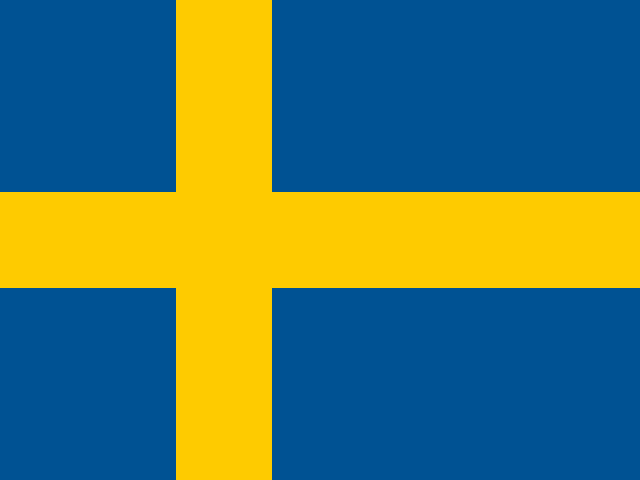 Sweden
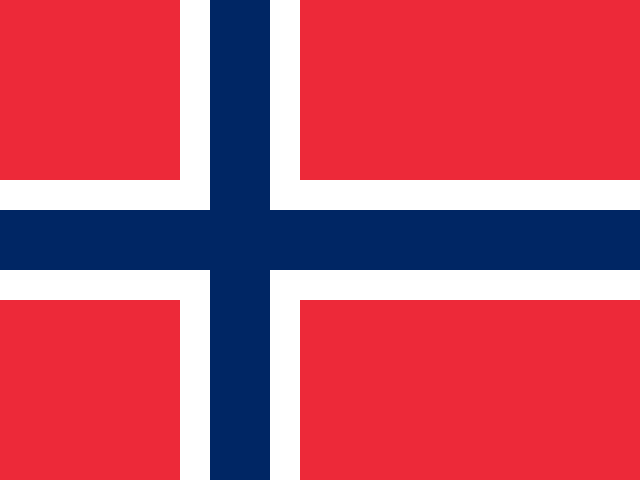 Norway
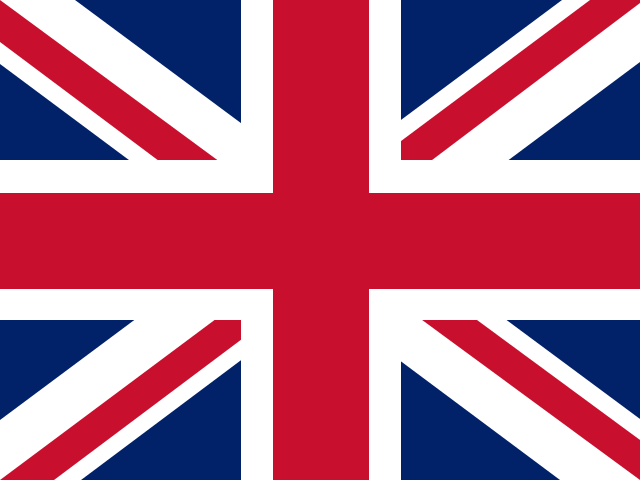 United Kingdom
 Ireland
 Brazil
 Argentina
 Japan
 South Korea
 United States
 Mexico