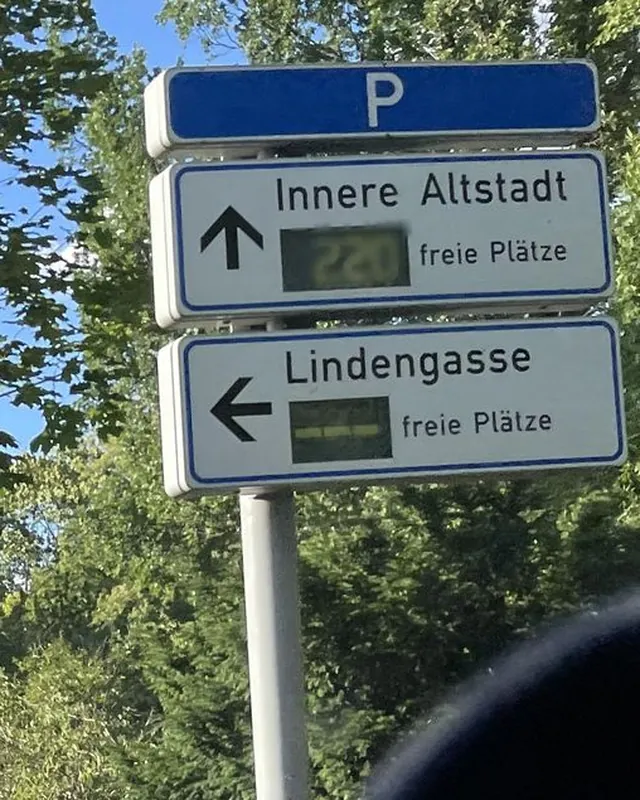
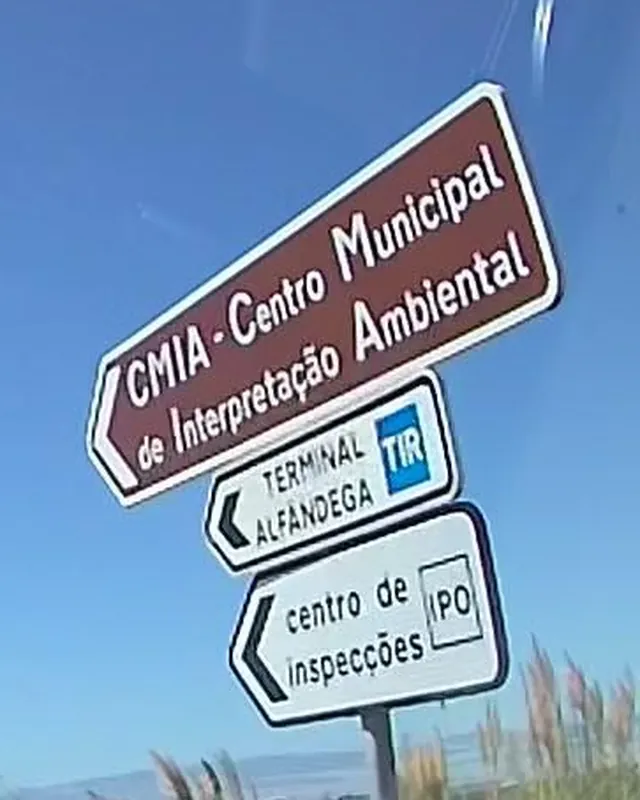
Asian scripts compared
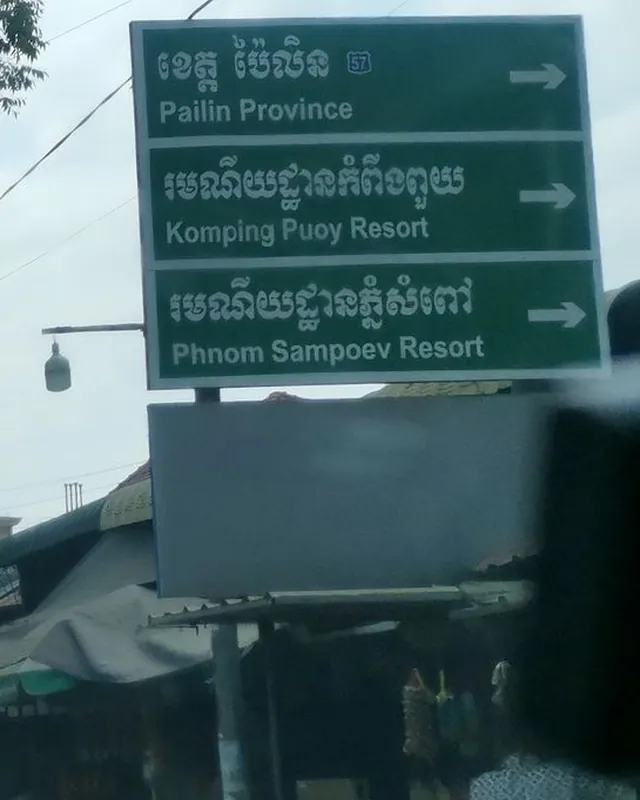
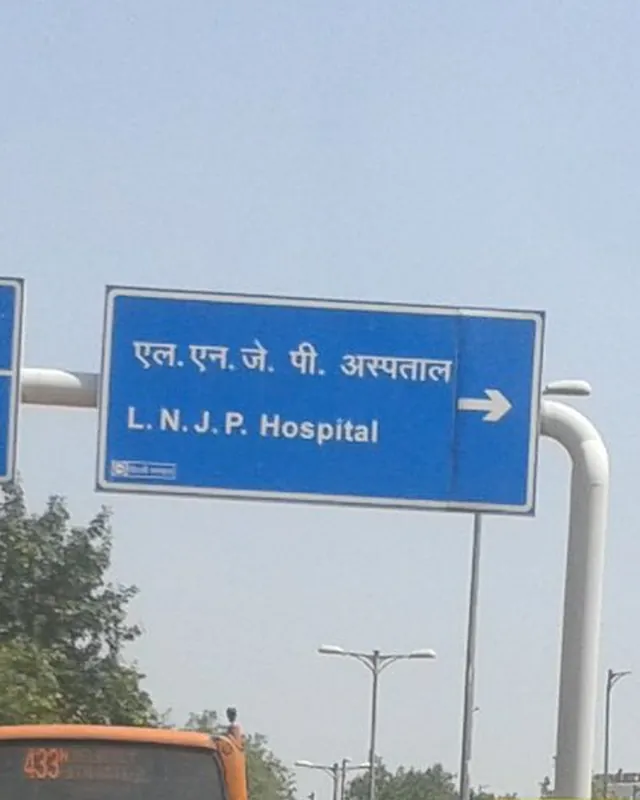
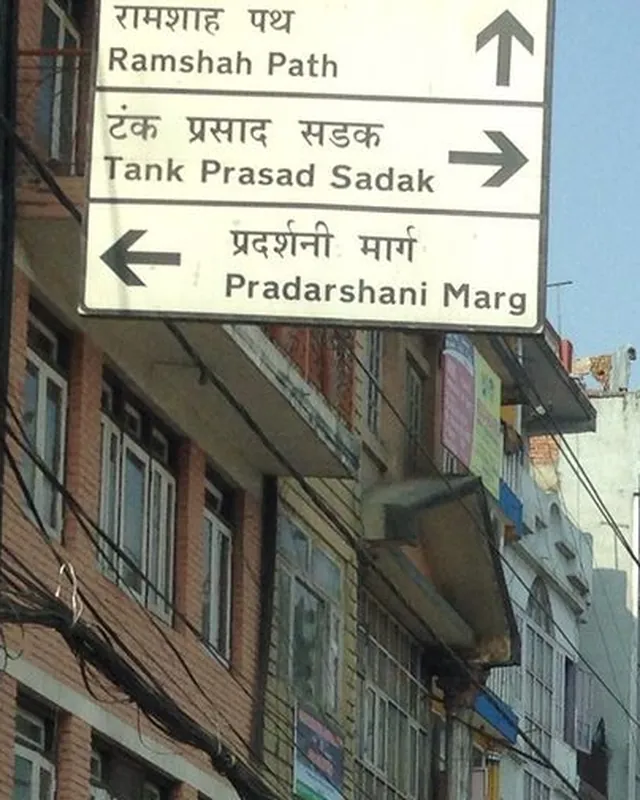
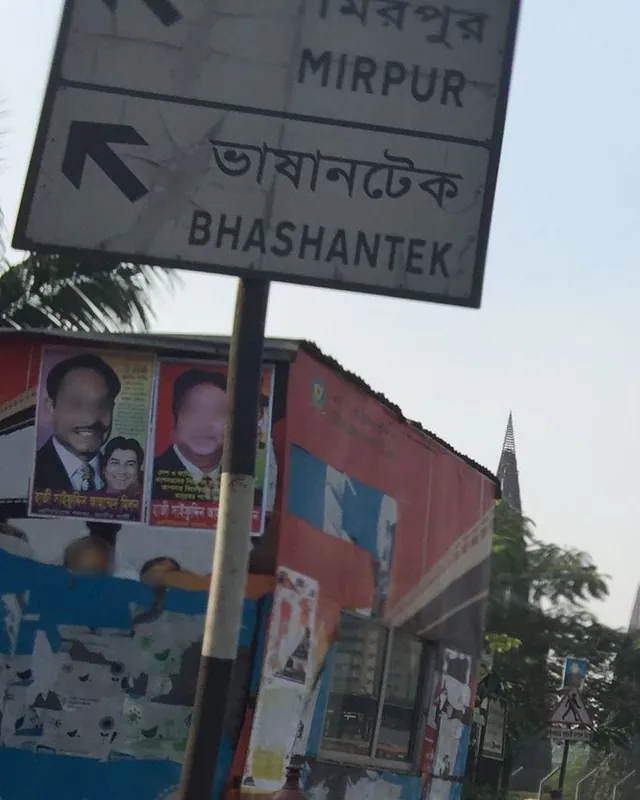
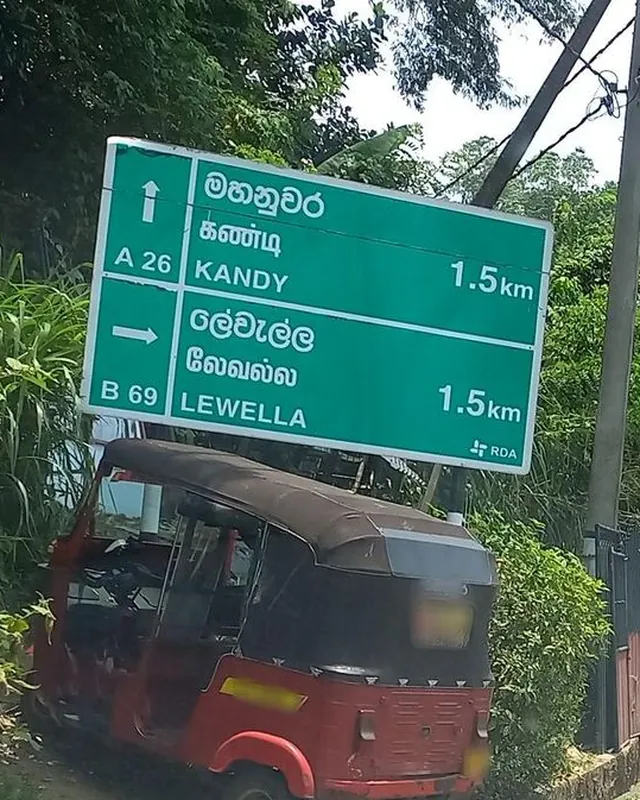
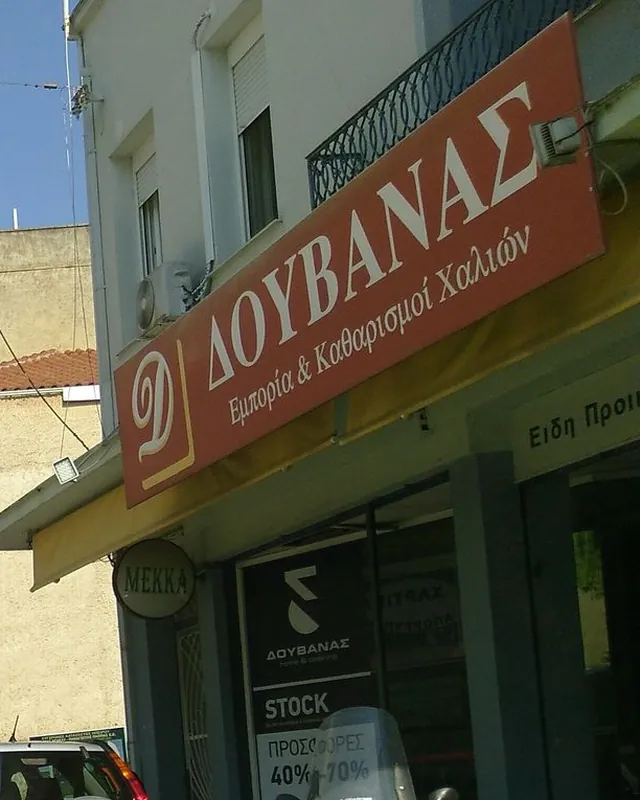
Asia has many scripts of its own. Each card shows one sign per country: look at the shapes, whether letters hang from a line, and whether loops or circles appear.
Alphabets of their own, and Cyrillic
Some countries have an alphabet nobody else uses; others share Cyrillic and differ by a letter or two. Learn the one letter that only each country writes.
Latin letters with extras compared
Most of Europe writes in Latin letters, but almost every language adds its own: marks on the letters, extra letters and typical letter pairs.
Look-alikes: how to tell them apart
These pairs write almost the same way. Each one shows a real sign from both countries side by side, and the letter or word that separates them.
 Japan vs
 Taiwan
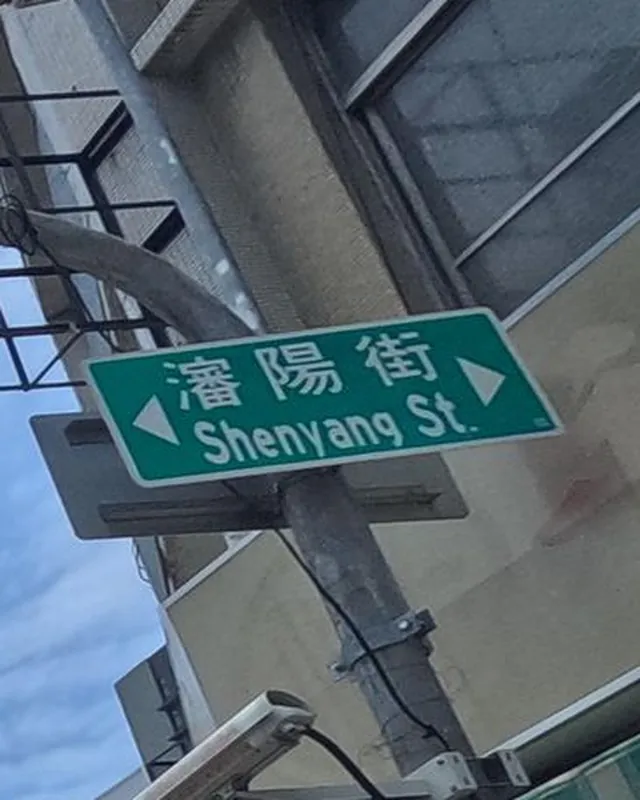
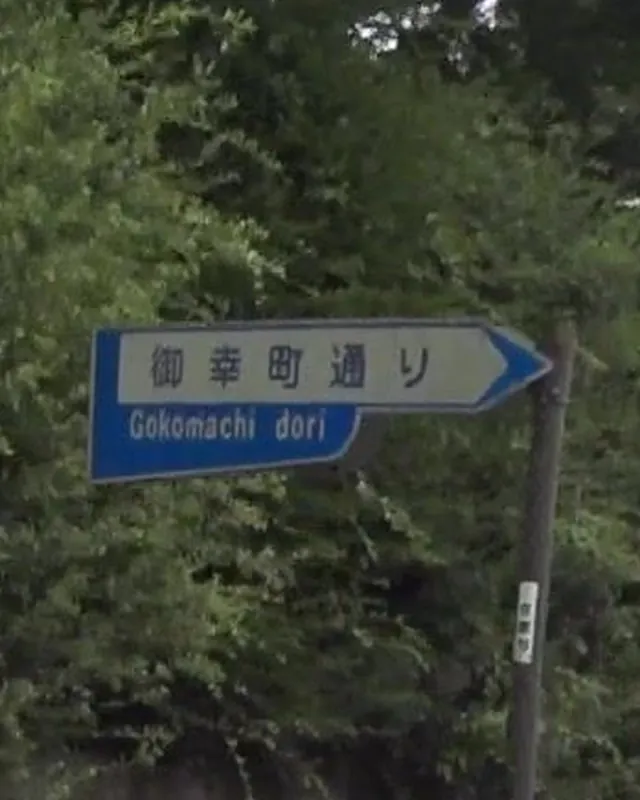
How to tell Both use Chinese characters. Japanese mixes them with kana: look for small, simple characters like の, し or り. Taiwan writes only Chinese characters, dense and complex, with no kana.
 Thailand vs
 Laos
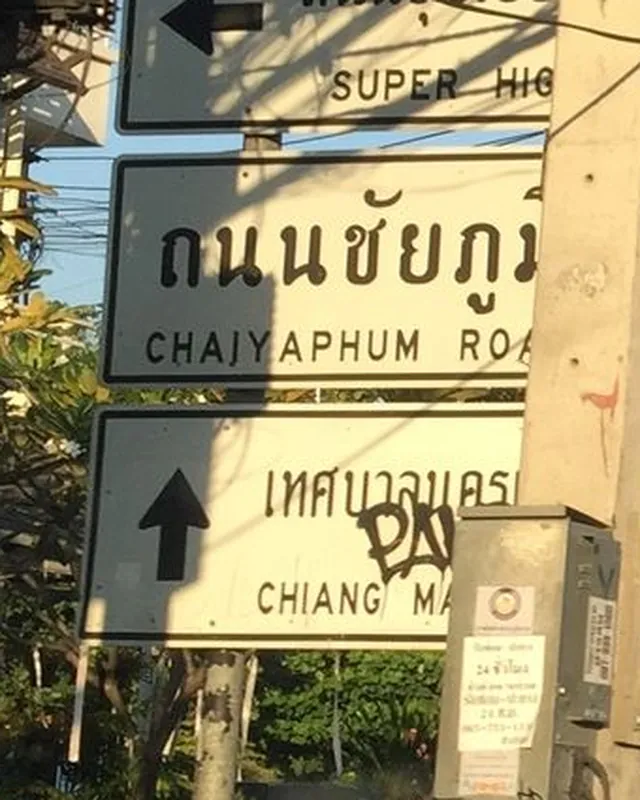
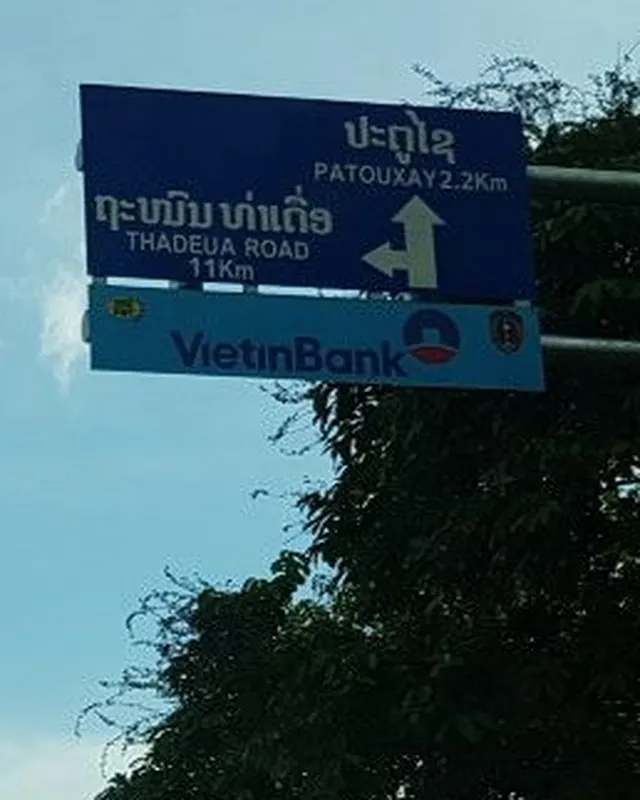
How to tell Lao looks like Thai, but its letters are rounder and simpler, with fewer loops and fewer tall marks above the line. Thai letters each start with a small loop.
 India vs
 Bangladesh
How to tell Both hang their letters from a line along the top. Bengali has many letters with a triangle under the line, like ব and র; Hindi's Devanagari letters are straighter, with more upright strokes.
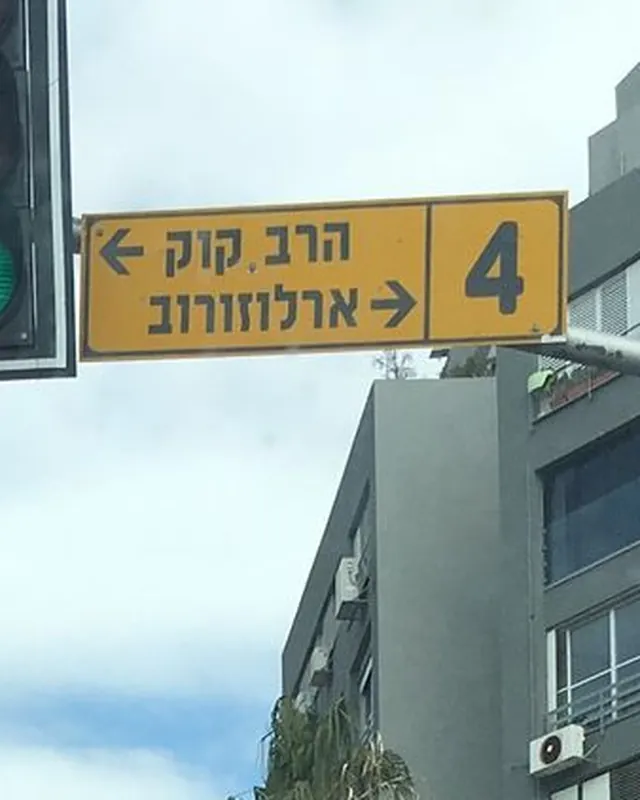
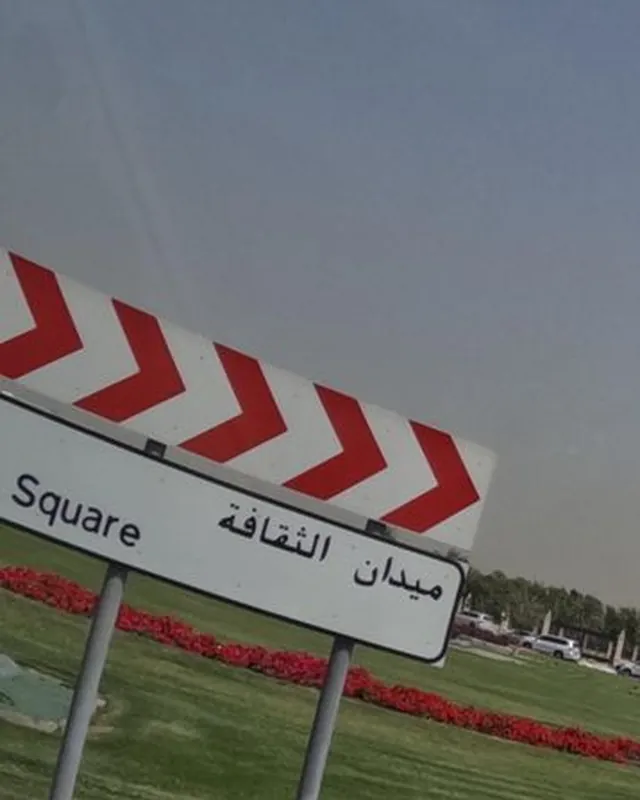
 Israel vs
 United Arab Emirates
How to tell Both read right to left. Hebrew letters are square and stand apart; Arabic letters join into flowing words with dots above and below. Israeli road signs often carry both, with Hebrew on top.
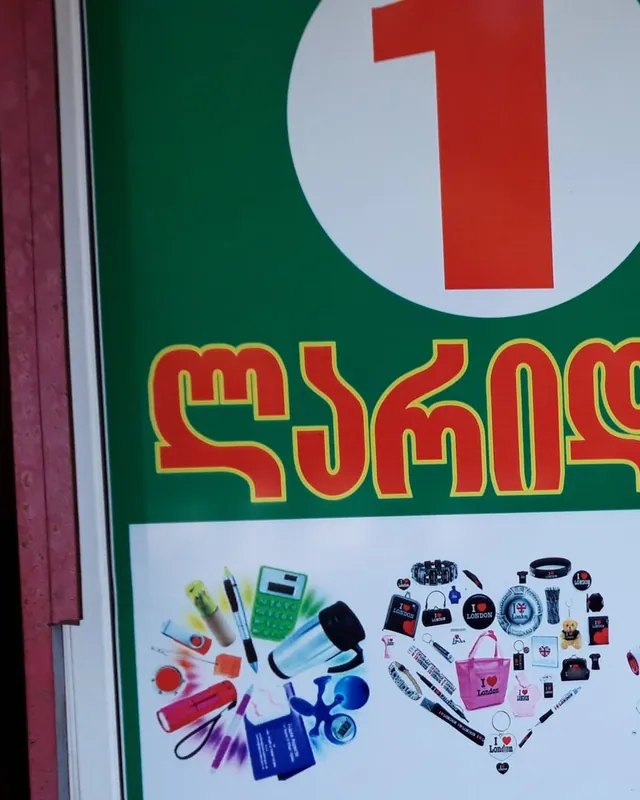
 Georgia vs
 Armenia
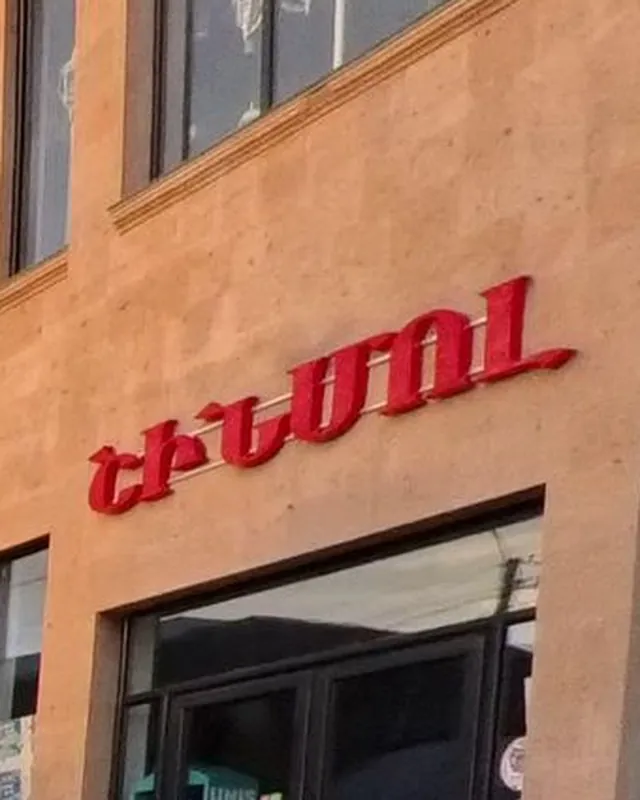
How to tell Both have alphabets of their own. Georgian is round and curly, with no capital letters. Armenian is made of arches and hooks, and it has capitals, which often look like Latin letters.
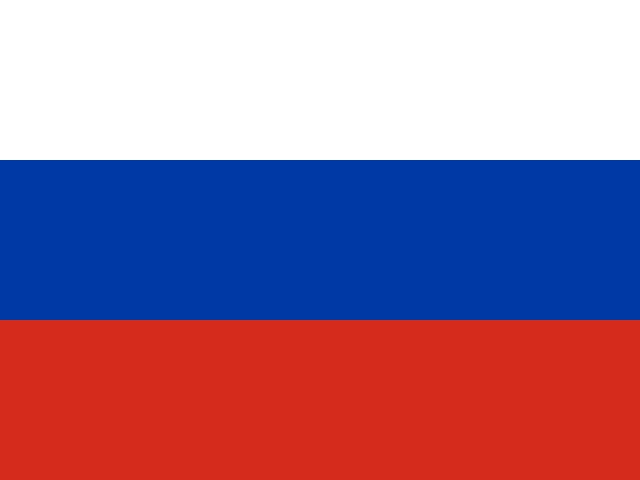 Russia vs
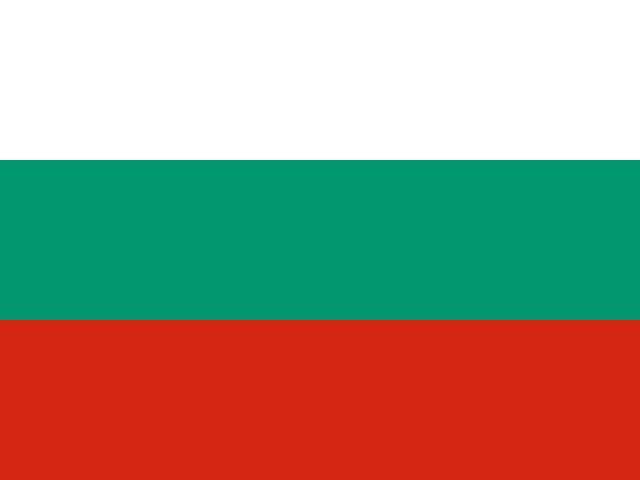 Bulgaria
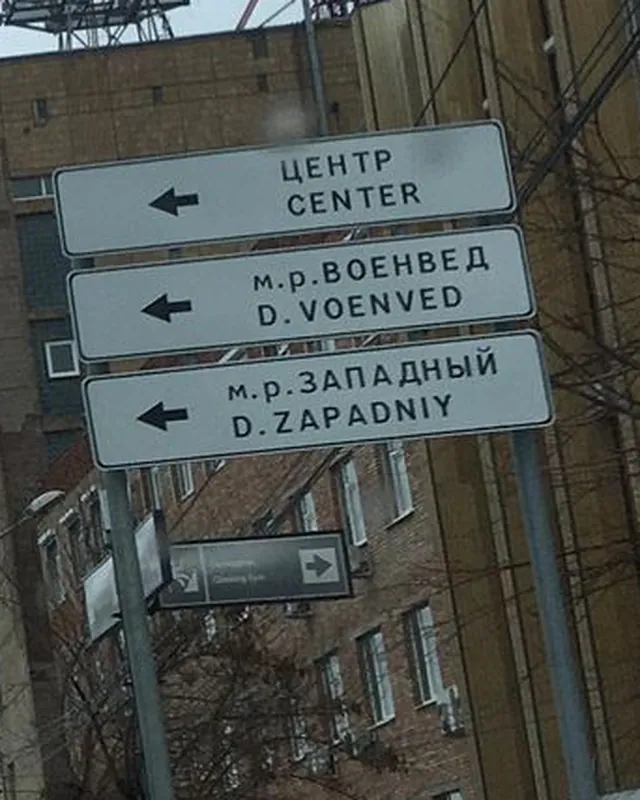
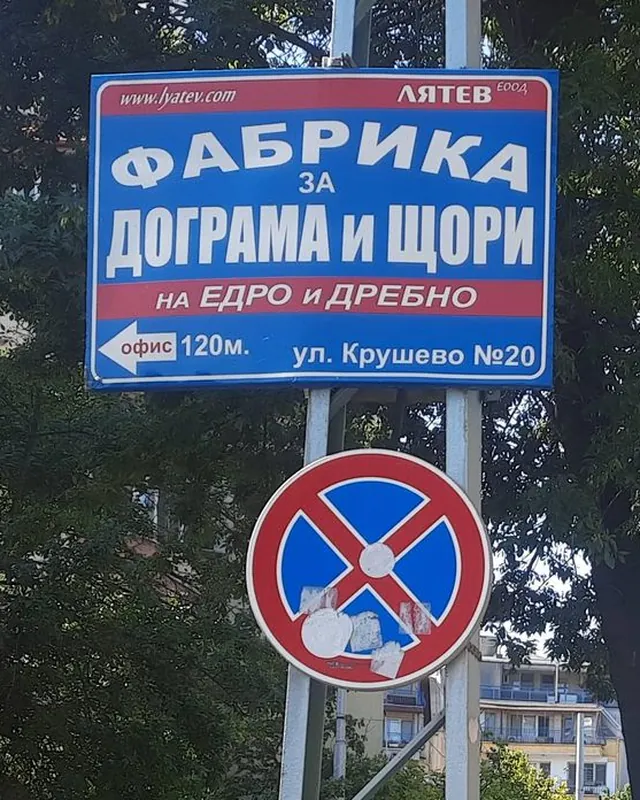
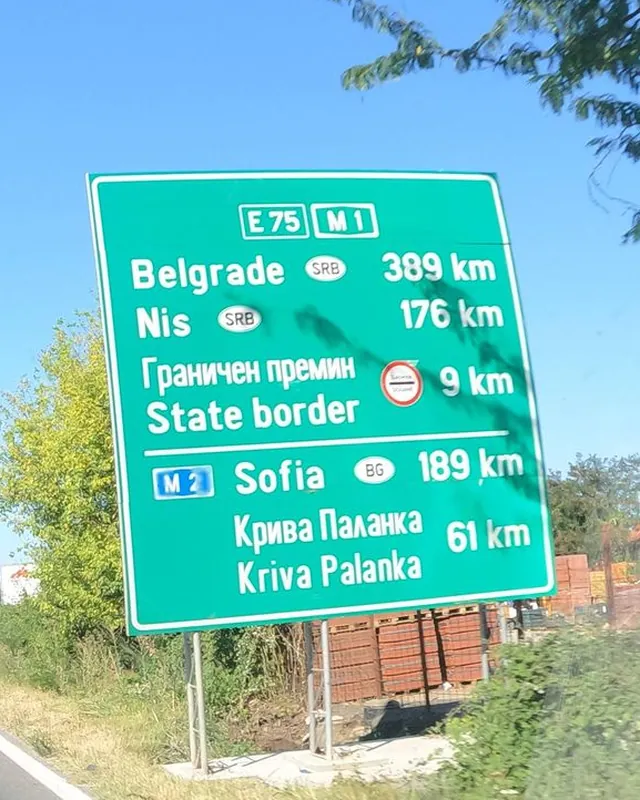
How to tell Both write Cyrillic. ы and э mean Russian; Bulgarian has neither. Bulgarian uses ъ as a vowel in the middle of words, like път.
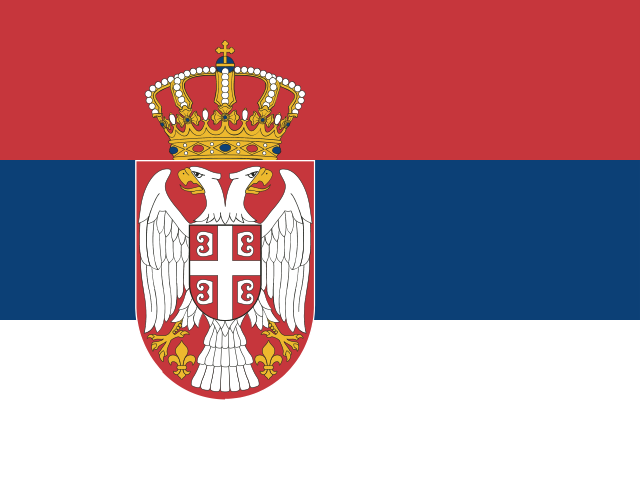 Serbia vs
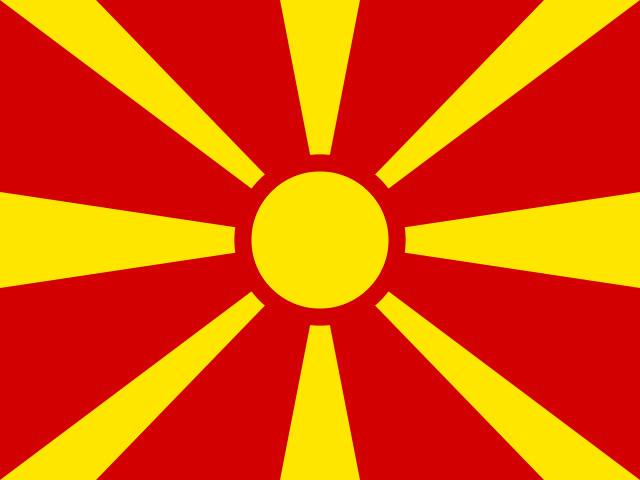 North Macedonia
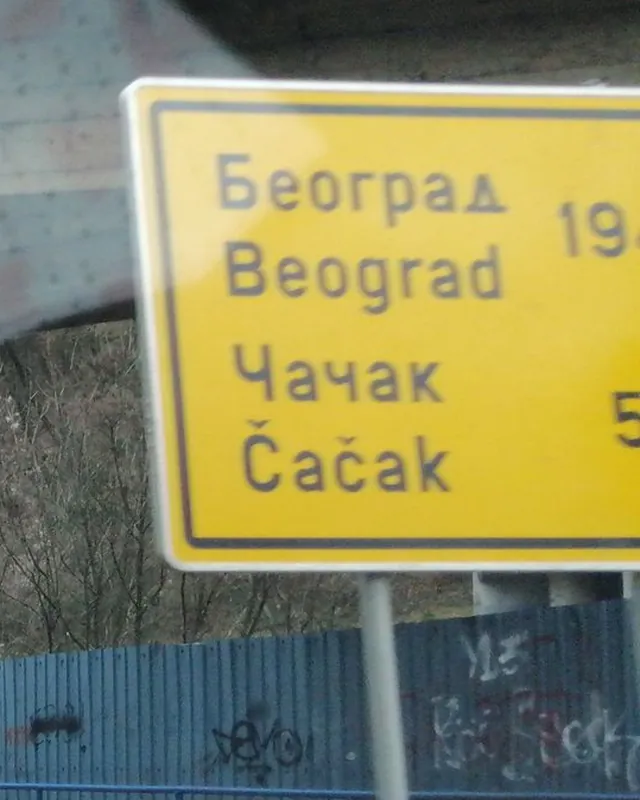
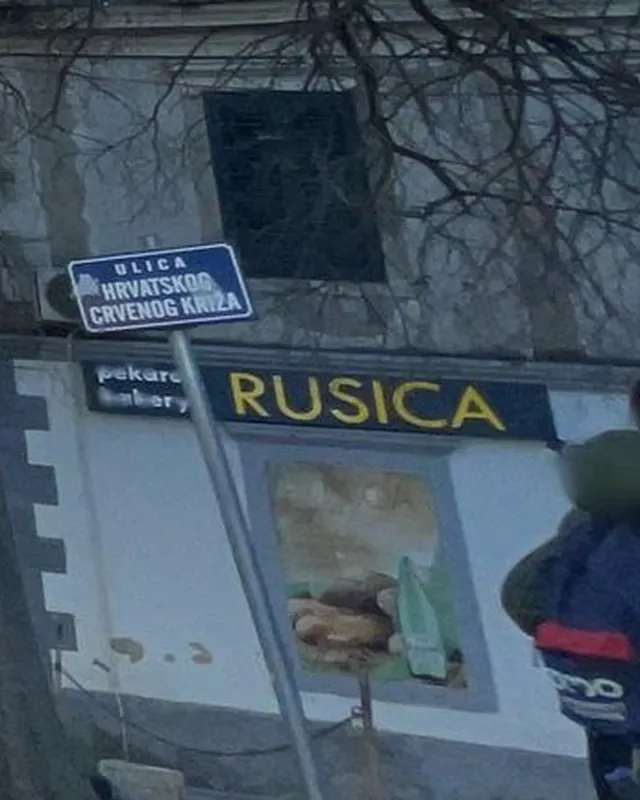
How to tell Both share љ, њ, џ and ј. Serbian has ђ and ћ; Macedonian has ѓ, ќ and ѕ. Serbia also writes in Latin letters, often on the same sign, like Београд / Beograd.
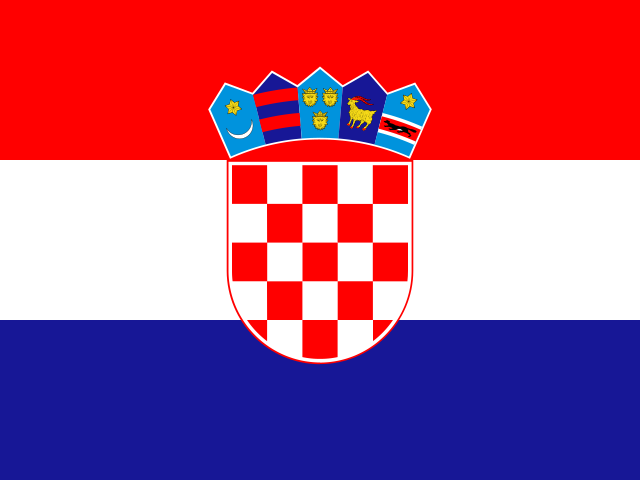 Croatia vs Serbia
How to tell Serbia also writes in Latin letters, with the same č, ć, š, ž and đ as Croatian. Look at the words: Croatian often has ije where Serbian has e, as in mlijeko and mleko. Any Cyrillic on the sign means Serbia.
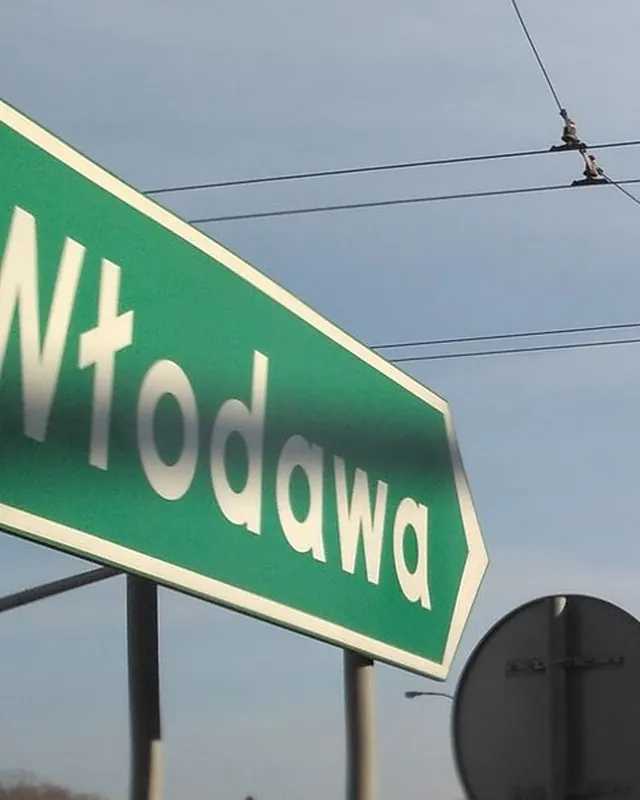
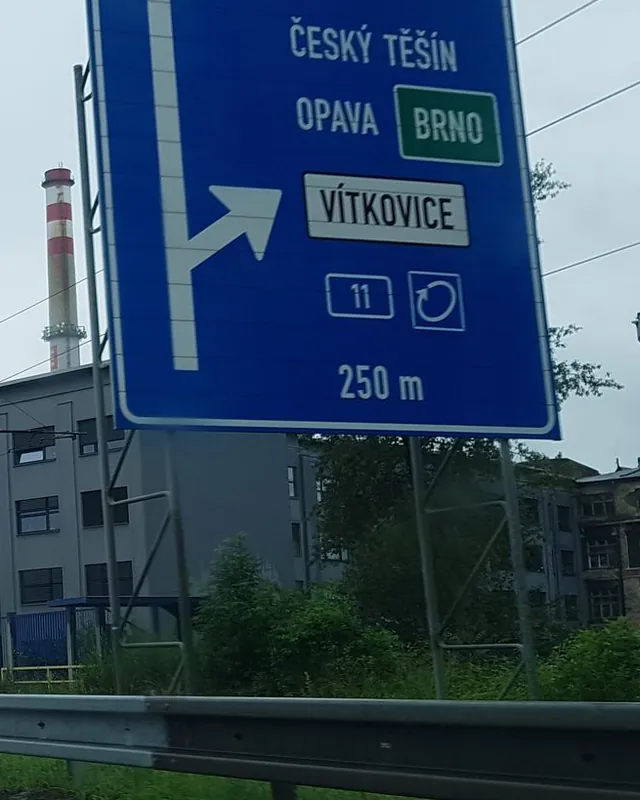
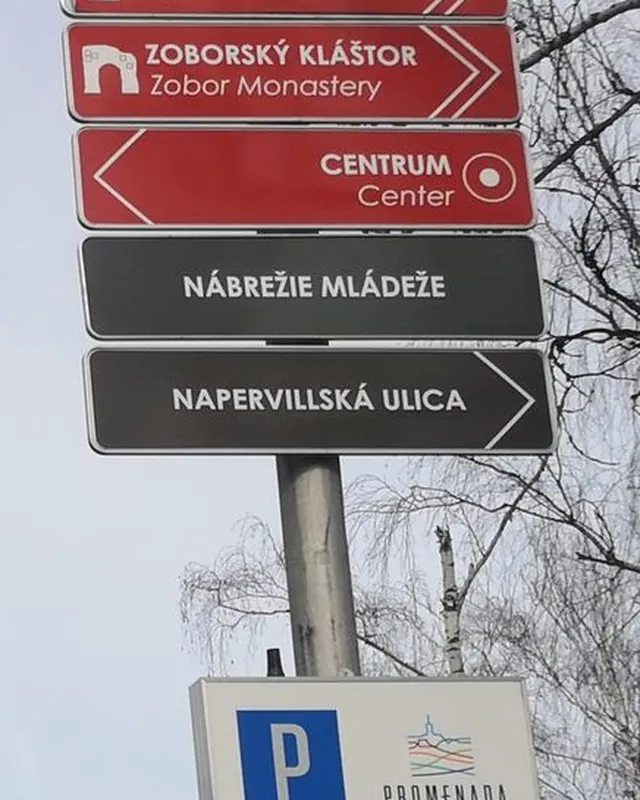
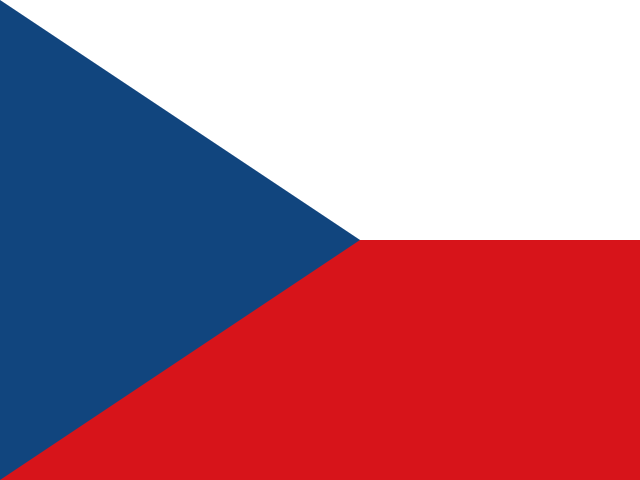 Czech Republic vs
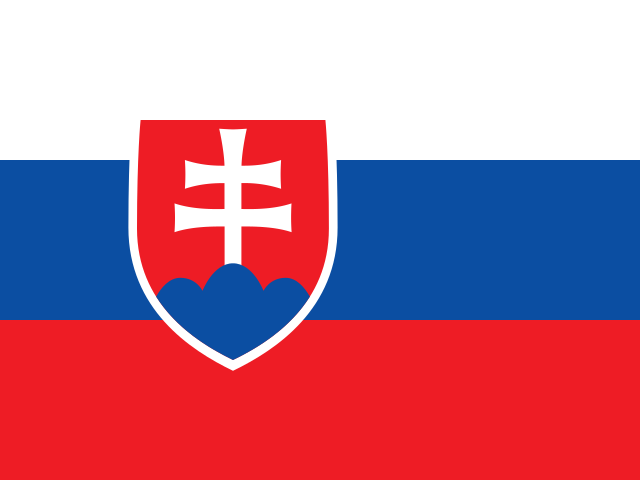 Slovakia
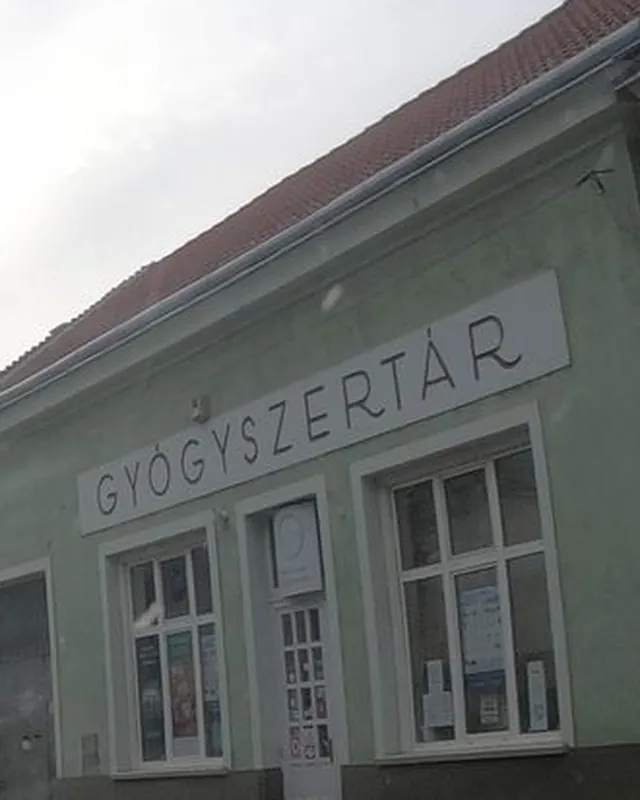
How to tell Close cousins. ř, ě and ů mean Czech; ä, ô and ľ mean Slovak. Common words differ too: a street is ulice in Czech and ulica in Slovak.
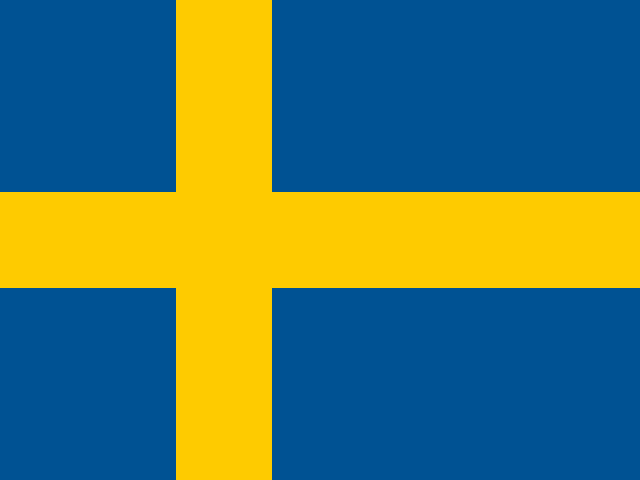 Sweden vs
 Norway
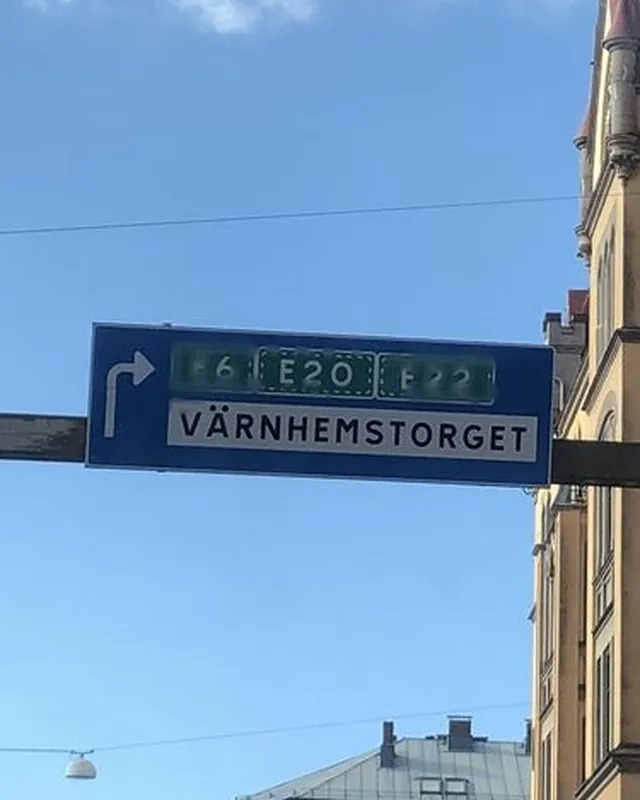
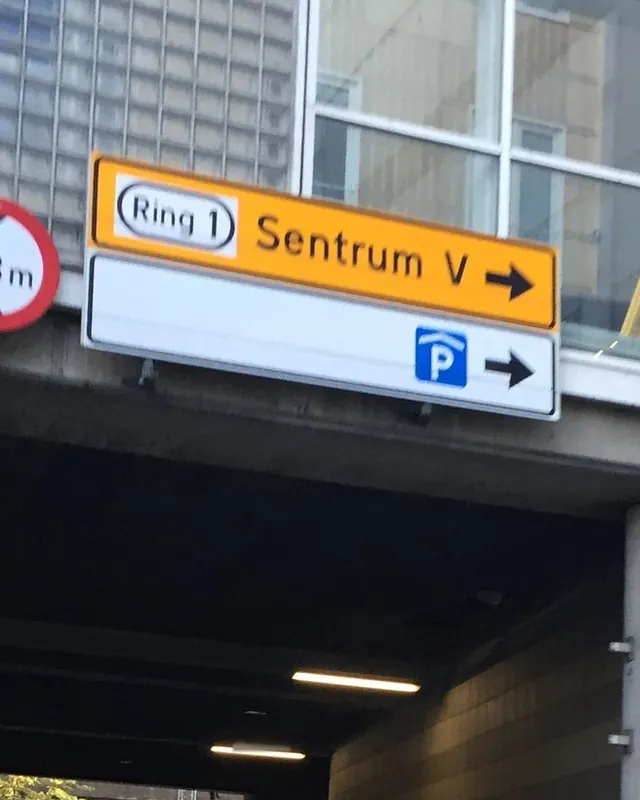
How to tell Neighbours with different extra letters: ä and ö in Swedish, æ and ø in Norwegian. The town centre is Centrum in Swedish and Sentrum in Norwegian.
Norway vs  Denmark
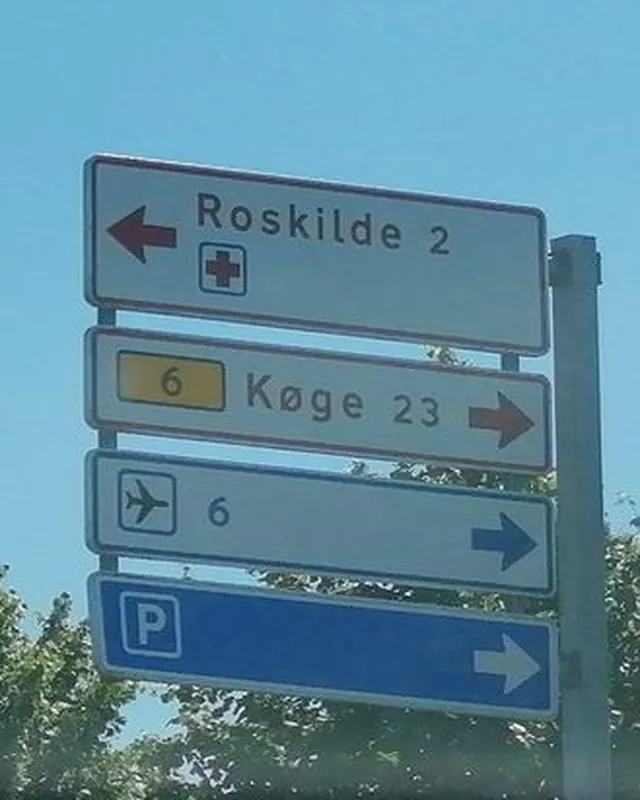
How to tell The same letters, æ, ø and å, so read the words. Norwegian streets are vei and gate, Danish ones vej and gade. Norwegian writes Sentrum where Danish writes Centrum.
 Finland vs
 Estonia
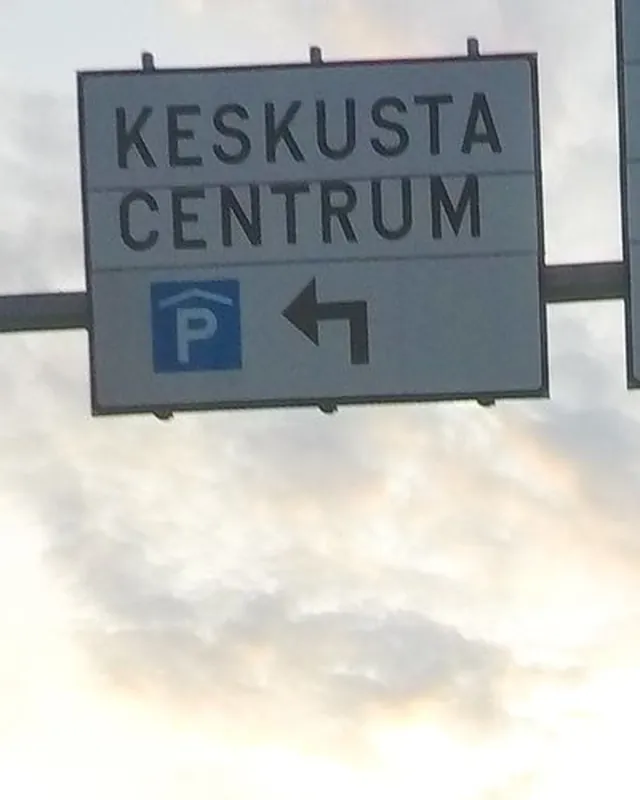
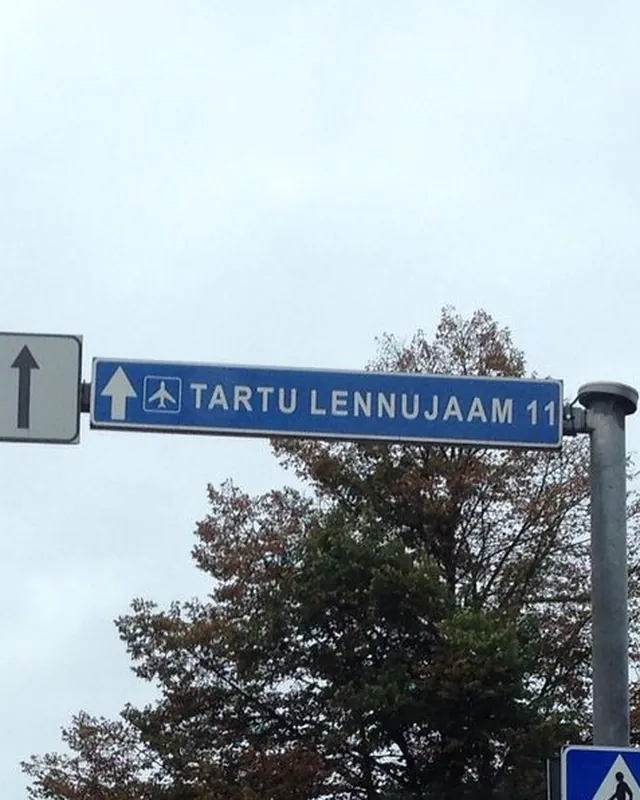
How to tell Both have ä, ö and double letters. Estonian adds õ and ü. Finnish signs often repeat the name in Swedish, like Keskusta / Centrum. An airport is lentoasema in Finnish and lennujaam in Estonian.
 Lithuania vs
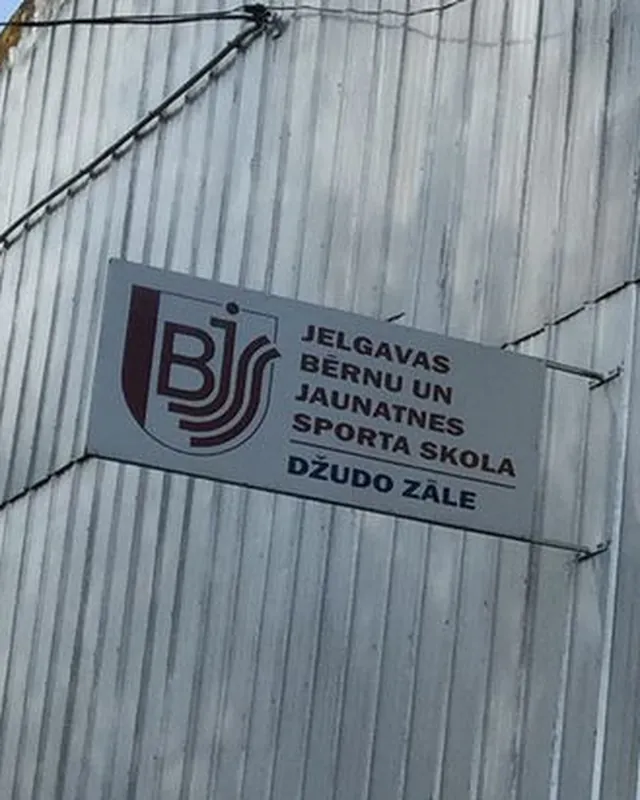
 Latvia
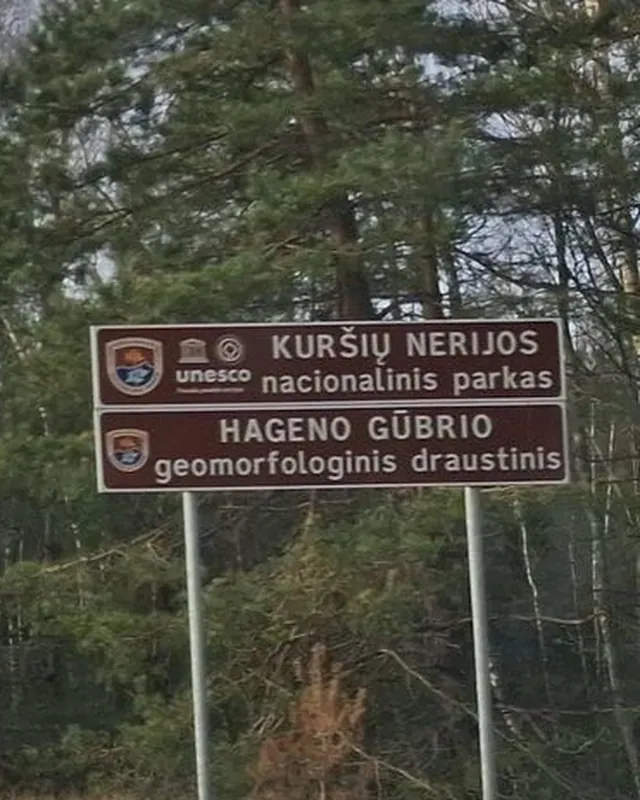
How to tell Baltic neighbours with different marks. Lithuanian has ė and tails under vowels: ą, ę, į, ų. Latvian puts lines over long vowels, ā, ē, ī, ū, and commas under ķ, ļ, ņ and ģ.

 Japan