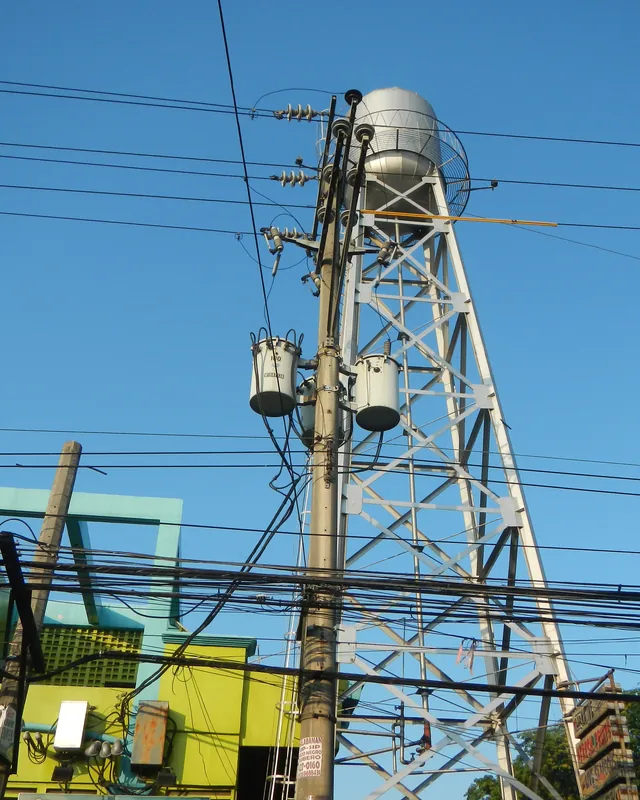
Utility poles compared: same pole, different countries
Poles are the hardest clue to read, because so many look alike. This page puts the same kind of pole side by side across 21 countries, wooden poles, concrete shapes, what hangs on the pole and the extras like stork nests and plaques, then shows the look-alikes people mix up and the detail that tells them apart.
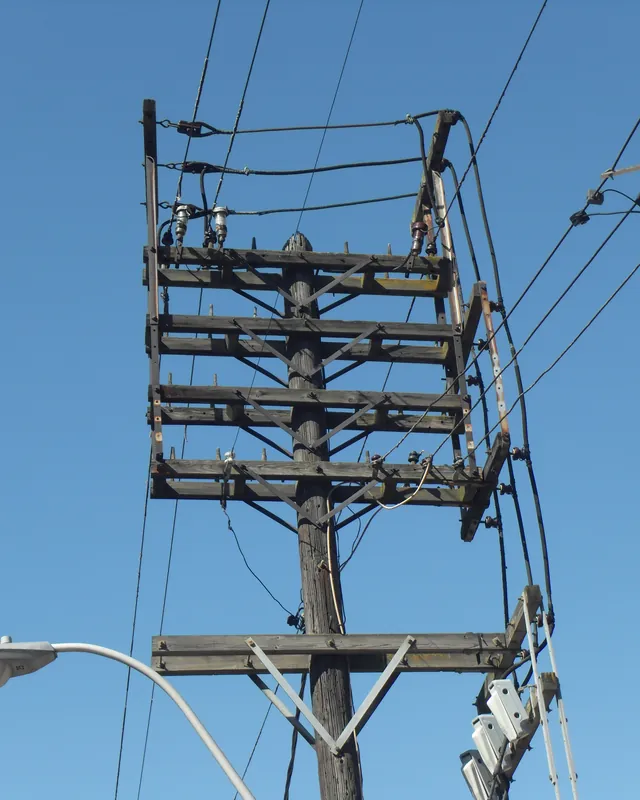
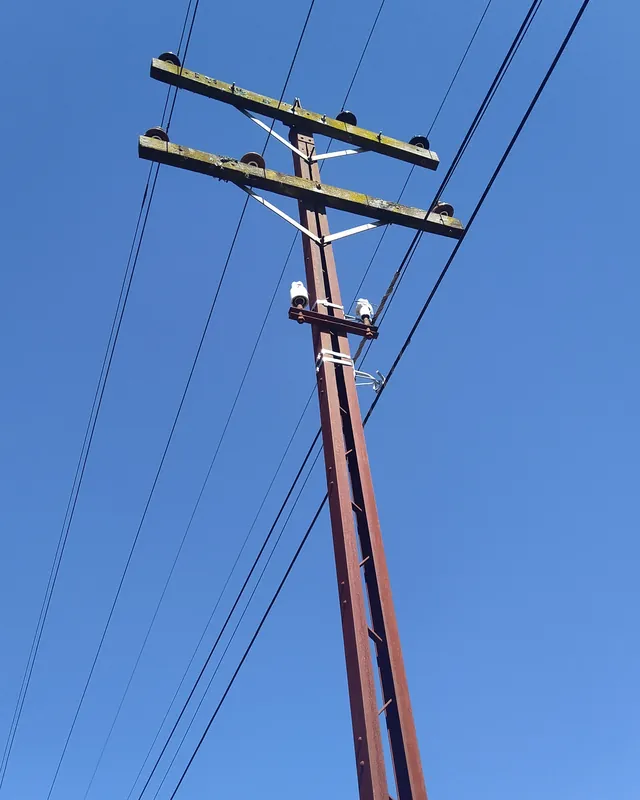
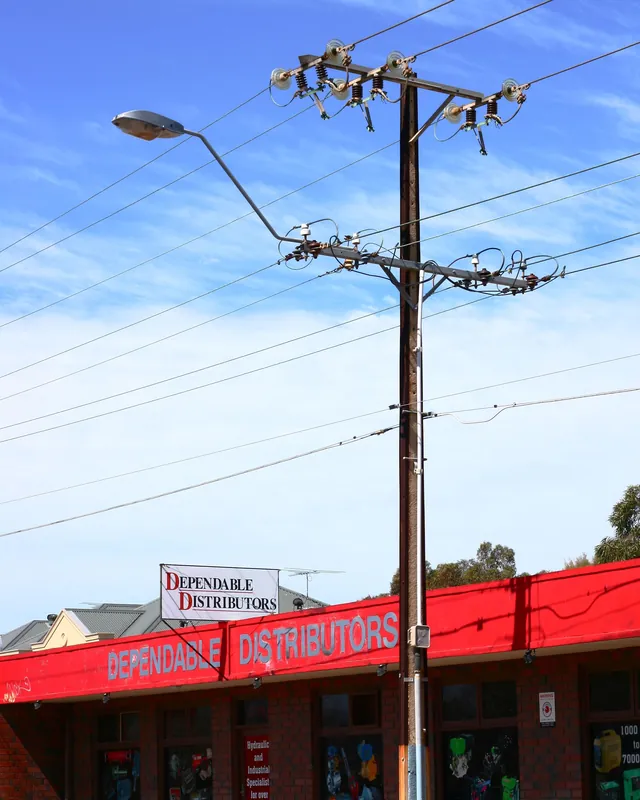
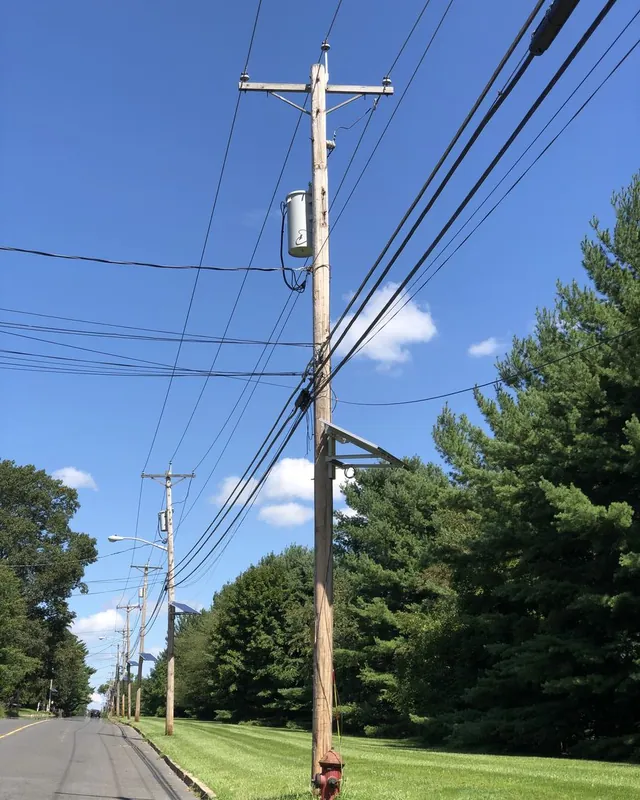
Tall wooden poles with one or more long crossarms carrying the wires are standard in the United States and Canada, and common in Argentina and Australia. The pole alone will not name the country, so look at the transformer, the signs and the land around it.
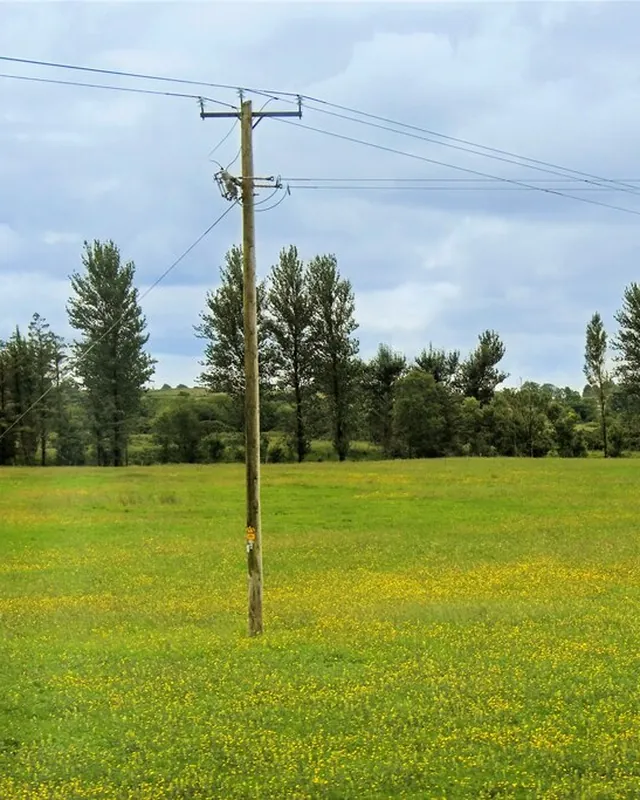
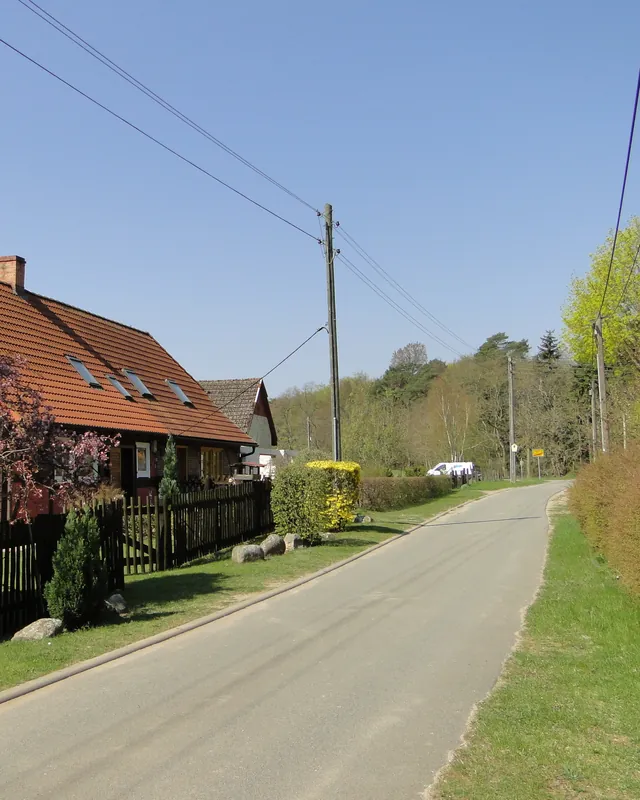
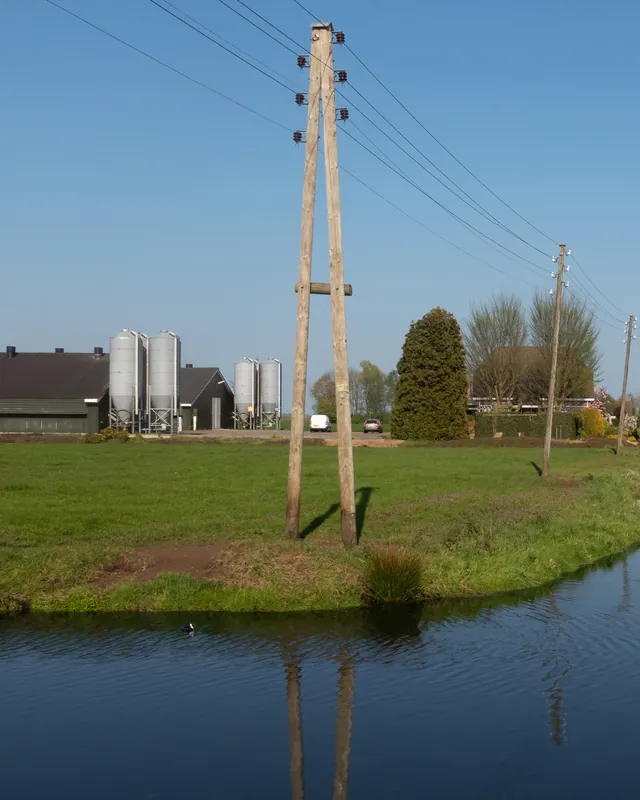
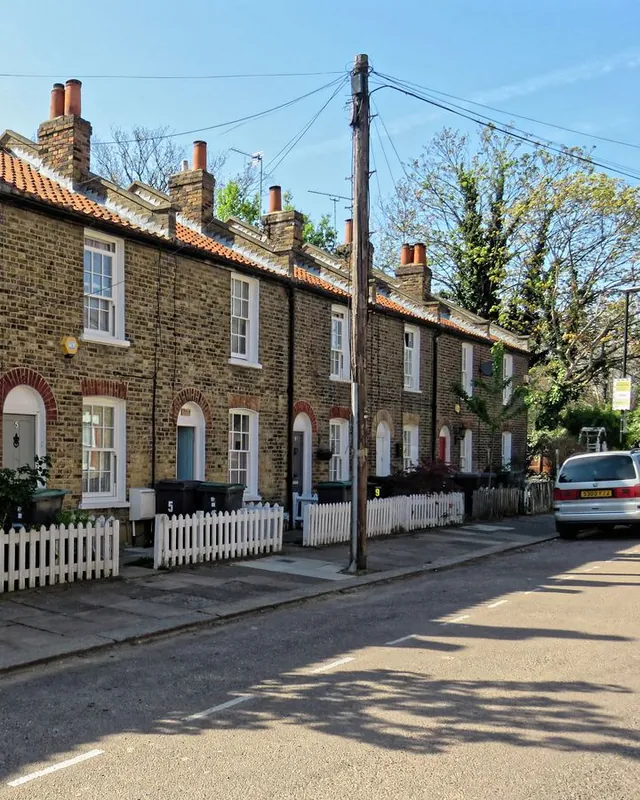
North-west Europe uses slim wooden poles with little on top. In the United Kingdom and Ireland they carry phone lines fanning out to houses; in Germany they line village roads; in the Netherlands they stand in the countryside, often in pairs, beside flat fields and ditches, because Dutch towns bury their wires.
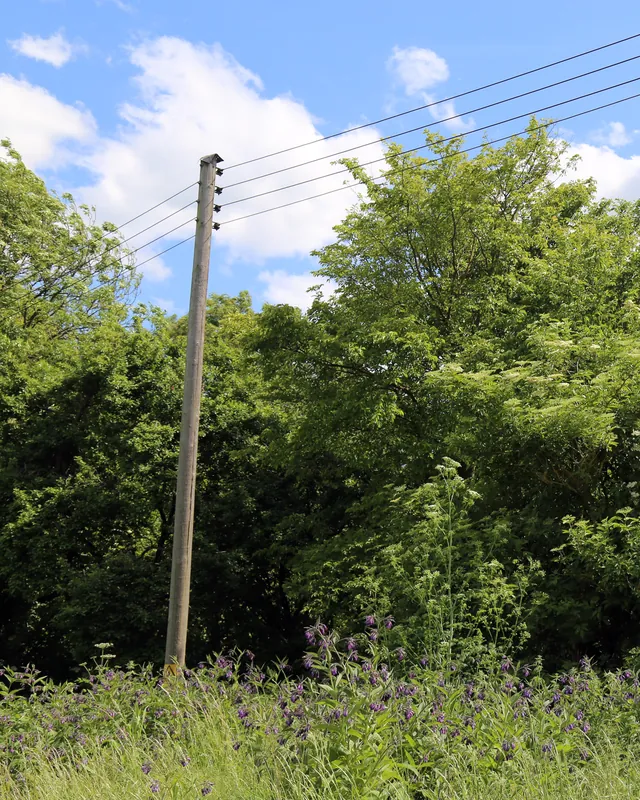
Concrete is where the strongest clues are: a few countries cast their poles in a shape of their own. Look at the cross-section, the holes and the top of the pole.
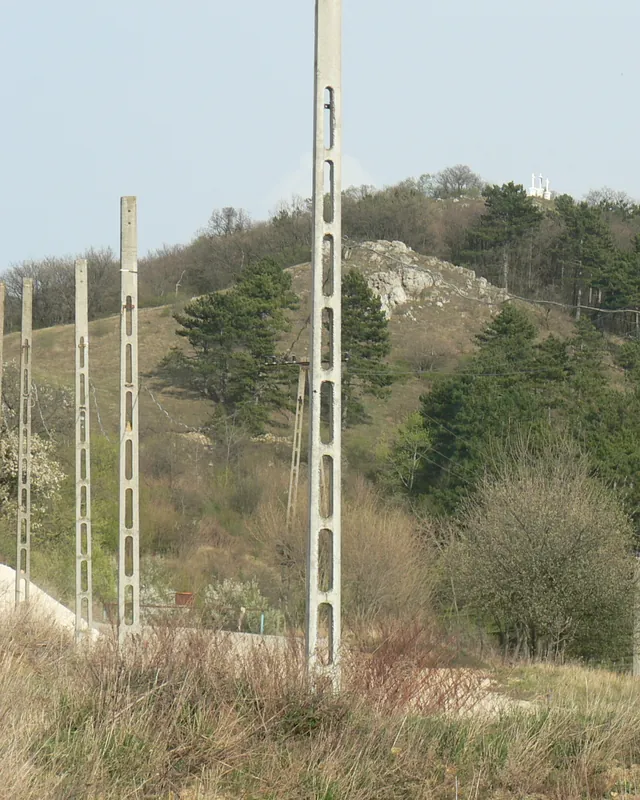
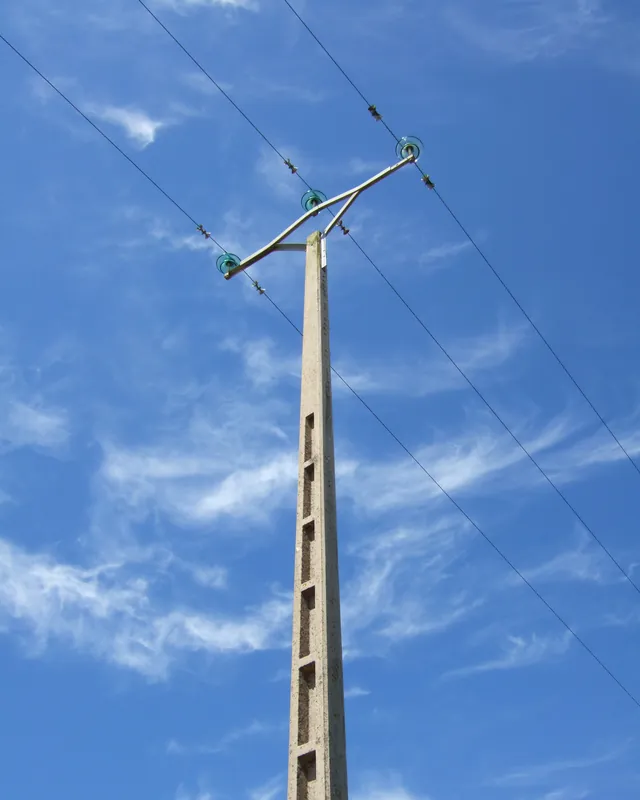
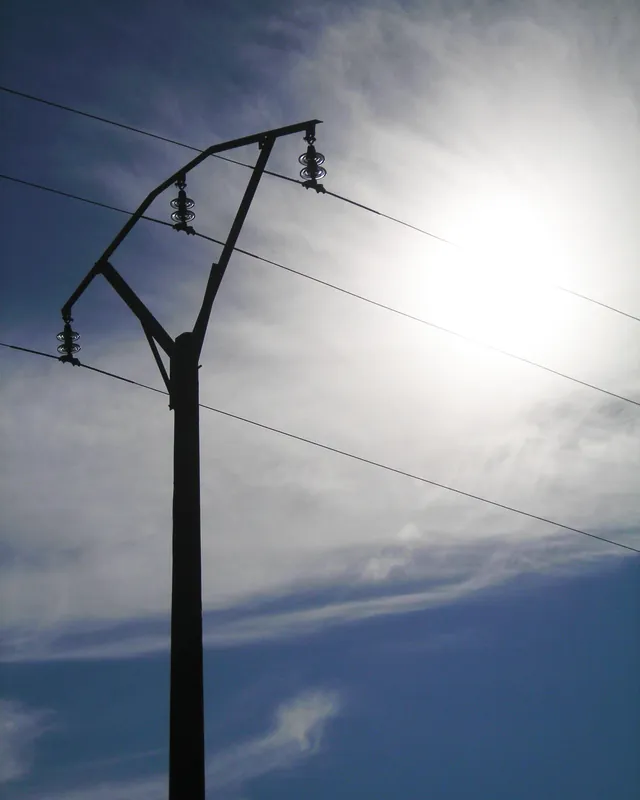
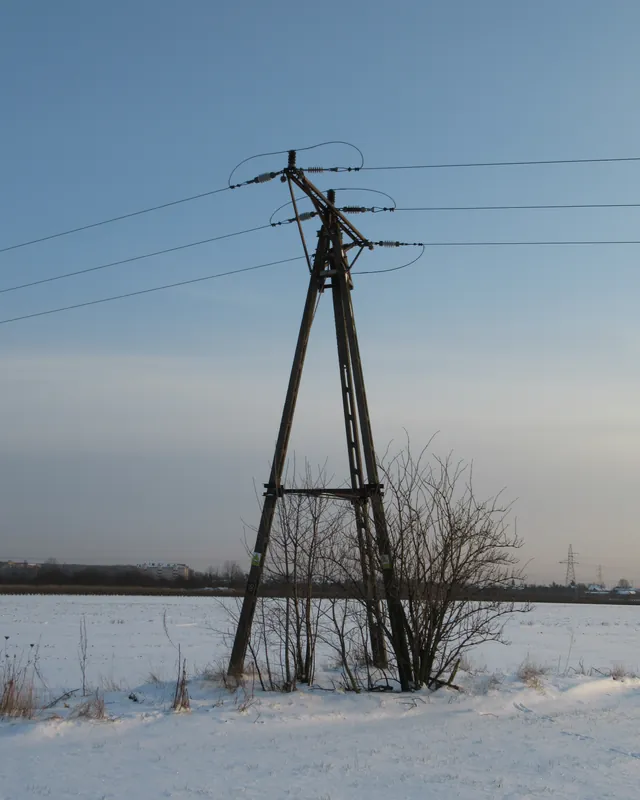
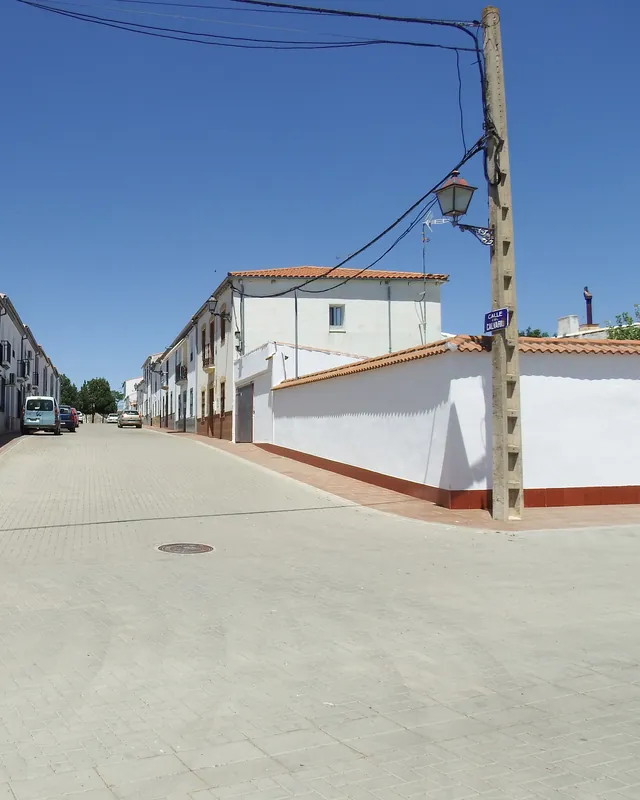
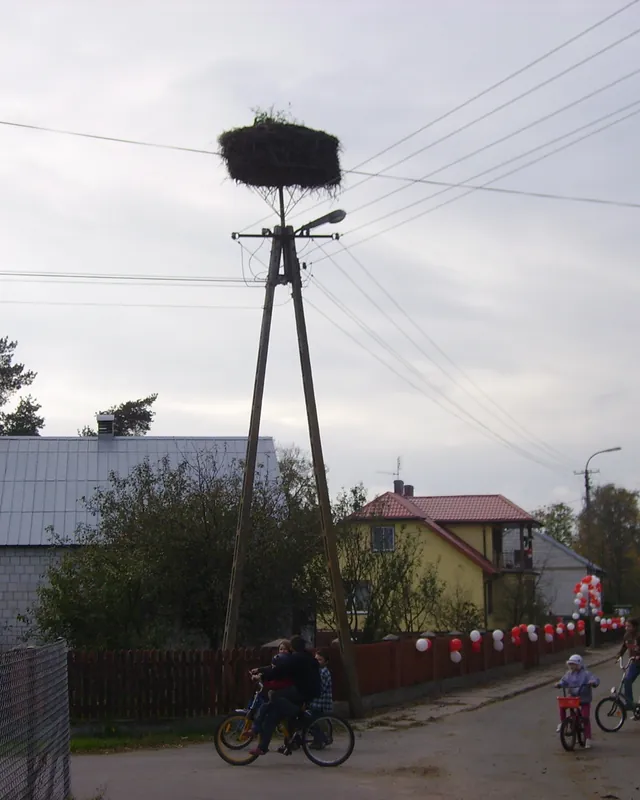
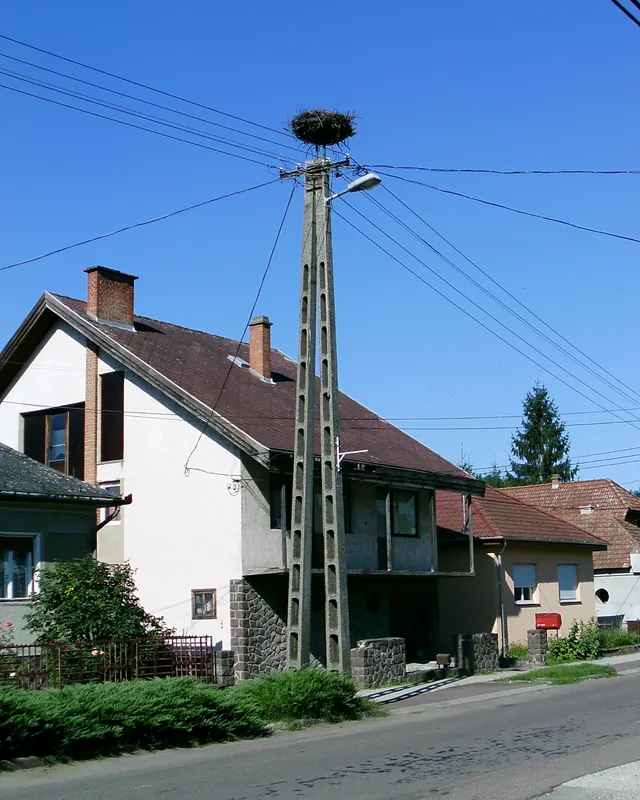
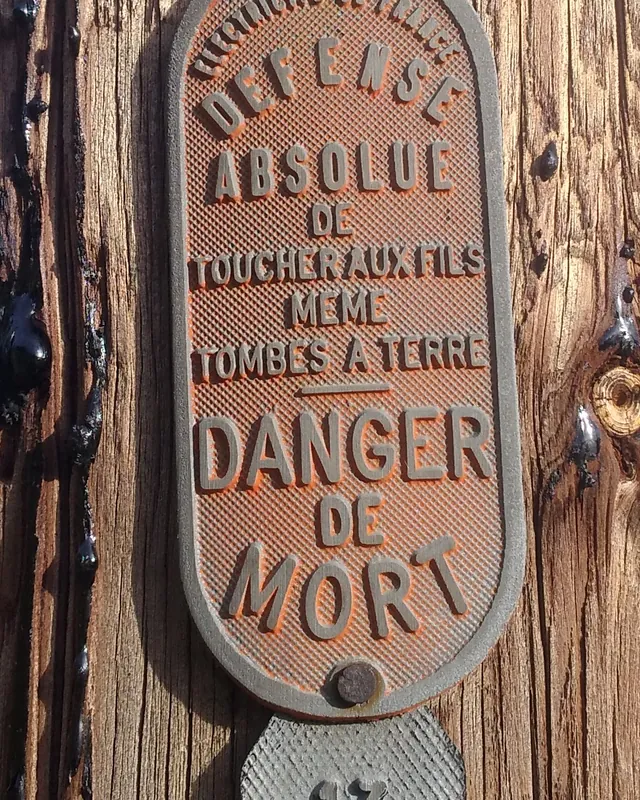
Four strong clues: Hungary's concrete poles have a column of holes up the middle; France's have an H-shaped cross-section; Spain's often end in a Y-shaped top; Poland braces two concrete poles into an A-frame.
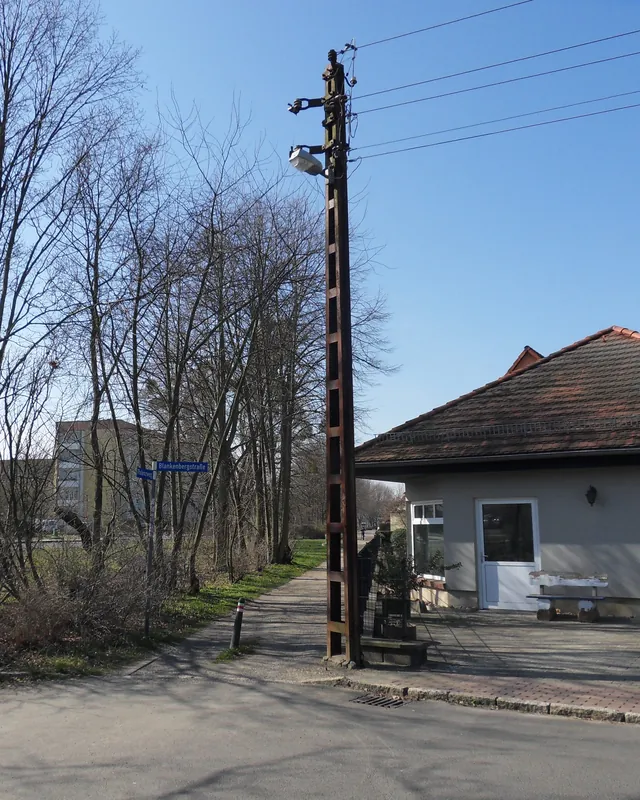
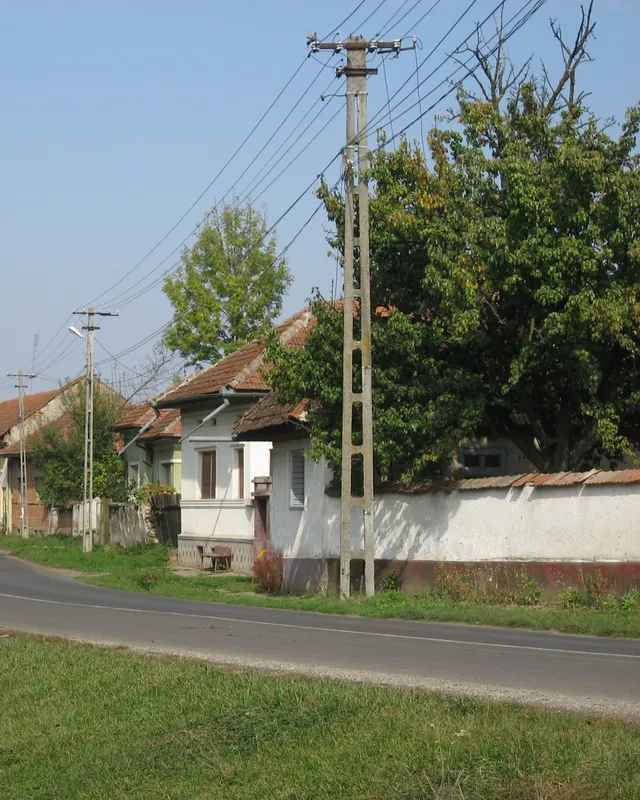
Concrete poles cast as an open lattice, like a ladder, are found in eastern Germany and in Romania. In Germany they often carry a streetlight arm; in Romania look for coils of spare cable hanging on them.
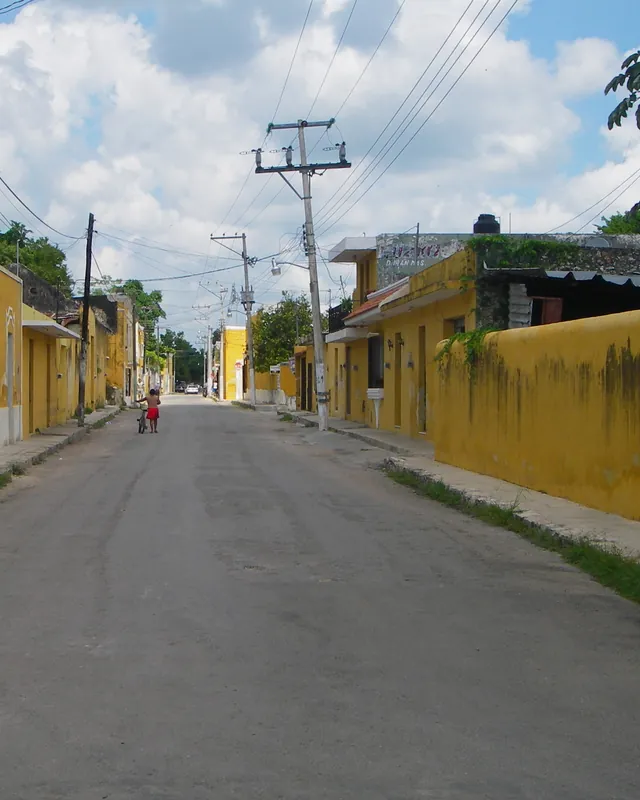
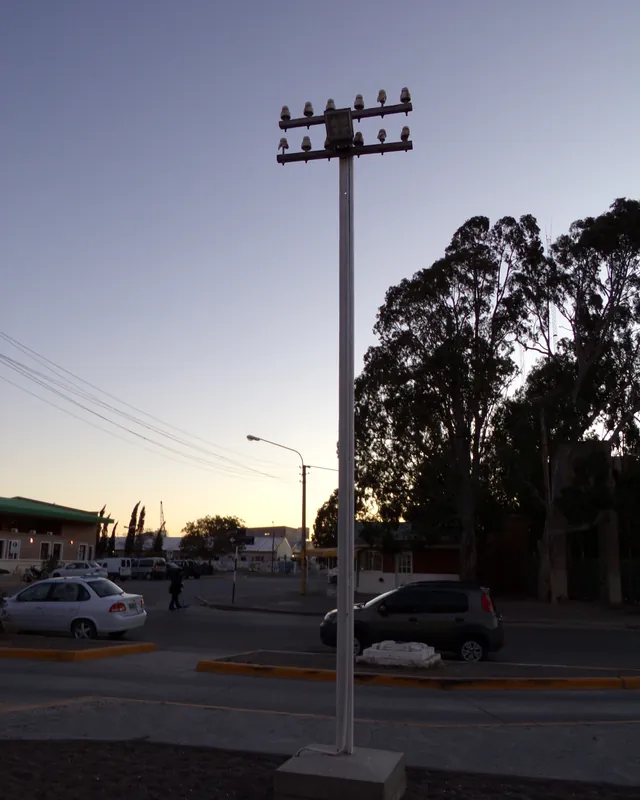
Concrete poles that get thinner towards the top, with crossarms, are common in Mexico and Argentina. Mexico often sets them against brightly painted walls; Argentine streets are wide, under open skies.
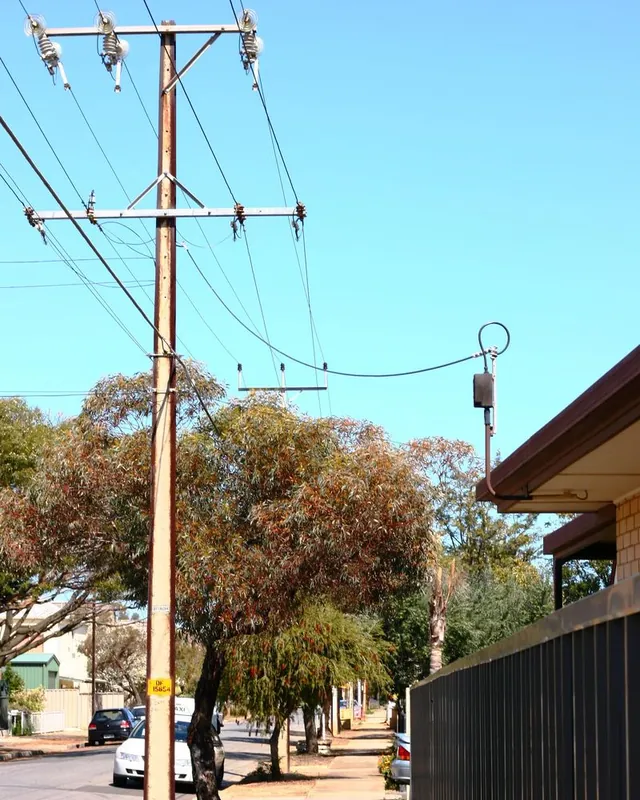
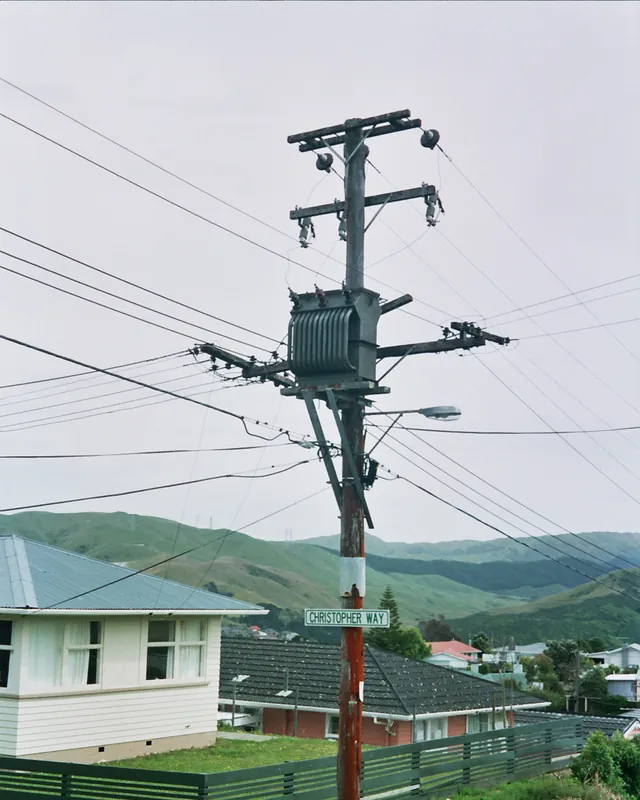
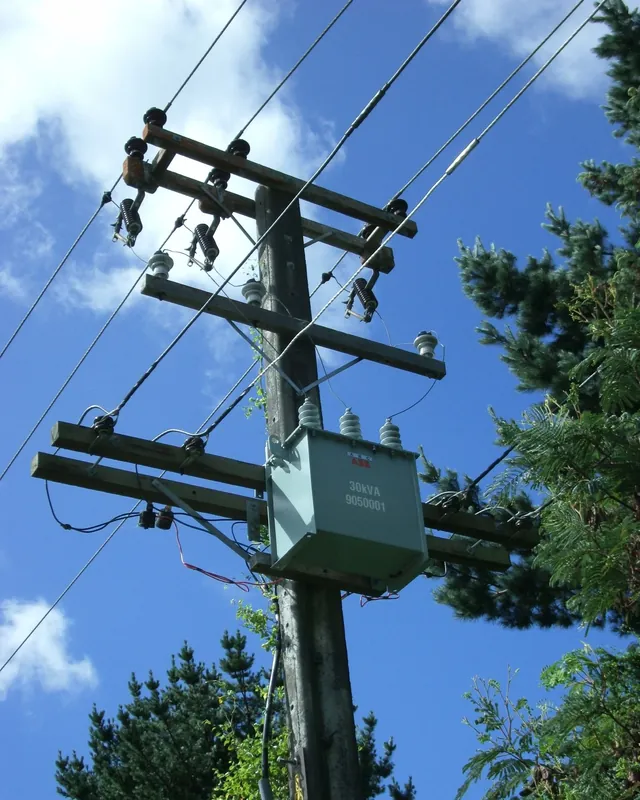
South Australia has the Stobie pole: two steel beams with concrete poured between them, found almost nowhere else. New Zealand poles carry several stacked crossarms and boxy transformers.
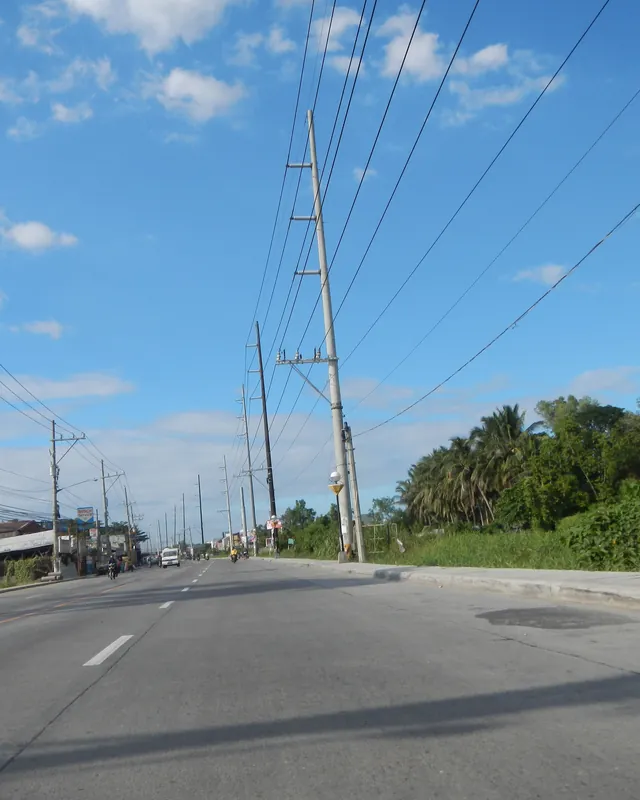
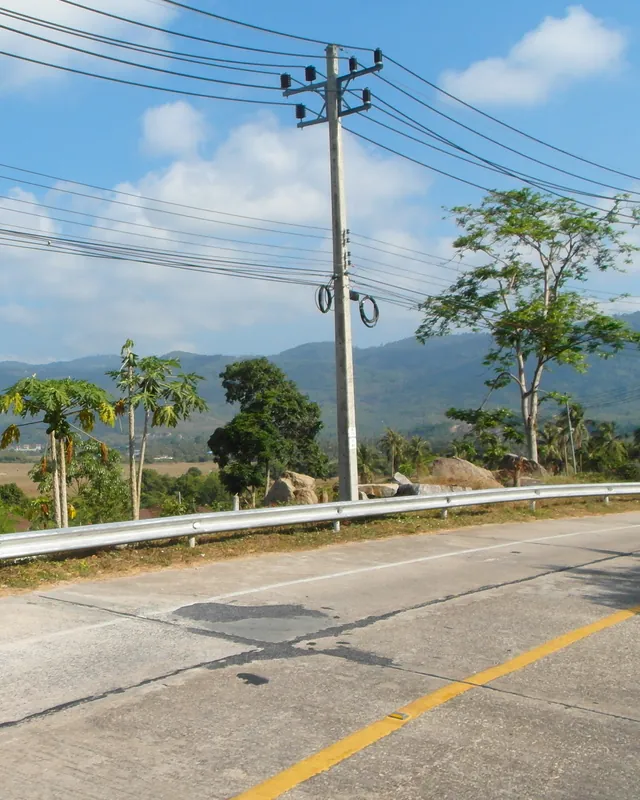
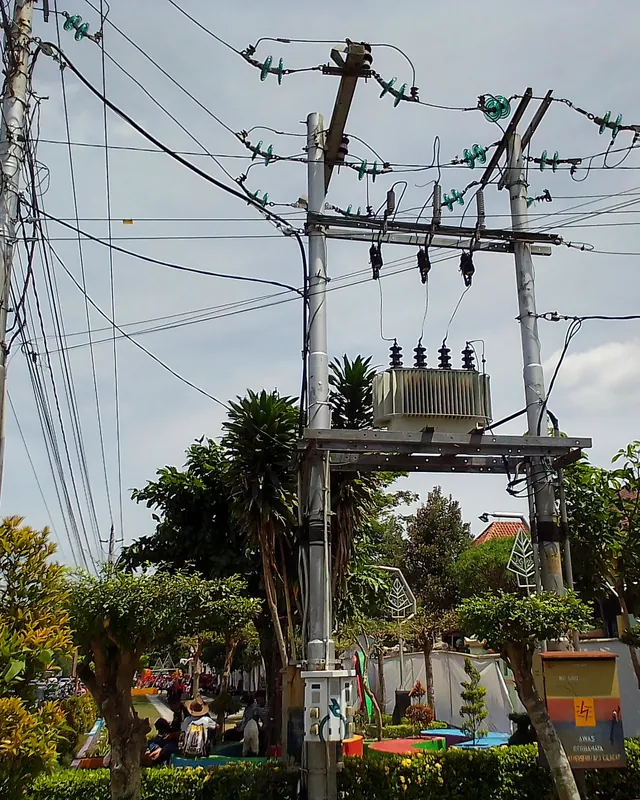
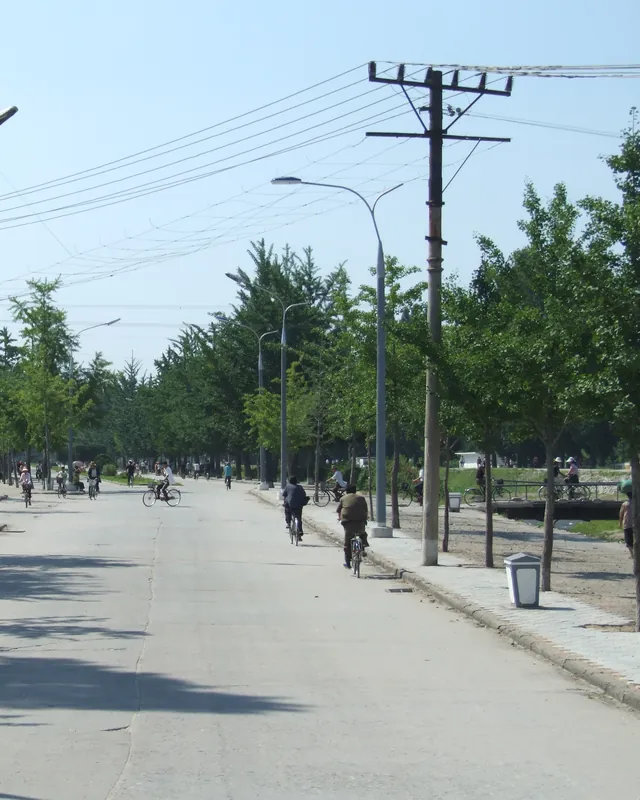
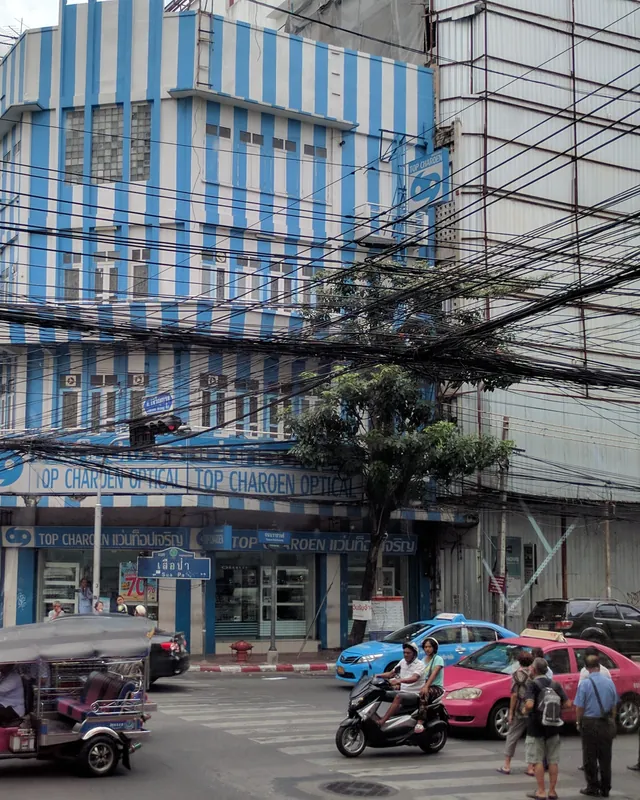
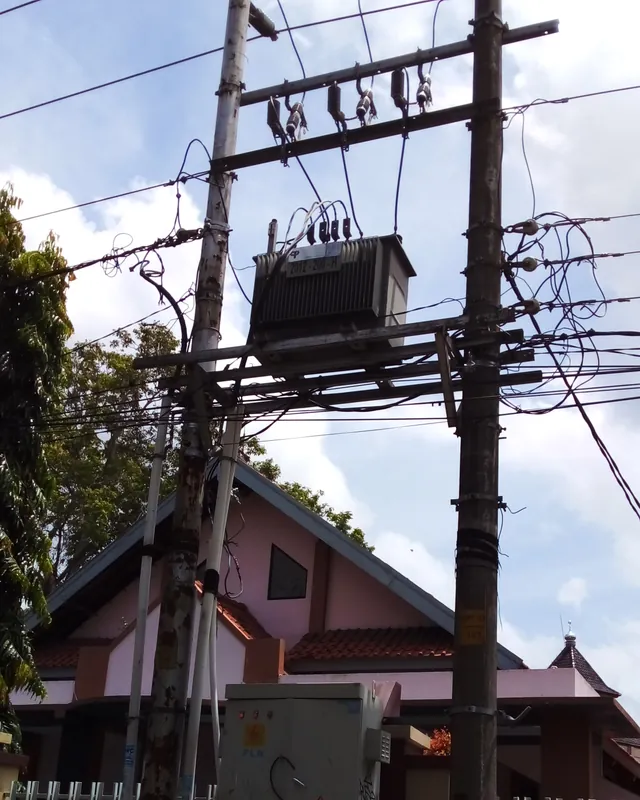
Tall concrete poles carrying many lines are common across Asia: the Philippines along wide roads, Thailand with huge cable bundles, Indonesia with grey PLN poles and South Korea in its cities. The signs and the side of the road do most of the work here.
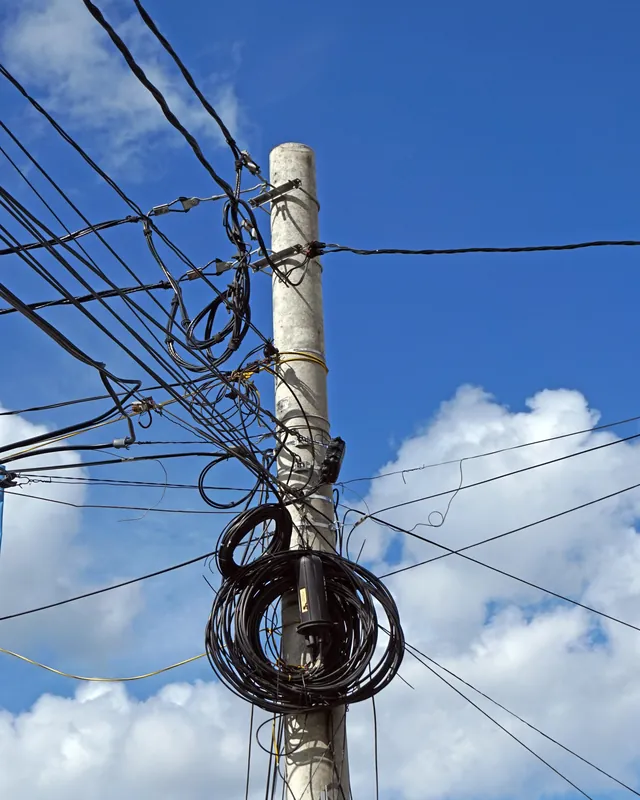
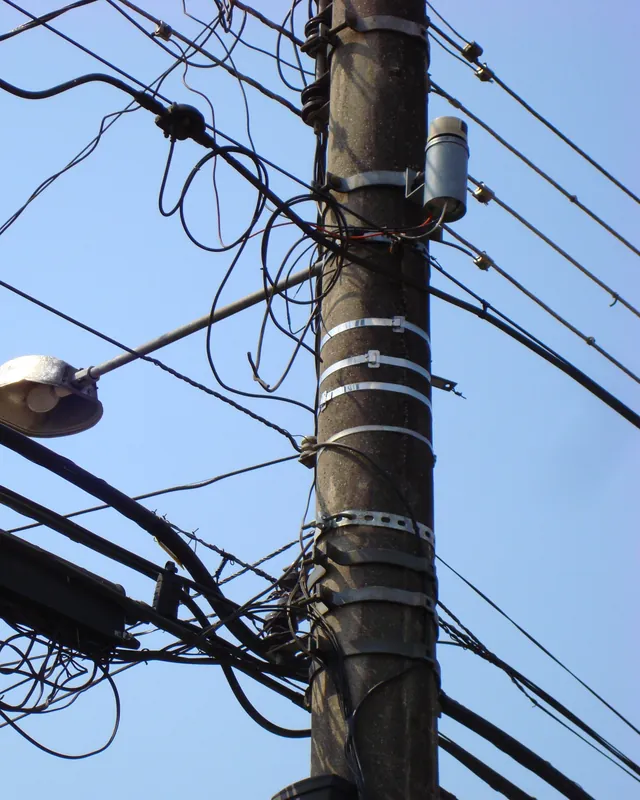
When the pole itself is plain, look at what hangs on it: a tangle of wires, thick black bundles, coils of spare cable, or the shape of the transformer.
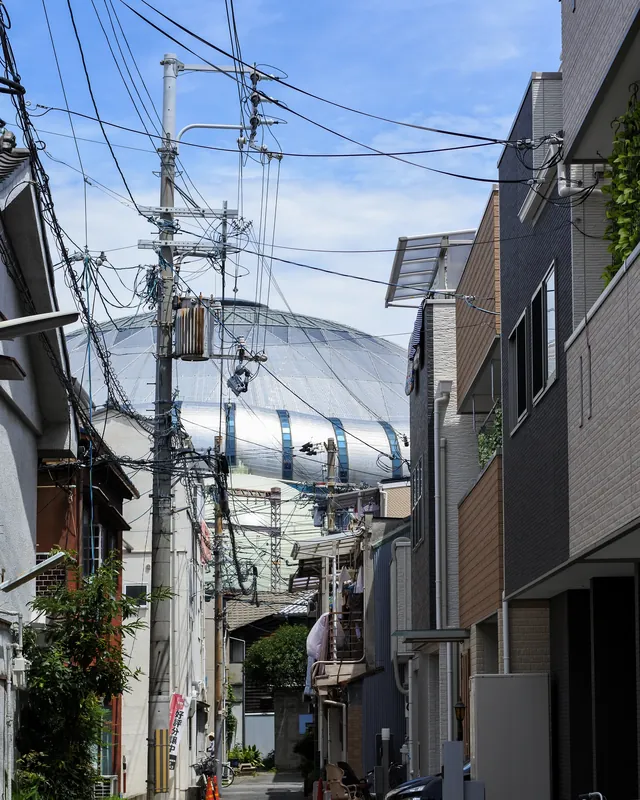
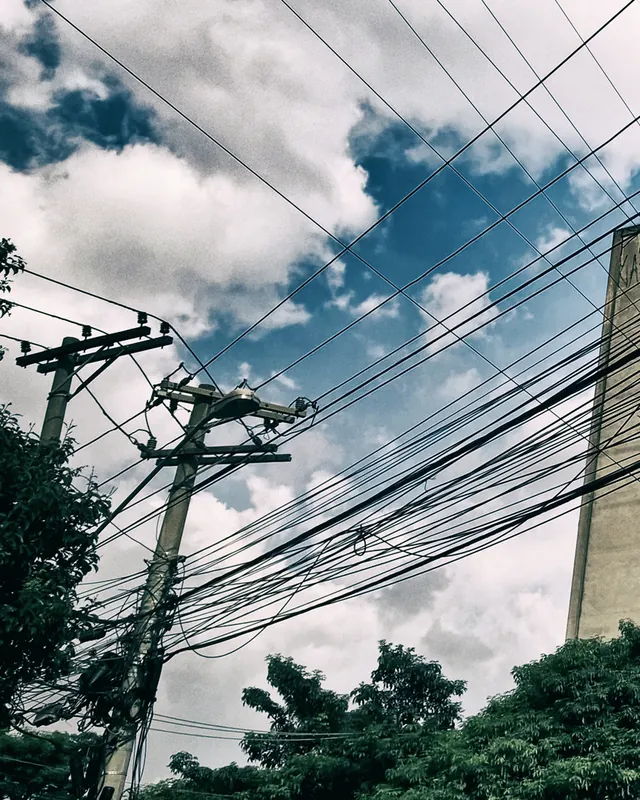
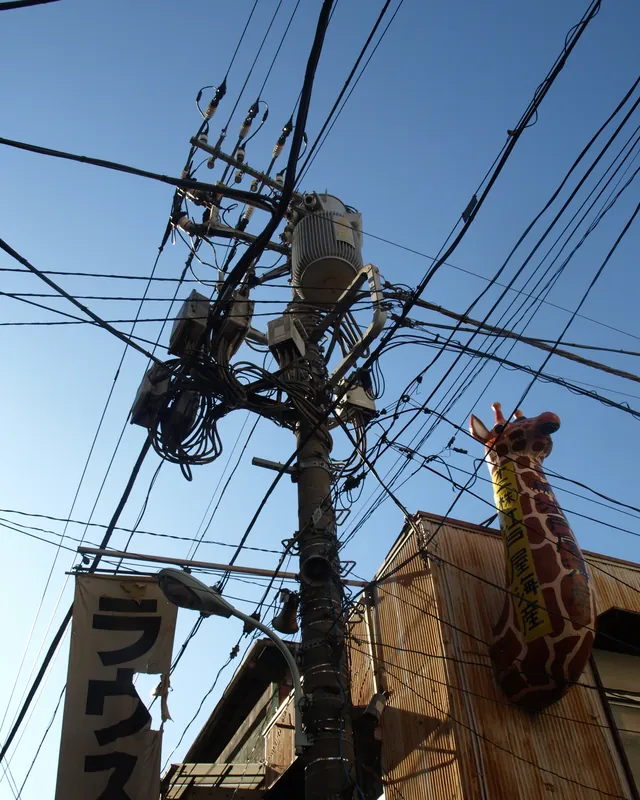
Japan strings a dense web of wires, transformers and boxes on grey concrete poles. Brazil's concrete poles are wrapped in a looser tangle of black cables, often in front of low, painted houses.
Romania is famous for coils of spare cable hanging on its concrete poles. Brazil has them too, so check the rest of the street: Romanian villages, or Brazilian tropical towns.
In the United Kingdom, thin phone wires fan out from a wooden pole to each house. In Spain, cables often run along white house walls instead of across the street.
The transformer's shape helps: a grey drum hanging on a wooden pole in the United States, a box between stacked crossarms in New Zealand, a box on a platform between two poles in Indonesia, and small grey units in Japan's tangle of wires.
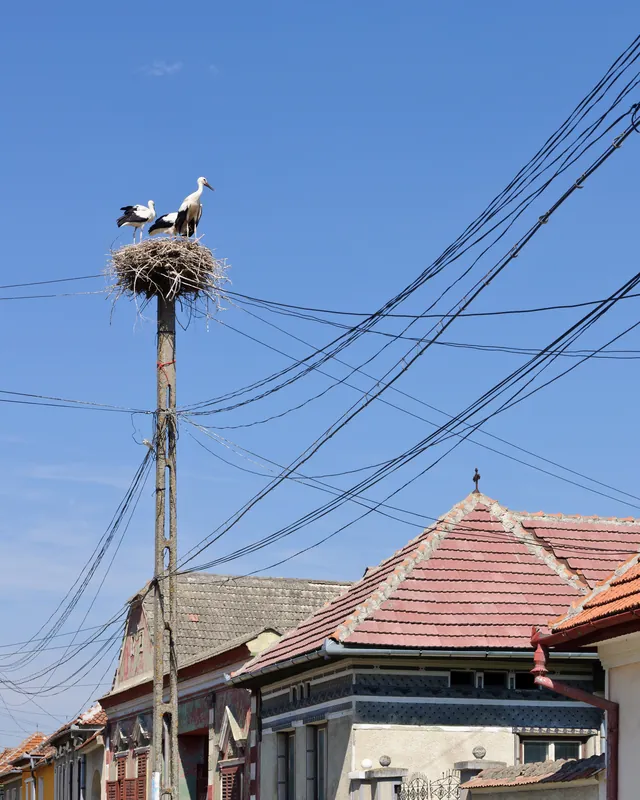
White storks build big nests on top of poles in Poland, Romania and Hungary, often on a platform put there for them. Look at the pole under the nest: an A-frame in Poland, a holed pole in Hungary.
These are the poles people mix up most, including the ones players confuse in Pole Spotter. Each pair shows a real photo of both countries side by side, and the detail that separates them.
How to tell The poles are the same: tall wood, crossarms, drum transformers. Look around them: km/h speed signs and French or bilingual signs mean Canada, mph means the United States.
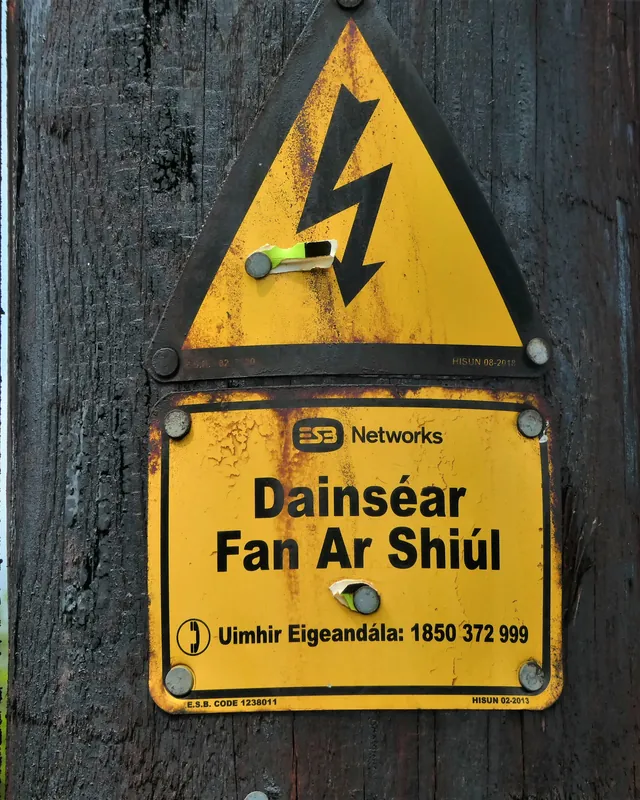
How to tell Both use slim wooden poles. Ireland's often carry a yellow ESB Networks danger sign, sometimes in Irish; Irish roads also have dashed yellow edge lines and km/h signs, the UK mph.
How to tell Both use wood, but differently. British poles are slim, with little on top and thin wires fanning out to houses. Australian poles are taller, with long crossarms, and South Australia has steel Stobie poles.
How to tell A pole near houses is not always British. British poles are wooden and slim, with thin wires. Brazilian poles are usually grey concrete wrapped in a loose tangle of black cable.
How to tell Central European concrete with different shapes: a column of holes up the pole means Hungary; two poles braced into an A-frame mean Poland.
How to tell Both have stork nests on their poles. Look underneath: Polish nests often sit on an A-frame; Romanian poles are usually single concrete posts, often hung with coiled cable.
How to tell Both have ladder-like lattice concrete poles. German streets are tidy, with a streetlight arm on the pole; Romanian poles are often hung with coils of spare cable and many loose wires.
How to tell Neighbours with different concrete: France casts its poles with an H-shaped cross-section; Spain often runs cables along white walls, and its poles may end in a Y-shaped top.
How to tell Neighbours with different poles: a steel-and-concrete Stobie pole means South Australia; poles with several stacked crossarms and boxy transformers mean New Zealand.
How to tell Both have tall concrete poles with many lines. Thailand adds huge bundles of black cable and drives on the left; the Philippines drives on the right, and its signs are often in English.
How to tell Both have busy concrete poles. Japan strings a dense web of thin wires and grey transformers and drives on the left; Korea has thick black bundles looping round the pole, Hangul signs, and drives on the right.
How to tell Both have tall poles in tropical streets. Indonesia's grey PLN poles often hold a transformer on a platform between two poles, and traffic keeps left; the Philippines drives on the right.
Questions about utility poles
Which country has poles with holes in them?
Hungary. Its concrete poles have a column of holes up the middle, and it is one of the strongest pole clues in Europe.
What is a Stobie pole?
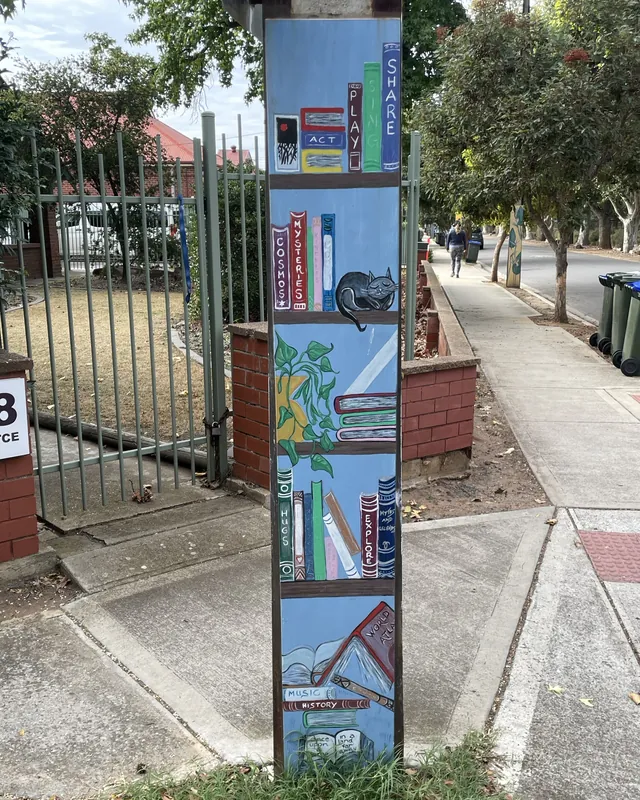
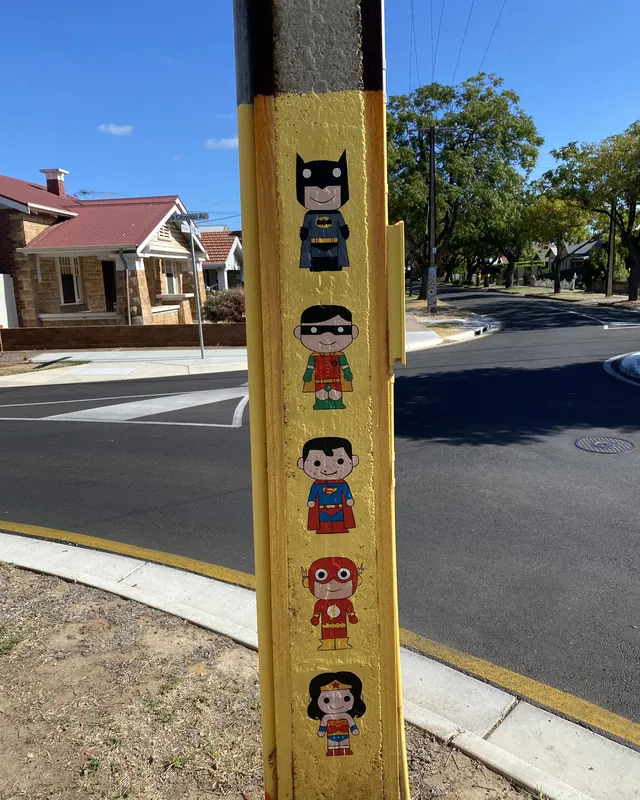
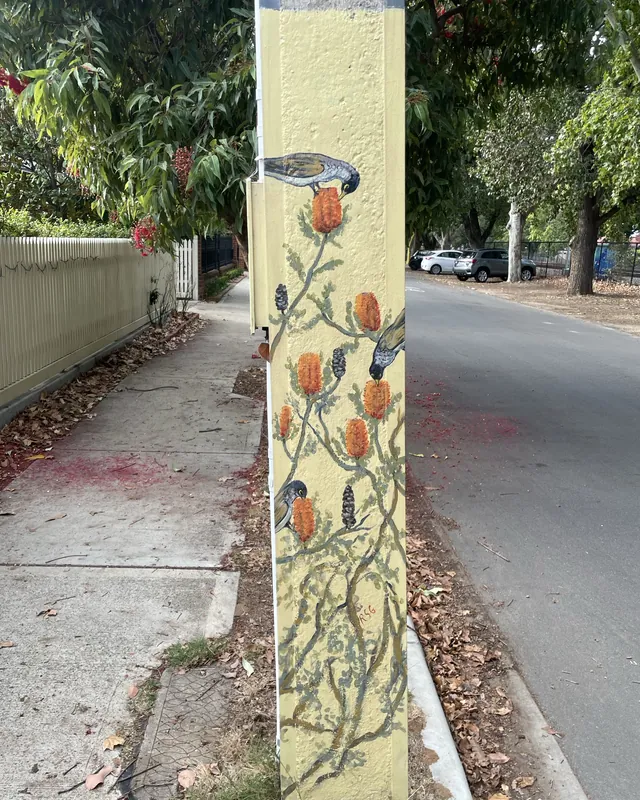
A pole made of two steel beams with concrete poured between them. It is found almost only in South Australia, where many are painted with artwork.
Which countries have stork nests on their poles?
Poland, Romania and Hungary, among others. White storks nest on top of poles, often on platforms put up for them.
How can I tell British and Irish poles apart?
Both are slim and wooden. Irish poles often carry ESB Networks danger signs, sometimes in Irish, and Irish roads use km/h.
Why do Romanian poles have coils of cable?
Spare cable is coiled and hung on the pole for later repairs and new connections. It is a well-known Romanian clue, though Brazil does it too.
🏆
You're Earning Great Points!
You already have %d points. Save them to your profile, add your name, and enter the Hall of Glory in our global ranking!


 United States


 United States
 Canada
 United Kingdom
 Ireland
 Australia
 Brazil
 Hungary
 Poland
 Romania
 Germany
 France
 Spain
 New Zealand
 Thailand
 Philippines
 Japan
 South Korea
 Indonesia