0 pts #- Global Ranking Not on the leaderboard - add your name
← Road signs by country

Road signs compared: same sign, different countries

Most countries use the same few sign types, but each paints them its own way. This page puts the same kind of sign side by side across 36 countries, warning signs, curve chevrons and crossing signs, then shows the look-alikes people mix up and the detail that tells them apart. For the words on stop and give-way signs, see the stop sign guide.

Test yourself: play Sign Spotter →

Warning signs compared

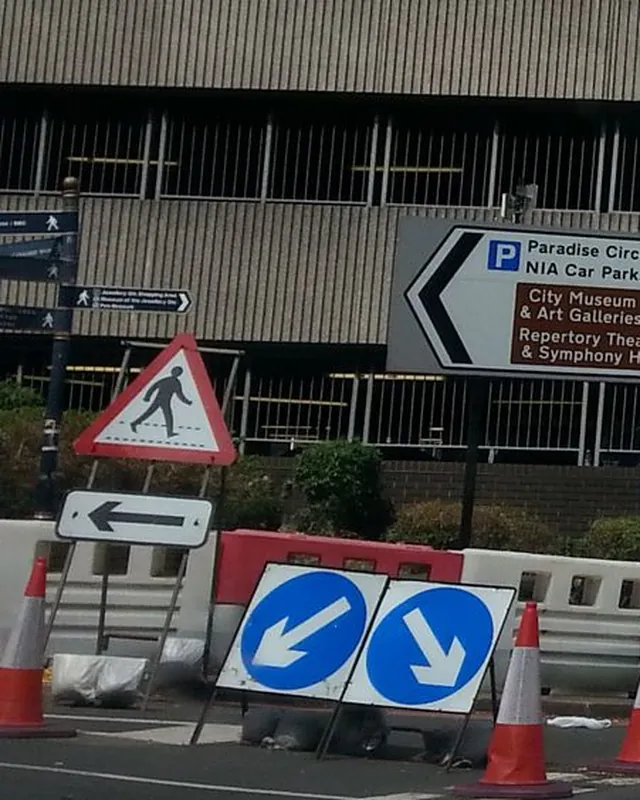
The warning sign splits the world in two: a yellow diamond in the Americas and Australia, a triangle with a red border in Europe. Then look inside the triangle: white or yellow.

Yellow diamond in United States United States

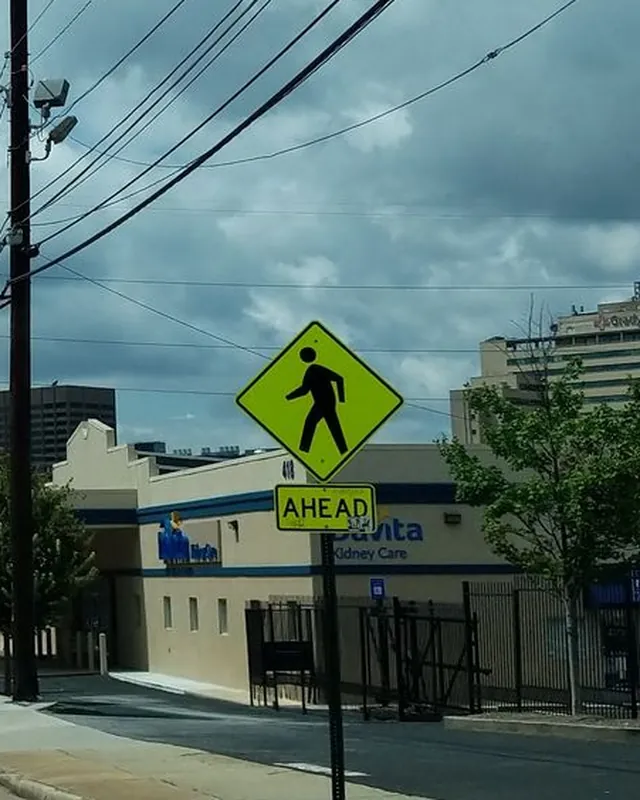
Yellow diamonds

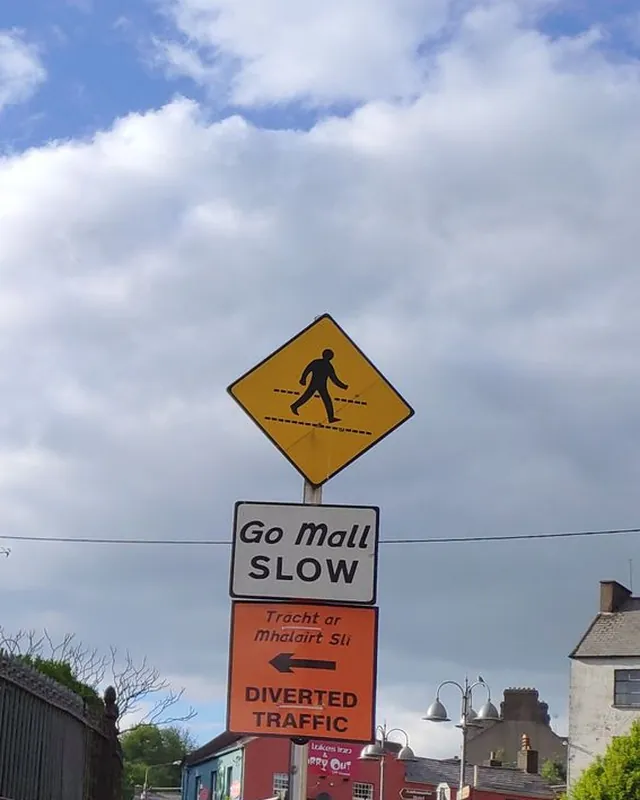
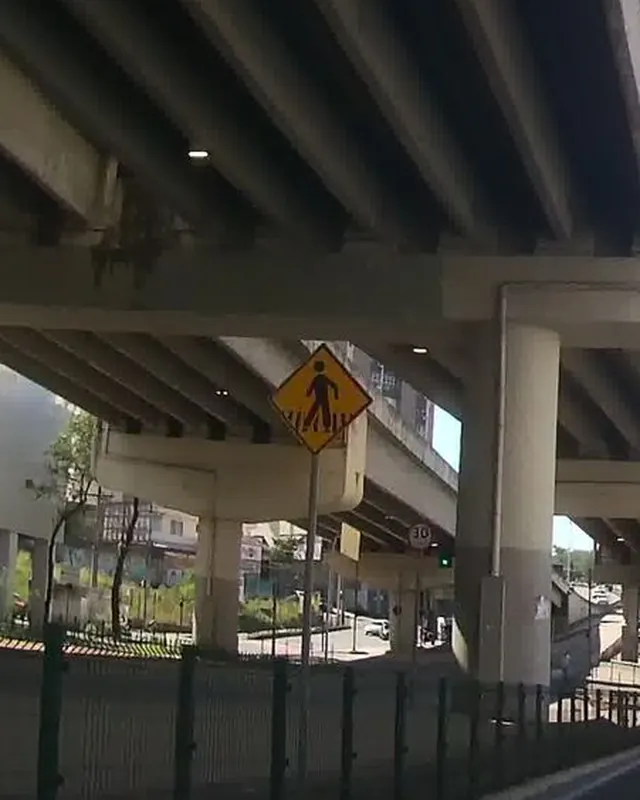
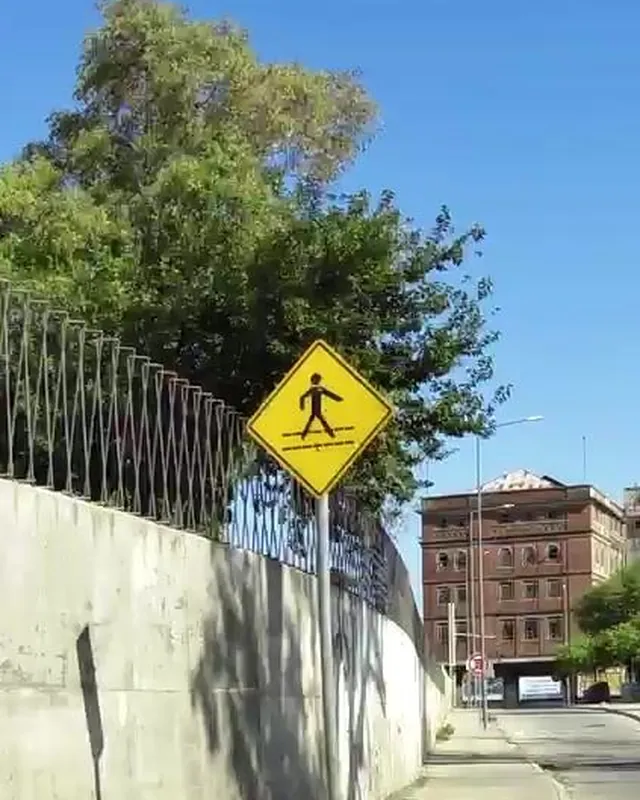
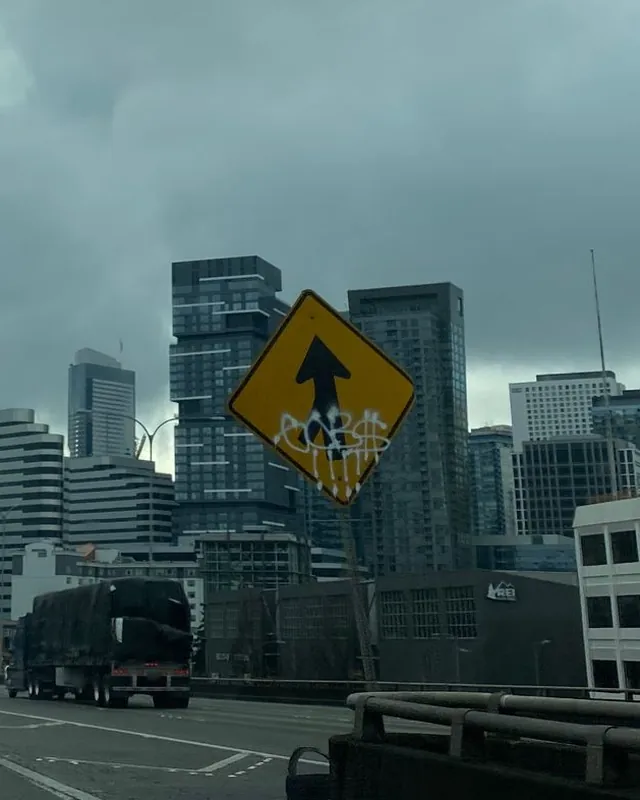
A black-on-yellow diamond is the warning sign of the Americas, Australia, New Zealand and much of East and Southeast Asia. In Europe, Ireland is the one country that uses it, which makes it a strong Irish clue.
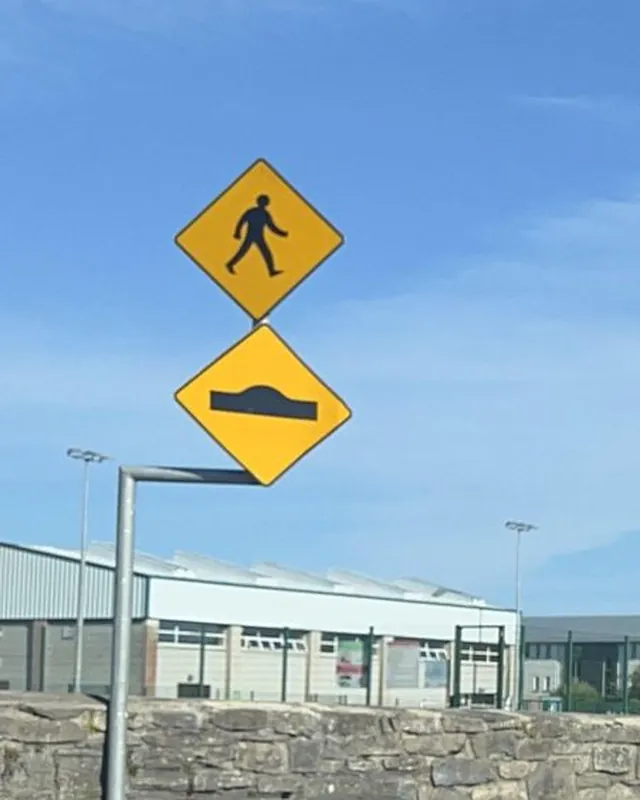
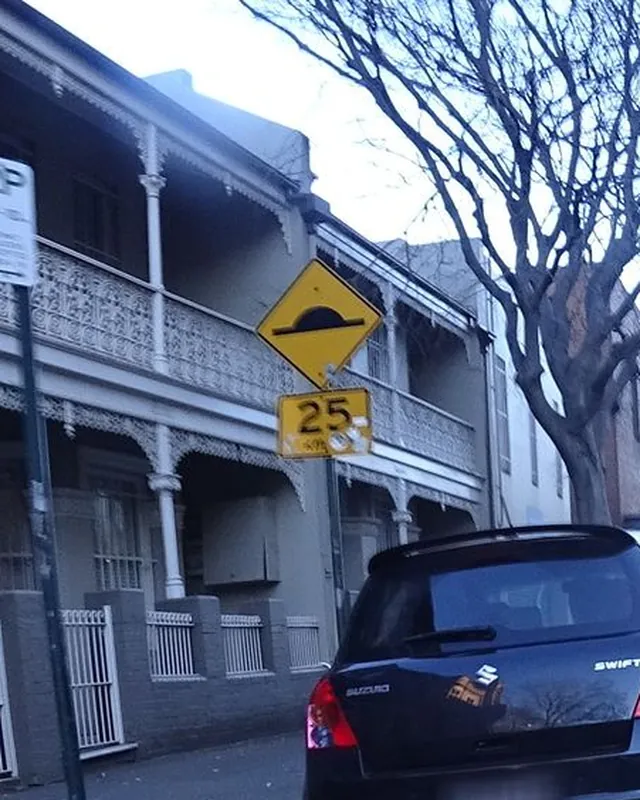
Also used in: Canada, Mexico, Argentina, Chile, New Zealand, Japan, Thailand, Indonesia
Curve chevrons compared

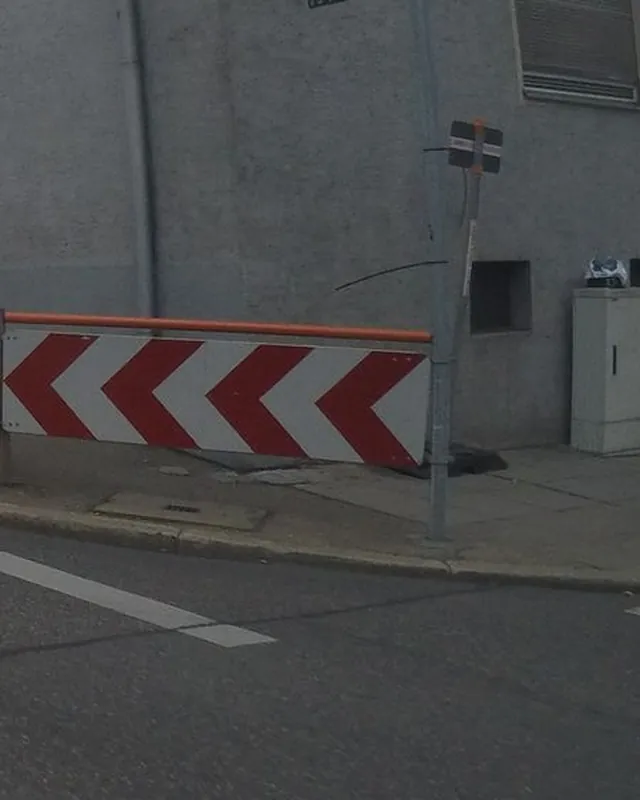
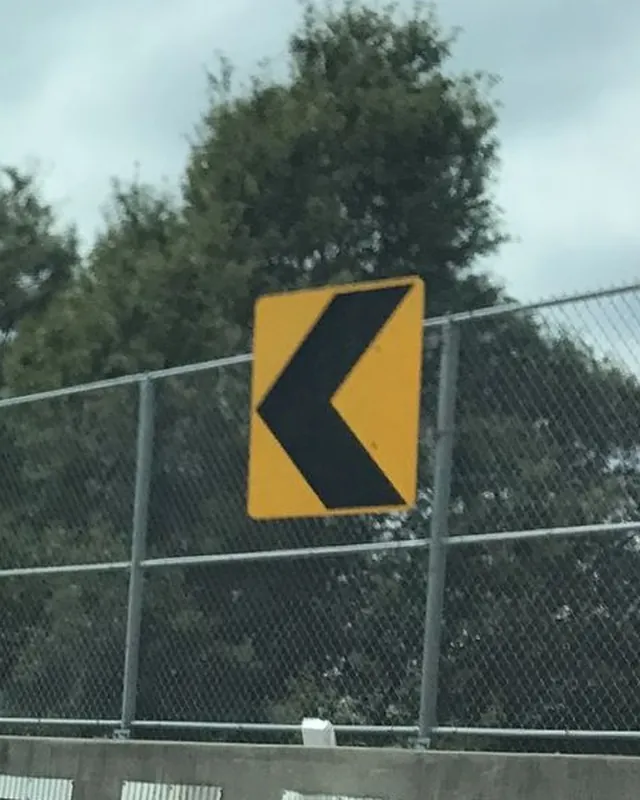
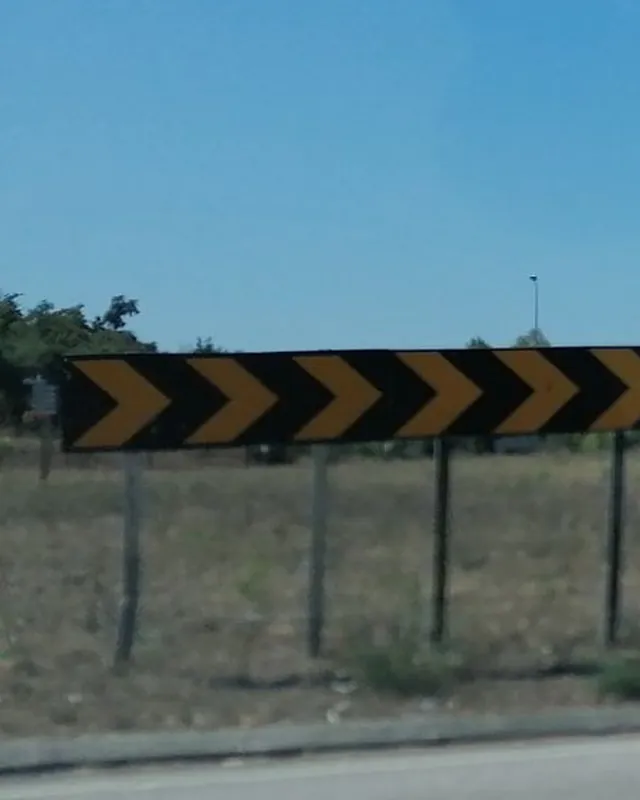
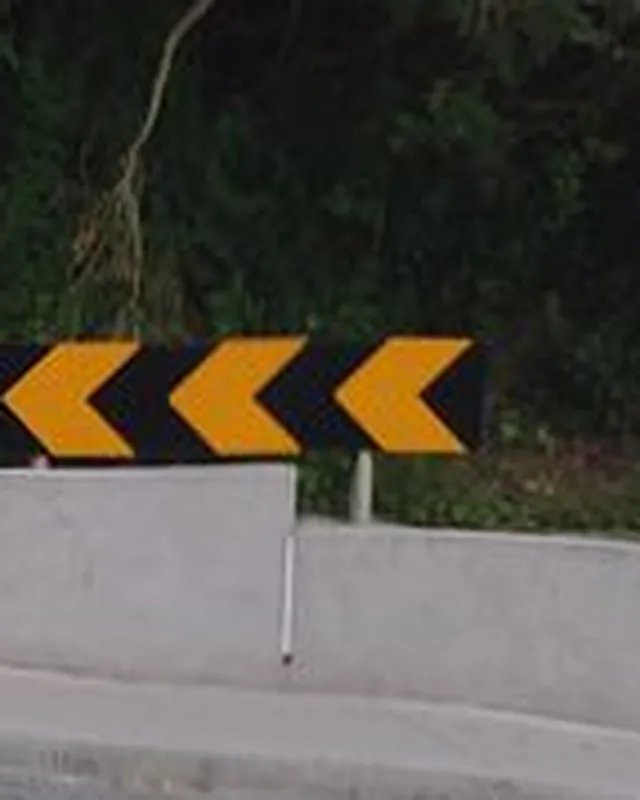
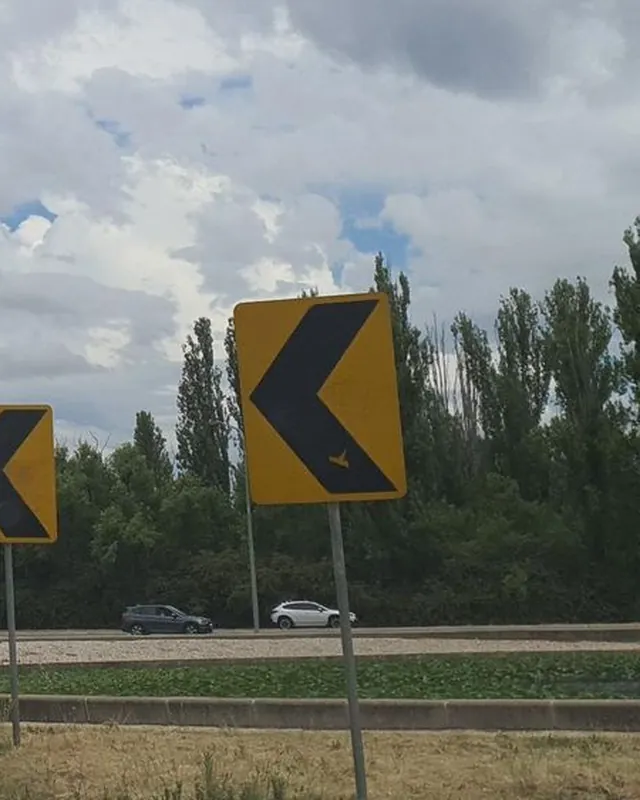
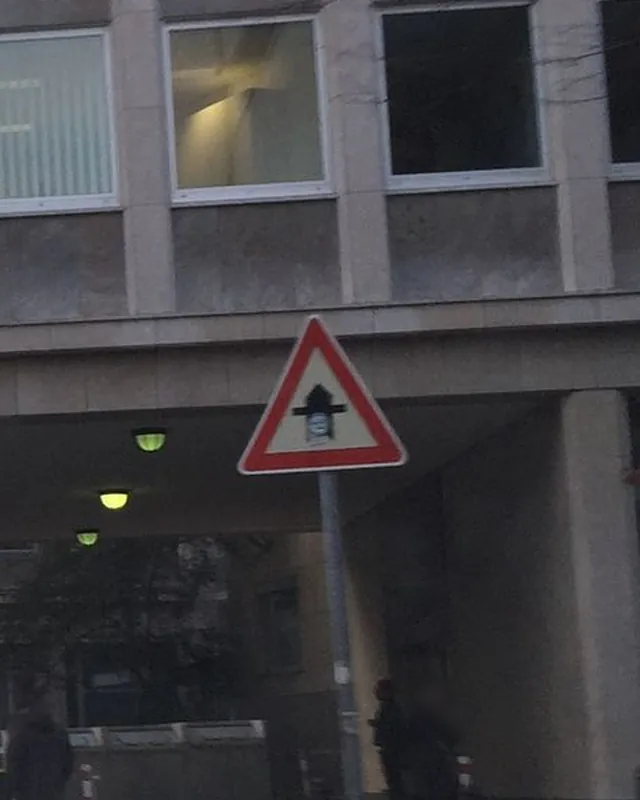
The arrows on bends and roundabouts are painted in national colours: red and white, blue and white, black and yellow or on a fluorescent board.

Red-and-white chevrons in Germany Germany

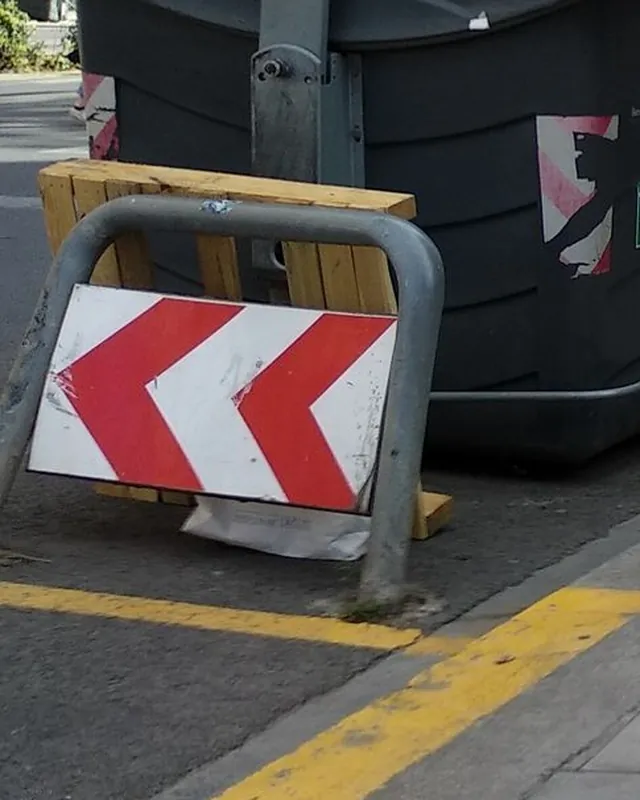
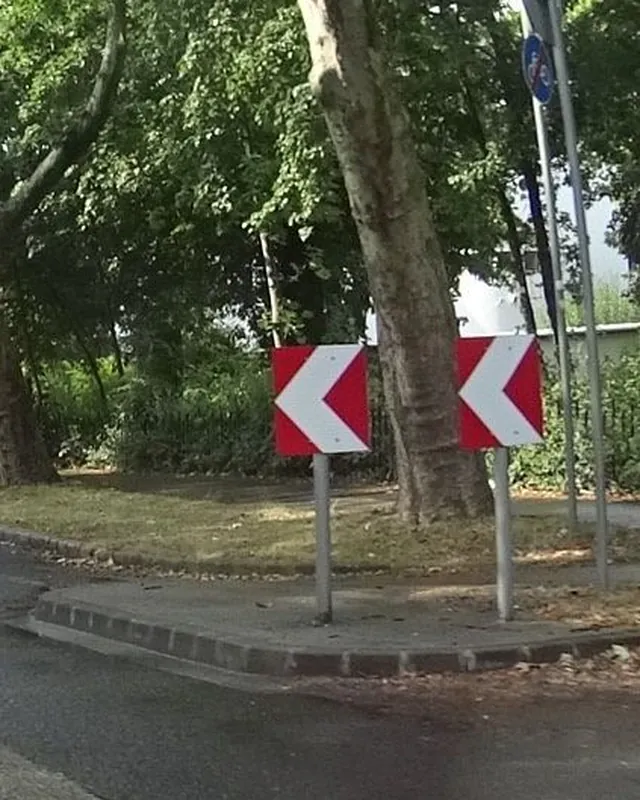
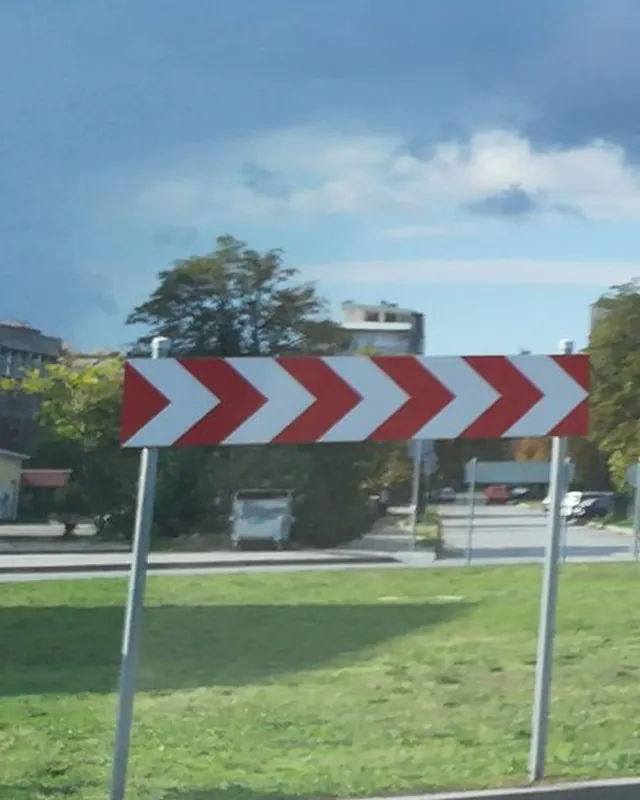
Red and white chevrons

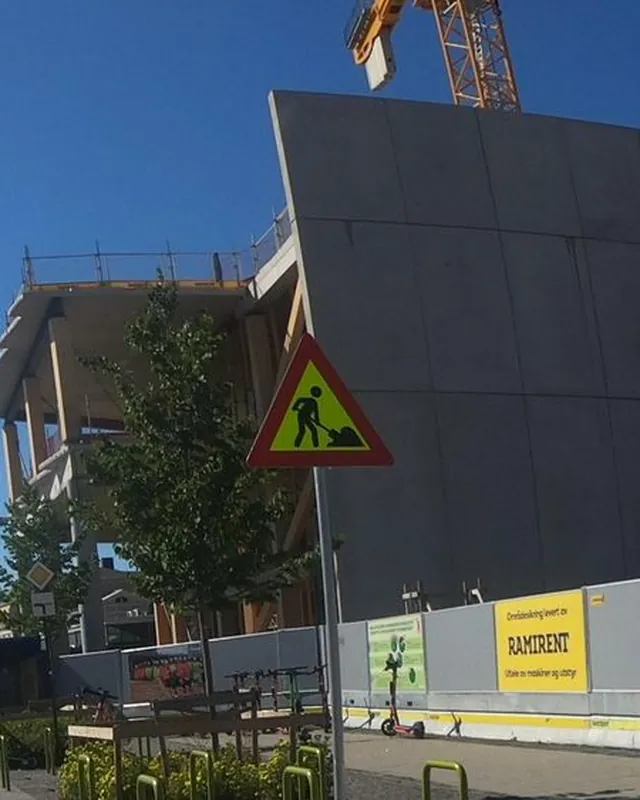
Red-and-white chevron boards are the European default: Germany, Spain, Hungary, Bulgaria and many more. They are also the colours of temporary roadworks in many countries, France included.

Also used in: Italy, Austria, Poland, Russia, South Africa

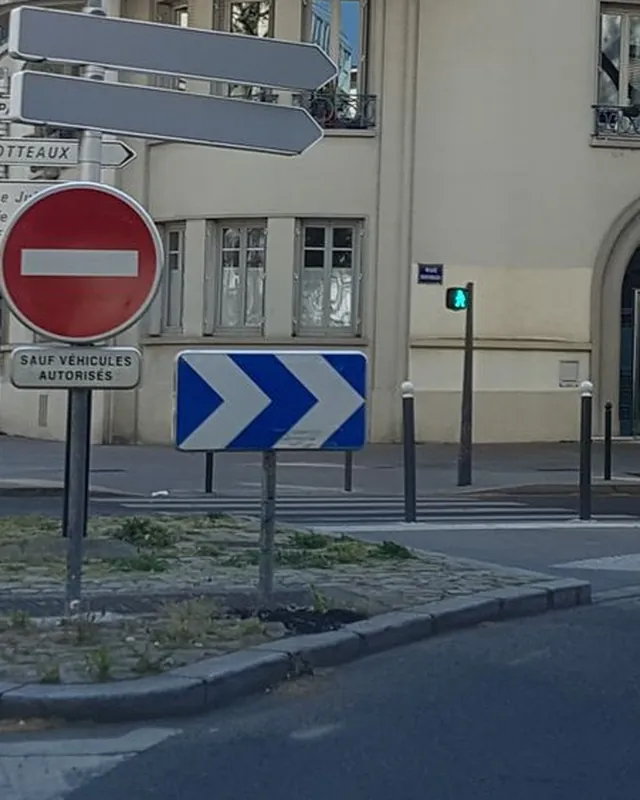
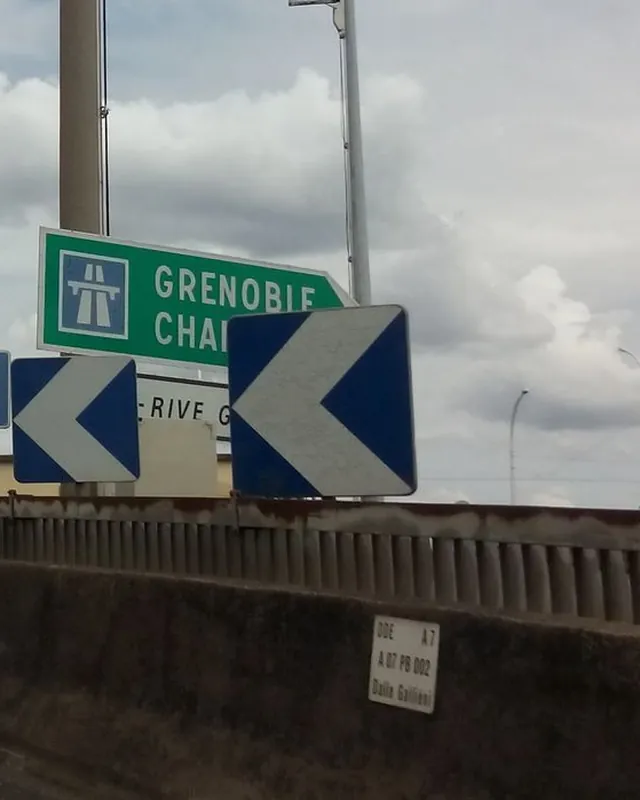
Blue-and-white chevron in France France

Blue and white chevrons

France marks its bends and roundabouts with blue arrows on white. Red-and-white chevrons in France usually mean temporary roadworks.

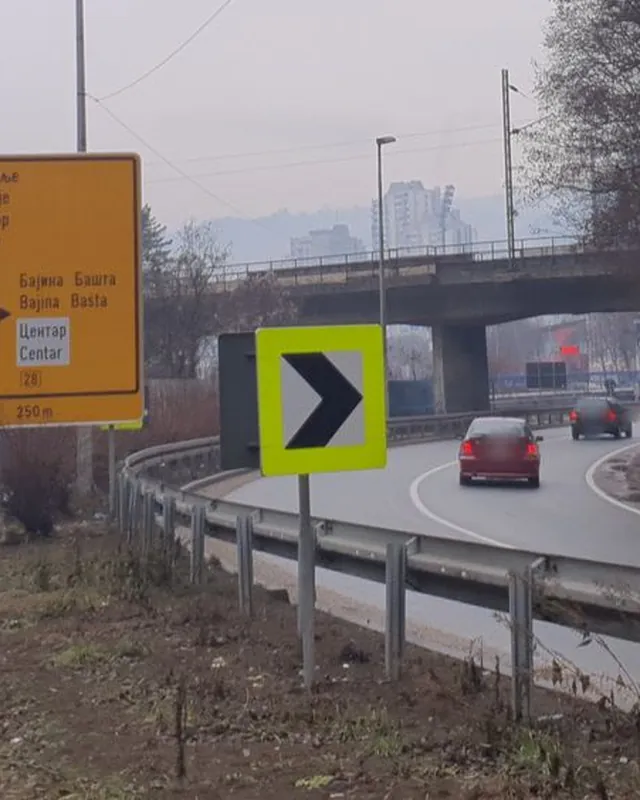
Fluorescent chevron in Serbia Serbia

Fluorescent chevrons

Serbia puts black chevrons on boards framed in fluorescent yellow-green, bright enough to stand out from a distance.

Crossing signs compared

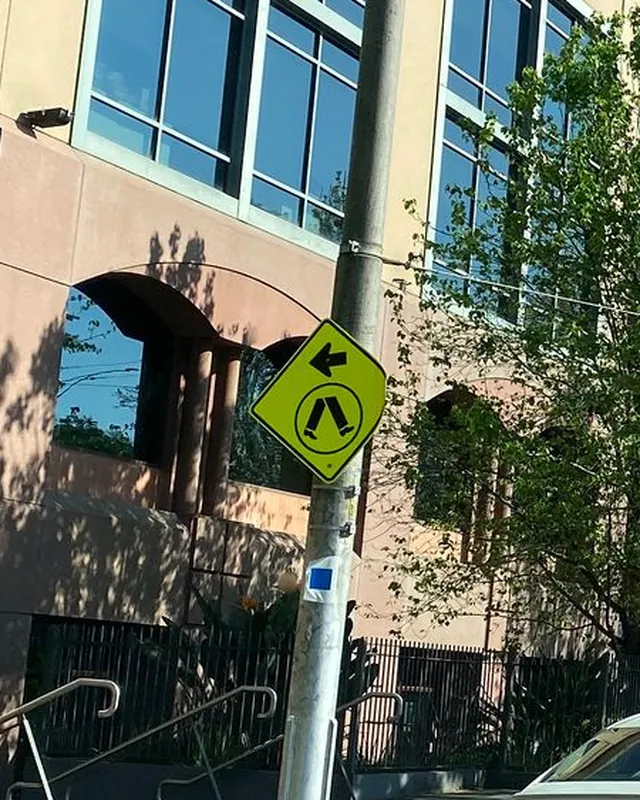
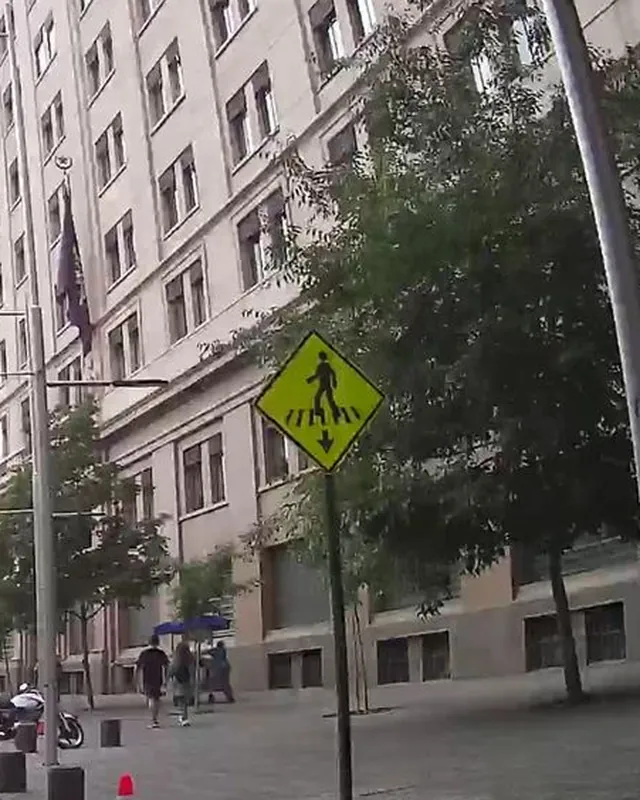
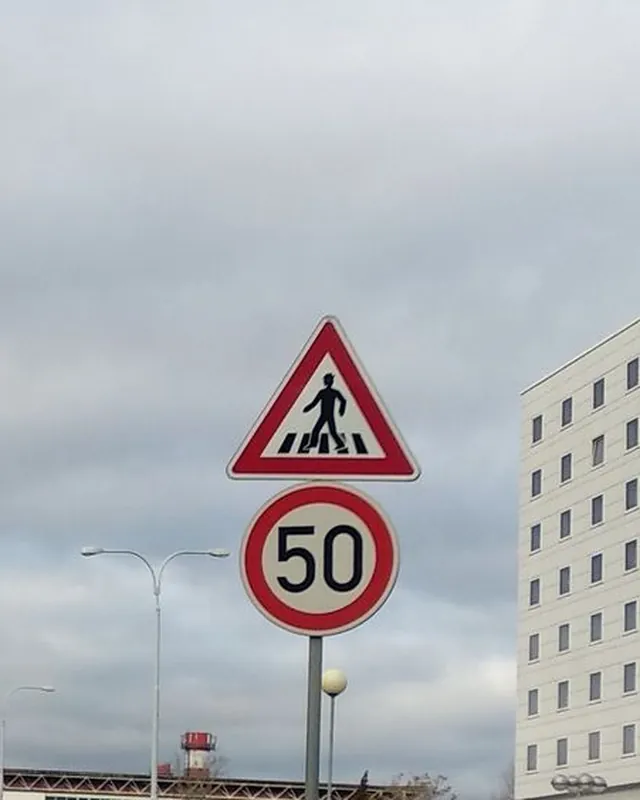
Pedestrian crossing signs come as a blue square, a yellow diamond, a fluorescent yellow-green diamond or a red triangle before the crossing.

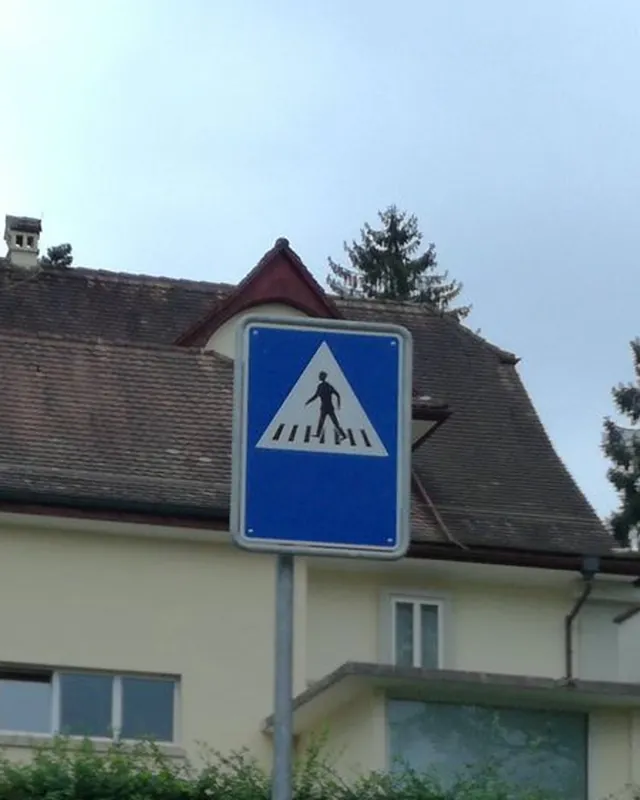
Blue crossing square in Switzerland Switzerland

Blue crossing squares

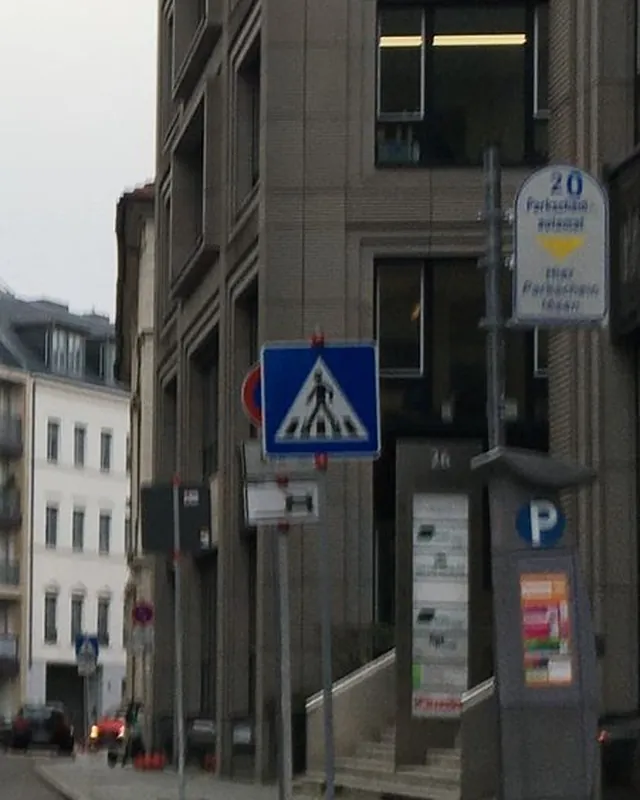
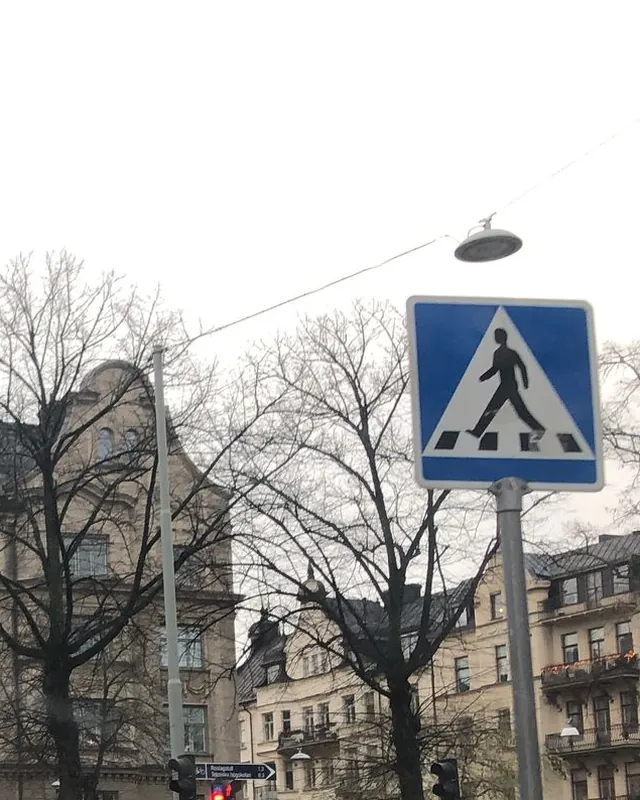
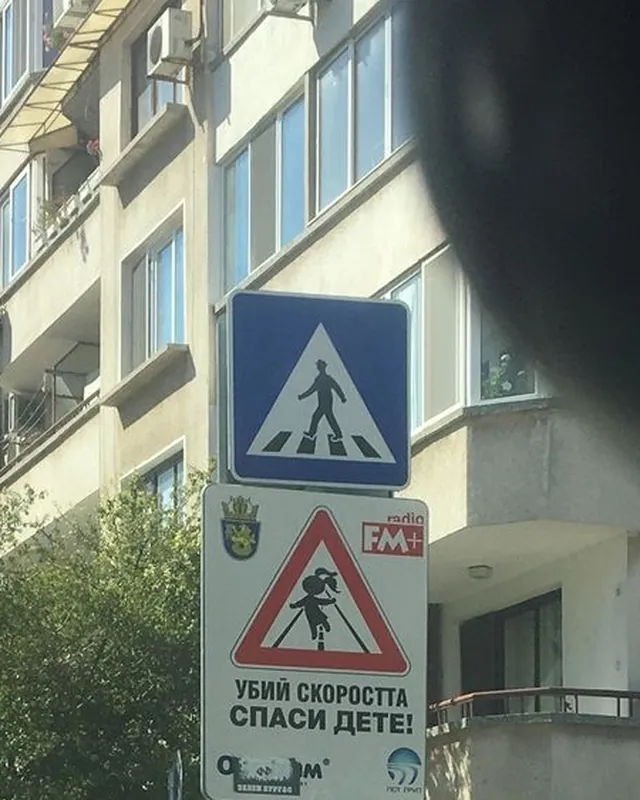
At the crossing itself, most of Europe puts up a blue square with a white triangle and a walking figure: Switzerland, Germany, Sweden, Bulgaria and many more. The figure and the stripes vary a little from country to country.

Also used in: Spain, Italy, Austria, Hungary, Poland, Romania

Yellow-framed crossing sign in Russia Russia
Blue squares in a fluorescent frame

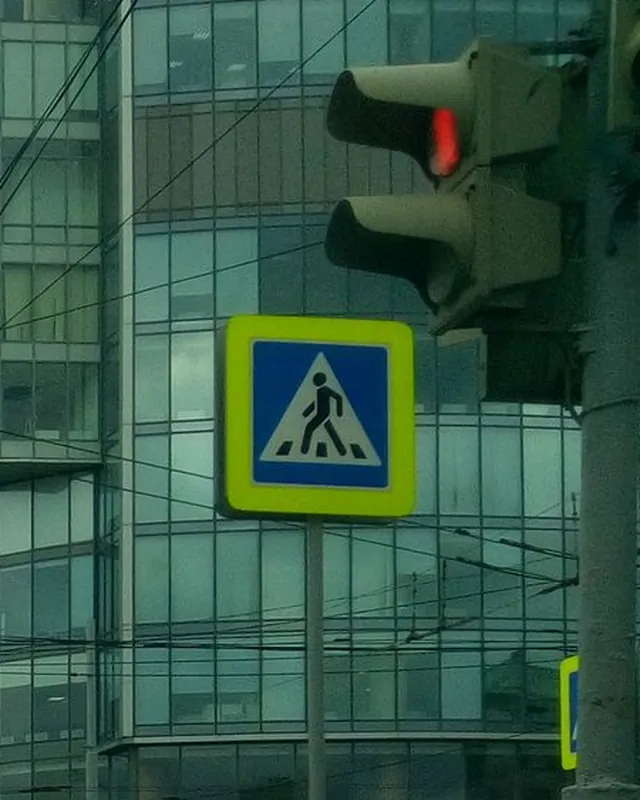
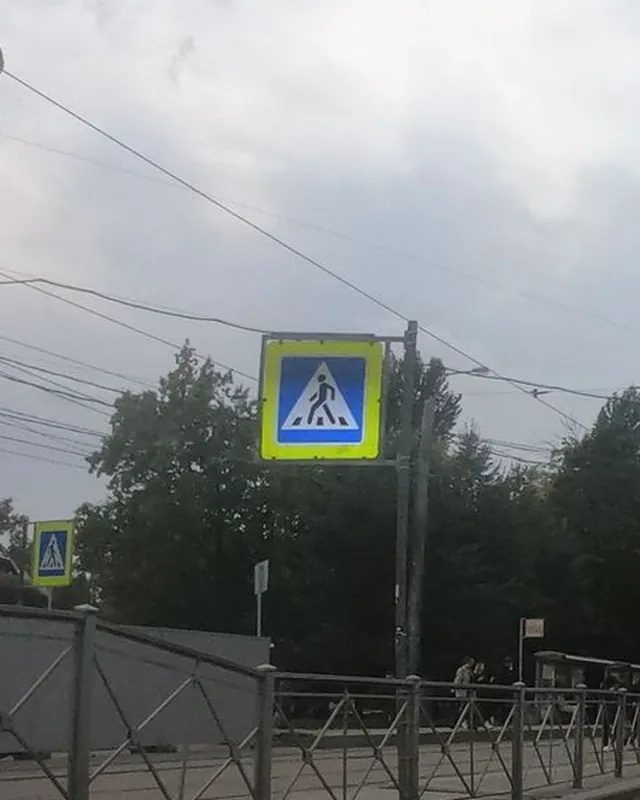
Russia often mounts its blue crossing square on a fluorescent yellow-green board, so the sign looks framed. It is one of the quickest Russian clues.

Look-alikes: how to tell them apart

These pairs use almost the same signs. Each one shows a real photo of both countries side by side, and the detail that separates them.

Ireland vs United Kingdom
How to tell Neighbours that drive on the left with signs in English. Ireland warns with yellow diamonds, the United Kingdom with red-bordered triangles. Irish signs also give speeds in km/h and often add Irish words, like Go mall (slow).

Questions about road signs

Which countries use yellow diamond warning signs?

The United States, Canada, Mexico and most of South America, plus Australia, New Zealand, Japan, Thailand and Indonesia. In Europe, Ireland is the only country that uses them.

Which countries have yellow warning triangles?

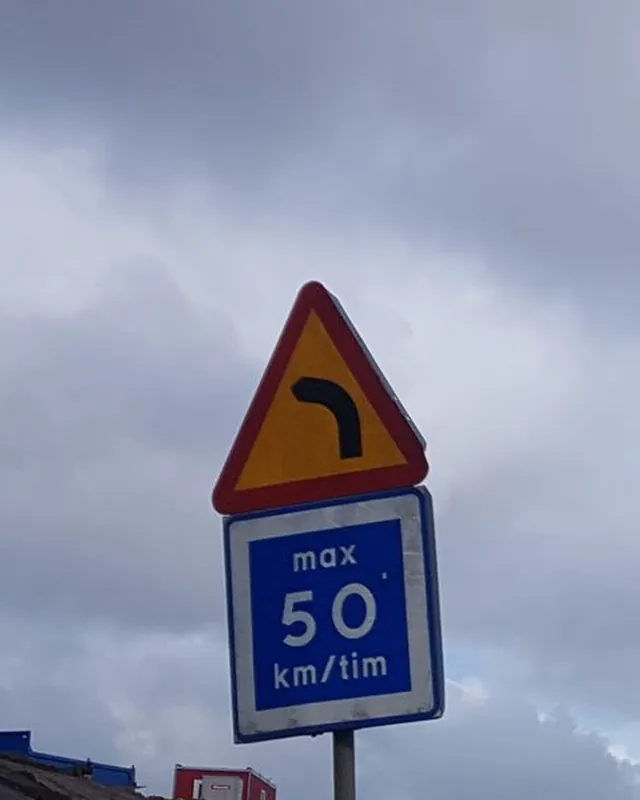
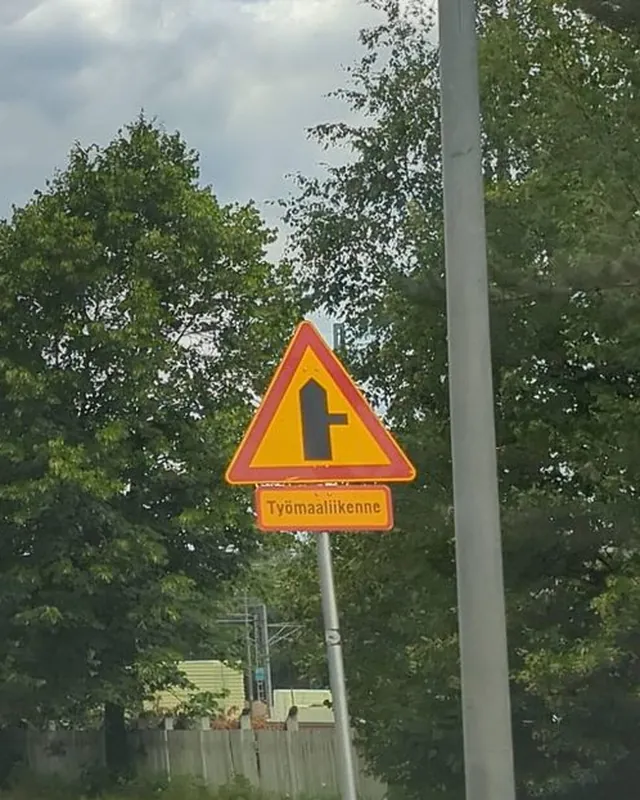
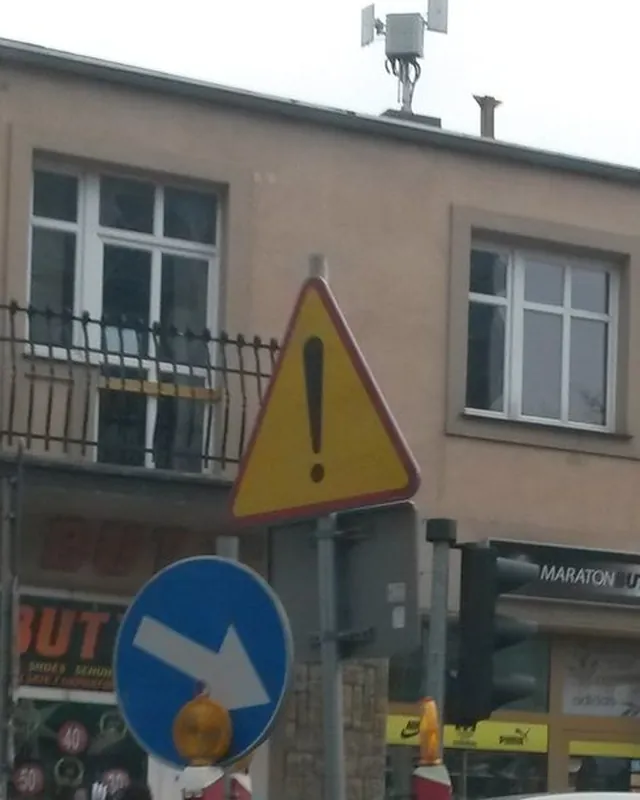
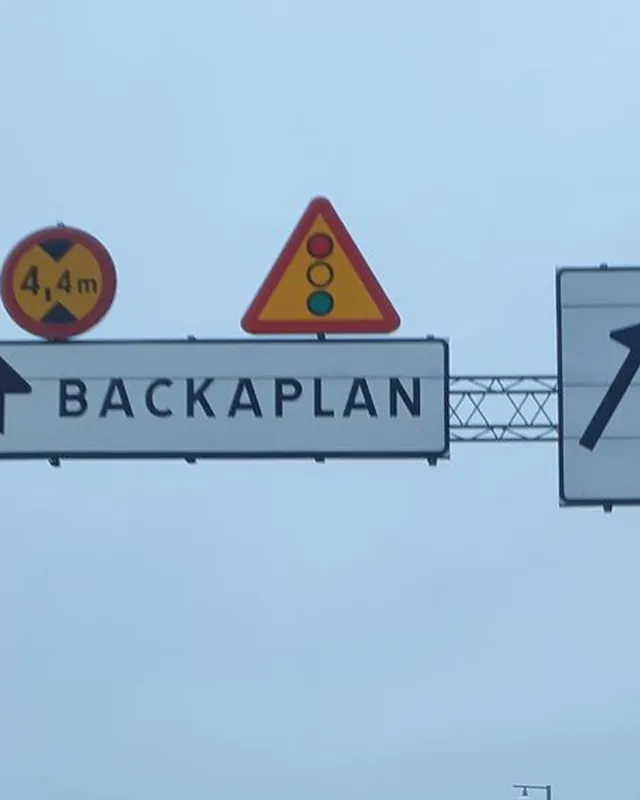
Sweden, Finland, Norway and Poland fill their red-bordered triangles with yellow, and so does South Korea. Denmark and most of Europe keep them white.

Why are curve chevrons blue in France?

France marks permanent bends and roundabouts with blue arrows on white. Most of Europe uses red and white, which France keeps for temporary roadworks.

How can I tell Irish and British road signs apart?

Ireland uses yellow diamond warning signs and km/h; the United Kingdom uses red-bordered triangles and mph. Irish signs often carry Irish words too.

Which country frames crossing signs in fluorescent yellow?

Russia often mounts its blue crossing squares on fluorescent yellow-green boards. Czechia and some other countries do it around schools.

Stop signs around the world: STOP, ALTO, PARE and more →