
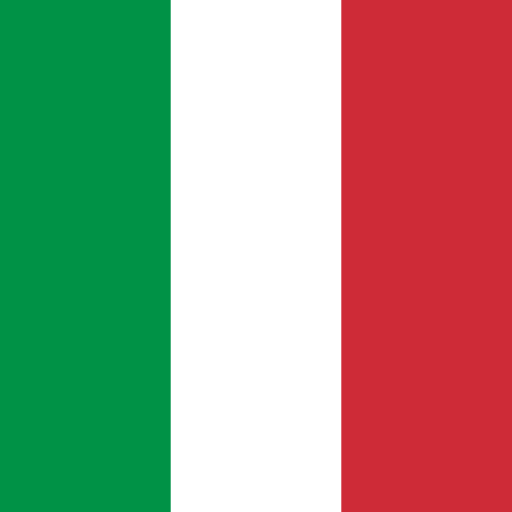
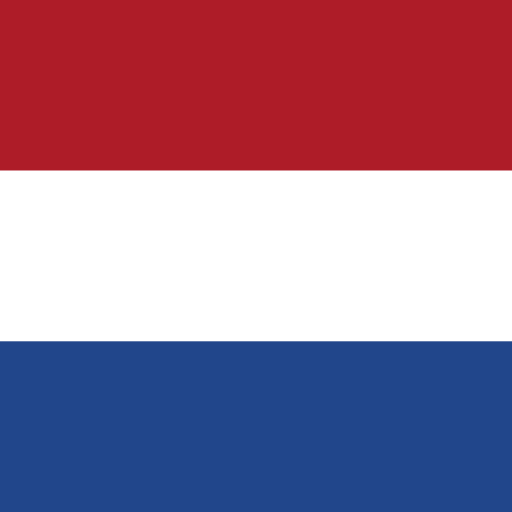
Red
on 152 of 196 flagsCourage, revolution, and the blood shed for independence.
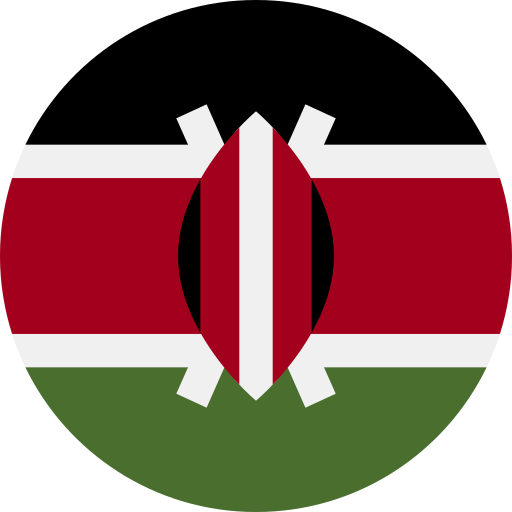 Kenya: the blood shed in the fight for independence
 Indonesia: courage
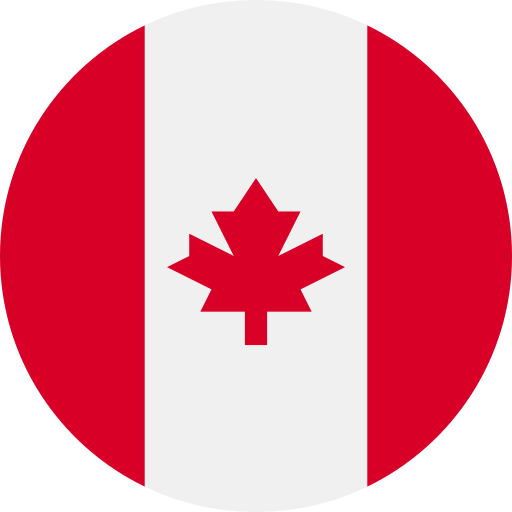 Canada: often linked to sacrifice in the First World War
Your daily game streaks
Each daily keeps its own streak - any of them (or any game) feeds your main flame.
Earn 1 every 7 streak days (max 2) - a missed day is covered automatically.
Every flag is a small piece of design with a story behind it. Start with a one-minute video on one of the flags below, then see what the colors and symbols on flags usually mean, from red and green to stars, suns and crosses.
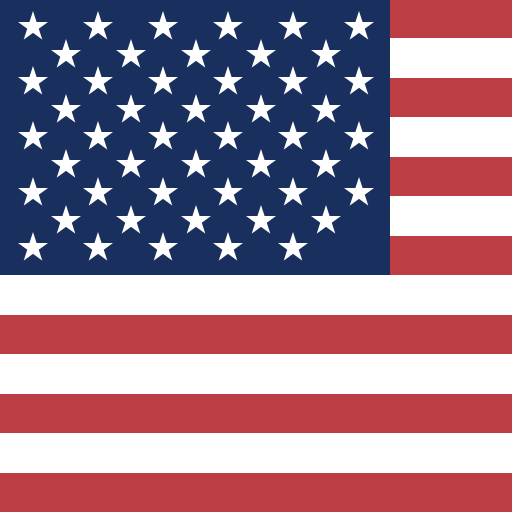
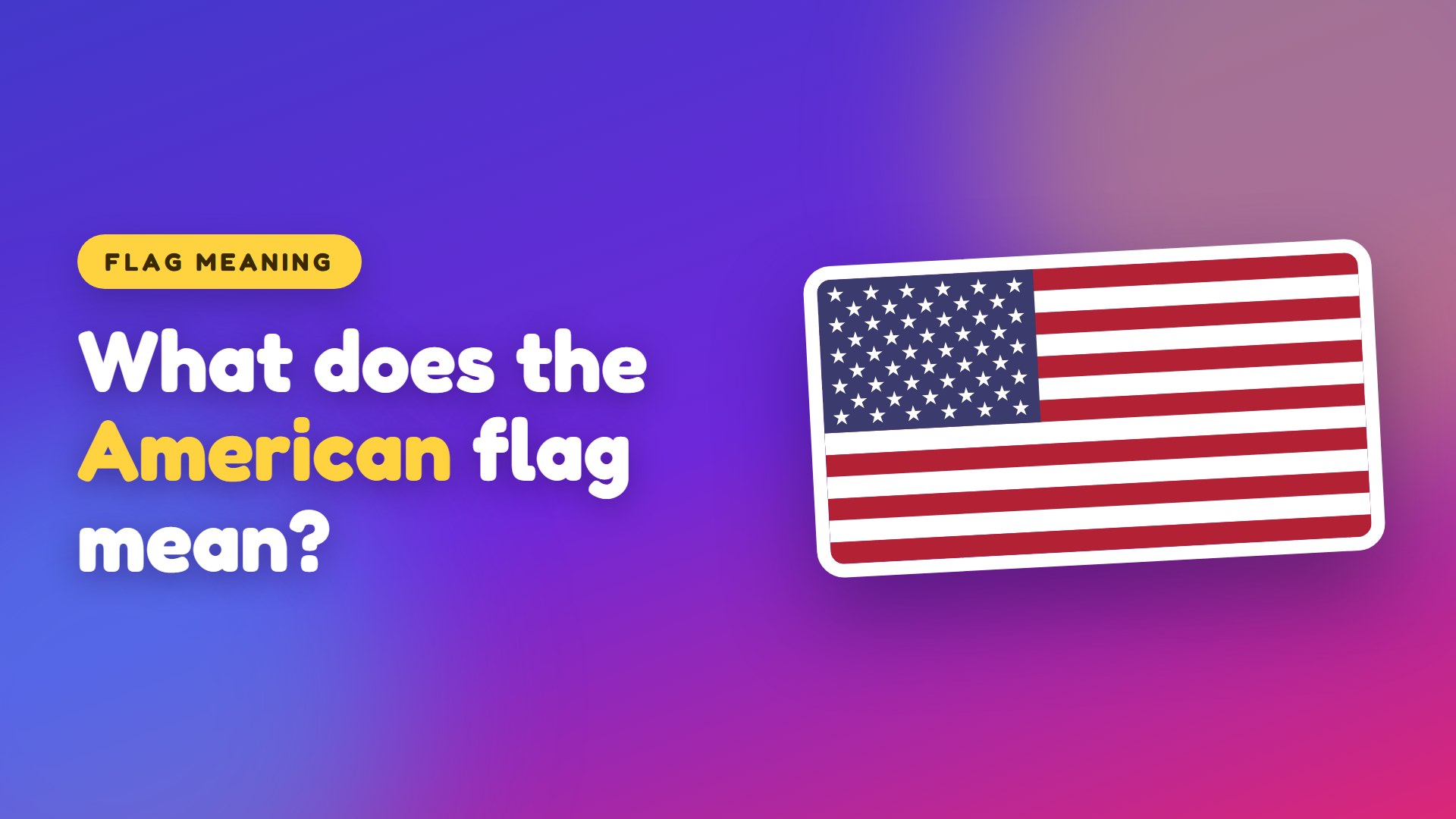 1:05 American flag meaning The 13 red and white stripes of the American flag stand for the 13 original colonies, and its 50 white stars stand for the 50 states. The colors have…
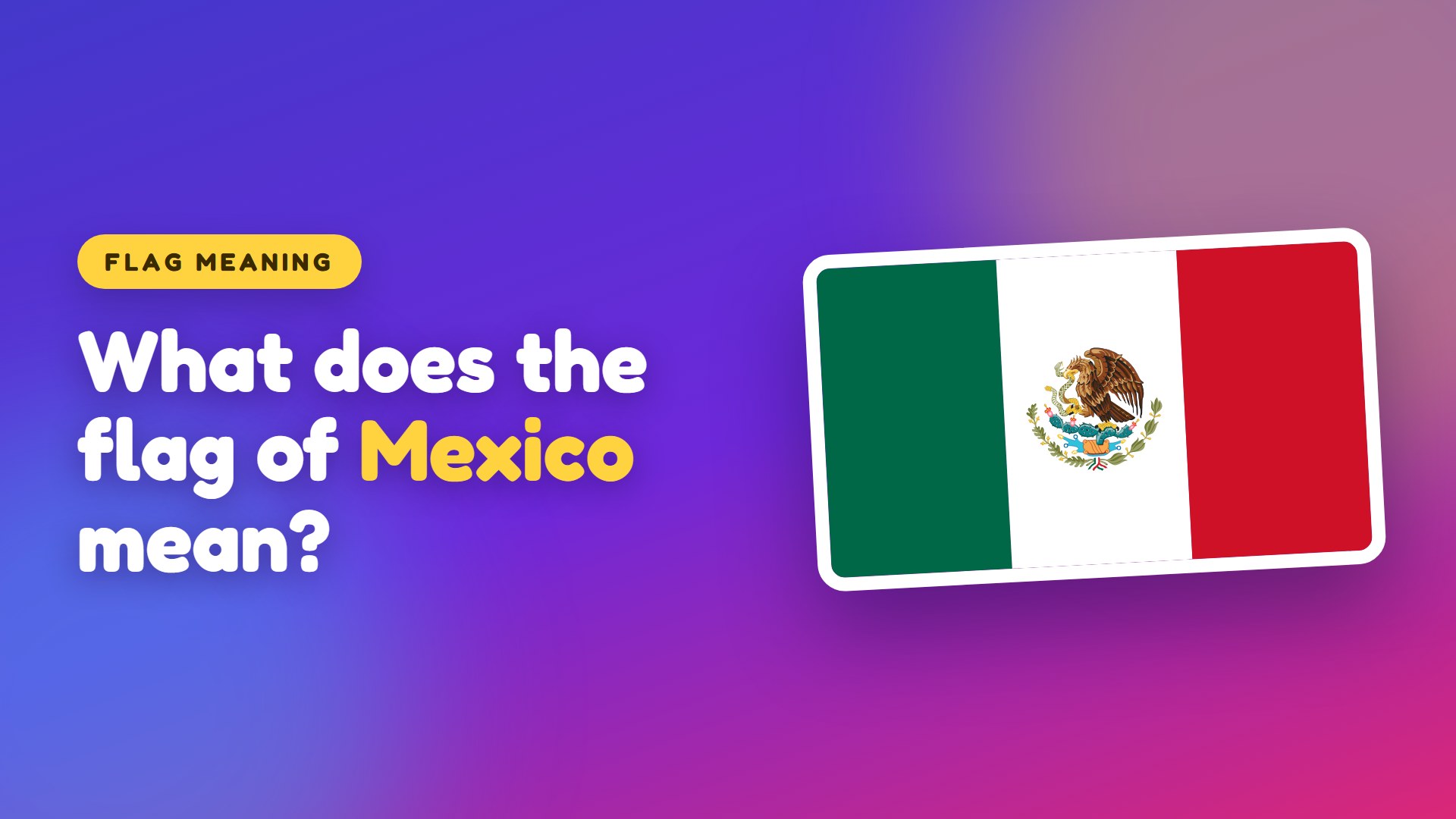 0:59 Mexican flag meaning The eagle on a cactus eating a snake comes from the Aztec legend of how Tenochtitlan, today Mexico City, was founded in 1325. Green is usually said to…
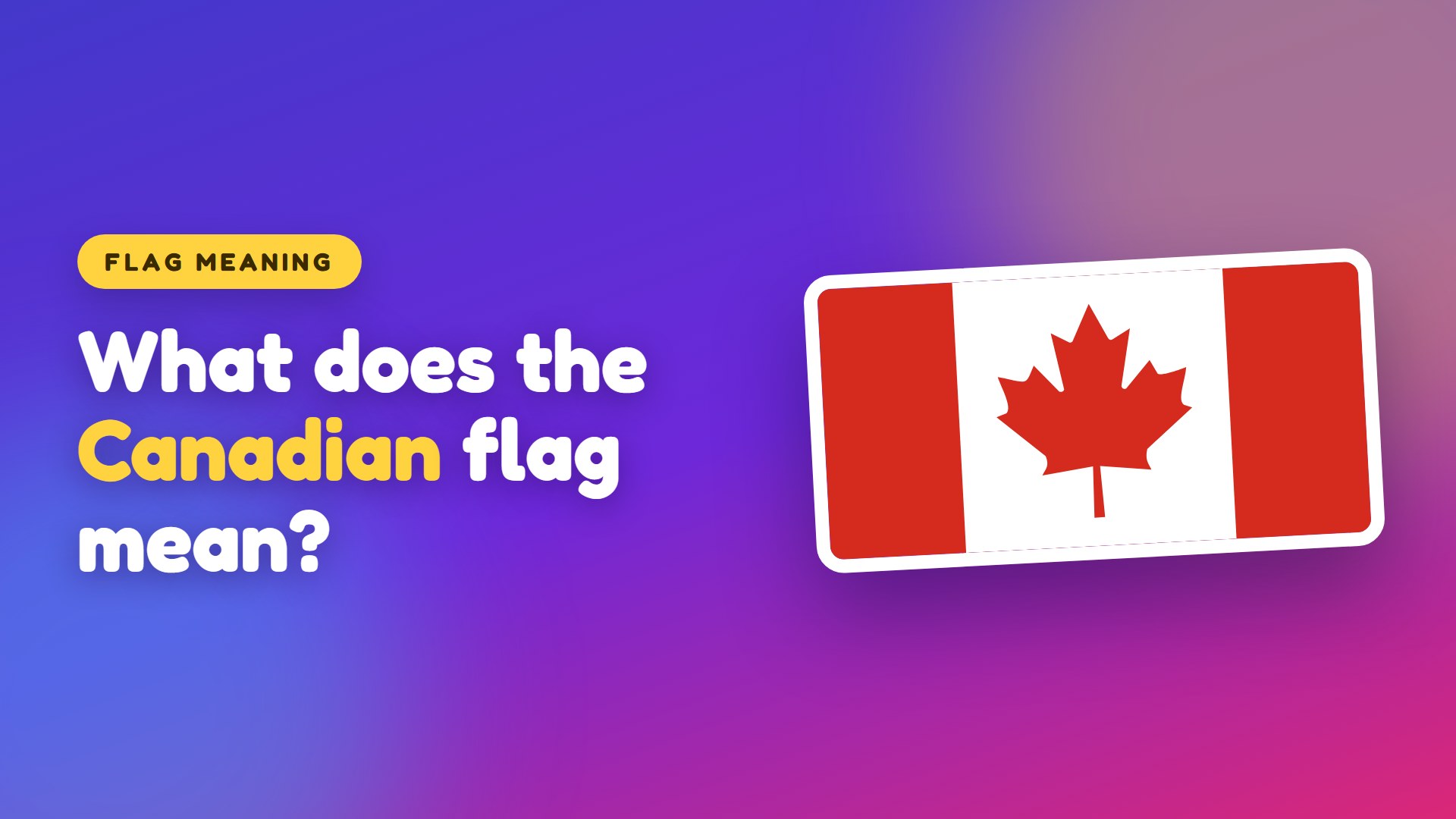 0:59 Canadian flag meaning The red maple leaf has stood for Canada since the 1800s and today is a symbol of the country and the unity of its people. Red and white were proclaimed…
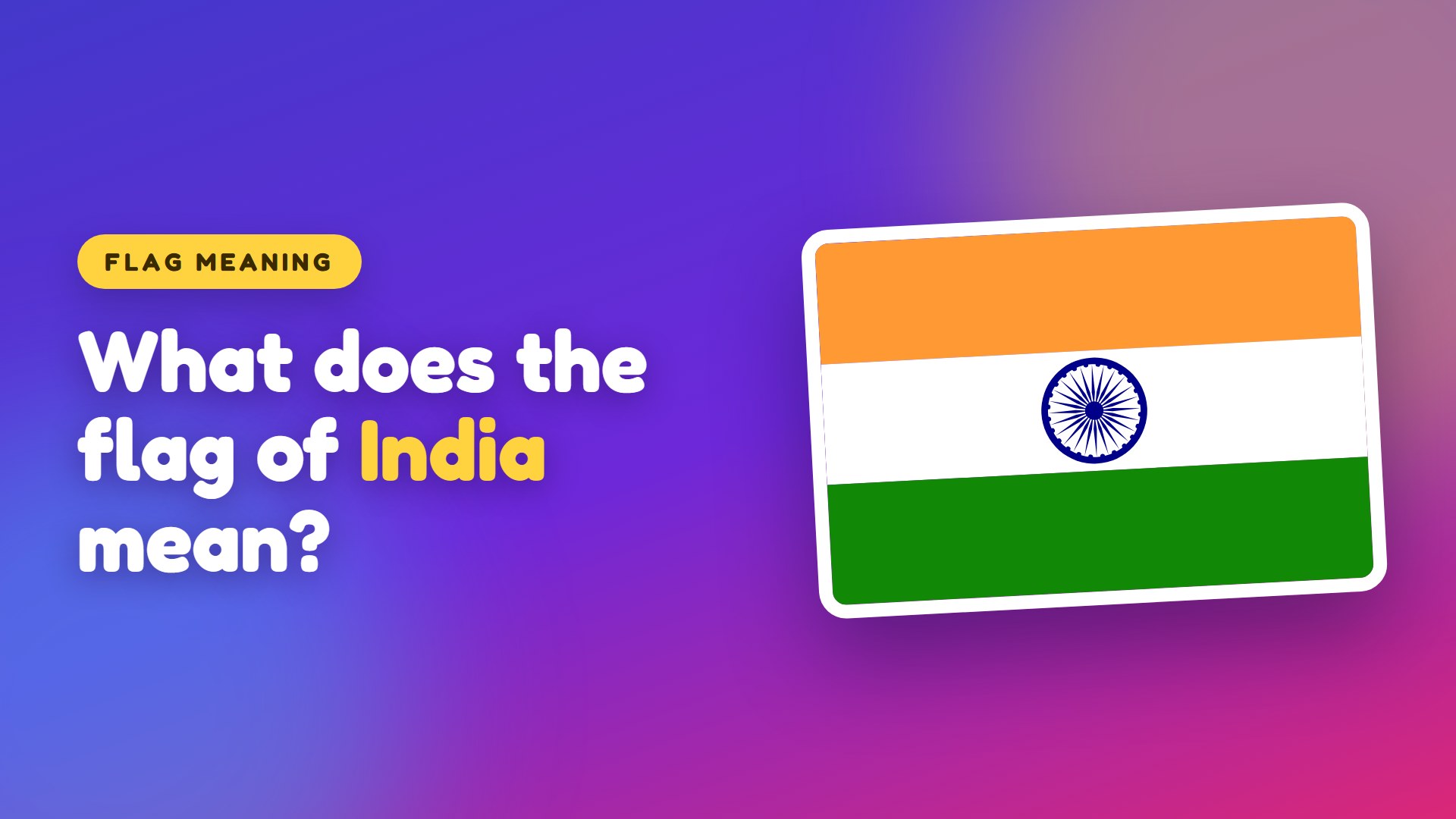 0:51 Indian flag meaning On India's flag, saffron stands for the strength and courage of the country, white for peace and truth, and green for the fertility, growth and…
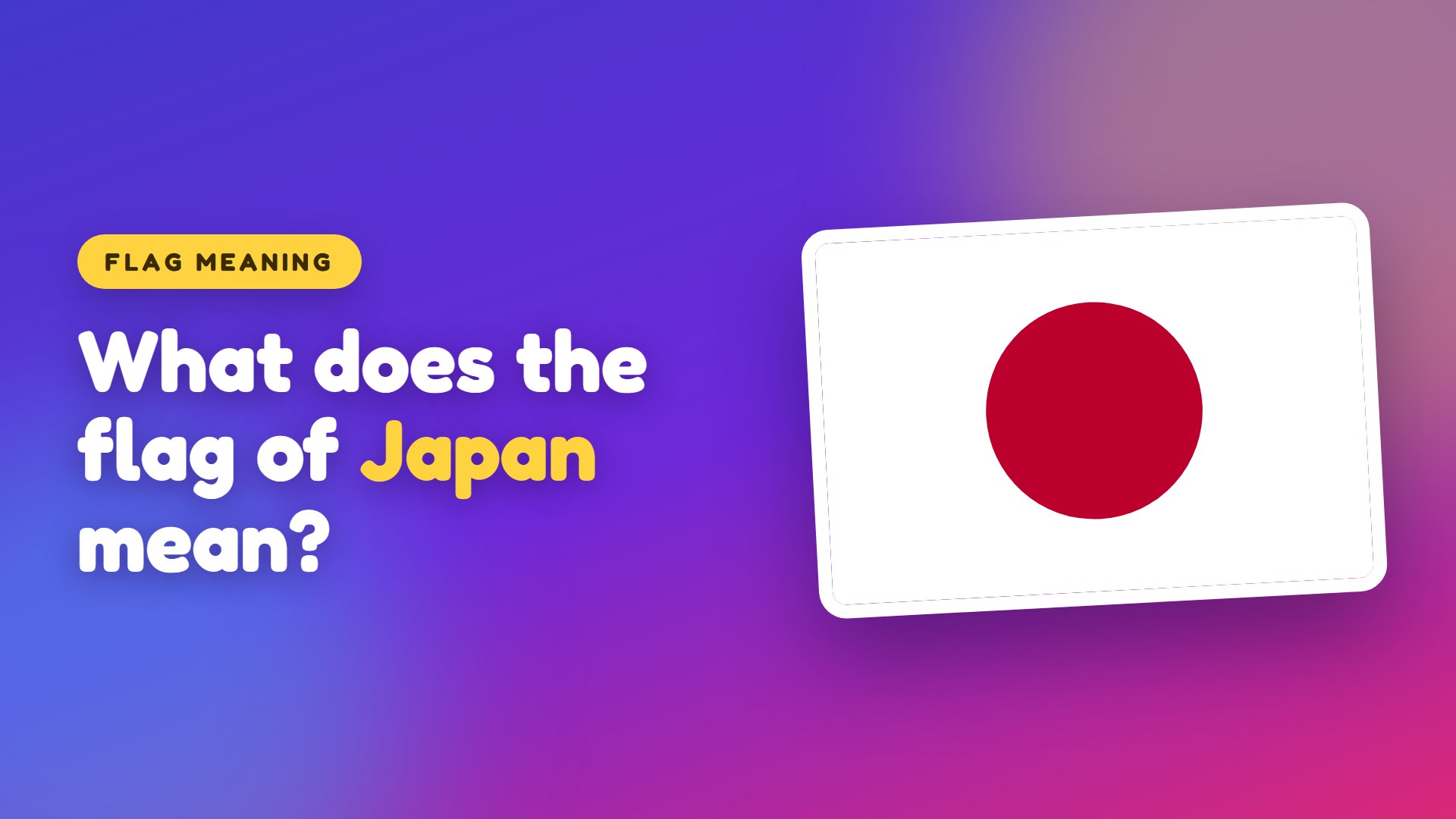 0:57 Japanese flag meaning Japan's flag, the Hinomaru ("circle of the sun"), shows a red sun on a white field. It reflects Japan's own name, Nihon, which means "origin of the…
No color has one fixed meaning, but the same ideas come back again and again. Here is what each color most often stands for, how many of the 196 national flags use it, and what some countries say about their own.
Courage, revolution, and the blood shed for independence.
Kenya: the blood shed in the fight for independence Indonesia: courage Canada: often linked to sacrifice in the First World WarPeace, purity, honesty and truth.
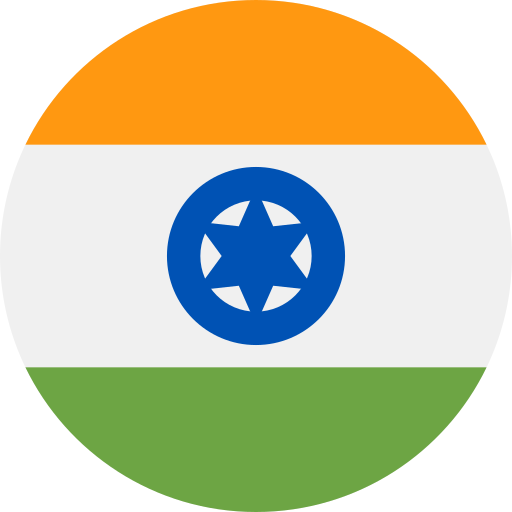 India: peace and truth Kenya: peace
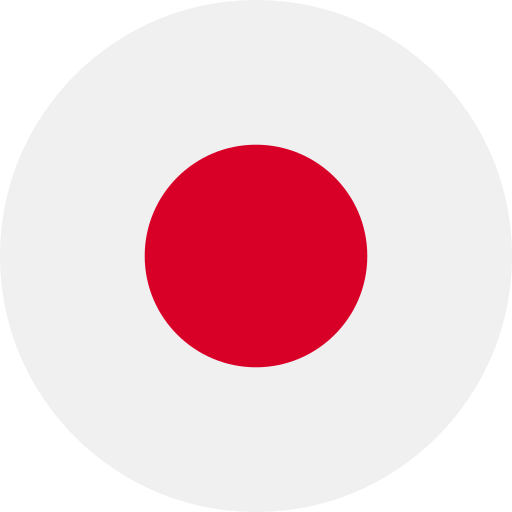 Japan: often said to stand for honesty and purity
The sky, the sea, water, freedom and vigilance.
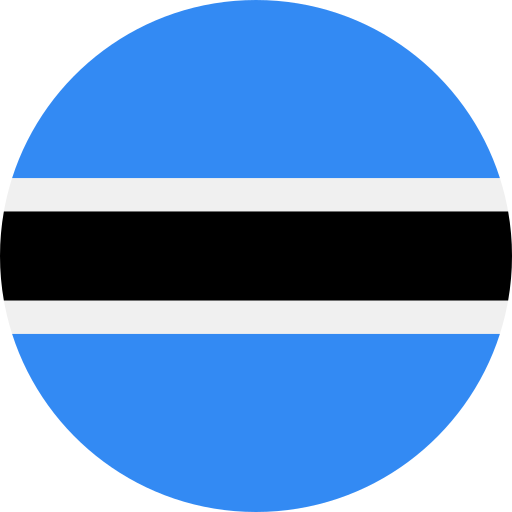 Botswana: water and rain, precious in a dry country
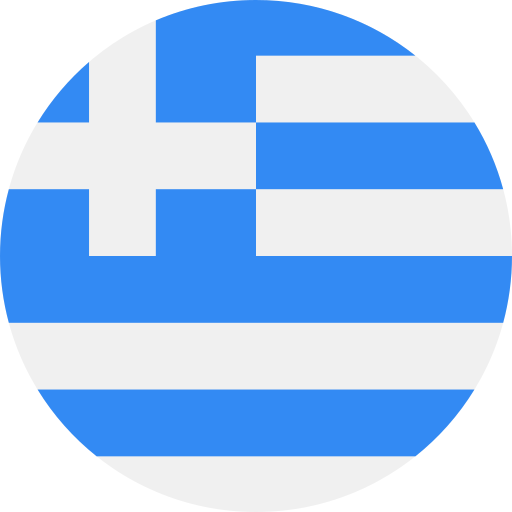 Greece: often said to be the sea and the sky
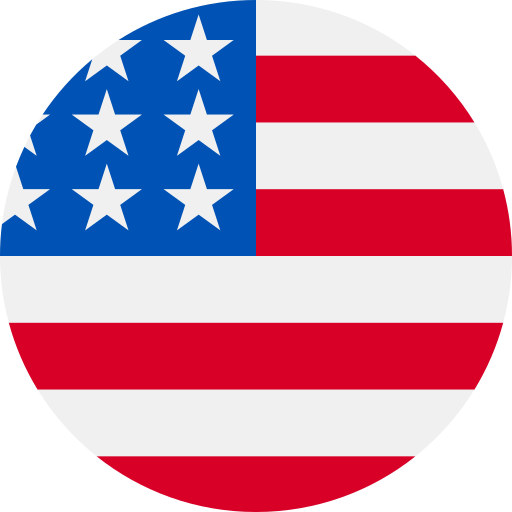 United States: vigilance, perseverance and justice
The land, farming and forests, hope, and in many Muslim-majority countries, Islam.
 Nigeria: the forests and natural wealth
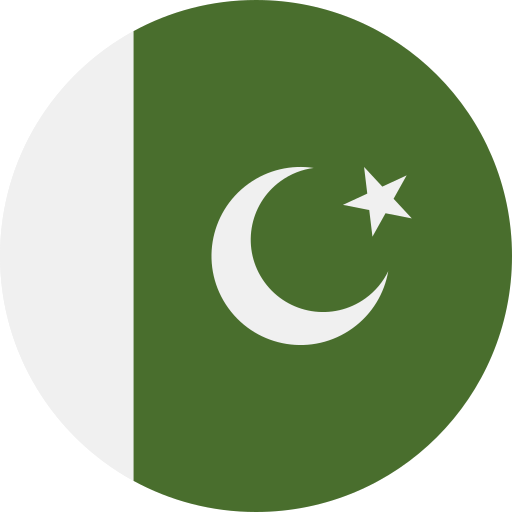 Pakistan: the Muslim majority
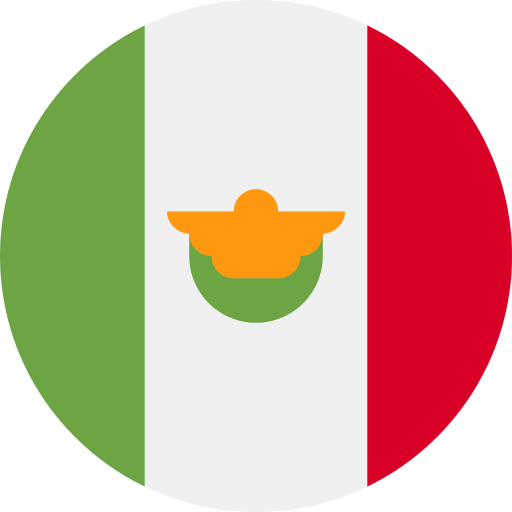 Mexico: usually said to stand for hope
Wealth, minerals and the sun.
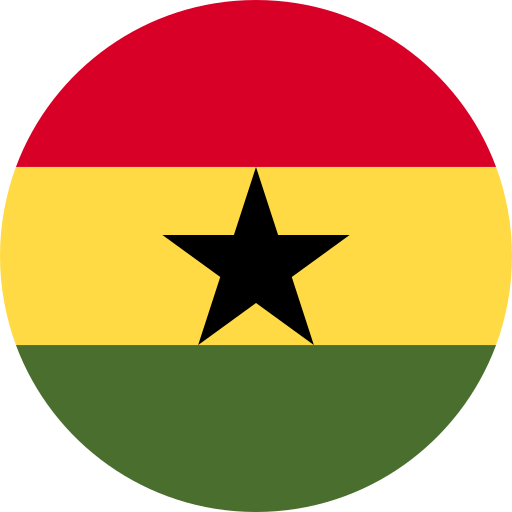 Ghana: the country's mineral wealth
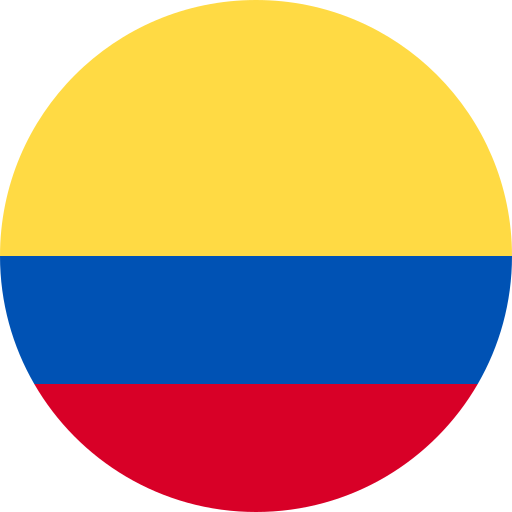 Colombia: the wealth of the land
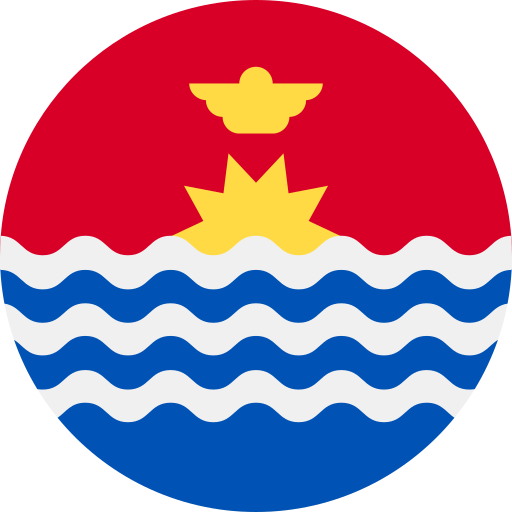 Kiribati: a rising sun
The people, their heritage and strength, and sometimes mourning.
Kenya: the people of Kenya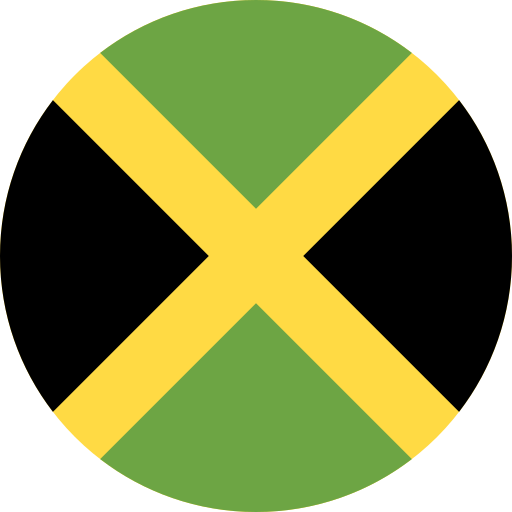 Jamaica: the strength and creativity of the people
Courage, faith, and sometimes the land itself.
India: strength and courage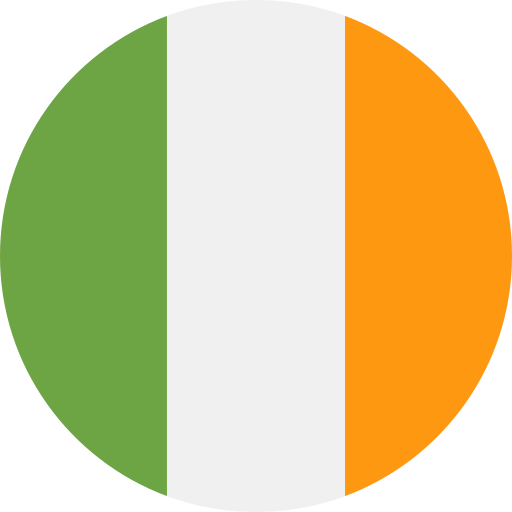 Ireland: the followers of William of Orange, with white for peace
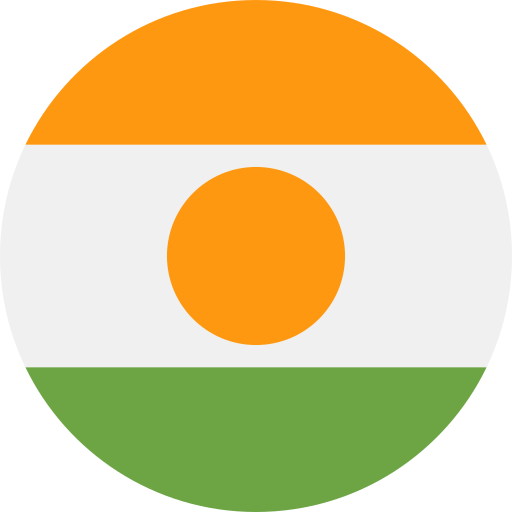 Niger: the Sahara desert in the north
Beyond color, most flags carry a symbol, called a charge. These are the ones you will see most often.
States, provinces or islands, unity, and ideals to aim for. The 50 stars of the United States, the real night sky on Brazil's flag, and the Southern Cross on Australia's. American flag meaning →
Life, energy, a new beginning or a nation's rise. Japan's red disc, the Sun of May on Argentina's flag, and the eight rays on the Philippines flag for the first provinces to revolt against Spain. Japanese flag meaning →
Widely seen as a symbol of Islam, though it is older than Islam itself. Turkey, Pakistan and Algeria.
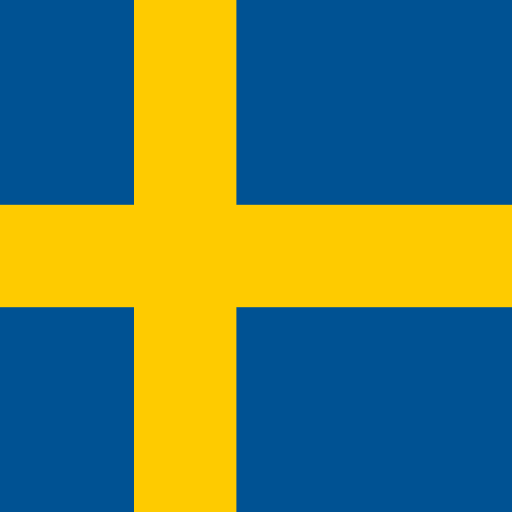
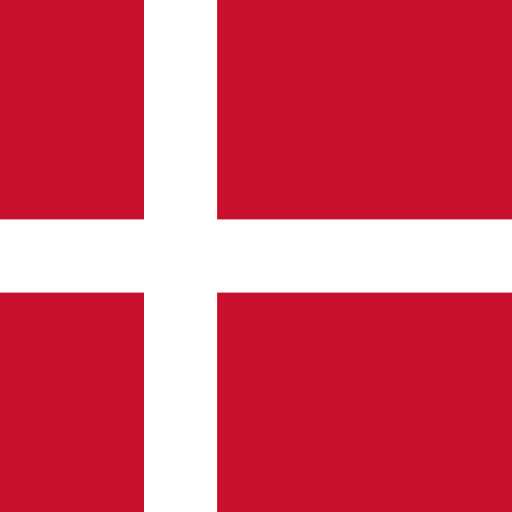
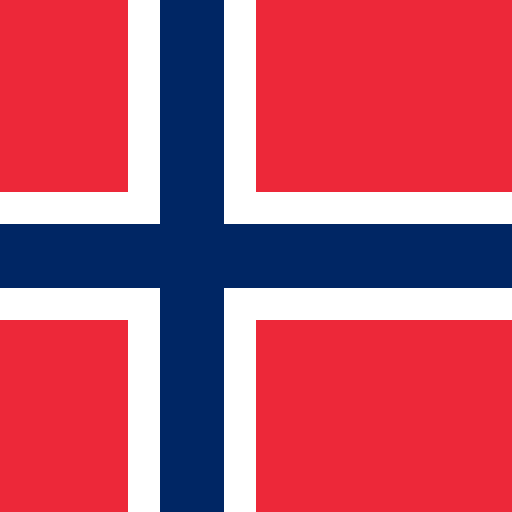
Christianity, and in Northern Europe a shared history. The off-center Nordic cross of Denmark, Sweden, Norway, Finland and Iceland, the cross of Switzerland, and the three crosses combined in the United Kingdom's Union Jack.
Strength, courage and the story of the nation. The eagle and snake of Mexico, the double-headed eagle of Albania, the thunder dragon of Bhutan, and the lion of Sri Lanka. Mexican flag meaning →
The land, peace and endurance. Canada's maple leaf, the cedar of Lebanon, and the olive branches of Cyprus. Canadian flag meaning →
Work, progress and the law. India's Ashoka Chakra, the hoe on Mozambique's flag, and the cogwheel and machete of Angola. Indian flag meaning →
Defense, vigilance and the fight for independence. The rifle of Mozambique, the only modern firearm on a national flag, the sword of Saudi Arabia, and Kenya's shield and spears.
The country itself. Only two national flags show a map of their own country: Cyprus and Kosovo.
A motto or a declaration of faith. The shahada on Saudi Arabia's flag and Brazil's motto, Ordem e Progresso.
There is no fixed rule, but red most often stands for courage or the blood shed for independence, white for peace, blue for the sky, sea or freedom, green for the land or hope, yellow for wealth or the sun, and black for the people. Each country defines its own colors.
Red. It appears on 152 of the 196 national flags, followed by white on 138.
Nepal. Its flag is two stacked triangles, for the Himalayas and the country's two great religions, and its constitution spells out the exact geometry to draw it.
Mozambique. Its flag shows an AK-47 rifle with a bayonet, crossed with a hoe and resting on an open book, for defense, farming and education.
Only two national flags do: Cyprus, with the whole island in copper orange, and Kosovo.
Paraguay. The front shows the national coat of arms with a star, and the back shows a lion guarding a cap of liberty under the motto Paz y Justicia.
Vexillology, from the Latin vexillum, a kind of military banner.
Put it to the test: name all 196 flags of the world, or start with one region.
Name all the flags of the world More Flag Stories on YouTube ↗