
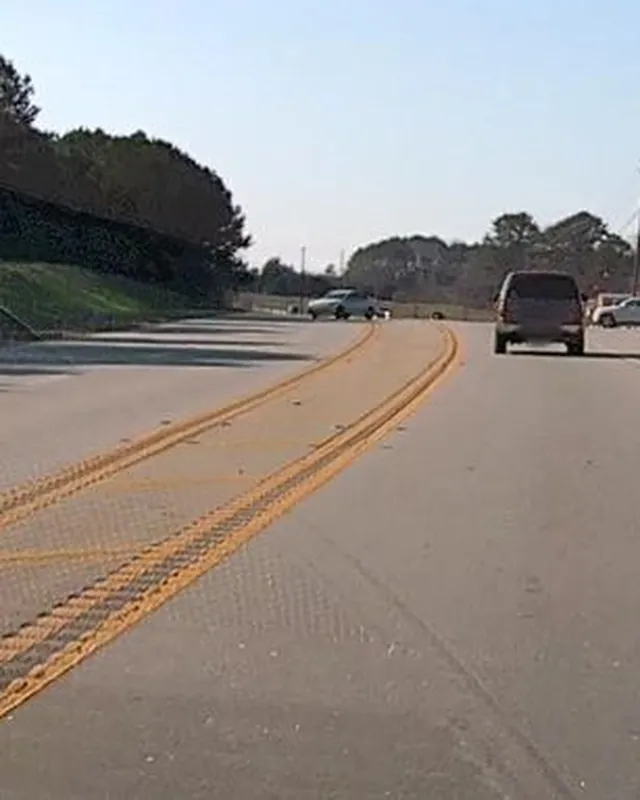
 United States
Road lines compared: same line, different countries
Road lines are one of the quickest clues in a street photo, but many countries share the same paint. This page puts the same kind of line side by side across 15 countries, then shows the look-alikes people mix up and the detail that tells them apart.
Test yourself: play Line Spotter →Centre lines compared
The line down the middle is the first thing to check. Yellow or orange points to the Americas, Norway, Thailand or Japan; white points to most of Europe. Each card shows one photo per country, ringed on the line.
United States 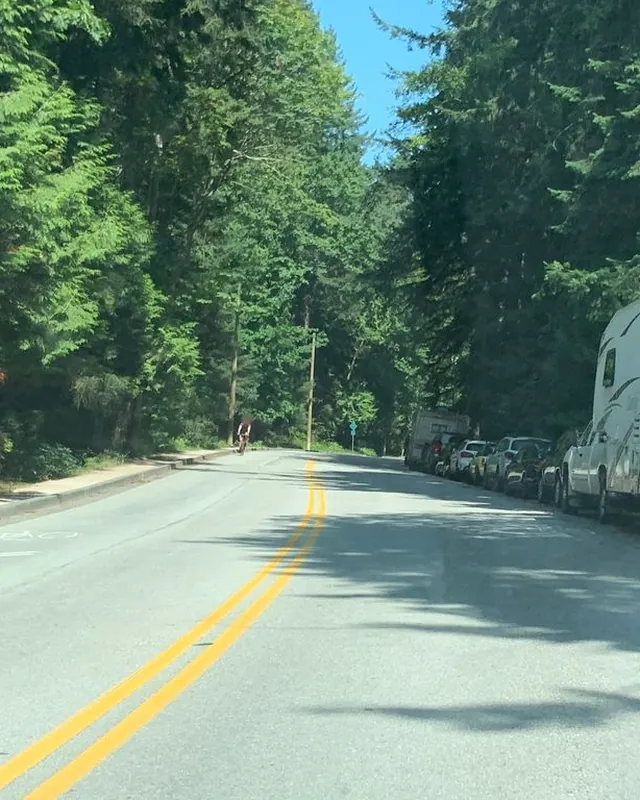
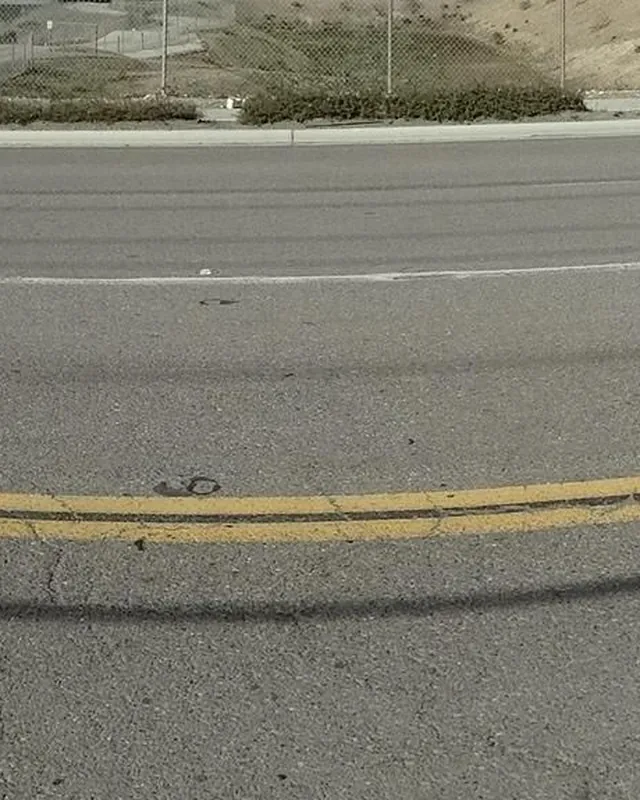
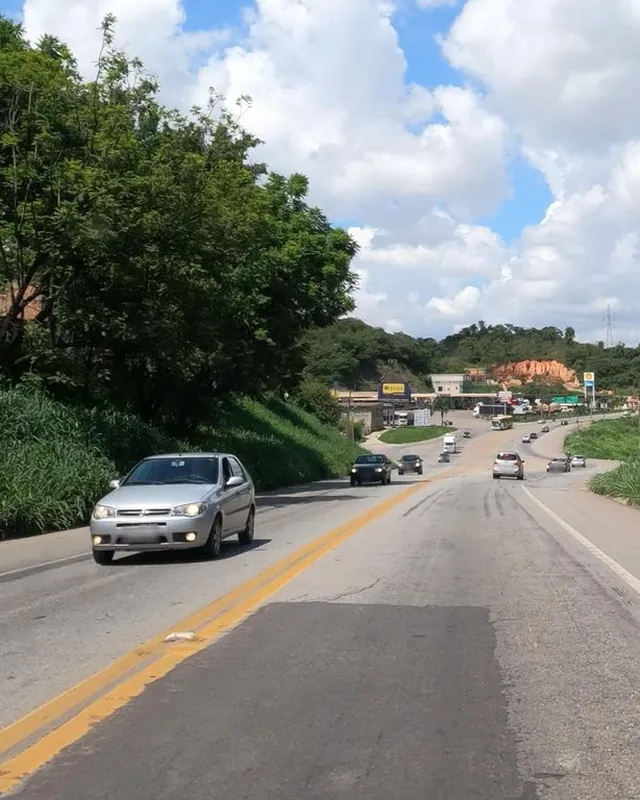
 Norway
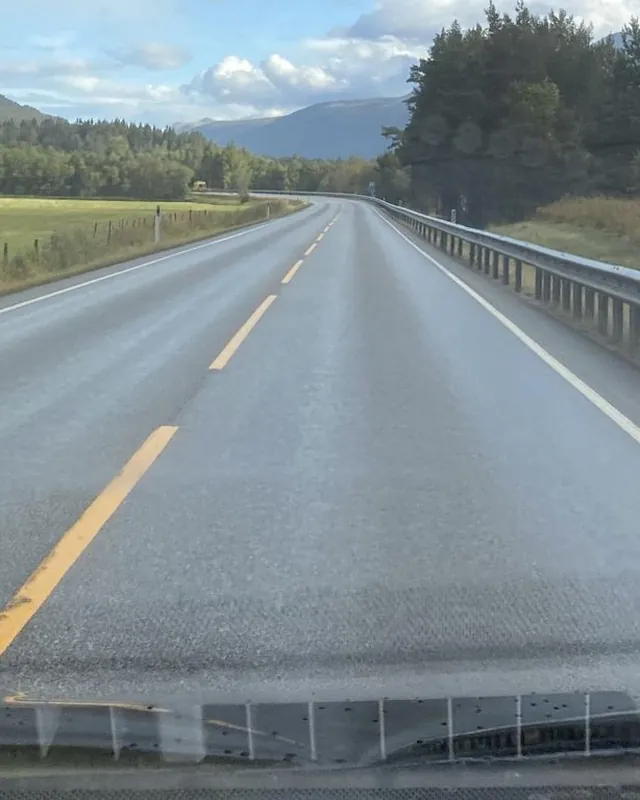
Single yellow centre line
One yellow line, solid or dashed, splits the two directions. In Europe, Norway is the best-known country that does this, usually in long dashes. Thailand paints a bright solid yellow. In the Americas a dashed yellow line marks where overtaking is allowed.
 Japan
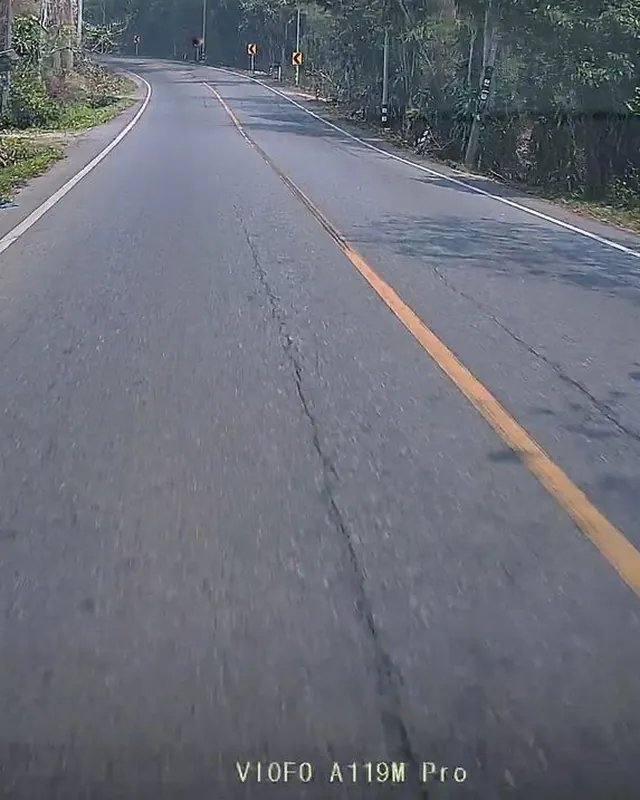
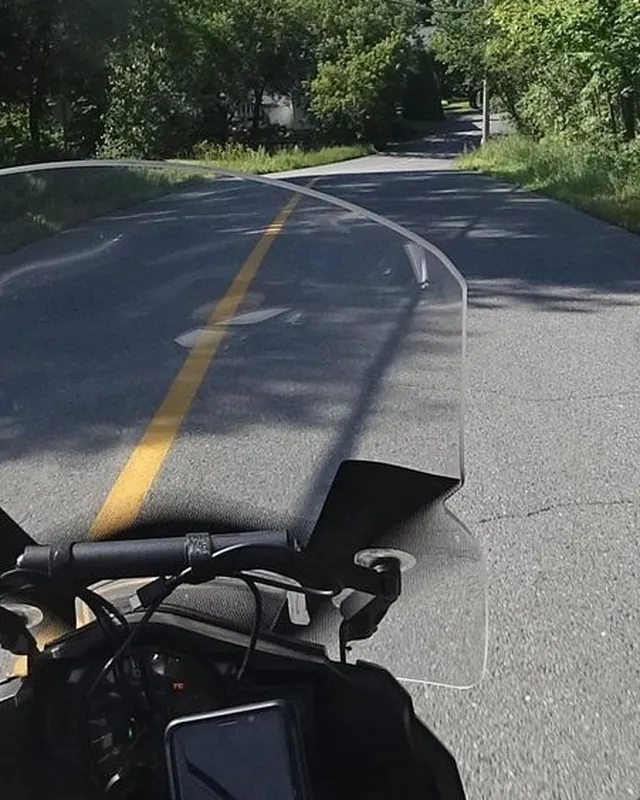
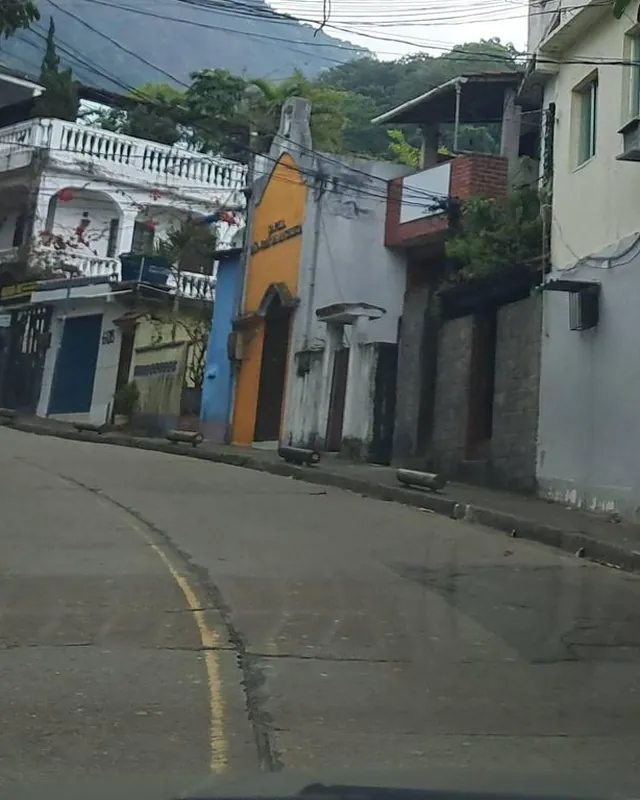
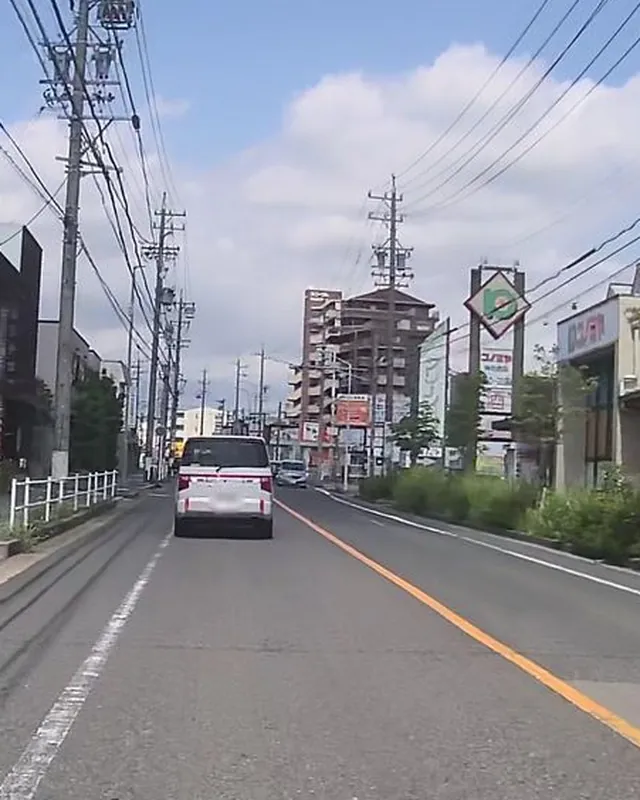
Orange centre line
Japan's no-overtaking line is a solid orange-yellow, deeper than the yellow of the Americas or Thailand. Other Japanese centre lines are white, and expressway lines are thick and heavy.
 Denmark
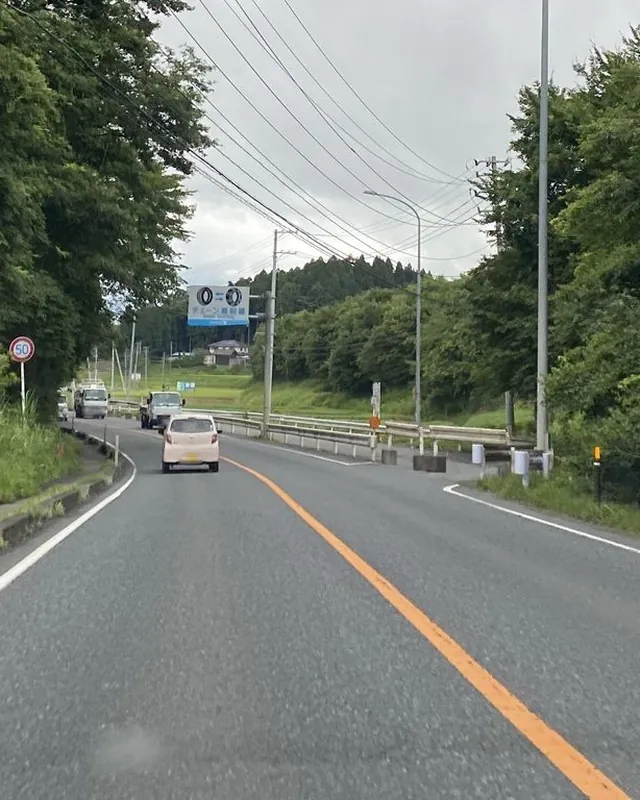
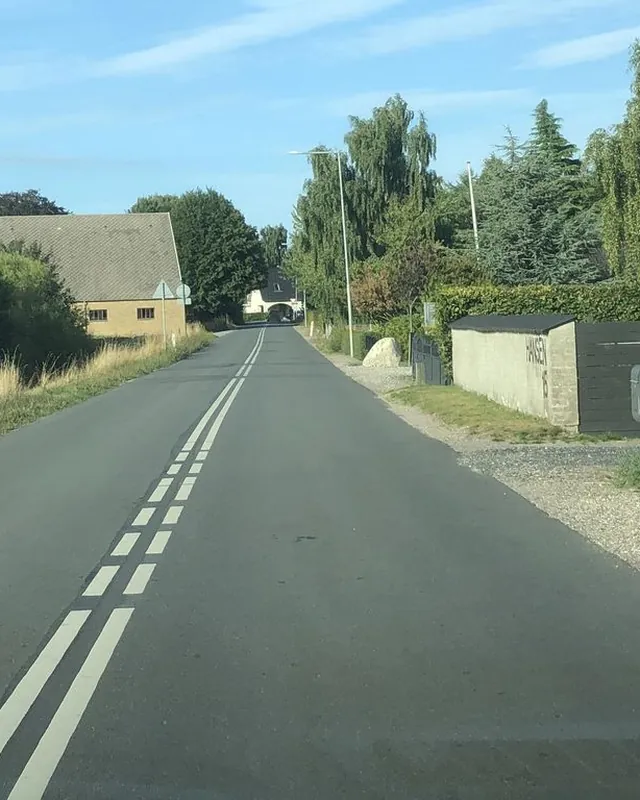
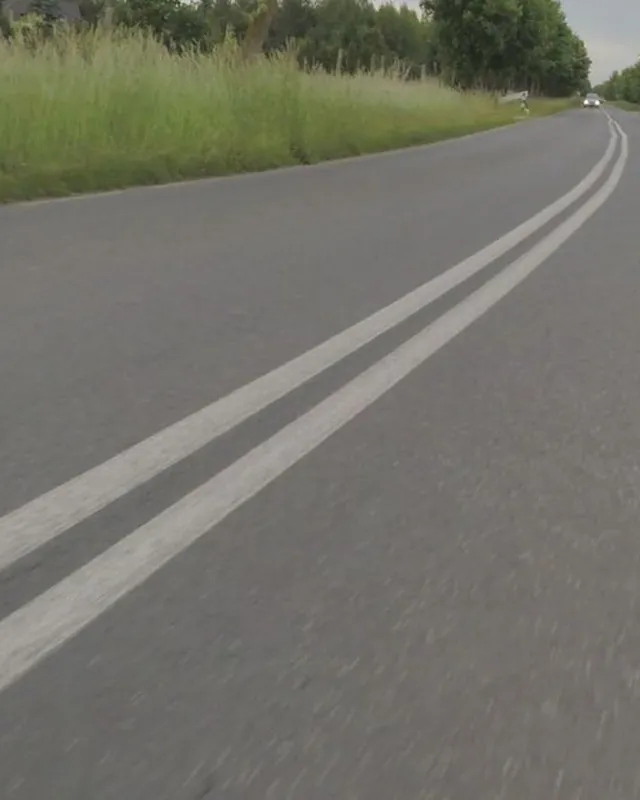
Double white centre line
Most of Europe paints every line white. Where overtaking is limited, Denmark and Poland paint two white lines down the middle: both solid means no overtaking, and a solid line beside a dashed one lets only the dashed side overtake. The paint alone will not separate them: see the look-alikes below.
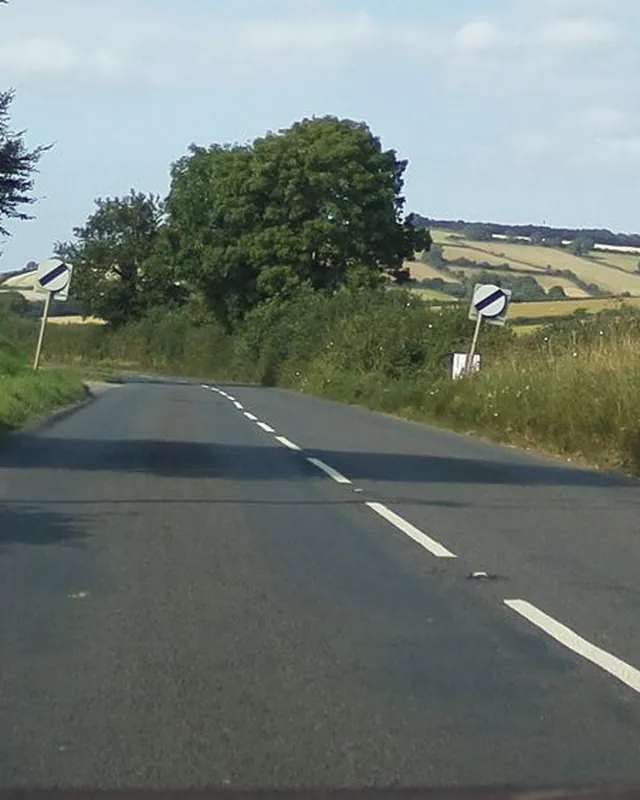 United Kingdom
White dashed centre line
A single white dashed line is the most common centre line in Europe. On British country roads the dashes are short with long gaps; before bends and junctions they get longer and closer together as a hazard warning.
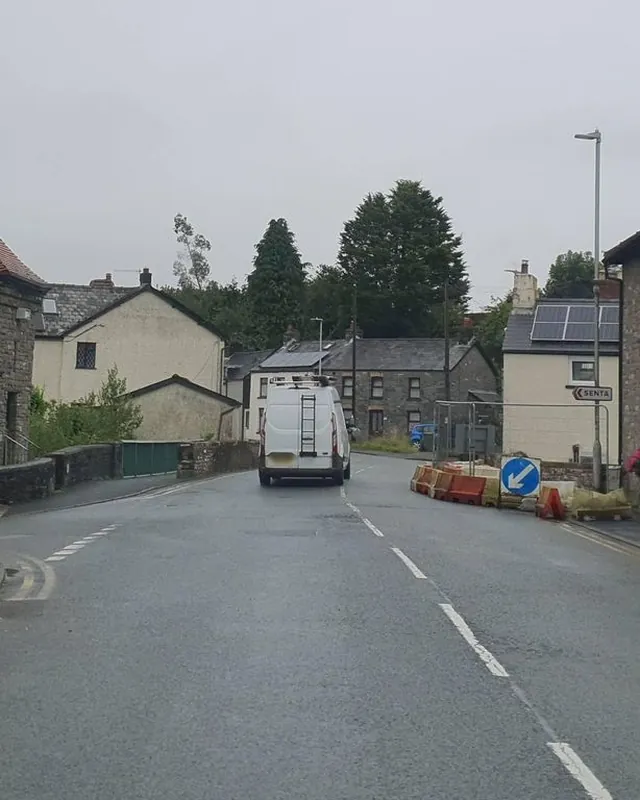
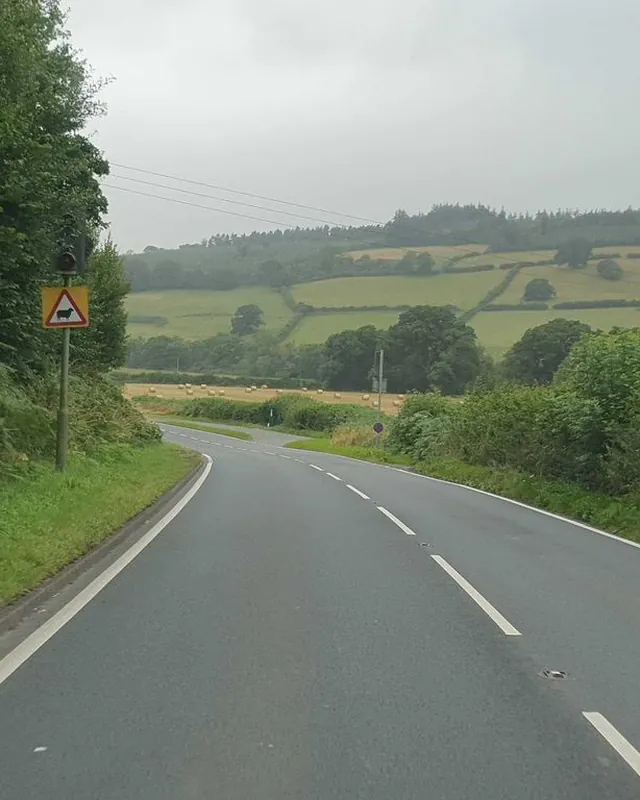
Edge lines compared
When the centre line is white, the edge often gives the country away: its colour, whether it is dashed, and how wide it is.
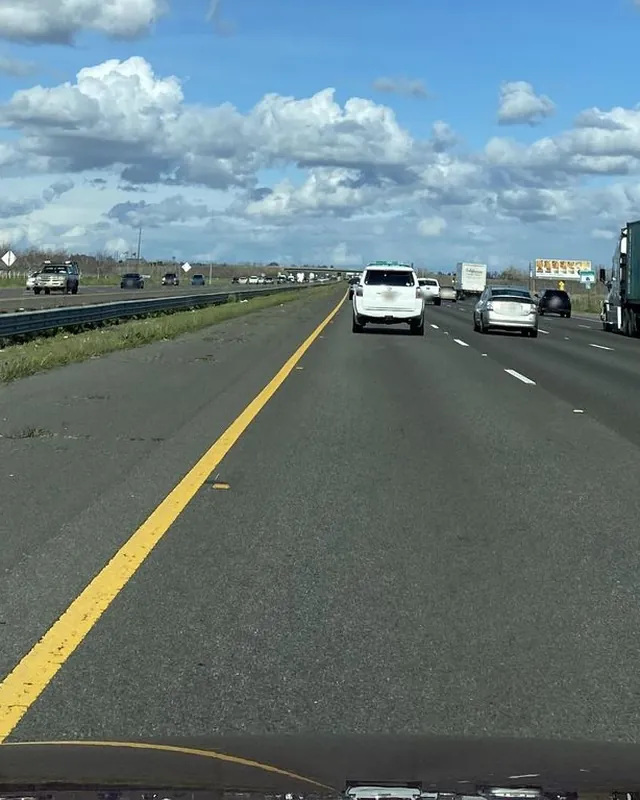 United States
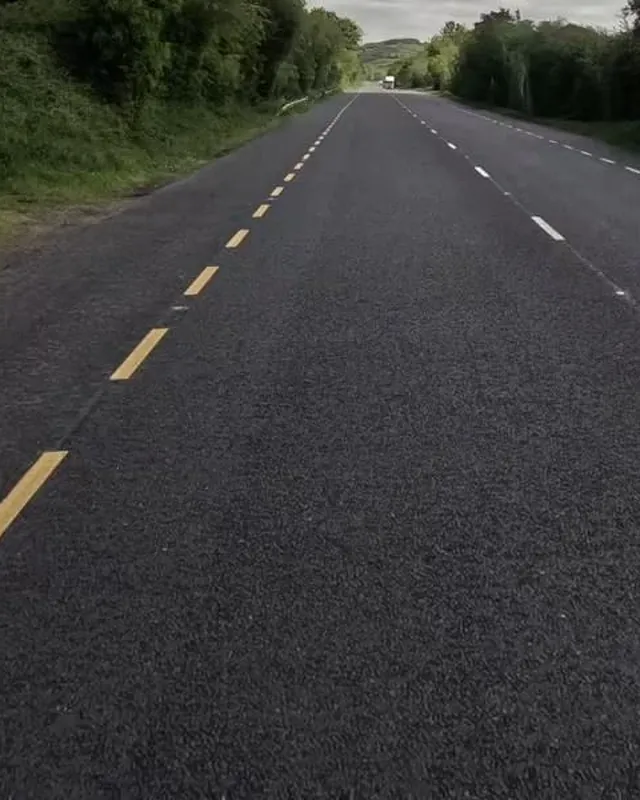
Yellow edge line
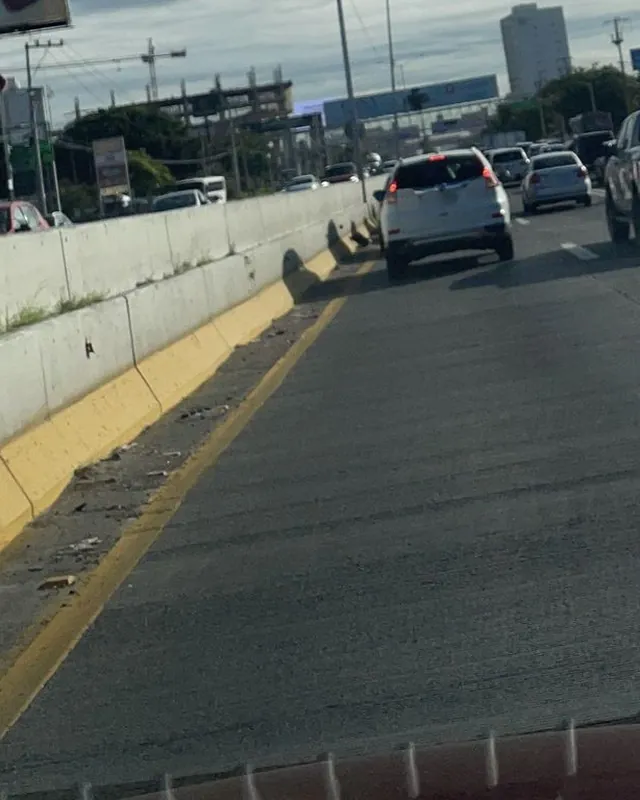
A yellow edge line means different things in different places. In the United States and Mexico it marks the left edge of a divided road, and Mexico often paints the kerb and barrier yellow too. Thailand drives on the left, so its yellow edge is on the right. Ireland's is dashed and marks a hard shoulder.

 France
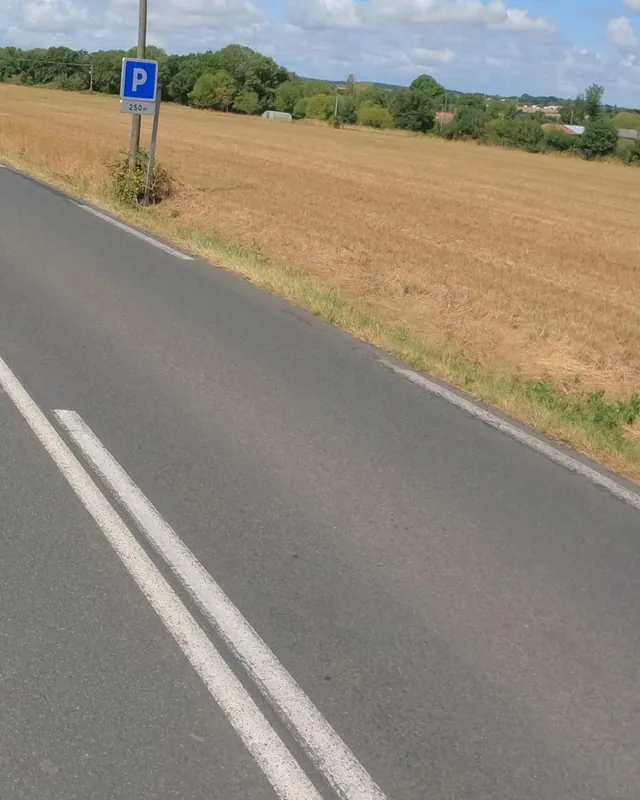
Dashed white edge line
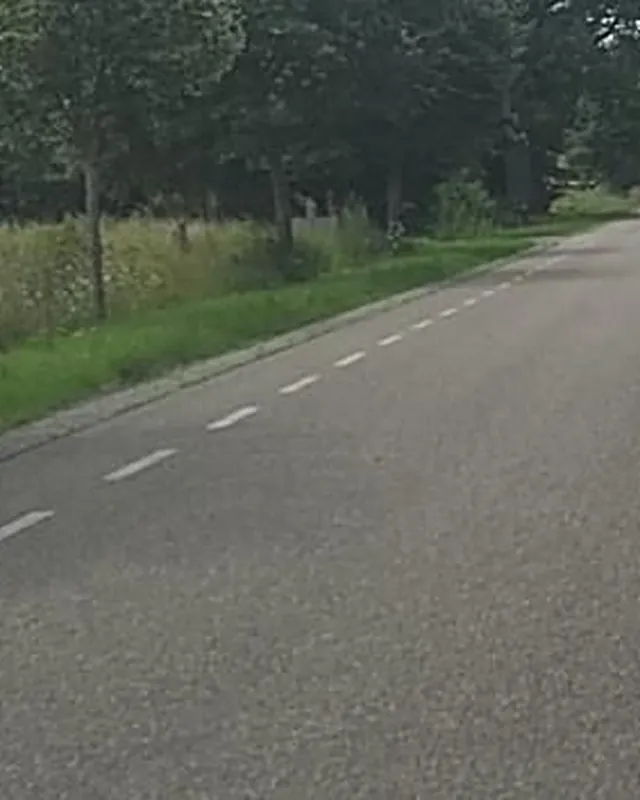
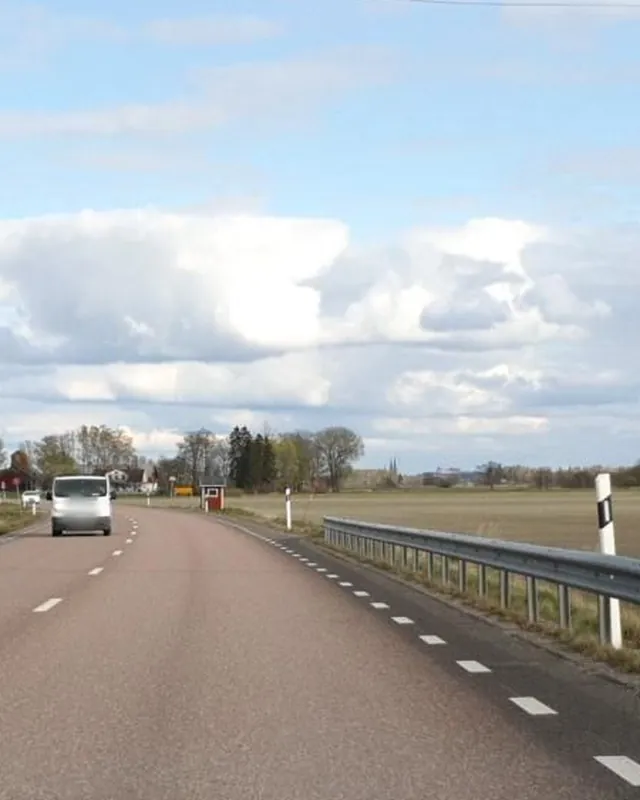
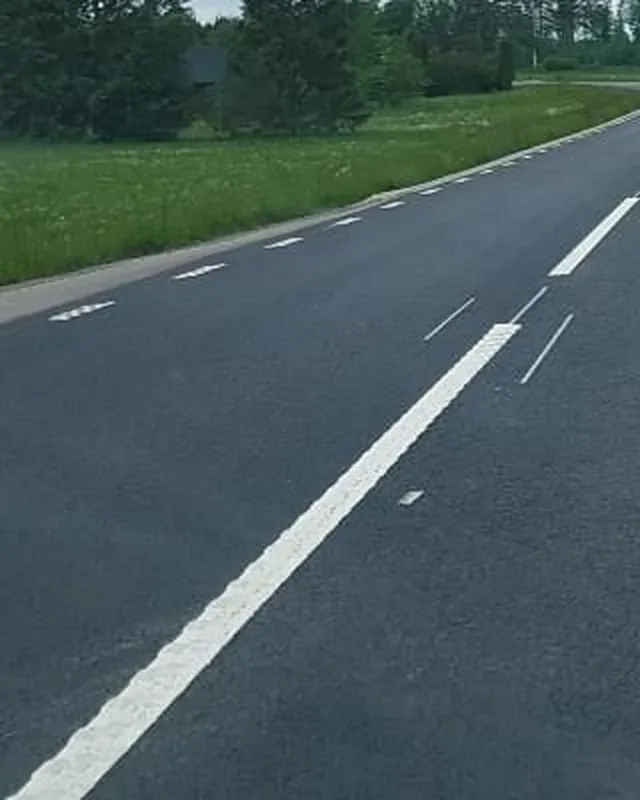
France and the Netherlands both break their white edge lines into dashes. A French road usually keeps a white centre line; a quiet Dutch road often has dashes on both edges and nothing in the middle. Smaller Swedish roads use a dashed edge too.
 Sweden
 United Kingdom
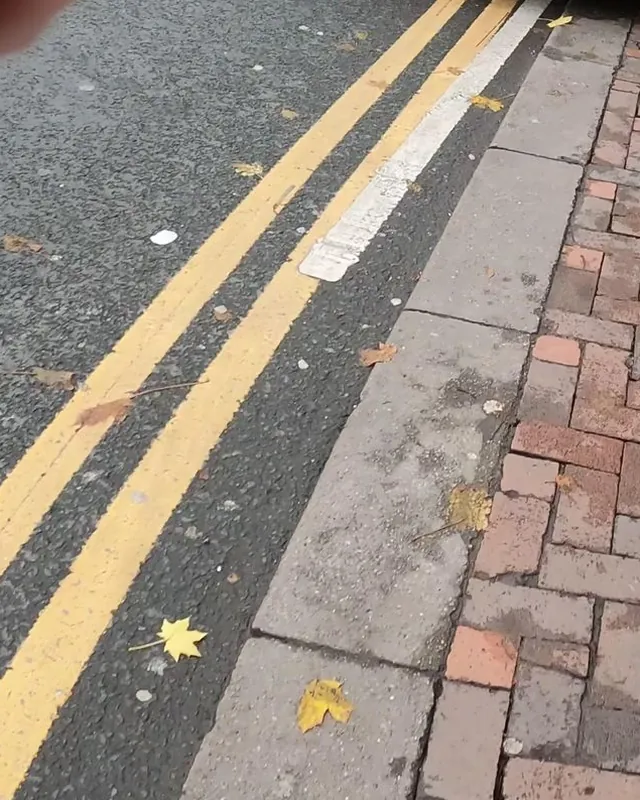
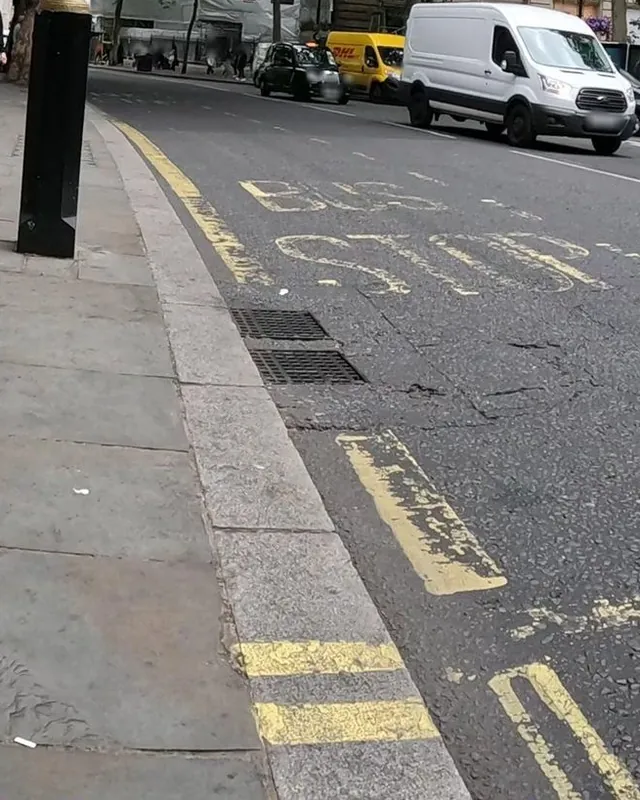
Double yellow along the kerb
Two yellow lines right beside the kerb mean no parking at any time in the United Kingdom and Ireland. They sit at the very edge of the road, not in the middle like the American double yellow.
Also used in: Ireland
Look-alikes: how to tell them apart
These pairs paint their roads almost the same way. Each one shows a real photo of both countries side by side, and the detail that separates them.
 United States vs
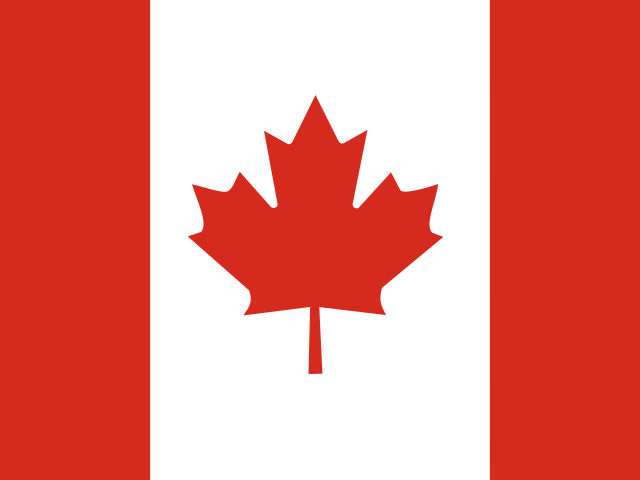 Canada
How to tell The lines are the same. Check the speed signs: Canada uses km/h, the United States mph. In Quebec the signs are in French.
 Brazil vs
 Argentina
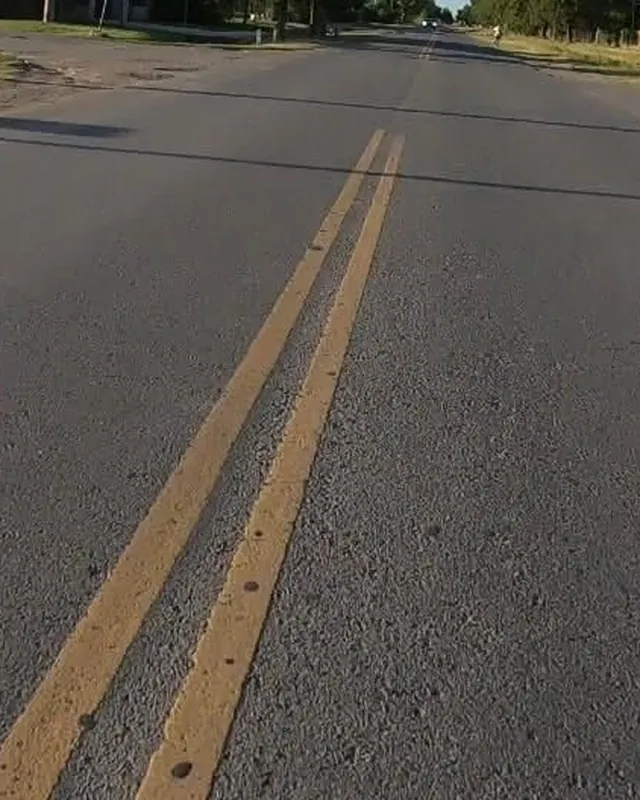
How to tell Both paint a double yellow centre line with white edges. Brazil's roads often wind through green hills and tropical trees, with signs in Portuguese. The Argentine pampas are flat and nearly treeless, with signs in Spanish.
United States vs  Mexico
How to tell Both mark the left edge of a divided road in yellow. In Mexico the yellow often carries on up the kerb and the concrete barrier; in the United States it usually stays on the road surface, often beside a grass median.
United States vs  Thailand
How to tell Both put the yellow line on the side of the median. The United States drives on the right, so the yellow edge is on the driver's left. Thailand drives on the left, so it is on the right. Thai signs also use the curly Thai script.
 Japan vs Thailand
How to tell Both drive on the left with a coloured centre line. Japan's is a deeper orange, Thailand's a bright lemon yellow. The signs settle it: Japanese kana and kanji, or the round, curly Thai script.
 Norway vs
 Sweden
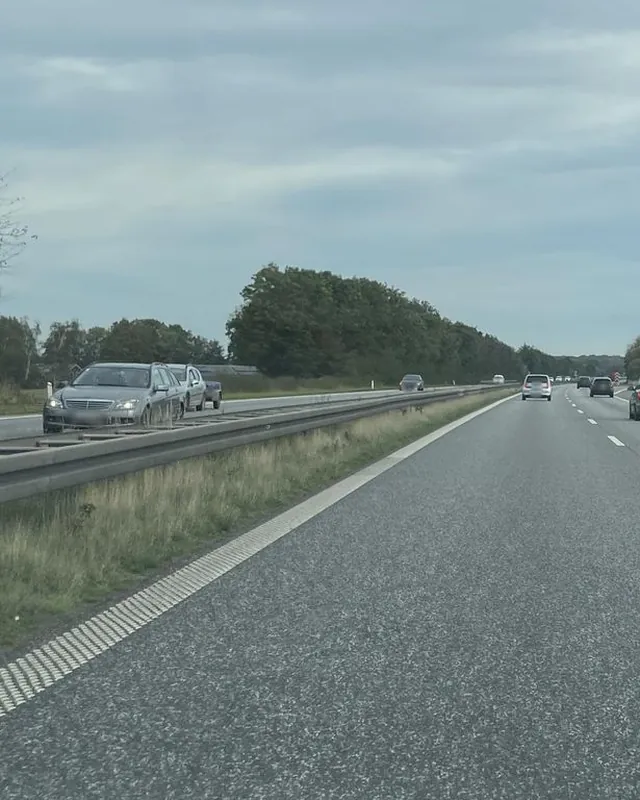
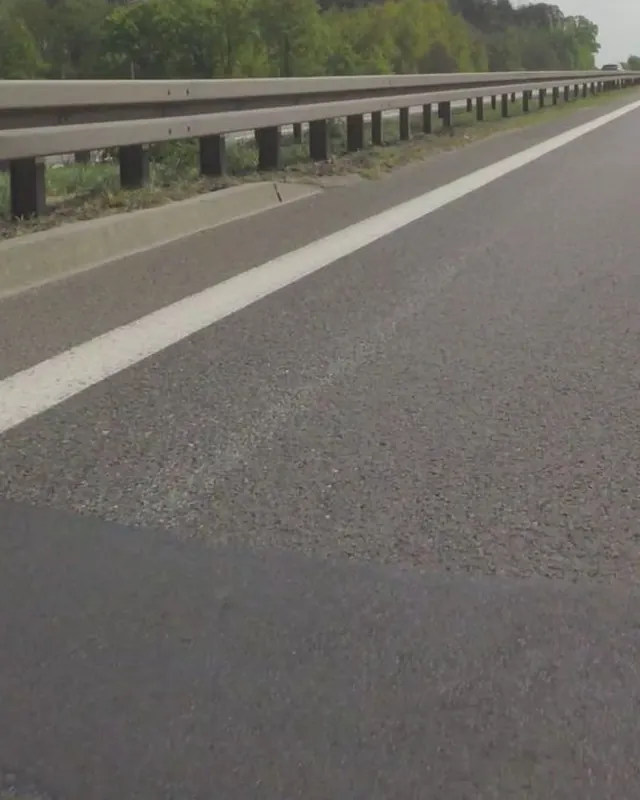
How to tell Neighbours with opposite rules: Norway paints the centre line yellow, Sweden paints every line white. A yellow centre line in a Nordic photo means Norway. Swedish main roads have wide white edge lines instead, and many have a wire barrier down the middle.
 Ireland vs
 United Kingdom
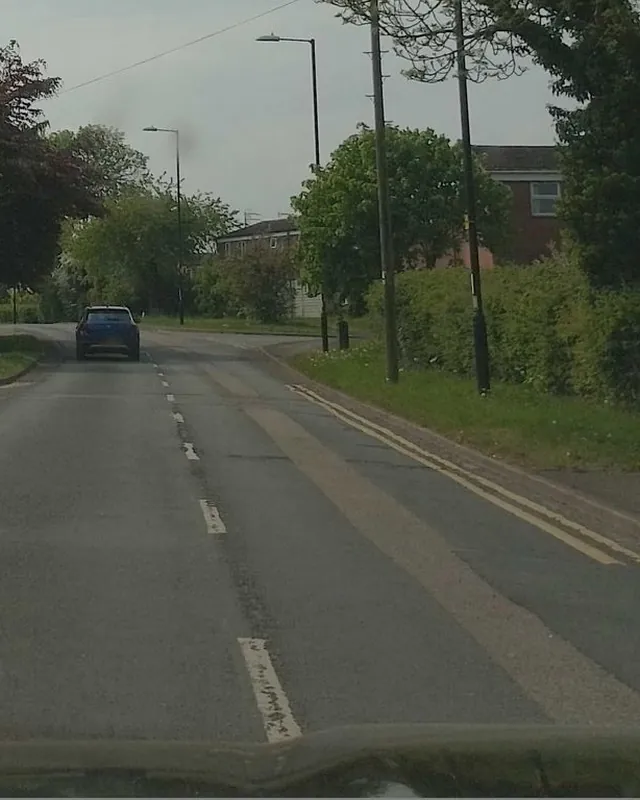
How to tell Both drive on the left with a white centre line. Ireland marks the edge of national roads with a dashed yellow line and a hard shoulder; British edge lines stay white. Speed signs help too: km/h in Ireland, mph in the United Kingdom.
 France vs
 Netherlands
How to tell Both dash their edge lines. A French road usually still has a white line in the middle; a quiet Dutch road often has none, just two dashed edges and one shared lane, often with a separate cycle path beside it.
 Denmark vs
 Poland
How to tell Both use white paint only, with two white lines in the middle where overtaking is limited, so read the signs: æ and ø mean Denmark, ł, ą and ę mean Poland. Polish country roads are also often lined with tall trees close to the tarmac.
Questions about road lines
Which countries have yellow centre lines?
In Line Spotter: the United States, Canada, Mexico, Brazil, Argentina, Norway and Thailand, plus Japan with its orange no-overtaking line. Most of the Americas use yellow. In Europe, Norway is the best-known exception to white.
Which European country has yellow road lines?
Norway paints its centre lines yellow. Elsewhere in Europe, yellow lines on the road usually mean roadworks: in Germany, for example, temporary yellow lines take priority over the white ones.
What is the difference between American and British double yellow lines?
In the United States a double yellow line runs down the middle of the road and means no overtaking. In the United Kingdom double yellow lines run along the kerb and mean no parking at any time.
Why are the edge lines yellow in Ireland?
On Irish national roads a dashed yellow line marks the edge of the driving lane, with a hard shoulder beyond it. Very few countries do this, so it is one of the clearest Irish clues.
How can I tell Denmark from Poland by the road?
Both use white lines only, with two white lines in the middle where overtaking is limited. Read the signs instead: æ and ø mean Denmark; ł, ą and ę mean Poland.